
10 Georgia Backyard Plants That Stay Attractive Even During Dry June Weeks
Follow us on Google
June in Georgia can make a backyard look tired fast, especially when rain disappears and the heat settles in. The good news is you do not have to baby every planting just to keep your space colorful and polished.
These plants hold their looks through dry spells, giving you blooms, texture, or structure when fussier choices start to fade. If you want a yard that still feels alive by the end of a hot week, this list will save you time and second guessing.
Lantana
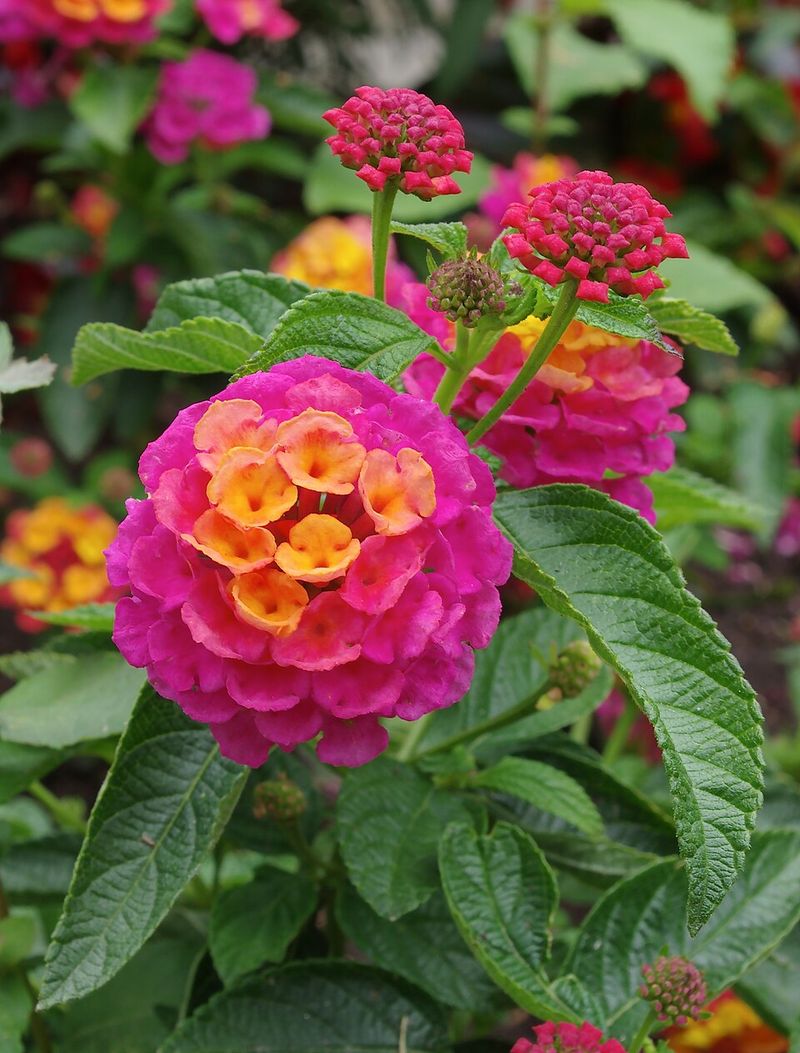
Few plants earn their place in a Georgia backyard as quickly as this one. When June turns hot and the hose starts feeling like a daily chore, lantana keeps pushing out cheerful flower clusters in citrusy shades, pinks, reds, and gold.
You get strong color without the constant wilted look that many summer bloomers develop after a few dry afternoons.
Once established, it handles lean conditions beautifully and usually looks better with less fuss than overwatered annual beds. I like it near patios, mailboxes, or along sunny borders where you want dependable color and butterfly traffic.
Deadheading is optional, but trimming spent stems every few weeks keeps the shape fuller and prevents a leggy, stretched appearance.
Good drainage matters more than rich soil, so avoid tucking it into spots that stay soggy after storms. A light layer of mulch helps roots settle in, but keep the crown open so the plant does not sulk in trapped moisture.
If your backyard gets full sun for most of the day, this is one of the easiest ways to keep things bright through Georgia’s driest June stretches.
Autumn Sage
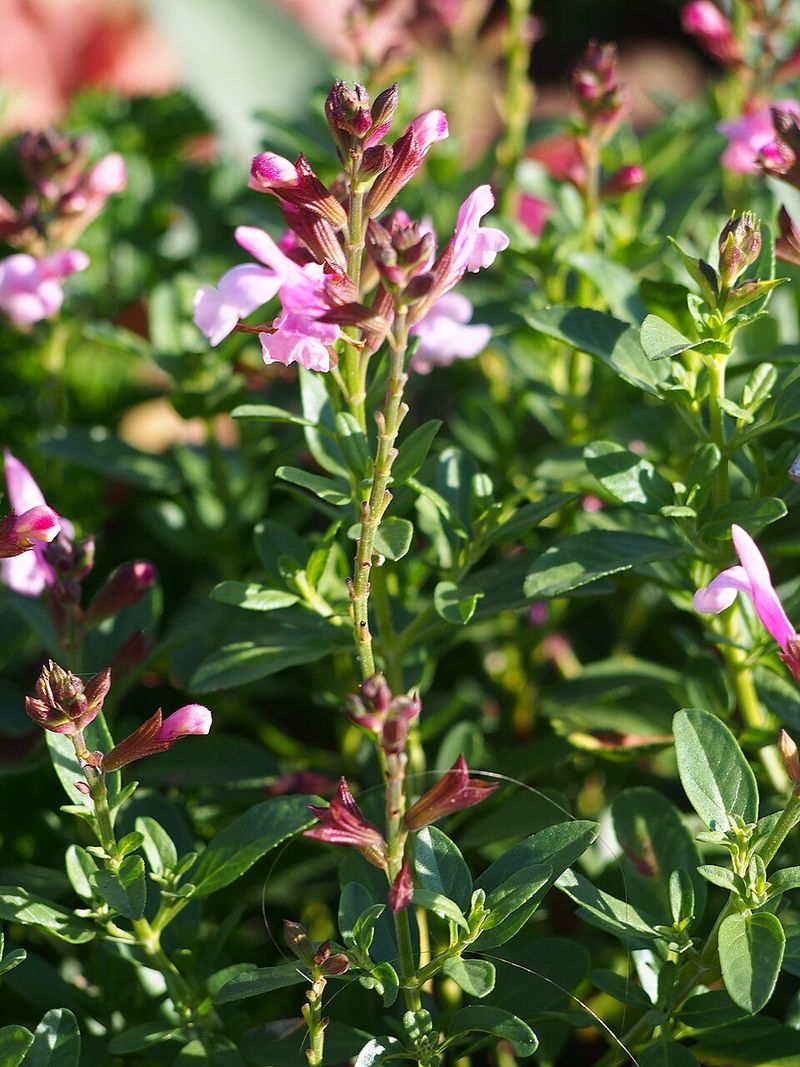
Dry June weather does not bother autumn sage nearly as much as it bothers gardeners. This compact salvia keeps a neat, shrubby form and sends out waves of red, coral, pink, or purple flowers that make a border look intentionally designed instead of heat stressed.
Hummingbirds notice it quickly, which adds a lot of motion to a quiet backyard.
You will get the best performance by planting it where the sun is strong and the soil drains fast. Heavy clay can work if you loosen it and raise the planting area a bit, because wet feet matter more than occasional drought.
A light haircut after the first bloom flush encourages another round and keeps the plant from looking woody or sparse.
What makes this one especially useful is its scale. It slips into smaller suburban beds, works in foundation plantings, and even handles large containers if you forget to water now and then.
During those Georgia weeks when everything else seems to pause, autumn sage still gives you color, clean foliage, and a relaxed kind of reliability that feels refreshingly low maintenance.
Purple Coneflower
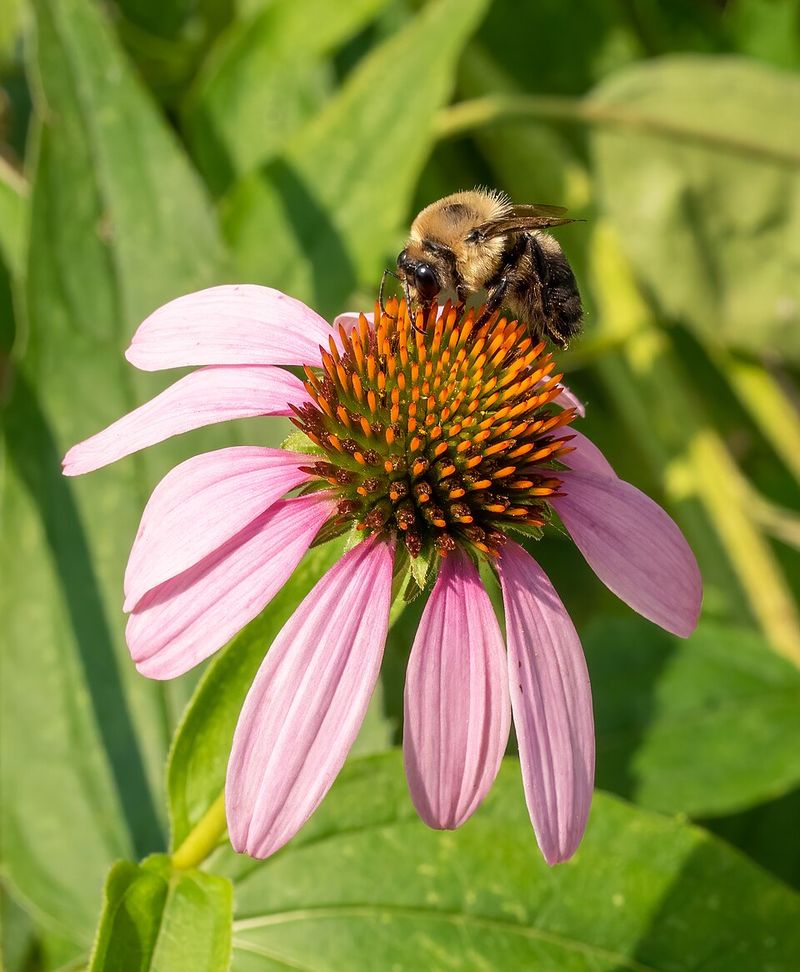
Some flowers manage to look sturdy and graceful at the same time, and purple coneflower is one of them. Its upright stems, wide petals, and bold central cones give a backyard border structure even when rainfall is inconsistent.
Instead of collapsing in the heat, it usually stands firm and keeps blooming long enough to carry your garden through a rough June patch.
You will appreciate how easy it is to pair with other summer plants. The blooms mix nicely with ornamental grasses, black eyed Susans, salvias, and native plantings, so a dry spell does not leave your beds looking flat.
Leave enough spacing for airflow, because crowded clumps can look tired faster in humid weather, even when the plant itself is drought tolerant.
After flowering, those seed heads continue earning their keep by feeding birds and adding texture. I would not rush to cut everything back unless you want a tidier, more formal look.
For Georgia backyards that need color, pollinator value, and a plant that still appears composed after several thirsty days, coneflower is one of the smartest choices you can make.
Blanket Flower
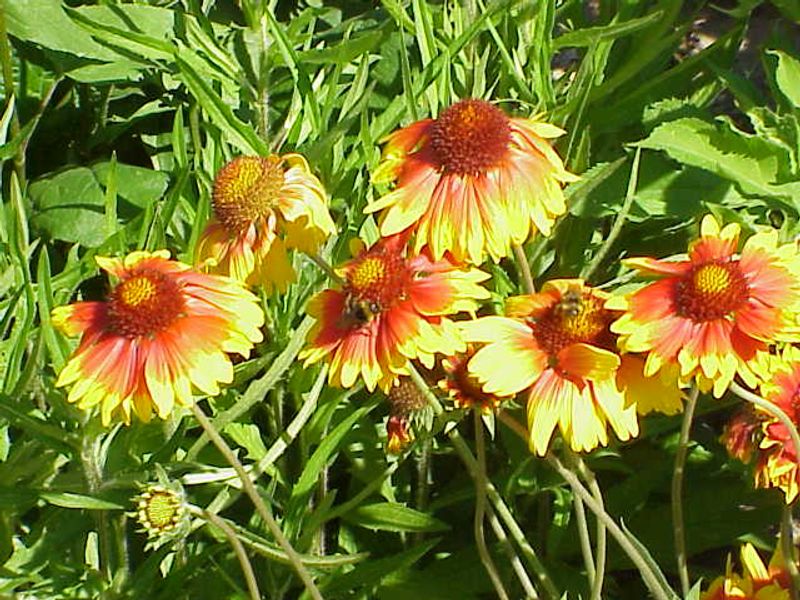
Bright color can be hard to maintain in a Georgia June, but blanket flower keeps showing up like it has not heard the forecast. The red, orange, and yellow blooms bring a warm, sunny look that reads cheerful instead of desperate, even when the soil has dried out.
If your backyard needs a plant that can carry a lot of visual energy without constant attention, this one delivers.
Lean soil does not scare it, and that is actually part of the appeal. Too much fertilizer can make growth floppy, while a well drained, sunnier spot helps it stay compact and bloom steadily.
You will get the cleanest look by snipping old flowers every week or two, though many gardeners simply let it roll and enjoy the long display.
Because the foliage stays relatively low, blanket flower works especially well near paths, patio edges, and the front of mixed borders. Pair it with blue salvias or silver foliage if you want the colors to stand out even more under intense summer light.
When water restrictions or plain forgetfulness get in the way, this is the kind of plant that still helps your yard look intentionally planted rather than barely hanging on.
Threadleaf Coreopsis
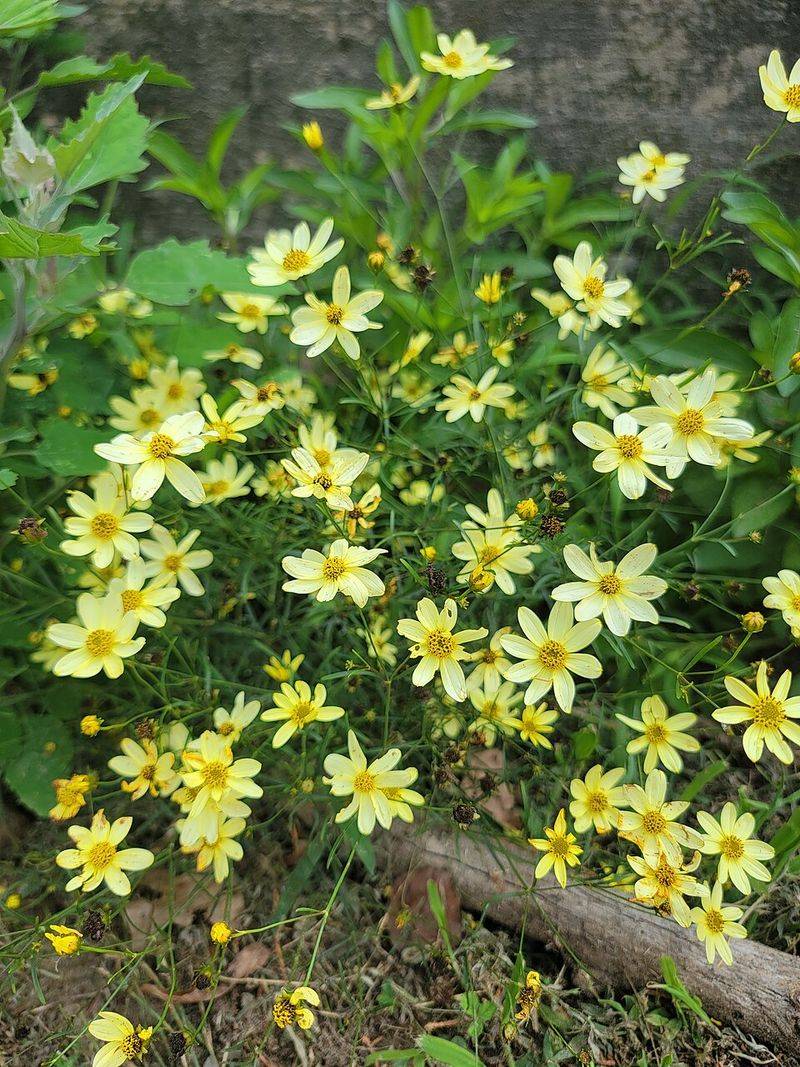
Fine textured foliage can do a lot of work in a dry garden, and threadleaf coreopsis proves that quickly. Its airy mounds soften harder edges from stone, fencing, and mulch while the yellow flowers keep the planting bright through heat that would flatten fussier choices.
In a Georgia backyard, that light, feathery look helps everything feel fresher even when the weather is relentless.
Placement matters, so give it full sun and avoid spots where irrigation keeps the crown constantly wet. Once roots settle in, it handles dry periods with impressive ease and usually rebounds fast after a trim.
If blooming slows, shearing the plant back by about a third often produces a tidier mound and another welcome round of flowers.
This one is especially helpful if you want a softer cottage garden feel without signing up for heavy maintenance. It mixes beautifully with coneflowers, black eyed Susans, and compact grasses, and it fills awkward gaps before taller perennials reach their summer stride.
For anyone trying to keep a Georgia yard attractive during sparse June rainfall, threadleaf coreopsis gives you texture, color, and a surprisingly polished look for very little effort.
Rosemary
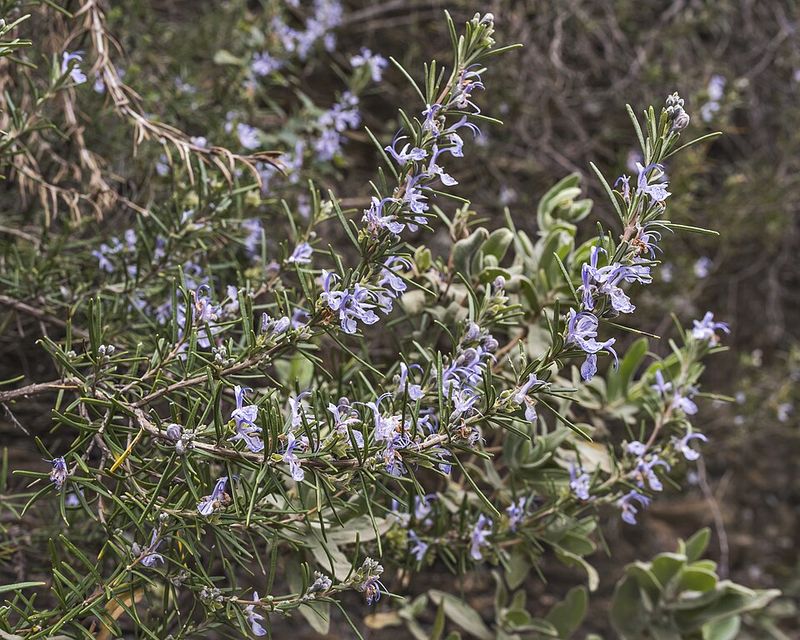
Not every drought friendly plant has to look strictly ornamental, and rosemary is a perfect example. Its evergreen needles, tidy branching, and aromatic foliage give a backyard planting bed structure long after softer perennials fade between bloom cycles.
During dry June weather, it often looks sharper than thirstier shrubs, especially in the hottest parts of the yard.
You will want the sunniest spot you have and soil that drains quickly after rain. Raised beds, herb borders, and gravelly edges suit it well, while sticky, waterlogged clay can shorten its life fast.
Light harvesting keeps the plant bushy, so clipping stems for cooking actually helps maintain a fuller shape instead of hurting the display.
Another reason it earns space is flexibility. Rosemary can anchor a kitchen garden, line a sunny walkway, or sit in a large container near the patio where brushing past releases that clean scent.
In Georgia backyards, it offers the rare combination of useful, attractive, and durable. When June heat starts baking the landscape and you still want something green, structured, and low drama, rosemary is the kind of plant that quietly keeps the whole space looking better.
Red Yucca
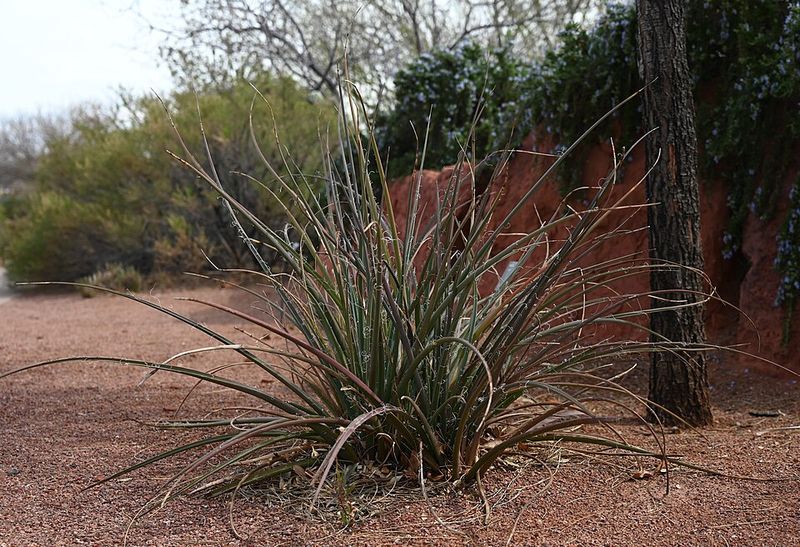
For a backyard that needs strong shape as much as color, red yucca is hard to beat. The narrow, arching leaves stay attractive through dry stretches, and the tall coral flower spikes add movement without making the bed feel messy.
You get a sculptural accent that still reads friendly and easygoing, which is a nice balance in a residential landscape.
Despite the name, it is not a true yucca, and that works in your favor because the foliage is softer and easier to place near paths or seating areas. Full sun is ideal, and excellent drainage is nonnegotiable if you want it to thrive through humid periods as well as drought.
Once established, it asks for very little beyond occasional cleanup of spent flower stalks.
Hummingbirds love the blooms, and the plant’s upright form pairs beautifully with mounded companions like lantana or coreopsis. I especially like it where a bed needs a vertical focal point but irrigation is inconsistent and reflected heat is intense.
If your Georgia backyard has a spot that bakes all afternoon and tends to make other plants look defeated, red yucca can turn that challenge into one of the best looking parts of the yard.
Sedum
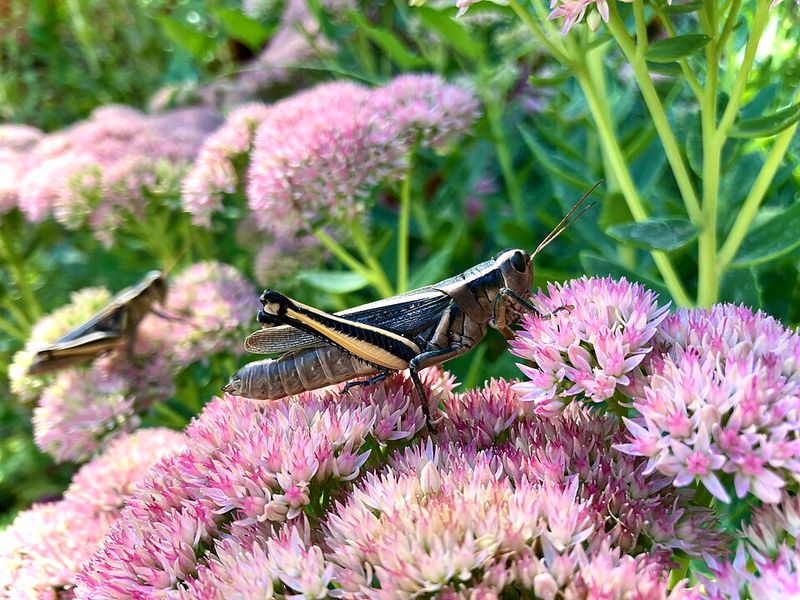
Succulent foliage brings a different kind of beauty to summer beds, and sedum uses that to full advantage. The thick leaves hold moisture well, so the plant stays plump and attractive when thinner leaved neighbors start looking worn around the edges.
In Georgia, that steady appearance can make a mixed border feel calmer and more intentional during dry June stretches.
Choose an upright variety if you want a stronger presence in the landscape, especially one that develops rosy flower heads later in the season. Full sun keeps stems sturdy, while too much shade often leads to flopping and a looser shape.
Good drainage is essential, so amend heavy clay or plant on a slight rise where rainwater moves through instead of lingering.
One of the best things about sedum is how easily it bridges seasons. Early on, you get tidy foliage and a clean outline, then summer and fall bring flowers and seed heads that continue adding interest.
It also plays well with ornamental grasses, coneflowers, and salvias, giving your backyard a layered look without demanding much water. If you want a dependable filler that still feels distinctive, sedum is an easy and practical choice.
Muhly Grass
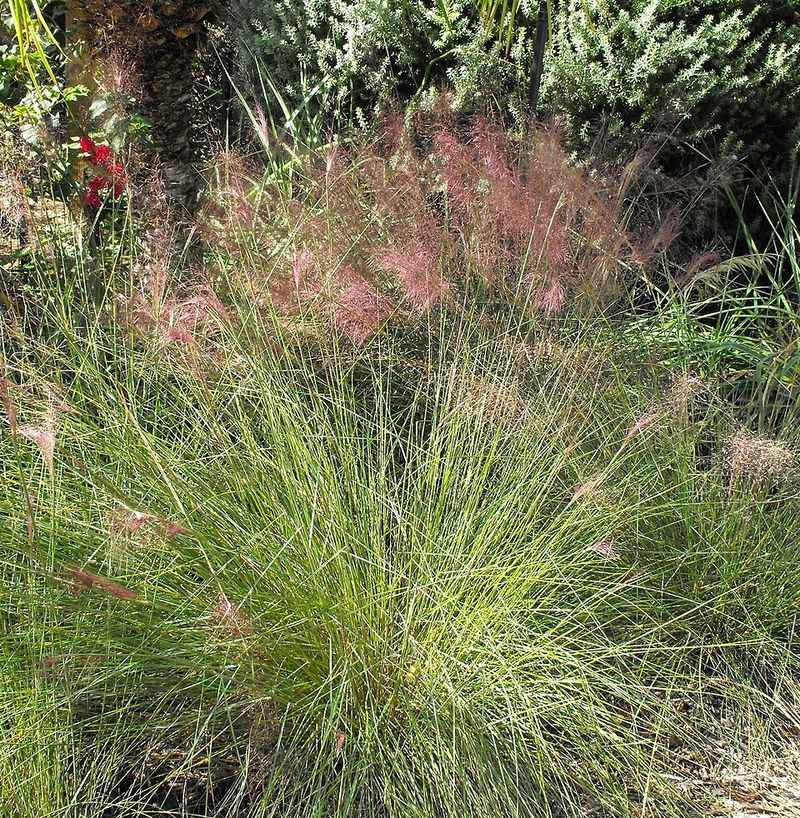
Texture can rescue a dry backyard just as effectively as flowers, and muhly grass is proof. Through June, its fine green blades form graceful mounds that look fresh and soft even when rain is limited and temperatures keep climbing.
Later in the year you get the famous pink haze, but the neat early summer structure is already doing plenty of visual work.
Give it a sunny location with room to show off its rounded form. Crowding it between oversized shrubs hides its best quality, which is that airy fountain shape that catches light beautifully in the morning and late afternoon.
Once established, it tolerates dry spells with little complaint and generally needs only an annual cutback before spring growth begins.
Muhly grass is especially useful in Georgia yards where you want a native friendly look that still feels polished. It can soften hardscaping, edge a patio, or repeat along a fence line to create rhythm without relying on constant bloom color.
If your backyard starts looking static during hot, dry weeks, this grass adds motion and elegance with almost no effort. That kind of staying power makes it a smart backbone plant for sunny southern landscapes.
Black-Eyed Susan
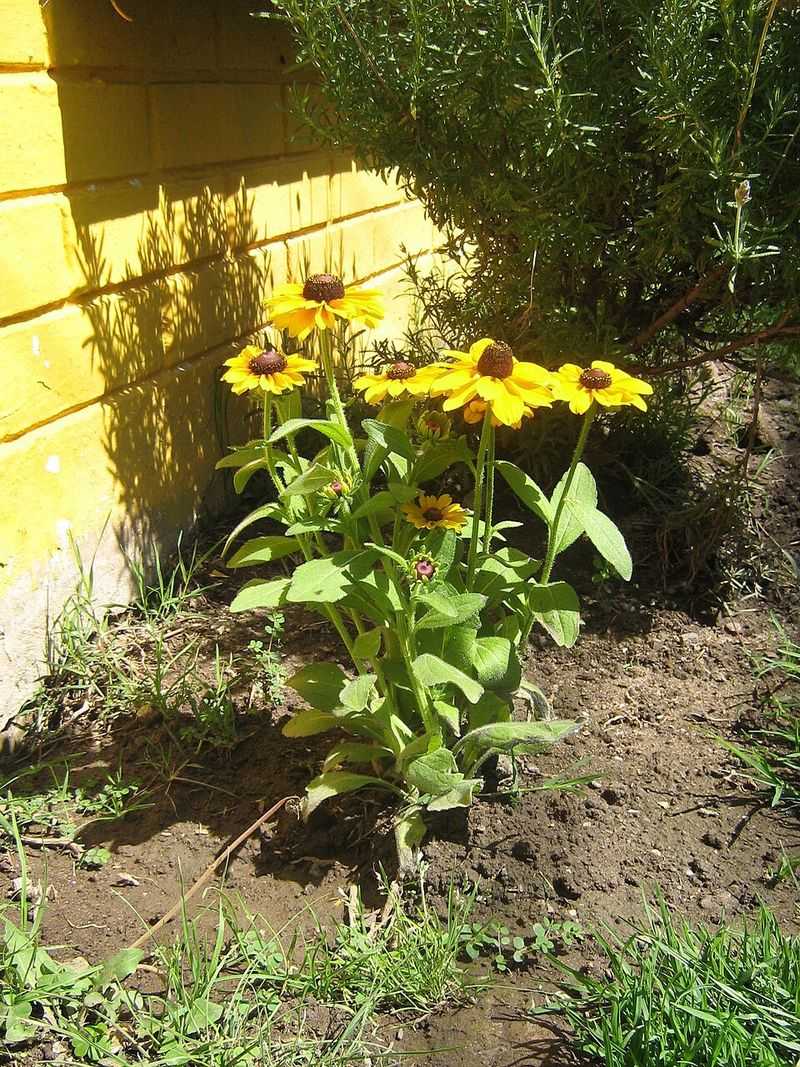
Cheerful color matters when the yard starts looking sunbaked, and black-eyed Susan delivers it in a big way. The golden petals and dark centers read clearly from a distance, so even a small clump can wake up a tired border.
In Georgia heat, that kind of high contrast keeps the garden from fading into a blur of mulch and stressed foliage.
Full sun brings the strongest stems and best flowering, and average soil is usually enough once the plant is established. You do not need to pamper it with heavy feeding, which is helpful because overly rich growth can become floppy and less durable.
A bit of deadheading extends the show, though many people leave some spent blooms for seed and wildlife value later.
This plant works especially well in casual backyard settings where you want a natural rhythm instead of a formal, clipped look. Mix it with coneflowers, grasses, and salvias, and the whole bed starts carrying itself through dry June weeks with less intervention from you.
I like it near fences and wider borders where it can drift naturally and fill space. For reliable color, pollinator activity, and a sturdy summer presence, black-eyed Susan remains one of the most practical choices around.