
Why Massachusetts Gardeners Are Pairing Herbs And Flowers Around Patios
Follow us on Google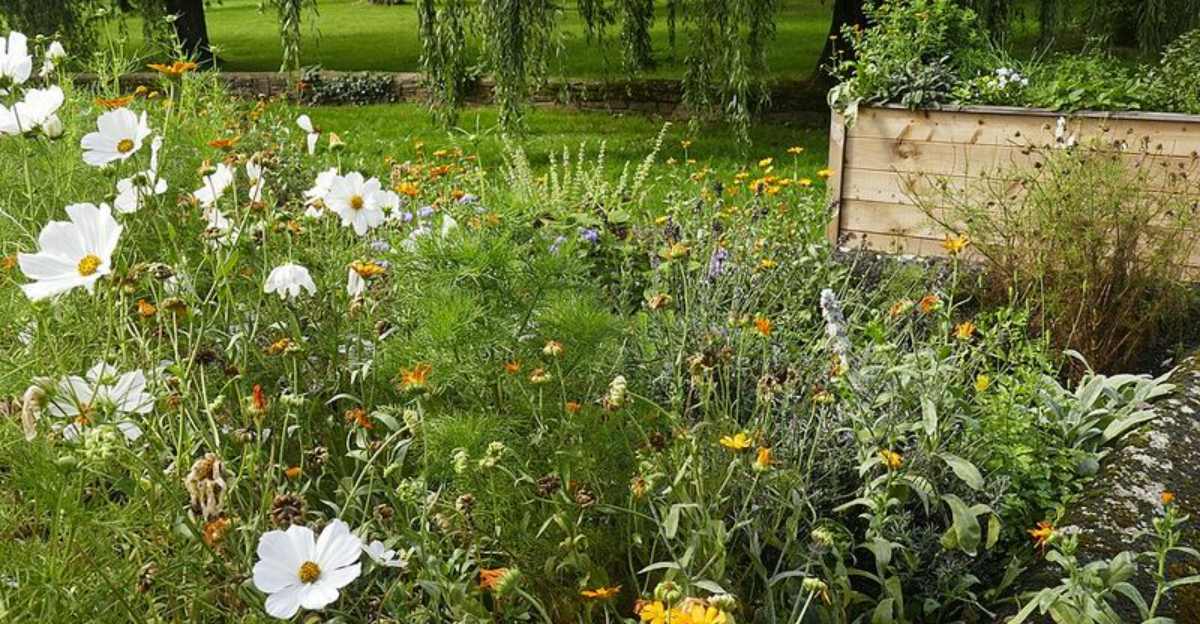
Step onto a Massachusetts patio in summer and you will notice something different from the old row-of-pots look. Gardeners are mixing rosemary with petunias, lavender with coneflowers, and basil with marigolds because these pairings do more than fill space.
The result feels fragrant, practical, and surprisingly polished, especially in yards where every sunny corner has to earn its keep. If you want a patio that looks inviting and works harder through the season, this trend makes a lot of sense.
Fragrance That Reaches the Chair
Near a sitting area, scent matters as much as color, and that is one reason herbs are showing up beside flowers around Massachusetts patios. When you brush past thyme, lavender, or rosemary on the way to a chair, the air feels more alive and personal.
Flowers handle the visual part beautifully, but herbs make the space memorable in a way blooms alone often cannot. A pot of heliotrope beside basil or a drift of sweet alyssum near lemon thyme gives you both perfume and texture without asking for much square footage.
That combination works especially well in smaller suburban yards where the patio is the main outdoor room. Instead of creating a border that only looks good from a distance, gardeners are building edges that reward you up close while you eat, read, or talk.
You also get a practical benefit because many fragrant herbs stay attractive even between major flower flushes. Around a Massachusetts patio, that steady presence keeps containers and beds from feeling flat in June, August, or any week when the flowers take a short break.
Pollinators Stay Close to Outdoor Living Spaces
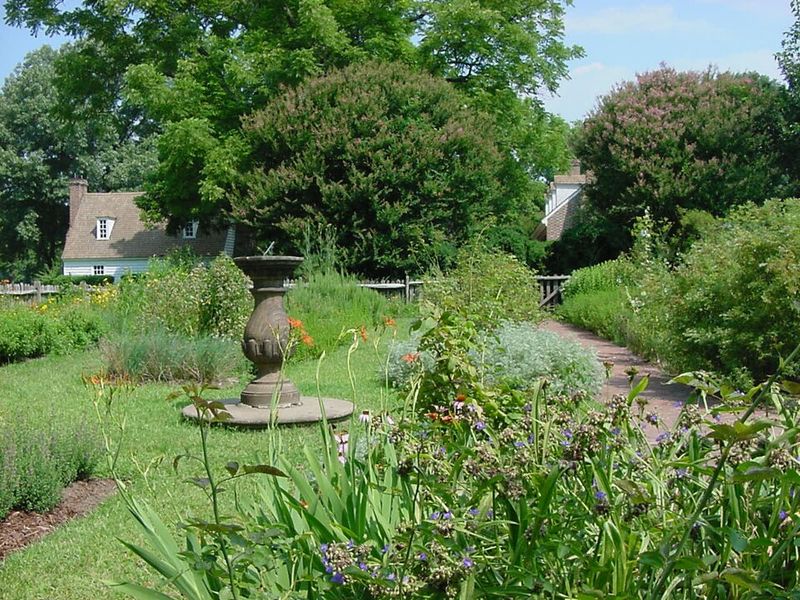
Just outside the table, mixed plantings turn a patio into a front row seat for pollinator activity. Massachusetts gardeners are pairing herbs such as chives, oregano, and flowering dill with salvia, zinnias, and echinacea because bees and butterflies rarely ignore that buffet.
The effect is lively without feeling wild, especially when the plants are grouped in repeating clusters around a paved edge. You notice more movement, more sound, and more moments that make coffee outside feel like part of the garden rather than separate from it.
For families, this setup can also be a gentle way to help kids notice seasonal change. When oregano blooms beside black eyed Susans, you can watch the same patch draw different visitors from June through early fall, which makes the patio feel active even on quiet mornings.
Good pollinator planting near seating does not mean crowding your space with messy growth. By choosing compact herbs and sturdy flowers that handle Massachusetts summers, gardeners create neat borders and containers that support insects while keeping walkways open and the whole patio comfortable to use.
Scented Herbs Help Distract From Mosquitoes
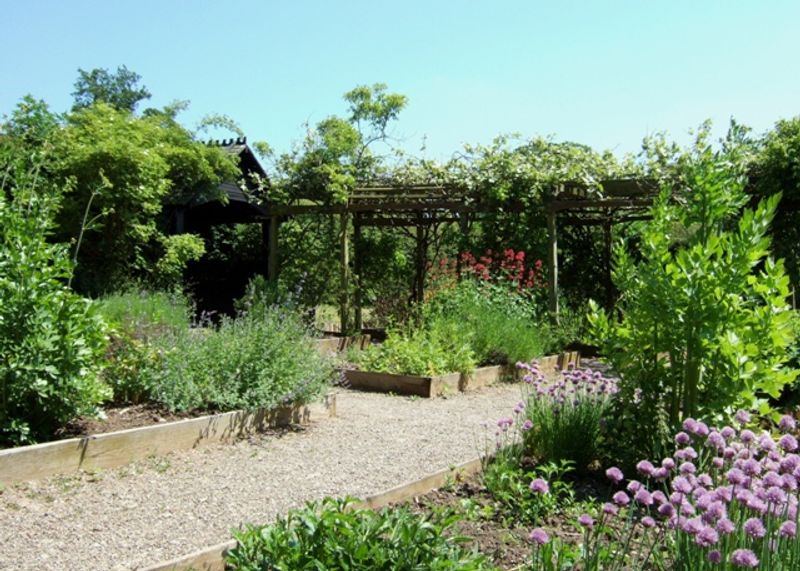
Summer evenings in Massachusetts can be perfect right up until mosquitoes decide to join dinner. That is why many gardeners tuck strongly scented herbs like basil, lavender, catmint, and scented geraniums among flowers around patios where people gather after sunset.
No plant pairing will erase every bug problem, but fragrant foliage can make the space feel fresher and less inviting to pests than a patio ringed with plain annuals alone. The bonus is that these herbs still look attractive during the day, so the border earns its spot before evening arrives.
Marigolds, ageratum, and other classic patio flowers often get mixed in for color and seasonal staying power. When those blooms are layered with herbs, the planting feels intentional instead of medicinal, which matters if you want your outdoor room to look welcoming rather than overly tactical.
You can also place the most aromatic containers where hands naturally brush the leaves, like beside steps, chair corners, or the grill path. That simple layout choice releases more scent as you move, helping the area smell cleaner and feel better suited to long talks outdoors.
Small Patio Borders Need Double Duty Plants
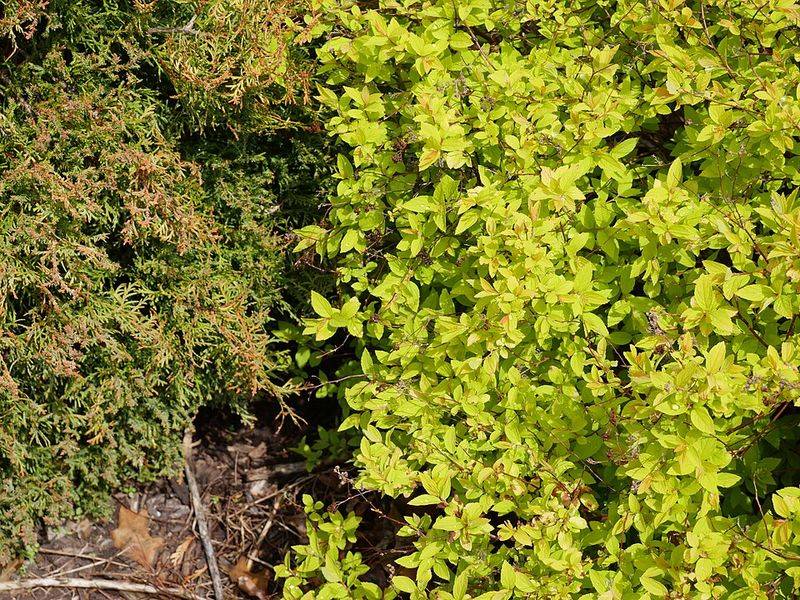
In many Massachusetts homes, the patio border is narrow, sunny, and expected to do everything at once. Pairing herbs with flowers solves that problem because each plant can contribute beauty, fragrance, edible leaves, or pollinator value without taking over precious square footage.
A strip only eighteen inches deep can still look layered if low thyme spills over the edge, medium flowers fill the center, and upright sage or dwarf fennel anchors the back. Instead of planting one note again and again, gardeners create a border that reads fuller than it actually is.
This approach also reduces the pressure to build separate ornamental and kitchen gardens in tight yards. If your patio is the place you use most, it makes sense to put useful plants there, where they can be harvested quickly and enjoyed every day from spring into fall.
Maintenance tends to be simpler too because many herbs tolerate a little heat, reflected light, and occasional dryness better than thirstier flowering plants. Mixed with dependable bloomers, they help the whole border stay presentable during busy weeks when perfect watering and deadheading are not realistic.
Fresh Ingredients Are Steps From the Table
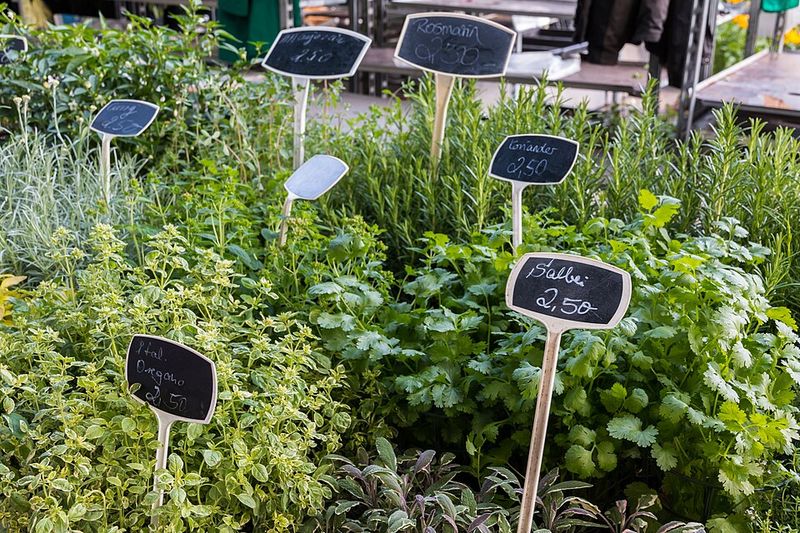
Right beside the table, edible planting simply makes outdoor meals easier and more enjoyable. Massachusetts gardeners are mixing basil, parsley, chives, nasturtiums, and calendula with decorative flowers so a quick handful for drinks, salads, or grilled vegetables is always within reach.
That convenience changes how often you actually use herbs, especially on busy weeknights. Instead of walking to a separate garden bed or realizing too late that dinner needs something bright, you can snip a few leaves while the food rests and carry them straight to the plate.
The visual payoff matters too because edible herbs soften the look of traditional annual combinations. Purple basil beside white petunias or curly parsley under orange calibrachoa gives containers a layered, collected style that feels more personal than a standard nursery mix dropped into a pot.
Guests notice this kind of planting because it connects the patio to what is being served there. When someone sees mint near the glasses or chives blooming beside the chairs, the whole space feels more thoughtful, and you get a garden that supports both everyday dinners and weekend entertaining.
Herbs Keep Containers Looking Good Longer
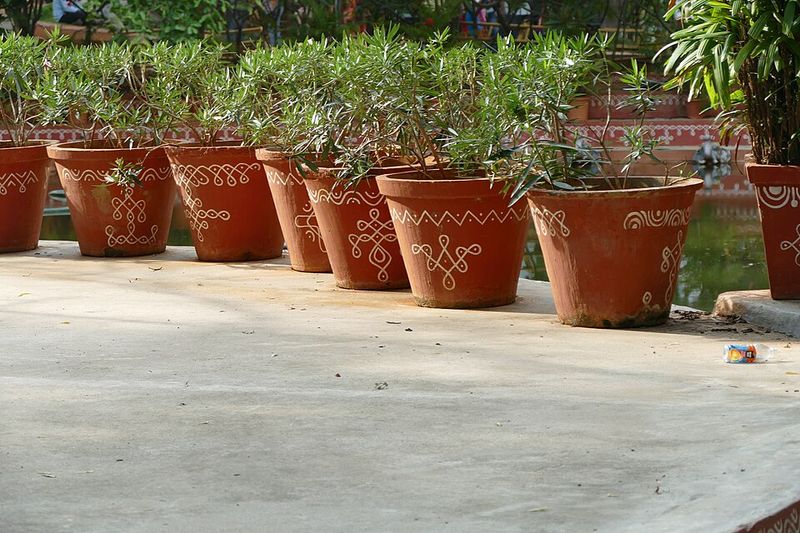
Across a long New England summer, not every flower container stays camera ready without constant replacement. Herbs help solve that issue because plants like sage, oregano, thyme, and lavender hold structure for weeks, giving Massachusetts patio displays a steady backbone between stronger waves of bloom.
That stability is useful when heat, rain, or a missed watering knocks annuals off balance. If petunias slump for a few days or verbena pauses, the container still has shape and texture, so the whole arrangement continues to look intentional rather than tired.
Gardeners who pair herbs with flowers often spend less time fussing over empty spots because foliage carries the design. Silver leaves, fine textures, and rounded mounds keep pots visually full, which is important around patios where containers are seen at close range every single day.
The result is a planting that ages better through July, August, and early September. You still get color, but you also get resilience, and that combination suits real life better than high-maintenance arrangements that peak briefly and then demand a full refresh just when outdoor season feels best.
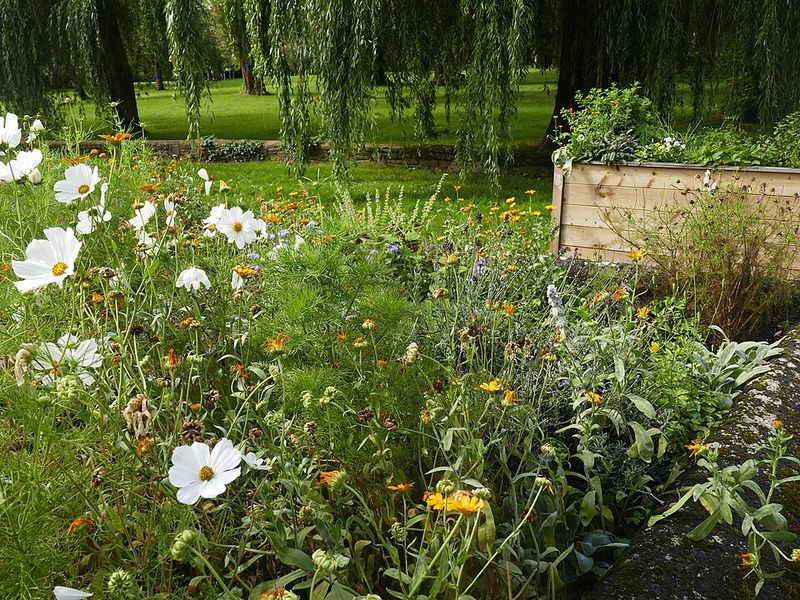
Busy schedules are pushing gardeners toward combinations that ask for similar care, and herbs fit that need well. Around Massachusetts patios, drought tolerant flowers like salvia, lantana, yarrow, and gaura often pair naturally with lavender, rosemary, and thyme because they like the same leaner routine.
That shared preference matters more than people expect. When one container holds plants that all want decent drainage and moderate water, you spend less time guessing, less time replacing casualties, and less time trying to rescue one thirsty annual from a pot full of Mediterranean herbs.
Consistency also helps in border beds near paving, where reflected heat can dry soil faster than the rest of the yard. A planting built around compatible needs is simply easier to manage, especially if you travel on weekends or cannot baby every pot during hot stretches.
For many homeowners, this is the hidden reason herb and flower pairings keep spreading. They look curated, smell good, and support pollinators, but they also line up with the kind of maintenance most people can actually sustain through a full Massachusetts growing season without constant adjustments.
Texture Mixing Makes Patios Feel Designed
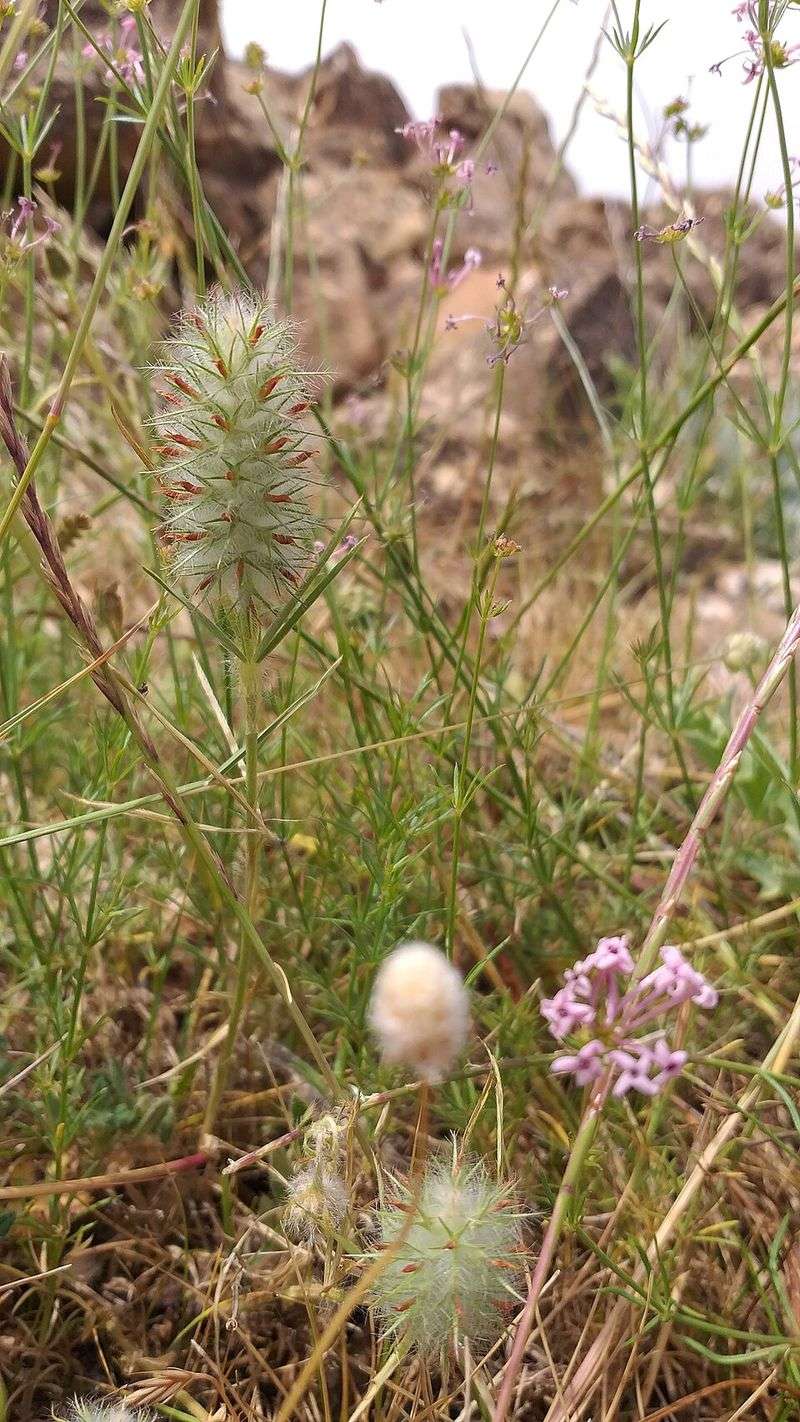
Good patio planting is not only about bloom color, and Massachusetts gardeners know it. Herbs bring fine leaves, upright stems, silver tones, and rounded mounds that make flower displays look more designed and less like a quick collection of separate nursery picks.
Feathery dill beside broad petunia blooms, clipped thyme next to airy gaura, or gray green sage under bright calibrachoa creates contrast that your eye reads as depth. That kind of layering is especially effective around patios, where people sit close enough to appreciate details instead of seeing only big blocks of color.
Texture also helps smooth the transitions between hardscape and planting. Stone, brick, gravel, and wood can feel rigid on their own, but herbal foliage softens those edges and connects containers to surrounding beds in a way that feels relaxed without becoming messy.
If you have ever looked at a patio and thought it needed something more but could not identify what was missing, texture was probably the answer. Pairing herbs with flowers gives you that missing dimension, making even a modest setup feel more deliberate, balanced, and pleasant to spend time in.
Strong Scents Can Discourage Browsing Pests
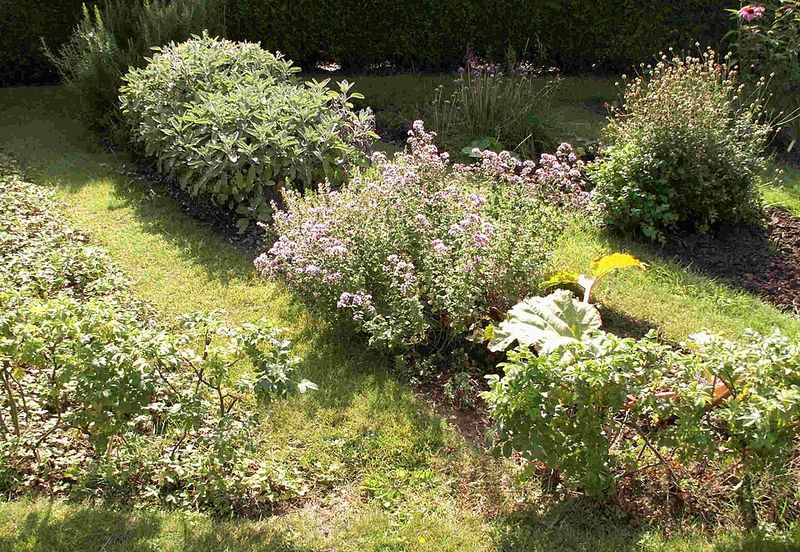
In many parts of Massachusetts, deer and rabbits make ornamental planting feel like a gamble. That is another reason gardeners place aromatic herbs around patios, often pairing lavender, sage, thyme, nepeta, and chives with flowers that are less appealing to browsing pests.
No plant list is perfect, especially in areas with heavy pressure, but strong scent and textured foliage can reduce damage enough to make a visible difference. A patio border built from these combinations is often safer than one packed with tender favorites that get nibbled down just as summer gatherings begin.
The strategy works best when herbs are used as part of the design rather than as a defensive afterthought. Mixed with allium, salvia, yarrow, marigold, or dianthus, they create a border that still feels welcoming and colorful while quietly improving the odds that your plants remain intact.
For homeowners tired of replacing chewed annuals, that practical edge matters a lot. You get beauty, fragrance, and a planting style that stands a better chance of surviving the season, which makes the patio more enjoyable and far less frustrating to maintain.