
The Best Patio Plants Pennsylvania Gardeners Use To Help Keep Mosquitoes Away
Follow us on Google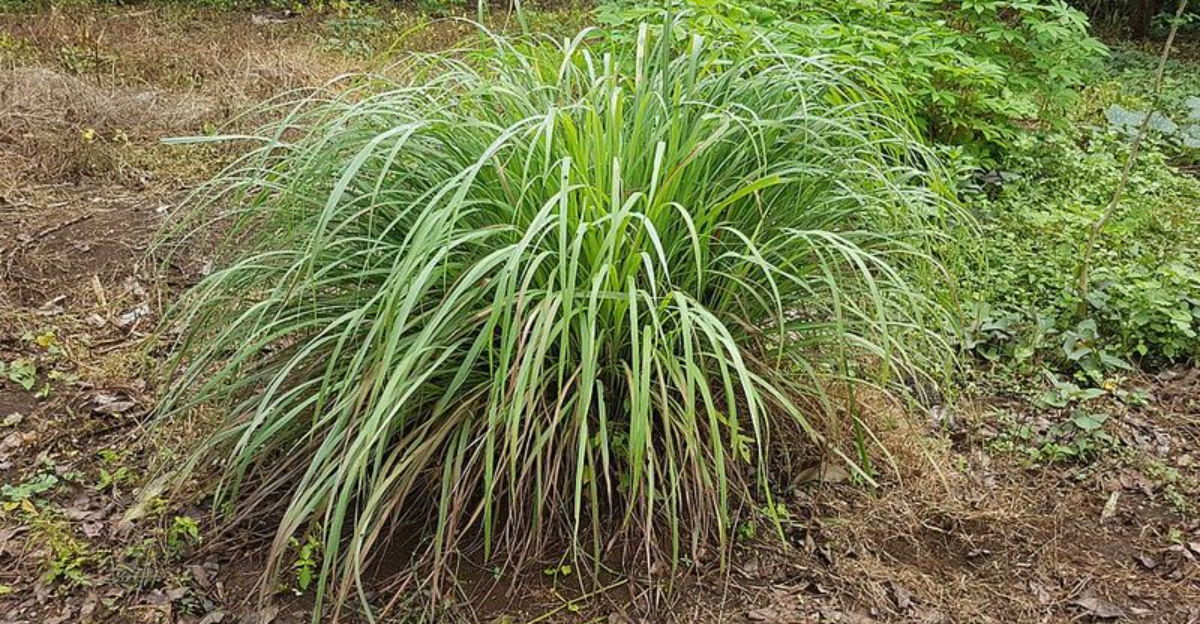
Mosquitoes can ruin a perfect Pennsylvania evening faster than almost anything else. The good news is that smart patio planting can make your outdoor space smell better, look better, and feel less inviting to pests.
These are the plants local gardeners reach for when they want beauty with a practical purpose. If you want your deck, porch, or patio to work harder this summer, start with these container-friendly favorites.
Lavender
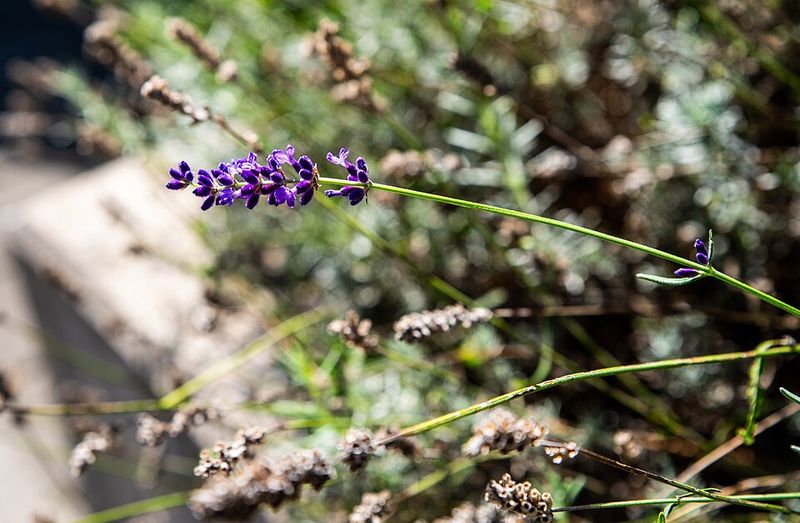
Silvery foliage and soft purple spikes do more than look polished near a Pennsylvania porch. Lavender carries a clean scent that many gardeners place close to dining sets and rail planters for mosquito season.
Full sun is the nonnegotiable here, and drier soil usually produces stronger fragrance and sturdier growth.
Skip rich fertilizer, because floppy stems and fewer aromatic oils follow pampered treatment. Gravelly potting mix, sharp drainage, and a container that dries between waterings suit it better.
I have seen English lavender handle winter best in protected spots, especially when pots are not left waterlogged through cold snaps outside.
Place a pair near steps where shoes and pant legs gently brush the stems on the way outside. Prune lightly after flowering, but avoid cutting into old woody growth that struggles to rebound.
In humid stretches, extra spacing prevents mildew and keeps the plant looking crisp for much longer outdoors.
For patios with a calmer, more tailored look, this is usually the first recommendation I make. The flowers bring pollinators by day, while the scented leaves contribute a less inviting atmosphere for mosquitoes after dinner.
That balance of beauty and utility is hard to beat in containers around here today.
Basil
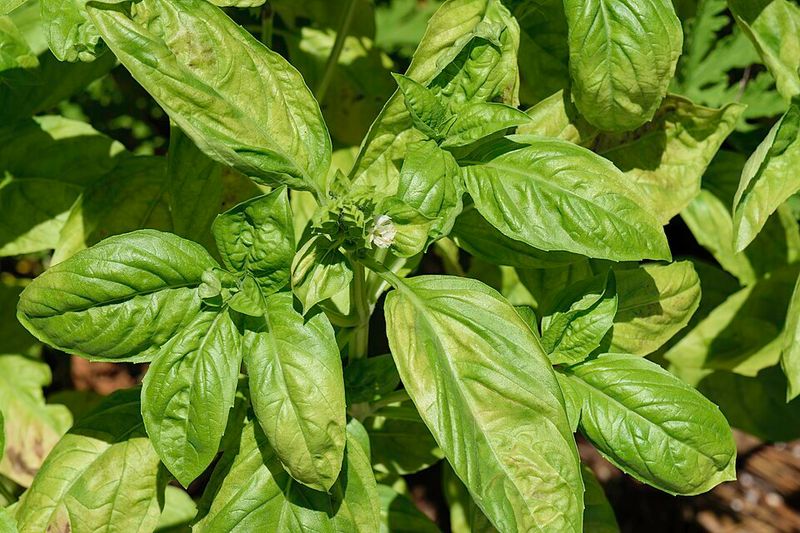
A pot of basil near the grill earns constant attention, which is exactly why it helps on buggy evenings. The spicy clove like scent gets released every time you harvest leaves, pinch tips, or bump the plant.
Genovese and cinnamon basil both perform well in sunny Pennsylvania containers all summer.
Warm soil matters more than eager spring planting, so wait until nights stay reliably mild before moving pots outside. Rich potting mix, regular feeding, and even moisture keep growth tender and productive.
If leaves droop by afternoon, a deeper watering schedule usually fixes the issue before the next heat wave.
Pinching flower buds delays bitterness and keeps the plant branching into a fuller shape around your seating area. I like grouping basil with rosemary and parsley because the combination looks abundant without feeling messy.
Harvest often, since neglected stems turn woody and less useful surprisingly fast in midsummer containers outdoors.
If dinner regularly happens on the patio, few plants multitask better than this kitchen favorite. You get fresh leaves for pasta, salads, and lemonade while adding another strong scent near tables and doors.
That kind of practical planting makes mosquito management feel less like work and more natural each night.
Catnip
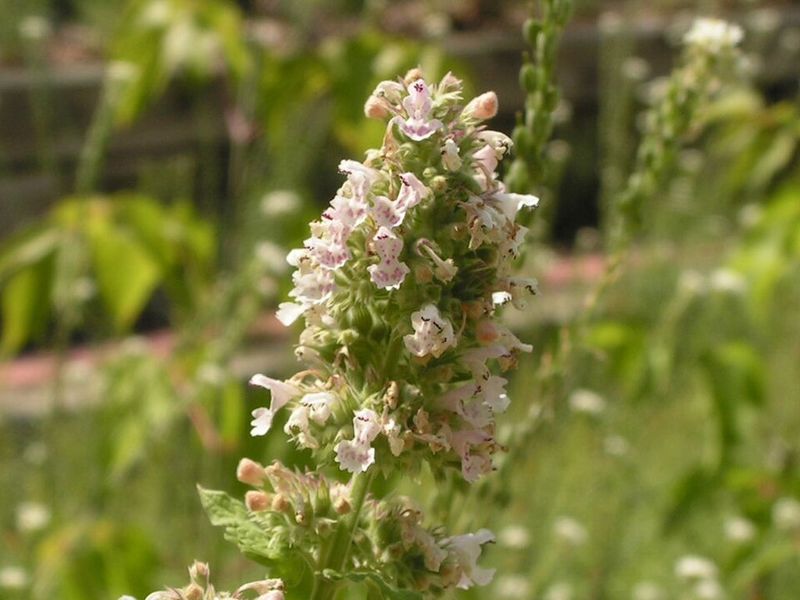
Not every patio plant needs polished manners, and catnip proves that point quickly once summer arrives. Its minty scent is often cited by gardeners looking for mosquito help, and the plant grows vigorously in Pennsylvania warmth.
Give it a roomy container unless you want wandering stems everywhere by August outdoors.
Sun brings the best growth, but light afternoon shade can help containers avoid drying too fast during heat waves. Average potting soil works fine as long as drainage stays quick and crowns never sit soggy.
Shearing it back after flowering keeps the mound denser and tidier near chairs and rails.
If neighborhood cats visit, expect attention once the leaves mature and release more aroma. A hanging basket or elevated stand can save the plant from being flattened during an enthusiastic roll session.
I also pinch stems often, because fresh regrowth looks better and keeps fragrance active through late summer too.
For casual patios where herbs, drinks, and conversation mix together, this one feels especially at home. The soft gray green leaves look pleasant, pollinators visit the flowers, and mosquitoes seem less welcome nearby.
Just keep it contained, or you may find volunteers popping up beyond the patio next spring easily.
Rosemary
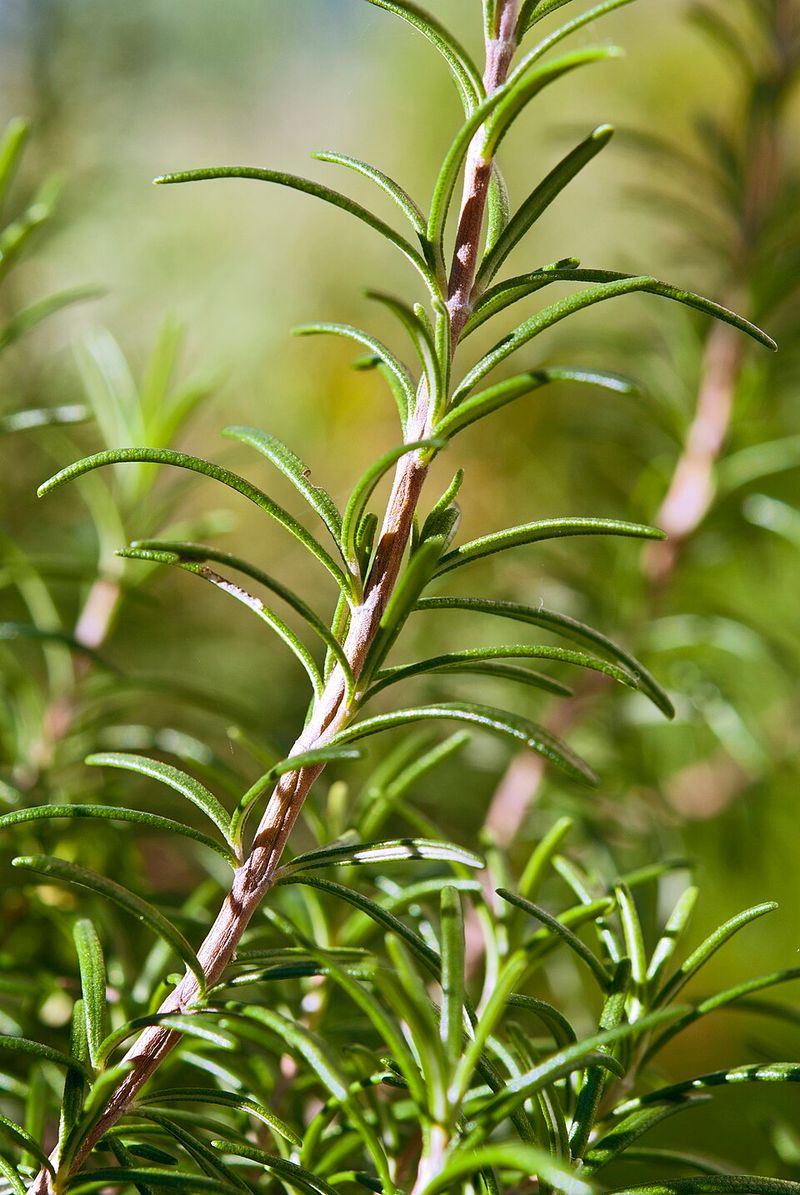
Fresh rosemary brings a resinous scent that feels right at home beside patio steps, grills, and sunny walls. In Pennsylvania, it usually performs best as a container plant so you can manage moisture and move it before cold weather.
Brush the needles and the fragrance becomes noticeably stronger at once.
Drainage is the whole story with this herb, especially after a week of summer rain. Use a gritty mix, choose a pot with large holes, and water deeply only when the top layer dries.
Soggy roots cause far more trouble than a missed watering ever will for patio gardeners here.
Keep it where reflected heat builds, like against brick, stone, or a south facing railing. I like clipping sprigs for skewers and roasted potatoes because regular harvesting keeps the plant compact.
If autumn nights cool quickly, bring containers inside before temperatures crash below the mid forties for safe winter storage.
On patios that double as outdoor kitchens, this plant quietly earns its keep all season. The scent is strong, the texture is handsome, and the culinary payoff makes care feel worthwhile.
For people who want beauty plus usefulness, rosemary is one of the smartest choices around for summer evenings outside.
Marigolds
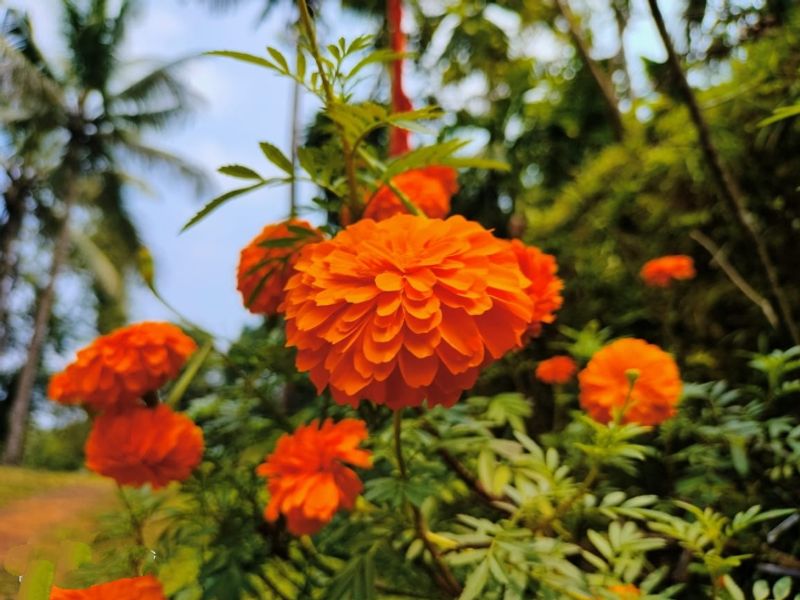
Bright color pulls a patio together, and marigolds add that punch while supporting your mosquito defense plan. Their distinct scent comes from foliage as much as flowers, so place pots where people naturally brush past them.
French marigolds usually stay compact enough for tables, steps, and grouped containers nearby nicely.
These annuals appreciate full sun, regular deadheading, and soil that drains well after storms. Once established, they bounce back fast from summer heat and keep blooming longer than fussier choices.
I feed lightly every few weeks, because too much nitrogen gives leaves more enthusiasm than flowers by late July here.
Window boxes planted with marigolds near a seating area can create a useful scented border at nose level. Remove spent blooms before they form seed, and plants keep pushing fresh color.
If mildew appears during humid spells, thin crowded stems and water the soil, not leaves in the morning only.
For gardeners who want quick results without babying every container, these are hard to overlook. They handle summer well, they look cheerful from June onward, and they fit almost any patio style.
That easy reliability matters when you are trying to make outdoor evenings more comfortable for everyone outside tonight.
Mint
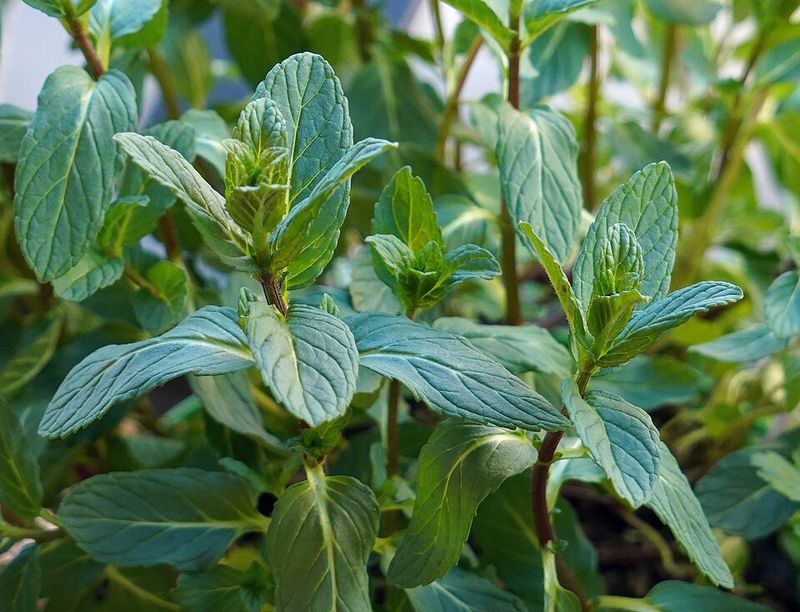
Few plants announce themselves as strongly as mint on a warm patio afternoon. The cooling aroma rises when leaves are touched, watered, or clipped for drinks, which makes it useful around seating zones.
Because it spreads aggressively, Pennsylvania gardeners almost always keep it in pots rather than beds nearby outdoors.
Morning sun and afternoon shade can be a sweet spot, especially during humid stretches when containers dry unpredictably. Keep soil evenly moist and harvest often, since older stems get coarse and flop outward.
A larger pot helps stabilize roots and reduces the need for constant watering in peak summer heat.
Chocolate mint, spearmint, and peppermint all work, but I lean toward spearmint for balanced flavor and steady growth. Snip stems before guests arrive, then scatter a few leaves near plates or drink stations.
That practical routine refreshes the space and your iced tea at once on hot Pennsylvania evenings outdoors.
Because containers can be tucked near doors, tables, and railings, mint is easy to place exactly where activity happens. You are not relying on a distant border planting to do the job.
The scent stays part of the patio experience, which is the whole point here for most households anyway.
Bee Balm
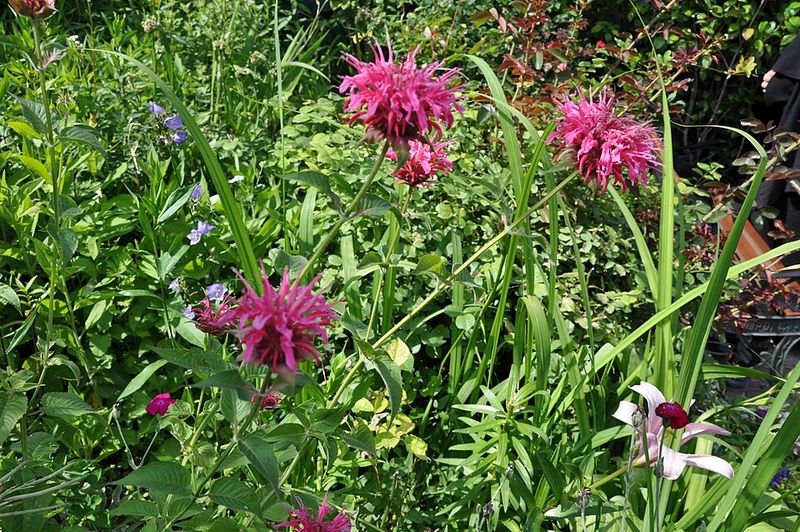
Bold summer color can still be practical, and bee balm proves it with fragrant leaves and standout flowers. Crush a leaf and you get a spicy citrus scent that many gardeners value around patios.
Native Monarda also handles Pennsylvania conditions well, especially with decent air circulation during humid months outside.
Morning sun, moist but draining soil, and enough spacing make the biggest difference in container success. Powdery mildew can appear if plants stay crowded and dry at the roots, so water consistently and trim lightly.
Dwarf varieties fit patios better than older, sprawling selections for neat summer arrangements near doors.
Pollinators adore the blooms, which means daytime activity around the patio increases in the best possible way. After the first flush fades, deadheading often encourages more flowers and a tidier shape.
I also thin a few stems to improve airflow before August humidity sets in around here each year lately.
If you want a plant that feels lively without becoming fussy, this one deserves a look. The flowers bring energy, the foliage adds scent, and the overall habit fills a container nicely.
For larger patios, a cluster of pots can create a colorful, aromatic screen near seating all summer long.
Lemon Balm
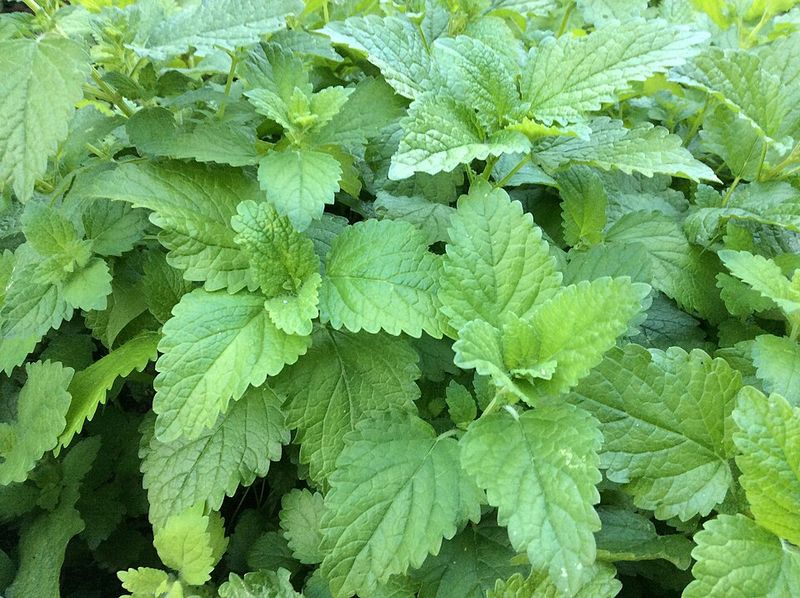
Around chairs and side tables, lemon balm has an easygoing habit, but the bright citrus scent makes it more useful than its plain appearance suggests. Rub the leaves and the fragrance is immediate, which is why many gardeners keep pots close.
In Pennsylvania, it grows fast once nights settle outdoors.
Like other mint relatives, it appreciates moisture and benefits from a container that keeps roots from competing. Full sun works if watering is steady, though part sun can prevent wilting during hotter stretches.
Pinch tips regularly to delay flowering and maintain softer, leafier growth for repeated patio harvesting through summer.
I often pair it with lavender or marigolds so the patio gets both citrus and floral notes. Cut stems for iced tea, fruit salad, or a simple pitcher of water when guests arrive.
Frequent trimming keeps the plant compact and prevents the center from getting scraggly by late season outdoors.
For relaxed patios where people snack, read, and linger after dinner, this plant fits naturally. The scent feels clean, the care is straightforward, and regular harvesting turns maintenance into a habit you already enjoy.
That combination makes lemon balm one of the friendliest choices available for mosquito season around home.
Lemongrass
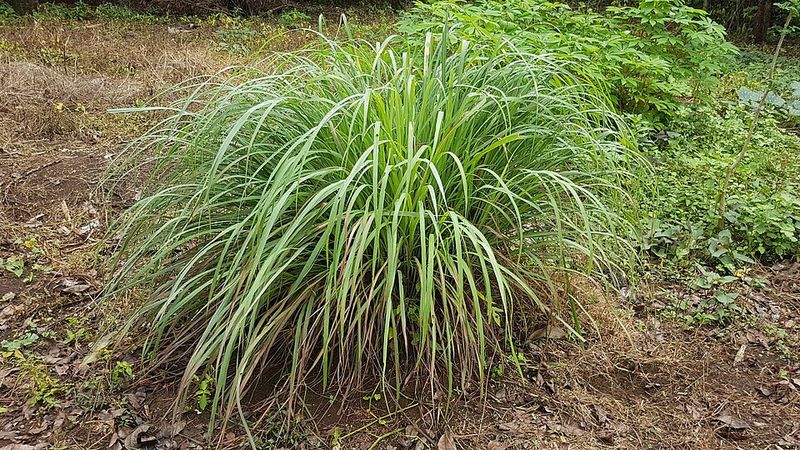
Tall, arching blades give lemongrass real presence, and the citrus scent feels especially fresh around patios. Because Pennsylvania winters are too cold for it outdoors, most gardeners treat it as a summer container feature.
Place it where evening breezes can move the foliage near seating areas after dinner each night.
Start with a large pot, rich soil, and regular feeding, since this plant grows quickly in heat. Water deeply when the top inch dries, but do not let roots sit in a saucer.
Full sun produces thicker stems and stronger overall growth through August on most sheltered Pennsylvania patios outside.
Snipping outer stalks for cooking keeps the clump tidy and releases more of that familiar lemony aroma. I like combining it with basil and marigolds for a layered look that feels useful, not decorative only.
Bring it indoors early if you plan to overwinter divisions before frost threatens your containers.
For bigger patios that need height as well as function, few options work this hard. The upright form screens a corner, softens furniture lines, and adds another strong fragrance to the mix.
That visual structure is a bonus when mosquitoes usually arrive at dusk across much of the state yearly.