
What Massachusetts Gardeners Need To Know Once Tomato Flowers Start Appearing
Follow us on Google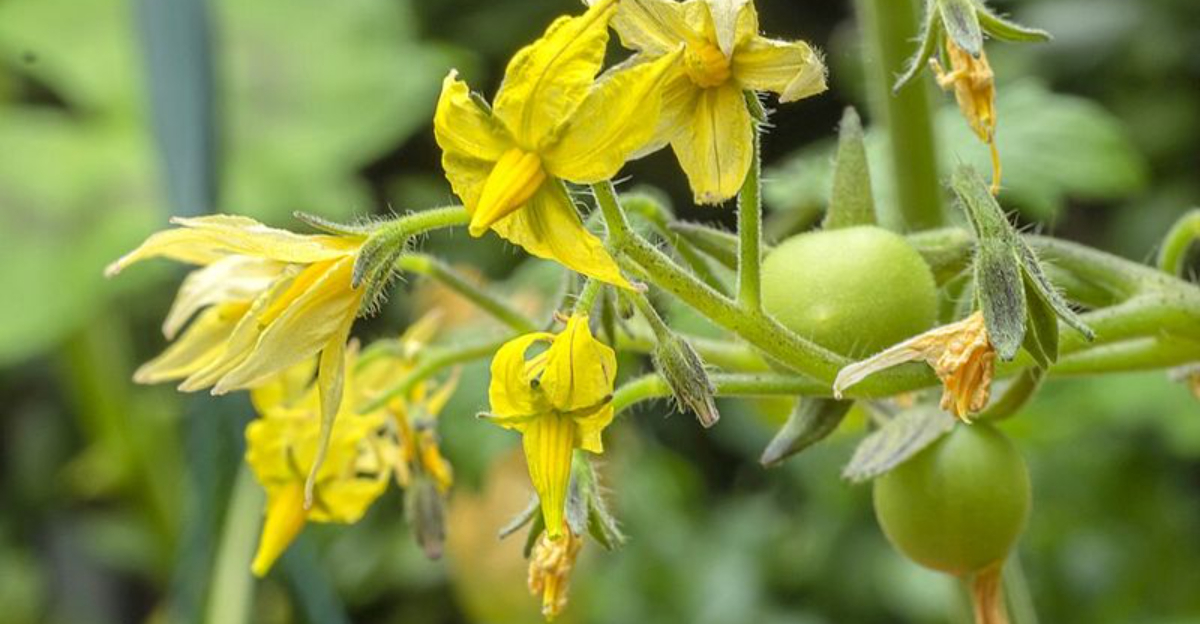
Tomato flowers are the moment Massachusetts gardeners start imagining sandwiches, sauce, and baskets full of ripe fruit. They are also the point when small mistakes with water, feeding, and weather protection can quietly cut your harvest.
Our short summers, cool nights, and sudden heat swings make this stage especially important. If flowers have finally arrived, now is the time to tighten up your routine so more of them become tomatoes.
Flowers Mean Fruit Is Close, Not Guaranteed
Seeing those yellow blooms feels like a reward, but flowers are only the opening act. Each one has the potential to become fruit, yet temperature swings, erratic watering, weak pollination, and plant stress can stop that process fast.
In Massachusetts, a cool night followed by a muggy afternoon is common, so it helps to treat flowering as a management stage, not just a milestone.
Right now, your job is to keep conditions as steady as possible. I like to check soil moisture every morning, make sure stakes or cages are secure, and look closely at new growth for any signs of curling, spotting, or insect activity.
Small corrections made this week usually matter more than dramatic fixes later in July.
You also want realistic expectations about timing. A flower does not become a harvestable tomato overnight, and larger varieties naturally take longer than cherries.
If the plants look sturdy, leaves are green, and blossoms are continuing to form, you are on track, even if fruit set seems slower than you hoped after a stretch of cool Massachusetts weather.
Cool Nights Can Interfere With Pollination
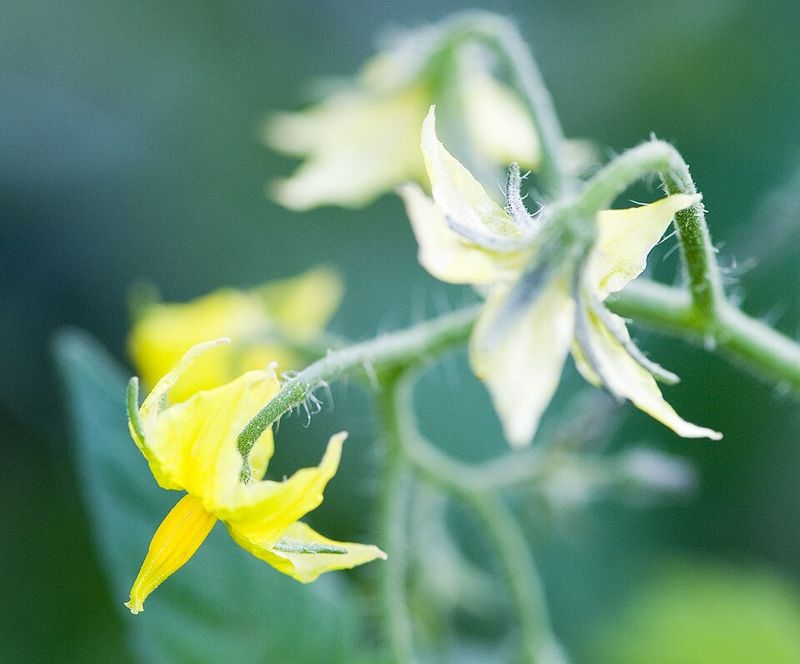
Massachusetts gardeners often get tripped up by night temperatures just when tomato plants start blooming. Pollen performs best within a moderate range, and when nights stay too cool, flowers may open normally but fail to set fruit.
You may notice blossoms drying up and dropping without any tiny green tomato forming behind them.
That does not always mean something is wrong with your care. Early flower clusters often arrive before the weather fully settles, especially in inland areas where June nights can still dip lower than tomatoes prefer.
If a cold snap is forecast, covering plants with row fabric overnight can help, and container tomatoes can be moved closer to the house for added warmth.
Patience matters here, but so does observation. If daytime growth looks healthy and more flowers keep appearing, the plant is likely fine and simply waiting for better pollination weather.
I usually tell people not to panic over the first few dropped blossoms, because once nights warm consistently, fruit set often improves quickly and the plant catches up with surprising speed.
Keep Watering Deep And Consistent
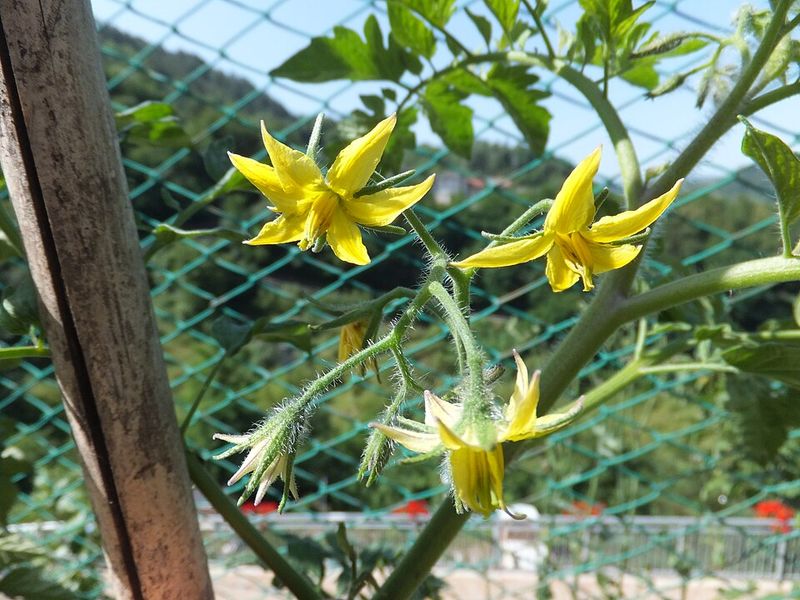
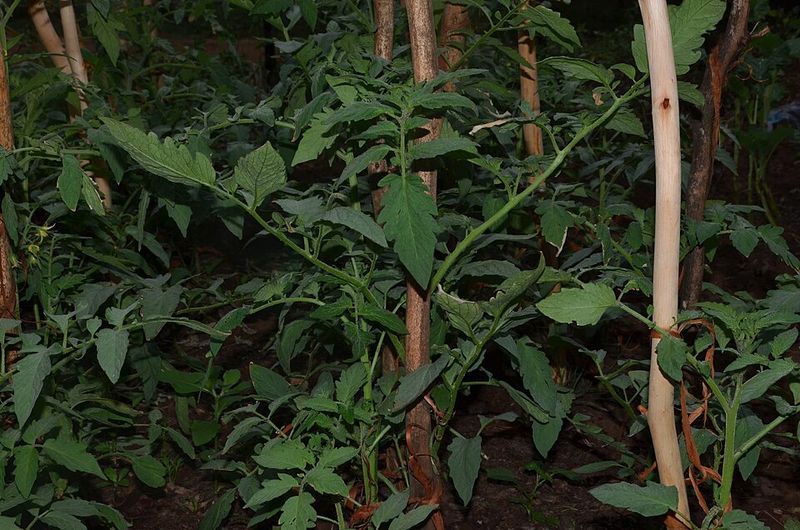
Once flowers appear, inconsistent watering starts causing bigger consequences than it did earlier in the season. Tomatoes can handle a little dryness during vegetative growth, but flowering and fruit set demand a steadier moisture supply so the plant does not swing between stress and recovery.
That back and forth can contribute to blossom drop, cracked fruit later, and uneven development.
The best approach is deep watering at the root zone instead of frequent light sprinkling. I aim for soil that stays evenly moist several inches down, and I water in the morning so foliage dries quickly and disease pressure stays lower.
Containers need even closer attention, because flowering tomatoes in pots can dry out shockingly fast during a warm Massachusetts afternoon.
A simple finger test beats a strict calendar. If the top inch is dry but the soil below still feels cool and damp, you can usually wait; if the root zone feels dry, water thoroughly.
Adding mulch around the base helps stretch moisture between waterings and smooth out the effects of sudden hot, breezy days that often arrive just as tomatoes are trying to turn blossoms into fruit.
Go Easy On Fertilizer At Bloom Time
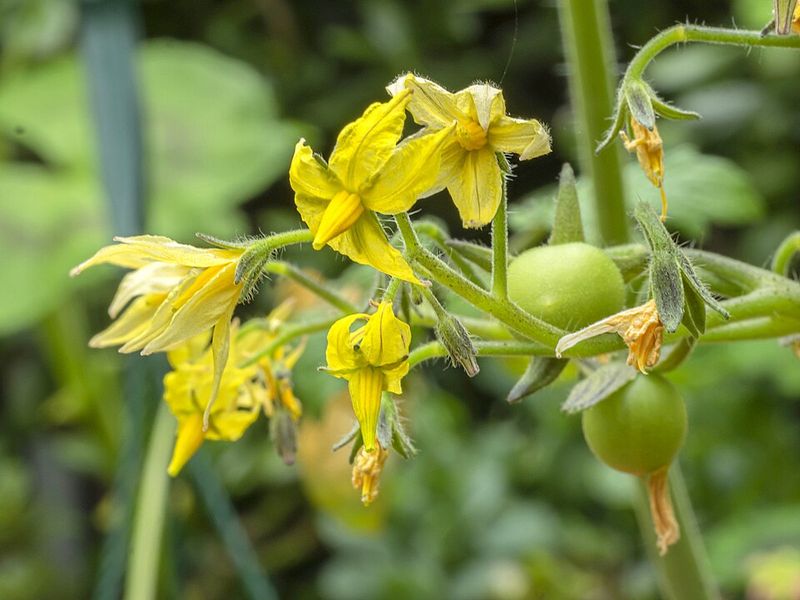
Flowering is not the moment to push heavy nitrogen, even if you are eager for fast growth. Too much high-nitrogen fertilizer can produce a tall, leafy plant that looks impressive but delays fruit production and diverts energy away from setting tomatoes.
If your plants are dark green and vigorous already, more nitrogen is usually not the answer.
At this stage, I prefer a balanced or slightly lower-nitrogen tomato fertilizer applied according to label directions, not guesswork. Compost can still help, but rich additions should be modest once flowering has started, especially in beds that were already amended well in spring.
Overfeeding does not fix stress from cold nights, poor watering, or weak pollination, and sometimes it makes those issues harder to spot.
Leaf color and growth habit tell you a lot. Pale lower leaves may suggest a nutrient issue, but lush stems with few fruits often point to excess feeding or shade.
In many Massachusetts gardens, the smarter move is to stabilize moisture, improve sun exposure, and let the plant shift naturally into fruiting instead of chasing a quick boost from fertilizer that creates more leaves than tomatoes.
Support Matters More Once Clusters Form
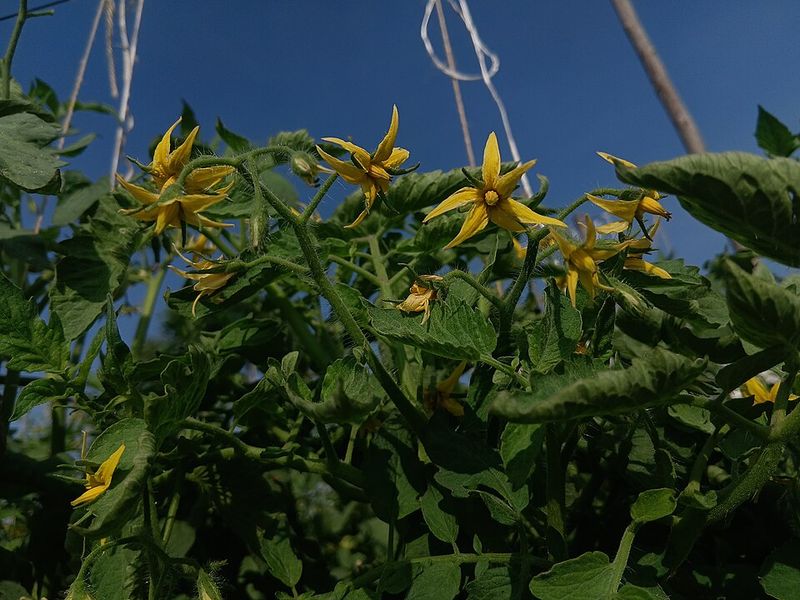
Flower clusters add weight and change how a tomato plant handles wind, rain, and sudden growth spurts. A plant that seemed stable last week can lean, twist, or snap once stems lengthen and blossoms begin stacking along the vines.
That is why support should be adjusted now, before fruit develops and makes the plant much heavier.
Cages, stakes, and string systems all work if they are sturdy and used consistently. I like tying stems loosely with soft garden tape, giving each main stem enough room to thicken without rubbing against metal or wood.
In Massachusetts, a thunderstorm with strong gusts can flatten an unsupported tomato patch overnight, and recovering from that damage is never as smooth as preventing it.
Good support does more than keep plants upright. It improves airflow, keeps foliage off damp soil, and makes it easier to inspect flowers, leaves, and the tiny fruit that follows.
If you can clearly see into the center of the plant and harvest pathways stay open, you are setting yourself up for easier pruning, cleaner fruit, and fewer disease headaches later in the season.
Prune With A Purpose, Not Aggression
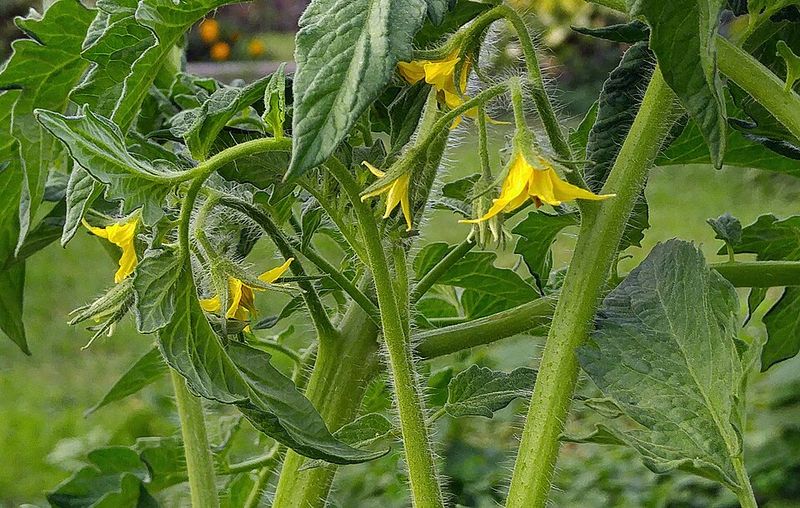
It is tempting to start snipping everything once a tomato plant looks busy, but aggressive pruning at flowering can backfire. The plant still needs enough leaves to photosynthesize well, shade developing fruit, and recover from normal stress.
Removing too much growth at once can stall momentum right when blossoms are trying to become fruit.
Indeterminate tomatoes usually benefit from selective sucker removal, especially below the first flower cluster and in crowded interior growth. Determinate types should be pruned far less, because they set much of their crop in a shorter window and every cut may reduce total yield.
If you are not sure which type you planted, err on the conservative side until you confirm the variety.
I look for a simple balance: enough openness for airflow and access, but plenty of healthy leaf surface left intact. Clean cuts made on a dry morning are better than tearing stems by hand after rain or irrigation.
In Massachusetts, where foliar diseases can escalate quickly in humid weather, thoughtful pruning helps, but the goal is plant structure and airflow, not turning a tomato into a bare framework.
Help Pollination During Still, Humid Weather
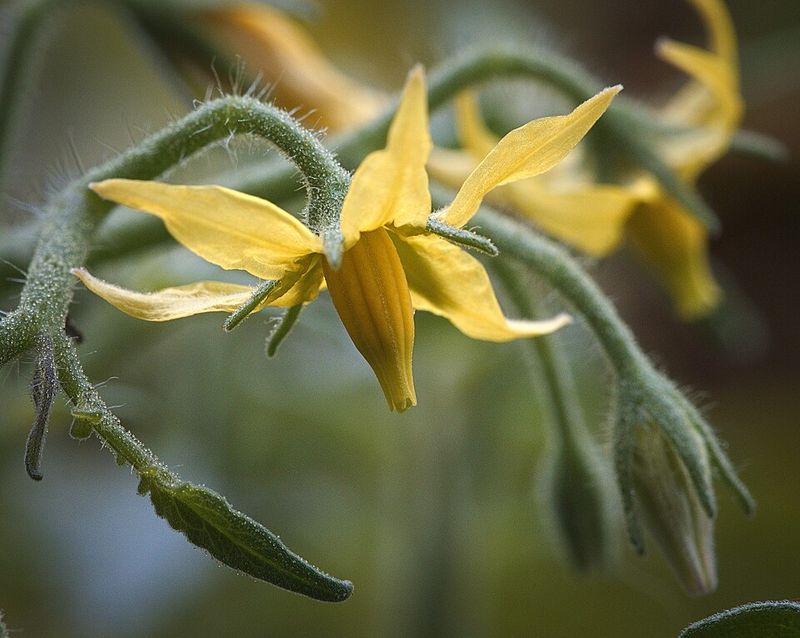
Tomatoes are mostly self-pollinating, but they still benefit from movement. In open gardens, wind and buzzing insects usually shake pollen loose enough for flowers to set.
During still, humid stretches, especially in sheltered yards or hoop houses, pollen can clump and fruit set may lag even though the plants look healthy.
A light midday tap on flower trusses or a gentle shake of support strings can help. I prefer doing this when blossoms are fully open and the air is dry enough that pollen is not sticky, usually late morning or around noon.
It takes less than a minute per plant, and it is one of those low-effort tasks that can quietly improve results during stubborn weather patterns.
You do not need to hand-pollinate every flower like squash or cucumbers. The goal is simply to mimic the vibration that bumblebees naturally provide.
If your garden gets limited pollinator activity because of frequent rain, tight fencing, or a protected patio setup, this small step is worth trying before assuming the issue is fertilizer or variety choice, especially during a Massachusetts summer that turns muggy early.
Watch Early Fruit For Blossom End Rot
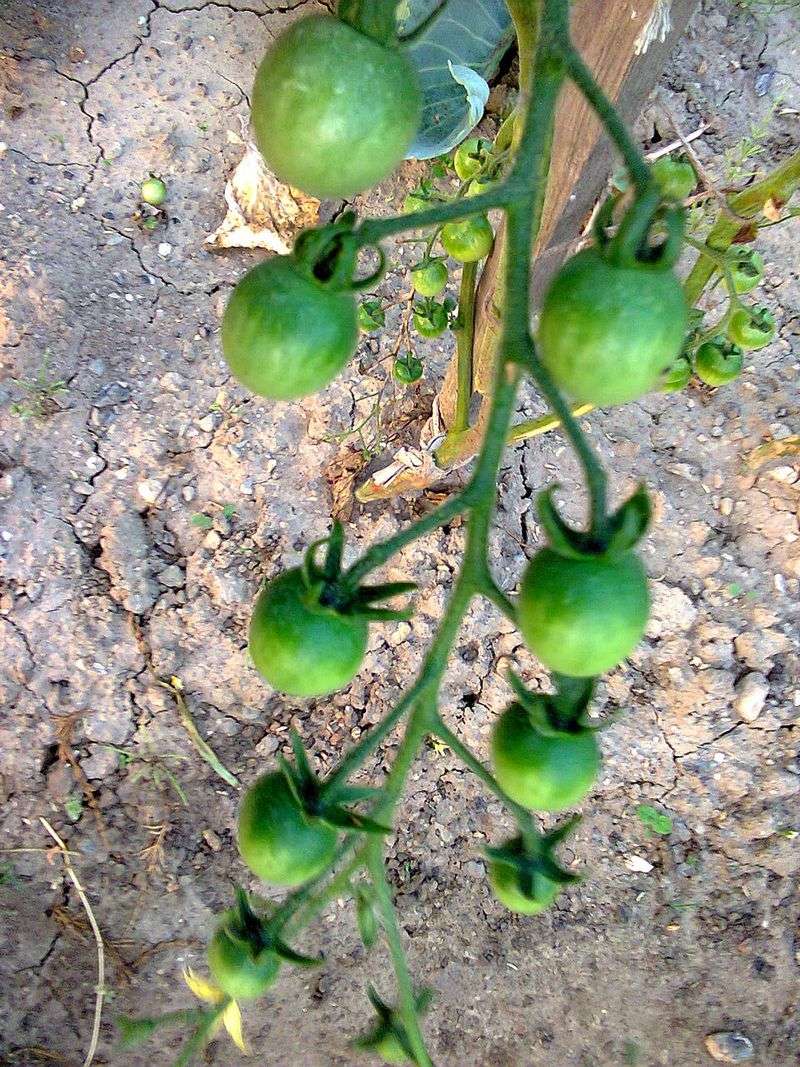
The first tiny tomatoes tell you a lot about how well the plant is handling stress. One common problem after flowering is blossom end rot, which shows up as a dark, sunken patch on the bottom of developing fruit.
It is often blamed on calcium alone, but in home gardens the deeper issue is usually inconsistent water movement through the plant.
That is why steady moisture matters so much once flowers turn into fruit. If soil swings from very dry to soaked, the plant struggles to move calcium where it is needed, even when enough is present in the bed.
I see this most often in containers, newly mulched beds that were allowed to dry out first, and gardens that rely on irregular hand watering during hot weeks.
Damaged fruit will not recover, so remove it and focus on preventing the next round. Keep watering even, mulch the soil, and avoid overloading the plant with fast fertilizer that pushes leafy growth during stress.
Many Massachusetts gardeners are relieved to learn this problem usually improves as roots expand and watering becomes more consistent, especially after the first cluster of fruit has passed.
Start Disease And Pest Checks Now
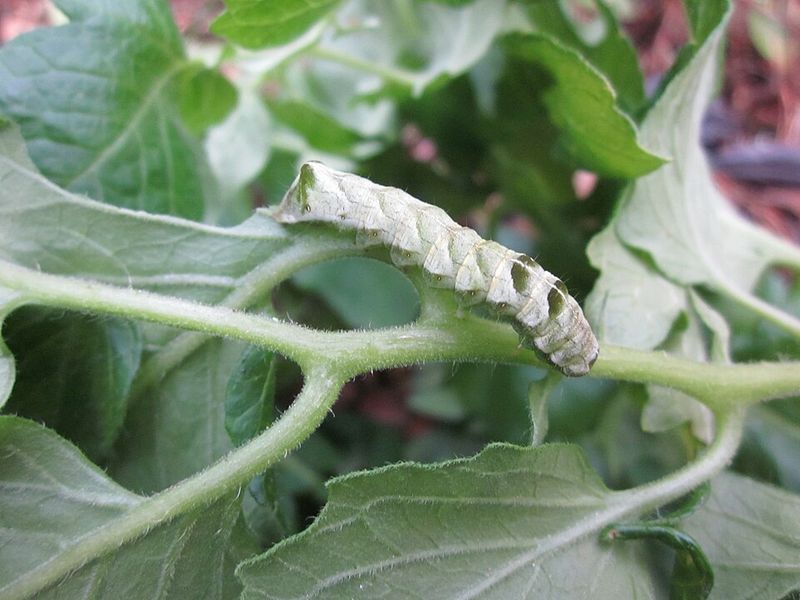
Flowering time is when regular scouting starts paying off in a big way. Plants are investing energy heavily, and problems like aphids, flea beetles, hornworms, and early fungal spots can reduce fruit set before you notice obvious decline.
Catching trouble early is easier than trying to rescue a stressed plant after fruit load increases.
I like a quick inspection routine every few days: look under leaves, check new growth, scan stems near flower clusters, and note any yellowing or speckling. Watering at the base instead of overhead helps limit foliar disease, and removing lower leaves that touch soil reduces splash-up after rain.
In many parts of Massachusetts, humid mornings and frequent dew give fungal issues an easy head start once the canopy gets dense.
Do not wait for dramatic damage before acting. A small cluster of aphids can be washed off, a hornworm can be handpicked, and a suspicious spotted leaf can be removed before it spreads further.
The goal is not sterile perfection but steady pressure management, because healthy flowering plants bounce back faster and keep producing new clusters even when the weather gets messy.
Sun, Heat, And Timing Affect How Many Flowers Set
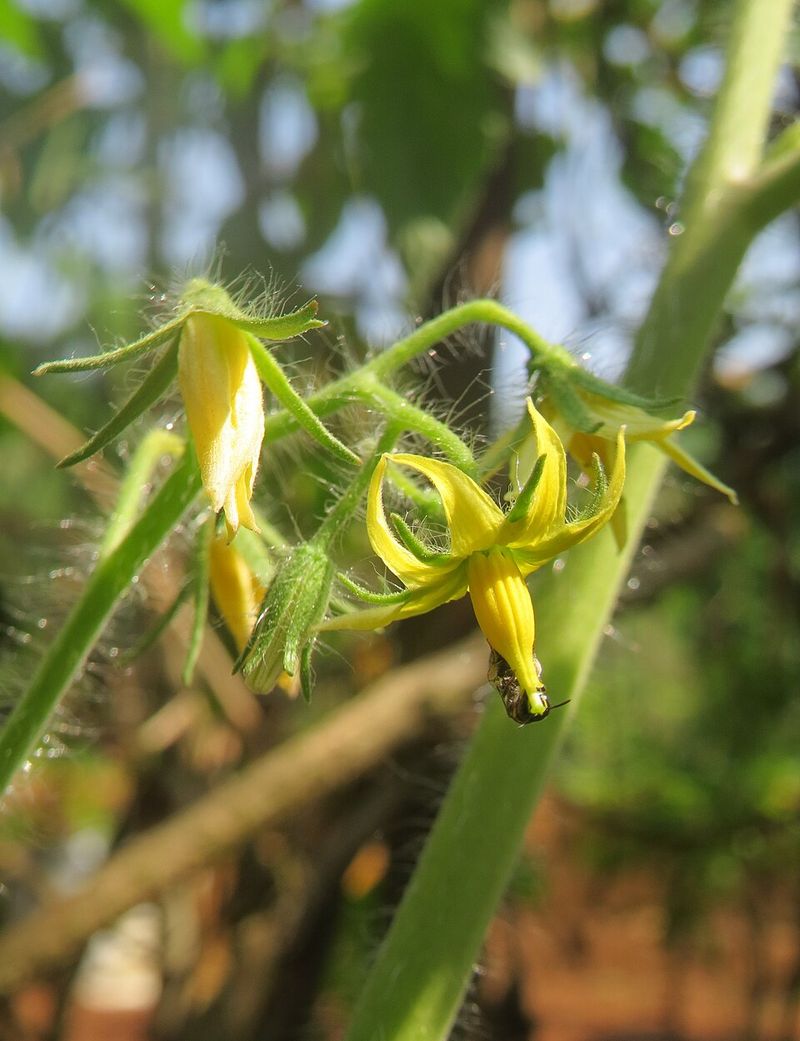
More flowers do not always mean more tomatoes, because sun exposure and temperature decide how many blooms successfully set fruit. Tomatoes need strong light, but extreme heat can make pollen less viable just as surely as chilly nights can.
Massachusetts gardeners often deal with both ends of that spectrum in the same month, which is why flower numbers can look great while fruit set stays uneven.
If your plants get less than six to eight hours of direct sun, expect fewer tomatoes and slower ripening. In hot inland stretches, afternoon temperatures that jump high for several days may trigger blossom drop, especially on large-fruited varieties.
During those periods, consistent watering and a light shade cloth during peak afternoon heat can reduce stress without turning the bed into deep shade.
Timing also matters by variety. Cherries usually set more reliably through changing weather, while beefsteaks can be fussier and slower to recover after stress.
If one plant is loaded and another is sparse, that difference may be genetic rather than a sign you did something wrong. Paying attention to these patterns helps you choose better varieties for your Massachusetts garden next season and adjust expectations this year.