
10 Clues A Skunk Could Be Living Near Your Pennsylvania Garden
Follow us on Google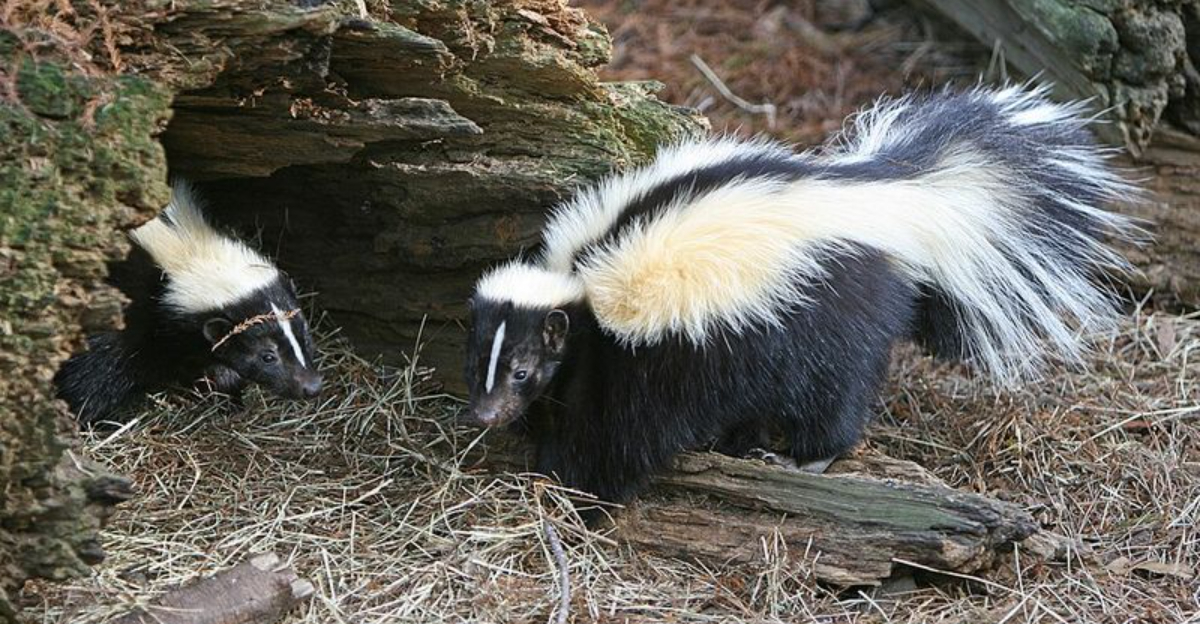
A skunk rarely announces itself with a clear invitation, but your garden can reveal plenty if you know what to notice. In Pennsylvania, these quiet nighttime visitors often settle near food, water, and easy shelter long before you ever see one.
Small changes in soil, scent, and pet behavior can tell a surprisingly clear story. Keep reading, because catching the clues early can save your plants, your nerves, and your dog’s dignity.
Mulch or Soil That Looks Newly Tossed Around
One morning your tidy garden bed can suddenly look as if someone raked through it with careless hands. Skunks often nose through mulch and loose soil while searching for insects, larvae, fallen fruit, and anything else edible hiding just below the surface.
The result is a messy, scattered look that seems minor at first but keeps returning in the same spots.
Unlike rabbit nibbling or deer browsing, this clue is all about surface disruption rather than chewed foliage. Pine bark, shredded mulch, and light compost are easy for a skunk to push aside with its snout and front claws, especially near borders, stepping stones, or moist flower beds.
If you recently watered or had a rainy stretch, the disturbed area may look even more obvious because the color contrast in the soil stands out.
Check the edges of the mess for other evidence, such as shallow holes, paw prints, or a faint musky smell that lingers near cover. It helps to smooth the area in the evening and see if it gets disturbed again overnight.
When tossed mulch keeps showing up without any clear daytime culprit, a nearby skunk is often the animal turning your neat beds into a midnight buffet.
Tiny Paw Prints Along Garden Paths
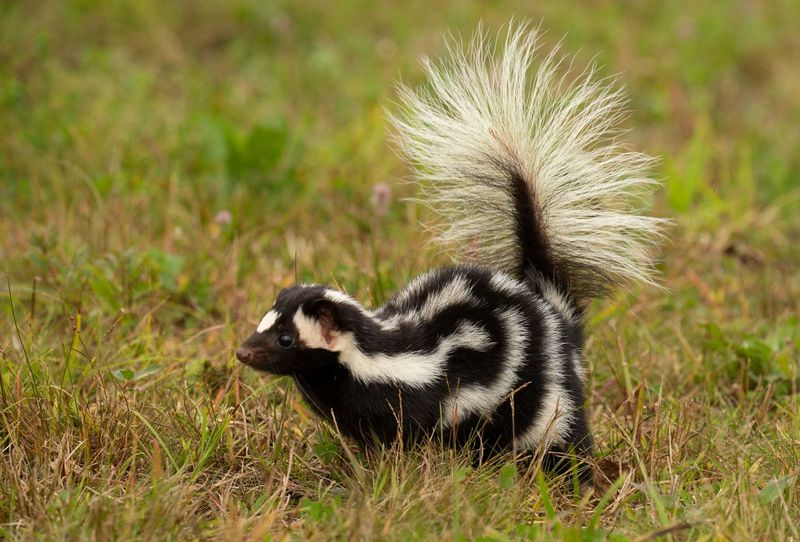
Soft ground can hold the kind of evidence that turns a suspicion into a clear answer. Skunk tracks are small, with five toes on both front and rear feet, and their claw marks often show clearly in damp soil, mud, or fine mulch along garden paths.
After rain or heavy watering, Pennsylvania gardens can become perfect places to spot these prints before the sun dries everything out.
The front tracks usually look a bit broader, while the rear feet can appear longer and more narrow. You might see them near fence lines, beside raised beds, around compost bins, or leading to a crawl space under a structure.
Because skunks move with a steady, shuffling gait, the trail may look deliberate and evenly spaced rather than erratic like a squirrel’s path.
To make tracking easier, smooth a small patch of loose soil near the area you suspect is getting nighttime traffic. Check it again at dawn with a flashlight held low to the ground, which helps shadows define the shape of each print.
If you repeatedly find five-toed tracks paired with digging signs or musky odor, your garden is probably being visited by a skunk on a regular schedule.
Small Cone-Shaped Holes in the Lawn or Beds
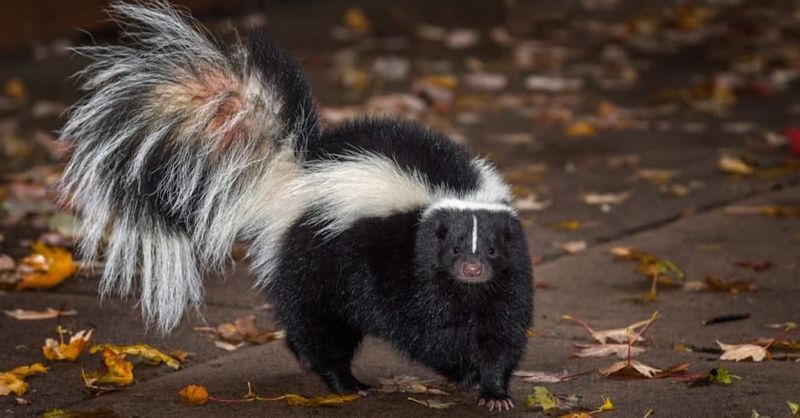
Fresh digging can look dramatic, but skunk damage usually appears in small, tidy bursts rather than deep excavation. You may find little cone-shaped holes in the lawn, vegetable rows, or garden edges where the animal has been hunting grubs, beetles, or earthworms overnight.
In Pennsylvania yards, this often shows up after humid evenings when insects stay near the surface and the soil is easy to work.
These holes are typically just a few inches wide, which makes them easy to confuse with squirrel activity at first glance. The difference is the pattern: skunks tend to leave clusters of shallow pokes and snuffling marks, almost as if someone jabbed the ground with a trowel in several places.
Mulched beds, freshly watered soil, and grassy spots near compost piles are especially attractive feeding zones.
Walk your garden early in the morning before dew dries and inspect areas with known grub problems. If the holes reappear over multiple nights, that consistency matters more than the number you see at once.
A skunk that has discovered an easy food source will keep returning, and repeated shallow digging is a strong clue that your garden has become part of its nightly route.
A Strong Musky Smell That Appears at Night
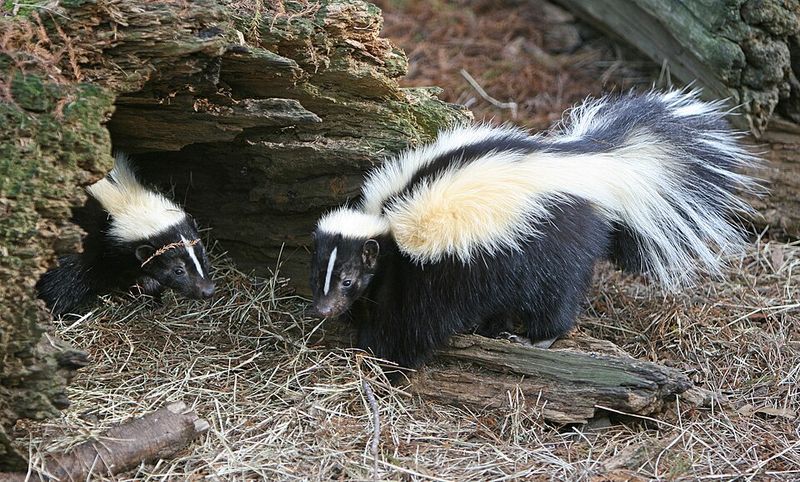
Sometimes the first sign is not visual at all, but impossible to ignore once evening settles over the yard. A sharp, musky odor drifting across your Pennsylvania garden after dark often points to a skunk passing through or bedding down nearby.
The smell may seem lighter than a full spray, almost oily or sour, and it can linger around sheds, woodpiles, low decks, or dense shrubs.
If you notice that scent showing up repeatedly in the same area, pay attention to the pattern rather than dismissing it as a one-time visit. Skunks naturally release a mild odor even when they are calm, especially near dens or favorite feeding spots.
Warm, damp nights can make it seem stronger, so the fragrance may carry farther than you expect.
Try stepping outside just after sunset and again before sunrise to compare where the smell is strongest. If it consistently hangs near one corner of the garden, that location deserves a closer look for burrow entrances, disturbed mulch, or paw prints.
A recurring nighttime odor is often one of the clearest early warnings that a skunk has moved in close enough to call your garden part of its routine.
Trash, Pet Food, or Compost Gets Visited Overnight
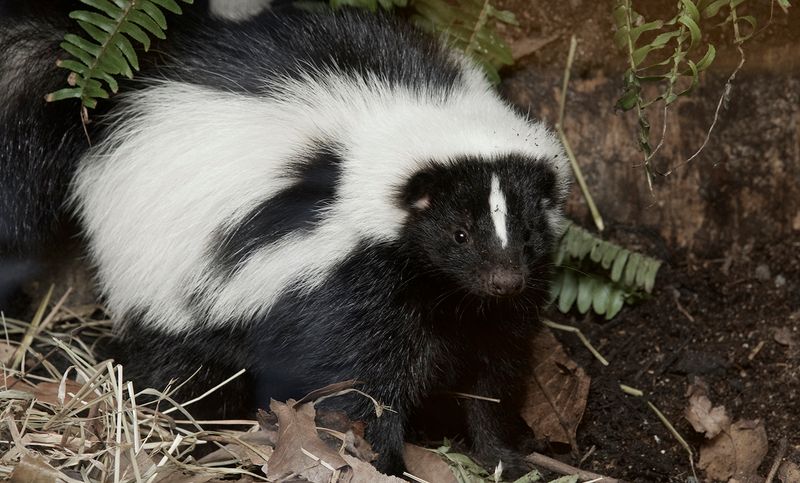
Food left out after dark can quietly invite the wrong kind of visitor into your garden space. Skunks are opportunistic feeders, so an outdoor pet bowl, open compost pile, unsecured trash can, or fallen birdseed can keep them coming back night after night.
If you wake up to scattered scraps near the garden edge, it is worth treating that mess as a clue rather than a simple nuisance.
These animals are not especially athletic, but they are persistent and curious enough to nose around anything that smells edible. A tipped lightweight container, pawed-at compost lid, or empty bowl licked clean by morning can all point to regular skunk activity.
In many Pennsylvania yards, this pattern gets worse in late summer and fall when wildlife is packing in easy calories.
Take a quick inventory of attractants close to your beds and along the route from your house to the fence line. Bringing food indoors at dusk, locking trash lids, and harvesting ripe produce promptly can help confirm the cause if the nighttime disturbances stop.
When messy overnight feeding keeps happening near your garden, it often means a skunk has learned your property offers more than shelter – it offers dependable meals too.
Low Fruits, Sweet Corn, or Fallen Produce Go Missing
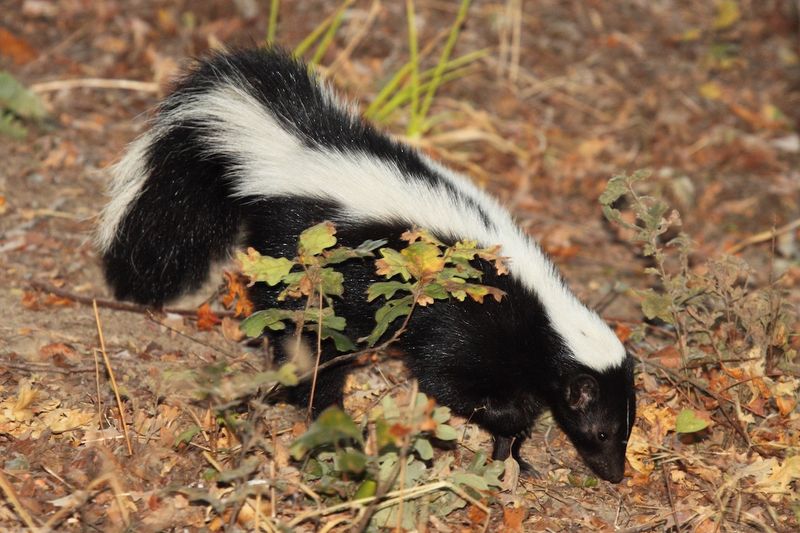
Not every clue involves holes in the ground, because skunks are happy to sample easy garden snacks too. Sweet corn, strawberries, tomatoes, melons, and low-hanging fruit can attract them, especially when produce is ripe, fragrant, and close to the ground.
In a Pennsylvania garden, this may show up as partially eaten vegetables, pecked-looking fruit on the soil, or produce that disappears overnight without much plant damage.
At first, many people blame raccoons, rabbits, or deer, and those suspects are fair. Still, skunks often leave behind a mix of evidence: a few shallow digs nearby, disturbed mulch, and signs of nibbling close to where fruit dropped naturally.
They prefer easy pickings, so the biggest draw is often overripe produce that has split open or fallen from the plant.
Look closely at the feeding pattern rather than just the missing harvest. If the damage is concentrated near the ground and appears alongside mild rooting or musky odor, a skunk becomes a much stronger possibility.
Cleaning up windfall fruit, harvesting sooner, and checking the garden at dawn can help you confirm what is happening. Repeated losses of low produce are often the kind of practical clue that tells you a skunk has settled nearby.
You Spot Movement at Dusk or Before Dawn
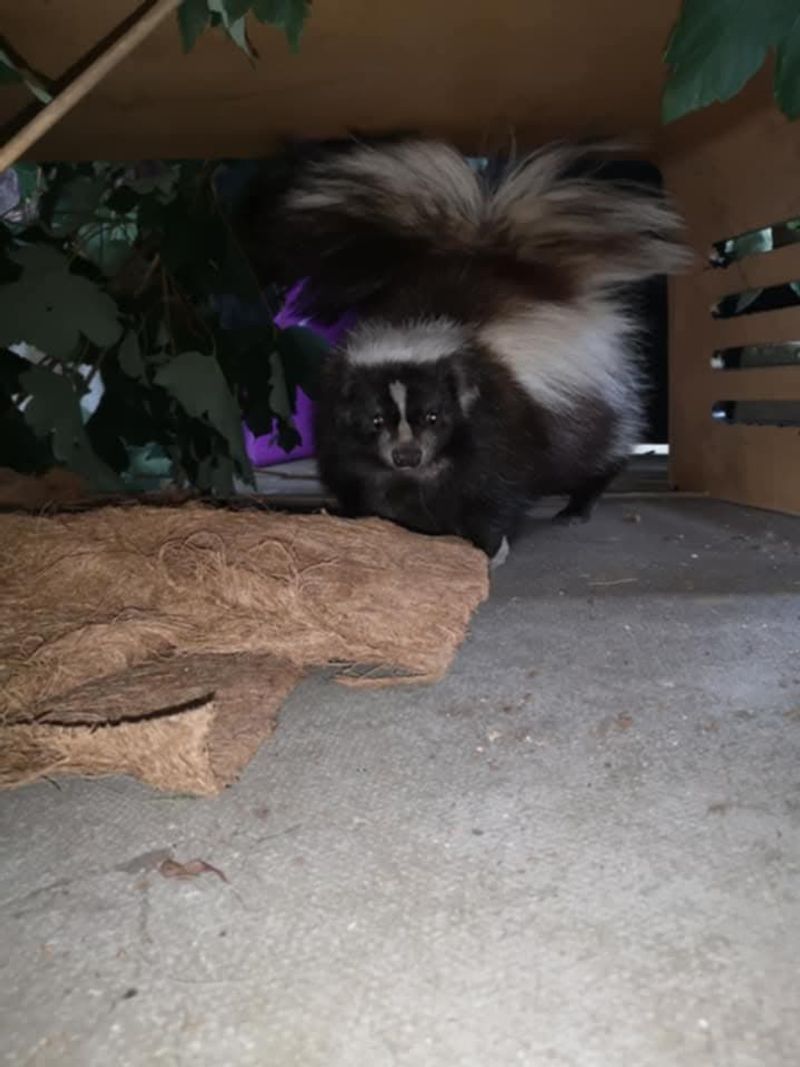
Timing can tell you almost as much as tracks or scent. Skunks are most active around dusk, overnight, and just before sunrise, so a low, black-and-white shape moving along the garden border during those hours is a meaningful clue.
In many Pennsylvania neighborhoods, they follow regular routes between cover, feeding areas, and den sites with impressive consistency.
You may only catch a quick glimpse near shrubs, under a bird feeder, or beside a raised bed as the light fades. Their gait looks deliberate and somewhat waddling, with the tail often carried noticeably behind them rather than high and fluffy like a startled cat.
Because they prefer calm, quiet conditions, you are more likely to notice one on still evenings when the yard settles down.
If you suspect repeated visits, try watching discreetly from a window instead of heading outside and risking a defensive spray. Motion-activated lights or a simple wildlife camera aimed at the garden edge can also confirm what is using the space without creating conflict.
A direct sighting is not always common, but even one or two appearances at the same hour can support the other signs and suggest that a skunk is living very close to your garden.
Your Dog Becomes Fixated on One Part of the Yard

Pets often notice a hidden animal long before people piece together the evidence. If your dog keeps sniffing, pawing, or staring at the same section of fence, shrub line, deck, or shed near your garden, that behavior can be a useful warning sign.
Many Pennsylvania homeowners only realize a skunk is nearby after their dog becomes intensely interested in one specific spot at dusk.
The reaction may look different from normal curiosity about a squirrel or rabbit. Some dogs freeze and point their nose toward cover, while others pace, whine, or refuse to leave the area once they pick up the scent.
Because skunks carry a strong natural odor even before spraying, a dog may focus on a den entrance or a nightly travel path without ever seeing the animal directly.
Take the behavior seriously and resist letting your pet investigate more closely, especially in low light. Instead, check the area for tracks, disturbed soil, or a burrow opening once it is fully daylight and safe to inspect from a distance.
If your dog repeatedly reacts to the same place over several evenings, that pattern can be one of the most practical clues that a skunk has taken up residence near the garden and is using that route regularly.
Grub Problems and Skunk Signs Keep Appearing Together

One clue becomes much stronger when it keeps showing up alongside another. If your lawn or garden edges already have a grub problem and you are also seeing shallow holes, disturbed mulch, or nighttime odor, those signs often connect directly to skunk activity.
Pennsylvania yards with moist soil and insect-heavy turf can become ideal feeding grounds, turning a pest issue into a wildlife one almost overnight.
Skunks are drawn to easy protein, and grubs offer exactly that. A patchy lawn with loose turf, beetle larvae, and earthworm activity gives them a reason to return repeatedly, especially after rain or irrigation softens the ground.
What starts as occasional foraging can become a regular routine if the food source stays plentiful and no deterrent changes the pattern.
It helps to think of this clue as a bigger picture rather than a single dramatic event. Treating grub infestations, reducing excess moisture where possible, and checking for repeated nocturnal digging can tell you whether the animal is simply passing through or settling into a dependable feeding loop.
When insect damage and skunk evidence keep appearing together in the same areas, your garden is likely offering both dinner and nearby shelter, which is exactly what convinces a skunk to stay close.