
What It Means When A Praying Mantis Appears In Your Florida Garden
Follow us on Google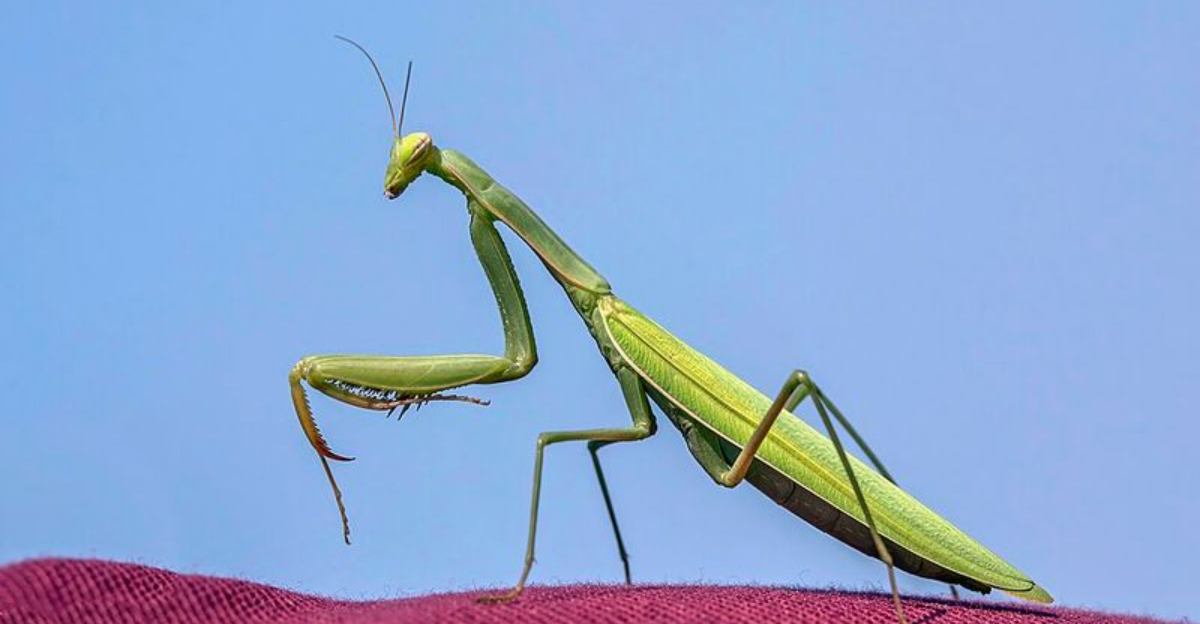
Spotting a praying mantis in a Florida garden can feel oddly personal, like nature just tapped you on the shoulder. These watchful insects bring practical benefits, but they also carry symbolism that many gardeners find hard to ignore.
In a place where heat, rain, and fast-growing plants keep life moving, their sudden appearance can signal more than simple luck. If one has landed near your herbs, hibiscus, or tomato vines, you may be looking at a message worth noticing.
A Sign Your Garden Is Thriving
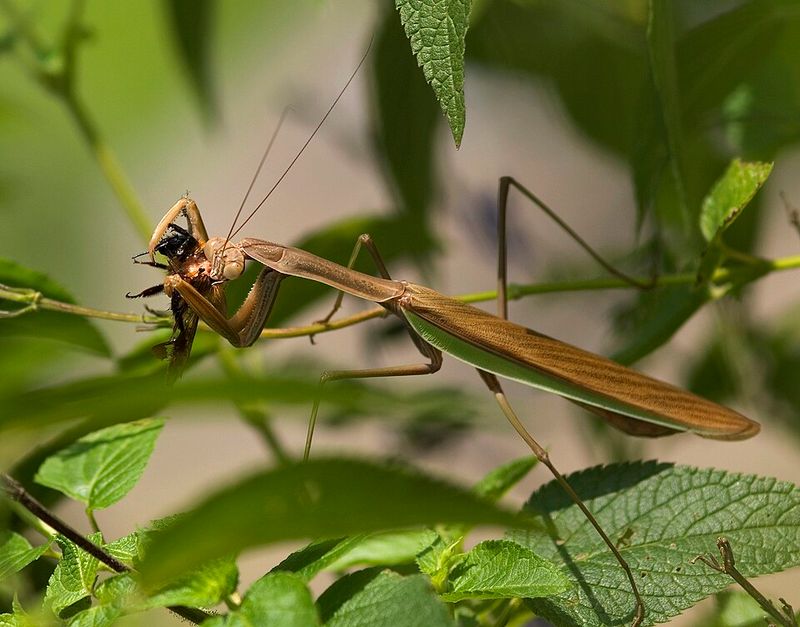
Seeing a praying mantis among your Florida plants often points to one simple truth – your garden is doing something right. These insects prefer places with food, shelter, and enough plant cover to hunt without being exposed every second.
If one sticks around near your peppers, zinnias, or basil, conditions are likely balanced enough to support a small but healthy food web.
That does not mean every leaf is perfect or every pest problem is gone. It usually means your yard has become inviting to beneficial life instead of functioning like a sterile patch of dirt and mulch.
In Florida, where weather can swing from soaking rain to intense heat fast, that kind of resilience says a lot.
You can treat the appearance as a quiet compliment from nature. Strong plant diversity, moderate pesticide use, and a bit of wildness around the edges often create exactly the setting a mantis wants.
A tidy but not overmanaged garden tends to host more useful predators than a heavily sprayed one.
If you have been wondering whether your efforts are paying off, this visitor offers a practical answer you can actually see. Healthy gardens attract hunters.
When a mantis shows up, your space may already be more alive, stable, and productive than you realized.
Natural Pest Control At Work
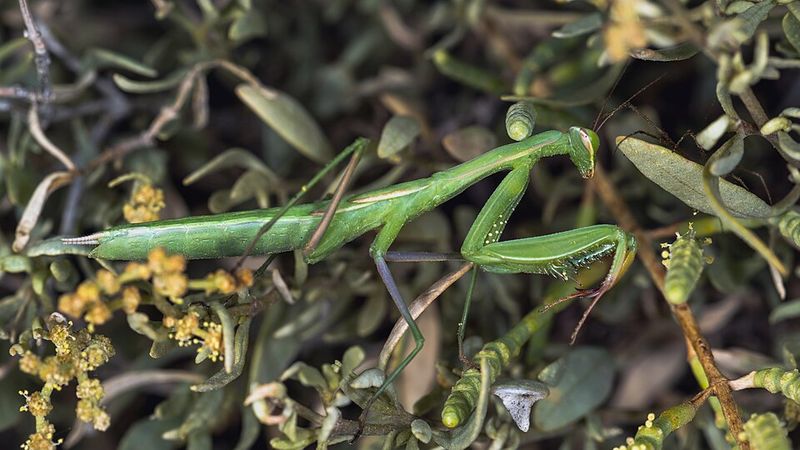
A praying mantis in your Florida garden often means pest control has arrived without a bill or a spray bottle. These patient hunters feed on flies, moths, beetles, and other insects that can chew through tender growth before you notice damage.
When one posts up near your vegetables or flowering shrubs, it is usually taking advantage of a reliable buffet.
That matters in Florida because warm weather keeps insect activity high for much of the year. Gardeners here rarely get a long pause from whiteflies, caterpillars, or leaf-footed bugs, so every natural predator helps.
A mantis will not solve every infestation, but it can reduce pressure in a way that supports a healthier balance.
It is smart to avoid broad-spectrum pesticides if you want that help to continue. Sprays meant for pests often wipe out beneficial hunters too, leaving your garden more vulnerable later.
Giving a mantis space to work can be more useful than reaching for chemicals at the first chewed leaf.
If you have been trying to garden with fewer interventions, this insect is a welcome ally. Think of it as confirmation that biology is on your side.
Sometimes the best response is simply to notice, protect, and let the hunt continue.
Good Timing And Patience
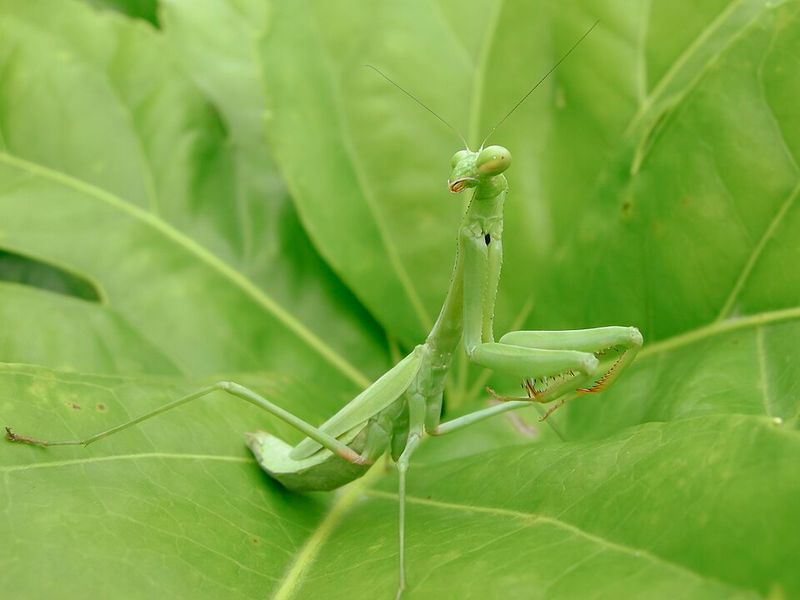
A praying mantis does not chase everything it sees, and that behavior makes its presence feel tied to timing. It waits, watches, and strikes only when the moment is right.
If one appears in your Florida garden, you might read it as a nudge to stop forcing outcomes and trust a more patient rhythm.
That message fits gardening better than almost anything. Seeds sprout on their own schedule, cuttings root when conditions finally line up, and overwatering usually causes more trouble than restraint.
A mantis seems to embody the idea that not every problem needs an immediate reaction, especially when the environment is already moving toward balance.
You can apply that lesson beyond the beds and borders. Maybe you have been debating a big landscape change, wondering when to plant before the rains, or worrying that progress feels too slow.
Patience does not mean doing nothing. It means making your move when evidence, season, and conditions actually support success.
In Florida, where growth can seem explosive, it is easy to confuse speed with progress. The mantis offers a different model.
Measured action often works better than constant interference, and your garden usually rewards steady attention more than restless tweaking.
Protection For New Growth
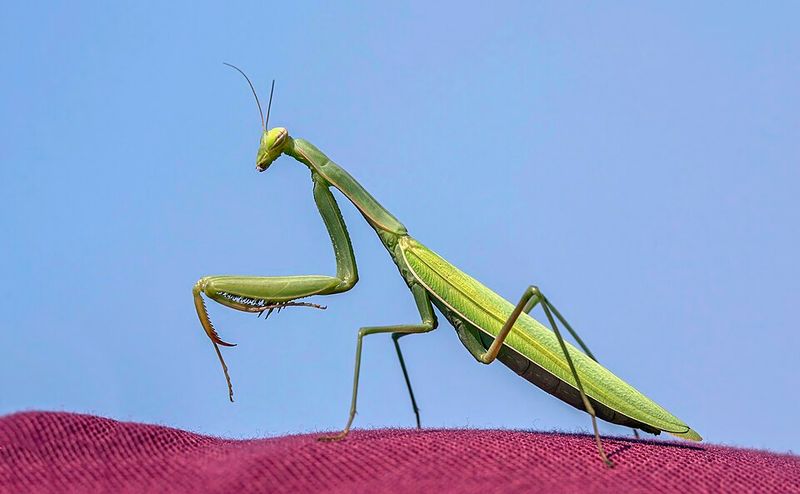
When a praying mantis turns up near tender seedlings or fresh growth, many gardeners take it as a sign of protection. That feeling is not purely symbolic.
Young plants attract soft-bodied pests, and a mantis positioned nearby can help reduce some of the insect pressure before damage gets out of hand.
Florida gardens constantly cycle through vulnerable stages because planting windows overlap and growth rarely stops for long. New basil, okra, coleus, and milkweed all draw hungry visitors almost immediately.
Seeing a mantis in that setting can feel reassuring, like the garden has posted its own quiet guard at the gate.
It is still wise to check leaves, improve airflow, and water consistently at the base. A mantis cannot prevent fungal disease or solve every chewing issue by itself.
What it can do is support the broader idea that your garden is defending itself through natural relationships, not just through your interventions.
If you have recently planted something meaningful, the moment may feel especially personal. Many people see these insects as protectors, and it is easy to understand why.
Their upright posture, alert eyes, and steady focus give the impression that something valuable is being watched over with unusual care.
A Message About Balance
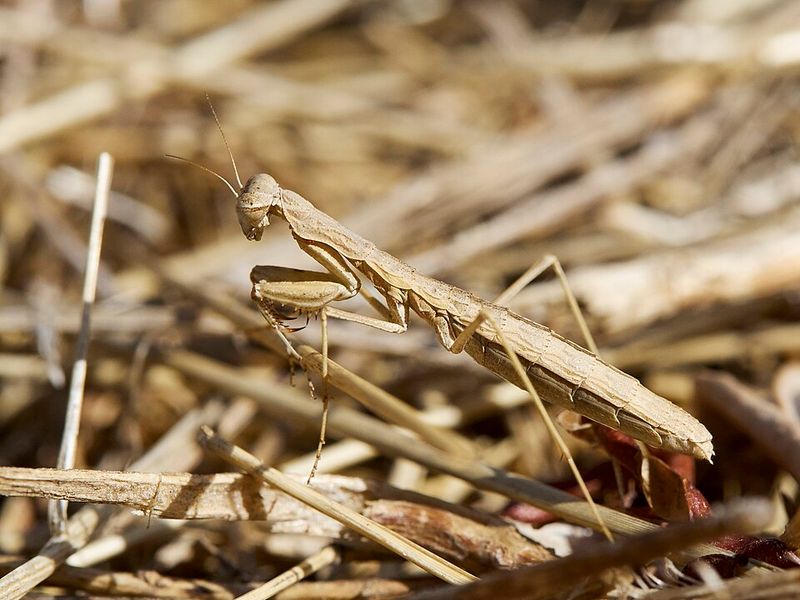
A praying mantis can be a strong symbol of balance because it sits right in the middle of the garden food web. It is neither a harmless ornament nor a destructive pest.
When one appears in your Florida yard, it may be highlighting the value of an ecosystem where life is active, layered, and kept in check by natural relationships.
That idea matters more than many gardeners realize. Trying to eliminate every bug usually creates new problems, especially in a warm climate where insects rebound quickly.
Balance looks less like perfection and more like a steady exchange, where pollinators visit, predators hunt, and plants recover from minor damage without collapsing.
If you are dealing with frustration, this sighting can shift your perspective. A few holes in leaves do not always mean failure.
Sometimes they simply mean your garden is alive enough to support multiple species, including the ones that eventually restore order.
You can encourage that balance by mixing plant types, leaving some habitat undisturbed, and avoiding chemicals that flatten the whole system. In practical terms, the mantis is a reminder that control is not the same as health.
Real garden stability often comes from cooperation, not domination.
Spiritual Attention And Intuition
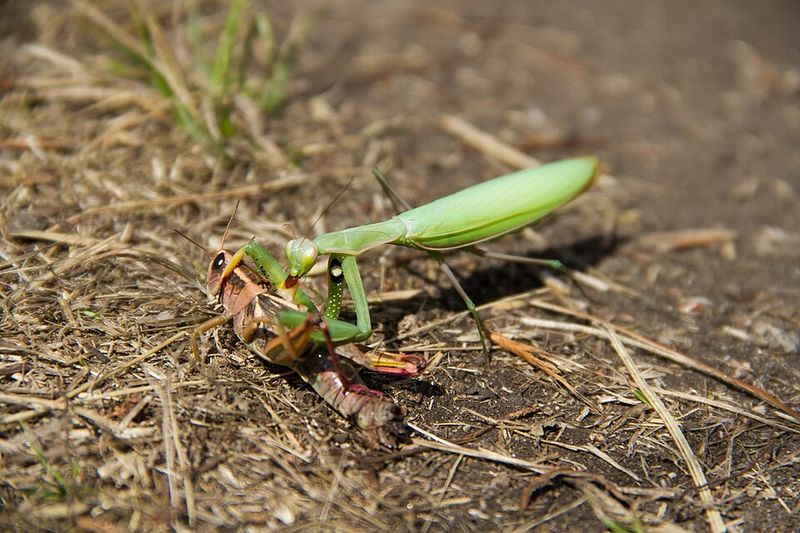
For many people, a praying mantis carries spiritual weight because of its posture and still, focused presence. In a Florida garden, where color and movement can feel almost overwhelming, that quiet figure stands out in a way that feels intentional.
Its appearance is often linked to intuition, mindfulness, and paying closer attention to what you already sense.
You do not need to be deeply mystical to appreciate that interpretation. Sometimes a garden visitor shows up just when you have been wrestling with a decision, feeling overstretched, or ignoring your own instincts.
The mantis seems to suggest that clarity may come less from more noise and more from calm observation.
That can play out in surprisingly practical ways. You might realize a corner of the yard needs less fussing, notice which plant combinations really work, or admit a project no longer fits your time and energy.
Intuition often sounds subtle, and the mantis mirrors that subtle style perfectly.
If the encounter felt meaningful, it is worth honoring without overcomplicating it. Pause, take in the scene, and ask what in your life or garden needs quieter attention.
Sometimes the message is not dramatic at all. It is simply time to trust what you have already been noticing.
Seasonal Change Is Coming
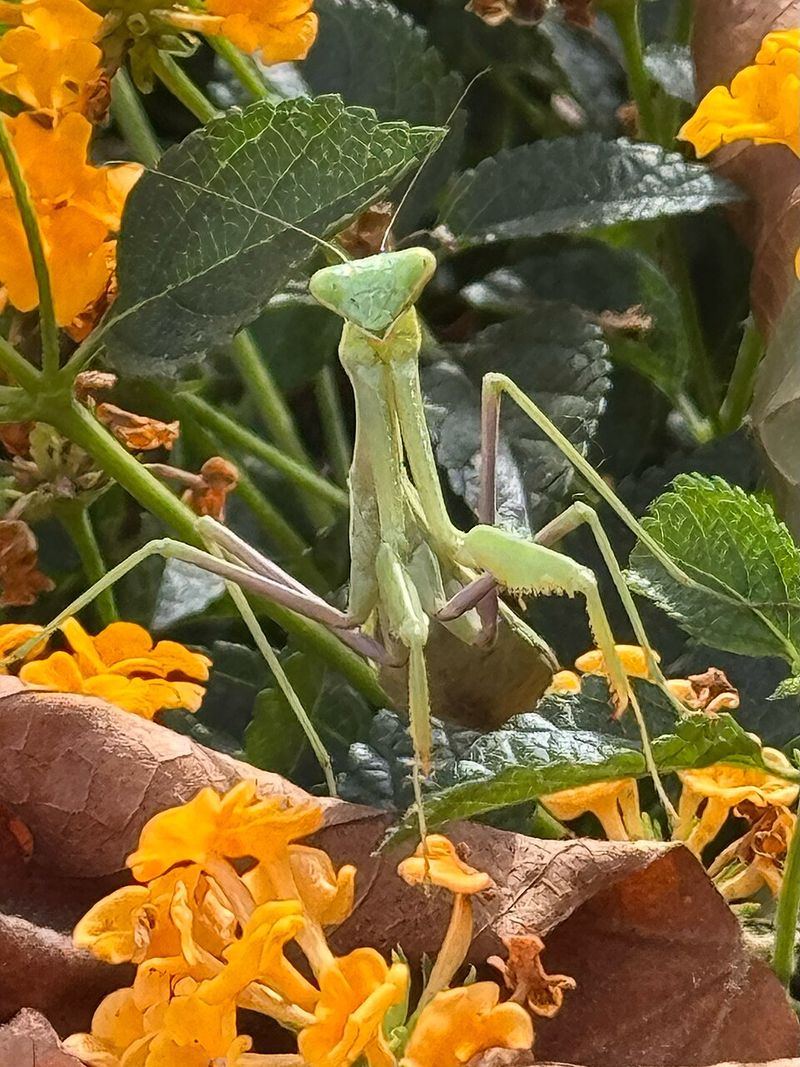
A praying mantis often becomes more noticeable as seasons shift, and that can make its appearance feel like a marker of change. In Florida, seasonal transitions are subtle compared with northern climates, but they still matter in the garden.
Light angles shift, rainfall patterns adjust, and certain pests surge or fade as temperatures slowly move.
When you notice a mantis, it may be a good moment to think ahead rather than react late. Maybe your tomatoes need replacing, your herbs need a trim before wetter weather, or your fall planting plan deserves a closer look.
This insect can act like a living reminder that the garden is entering a new phase, even if the air still feels hot.
That meaning can reach beyond plants too. Change is easier to handle when you acknowledge it early and prepare with intention.
A mantis does not panic when conditions shift. It adapts by repositioning, waiting, and using what the environment offers.
If one appears near the edge of a bed or on a fading stem, the timing may feel especially clear. Something is ending, and something else is beginning.
In a Florida garden, that cycle rarely stops. The mantis simply helps you notice the turn.
You Are Being Asked To Observe More Closely
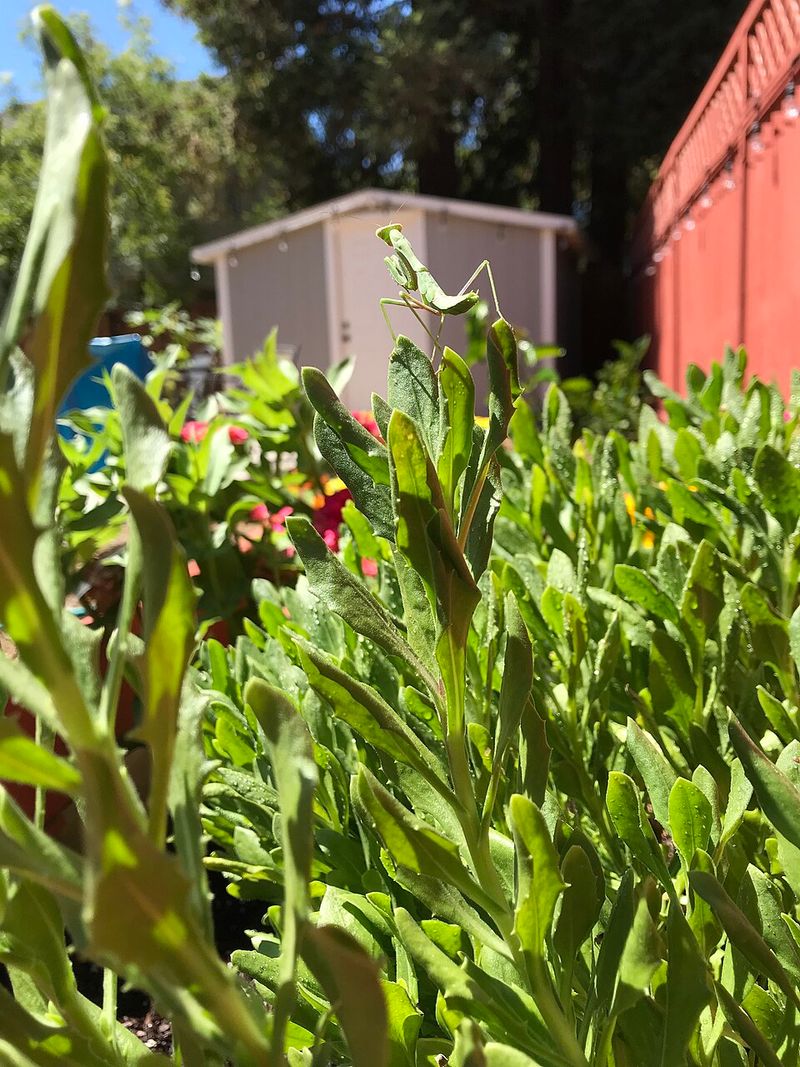
Because praying mantises are so easy to miss until they move, their presence often points to the power of careful observation. A Florida garden is full of hidden activity, from spider webs between stems to caterpillars tucked under leaves.
Spotting a mantis can feel like proof that there is far more happening around you than you usually register.
That message is useful if your garden has seemed confusing lately. Maybe a plant keeps declining for reasons you cannot name, or pest damage appears before you catch the culprit.
Slowing down and observing patterns at different times of day often reveals the real story faster than guessing ever will.
You might notice irrigation hitting one spot too hard, anole lizards gathering where insects are thickest, or pollinators favoring one bloom color over another. Those details can guide smarter decisions about placement, pruning, and treatment.
The mantis becomes a symbol of seeing what is present rather than assuming what is wrong.
There is also a personal side to that lesson. When something in life feels off, the first need is often not action but attention.
This insect seems to embody that idea beautifully. Look longer, notice more, and let the hidden pattern reveal itself before you move.
An Invitation To Garden More Gently
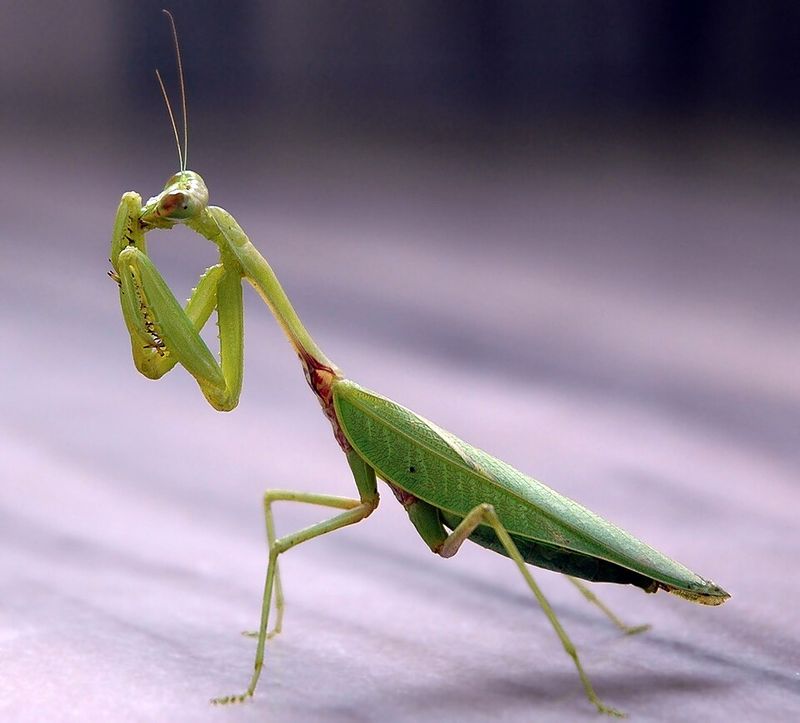
A praying mantis often shows up in gardens that leave room for nature to participate, and that alone can feel like a gentle lesson. If one appears in your Florida yard, it may be encouraging a softer approach to gardening.
Less spraying, less overpruning, and fewer attempts to control every insect can create conditions where helpful species actually stay.
That does not mean neglecting the space or pretending problems do not exist. Gentle gardening is still active gardening.
It simply favors compost over constant synthetic feeding, targeted action over blanket treatments, and habitat over excessive tidiness.
Florida landscapes especially benefit from that mindset because year-round growth can tempt you to manage everything too hard. A small brush pile, dense shrub, or patch of native flowers can support beneficial insects and other wildlife in ways a perfectly manicured yard cannot.
The mantis is one visible sign that these quieter choices are working.
If you have been feeling pressure to make your garden look flawless, this visitor offers a healthier perspective. A living garden should contain movement, mystery, and a bit of unpredictability.
Sometimes the most responsible thing you can do is step back, adjust gently, and allow natural intelligence to share the work.