
10 Easy Vegetables North Carolina Gardeners Still Have Time To Plant In June
Follow us on Google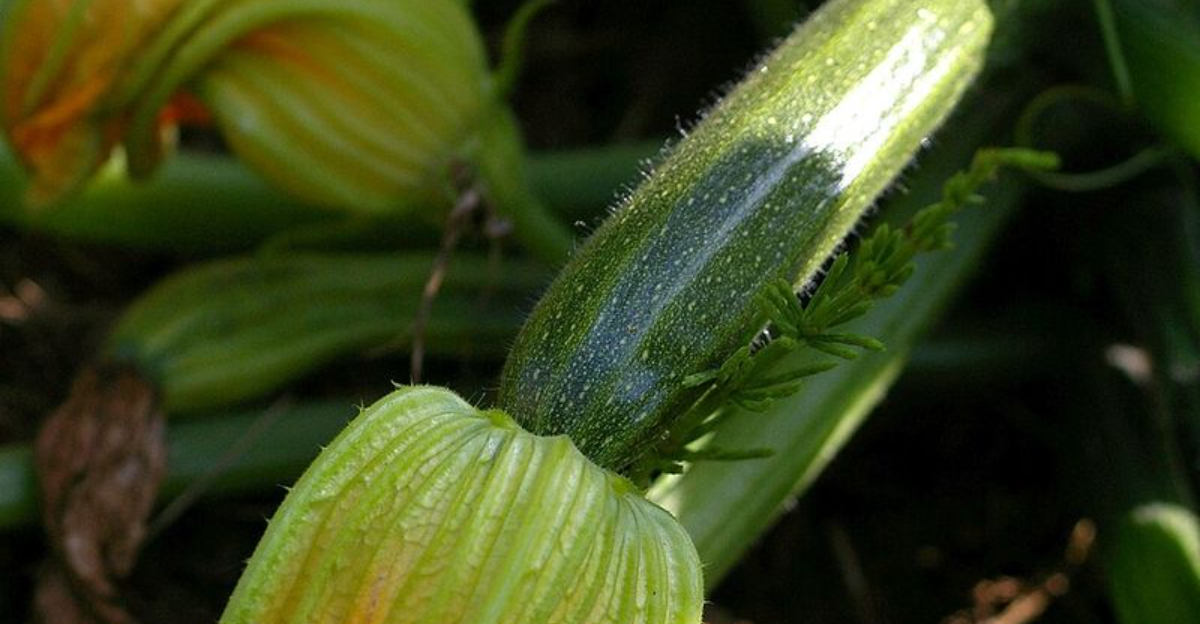
June can feel late in the season, but North Carolina gardeners still have plenty of great options for a productive backyard harvest. Warm soil, long days, and reliable heat actually make several vegetables easier to grow now than they were in spring.
If you want quick wins, fewer fusses, and food you will genuinely use, these picks are smart choices for June planting. Here are ten vegetables that can still earn their spot in your garden this month.
Okra
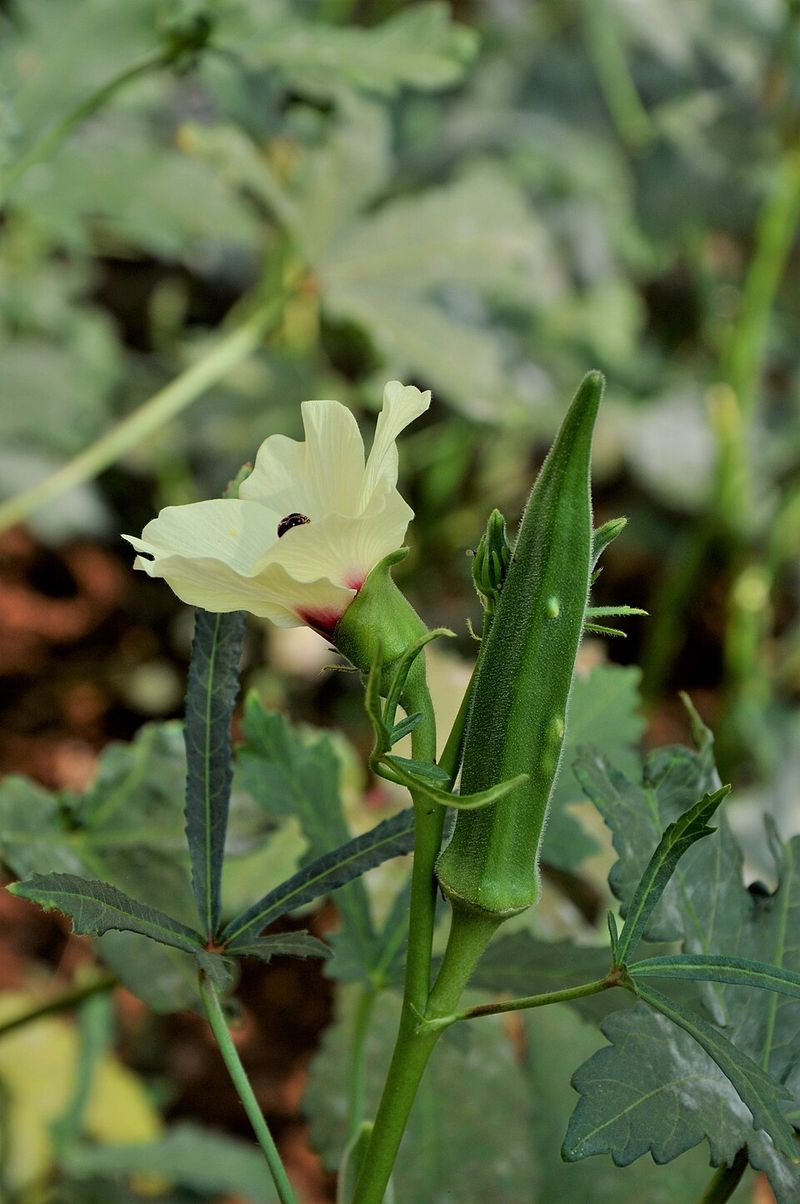
Hot weather is exactly what this plant wants, which makes it one of the easiest June choices in North Carolina. Once the soil is warm, seeds usually sprout quickly and plants grow with real confidence.
If spring crops have started to fade, this is a simple way to keep your garden feeling productive.
Full sun matters, and spacing matters more than many gardeners expect. Give each plant room, keep weeds down early, and water deeply while seedlings establish.
After that, okra handles heat better than most vegetables and does not need constant attention to keep moving.
Harvesting often is the trick that keeps pods tender and the plants producing. Check every day or two once picking begins, because pods can turn woody fast in summer heat.
A pocket knife or pruners helps, especially if stems feel a little prickly on your hands.
In the kitchen, smaller pods shine in gumbo, skillet suppers, and quick roasting with olive oil and salt. Clemson Spineless is a reliable favorite if you want a classic variety.
When you want a crop that likes July almost as much as you do, this one earns its space.
Bush Beans
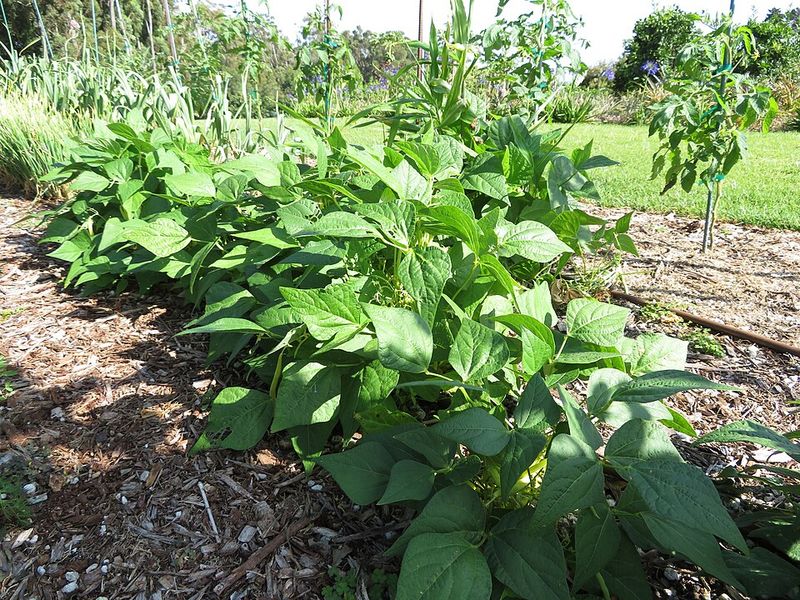
If you want fast results, few crops are more satisfying than bush beans in warm June soil. Seeds germinate quickly, plants stay manageable, and harvests often begin before you have time to overthink them.
That speed makes beans especially helpful when an earlier crop fails or leaves an empty patch behind.
Direct sow them instead of starting indoors, because roots prefer to stay undisturbed from the start. Choose a bed with full sun and decent drainage, then sow another short row every couple of weeks for a longer harvest window.
A little compost helps, but too much nitrogen can give you leaves instead of beans.
Consistent watering matters most when plants begin flowering and setting pods. Try to pick beans while they are still slim and crisp, because regular harvests encourage more production.
If summer disease has been an issue in your yard, water the soil rather than soaking the leaves.
Fresh beans are useful in almost every weeknight meal, from quick stir fries to simple Southern sides. Provider and Contender are both dependable choices for hot conditions.
When you need something beginner friendly, productive, and genuinely worth the space, bush beans make June planting feel like a smart move.
Cucumbers
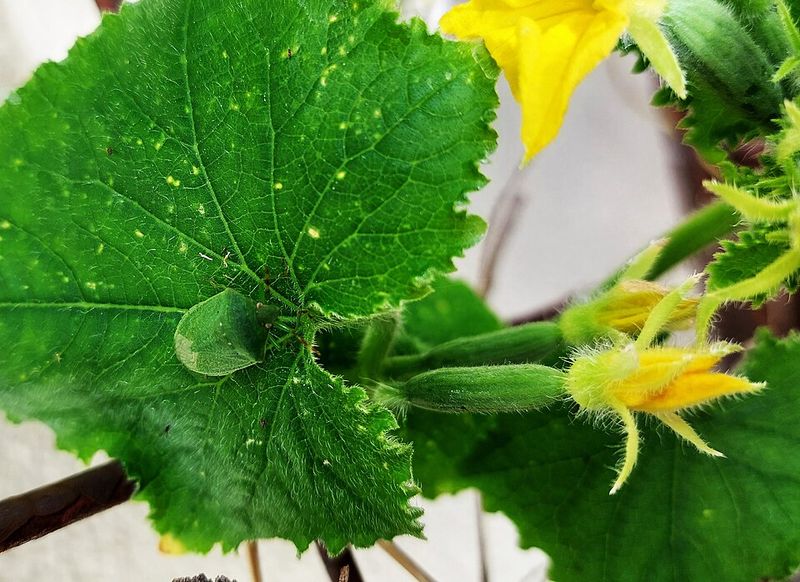
Warm nights and bright days give cucumbers a strong start, so June is not too late at all for a fresh planting. In fact, many gardeners get cleaner, faster growth now than they did in cool spring weather.
If you have ever watched seedlings stall in chilly soil, summer cucumbers can feel much more cooperative.
Give vines full sun, rich soil, and steady moisture from the beginning. A trellis helps save space, improves air flow, and makes fruit easier to spot before it gets oversized.
Mulch also pays off here, because it keeps roots cooler and reduces splashing that can spread disease.
Pick frequently once production begins, especially if you want slicing cucumbers with good texture and fewer seeds. Large fruits slow the plant down, so staying ahead of the harvest really matters.
If beetles show up, row cover early in the season or hand removal can keep damage from getting out of hand.
There is also a practical reason this crop stays popular in backyard gardens: you will actually use it. Fresh slices, quick pickles, and cold salads fit right into hot North Carolina evenings.
For reliable varieties, look for Marketmore 76 or a compact pickling type if your space is limited.
Zucchini
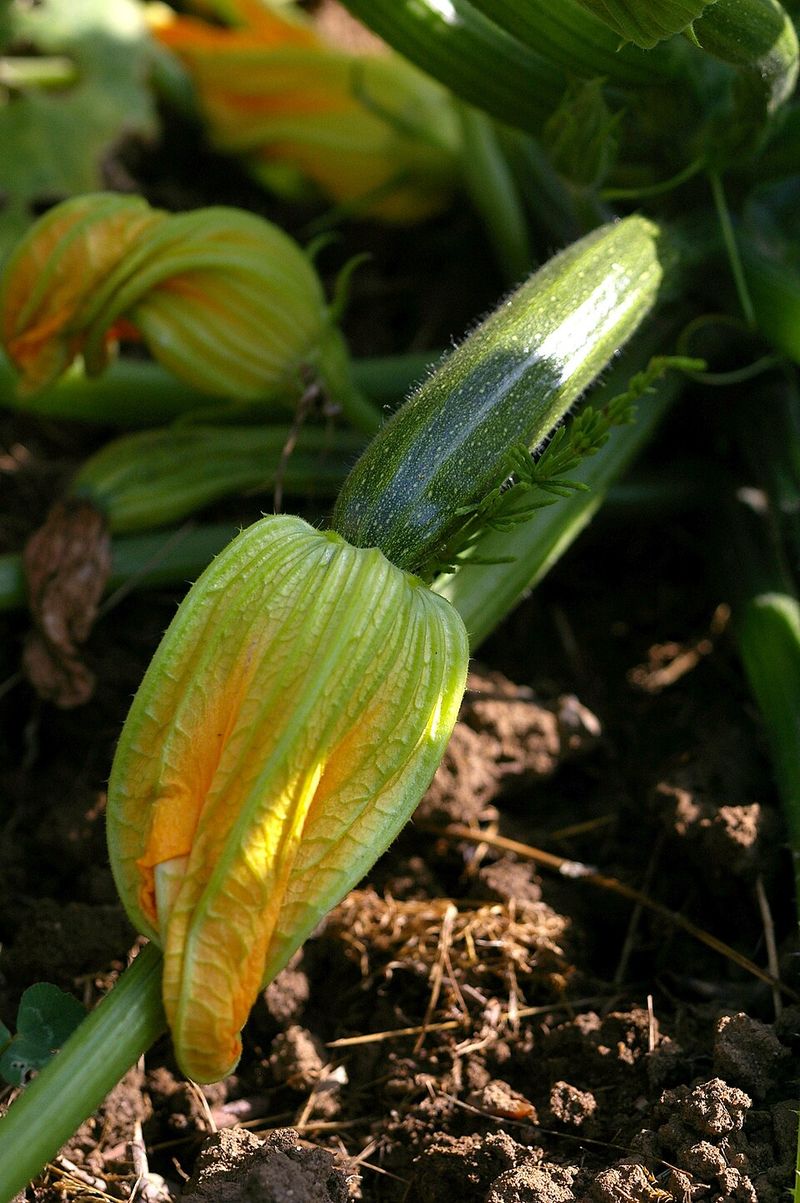
Few vegetables reward a June planting faster than zucchini, especially when the soil has fully warmed. Seeds germinate quickly, plants grow with surprising speed, and harvest can begin before your summer schedule gets too busy.
That kind of momentum is useful when you want visible progress from a small garden space.
Start with a sunny spot and give plants more elbow room than the seed packet may seem to suggest. Crowded leaves hold moisture, which can lead to mildew and other headaches once humidity rises.
A layer of mulch helps too, because it reduces soil splash and keeps watering more even.
Pollination is worth watching early on. If you see tiny fruits shriveling after the flowers close, you may need more pollinator activity or a little hand pollination in the morning.
Once plants hit their stride, check them daily, because a perfectly sized zucchini can turn oversized in almost no time.
Smaller fruits taste better, cook faster, and keep the plant producing longer. Grilled slices, muffins, sautés, and shredded freezer bags all help you stay ahead of the flood.
For a beginner friendly summer crop that often gives more than expected, zucchini is still one of the best bets for North Carolina gardens.
Summer Squash
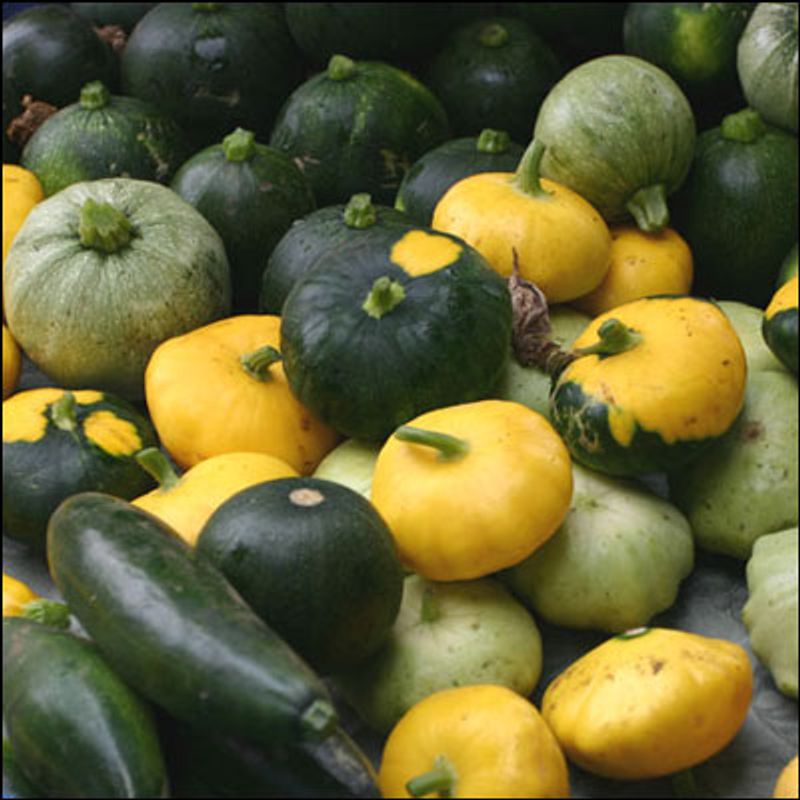
When the weather turns reliably warm, summer squash tends to move quickly and confidently through the garden. A June sowing can catch up fast, especially if your spring planting struggled with cool rain or pests.
That makes it a practical reset crop for gardeners who want easy harvests without waiting forever.
Choose a site with six to eight hours of sun and soil that drains well after storms. Plants need room for air movement, because North Carolina humidity can encourage mildew once leaves get dense.
Water low at the base, mulch the soil, and avoid brushing through wet foliage if you can help it.
Early pest checks make a big difference with this crop. Squash bugs and vine borers are easier to manage when you notice them quickly rather than after damage spreads.
Some gardeners cover young plants at first, then uncover them when flowers appear so pollinators can do their job.
Harvest fruits while they are still tender, glossy, and not much larger than your hand. Waiting too long gives you tougher texture and fewer new squash forming on the plant.
Yellow straightneck and crookneck varieties both perform well, and they turn into easy side dishes, skillet meals, and grill packs all summer.
Southern Peas
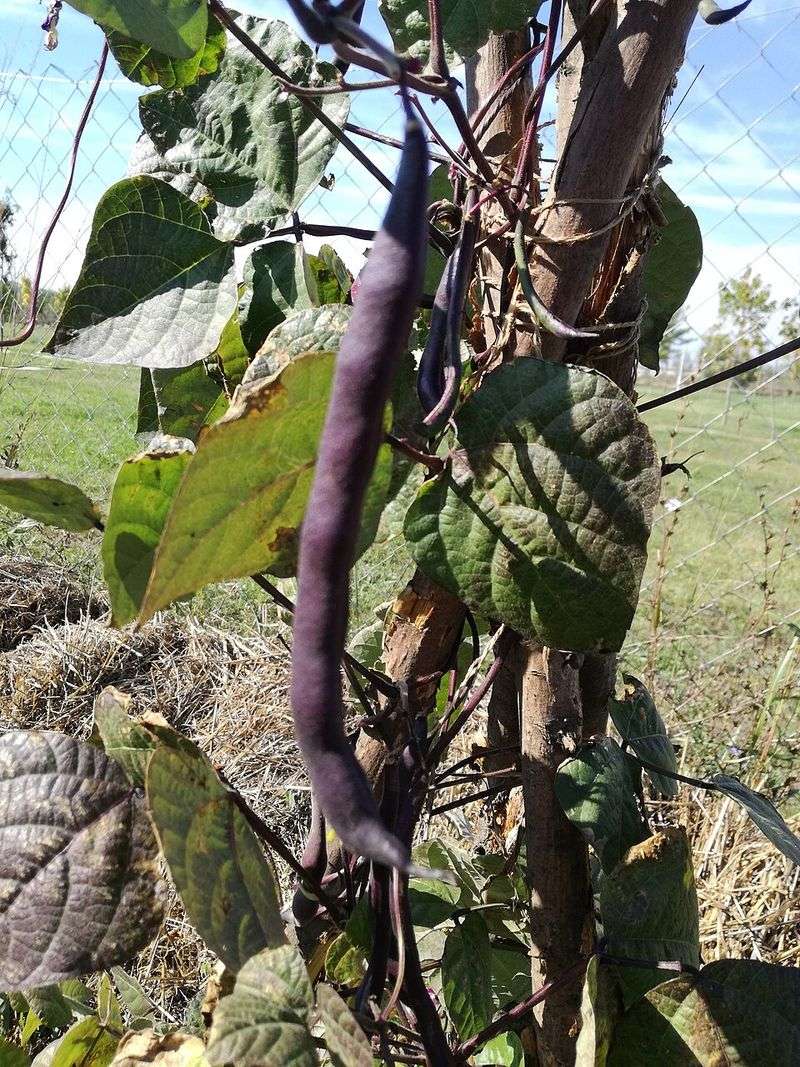
Heat and humidity do not bother southern peas nearly as much as they bother the gardener. That toughness is exactly why they deserve more attention in North Carolina June planting plans.
If you have a bed that gets blazing sun all afternoon, this crop can still handle the assignment well.
Direct sow seeds after the soil is warm and keep the area weed free while plants are small. Once established, they are fairly forgiving and often need less pampering than beans or cucumbers.
They also help the garden by fixing nitrogen, which is a nice bonus if you rotate crops carefully.
You can harvest them young as snap beans in some varieties, or wait for shelling peas depending on what you like to cook. Pinkeye Purple Hull, Blackeye, and Mississippi Silver all have loyal fans for good reason.
During dry stretches, deep watering helps pods fill out better and keeps stress from slowing production.
From a kitchen standpoint, this is one of those crops that really tastes like summer in the South. A bowl of fresh peas with onion and cornbread can justify the whole row.
When other vegetables start sulking in the heat, southern peas often keep working without asking much from you.
Sweet Potatoes
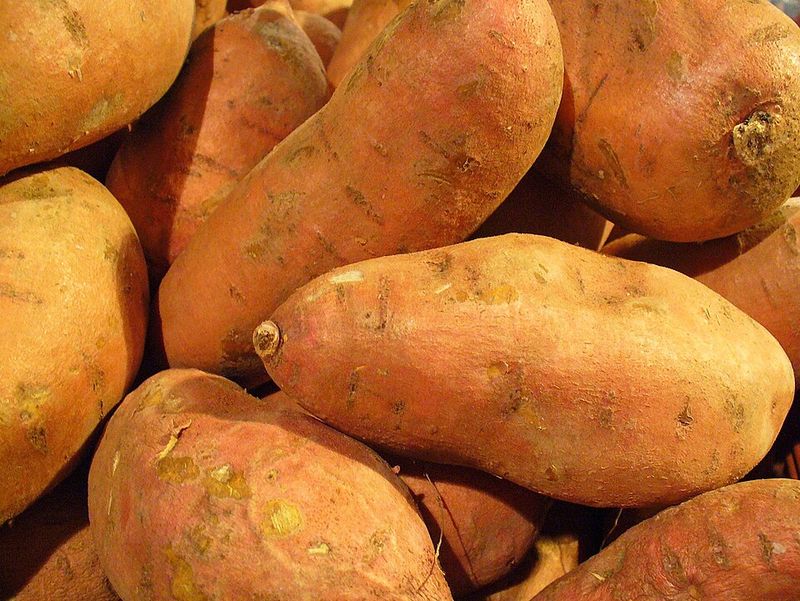
Long, hot summers give sweet potatoes a real advantage in North Carolina, so June is still a good time to get slips in the ground. Once they settle in, vines fill space quickly and do a nice job shading out weeds.
If you have a sunny area that feels too hot for fussier crops, use it here.
Plant slips into loose soil or raised ridges so roots can expand easily as the season progresses. Good drainage matters, especially during heavy summer rain, because soggy soil can reduce growth and encourage rot.
Water regularly at first, then back off a bit as vines spread and plants establish themselves.
This is one crop where patience matters more than constant intervention. You may not see dramatic aboveground changes every day, but underground roots are developing steadily through the heat.
Avoid heavy nitrogen fertilizer, because it pushes leafy growth when what you really want is a generous harvest below the soil.
By late summer and early fall, digging them feels a little like opening buried treasure. Beauregard is a reliable choice for many home gardeners in the state.
If you want a dependable staple crop that stores well, handles heat gracefully, and turns into fries, casseroles, and roasting pan dinners, sweet potatoes are hard to beat.
Swiss Chard
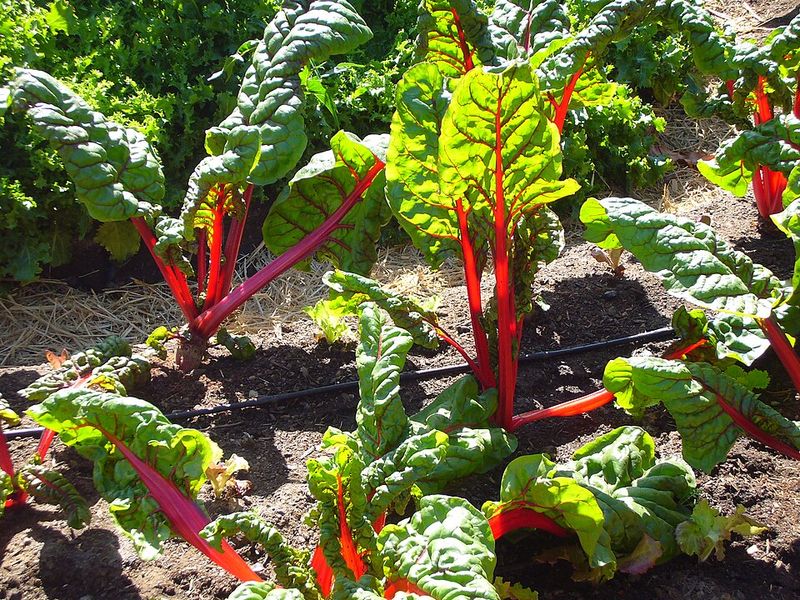
Not every June vegetable has to love brutal heat, but some handle it better than expected with a little help. Swiss chard is one of those useful in between crops that can keep producing through summer and into fall.
If spinach bolts the second you look at it, chard is usually the easier choice.
Afternoon shade can help in the hottest parts of the state, though full morning sun is still ideal. Rich soil and steady moisture give the leaves the best texture, especially during stretches of dry weather.
Mulch is worth using here because it keeps the root zone cooler and reduces stress.
Instead of pulling whole plants, harvest the outer leaves first and let the center keep growing. That cut and come again habit gives you many small harvests rather than one big flush.
Young leaves work nicely raw, while larger ones are excellent sautéed with garlic or folded into soups and pasta.
Bright stem colors also make the garden look more lively when summer beds start looking tired. Fordhook Giant is dependable, and rainbow mixes add visual punch if you like a little beauty with your dinner.
For gardeners who want something forgiving, attractive, and genuinely useful, Swiss chard deserves more June attention.
Collards
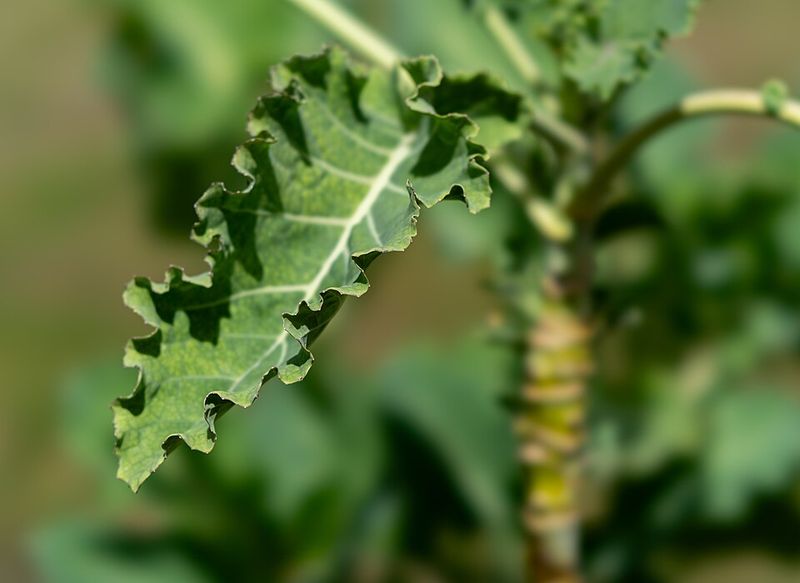
June might not seem like collard season at first glance, but an early start can set you up beautifully for fall harvests. In many North Carolina gardens, starting seeds late in the month or setting out transplants works especially well.
That timing gives plants enough size before cooler weather makes the leaves sweeter and even more useful.
A bed with good fertility and steady moisture helps them grow quickly without turning tough. If your summers are intense, a little afternoon shade can reduce stress while seedlings get established.
Keep an eye out for cabbage worms, because they can move in quietly and chew more than you expect.
Young leaves are tender enough for lighter cooking, while mature leaves hold up well in braises and soups. Picking a few lower leaves at a time lets the plant continue producing for weeks.
This crop also handles fluctuating weather better than many gardeners assume, especially once roots are settled.
There is a reason collards stay so popular across the South: they are practical, dependable, and easy to cook in big flavorful batches. Georgia Southern is a classic choice if you want something proven.
For gardeners thinking ahead instead of only planting for immediate harvest, collards are a smart June decision.
Peppers
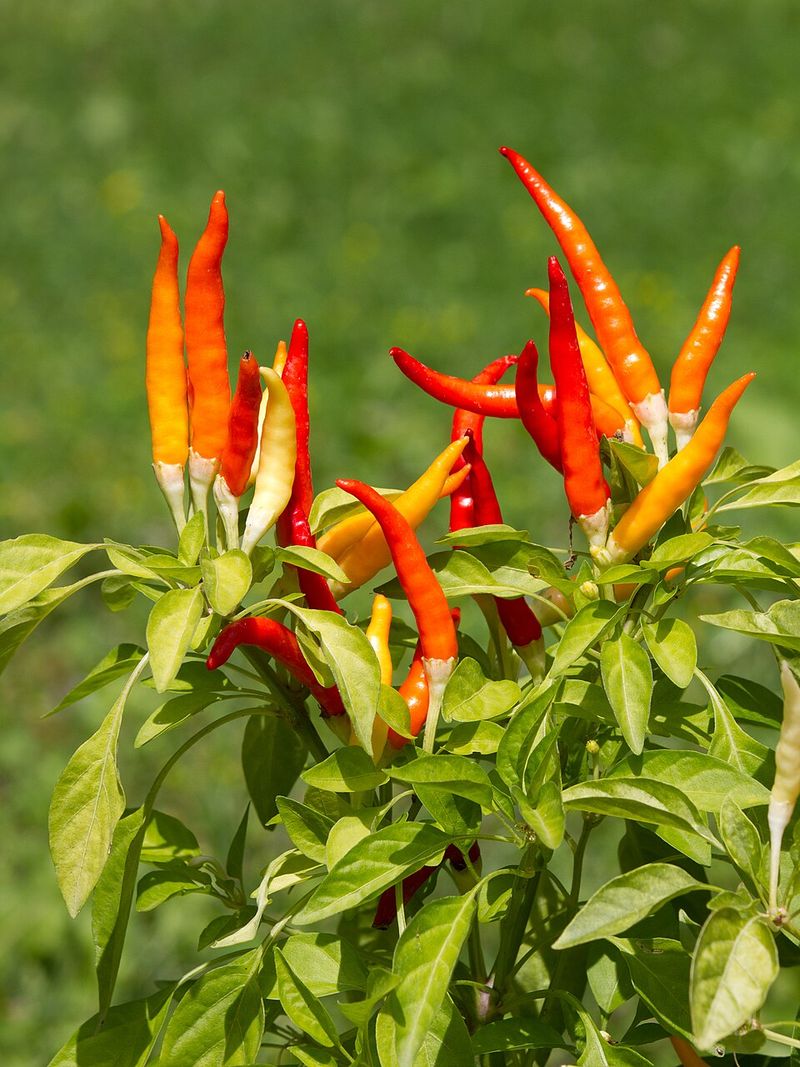
If you are using transplants instead of seeds, peppers can still make excellent sense in June. Warm soil helps them root in faster, and many plants actually begin growing more steadily now than they did during cooler spring weeks.
For gardeners who bought seedlings late or lost an earlier planting, that is very good news.
Choose sturdy transplants with dark green leaves and no flowers dropping from stress. A sunny bed, consistent watering, and mulch around the base help plants settle in without stalling.
Peppers do not love wild swings between drought and soaking rain, so regular moisture matters more than heavy feeding.
Pinching off the first