
Why Florida Gardeners Are Dividing Spring Perennials Before Summer Arrives
Follow us on Google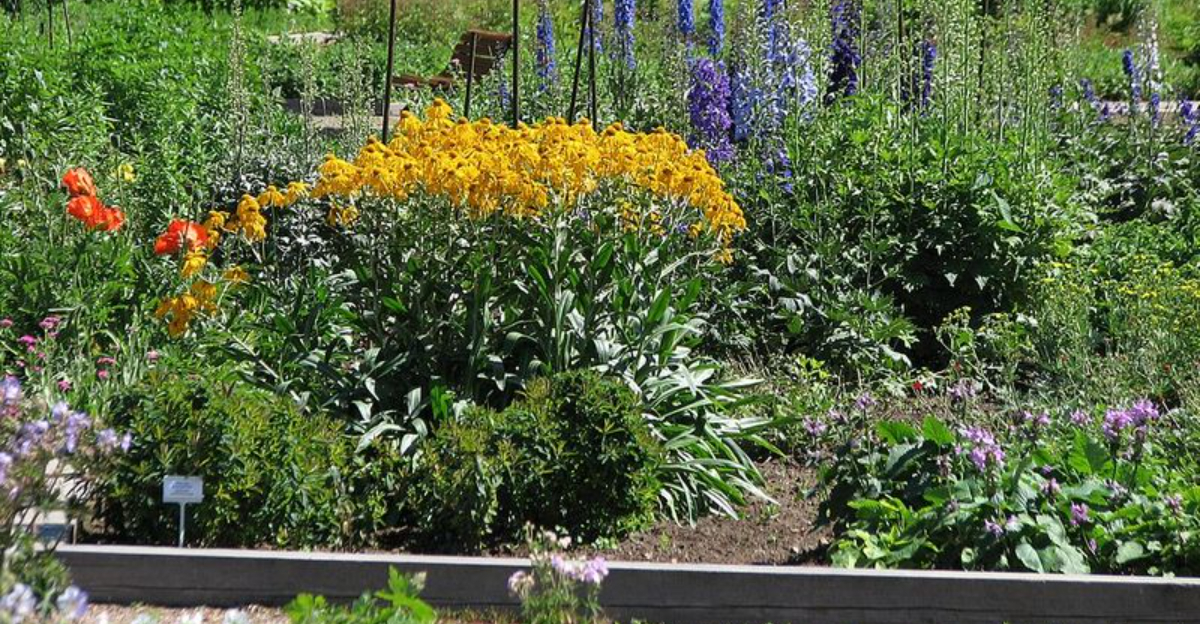
Florida gardeners know the calendar can turn brutal fast, and plants feel that shift before we do. Dividing spring perennials before summer settles in is less about tradition and more about timing, survival, and smarter growth.
A clump that looks fine in April can struggle by June if it is crowded, thirsty, and fighting heat stress. This is the window when a simple garden chore can mean stronger roots, fuller beds, and far fewer headaches later.
Crowded clumps recover faster before real heat hits
By late spring, many Florida perennials have already put on a strong flush of growth, and crowded clumps start showing it. You may notice thinner blooms, smaller leaves, or a tired center where the oldest growth has lost steam.
Dividing now gives each section room to breathe before summer heat adds another layer of stress.
Roots respond better when soil is still warm but not scorching, which is why this timing matters so much here. A newly separated plant can settle in faster during May than it can during a sticky stretch of June or July.
That extra recovery time often means fewer losses and less babying from you.
I have seen daylilies, society garlic, and cannas bounce back beautifully when handled before the season turns punishing. After division, each piece gets better airflow, more moisture access, and less competition underground.
That combination usually leads to sturdier foliage instead of the weak, crowded growth that collapses once storms arrive.
If a bed suddenly feels overstuffed, it probably is. Cutting plants apart before they are gasping through summer gives them a cleaner reset, and it gives you a neater garden too.
In Florida, a few weeks of earlier action can make the difference between easy recovery and a rough season.
Dividing early reduces transplant shock
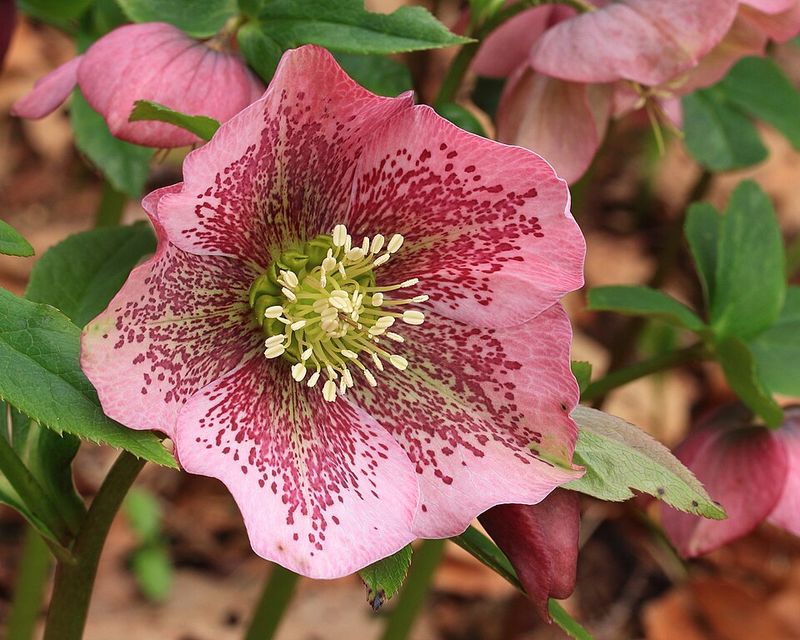
Transplant shock is harder on plants in Florida because heat arrives quickly and stays longer than many gardeners expect. When you divide perennials before summer, roots have time to reconnect with surrounding soil while daytime temperatures are still manageable.
That smaller weather gap can be the whole reason a plant survives instead of sulks.
Fresh divisions need consistent moisture, but they also need a chance to grow new feeder roots before afternoons become relentless. Earlier in the season, the plant spends less energy defending itself from heat and more energy rebuilding below ground.
You end up with stronger establishment and far less dramatic leaf collapse.
You can see the difference with plants like liriope or Shasta daisy grown in a hot inland yard. Divided in late spring, they usually wilt briefly, then steady out with a deep watering and some mulch.
Moved later, the same plants often sit still for weeks and look discouraged no matter how attentive you are.
That is why timing feels almost like a cheat code. The goal is not perfect weather, because Florida rarely offers that for long.
The goal is giving perennials a head start before the combination of humidity, blazing sun, and warm nights turns every garden task into a recovery challenge.
Rainy season can rot stressed divisions
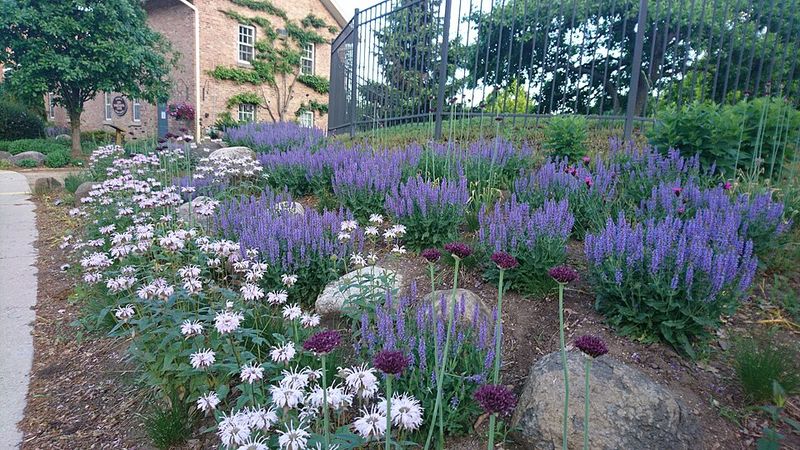
Florida’s rainy season sounds helpful until you remember that stressed roots and soggy soil are a rough combination. Dividing before summer lets perennials begin healing cuts and producing fresh roots ahead of the heaviest downpours.
That head start can lower the risk of rot, especially in heavier soils that stay wet after afternoon storms.
A newly split plant is vulnerable where roots were cut or snapped apart. If those wounds stay saturated day after day, fungi and bacteria get an easy opening.
Earlier division gives damaged tissue more time to dry, callus slightly, and settle into a healthier rhythm before the weather turns swampy.
This matters even more in beds where drainage is only average. I have watched bee balm and coreopsis struggle when divided too close to the wettest part of the season, even with careful watering.
The same plants often perform much better when lifted sooner, replanted in loosened soil, and given a modest mulch layer.
Waiting for regular rain can seem practical, but it often backfires in our climate. You want moisture, not saturation, and those are not the same thing.
Taking care of division work before summer storms dominate gives you more control over soil conditions and a better chance of keeping tender new roots healthy.
Spring bloomers can reset their energy afterward
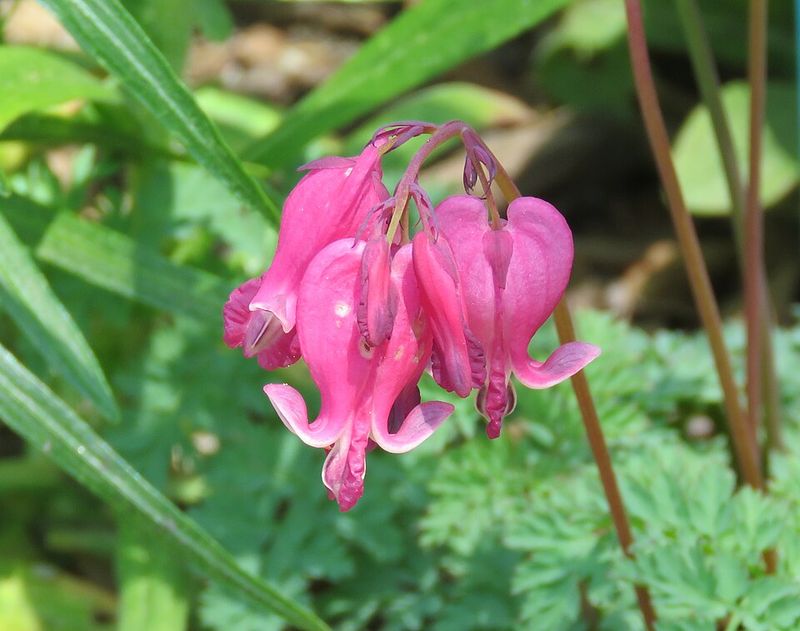
Right after spring flowering, many perennials shift from bloom production back toward root and foliage growth. That makes this a practical moment to divide, because the plant has finished one major job and is preparing for the next.
You are not interrupting peak flowering so much as redirecting energy into a healthier structure.
In Florida, spring bloom can be earlier and shorter than gardeners from cooler states expect. By the time late spring arrives, plants like Louisiana iris, coneflower, and some salvias are often ready for cleanup anyway.
Lifting and separating them then feels less disruptive than waiting until summer stress is stacked on top.
You can also make smarter cuts when blooms are done and the clump’s shape is easier to read. Weak centers, dead sections, and vigorous outer edges stand out clearly once spent flower stalks are removed.
That helps you save the strongest divisions instead of guessing which pieces will pull through.
There is also a cosmetic bonus, which matters more than people admit. A bed can look fresher when tired spring growth gets thinned, replanted, and lightly mulched before summer visitors like weeds take over.
The plants get a reset, and you get a garden that feels intentional instead of overgrown.
Better airflow helps prevent disease

Humidity is one of the biggest reasons Florida gardens can look excellent one week and messy the next. Dense perennial clumps trap moisture around leaves and stems, which creates a cozy place for fungal problems to spread.
Dividing them before summer opens the planting up just when disease pressure starts rising.
More space between crowns means faster drying after irrigation, dew, or those daily surprise showers. It also makes it easier for you to spot yellowing leaves, mushy stems, or insect damage before the whole patch goes downhill.
That kind of visibility is underrated, especially in a season when problems move fast.
Plants like phlox, agapanthus, and even hardy chrysanthemums benefit from improved spacing in sticky weather. When air can circulate, foliage usually stays cleaner and sturdier instead of matting into a damp mass.
The bed also looks better, because each plant holds its shape instead of pushing awkwardly into the next one.
I like to think of dividing as preventive care, not just propagation. You are reducing competition, but you are also lowering the odds of disease outbreaks that become annoying by midsummer.
In Florida, where heat and moisture rarely take a day off, that extra airflow can save a lot of frustration.
You can water new divisions more efficiently
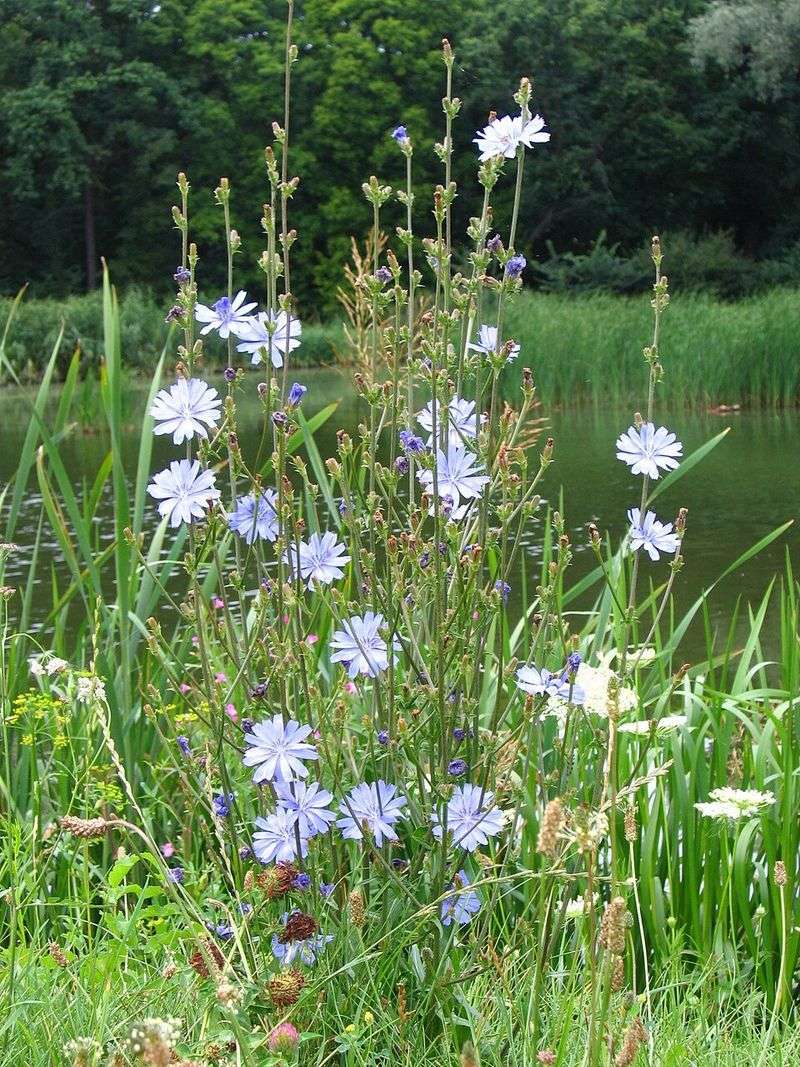
Watering is simpler when plants are divided before the hottest stretch of the year. Smaller, newly placed sections are easier to monitor, and you can give each one targeted moisture instead of soaking an overcrowded bed and hoping for the best.
That matters in Florida, where overwatering and underwatering can happen in the same week.
Once crowded clumps are separated, irrigation reaches the root zones more evenly. Water is not being intercepted by layers of dense foliage or wasted on dead centers that no longer contribute much.
The result is a planting area that responds more predictably to a hose, drip line, or sprinkler schedule.
This is especially helpful if you garden in sandy soil, where moisture drains quickly and roots need a steady start. Divisions set out in late spring can be checked each morning, adjusted as needed, and mulched before intense heat demands constant attention.
By midsummer, those roots are usually deeper and less dependent on rescue watering.
You also gain practical clarity, which I appreciate during busy weeks. A freshly divided bed tells you exactly which plants need support and which ones have settled in.
Instead of managing one oversized, thirsty mass, you are caring for distinct plants with clearer needs and a better chance of thriving through summer.
Dividing now creates free plants for bare spots
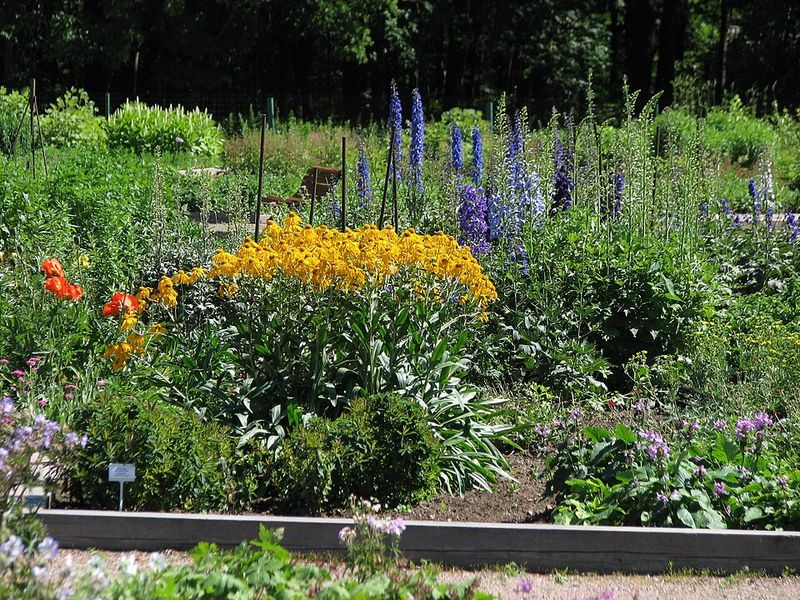
One of the best parts of dividing perennials is that it stretches your plant budget without making the garden look patched together. A single mature clump can give you several strong starts, and late spring is a smart time to place them where spring annuals are fading or beds look thin.
That extra fullness feels especially useful before summer growth takes center stage.
Florida gardens often develop gaps faster than expected because heat stresses shallow-rooted plants and cool-season color exits early. Instead of buying replacements immediately, you can use divisions to reinforce borders, edge walkways, or repeat favorite plants across a bed.
Repetition makes the space feel more cohesive, not random.
Daylilies, Mexican petunia, blue daze, and many ornamental grasses offer easy opportunities for this kind of expansion. Once separated, healthy outer pieces usually establish quickly if they are watered well and planted at the same depth as before.
A little compost and mulch can help them settle without forcing lush, weak growth.
There is something satisfying about seeing empty spaces disappear with plants you already trust. You know how they handle your yard, your sunlight, and your watering habits.
Dividing before summer gives those free additions time to root in, so the garden looks fuller when the season gets tougher.
Older centers often decline and need renewal
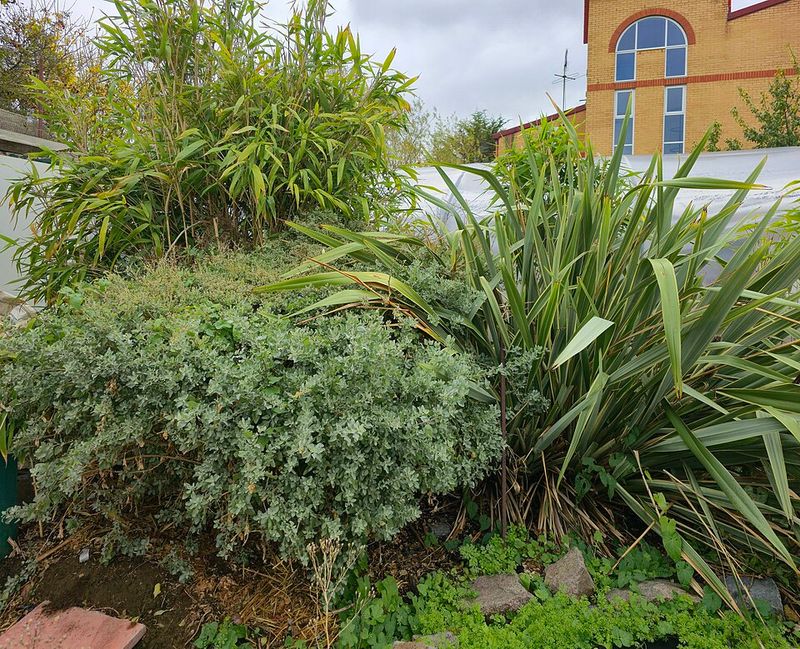
Many mature perennials tell you they need dividing long before they stop growing completely. The center may thin out, turn woody, or produce weak stems while the outer ring keeps pushing strong new shoots.
That pattern is common in aging clumps, and late spring is a good moment to renew them before summer strain piles on.
When you dig up the plant, the contrast is usually obvious. The middle often looks tired, dry, or sparse, while the edges are dense with younger roots and vigorous growth points.
Keeping the healthiest outer portions and discarding the worn center is one of the simplest ways to improve performance.
This reset works well for perennials that have sat in the same place for years and slowly lost their spark. You are not punishing the plant by cutting it apart.
You are giving it a cleaner structure, more room, and a stronger chance to produce balanced growth through the hottest months.
Gardeners sometimes wait because the clump is still technically alive, but that can waste a good recovery window. In Florida, a plant already declining in spring usually looks even rougher by midsummer.
Dividing early turns a tired, oversized clump into several younger starts that behave like they still have energy to spare.
Soil temperatures support quick root regrowth
Florida soil warms up early, and that can work in your favor if you time division before summer extremes arrive. Warm soil encourages root activity, so separated perennials can begin rebuilding faster than they would in cold spring ground farther north.
The trick is using that warmth before heat becomes oppressive above and below the surface.
Roots do not need perfect weather, but they do need a reasonable window to regenerate. Late spring often provides that sweet spot, with warm earth, longer days, and enough time for new feeder roots to form.
Once the real furnace effect arrives, the same plant may spend more energy surviving than expanding.
This is why Florida advice often sounds different from guidance written for colder climates. A gardener in Michigan may wait comfortably, while a gardener in Orlando or Tampa loses valuable recovery time by doing the same.
Local timing matters more than the calendar label attached to the season.
If you have ever divided a plant early and noticed fresh growth surprisingly fast, soil temperature was probably part of the story. New roots establish quietly before top growth makes the progress obvious.
Taking advantage of that warm but still workable period gives perennials a better footing before summer weather starts making every task feel urgent.
Early division means less summer maintenance later
Doing this job before summer is really about borrowing time from chaos later. A divided, mulched, well-spaced bed is easier to weed, easier to water, and easier to inspect once heat, storms, insects, and disease all start competing for your attention.
That early effort pays you back during the months when gardening feels more reactive.
Overgrown clumps create extra work in every direction. They hide weeds, block airflow, hog moisture, and make pruning awkward when plants flop into paths or neighboring shrubs.
Sorting them out in late spring is far less miserable than wrestling with them in ninety-degree humidity.
You also make room for practical improvements while the garden is still manageable. It is easier to top up mulch, refresh edging, amend soil, and adjust drip lines when plants are not sprawling over each other.
Those small tasks can become annoyingly complicated once summer growth explodes.
I like any chore that prevents three bigger chores, and dividing perennials fits that category perfectly. Instead of spending July putting out fires, you start the season with cleaner beds and healthier plants.
In Florida, where summer rarely cuts gardeners any slack, that kind of head start is not just nice. It is smart.