
10 Perennials Florida Gardeners Cut Back Before Peak Summer Heat
Follow us on Google
Florida gardens can look fantastic in spring, then suddenly seem tired once heat and humidity start building. The fix is often simpler than buying new plants or adding more fertilizer.
A timely cutback helps many perennials stay fuller, healthier, and more floriferous through the hardest part of the season. Here are the plants I would refresh before peak summer arrives, plus exactly how to do it without setting them back.
Blanket Flower
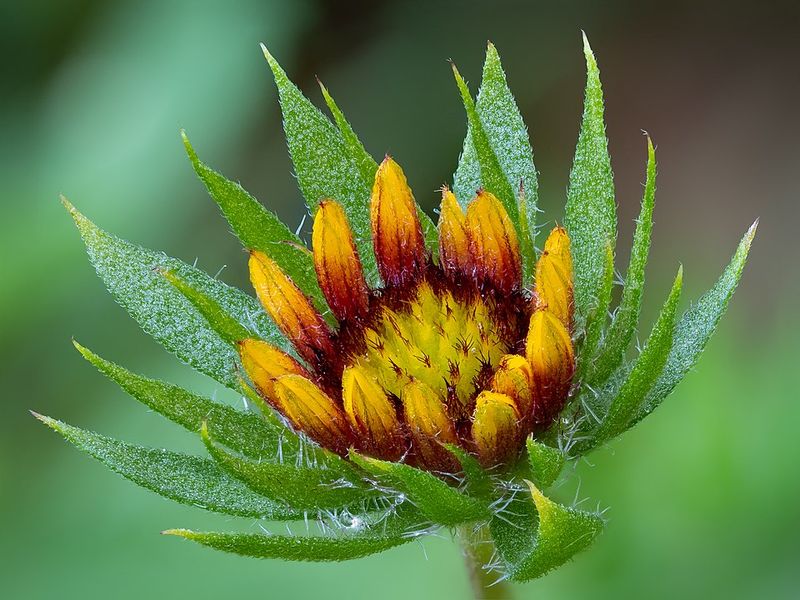
By late spring, this nonstop bloomer often looks tired in Florida, even if it is still throwing color. I cut stems back by about one third once the first heavy flush fades, removing spent flowers and any floppy growth.
That quick boost keeps the plant compact instead of letting it sprawl and fry in June sun. It also improves airflow, which matters when afternoon storms start showing up.
You want fresh basal growth before humidity settles in for good. Snip to just above a leaf set, then clean away fallen petals so fungus does not get a head start.
A light feeding and deep watering afterward usually brings a new round of buds without the exhausted look. In sandy soil, a thin layer of mulch helps roots stay cooler and steadier between rains.
If your plant has become woody in the center, be slightly bolder and thin a few older stems at the base. I have seen neglected clumps rebound fast after this simple trim, especially in beds that get morning sun and sharp drainage.
Skip shearing the whole plant into a ball, because flowers form better on naturally shaped shoots. When seedheads are left too long, the display fades sooner than most people expect.
Tickseed
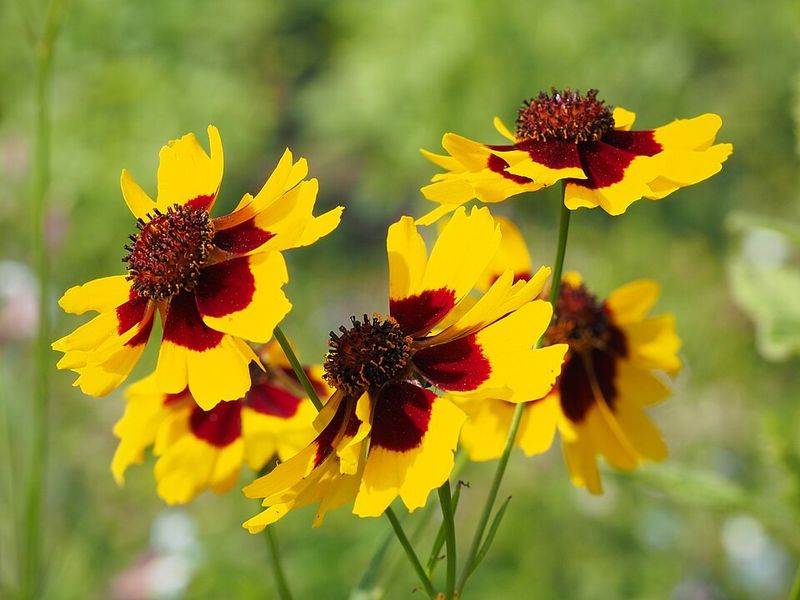
Once spring bloom starts to slow, these cheerful natives benefit from a haircut before summer really bears down. I trim plants by one third to one half, especially when stems lean outward and spent flowers outnumber fresh ones.
That reset prevents a scraggly look and encourages a tighter mound that handles rain better. In Florida gardens, that little timing tweak makes a noticeable difference.
You do not need a precise approach here, but clean cuts above healthy leaves matter. Deadheading alone works for smaller clumps, yet a broader trim saves time when heat is building and bloom production is fading.
Follow with water at the base, not overhead, to reduce leaf spotting during sticky weather. A small dose of slow release fertilizer can help if your soil is very lean.
If plants have self-sown nearby, I leave those seedlings alone and focus on refreshing the parent clump. Many gardeners wait too long, then wonder why the center opens and flowering stalls by July.
Cutting back sooner keeps the planting colorful without asking for constant cleanup every weekend. It is one of the easiest ways to keep tickseed looking intentional instead of tired all season.
Salvia
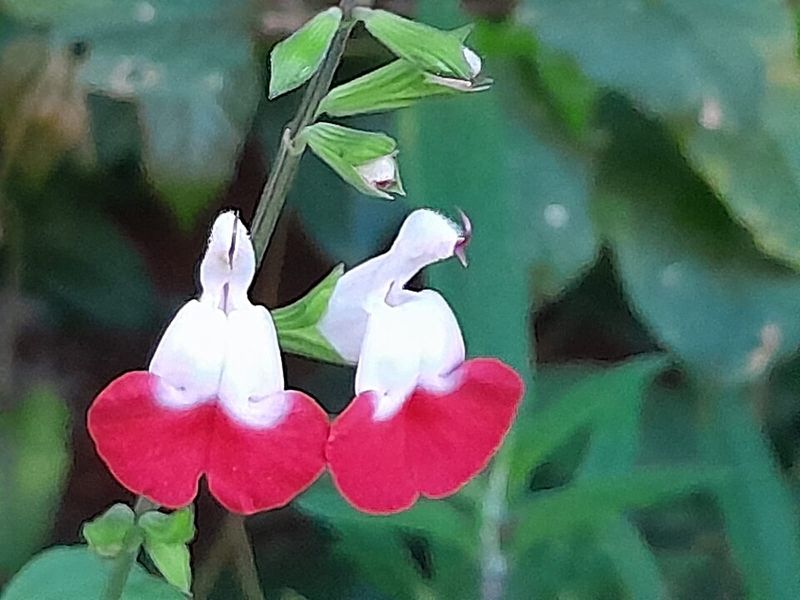
After a strong bloom cycle, salvias respond beautifully to a selective cutback before oppressive heat arrives. I shorten flowered stems down to fresh side shoots and remove any growth that has turned sparse at the base.
That keeps the plant from stretching into a loose tangle after every thunderstorm. In sandy beds, that extra structure helps stems stay upright longer.
Hummingbirds will still find plenty to love, because fresh spikes come quickly when roots are healthy. Aim for trimming after the first flush rather than shearing constantly, which can delay rebloom and leave odd stubs.
A quick cleanup under the plant also discourages mildew and hidden pests in damp weather. I usually water deeply the day before pruning so the plant is not stressed.
For woody types like Mexican bush sage, I avoid cutting into old brown stems that may not resprout well. Softer salvias can take a little more, especially if they are fed lightly and given room for air movement.
If yours flops onto a path by June, that is usually the plant asking for this trim. You will usually see neater growth within two weeks, even during hot, bright stretches of summer.
Society Garlic
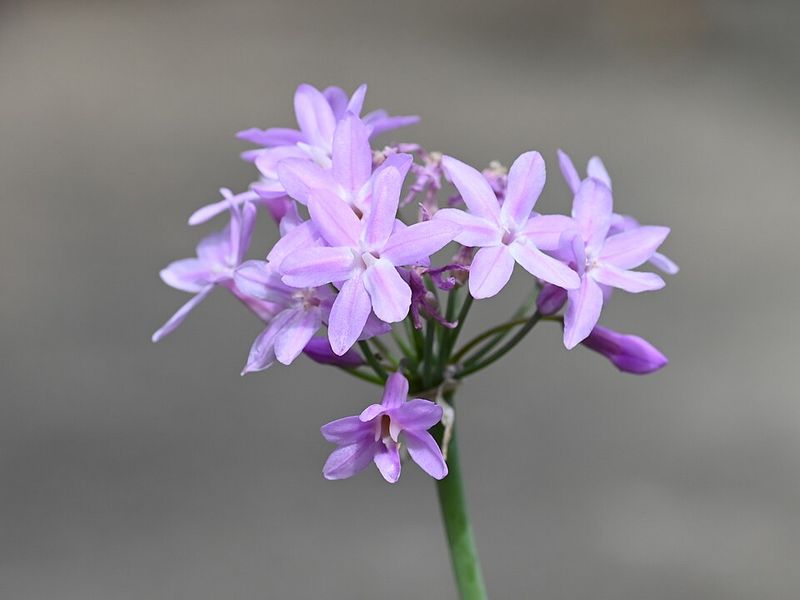
Clumps of society garlic can look surprisingly rough by the time early summer heat starts pressing in. I pull or snip away yellowing leaves, then shorten older strappy foliage so fresh growth is not buried underneath.
A light grooming like this keeps the plant tidy and prevents that collapsed fountain look. It also stops damaged tips from making the whole border seem thirsty.
Flower stalks that have finished blooming should come off near the base instead of lingering through the rainy season. You are not trying to scalp the clump, just opening it enough for air and light to move through.
That small cutback reduces fungal issues and makes the lavender blooms stand out again. I like doing this right after a flush of bloom, before the next wave starts.
In my experience, neglected plants often hide brown leaf bases that trap moisture and snails. Clearing that old material by hand takes a few extra minutes, but the bed looks cleaner almost immediately.
Add mulch sparingly around, not over, the crown so new shoots stay visible and dry. If a clump has outgrown its spot, divide it later, but clean it up now for summer.
Daylily
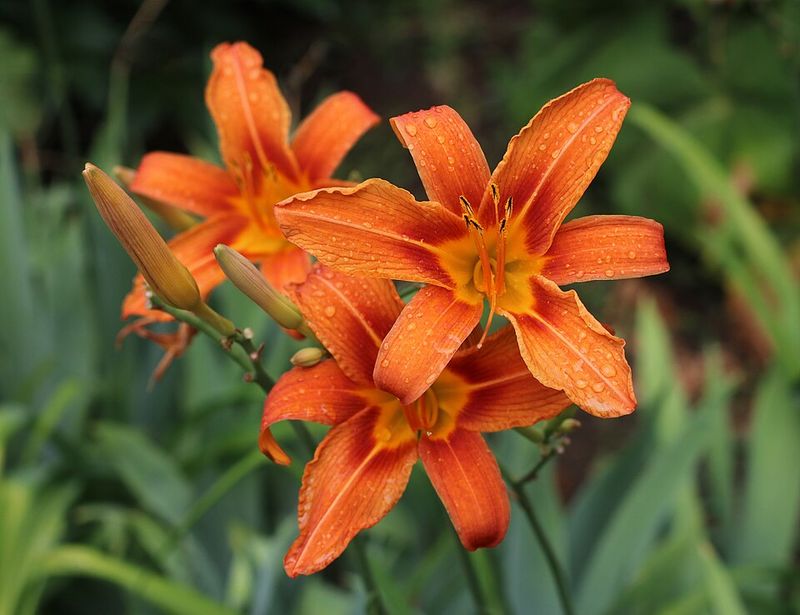
By late spring, daylilies in Florida often carry a mix of fresh fans, spent scapes, and weathered leaves. I cut finished flower stalks to the base and remove ragged outer foliage before the hottest stretch begins.
That cleanup improves appearance fast and helps you spot rot, insects, or crowded crowns early. A neat clump also handles afternoon downpours with less mess.
You do not need to shorten every leaf, but anything yellow, torn, or flopped onto surrounding plants should go. In very humid beds, thinning a few older fans can improve airflow and reduce the tired, matted look that summer rain creates.
Just avoid cutting healthy green foliage too hard, because the plant still needs it to recharge. I usually do this with pruners, not hedge shears, to keep fans natural.
If reblooming varieties are part of your garden, this trim matters even more. A little compost or controlled release fertilizer after cleanup can support new growth without pushing weak, floppy leaves.
When clumps seem packed tight and flowering has dropped, make a note to divide them after the main growing season. That simple reminder saves a lot of guesswork later for you next year.
Pentas
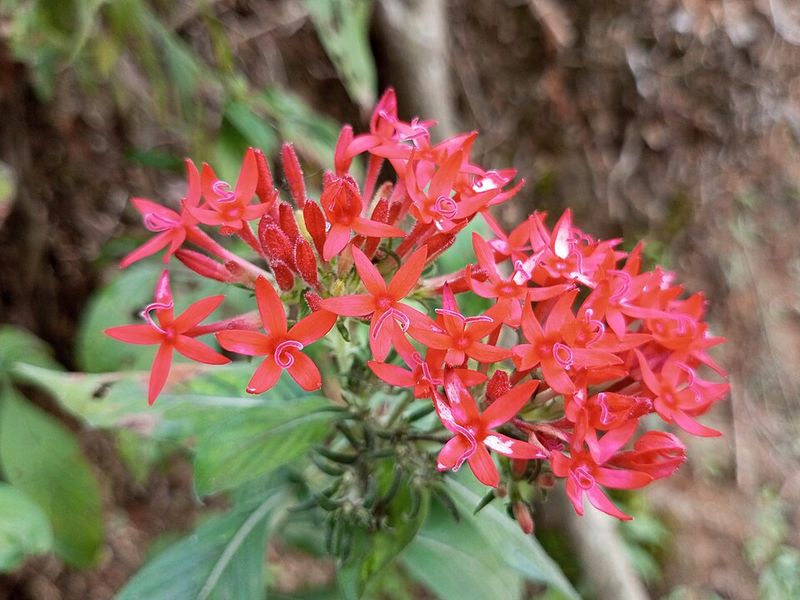
As temperatures climb, pentas can get leggy if old flower clusters stay in place too long. I pinch or cut back blooming stems by several inches once the plant starts looking tall and thin instead of full.
That encourages branching lower down, which means more flowers where you can actually see them. In containers, this matters even more because heat stress shows faster.
Butterflies will not mind the haircut, and the plant usually responds quickly in warm soil. Remove faded heads to a leaf node rather than just snapping off petals, because hidden seed formation slows the next flush.
A little water after pruning helps, but avoid overfeeding if summer rain is already pushing soft growth. Clean shears help prevent stem damage.
When pentas are used near walkways, trimming before peak heat keeps them from splaying into traffic. I also strip off any blackened lower leaves, especially if irrigation has splashed soil upward.
The result is a sturdier mound that keeps blooming through weather that makes many other perennials sulk. If yours has become woody, trim less and refresh it with compost around the root zone before the heaviest rains of midsummer arrive each afternoon.
Verbena
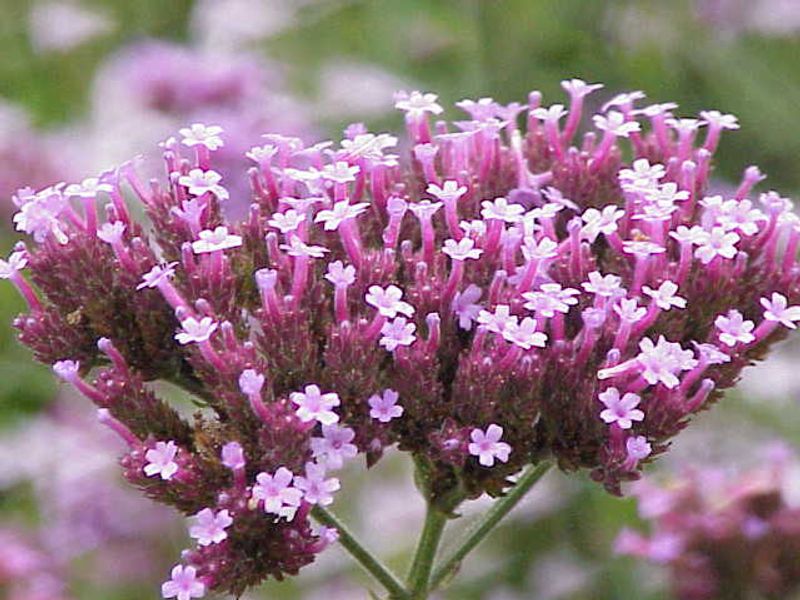
Florida heat can make verbena look stretched and patchy long before summer officially peaks. I shear back the longest stems after the first big bloom cycle, then remove dead centers and weak trailing growth.
That sounds harsh, but it often triggers a fresher mat that flowers more evenly. You are basically resetting the plant before disease and heat team up for you.
Good airflow is everything here, especially if afternoons bring the usual steam bath conditions. Cut to healthy leafy sections, not bare woody ends, and clear out fallen debris caught under the canopy.
If mildew has shown up before, this is the moment to improve spacing and water only at soil level. A very light feeding afterward can help without forcing weak growth.
I have seen hanging baskets rebound from a careful trim in less than two weeks when nights stay warm. Bedding plants in the ground take a bit longer, yet they usually reward the effort with cleaner growth and better color.
Skip constant tiny pinches and do one thoughtful cutback instead when the plant starts declining. That approach saves time and keeps containers from looking tired by July in full sun spots too often.
Coneflower
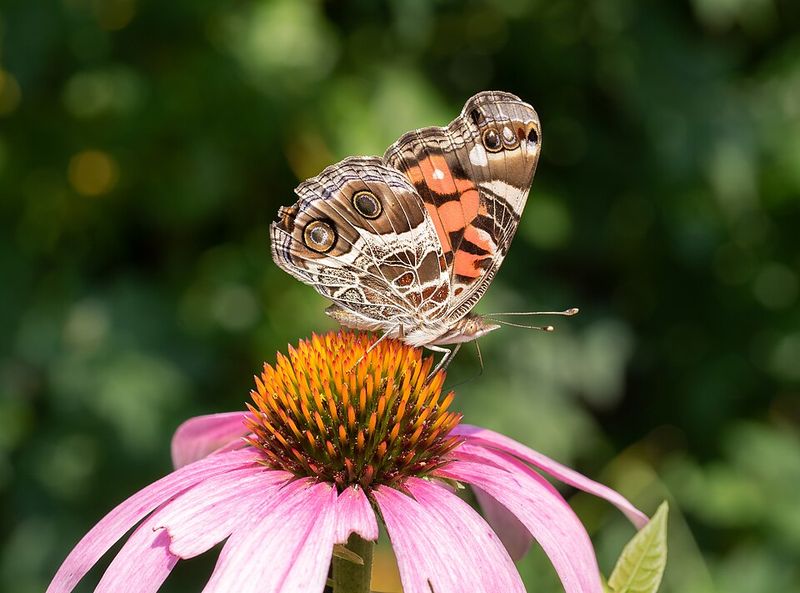
A spring flush of coneflowers can leave behind heavy seedheads and tall stems just as Florida heat starts intensifying. I deadhead the first round and shorten a few stems to strong side shoots so the plant does not exhaust itself early.
That bit of editing keeps the clump sturdier and encourages another wave of color. It also keeps the bed from looking top heavy after storms.
You do not need to cut every flower, especially if birds are part of your garden plan later on. Before peak summer, though, removing the oldest blooms helps redirect energy into roots and fresh branching instead of seed production.
Leave healthy foliage in place, because it shades the crown and supports strong recovery. I reach for pruners, not a hedge trimmer, so new buds stay untouched.
If stems are flopping after rain, I thin a few from the interior rather than shearing the whole plant evenly. That natural looking approach improves airflow and avoids the stubby look that some mass cutbacks create.
A mulch ring kept an inch away from the crown also helps during the wettest weeks. When plants are young, be gentler, since smaller crowns need more leaf area.
Black-Eyed Susan
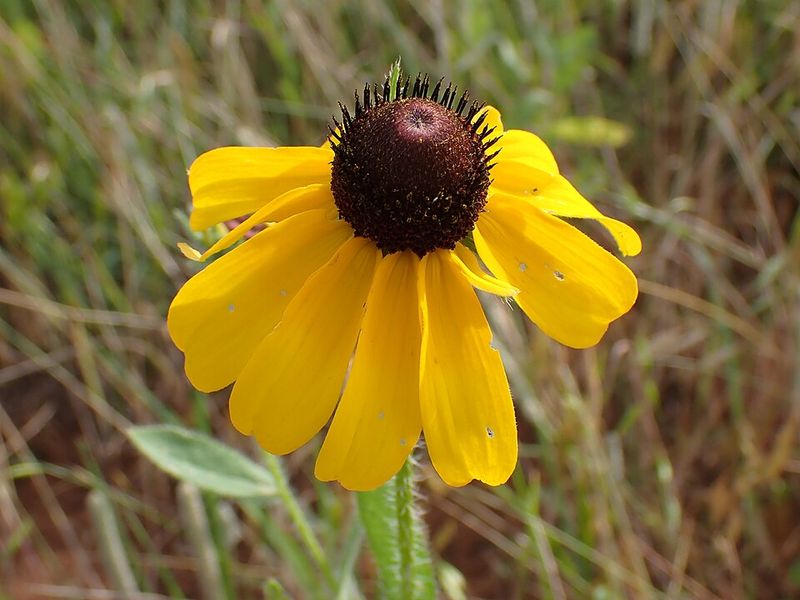
By the time late spring bloom starts fading, black-eyed Susans can look busy instead of bright. I remove spent flowers and shorten the tallest stems before summer humidity makes foliage issues harder to manage.
That keeps the clump from flopping open in the middle after a week of rain. A little editing now often means longer color into early fall.
You are aiming for a lighter, airier plant, not a shaved mound. Cut back to leaves or side shoots, strip off yellowing lower foliage, and clear any damp mulch pressing against the crown.
Those simple steps reduce stress and help the next flush look cleaner, especially in crowded mixed borders. In full sun, this can make a noticeable difference within days.
If your planting has reseeded enthusiastically, thinning seedlings now can improve circulation around the established clump. I like leaving a few volunteers in open spots while removing extras that invite mildew by crowding stems together.
Feed lightly after pruning and let the plant dry a bit between waterings if rain has been frequent. That balance keeps the bed natural without letting it turn into a thicket during wet summers here in Florida most years.
Bee Balm
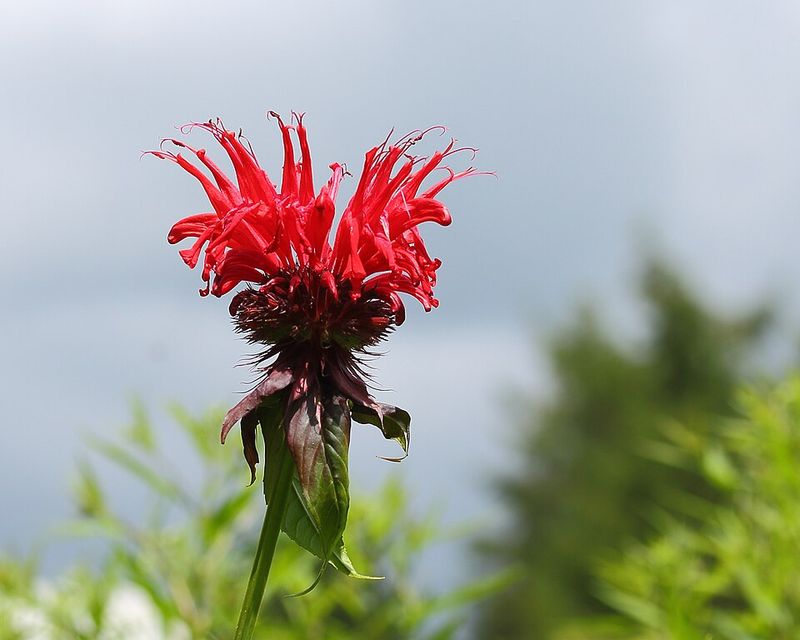
In Florida, bee balm often reaches a point where gorgeous spring growth suddenly looks stressed and crowded. I cut back flowered stems once the first show passes, then thin a few interior shoots so air can move freely.
That extra breathing room matters when hot days and damp nights start arriving together. Without it, lower leaves often yellow and collapse early.
Powdery mildew is the usual reason gardeners regret waiting, because dense top growth traps moisture fast. Trim to a set of healthy leaves, remove any spotted foliage, and avoid wetting the plant late in the day.
If the clump is too tight, mark it for division later, but do the cleanup now. This is one perennial that really rewards quick action.
I have found that even a moderate cutback can produce sturdier regrowth and a tidier shape in mixed beds. Pair the trim with a thin mulch layer and morning watering so roots stay steady without creating a soggy crown.
When fresh shoots appear, pinch just the tips if you want a bushier rebound. You will usually get better flowering than if you leave old stems standing through summer in humid weather too there.