
Why Native Wildflowers Are Becoming More Popular In Florida Communities
Follow us on Google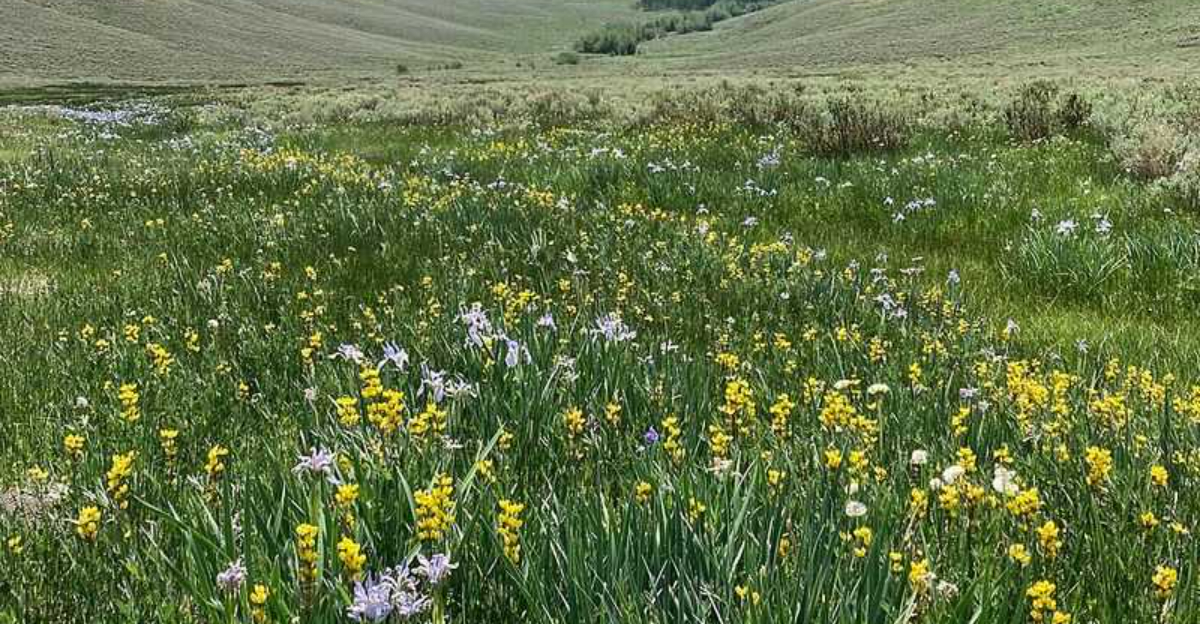
Across Florida, more neighborhoods are trading thirsty turf and predictable shrubs for colorful native wildflowers. The shift is not just about looks – it is tied to water savings, easier upkeep, stronger wildlife habitat, and a growing sense of local pride.
If you have noticed roadsides, parks, and front yards looking a little more natural lately, there is a good reason. Native wildflowers are proving that beautiful landscapes can also be practical, resilient, and deeply connected to place.
Water Savings
In many Florida neighborhoods, water use has become a serious conversation, especially when dry spells stretch longer and irrigation costs keep rising. Native wildflowers fit naturally into that concern because they are adapted to local rainfall patterns, sandy soils, humidity, and heat.
Once established, many of them need far less supplemental watering than turf grass or imported ornamentals, which makes everyday maintenance feel more sensible.
You can see the appeal right away in shared spaces like retention pond edges, neighborhood entrances, and mailbox beds. Instead of running sprinklers just to keep nonnative plants alive, communities can plant species that already know how to handle Florida conditions.
That practical advantage matters to residents who want attractive landscapes without feeling like they are pouring money down the drain every month.
There is also a psychological shift happening. People increasingly want yards that match the climate they actually live in, not a borrowed look from cooler, wetter states.
Native wildflowers make that choice visible, and once neighbors notice a planting that stays colorful with less irrigation, curiosity turns into interest.
What starts as a cost-saving idea often becomes a broader rethink of what a Florida landscape should be.
Pollinator Support
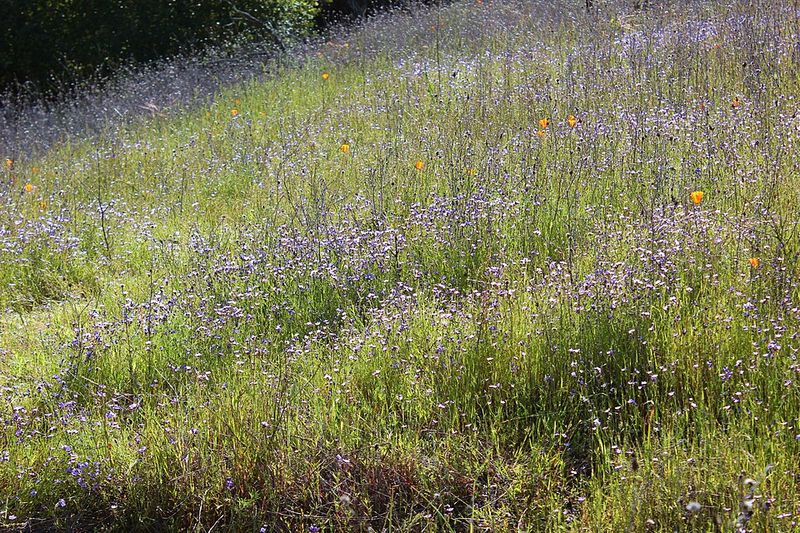
Pollinator decline has stopped feeling like an abstract environmental story and started showing up in everyday community conversations. When residents see fewer butterflies in spring or notice that bees are harder to spot around flowering plants, they begin asking what changed.
Native wildflowers answer that question in a direct, visible way by providing nectar, pollen, and host plants that local insects actually recognize and use.
Florida communities are especially drawn to this benefit because the payoff is immediate. Add native milkweed, blazing star, coreopsis, and blue porterweed to a shared planting bed, and you can often watch butterflies return within weeks.
That kind of response feels rewarding, especially for families who want children to experience wildlife up close instead of reading about it on a classroom poster.
There is also growing awareness that pollinator-friendly landscaping supports more than butterflies. Bees, moths, beetles, and hummingbirds all depend on a steady sequence of blooms, and native species are better at providing that seasonal rhythm.
A neighborhood that plants with those relationships in mind starts functioning more like habitat and less like decoration.
For many residents, that shift feels meaningful. Beauty becomes tied to life, movement, and the small ecosystems happening right outside the front door.
Storm Resilience
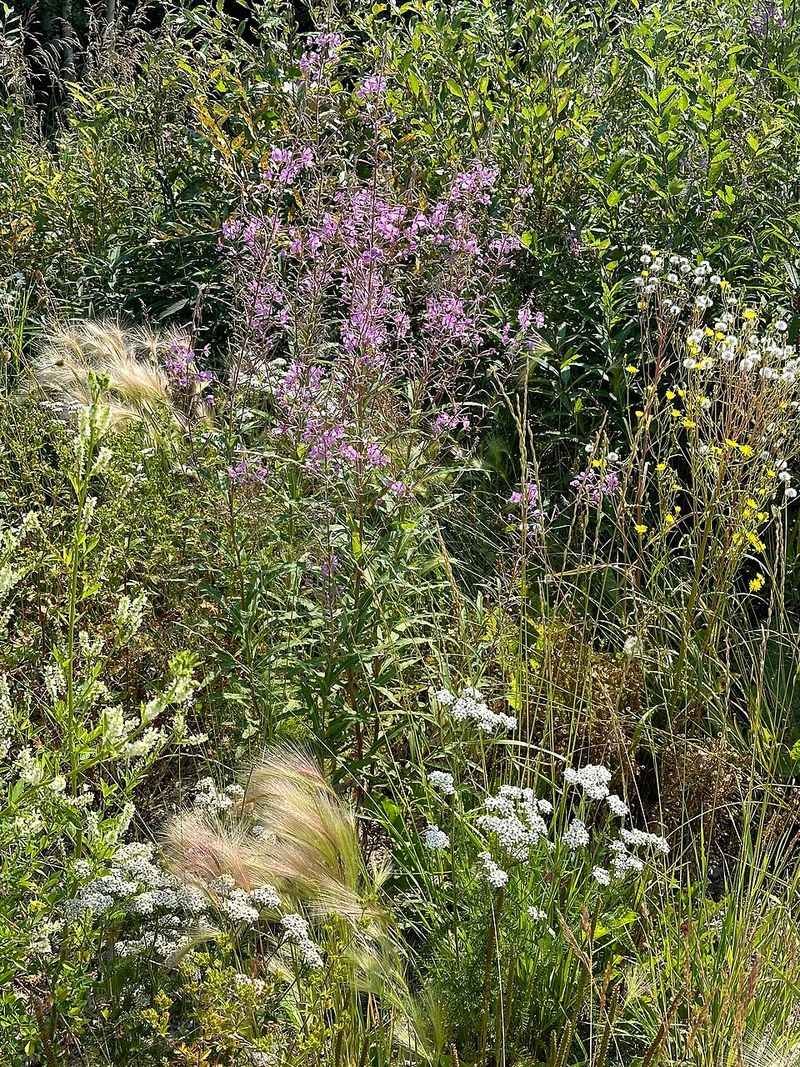
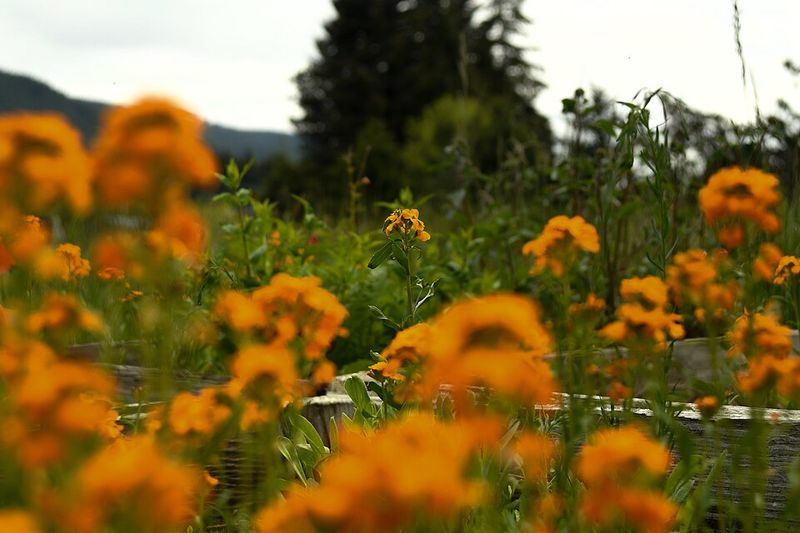
Living in Florida means planning around weather that can turn intense quickly, from pounding summer rain to tropical storms and salty coastal winds. Native wildflowers are gaining popularity partly because they are better suited to those extremes than many delicate imported bedding plants.
Their roots often anchor soil more effectively, and their growth habits tend to recover faster after heavy rain and wind.
That matters in places like swales, roadside strips, drainage edges, and community common areas where flooding or erosion can be a recurring problem. A planting of native species can slow runoff, soften the impact of downpours, and help stabilize loose ground without looking like a purely engineered fix.
Residents appreciate landscapes that work harder during bad weather instead of collapsing right when conditions get rough.
There is also less frustration after storms pass. Communities that rely on fragile annual color beds often face replanting costs, washed-out mulch, and a tired landscape that needs immediate attention.
Native wildflowers generally handle disruption with more grace, which makes them attractive to property managers trying to balance appearance and long-term durability.
For homeowners, that resilience sends a powerful message. A landscape can be colorful and still make sense for a state where weather is never just background scenery.
Lower Maintenance
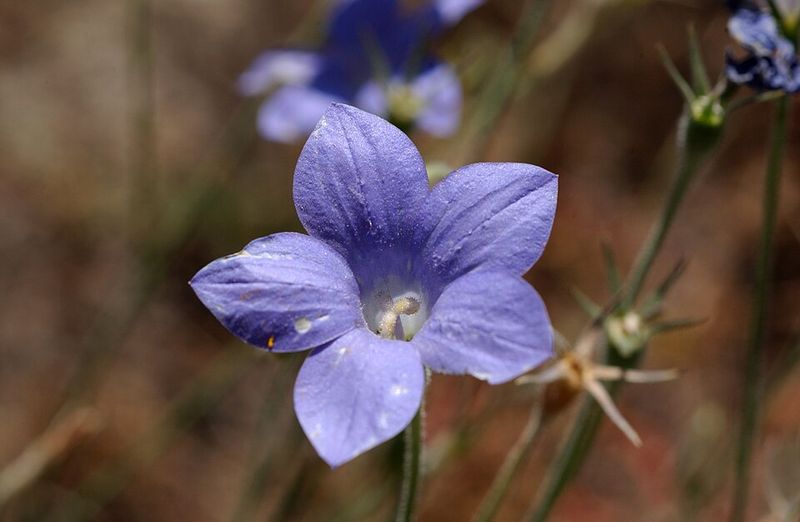
Maintenance is one of the biggest reasons native wildflowers are winning over Florida communities. Traditional landscape designs often depend on frequent mowing, fertilizer applications, irrigation checks, seasonal color swaps, and constant cleanup to keep everything looking controlled.
Native plantings can still be designed neatly, but they usually ask for fewer repetitive inputs once they are properly established.
That difference becomes obvious in neighborhood common areas where budgets are tight and expectations are high. A well-planned wildflower bed may need occasional weeding, selective trimming, and thoughtful seasonal management, yet it does not demand the same nonstop intervention as a high-maintenance flower display.
Residents like hearing that lower effort does not have to mean lower visual impact.
There is another layer here that people connect with quickly. Fewer maintenance visits often mean less fuel use, less equipment noise, and fewer chemicals applied near sidewalks, pets, and storm drains.
For families, that feels healthier and less disruptive, especially in communities where landscaping crews seem to arrive every other day.
When neighbors see a planting that stays interesting without constant fuss, it challenges old assumptions about what cared-for landscapes need to look like. Native wildflowers offer a version of beauty that feels more relaxed, efficient, and realistic for everyday life.
Neighborhood Identity
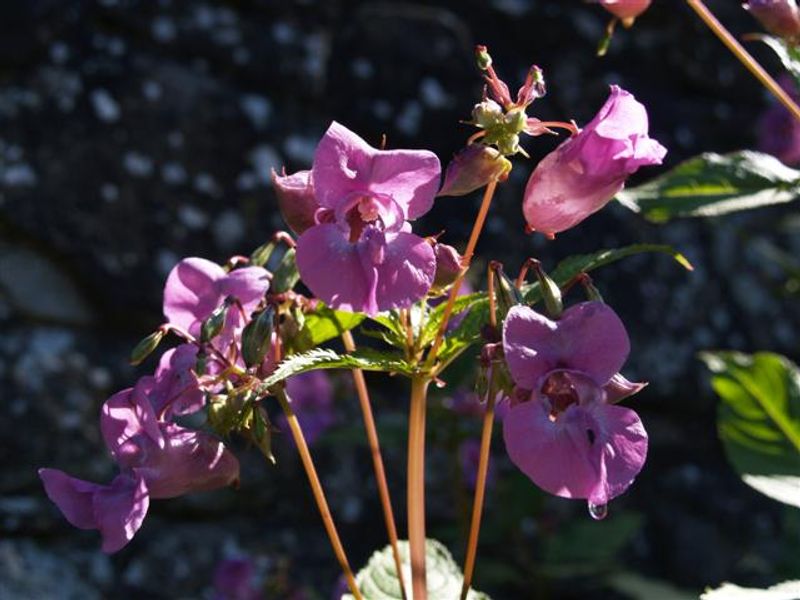
Many Florida communities are looking for ways to feel less generic, and native wildflowers help create that sense of distinction. A front entrance planted with species tied to local ecosystems immediately feels more rooted in place than a standard mix of imported shrubs and seasonal annuals.
Residents notice when a landscape reflects where they live instead of copying a template that could belong to any subdivision in the country.
This matters for both older neighborhoods trying to refresh their image and newer developments hoping to build character from the start. Native blooms can echo coastal dunes, pine flatwoods, prairies, or inland hammocks, depending on the region, which gives each community a more authentic visual story.
That kind of identity is subtle, but it shapes how people talk about their area and what they value in shared spaces.
You can also feel the pride that comes with seeing local beauty highlighted rather than hidden. When streetside beds feature Florida coreopsis or blanketflower, they become conversation starters, not just background landscaping.
Visitors ask questions, residents point out seasonal changes, and the neighborhood begins to feel more memorable.
That emotional connection is a big reason popularity keeps growing. Native wildflowers do more than decorate a place – they help define it in a way that feels personal and lasting.
HOA Acceptance
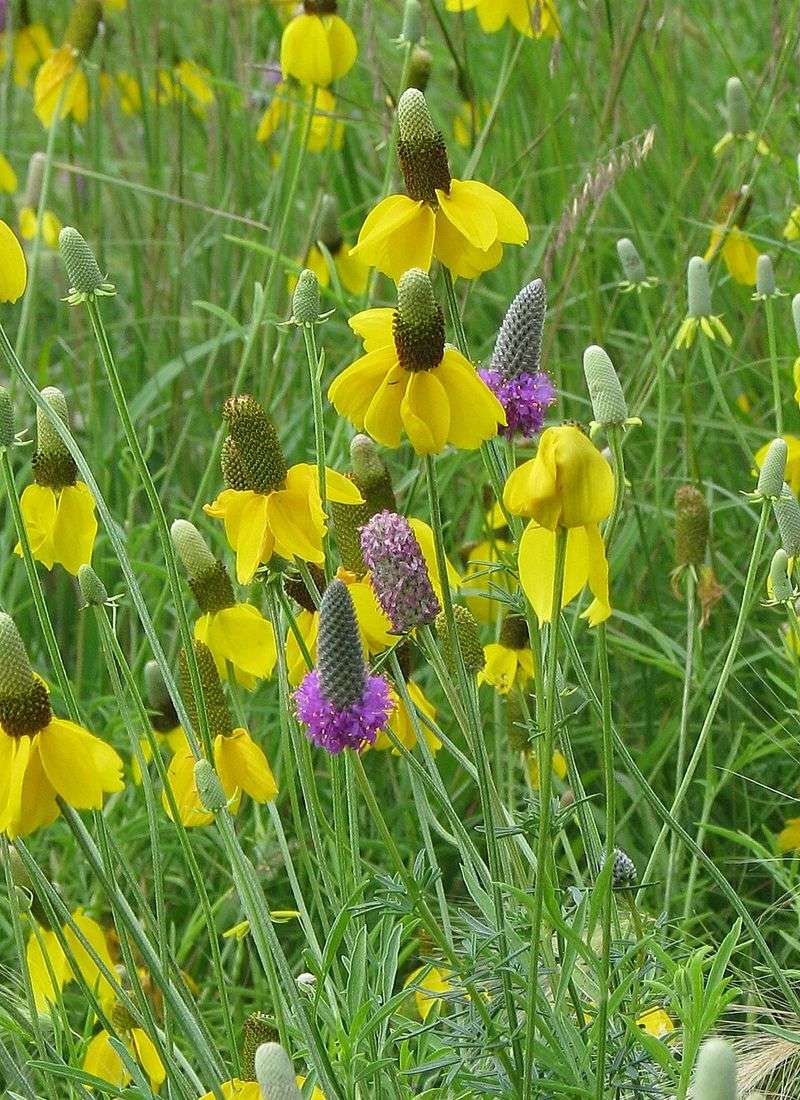
For years, many residents assumed homeowners associations would never support native wildflower plantings because they were seen as too informal or messy. That perception is changing as better design examples show how native landscapes can look intentional, tidy, and fully compatible with neighborhood standards.
Clean borders, layered heights, defined paths, and seasonal planning have helped wildflowers move from fringe idea to approved feature.
HOA boards are also responding to practical numbers. Lower irrigation demand, fewer seasonal replacements, and reduced long-term maintenance can make native plantings easier to justify during budget discussions.
Once decision makers realize these landscapes can meet appearance goals while controlling costs, the conversation becomes much less resistant.
Education has played a huge role too. When communities install small demonstration gardens with plant labels and maintenance plans, residents can see the difference between neglected landscaping and ecological design.
That visibility builds trust, especially among homeowners who worry that native planting means letting everything grow wild without structure.
The result is a slow but important cultural shift. More Florida neighborhoods are writing updated guidelines, approving pilot projects, and allowing residents to use native wildflowers in front yards, medians, and common areas.
Acceptance grows when people can see beauty, order, and common sense working together.
Education And Community Pride
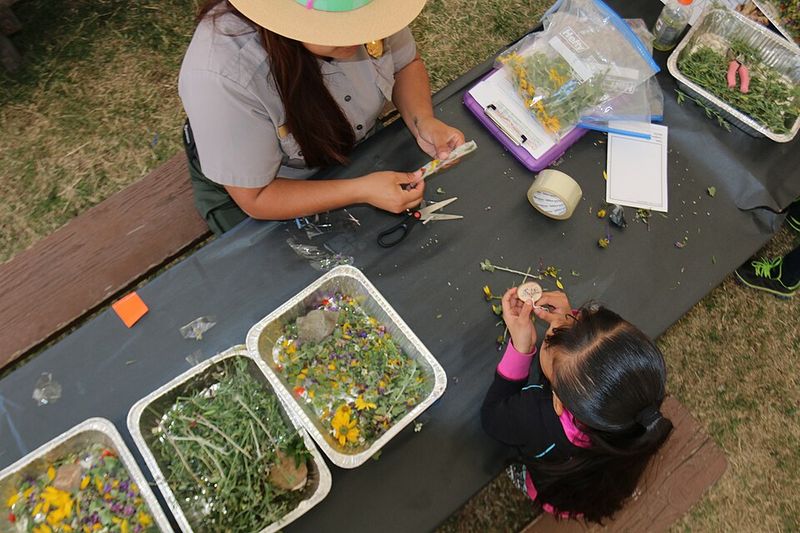
Native wildflowers are becoming more popular because they give communities something to learn from together, not just something pretty to look at. Schools, libraries, parks, and neighborhood associations increasingly use native planting areas as living classrooms where people can see seasonal change, pollinator activity, and plant adaptation up close.
That shared learning experience creates a stronger connection than decorative landscaping usually does.
Children are often the fastest ambassadors. A student who learns that a particular flower supports monarch caterpillars or native bees usually goes home excited and starts pointing out similar plants around the neighborhood.
Parents pay attention, and suddenly a small school garden influences what families ask for in yards, parkways, and community entrances.
Adults respond for their own reasons as well. Workshops on Florida-friendly landscaping, plant sales hosted by native nurseries, and volunteer planting days make ecological design feel accessible rather than technical.
People are more likely to support what they understand, especially when they can participate and see results in familiar places.
That educational value builds pride over time. A neighborhood with labeled native beds, butterfly sightings, and residents who can name local species starts to feel more engaged with its environment.
Popularity grows because the landscape becomes part of the community’s story, not just a maintenance obligation.
Safer Roadsides
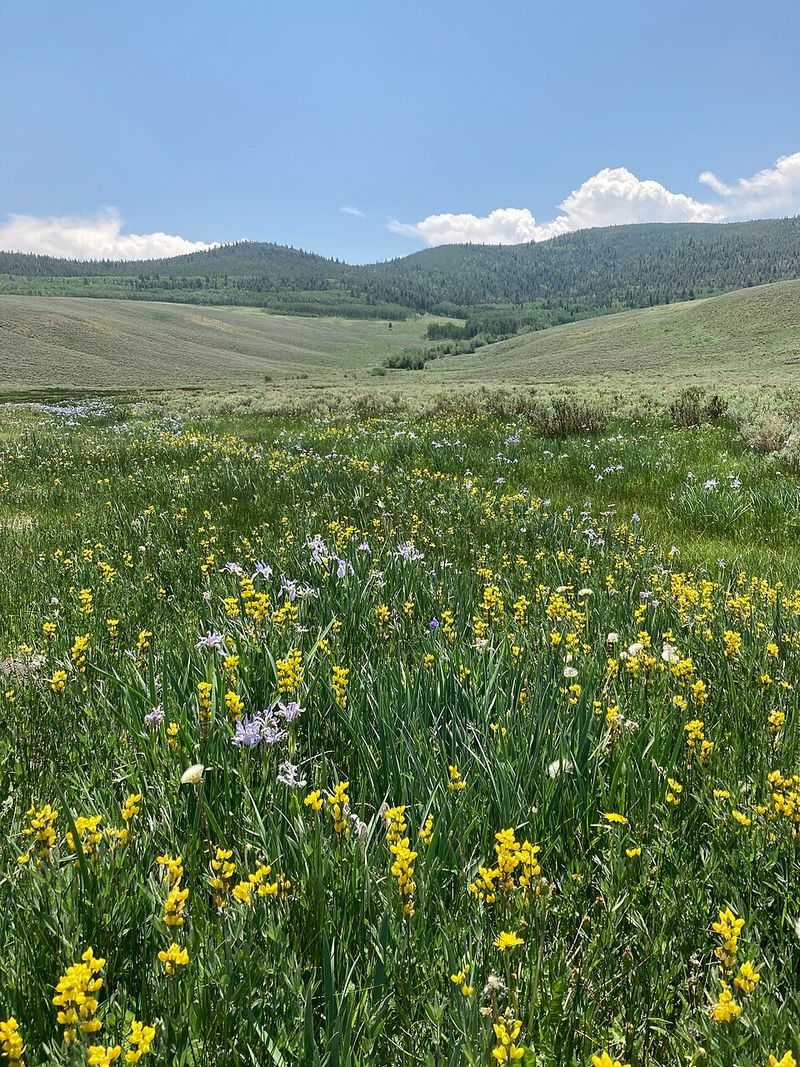
Roadside landscapes may not sound glamorous, but they shape how entire communities look and function. In Florida, native wildflowers have gained traction along medians, shoulders, and public rights-of-way because they can offer color without creating the same maintenance burden as turf or high-input plantings.
Municipalities and neighborhood associations like the idea of landscapes that stay attractive while requiring fewer mowing cycles and less water.
Safety is part of the appeal too. Low-growing native species can preserve sightlines for drivers and pedestrians while still softening hard infrastructure with seasonal bloom.
That balance matters near intersections, school zones, bike paths, and neighborhood entrances where visibility cannot be compromised just for appearance.
There is also a public perception benefit that should not be overlooked. A roadside strip filled with regionally appropriate flowers feels cared for in a way that a constantly scalped grass edge often does not.
Residents read that investment as a sign that local leaders are thinking about ecology, budgeting, and aesthetics at the same time.
Once people get used to seeing native blooms on daily commutes, the idea starts to feel normal instead of experimental. That familiarity has helped drive broader acceptance in nearby parks, residential streets, and private yards.
What begins at the roadside often ends up influencing the entire community landscape.
Better Biodiversity
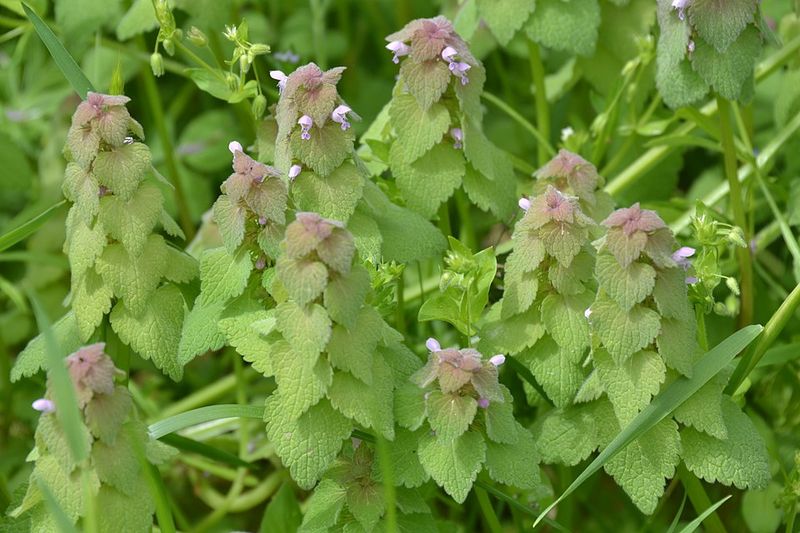
One reason native wildflowers keep gaining ground is that people are beginning to understand landscaping as habitat, not just decoration. A yard or common area planted with diverse native species supports far more life than a narrow palette of exotic ornamentals selected only for uniform appearance.
In Florida, where development pressure is intense, even small pockets of habitat can make a meaningful difference.
Wildflowers contribute to biodiversity by feeding insects, sheltering beneficial species, and working alongside native grasses and shrubs to create layered ecological value. That richer web supports birds, lizards, and other wildlife residents are happy to see around their neighborhoods.
The result feels more alive than a tidy but biologically empty landscape that offers color without function.
Communities are also connecting biodiversity to resilience. A more varied planting can be less vulnerable to pest outbreaks, weather stress, and seasonal gaps because not every species responds the same way.
That diversity creates visual change throughout the year while also reducing dependence on a few heavily managed plants.
For many people, this is the point where native landscaping stops being just an environmental preference and starts looking like common sense. If a community can have beauty, seasonal interest, and better ecological performance from the same planting area, the popularity of wildflowers is easy to understand.
Property Appeal
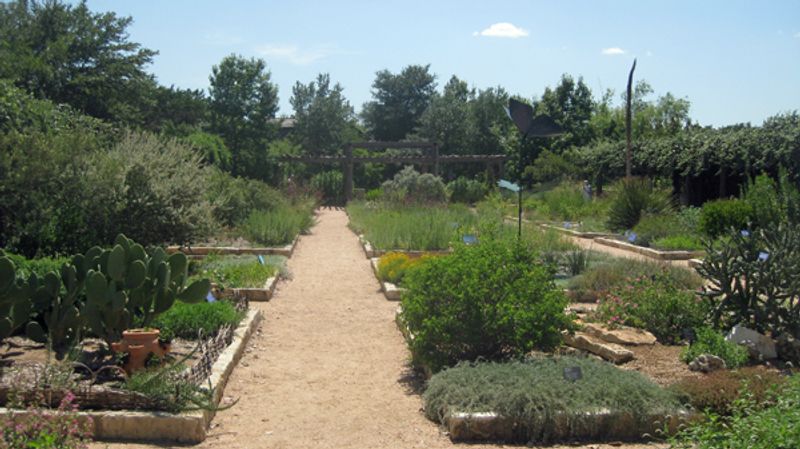
Plenty of homeowners first notice native wildflowers for environmental reasons, but property appeal often seals the deal. A well-designed native planting can add texture, movement, color, and seasonal interest in a way that feels fresher than conventional foundation landscaping.
In Florida communities where many homes share similar architecture, distinctive plantings help a property stand out without looking out of place.
The key is design, and that is part of why these gardens are becoming more accepted. When wildflowers are grouped thoughtfully, edged clearly, and paired with paths, mulch, or structural shrubs, they read as intentional and attractive rather than accidental.
Neighbors begin to see that native does not mean messy – it can mean curated, welcoming, and highly local.
There is a lifestyle appeal as well. Buyers and residents increasingly value landscapes that look beautiful without demanding constant water, chemicals, or weekly intervention.
A yard that supports butterflies, reflects the Florida climate, and still photographs well for listings checks several boxes at once.
That combination has real influence at the neighborhood level. As more homeowners install native beds and receive compliments instead of complaints, confidence spreads.
Popularity grows because people can picture these plants not only in preserves and parks, but right at home beside the walkway, porch, or community entrance.