
How Ohio Gardeners Are Creating Colorful Yards With Less Maintenance
Follow us on Google
A bright yard does not have to mean endless watering, weeding, and weekend upkeep. Across Ohio, gardeners are making smarter plant choices that keep beds colorful from spring through frost with far less work.
The secret is not doing more – it is designing with the climate, soil, and seasons in mind. Here is how people are building eye-catching landscapes that look cared for even when life gets busy.
Choose Native Perennials First
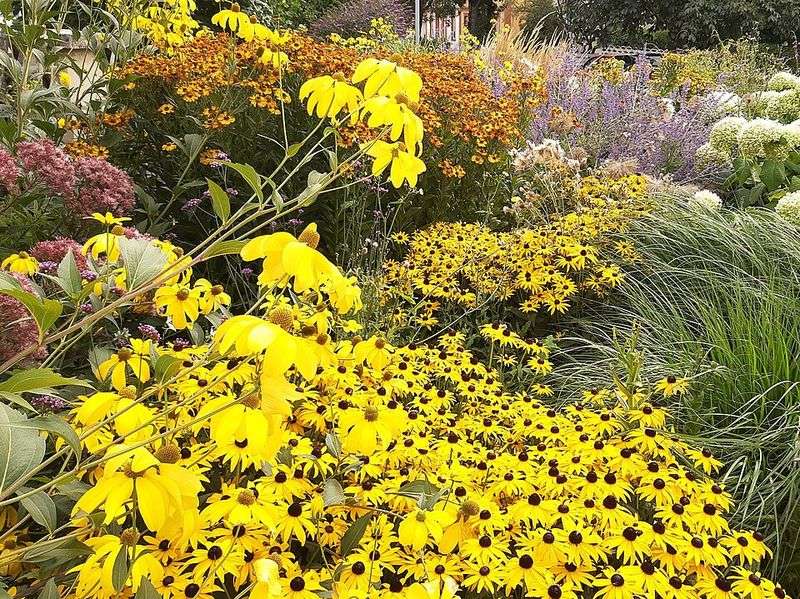
Across Ohio, the easiest color often comes from plants that already know how to handle local weather. Native perennials such as coneflower, black-eyed Susan, bee balm, asters, and coreopsis settle in faster, bounce back from heat, and usually need less pampering once established.
You get bright blooms, better pollinator traffic, and fewer disappointing gaps after a rough winter.
A smart approach is grouping three to five of the same plant together instead of scattering singles everywhere. That simple move makes the bed look fuller, helps color read from the street, and cuts decision fatigue when you shop.
It also simplifies care because plants with similar light and water needs grow side by side, not all over the yard.
Many Ohio gardeners keep the first year focused on watering deeply, then ease off as roots mature. After that, the routine is mostly spring cleanup, occasional dividing, and a little deadheading if you want extra flowers.
If your weekends already feel packed, this is the kind of planting that keeps showing up beautifully without asking for constant attention. It feels intentional, colorful, and realistic for everyday life.
Plan for Successive Bloom Periods
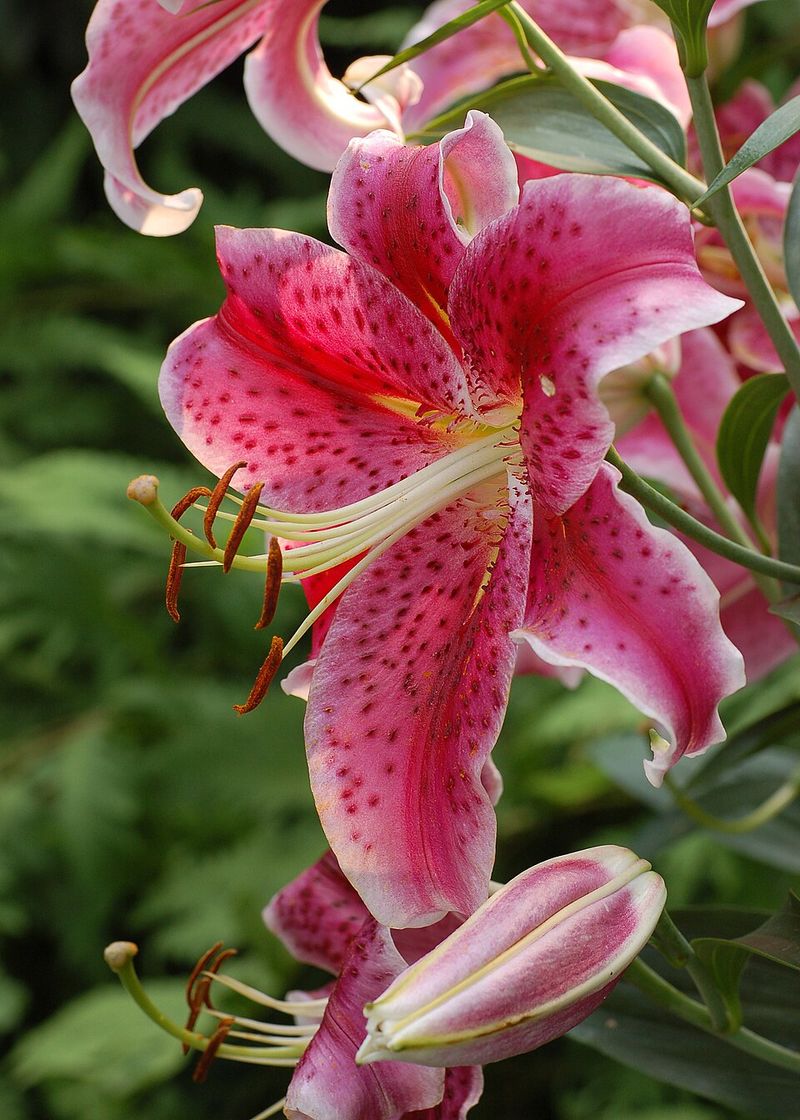
One reason some yards look colorful for only two weeks is simple timing. A low-maintenance garden works better when you spread bloom periods across spring, summer, and fall, so something fresh always steps in as another plant fades.
In Ohio, that might mean spring bulbs and creeping phlox, early summer salvias and catmint, midsummer coneflowers and daylilies, then sedum and asters closing the season.
Instead of chasing constant replacement planting, you build a relay race of color. That saves money, reduces impulse buys at the garden center, and keeps bare spots from taking over the view.
It also makes maintenance easier because you are not scrambling to fix tired beds with extra annuals every month.
A simple sketch helps more than people expect. Write down bloom months, plant heights, and basic colors before digging anything, then repeat strong performers in several beds for consistency.
When Ohio weather swings from chilly springs to dry late summers, that layered calendar gives your yard a steadier, more polished look with less work, and you get the satisfaction of seeing fresh color arrive right on schedule.
Use Ornamental Grasses for Long Season Color
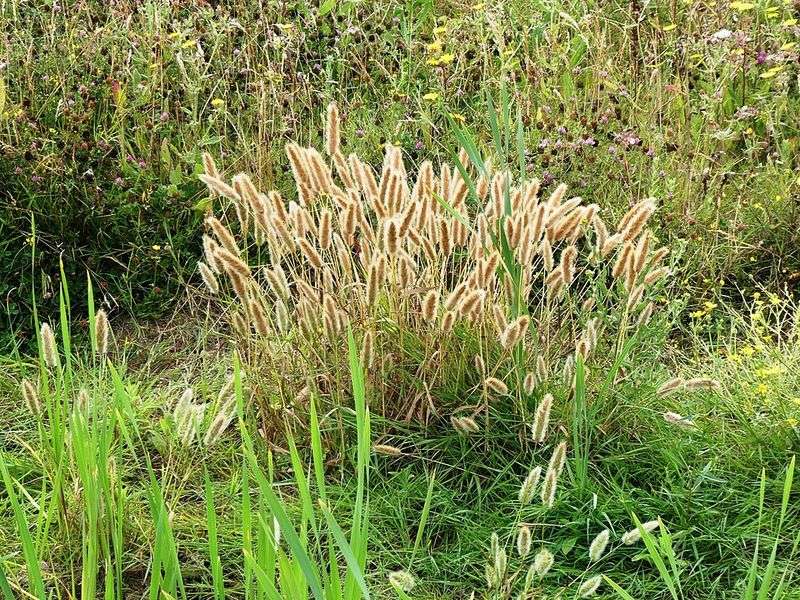
Color in a low-work yard does not have to come only from flowers. Ornamental grasses bring blue, green, gold, burgundy, and copper tones while adding movement that makes the whole landscape feel alive, even on simple planting days.
In Ohio, choices like switchgrass, little bluestem, and feather reed grass handle changing seasons well and still look attractive when many perennials are finished.
These plants earn their space because they cover a lot of visual ground with very little fuss. Most need a single cutback in late winter or early spring, and many tolerate dry stretches once established.
Their upright shape also helps support nearby flowers visually, so beds feel fuller without stuffing in extra plants that later demand more watering and dividing.
Many homeowners pair grasses with purple coneflowers, black-eyed Susans, or sedum for a mix that stays interesting from June into winter. Seed heads catch morning light, blades sway in the breeze, and fall color often becomes the star when blossoms fade.
If you want a yard that still looks intentional in October and even January, grasses quietly do a huge amount of work behind the scenes.
Mulch Deeply and Mulch Smart
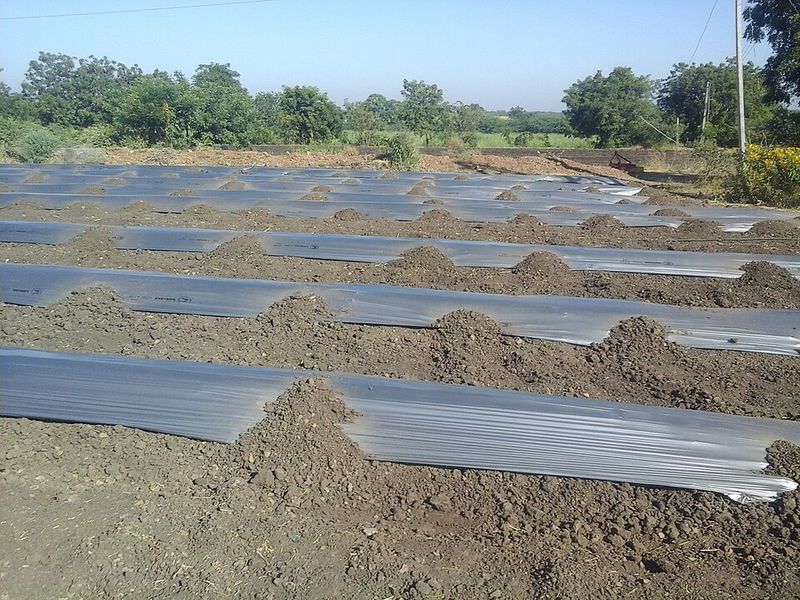
Some of the most colorful Ohio yards look that way because the soil stays protected, not because gardeners spend every evening pulling weeds. A two to three inch layer of mulch helps conserve moisture, keeps roots cooler during summer heat, and blocks a lot of weed seeds from getting the light they need.
That means fewer chores and plants that hold their color longer during dry spells.
The trick is using mulch well, not piling it everywhere without a plan. Shredded hardwood works nicely in many Ohio beds because it stays put and gradually improves soil as it breaks down.
Keep it a couple of inches away from stems and trunks, though, since mulch pressed tightly against plants can trap moisture and lead to rot.
Many gardeners refresh only the thinnest spots each spring rather than dumping on a brand-new thick layer every year. That saves money, keeps beds from looking overbuilt, and makes maintenance more manageable.
When rain gets inconsistent or July turns hot and sticky, mulched beds usually hold up better, so your flowers, foliage, and shrubs keep a fresher appearance while you spend far less time dragging hoses and fighting weeds.
Rely on Foliage Color as Much as Flowers
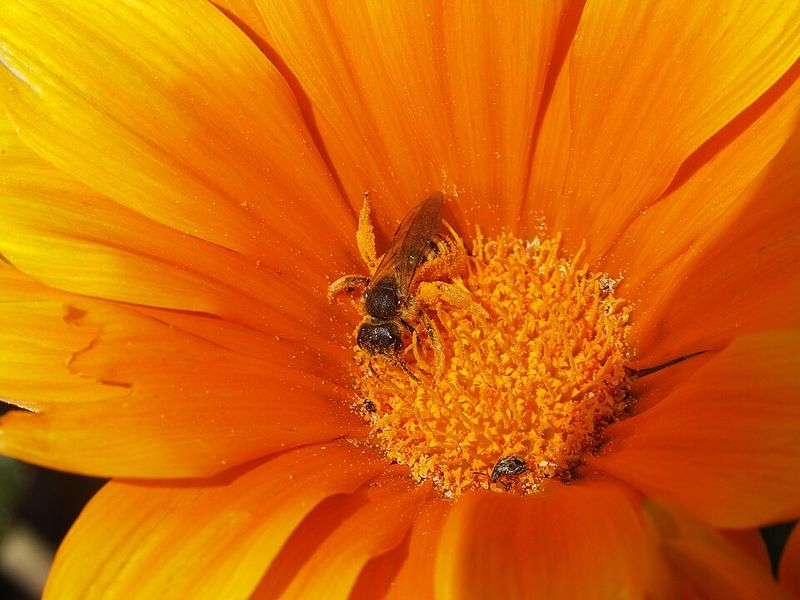
Flowers are wonderful, but they are temporary, and that is why more Ohio gardeners are leaning on colorful foliage for lasting impact. Burgundy ninebark, chartreuse spirea, blue hostas, silver artemisia, and dark heuchera keep beds interesting long after blooms pass.
A yard built around leaf color still looks vibrant during the weeks when flowers pause, fade, or get knocked around by storms.
This approach lowers maintenance because foliage does not need constant deadheading to stay attractive. It also helps fix one of the most common design problems: beds that look flat after the first flush of spring excitement is over.
By mixing leaf shapes and tones, you create contrast that reads as colorful from the curb without relying on nonstop bloom cycles.
A practical combination might include gold-leaved shrubs near the porch, blue-green grasses along a walkway, and dark heuchera tucked at the front of a border. Add a few long-blooming perennials, and the whole space feels richer with less effort.
If you want your yard to carry visual interest from April through frost, foliage is often the quiet workhorse that keeps everything looking composed and full.
Create Big Impact With Containers
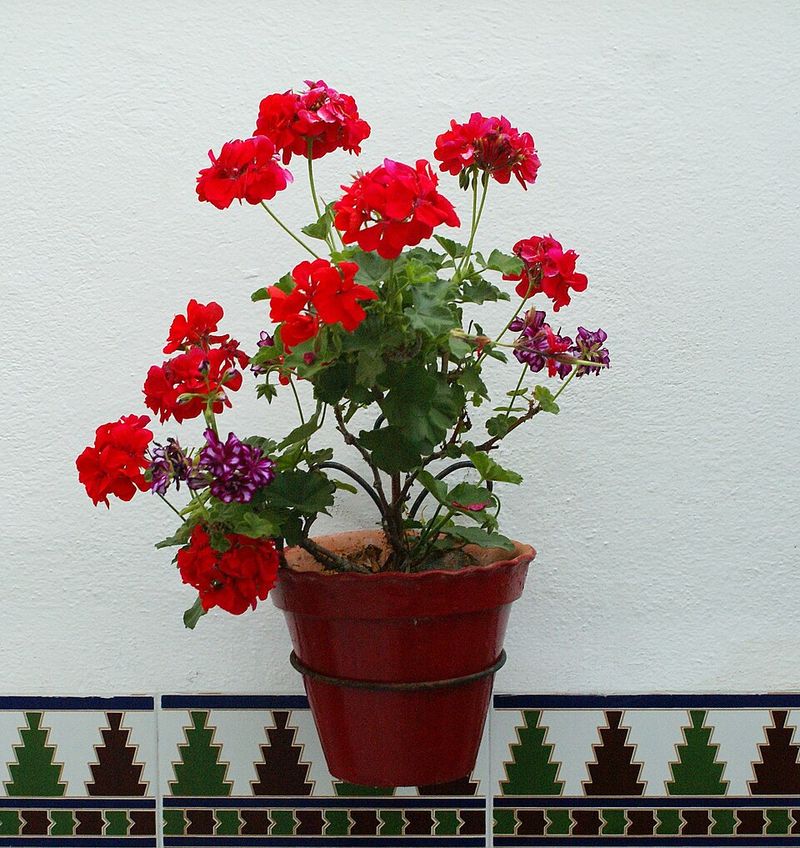
Sometimes the easiest way to add bright color is not by reworking the whole yard, but by placing it exactly where people notice it most. Containers on porches, patios, steps, and entry walks bring concentrated color to eye level and make the home feel cheerful even if the rest of the landscape stays simple.
In Ohio, that can be a huge advantage when time, budget, or stubborn soil limits larger planting projects.
A low-maintenance container recipe usually includes one durable focal plant, one mounding bloomer, and one trailing accent. Coleus, calibrachoa, sweet potato vine, lantana, and compact grasses often carry color well with minimal fuss, especially when paired with quality potting mix and slow-release fertilizer.
Self-watering pots also cut back on daily chores during hot stretches in July and August.
Many gardeners use containers to fill seasonal gaps they cannot solve easily in the ground. When spring bulbs finish or a shrub border feels too green, a few bold pots instantly perk up the space.
If you keep the palette consistent across the yard, containers look intentional rather than random, and you get strong visual payoff without adding a long list of permanent maintenance tasks.
Replace Thin Lawn Areas With Groundcovers
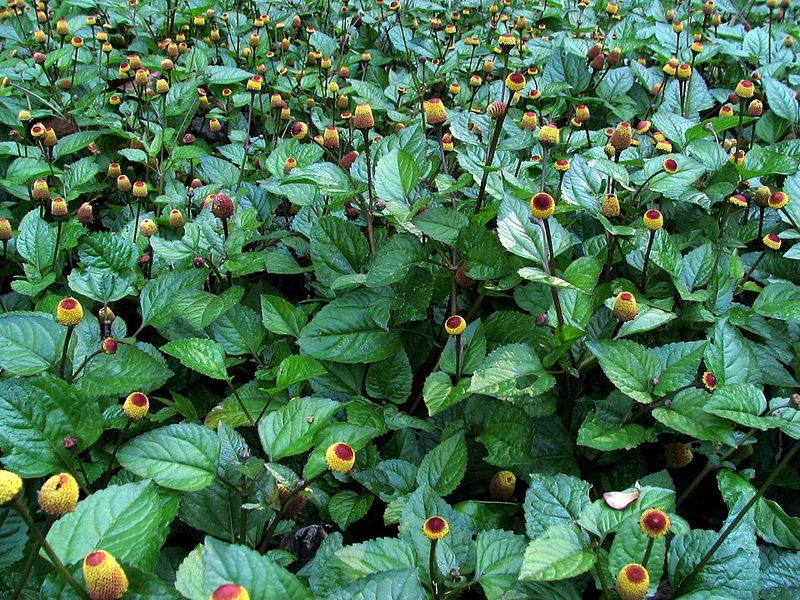
Patchy grass can be one of the highest maintenance parts of an Ohio yard, especially under trees, along slopes, or in areas that bake in summer. That is why many homeowners are swapping weak turf for colorful groundcovers that spread, suppress weeds, and look fuller with less mowing.
Creeping phlox, ajuga, sedum, sweet woodruff, and creeping thyme can all solve hard spots while adding texture and seasonal color.
The benefit is not just fewer bare areas. Groundcovers help stabilize soil, reduce runoff, and soften edges around paths, beds, and tree rings in a way that feels more finished than struggling lawn ever does.
Once established, many of these plants ask for occasional trimming and seasonal cleanup instead of constant watering, reseeding, and fertilizer.
Results are usually best when you treat the area like a real planting bed before installing anything. Remove grass completely, improve the soil if needed, and plant closely enough that the space fills in before weeds move back.
For busy households, replacing just a few frustrating lawn sections can noticeably reduce weekend chores while making the whole yard appear greener, brighter, and better planned from spring through fall.
Plant in Pollinator-Friendly Color Blocks
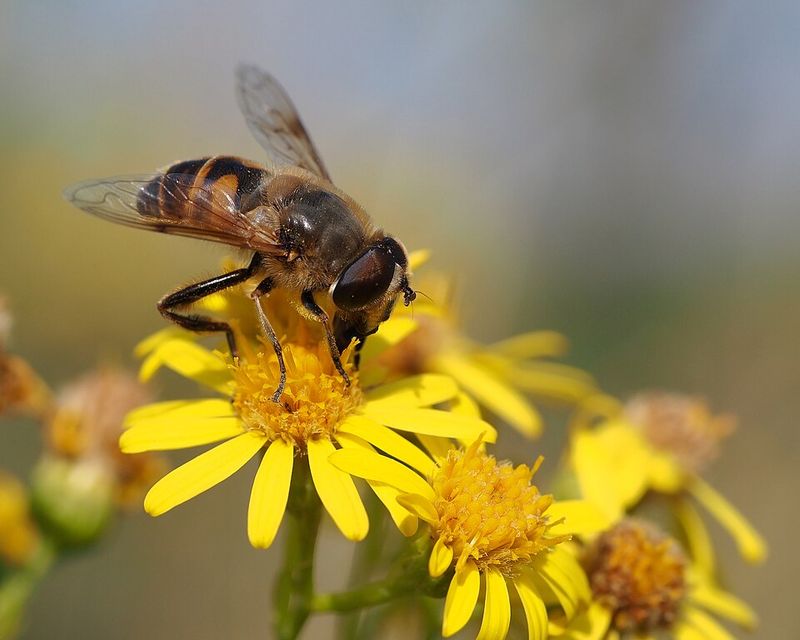
Busy, scattered planting can make a yard feel harder to maintain than it really is. Ohio gardeners are getting a cleaner, more colorful effect by planting larger blocks of pollinator favorites instead of mixing one of everything into every bed.
Repeated drifts of coneflowers, milkweed, bee balm, asters, and black-eyed Susans create stronger color from a distance and give bees and butterflies an easier target.
This method also simplifies care in practical ways. Plants with similar growth rates and water needs are easier to mulch, divide, and trim when they live together, and the bed looks cohesive even if one group finishes blooming.
You are not constantly fussing over tiny gaps because the overall mass of color still carries the scene.
Many homeowners find that three strong colors repeated across the yard look more polished than ten colors used once. Purple, gold, and white, for example, can feel bright without becoming visually messy.
If your goal is a yard that supports pollinators, reads beautifully from the street, and stays manageable during a packed summer, grouped planting is one of the smartest choices you can make.
Use Annuals as Small Accents, Not the Whole Plan
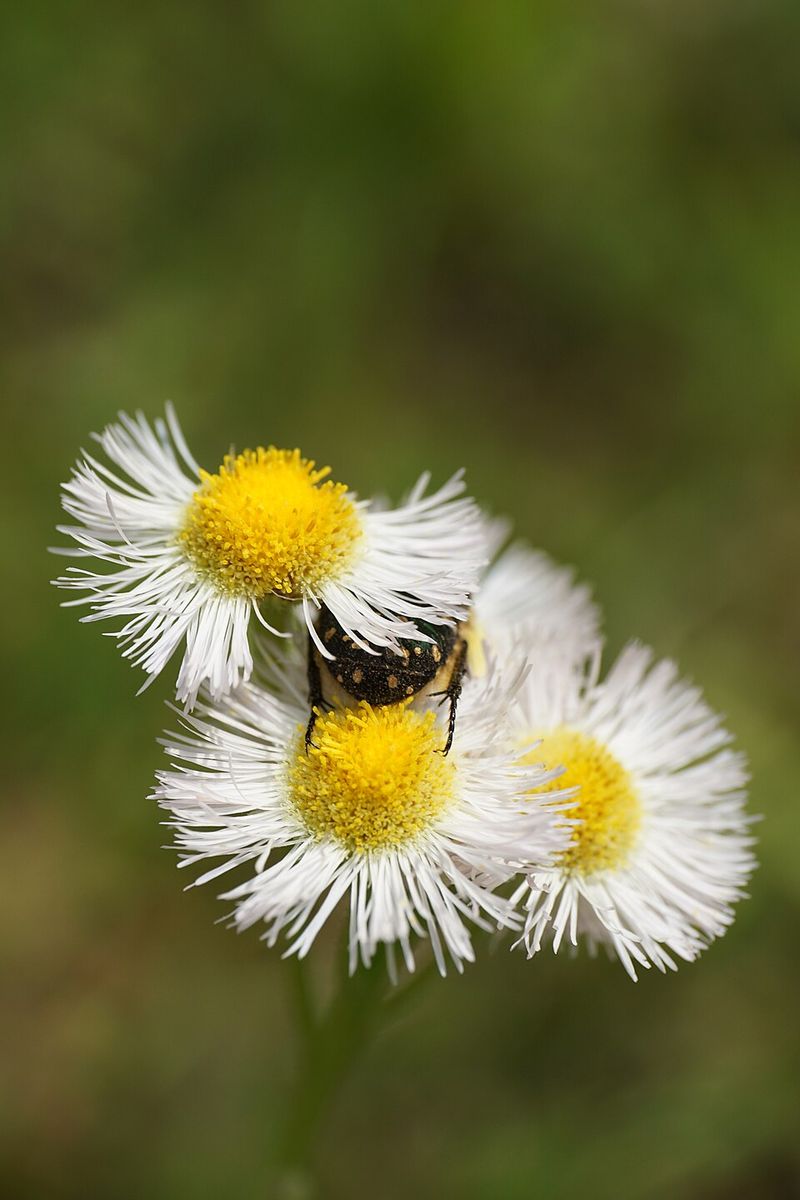
Annual flowers still have a place in a low-maintenance yard, but smart gardeners use them like finishing touches instead of the entire design. A few pockets of zinnias, petunias, begonias, or angelonia can brighten key views near the mailbox, front steps, or patio without turning every bed into a high-maintenance replanting project.
The permanent structure comes from shrubs, grasses, and perennials that return each year.
That balance keeps costs and labor under control while still giving you room to freshen the look each season. If deer nibble one annual or a heat wave flattens another, the yard still has color and shape because the backbone planting remains strong.
It is an easier way to enjoy seasonal fun without depending on constant deadheading, feeding, and replacement.
Many Ohio homeowners reserve annuals for containers and a few visible bed edges where the impact feels biggest. That strategy delivers the cheerful punch people love while keeping most of the landscape stable and reliable.
If you have ever felt trapped by the workload of redoing every flower bed each spring, scaling annuals back can make your yard look better and feel much easier to maintain.
Keep Maintenance Seasonal and Simple
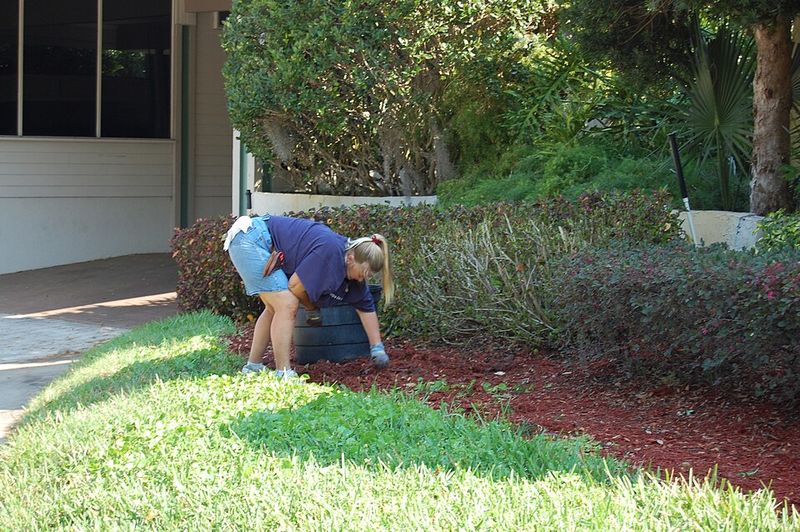
A colorful low-work yard usually stays that way because the maintenance routine is simple, predictable, and spread through the year. Instead of reacting to every weed or faded bloom, experienced Ohio gardeners handle a few key tasks at the right time: spring cleanup, mulch touch-ups, early summer weeding, occasional deadheading, and late winter pruning for selected shrubs and grasses.
That schedule prevents small issues from turning into major catch-up weekends.
It also helps to leave some plants standing through fall and winter. Seed heads, dried grasses, and sturdy stems add texture, support wildlife, and save you from doing a giant cleanup right before cold weather.
Then, when late winter arrives, one focused cutback resets the bed for the new season without repeated fussing.
The biggest shift is mental. You stop expecting every corner to look peak-perfect every single day and aim instead for a yard that stays attractive through normal life and normal weather.
That approach feels more realistic for busy families, and it often produces a more relaxed, natural-looking landscape. When maintenance fits the calendar instead of controlling it, color becomes easier to enjoy because it no longer comes attached to constant pressure.