
The Easy-Care Purple Flower Georgia Gardeners Cannot Stop Planting
Follow us on Google
Georgia gardeners love a plant that looks polished without demanding constant attention, and society garlic keeps earning that spot. Its purple blooms show up when summer heat is pressing hard, and the foliage stays tidy long after fussier flowers fade.
If you want color, fragrance, and a plant that handles real Southern conditions, this one deserves a closer look. There is a reason it keeps reappearing in front yards, mailbox beds, and sunny borders across the state.
Why Society Garlic Works So Well in Georgia
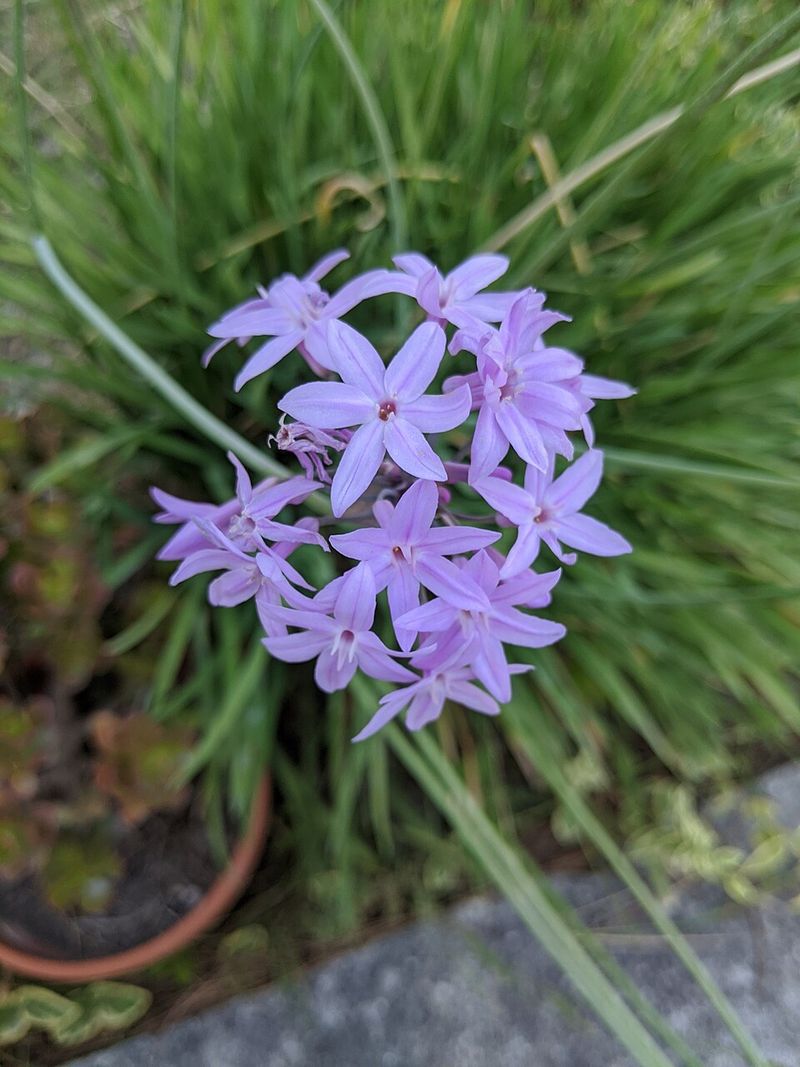
Georgia gardens can be tough on anything that needs pampering, which is exactly why society garlic keeps winning people over. It handles heat, humidity, bright sun, and stretches of dry weather better than many purple flowering perennials.
You get a tidy clump of slender foliage and cheerful blooms without signing up for a demanding care routine.
In many yards, the real challenge is not getting plants to grow in spring but keeping them looking decent by late July. This one stays surprisingly presentable when other flowers start appearing tired, scorched, or leggy.
That reliability matters when you want a front bed to hold its shape during the longest part of the season.
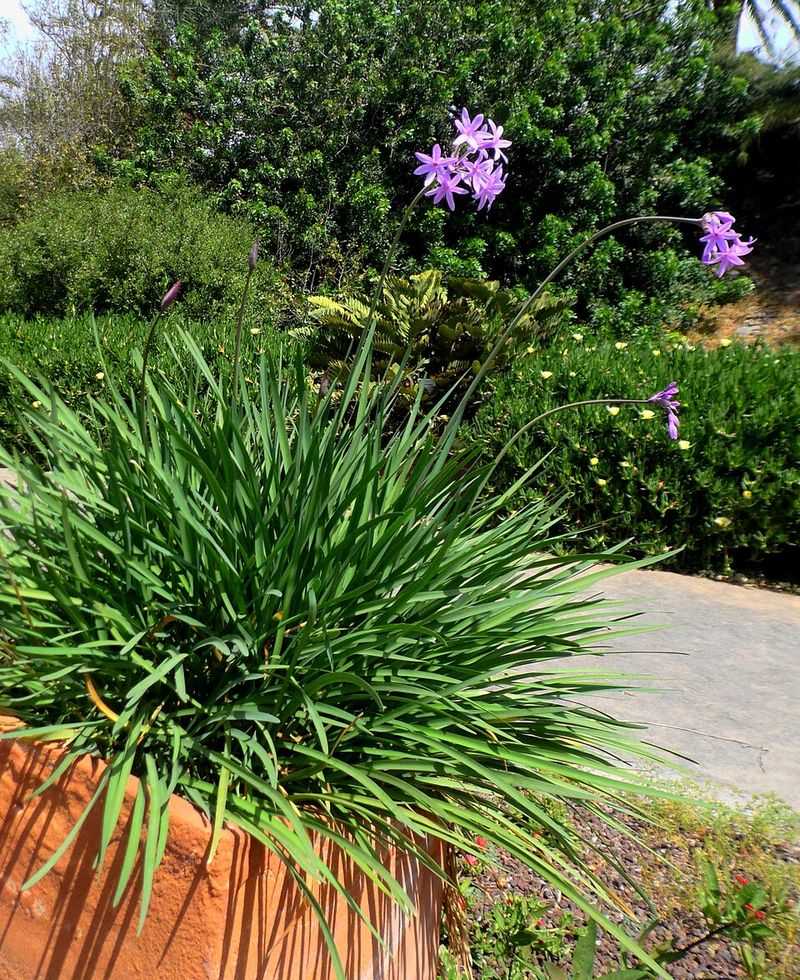
Another reason gardeners keep reaching for it is versatility. It fits near walkways, in foundation beds, around mailboxes, and even in large patio containers where the purple flowers can stand out clearly.
The plant also gives off a mild garlic scent when brushed, which can make it less appealing to browsing deer.
If you like plants that reward basic care with steady color, this is an easy yes. In Georgia, that kind of dependable performance quickly turns a single trial plant into a whole border.
What the Plant Looks Like Through the Seasons
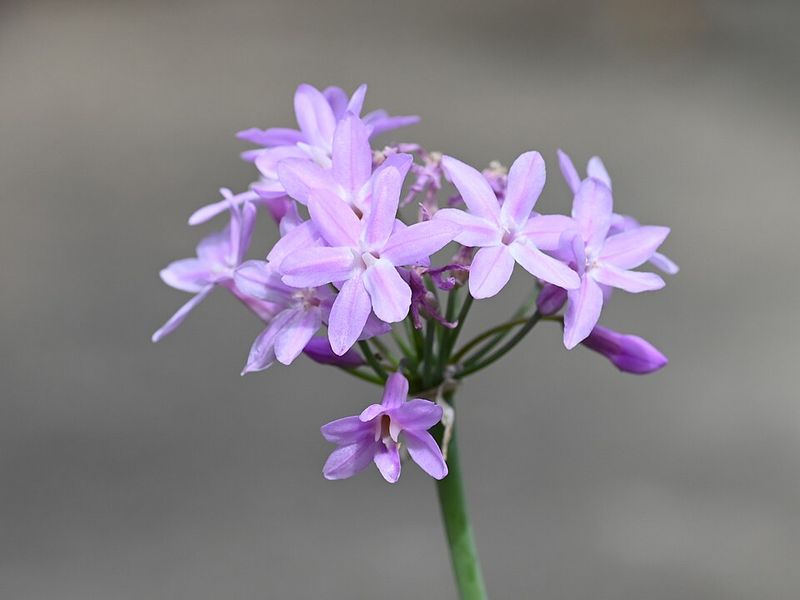
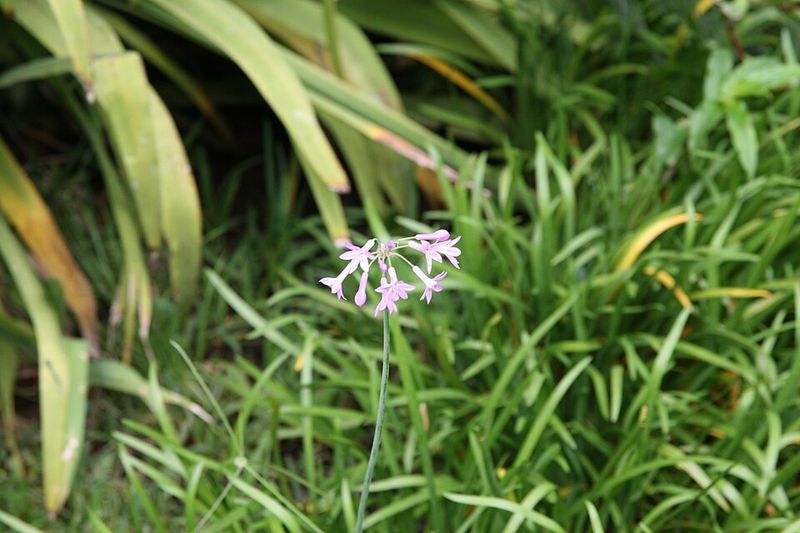
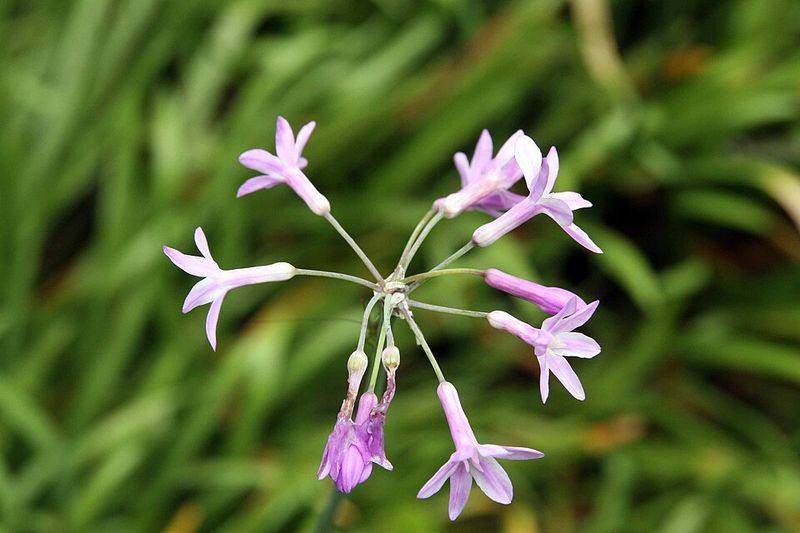
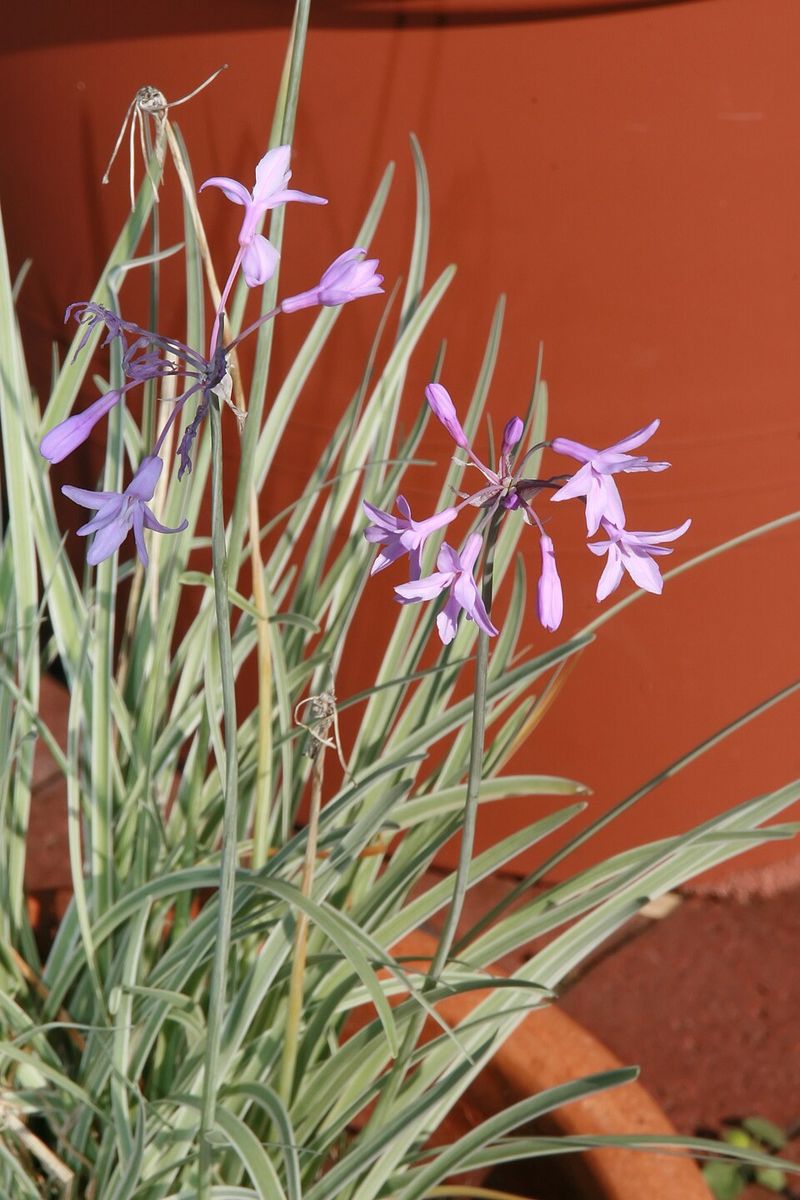
At first glance, society garlic has a clean, upright look that makes nearby flowers appear more organized. Narrow blue green leaves rise in compact clumps, and the stems lift rounded clusters of lavender purple blooms above the foliage.
The effect is airy enough to soften a bed yet structured enough to look intentional.
Spring usually brings the freshest flush of leaves, and that is when the plant starts looking especially crisp. As temperatures climb, flower stalks begin appearing regularly, often continuing through summer and into fall if conditions stay favorable.
In the warmest parts of Georgia, the foliage may remain attractive for much of the year.
Color is another reason this plant feels so useful. The purple blossoms pair beautifully with silver foliage, yellow flowers, dark mulch, and light stone, so they are easy to place in an existing landscape.
Even when blooms pause, the grassy leaves still contribute shape and movement.
That steady visual rhythm makes the plant feel valuable beyond peak bloom. You are not waiting for one short spectacular moment, then staring at a gap for the rest of the season.
Instead, the garden keeps a polished look with very little intervention from you.
Best Planting Spots for Strong Growth
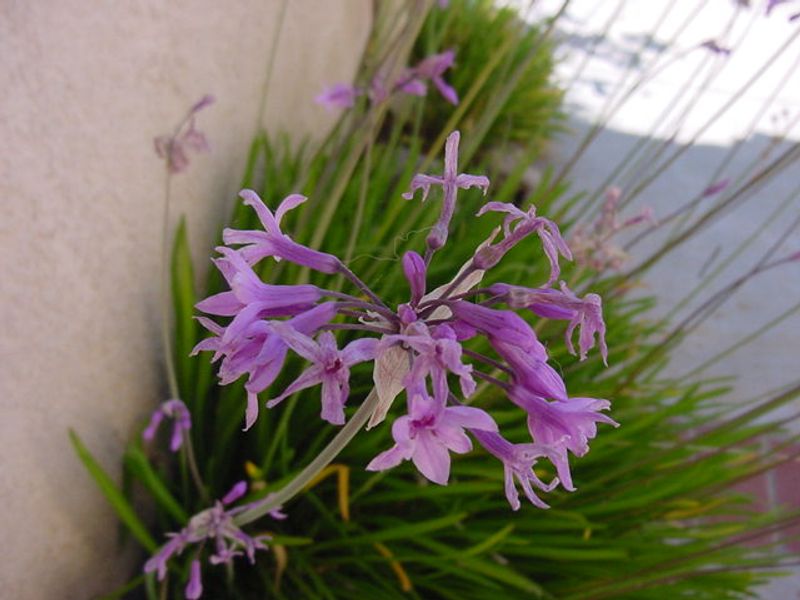
The easiest way to get great results is choosing a spot with full sun and decent drainage. Society garlic will tolerate a little light shade, but flowering is usually best when it gets several hours of direct light each day.
In Georgia, a bright front bed or driveway border often suits it perfectly.
Drainage matters more than many people expect. If water sits after a hard rain, roots can struggle, especially in heavier clay soils common across the state.
Mixing in compost, pine bark fines, or other soil conditioners before planting can make a huge difference in long term performance.
Placement also depends on how you want the plant to function. Near a walkway, the blooms are easy to appreciate up close, and the foliage creates a neat edging effect.
In a mixed bed, repeating several clumps instead of planting just one helps the purple color read clearly from the street.
Container growing works well too if you use a pot with drainage holes and a loose potting mix. That option is handy when you want to test the plant before committing it to a permanent bed.
Once you see how little attention it asks for, moving from one pot to several clumps feels pretty natural.
How to Water and Feed Without Overdoing It
One of the best things about society garlic is how little babying it needs once established. Right after planting, regular watering helps roots settle in, so aim for consistent moisture during the first several weeks without making the soil soggy.
After that, the plant usually manages well with normal rainfall and occasional deep watering during prolonged dry spells.
Overwatering is more likely to cause trouble than underwatering. In humid Georgia conditions, constantly wet soil can encourage weak growth and root stress, which quickly takes the shine off an otherwise dependable plant.
A simple rule helps here: water thoroughly, then let the top layer of soil dry slightly before watering again.
Feeding can stay simple too. A light application of balanced slow release fertilizer in spring is often enough to support fresh growth and flowering through the season.
Too much fertilizer can push soft leafy growth that looks floppy and produces fewer blooms than you hoped for.
Mulch is the quiet helper that pulls everything together. A moderate layer helps conserve moisture, buffers root temperatures, and cuts down on weeds competing for space.
If your usual habit is fussing with thirsty annuals every evening, this plant can feel like a welcome break in the schedule.
Simple Maintenance That Keeps It Blooming
Maintenance stays refreshingly straightforward, which is a big part of the plant’s appeal. Spent flower stalks can be clipped off at the base to keep the clump neat and encourage fresh blooms to stand out.
That small task takes only a minute, yet it noticeably sharpens the whole planting.
Older foliage may occasionally look weathered, especially after winter cold or rough summer conditions. When that happens, a light cleanup of damaged leaves is usually all that is needed to restore a tidy shape.
There is no need for constant shearing or complicated pruning schedules to make the plant look good.
Every few years, dividing crowded clumps can improve vigor and give you more plants for free. The best time is usually during mild weather when roots can reestablish without extra stress.
Many gardeners use divisions to fill empty spots along paths or repeat the purple color in another part of the yard.
Cold protection depends on your location within Georgia, but the plant often rebounds well after seasonal chill. If a freeze nips the foliage, patience helps more than panic.
Once warmer weather returns, fresh growth often emerges from the base, and the plant settles back into its easygoing routine with very little drama.
Companion Plants That Make the Purple Pop
Purple blooms become even more striking when they are paired with plants that offer contrast in color and texture. Society garlic looks especially good beside golden coreopsis, bright yellow daylilies, silver artemisia, or low mounding white flowers that make the blossoms read more vividly.
The narrow leaves also pair beautifully with broader foliage from cannas or dwarf shrubs.
For a low maintenance Georgia border, combining it with lantana, gaura, salvia, and ornamental grasses creates a planting that handles heat with confidence. Those companions share similar sun and drainage preferences, so care stays simple instead of becoming a juggling act.
You get movement, repeat bloom, and plenty of visual depth without relying on finicky plants.
Containers can benefit from the same idea. A clump of society garlic surrounded by trailing sweet potato vine or pale calibrachoa creates a look that feels full but not messy.
On a porch or patio, the upright flower stems give a nice vertical accent that keeps the arrangement from feeling flat.
Color planning matters more than people sometimes realize. Repeating purple in two or three spots across a bed makes the garden feel connected and intentional.
If your yard already has warm brick, tan stone, or red clay tones, these cool flowers provide a welcome and very flattering counterbalance.
Common Mistakes to Avoid With This Plant
Most problems with society garlic come from treating it like a thirstier, fussier flower than it really is. Planting it in heavy soggy soil, crowding it with aggressive neighbors, or watering too often can lead to disappointing growth and fewer blooms.
The fix is usually less attention, not more.
Too much shade is another common misstep. The foliage may survive in a dimmer spot, but the flower display is often much lighter than gardeners expect after seeing photos online or in the nursery.
If blooms matter to you, prioritize sunlight first and make other design choices around that need.
Some people also place a single small plant in a large bed and expect dramatic impact right away. Because the foliage is fine textured, one isolated clump can visually disappear from a distance.
Planting in groups or repeating the plant rhythmically across the border creates the fuller look most homeowners are hoping for.
Ignoring winter damage can cause unnecessary worry too. A cold snap may rough up the leaves, but that does not automatically mean the plant is gone.
Before replacing it, wait for warmer weather, trim back the tired foliage, and watch for fresh growth. In many Georgia gardens, patience ends up being the smartest care technique of all.
Why Gardeners Keep Coming Back for More
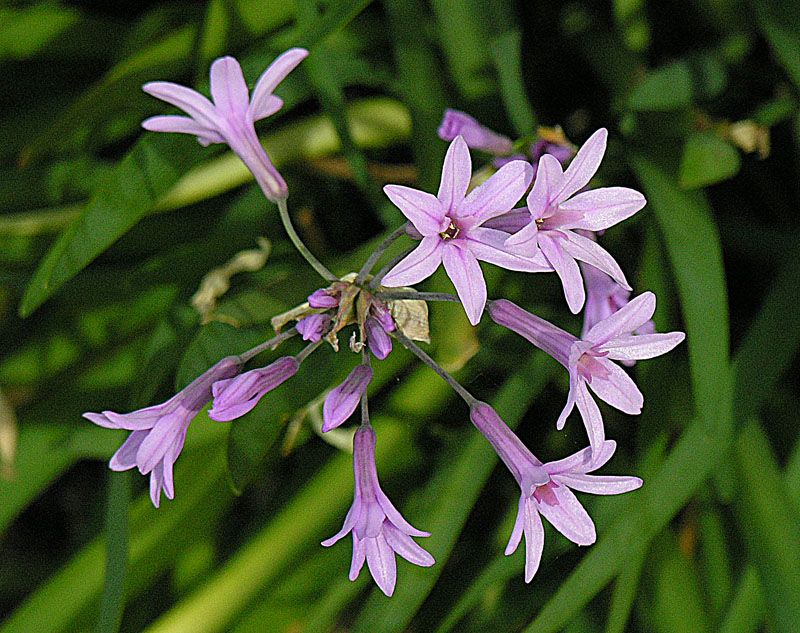
After one season, it becomes easy to understand why society garlic keeps showing up in more Georgia gardens. The plant offers a rare combination of dependable color, neat foliage, drought tolerance, and straightforward care that fits how people actually live.
If your schedule is full, that kind of reliability feels much more useful than a plant that performs only with constant effort.
It also solves a design problem many yards have. Garden beds often need a purple flowering plant that can soften hard edges, bridge seasonal gaps, and still look respectable during intense summer heat.
This one does that job without turning into a maintenance project you start regretting by July.
There is also a practical satisfaction in planting something that multiplies your investment over time. Mature clumps can be divided, tucked into new spaces, or shared with neighbors who notice the blooms and ask what they are.
That kind of pass along plant tends to build local popularity fast, especially in communities where people swap reliable recommendations.
If you want a flower that earns its place year after year, this is a strong contender. Georgia gardeners are not planting it again and again by accident.
They are responding to a plant that keeps its promises, and that may be the best endorsement any perennial can get.
How to Divide and Replant for Even More Color
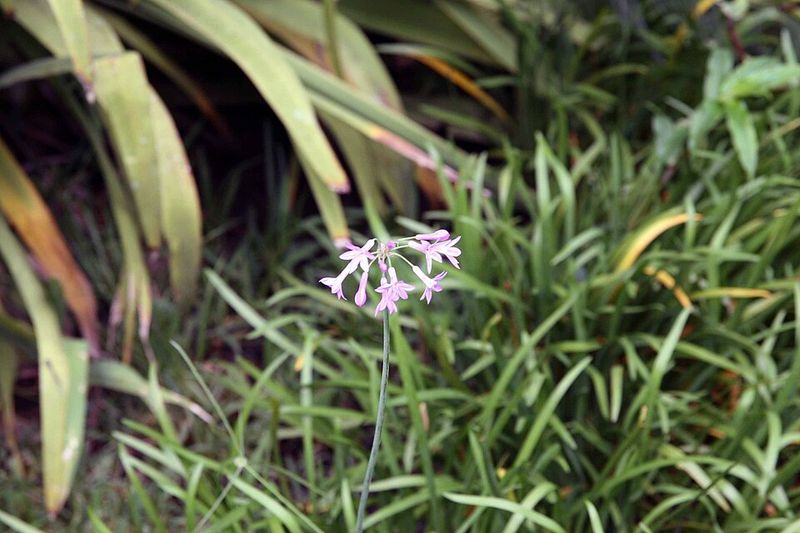
Once society garlic settles in, it is surprisingly easy to divide and spread around the yard. In Georgia, the best time is usually early spring or early fall, when temperatures are gentler and roots can recover quickly.
A healthy clump can give you several new starts without much fuss.
Lift the plant, pull apart smaller sections, and replant them at the same depth in loosened soil. Water them in well, then let them ease into their new spot.
It is one of the simplest ways to turn one favorite plant into a repeating ribbon of purple.
Why It Fits So Naturally Into Busy Georgia Landscapes
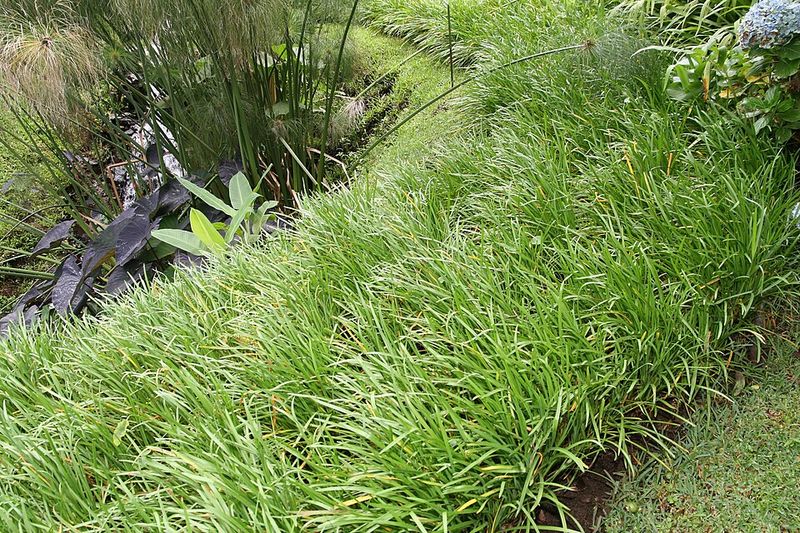
Another reason Georgia gardeners stay loyal to society garlic is how neatly it fits into busy, real life landscapes. It does not beg for constant deadheading, dramatic pruning, or endless watering.
That alone makes it feel like a plant you can actually live with.
It works beautifully along walkways, near mailboxes, or beside sunny patios where you want color without extra chores. The grassy foliage stays tidy, and the flowers arrive in soft waves through the warm season.
When a garden needs to look good without becoming a weekend project, this plant keeps earning its place year after year.