
10 Heat-Resistant Plants That Stay Vibrant In Georgia Through August
Follow us on Google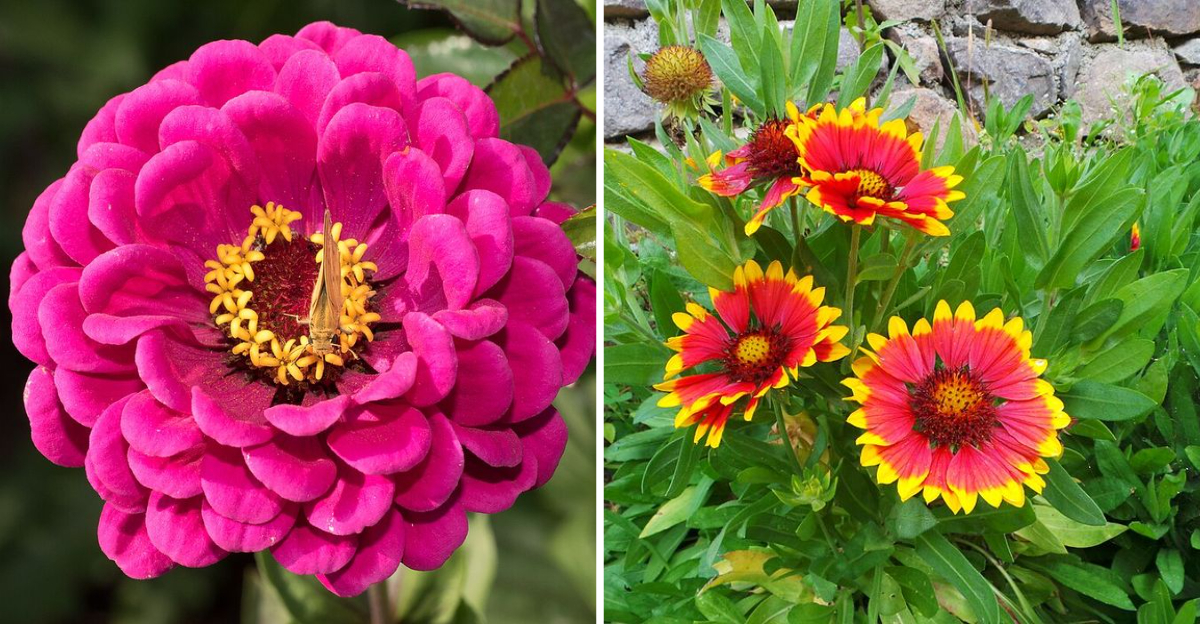
Georgia summers do not play around, and by August, many gardens look tired, bleached, and ready to quit. The good news is that plenty of plants actually love the same heat and humidity that wear people out.
If you want beds, borders, and containers that still look alive when the forecast stays stuck in the 90s, these reliable picks deserve a spot in your yard. Each one brings color, stamina, and a lot less midseason disappointment.
Lantana
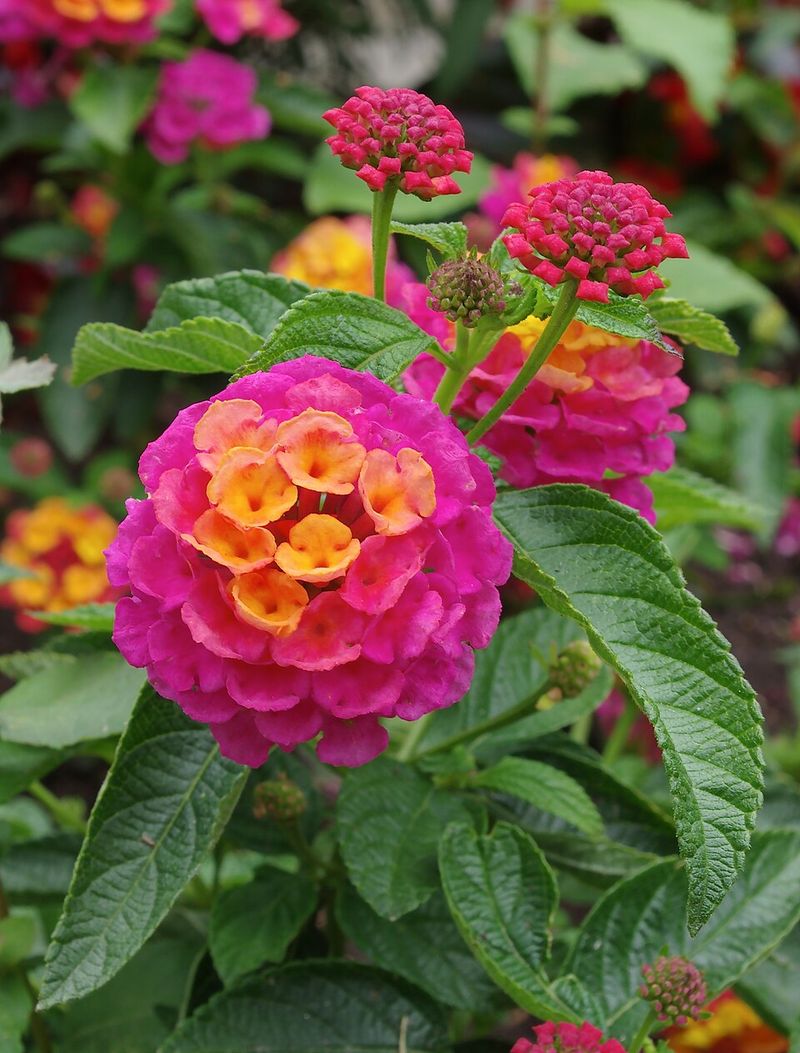
By late summer, few plants earn their keep as confidently as lantana. The flower clusters keep pushing out bright color in brutal sun, and the foliage usually stays neat even when the air feels heavy and still.
If your Georgia yard has a spot that bakes all afternoon, this one often looks happier there than in gentler conditions.
Good drainage matters more than pampering, so skip rich, soggy soil and choose a place that dries reasonably fast after rain. I like it in borders, mailbox beds, and large containers where the branching habit can spill a bit without looking messy.
Once established, it asks for less water than many flashy bloomers, which is useful during long hot stretches.
Deadheading is optional, but a light trim in midsummer can tighten the shape and trigger another strong flush of flowers. Butterflies adore it, so you get movement and pollinator activity without extra effort.
Pick sterile varieties if you want nonstop blooming with fewer berries, especially in small garden spaces where neatness matters.
For the longest show, plant it where airflow is decent and avoid overfeeding. Too much fertilizer can push leafy growth at the expense of flowers.
In return, you get a plant that still looks cheerful when many others have already given up.
Angelonia
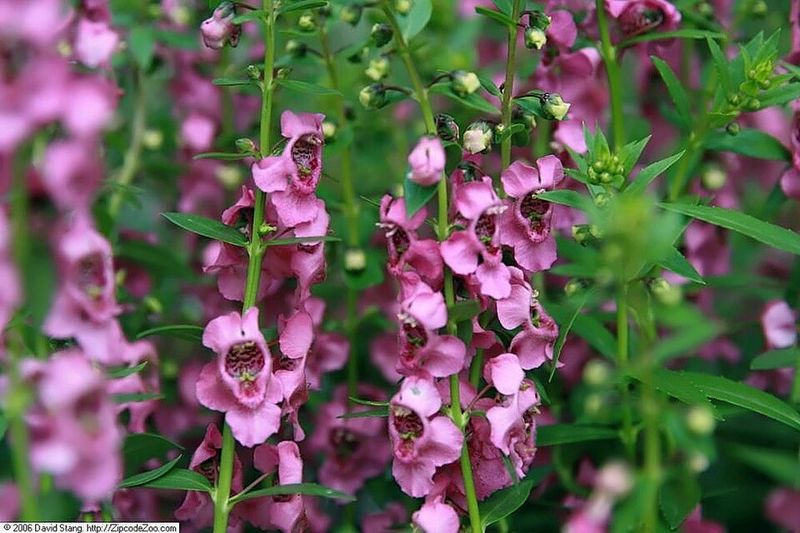
When summer beds need height without constant fussing, angelonia is one of the smartest choices you can make. Its upright flower spikes keep a clean, polished look through Georgia heat, and the blooms do not melt away after a single steamy week.
The overall effect feels tidy enough for formal borders but relaxed enough for casual cottage-style planting.
Full sun gives the strongest flowering, though it handles a little afternoon relief in the hottest parts of the state. I have seen it perform especially well in containers near driveways and patios, where reflected heat can roast fussier plants.
Because the stems stay fairly vertical, it mixes beautifully with mounding companions like calibrachoa or trailing sweet potato vine.
One reason gardeners stick with angelonia is that it rarely begs for deadheading. New flowers keep appearing along the stems, so maintenance stays pleasantly light during the busiest part of summer.
Water deeply while plants establish, then let the soil surface dry slightly between soakings to avoid root stress in humid conditions.
A midsummer haircut can refresh lanky growth and bring another burst of bloom before fall arrives. Look for purple, pink, white, or bicolor selections depending on your palette.
If you want a plant that stays composed in August instead of looking wrung out, this one delivers.
Pentas
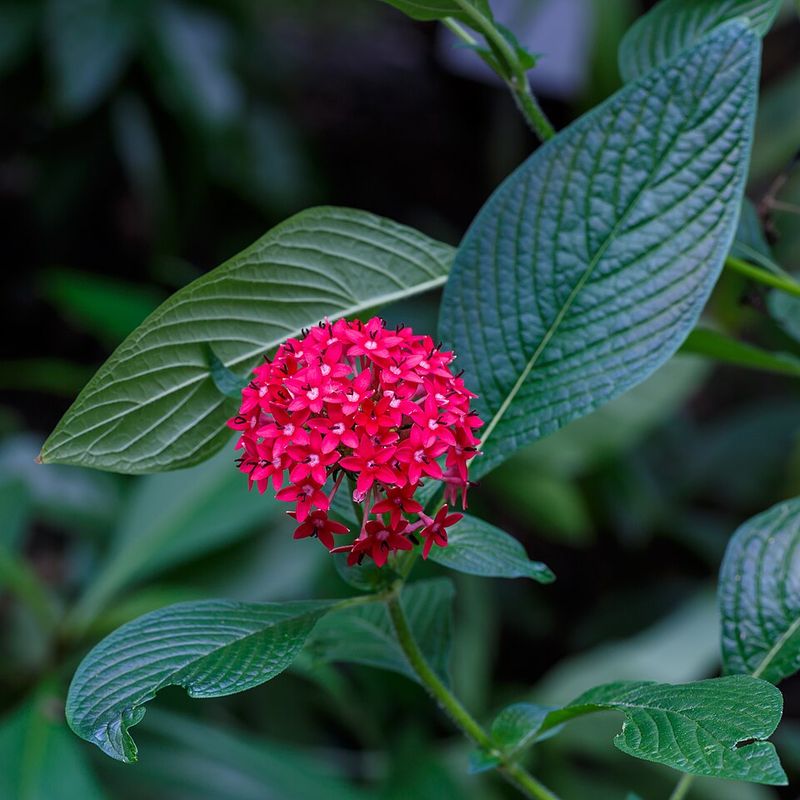
Few warm-season flowers work harder for pollinators than pentas, especially when August heat settles over Georgia like a heavy blanket. The star-shaped blooms come in generous clusters and hold their color better than many annuals that fade by midsummer.
If you want butterflies without building your whole garden around native perennials, this is an easy way to start.
Sun is the secret, so give pentas at least six hours of direct light for the best flower production. In rich containers or amended beds, they grow fast and fill out nicely, which makes them useful for patching tired spaces after spring flowers fade.
I like grouping several of the same color together because the larger blocks look bolder from the street.
Regular watering helps during establishment, but once roots spread, pentas handle heat with impressive calm. Removing spent flower heads can keep plants looking sharper, though many modern varieties continue blooming without much intervention.
Their steady nectar supply turns porches and front walks into little butterfly stations all season long.
Choose red, rose, lavender, or white depending on the mood you want, and do not be shy about using them in containers. They pair especially well with coleus and ornamental grasses.
For gardeners tired of annuals that stall in July, pentas often feel refreshingly dependable.
Zinnia
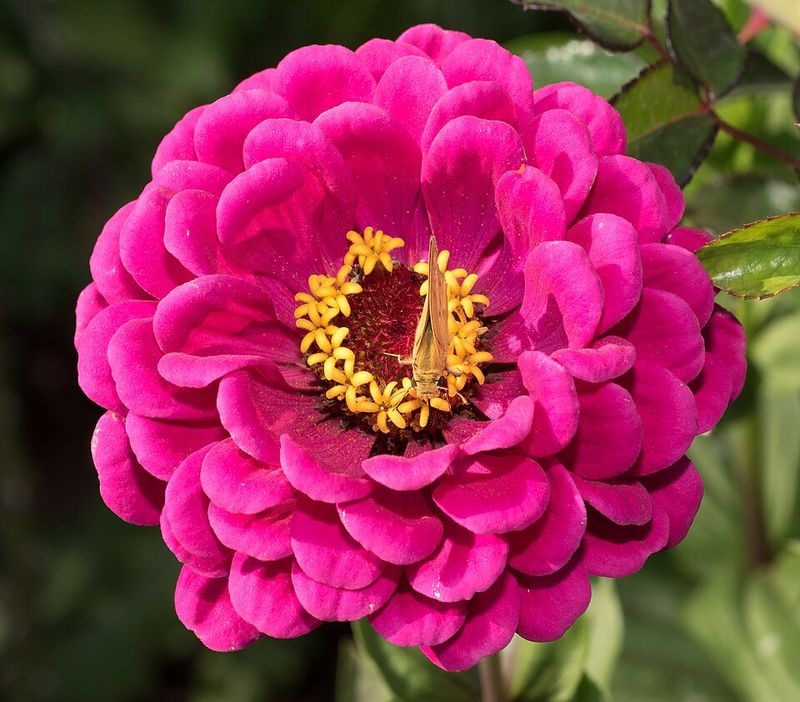
Big summer color feels easy when zinnias are part of the plan. These cheerful bloomers thrive in heat, and they bring the kind of bold reds, oranges, pinks, and yellows that still read clearly from across the yard.
In Georgia, they are especially useful for gardeners who want both landscape color and armfuls of cut flowers.
Airflow is the detail that makes the biggest difference, so avoid cramming plants too tightly together. Good spacing helps leaves dry faster after rain and lowers disease pressure during humid weather, which matters a lot in southern summers.
I usually choose a spot with full sun from morning through late afternoon because stronger light means sturdier stems and better flowering.
Cutting blooms often actually improves the display by encouraging more branching and fresh buds. If you leave some flowers to mature, goldfinches may visit the seed heads later, adding another layer of garden interest.
Shorter varieties shine in containers and front edges, while taller selections make excellent back-of-border performers.
Water at the base instead of overhead whenever possible, and remove tired leaves promptly if mildew appears. Newer disease-resistant lines can help if zinnias have struggled for you before.
For a garden that still looks lively through August, few annuals match their energy and flower power.
Autumn Sage
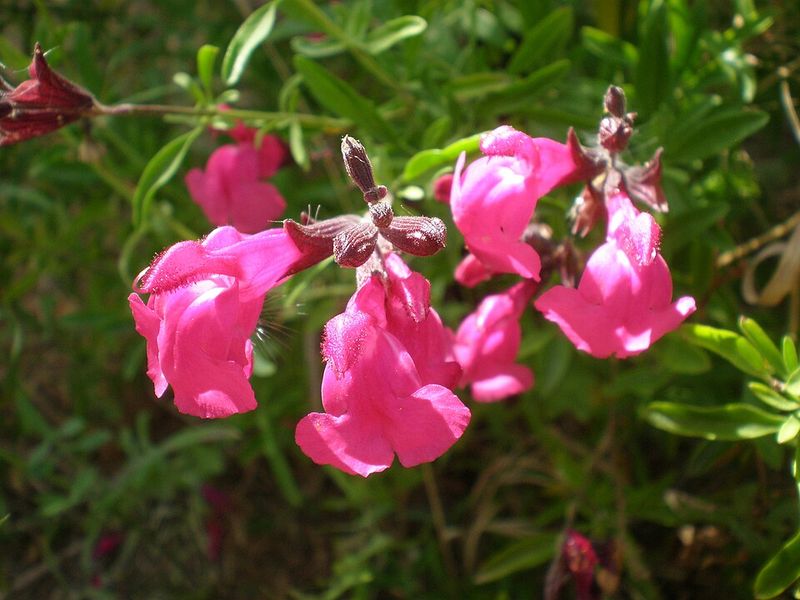
Heat can make many flowering perennials sulk, but autumn sage usually keeps right on performing. This small shrubby salvia offers bright tubular blooms that hummingbirds notice quickly, and the plant stays attractive without asking for constant rescue.
In Georgia gardens with leaner soil and all-day sun, it often proves far tougher than its delicate flowers suggest.
Drainage is critical, so choose a raised bed, slope, or spot where water never lingers for long after storms. Heavy clay can be improved with grit and compost, but planting slightly high also helps keep the crown from sitting wet.
I like using it near walkways because the aromatic foliage releases a pleasant scent when brushed.
Red is the classic color, though coral, pink, purple, and white forms are easy to find now. A light trim after the first major flush encourages denser growth and another round of bloom before cooler weather arrives.
It also keeps the plant from getting woody or sparse in the center.
Once established, autumn sage is notably drought tolerant, which makes it a practical choice for busy gardeners. Do not overfeed it, because rich conditions can produce floppy growth.
If your summer border needs a compact plant that handles heat with confidence, this one is worth every square foot.
Purple Coneflower
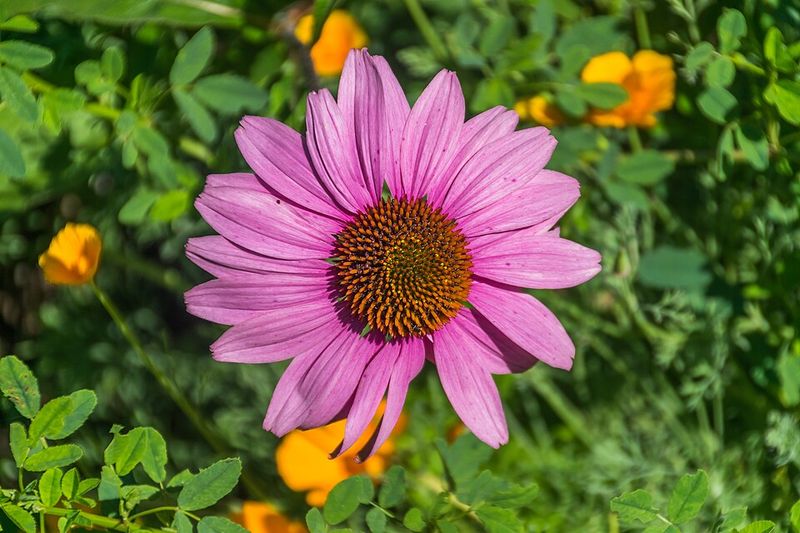
Late summer gardens need plants with staying power, and purple coneflower brings exactly that. The sturdy stems hold daisy-like blooms above rough foliage, creating color that feels natural rather than overly polished.
In Georgia, it handles heat well once established and adds a relaxed prairie look that blends easily with grasses and other perennials.
Full sun is best, although a little afternoon shade can be helpful in the hottest inland sites. The roots prefer well-drained soil, and plants generally settle in faster when they are not forced into soggy ground.
I often recommend planting them in drifts, because single plants can disappear visually while a grouped planting makes a stronger statement.
Pollinators visit constantly, and if you leave the seed heads standing, birds may show up later too. Deadheading can extend the bloom period, but some gardeners prefer to keep the cones for texture and wildlife value.
Either approach works, so you can tailor the maintenance to how tidy you want the bed to look.
New cultivars offer white, orange, and deeper pink shades, though the classic purple remains the easiest fit in mixed borders. Water regularly during the first season, then back off as roots deepen.
For dependable summer color with ecological benefits, coneflower earns its place every year.
Black-Eyed Susan
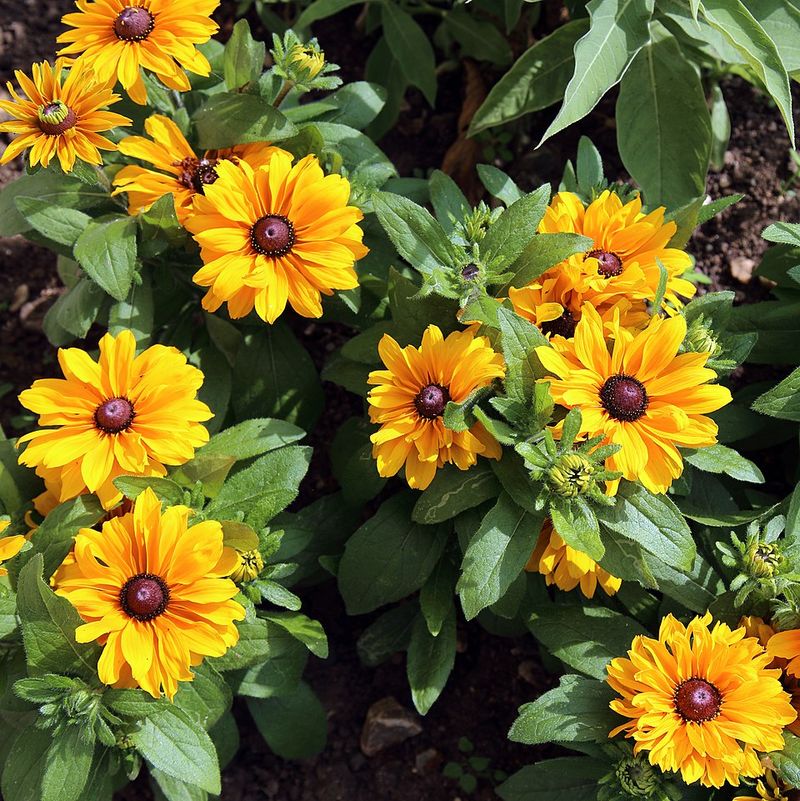
Golden petals can brighten a tired border fast, and black-eyed Susan does that job with almost no drama. The sunny blooms stand up well to heat, and their dark centers add enough contrast to keep the display from looking flat.
In Georgia, this perennial often carries the garden through the toughest weeks of summer when other flowers start fading.
Choose a site with full sun and decent drainage, then give young plants regular water until they root in well. After that, they are fairly forgiving, especially in established beds where mulch helps moderate soil moisture.
I like pairing them with ornamental grasses and purple flowers because the color contrast feels crisp instead of chaotic.
Removing spent blooms can keep the show going longer, but leaving a few seed heads adds texture and supports wildlife. The clumps slowly expand, so they are useful for filling gaps without becoming a maintenance headache right away.
If a plant gets floppy in richer soil, a Chelsea chop in late spring can produce sturdier, bushier growth.
Some varieties behave as short-lived perennials, while others reseed gently and keep the display going year after year. That flexibility makes them practical for gardeners who want reliability without rigidity.
For bright August color that still looks at home in a southern landscape, black-eyed Susan is hard to beat.
Blanket Flower
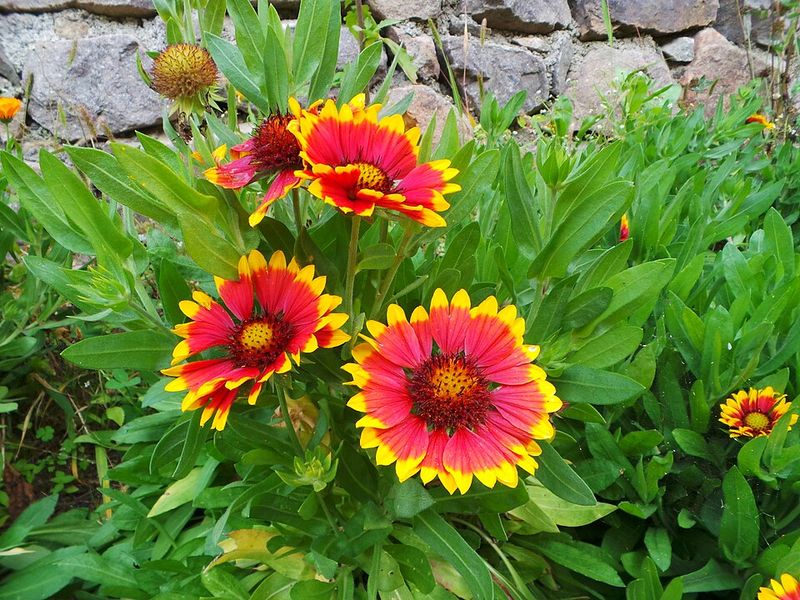
Hot, sunny spots that punish softer plants are exactly where blanket flower tends to shine. The red and yellow blooms look almost painted, and they keep coming when the soil is lean and the weather turns punishing.
If you have a bed near pavement or a south-facing slope, this is the kind of plant that can make the space feel intentional instead of difficult.
Too much moisture is usually a bigger problem than too little, so drainage should be your first concern. Sandy or gravelly soil suits it beautifully, and raised beds often help in heavier Georgia clay.
I have found that blanket flower performs best when gardeners resist the urge to overwater or overfertilize.
Deadheading extends bloom, but even without constant cleanup, it usually keeps enough flowers open to stay attractive. The mounded habit works nicely at the front of borders, and the warm tones pair especially well with blue salvia or silvery foliage.
Pollinators appreciate it too, which adds practical value beyond the color show.
Some plants can get short-lived if crowns stay wet through winter, so proper siting really matters. In exchange, you get months of cheerful color through the worst of summer.
For anyone dealing with a blazing Georgia planting bed, blanket flower is a smart and resilient solution.
Vinca
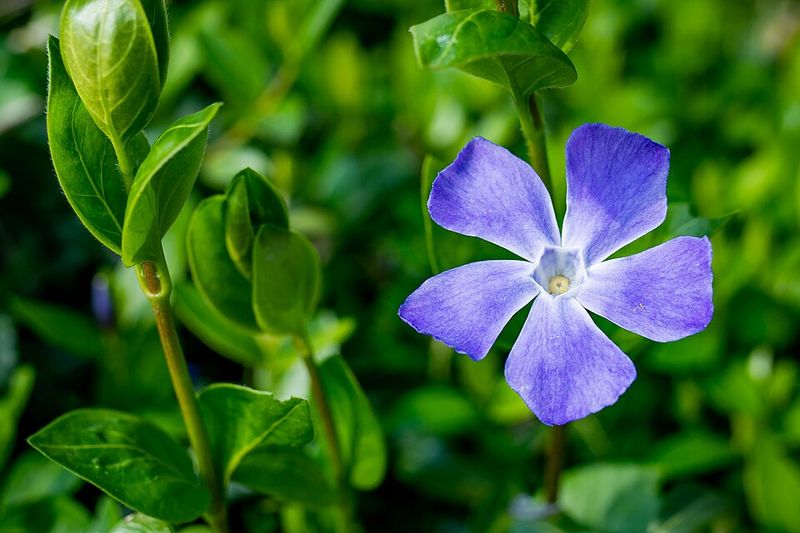
For nonstop color in places that feel like an oven by afternoon, annual vinca is hard to overlook. The glossy foliage stays cleaner than many bedding plants in humid weather, and the flowers keep appearing through long stretches of heat.
In Georgia landscapes, it is one of those reliable annuals that can rescue a front bed after petunias or pansies fade.
Sun is essential, and drainage matters just as much, especially in containers where soggy potting mix can cause trouble fast. Let the soil dry slightly between waterings instead of keeping it constantly damp.
I usually recommend planting vinca where sprinklers will not hit the foliage every evening, because dry leaves help avoid disease issues.
Modern varieties come in white, blush, rose, red, lavender, and bicolors, with compact or trailing habits depending on the series. That range makes it easy to use in formal foundation beds, porch pots, or simple curbside plantings.
It also flowers without much deadheading, which is a real advantage during the hottest part of the season.
Feed lightly, avoid crowding, and do not baby it too much. Vinca tends to perform best when conditions are bright, warm, and not overly wet.
If you want an August garden that still looks freshly planted, this annual has the stamina to make that happen.
Canna Lily
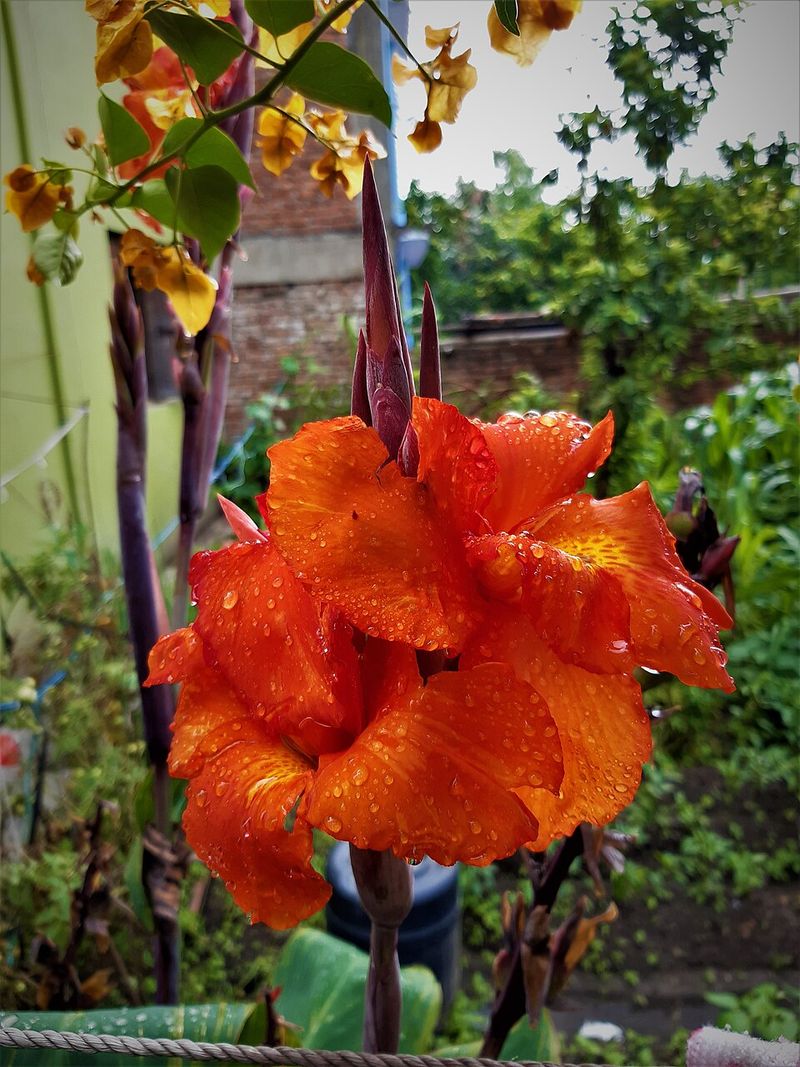
Bold foliage can carry a garden even when flowers pause, and canna lily does both beautifully. The broad leaves bring a tropical look that feels right at home in Georgia humidity, while the bright blooms add flashes of red, orange, yellow, or pink above the foliage.
If your yard needs a strong visual anchor through August, canna earns attention fast.
Rich soil and regular moisture help it grow quickly, but established plants still handle heat with impressive ease. Unlike drought specialists, this one looks best when it does not dry out completely, so it is a strong fit near downspouts, pond edges, or irrigated beds.
I like using cannas behind lower flowers because their height creates structure without needing a shrub.
Removing spent stalks keeps the planting cleaner and encourages fresh growth from the rhizomes. The leaves can tear in very windy sites, so a somewhat sheltered location gives the best appearance.
Varieties with dark bronze or striped foliage add extra interest even when fewer flowers are open.
In colder parts of Georgia, mulch heavily or lift rhizomes if winter protection is needed for tender types. Through summer, though, this plant rarely seems bothered by the heat that knocks others back.
For gardeners craving dramatic texture and dependable late-season color, canna is a standout choice.