
11 Flowering Vines That Transform Plain Backyard Fences In Florida
Follow us on Google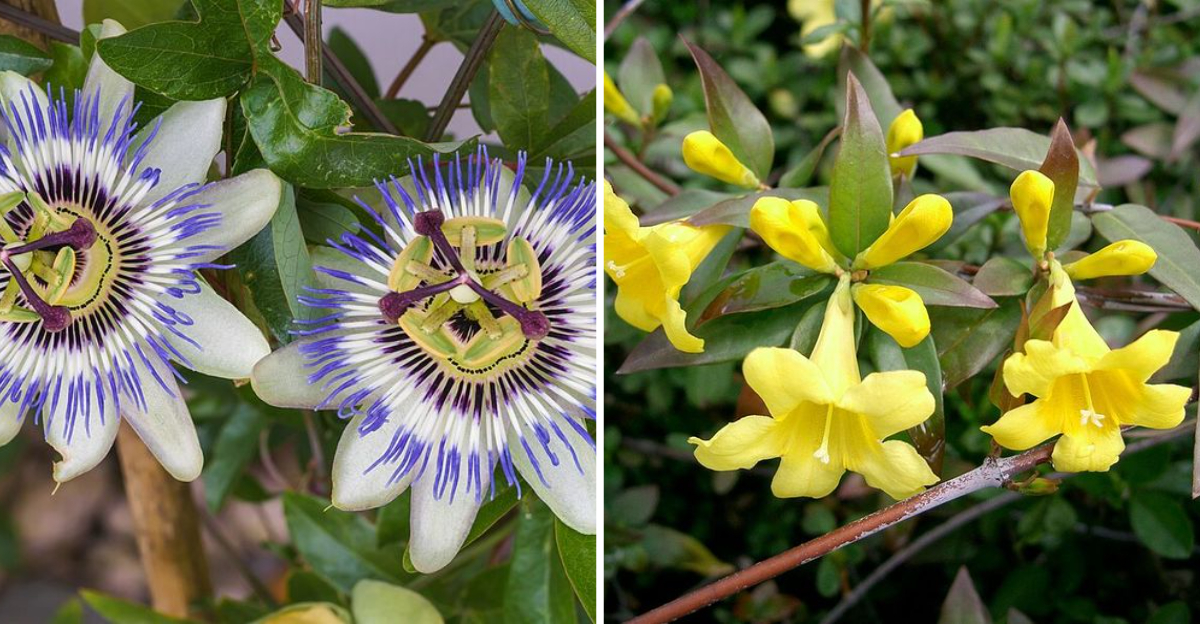
A bare backyard fence can make even a sunny Florida garden feel unfinished. The right flowering vine adds color, privacy, and that soft layered look that fences usually lack.
Florida’s heat, humidity, and long growing season give many vines a real chance to shine, but picking the right one matters. Here are the flowering climbers I would seriously consider if you want a fence that looks vibrant for more than just a few weeks.
Confederate Jasmine
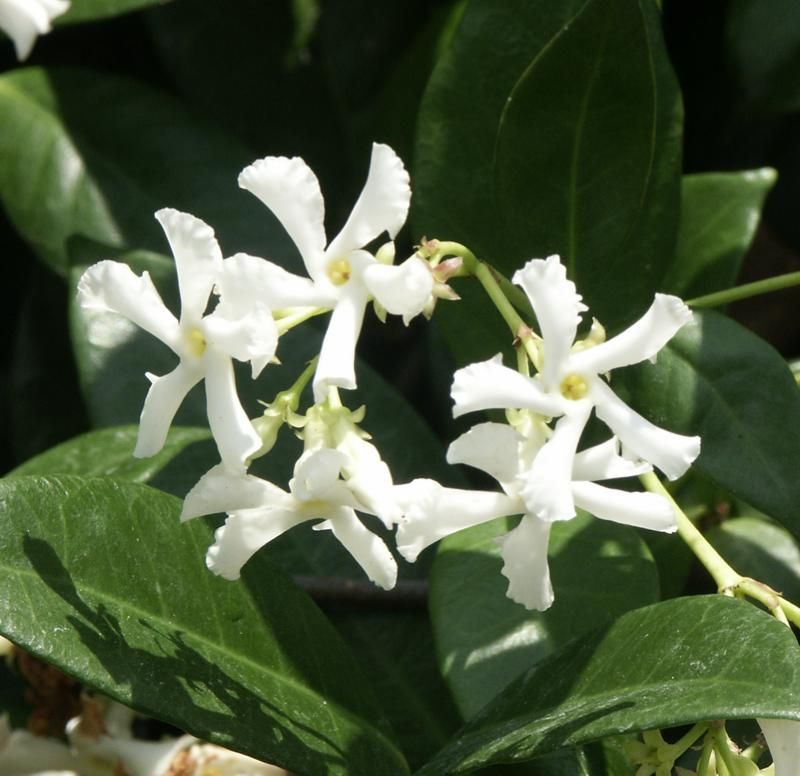
If you want a fence vine that looks polished without acting fussy, this one earns a spot fast. The bright white flowers stand out beautifully against dark fencing, and the sweet fragrance drifts across the yard in spring evenings.
In Florida, that scent can make a simple patio dinner feel far more memorable.
It handles heat well, stays evergreen in much of the state, and gives you dense coverage once established. I like it most on fences near seating areas because the perfume is part of the appeal, not just the flowers.
Give it something sturdy to twine through, since mature growth can become surprisingly substantial.
Full sun to part shade works, though flowering is usually stronger with more direct light. Regular watering helps early on, but established plants are fairly resilient if your soil drains well.
A light trim after the main bloom cycle keeps the shape tidy and encourages branching where your fence still looks sparse.
One practical note matters in Florida yards: airflow. If the vine is packed too tightly against a solid fence, humidity can invite minor fungal issues.
Keep it thinned just enough to breathe, and you get a fragrant screen that feels refined instead of overgrown all season long.
Mandevilla
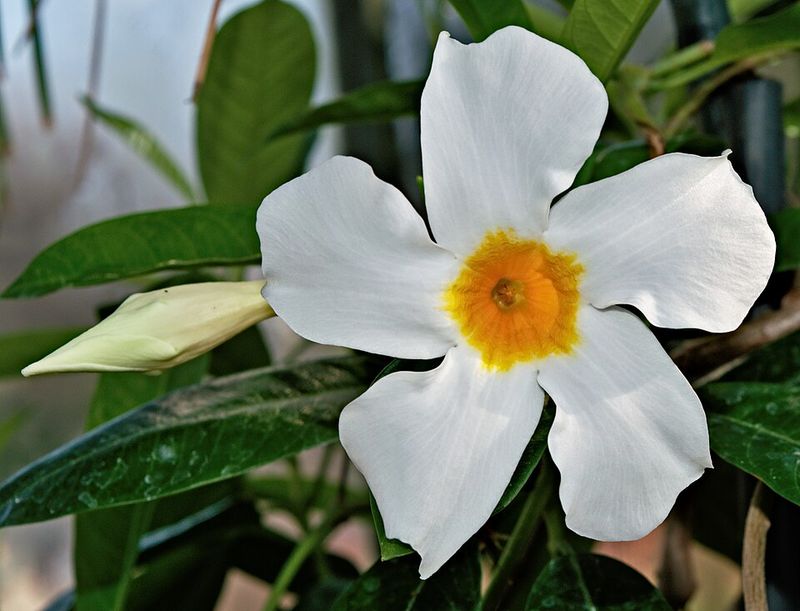
For bold color on a fence, few vines bring the same tropical energy. Large trumpet flowers in pink, red, or white keep showing up through warm weather, and the glossy foliage helps the plant look good even between bloom flushes.
Against a plain fence, that combination feels cheerful instead of flat.
This vine appreciates Florida’s warmth, but it performs best when you give it rich soil and steady moisture. I have seen it look incredible on a sunny fence line near a pool where the heat reflects back and encourages nonstop growth.
A simple trellis attached to the fence makes training easier, especially while the stems are still flexible.
Because it grows quickly, plan ahead for width and height instead of squeezing it into a narrow corner. Fertilizing during the active season helps produce more flowers, and deadheading keeps the display cleaner if spent blooms start to collect.
In frost-free parts of Florida, it can remain attractive for long stretches.
The main caution is cold. In central and north Florida, winter can knock it back, so treat it as seasonal beauty or protect it during cold snaps.
If you want a fence that reads bright, colorful, and unmistakably tropical, this choice delivers with very little subtlety.
Carolina Jessamine
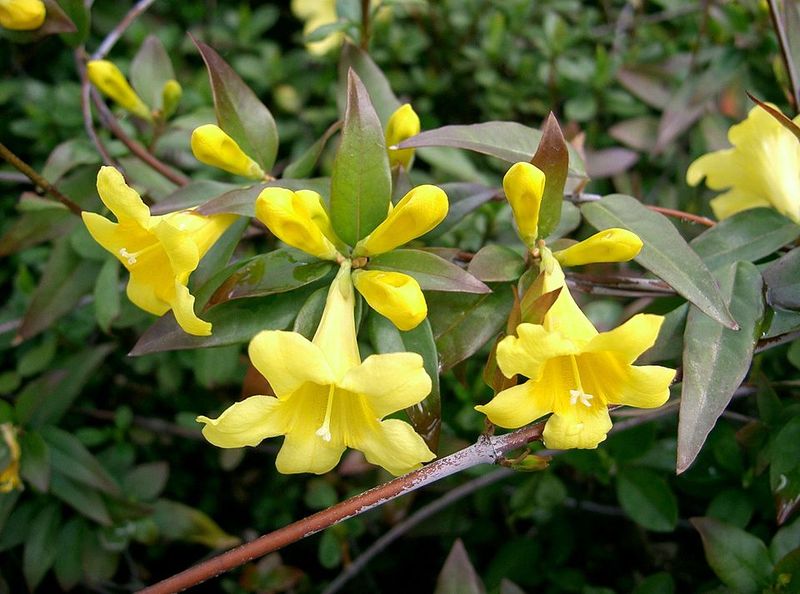
Early spring can make a Florida fence look tired after winter, which is exactly when this vine starts earning attention. The clear yellow trumpet flowers arrive in a wave that feels sunny and fresh, often before many other plants really get moving.
That timing gives your yard an instant seasonal lift.
It is a strong choice if you want dependable coverage without a lot of babysitting. Once established, it tolerates a range of conditions and climbs readily over chain-link, wire, or a support fastened to wood panels.
I especially like how the flowers glow in morning light, making even a basic fence line look more intentional.
Full sun usually gives the best bloom, but part shade is still workable in many Florida yards. Water regularly at first, then ease back as roots settle in and the plant becomes more self-sufficient.
Pruning after flowering keeps it from looking heavy at the top while the lower sections get bare.
One thing to remember is toxicity, so place it thoughtfully if curious pets or children spend time near the fence. Aside from that, it is an easy vine to appreciate.
You get cheerful spring color, evergreen foliage in many areas, and a softer backdrop for the rest of your garden.
Coral Honeysuckle
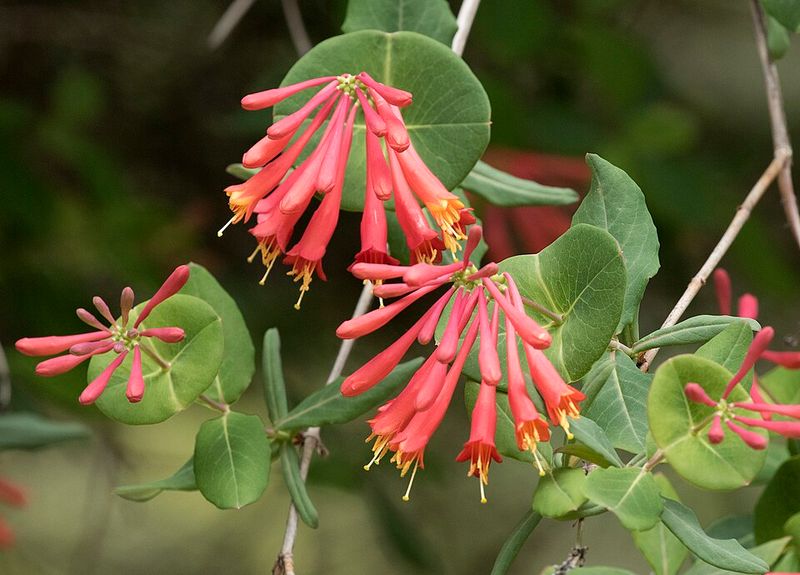
If attracting hummingbirds is part of the goal, this vine deserves your attention right away. The tubular flowers in coral, red, or orange tones bring movement to the fence line, and the plant has a relaxed native-garden charm that never feels stiff.
On a plain fence, those colors read warm and inviting.
Florida gardeners often appreciate plants that can handle heat without becoming constant maintenance projects. This one fits that need, especially when planted in well-drained soil and given a sturdy support system.
I like it on side-yard fences where you want privacy softened by flowers but still need room to pass through comfortably.
Blooming can continue across a long season, particularly if you lightly prune and remove tangled growth. Full sun encourages the best flowering, though some afternoon shade can be helpful in especially intense spots.
It is not usually as aggressively heavy as some vines, which makes it easier to manage on standard residential fencing.
Another reason it stands out is wildlife value. Hummingbirds notice it quickly, and butterflies may visit too, giving the space a livelier feel without extra effort from you.
If your fence needs color, texture, and a plant that feels connected to the region, this vine offers all three in a practical package.
Passionflower
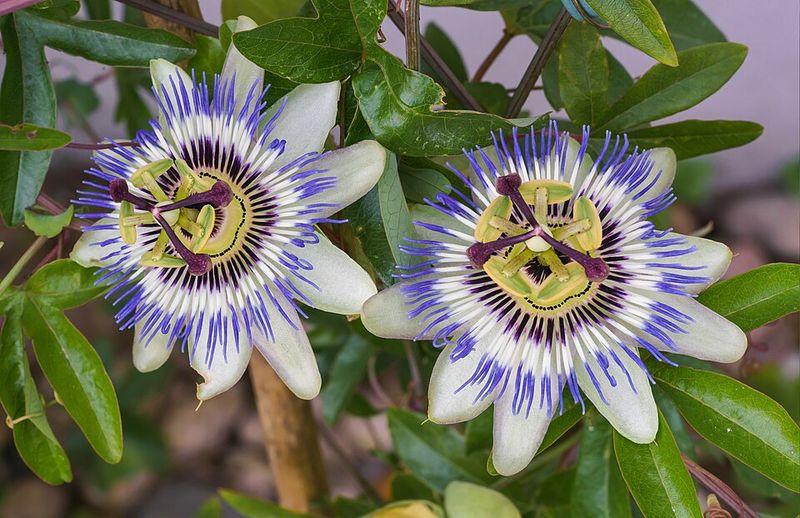
Some vines blend quietly into the background, but this one starts conversations. The flowers look almost unreal up close, with intricate purple, white, and blue details that give a fence dramatic visual interest.
If you want something that feels a little wild and artistic, this is a strong candidate.
Florida’s climate suits many passionflower varieties, and the fast growth can cover a bare section of fence in a surprisingly short time. I would place it where you can easily enjoy the blooms at eye level, because the details are half the fun.
Butterflies, especially gulf fritillaries, are another major bonus if you like a yard that feels active.
Give it full sun for best flowering and be ready to guide wandering tendrils back where you want them. It can spread enthusiastically, so occasional trimming keeps it from grabbing nearby shrubs, gates, or anything else within reach.
A strong fence support matters, since mature vines can become dense once they settle in.
Fruit on some types adds extra interest, though the ornamental flowers are usually the main attraction. The biggest practical tip is space management.
If you are comfortable editing growth now and then, you get one of the most distinctive flowering screens available for Florida backyards.
Bleeding Heart Vine
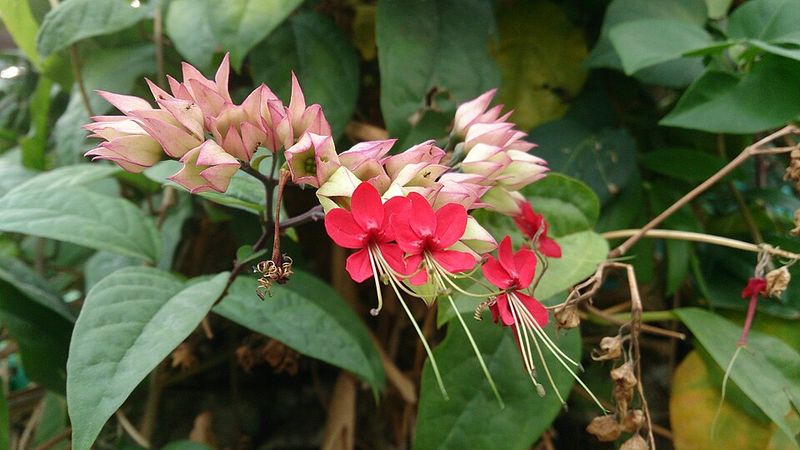
A shaded or partly shaded fence can be hard to dress up with flowers, which is why this vine feels so useful. The white bracts and deep red centers have a delicate, romantic look that stands out without shouting.
On darker fencing, the blooms almost glow from a distance.
This tropical vine appreciates Florida’s warmth and humidity, especially in the southern part of the state. I think it works best in a protected backyard where harsh afternoon sun is filtered and the soil stays evenly moist.
Given those conditions, it can create a soft, elegant curtain effect that makes a fence feel less harsh.
Because the stems twine and sprawl, support and occasional training make a big difference in how tidy it looks. Fertile soil and regular feeding during active growth encourage stronger blooming, and light pruning helps maintain shape after flower flushes.
If winter temperatures dip too low, it may slow down or suffer damage in cooler regions.
That said, many Florida gardeners are happy to give it a little extra attention because the flowers are so distinctive. It is not the vine for a neglected corner with blazing all-day sun.
For a fence near a patio, garden bench, or shaded side yard, it can look wonderfully refined.
Bougainvillea
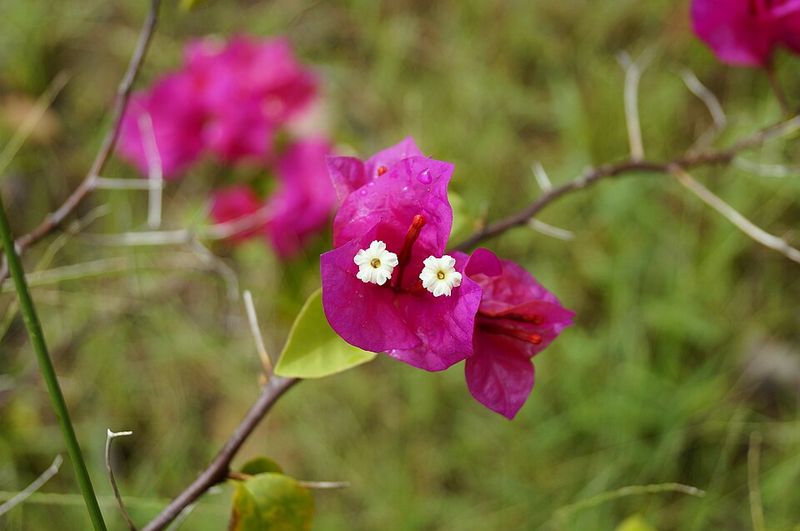
Color is the whole point here, and very few plants deliver it with this much confidence. The papery bracts in magenta, purple, red, orange, or white can make a fence impossible to ignore, especially in bright Florida sun.
If your yard needs a bold focal line, this vine-like climber gets there quickly.
It thrives in heat and appreciates conditions that would stress fussier plants. I would reserve it for a fence where you truly want a statement, because once it gets going, subtle is not part of the package.
Good drainage is essential, and too much water can reduce flowering while encouraging lots of leafy growth instead.
Training young stems early makes a huge difference, since older growth becomes woody and less cooperative. Prune with gloves because the thorns are no joke, especially around gates or narrow walkways where people brush past.
Full sun is nonnegotiable if you want the strongest color display.
In return for those practical considerations, you get a plant that handles Florida brightness better than many flowering vines ever could. It is especially effective on privacy fences that need height and drama.
Just place it thoughtfully, keep it shaped, and enjoy a fence line that reads vibrant from across the yard.
Clock Vine
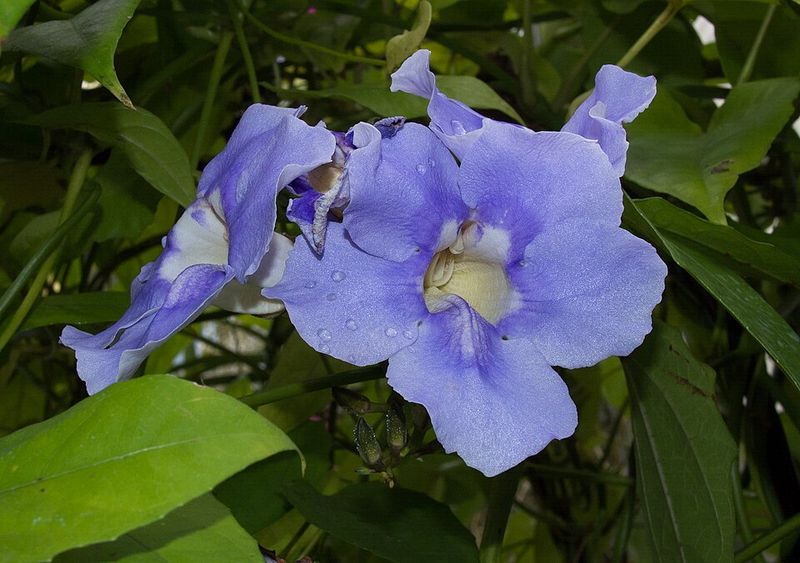
Big soft-purple blooms can change the feel of a fence almost overnight, and this vine brings exactly that effect. The flowers are broad, tropical-looking, and easy to notice from across the yard, while the heart-shaped leaves fill gaps quickly.
If your fence feels stark, this plant can soften it in a hurry.
Florida heat suits it well, and rapid growth makes it useful for screening views or adding seasonal color where coverage is missing. I like it on taller fences because the vine has enough vigor to climb and spread without looking skimpy.
A trellis or wire grid helps direct the stems so they cover evenly instead of bunching in one spot.
Regular water and fertile soil encourage the best performance, especially during the hottest stretches. In some areas, it can self-seed or grow quite assertively, so keeping an eye on wandering shoots is smart.
Light pruning also improves airflow, which matters in humid weather.
The flowers may not have the heavy perfume of jasmine, but their size creates strong visual impact. For homeowners who want quick results, that matters.
If you are trying to disguise an ordinary fence before entertaining guests or simply want a more tropical backdrop, this vine gives you fast, noticeable payoff.
Black-Eyed Susan Vine
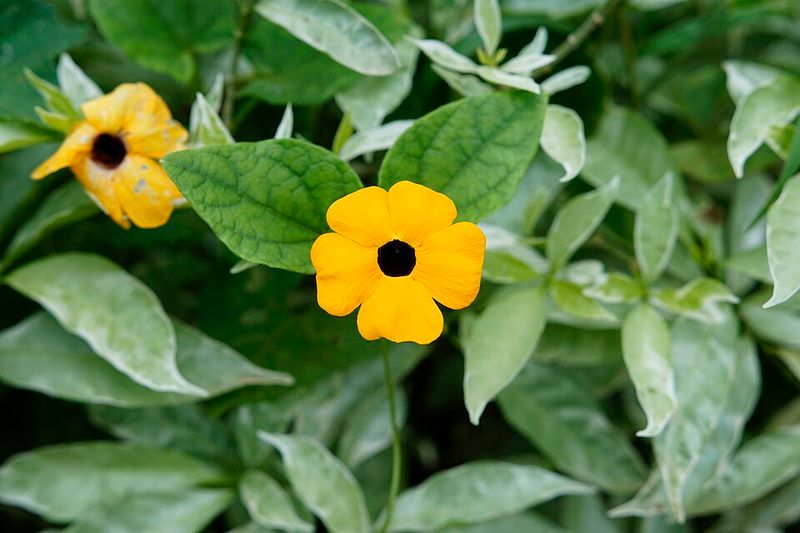
Not every fence needs a heavy permanent vine to look better. Sometimes a lighter, faster, more cheerful climber is the smarter choice, and this one fits that role beautifully.
The orange, yellow, or cream flowers with dark centers create a bright, friendly look that works especially well in casual backyard spaces.
In Florida, it often grows quickly enough to cover a section of fence in one warm season. I would use it where you want color near a vegetable bed, small patio, or play area because the overall effect feels energetic and approachable.
It is also easier to manage than some larger woody vines that can overwhelm a modest yard.
Give it sun to part shade, consistent moisture, and a support it can twine around easily. Feeding during active growth helps maintain flowering, and pinching back stems can encourage a fuller look rather than a few long runners.
In frost-free areas, it may persist longer, but many gardeners enjoy it as a seasonal performer.
That seasonal flexibility is actually part of the appeal. You can refresh the look of a fence without committing to a giant long-term plant.
For renters, new gardeners, or anyone testing different backyard styles, it offers color and coverage with less pressure.
Pandorea
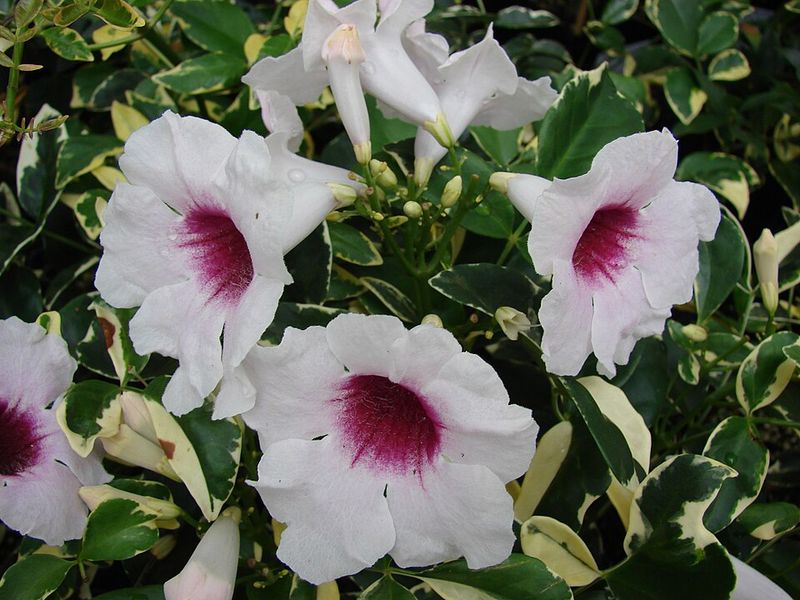
Some flowering vines lean wild, but this one feels a bit more tailored. The trumpet-shaped pink blooms and neat foliage can make a fence look intentionally designed rather than simply covered.
If you prefer a cleaner landscape style, that balanced look is a major advantage.
Florida’s warmth gives pandorea a good growing environment, especially in sunny spots with decent drainage. I have seen it used effectively along long boundary fences where homeowners want floral interest without the heavy, tangled appearance of more aggressive vines.
It climbs well with support and tends to present a more controlled silhouette when pruned regularly.
Steady water during establishment helps, though mature plants cope better once roots are developed. A feeding schedule during the growing season can improve blooming, and trimming after major flower cycles keeps the plant from getting leggy.
If your fence backs up to a pool deck or outdoor dining space, its elegant flowers suit that setting nicely.
The overall effect is refined rather than flashy, which is not always easy to find in heat-tolerant flowering climbers. It still offers enough color to break up a plain fence, just in a calmer way.
For a backyard that aims for polished and relaxed at the same time, pandorea is worth serious consideration.
Allamanda
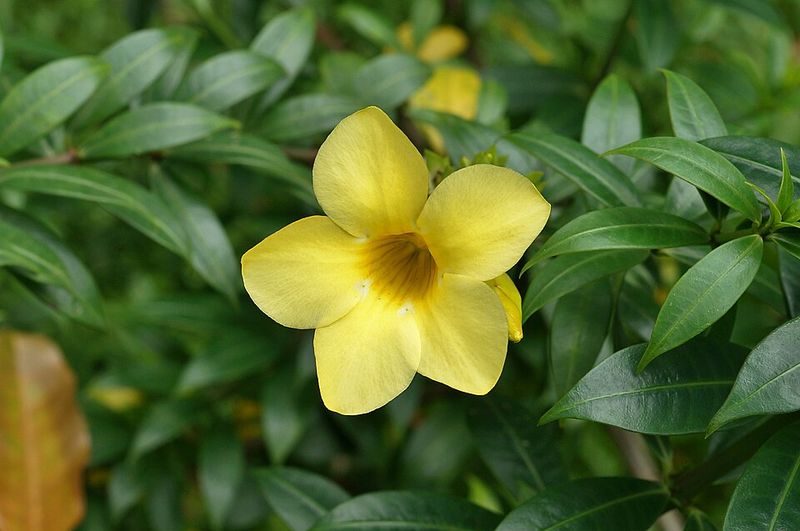
Golden yellow flowers can wake up a fence faster than almost any neutral landscaping element around it. This tropical climber produces large trumpet blooms that feel sunny and high-energy, especially against dark wood or vinyl panels.
In Florida, that bright color looks completely at home through long warm months.
It prefers heat, humidity, and plenty of sun, which makes much of the state a natural fit. I would use it where you want the fence to act as a backdrop for a tropical planting scheme with palms, crotons, or broad-leaf shrubs nearby.
The glossy foliage helps maintain a full look, even when flower production pauses between flushes.
Because it can become vigorous, support and routine shaping are important. Well-drained soil matters, and consistent moisture during establishment helps the plant settle in before it starts pushing stronger top growth.
Pruning also keeps the display at a practical depth so it does not swallow narrow pathways or utility areas.
One caution is that all parts are considered toxic, so placement deserves thought around pets and children. Aside from that, it is a dependable choice for gardeners who want strong color and a tropical mood.
If your fence currently disappears into the background, allamanda makes it much harder to ignore.