
15 Perennials That Bring Reliable Color To Pennsylvania Gardens Year After Year
Follow us on Google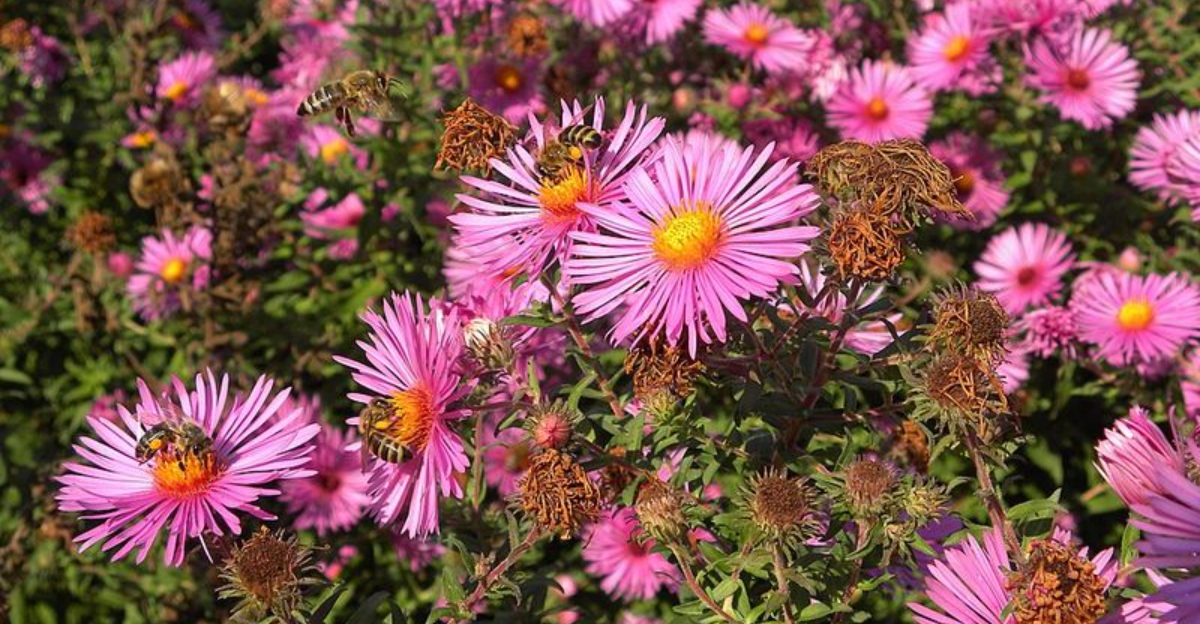
A Pennsylvania garden has to handle cold winters, humid summers, surprise dry spells, and the occasional stretch of heavy rain. That is exactly why dependable perennials earn their space – they return, settle in, and keep the color coming without making you replant every spring.
If you want beds that look lively from early spring through fall, these proven picks can help you build a garden that feels full, steady, and easy to enjoy year after year.
Black-Eyed Susan
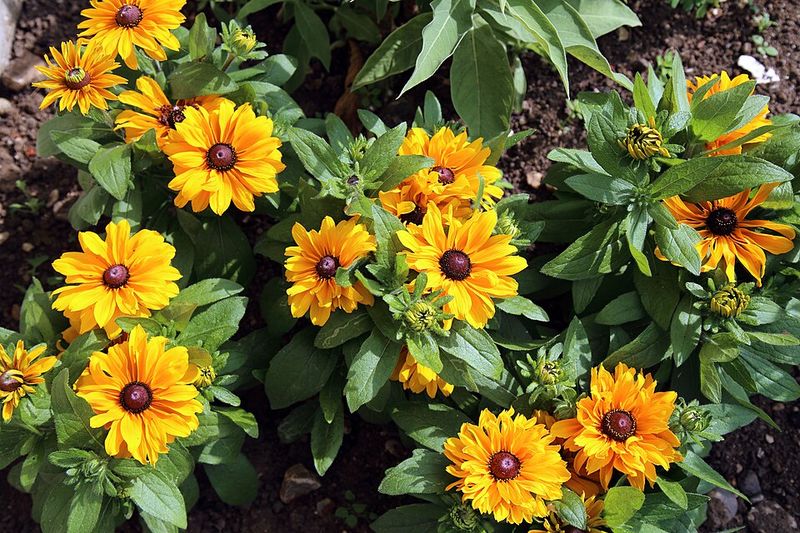
Few flowers work harder in a Pennsylvania garden than this bright late summer favorite. You get cheerful golden petals, sturdy stems, and a long bloom season that carries beds through the hottest stretch of the year when other plants begin to look tired.
That kind of dependability matters when you want color without constant fuss.
Full sun gives the best flowering, and average soil is usually enough once plants are established. I like to deadhead early flushes if you want a tidier display, but leaving some spent blooms in place later can feed birds and keep the planting looking natural.
Clumps also handle heat and brief dry periods with surprisingly little complaint.
Pairing these sunny blooms with purple asters, blue salvia, or ornamental grasses creates the kind of contrast that makes a border feel intentional. You can tuck them into a mailbox bed, a cutting garden, or a wide foundation border and still get that same reliable pop.
Their informal look fits especially well in relaxed, family style yards.
Every few years, divide crowded clumps in spring or early fall to keep flowering strong. Deer may browse young growth now and then, but established plants usually bounce back quickly.
If you want a no nonsense perennial that keeps showing up beautifully, this one earns its place.
Purple Coneflower
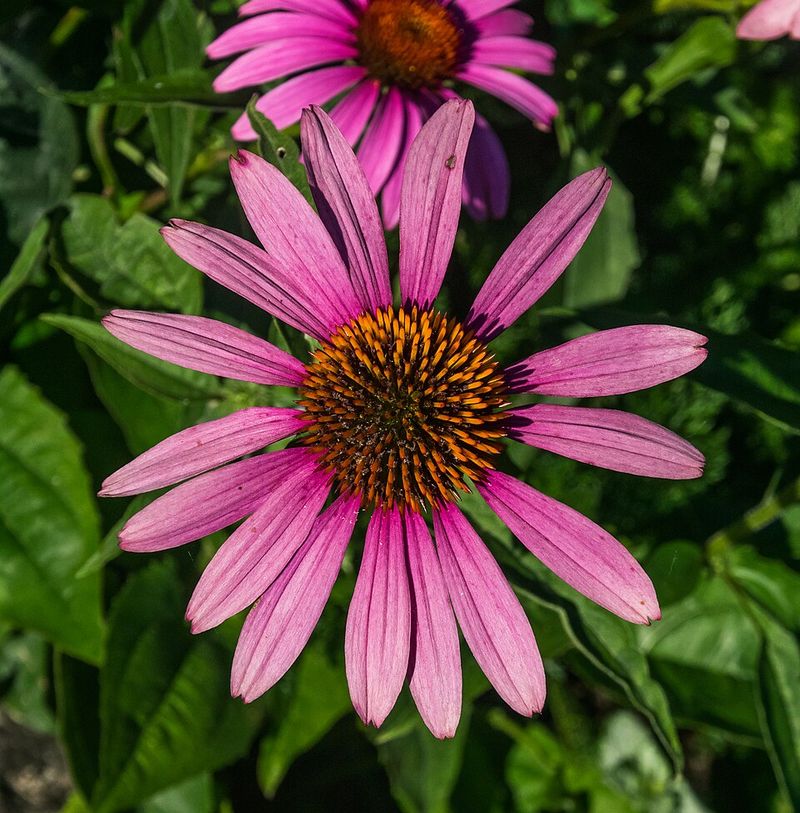
Long after spring flowers fade, this sturdy native keeps a Pennsylvania border looking lively with upright stems and rosy purple blooms. The raised centers add texture even from a distance, and butterflies treat the flowers like a favorite lunch stop.
You end up with a plant that looks good and helps the garden feel more alive.
Full sun is the sweet spot, though a little afternoon shade can help in hotter parts of the state. Well drained soil matters more than rich soil, and once roots settle in, drought tolerance becomes one of its best traits.
That makes it a practical choice for gardeners who do not want to drag hoses around every dry week.
Mixing these flowers with black-eyed Susans, switchgrass, or catmint gives you a relaxed prairie style look without losing structure. Seed heads stay attractive into fall and winter, so there is no rush to cut everything back.
I usually leave them standing for birds, then clean up in early spring when new growth appears.
Clumps slowly expand without becoming unruly, which is useful in medium sized beds. If a planting starts to thin after several seasons, dividing or letting seedlings fill nearby gaps can refresh the display.
For color that lasts and a look that feels effortlessly natural, few choices are more dependable.
Bee Balm
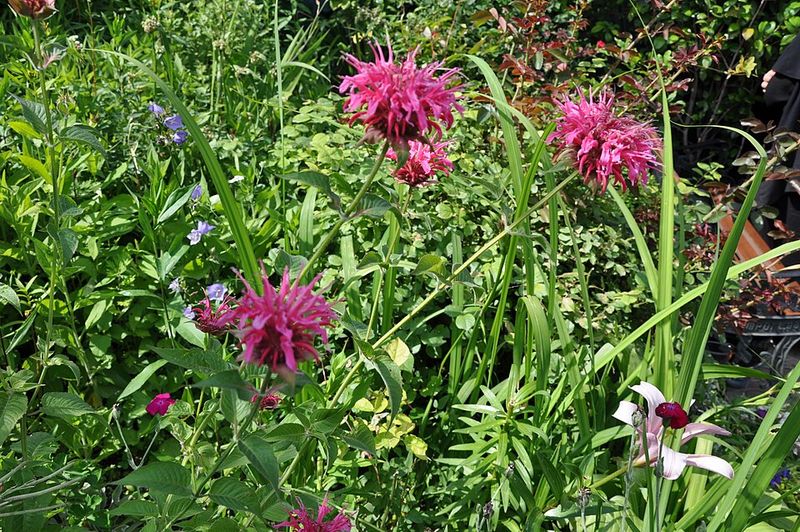
Bold color and pollinator activity arrive at the same time with this summer standout. The spiky, firework shaped blooms pull in hummingbirds, bees, and butterflies so quickly that even a small planting feels busy and animated.
If your beds need energy in midsummer, this perennial does the job fast.
Good air circulation helps keep foliage healthier in Pennsylvania’s humid weather, so spacing matters more than many people realize. A spot with full sun to light shade works well, especially if the soil stays evenly moist but not soggy.
Mulch can help roots stay cool while reducing the stress that sometimes leads to mildew.
Colors range from red and pink to lavender, giving you flexibility in both cottage style beds and more natural pollinator borders. I like planting it near phlox, coneflower, and native grasses so the flower shapes feel varied rather than repetitive.
Even when blooms finish, the upright habit still adds presence.
Dividing every few years keeps clumps vigorous and prevents crowded centers from fading out. Cutting spent flowers can encourage a neater appearance, though many gardeners leave some seed heads for seasonal texture.
When you want a perennial that earns attention from both people and wildlife, this is an easy one to trust.
Daylily
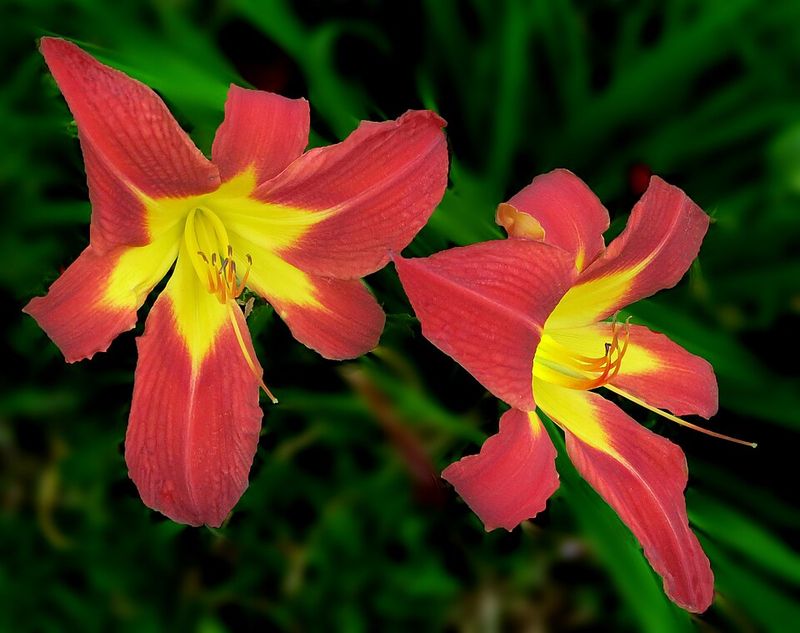
Reliable color gets much easier when you plant something that can handle less than perfect conditions. These hardy bloomers shrug off many of the everyday problems that frustrate busy gardeners, from uneven watering to ordinary soil.
The flowers may last only a day each, but the buds keep coming in generous waves.
Sun brings the strongest flowering, though many varieties still perform well with a little afternoon shade. Pennsylvania gardeners often appreciate how quickly clumps fill in and cover bare ground with graceful strappy foliage.
That leafy mound also helps beds look finished even before the first buds open.
There is a daylily for nearly every color scheme, from buttery yellow and tangerine to burgundy, pink, and near cream. I like using repeat blooming cultivars near patios or walkways where the details are easy to enjoy up close.
Taller kinds also work beautifully toward the middle of a mixed border with salvia, coreopsis, or asters.
Divide crowded clumps every few years if blooms start to decrease or the center becomes sparse. Removing spent flower stalks tidies the plant, but overall maintenance stays refreshingly light.
For anyone who wants dependable summer color without babysitting every plant in the yard, this perennial remains one of the smartest choices around.
Garden Phlox
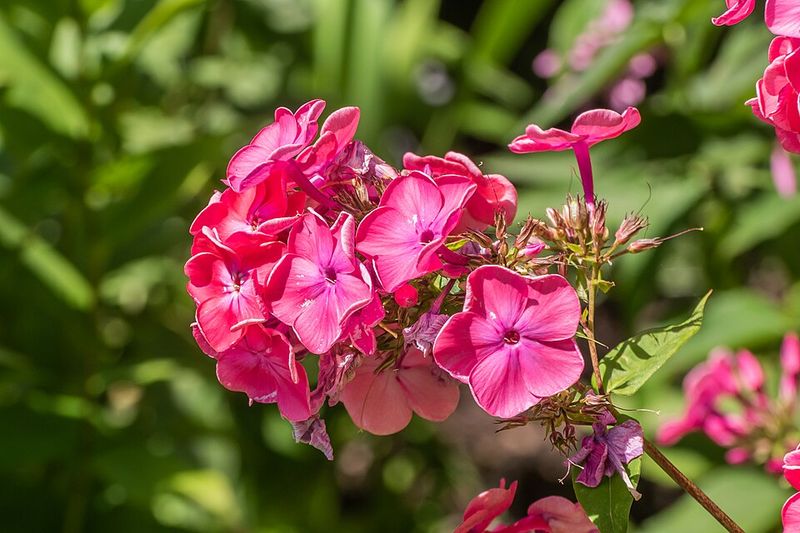
Height, fragrance, and strong midsummer color make this perennial feel generous in the garden. Those large flower clusters stand above neighboring plants and brighten borders right when early summer performers are winding down.
A single clump can make a bed look more substantial almost overnight.
Pennsylvania’s humidity means variety selection matters, so choosing mildew resistant cultivars is one of the smartest moves you can make. Full sun encourages better flowering, while decent air flow helps foliage stay cleaner through the season.
Rich, evenly moist soil gives the best show, especially during stretches of summer heat.
Soft pink, bright white, lavender, and deeper magenta shades pair well with black-eyed Susans, bee balm, and ornamental grasses. I especially like placing it where evening fragrance can drift across a porch or seating area.
Butterflies notice it too, which adds another layer of enjoyment without extra effort from you.
Deadheading spent blooms can extend the display and keep plants looking fresh, though even one strong flush is worth the space. Stems may appreciate support in very rich soil or crowded beds, so plan placement carefully at planting time.
If you want traditional garden beauty with enough presence to anchor a summer border, this one delivers every year.
Astilbe
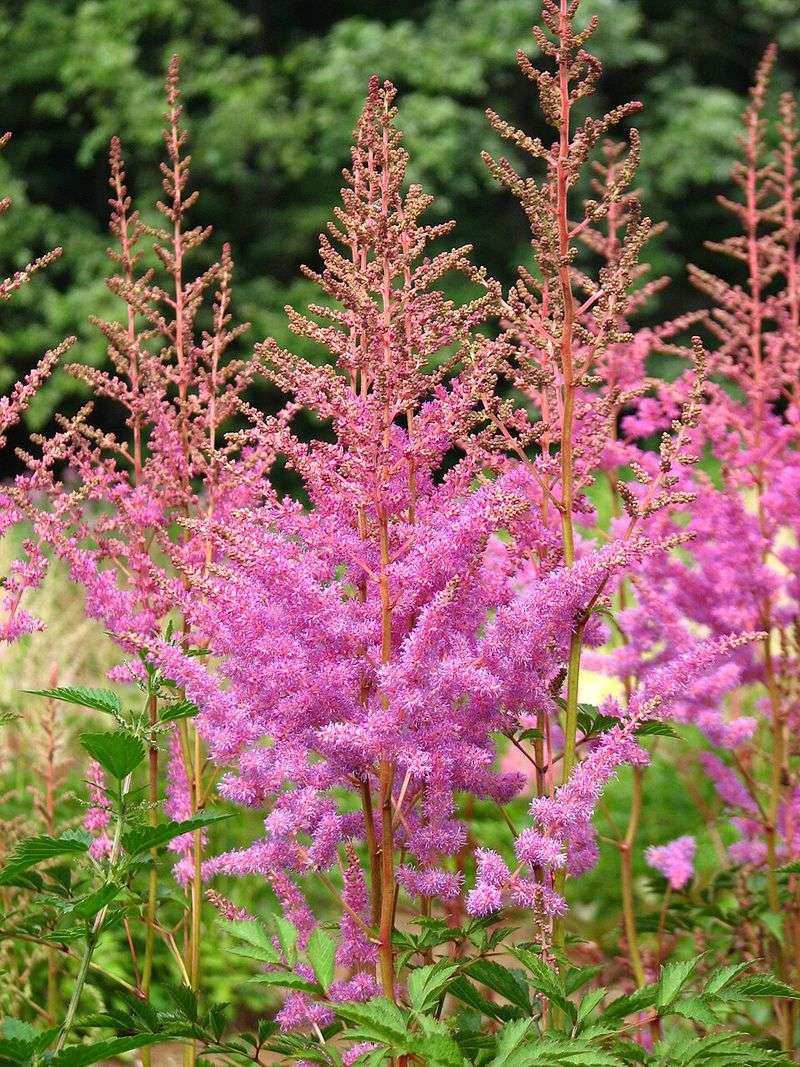
Shady spots do not have to settle for plain green leaves all season. Feathery plumes in white, pink, rose, or red rise above fernlike foliage and bring a soft, refined look to areas where many flowering plants struggle.
That makes this perennial especially helpful in older Pennsylvania yards with mature trees.
Consistent moisture is the main secret to success, so choose a spot that does not dry out quickly in summer. Morning sun is fine, but afternoon shade usually keeps foliage looking fresher during hot spells.
Amending the soil with compost can also help roots stay cool and productive year after year.
These blooms pair beautifully with hostas, hellebores, ferns, and heuchera, creating a layered shade planting that still feels colorful instead of flat. I like using different astilbe heights so the plumes appear staggered rather than lined up like soldiers.
Even after flowering, the foliage keeps contributing texture that reads as neat and intentional.
Cut spent plumes if you prefer a tidier look, or leave them for a little extra structure later in the season. Dividing clumps every few years helps maintain vigor, especially if flowering starts to fade.
For a dependable shade perennial that brings both texture and genuine color, this is one of the best investments you can make.
Coreopsis
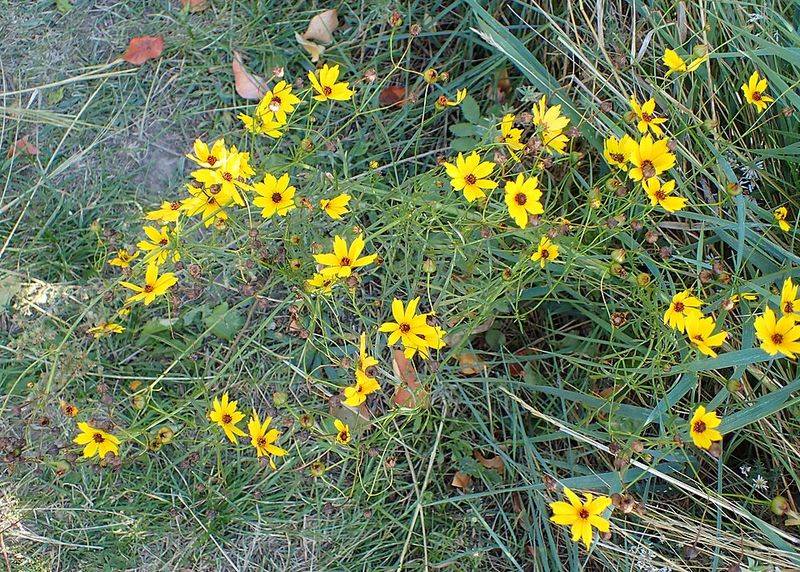
Bright yellow flowers can completely change the mood of a border, and this perennial proves it. The daisy like blooms arrive with a light, airy look that keeps plantings cheerful rather than heavy.
It is especially useful when you need a long season of color in a sunny Pennsylvania bed.
Most varieties prefer full sun and well drained soil, and they often perform better with average fertility than overly rich conditions. Once established, plants tolerate short dry spells well, which is helpful during hot stretches of summer.
That easygoing nature makes them a solid pick for newer gardeners and busy households.
Threadleaf types add fine texture, while broader leaf selections create a slightly bolder presence, so you can match the plant to your style. I like weaving coreopsis through salvia, coneflower, and daylilies to keep the border from looking too stiff.
The yellow tones also work surprisingly well with blue, purple, orange, and white flowers nearby.
Shearing plants lightly after the first heavy flush often encourages another round of bloom and keeps growth compact. Every few years, dividing clumps can refresh vigor and prevent bare centers.
If your garden needs a sunny perennial that stays upbeat, blooms generously, and asks for very little in return, this one is hard to overlook.
Salvia
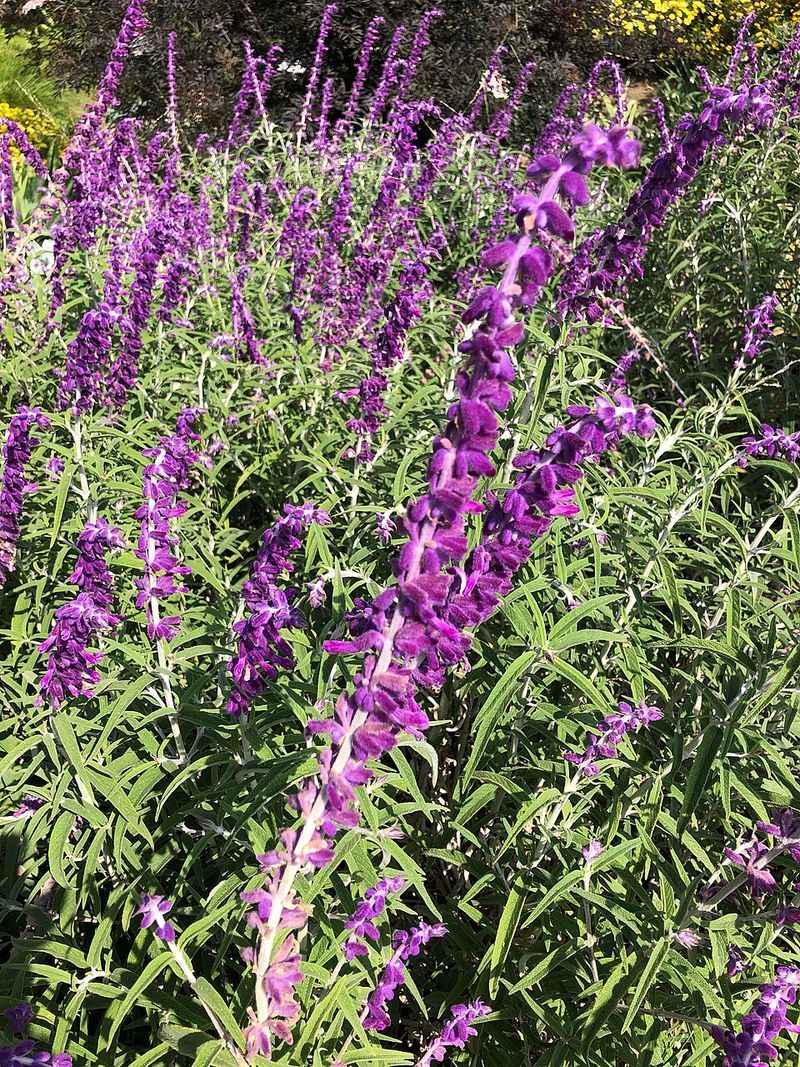
Vertical flower spikes bring order to a planting, and this perennial adds that structure while keeping the color rich and cool. Blue, violet, and purple tones stand out beautifully against yellow flowers and silver foliage, making combinations look more polished.
Bees seem to notice the blooms almost as soon as they open.
Full sun and good drainage are the big requirements, especially in parts of Pennsylvania where winter wet can be more damaging than cold. Once established, most garden salvias cope with dry spells better than many traditional border perennials.
That resilience makes them useful in hotter spots near sidewalks, driveways, or stone edging.
Early bloom is one of the reasons I keep coming back to salvia in mixed beds. It helps bridge the gap between spring bulbs and the bigger midsummer show, so borders never feel like they have gone flat.
Pairing it with roses, catmint, coreopsis, or alliums creates a crisp color rhythm that feels intentional.
Cutting spent flower spikes after the first flush often encourages repeat blooming and keeps plants compact. Some varieties stay tidy on their own, while others benefit from a light shearing in early summer.
For dependable color, strong pollinator value, and a shape that improves almost any border, salvia deserves a regular spot in Pennsylvania gardens.
Shasta Daisy
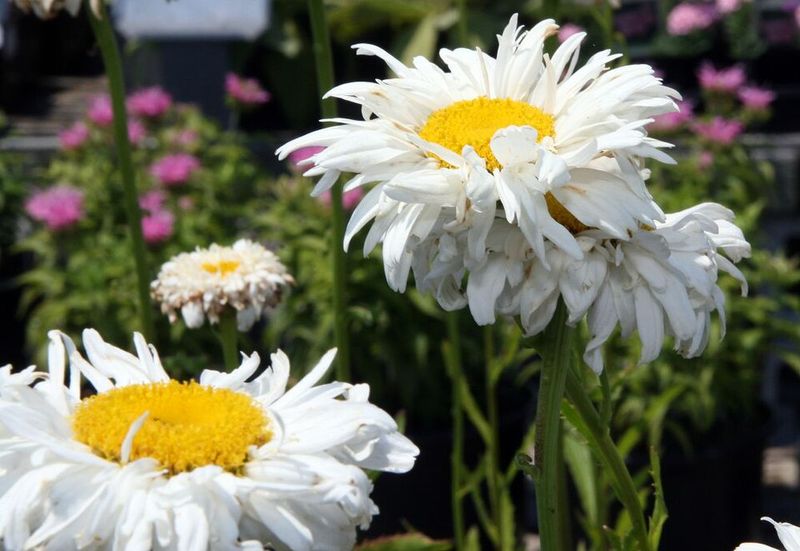
Clean white petals and sunny yellow centers give this perennial a crisp look that never feels messy in the border. The flowers brighten mixed plantings and make nearby colors appear richer, especially blues, pinks, and deep purples.
A patch of these blooms can make a summer bed look fresher almost instantly.
Full sun is the key to strong stems and generous flowering, while soil that drains well helps plants return reliably after winter. Pennsylvania gardeners often appreciate how this perennial handles ordinary garden conditions without demanding constant feeding or pampering.
It also makes an excellent cut flower, so you can bring some of that brightness indoors.
Planting it with salvia, coneflower, yarrow, or coreopsis keeps the classic daisy shape from becoming too repetitive across the bed. I like using groups of three or five plants so the white flowers read as a bold visual block rather than scattered dots.
That approach works especially well in foundation borders and casual cottage style plantings.
Deadheading usually extends bloom and prevents the clump from looking tired too early in the season. Every couple of years, divide plants in spring or early fall to maintain vigor and reduce congestion.
If you want a perennial that looks familiar in the best possible way and delivers reliable summer brightness, this one belongs on the shortlist.
Hellebore
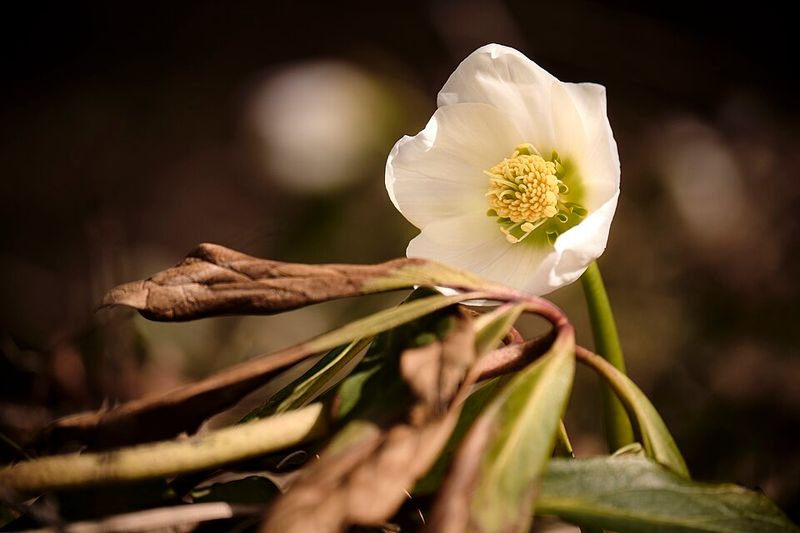
Color can start surprisingly early when you include a perennial that wakes up before most of the garden even looks ready. Nodding flowers in cream, pink, burgundy, green, and plum appear in late winter or early spring, often while the air still feels sharp.
That timing alone makes this plant feel valuable in Pennsylvania landscapes.
Part shade is ideal, especially under deciduous trees where winter light reaches the plant before the canopy fills in. Rich, well drained soil with organic matter helps it settle in, though established clumps are tougher than their elegant flowers suggest.
The leathery evergreen foliage also keeps shade beds from looking empty through much of the year.
These blooms shine near walkways, front entries, or patios where early season details can be appreciated up close. I like combining hellebores with ferns, epimedium, hostas, and spring bulbs for a layered shade display that unfolds in stages.
Even when flowers fade, the foliage continues to anchor the planting with a grounded, durable presence.
Old leaves can be removed in late winter so the fresh flowers are easier to see and new foliage emerges cleanly. Patience is useful because clumps improve with time and usually dislike frequent disturbance.
For gardeners who want reliable color before the rest of the border gets moving, hellebores are hard to beat.
Columbine
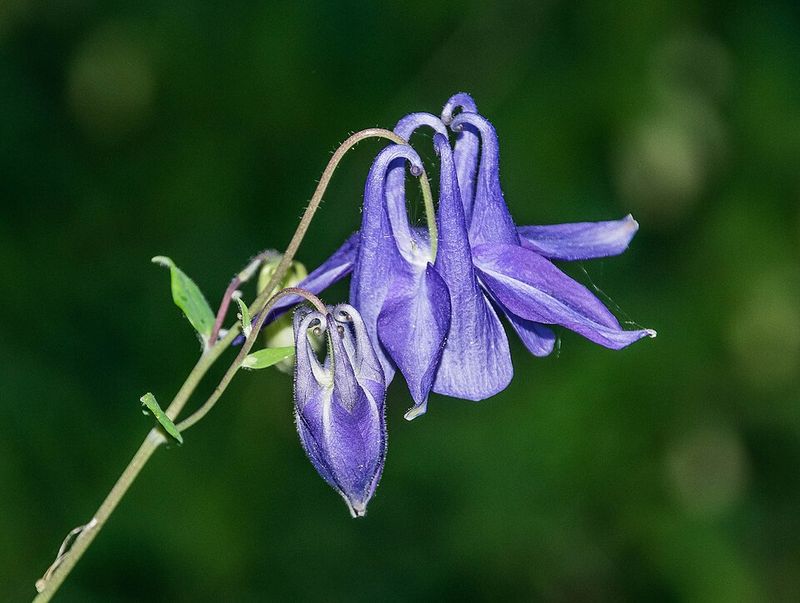
Spring borders gain a lighter, more delicate mood when this airy perennial begins to bloom. The nodding flowers have a distinctive shape that feels intricate without being fussy, and the colors range from soft pastels to bold red and yellow combinations.
That variety makes it easy to fit into both classic and more natural garden styles.
Morning sun with afternoon shade suits columbine well in many Pennsylvania gardens, especially where summers turn humid and warm. Soil should drain reasonably well, but the plant is not overly demanding if it is not left in soggy ground.
Short lived clumps often reseed gently, which helps the display continue without much intervention.
Ferny foliage looks attractive even before flowers appear, so the plant contributes more than a brief burst of bloom. I like placing it near late spring companions such as salvia, peonies, and early alliums, where the flower forms contrast nicely.
It also works beautifully along woodland edges and informal paths where the blooms can seem almost accidental.
Allowing a few seed heads to mature can encourage seedlings in nearby spaces, though named varieties may not come true from seed. Removing tired foliage after flowering can freshen the look if summer heat causes decline.
For gardeners who want graceful spring color and a plant with a slightly wild character, columbine is a rewarding choice.
Russian Sage
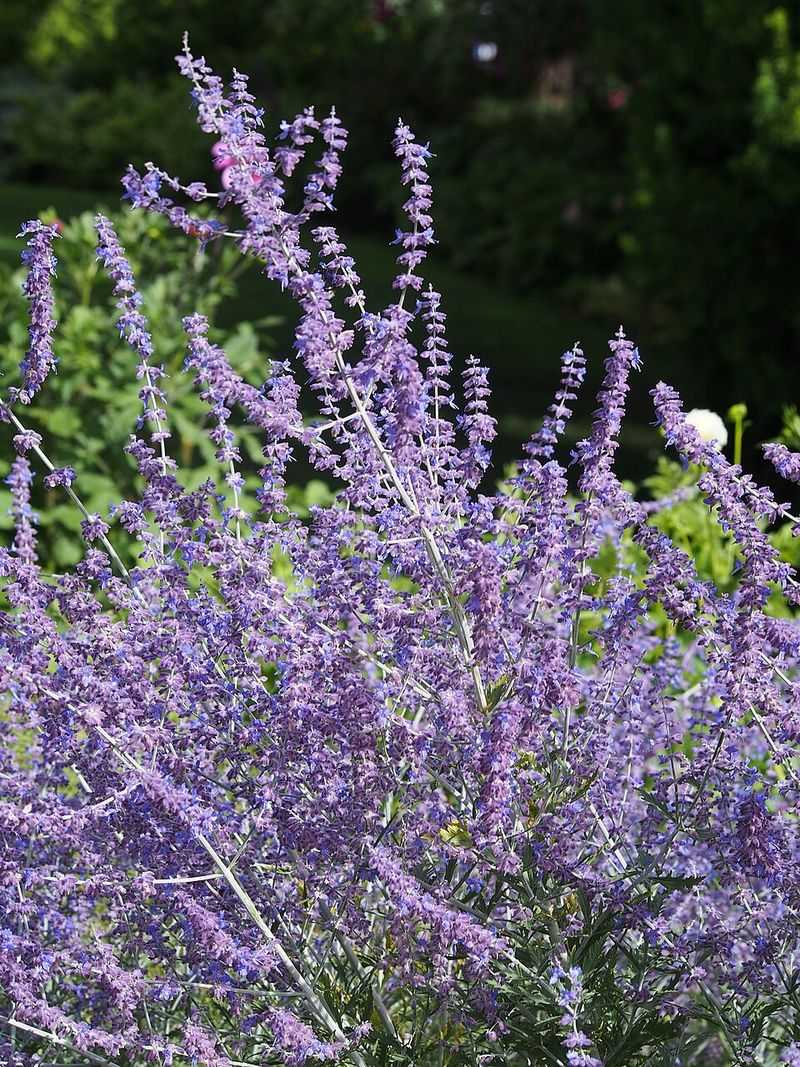
Airy clouds of lavender blue can soften a border in a way few other perennials manage. Silvery stems and aromatic foliage give this plant presence even before the flowers fully open, and the color lingers well into late summer.
It is especially useful when a planting feels too dense or heavy and needs a lighter texture.
Hot, sunny spots are where this perennial earns its reputation. In Pennsylvania gardens with sharp drainage, it handles heat and dry periods with very little complaint once established.
Rich soil usually produces floppy growth, so a leaner site often gives you a tidier, sturdier plant.
The cool flower color pairs beautifully with black-eyed Susans, coneflowers, sedum, and ornamental grasses, creating a long season look that still feels relaxed. I like placing it where backlighting can catch the stems in the evening because the whole plant seems to glow.
That effect works wonderfully near patios, gravel paths, or broad front borders.
Wait until spring to cut plants back because the woody framework helps protect the crown through winter and adds structure in the cold months. New growth can be trimmed down once it begins to emerge, which keeps the clump manageable.
If you need dependable color for a dry, bright site, this perennial is consistently worth the space.
Sedum ‘Autumn Joy’
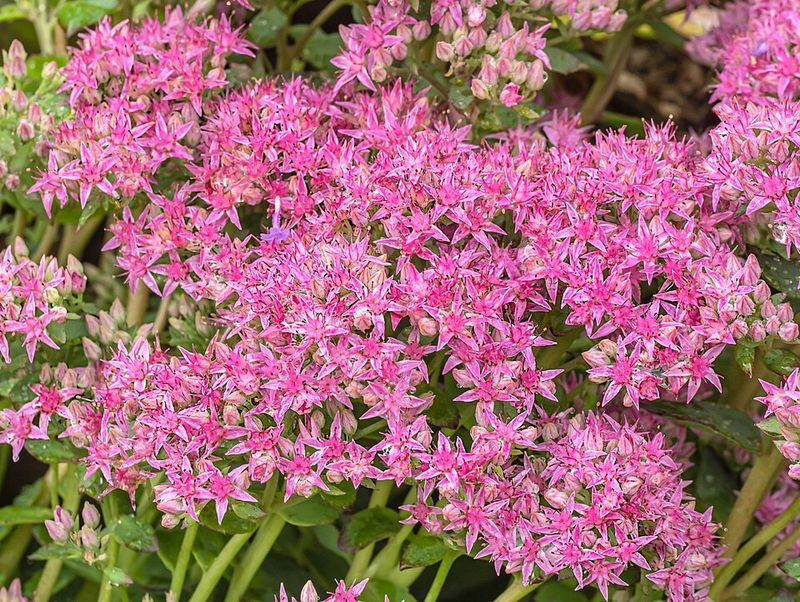
Late season color matters more than many gardeners expect, and this perennial steps in right when borders can start looking tired. Fleshy blue green foliage forms neat mounds through summer, then broad flower heads shift from pale pink to deeper rose and finally rusty bronze.
That long color transition adds interest for months rather than days.
Sun and sharp drainage are the winning combination, especially in Pennsylvania gardens that experience wet spells. The succulent leaves help the plant cope with dry weather, which makes it a dependable option for lower maintenance beds.
It also stays attractive before blooming, so you are not giving space to a plant that only performs briefly.
Those sturdy flower heads combine beautifully with asters, Russian sage, ornamental grasses, and late black-eyed Susans. I like placing it where the changing flower color can echo nearby autumn tones without looking too forced.
Pollinators appreciate the blooms, and seed heads continue to provide structure after frost touches the rest of the border.
Cutting plants back is usually easiest in late winter or early spring when new growth starts to show. If stems flop in rich soil, try less fertilizer or a sunnier location rather than adding more support.
For gardeners who want a perennial that carries real visual weight into fall, this one is consistently dependable.
New England Aster
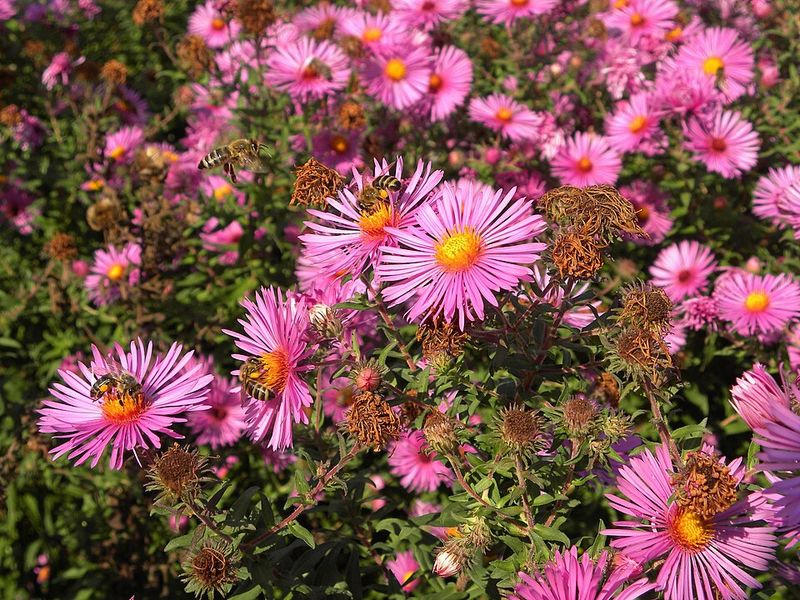
Fall borders come alive when masses of purple, violet, pink, or lavender flowers suddenly take over. This native aster brings a strong final burst of color just as many summer perennials are fading, and the yellow centers keep the display bright rather than heavy.
In Pennsylvania gardens, that autumn energy is incredibly valuable.
Full sun produces the best bloom, though plants appreciate consistent moisture while getting established. Taller varieties can become floppy in rich soil, so pinching stems back in early summer often creates bushier, sturdier growth by fall.
That small task pays off with a fuller plant and a more polished display later.
Pollinators rely on these flowers at a time when nectar sources are shrinking, which makes them beautiful and useful at once. I like pairing asters with sedum, switchgrass, and black-eyed Susans so the border carries color well past the first cool nights.
Their slightly wild look also fits naturalistic plantings and meadow inspired beds beautifully.
Dividing clumps every few years can improve vigor and prevent crowded centers from declining. Mildew can appear if plants are packed too tightly, so spacing and air flow are worth planning from the start.
For reliable autumn color that helps the garden finish strong instead of fading quietly, New England aster is one of the best choices around.
Yarrow
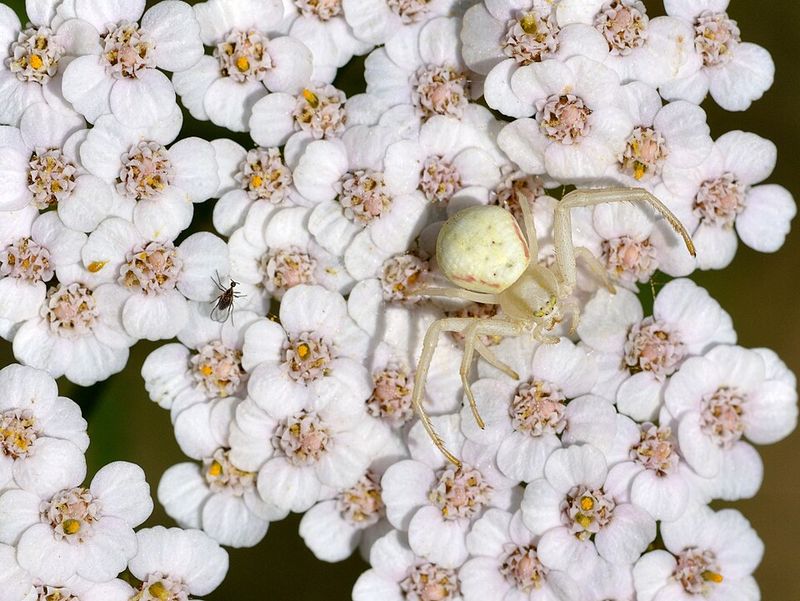
Flat flower clusters add a different shape to the garden, and that simple change can make a planting feel more designed. Yarrow offers that structure along with long lasting color in shades of yellow, white, pink, peach, and terracotta.
The ferny foliage also keeps the plant attractive when flowers are between flushes.
Sunny, well drained sites suit it best, and average soil usually produces stronger stems than very rich ground. Once established, this perennial handles summer dryness well, which is useful in exposed Pennsylvania beds that bake near stone, pavement, or south facing foundations.
Pollinators visit often, but deer tend to leave it alone.
I like using yarrow to bridge the visual gap between upright spiky flowers and rounded daisy forms. It pairs naturally with salvia, coneflower, coreopsis, and ornamental grasses, creating combinations that feel balanced rather than repetitive.
The muted foliage can also calm brighter flower colors nearby, especially oranges and hot pinks.
Deadheading helps maintain a cleaner look and may encourage additional bloom, especially after the first major flush. If clumps spread beyond their space or start thinning in the center, divide them in spring.
For gardeners who want dependable summer color, useful texture, and a perennial that performs without constant supervision, yarrow is an easy recommendation.