
9 Low-Maintenance Shrubs That Thrive In North Carolina Heat And Humidity
Follow us on Google
North Carolina summers can be rough on plants, especially when heat settles in and humidity hangs around for weeks. The good news is you do not need a fussy landscape to keep your yard looking full and healthy.
A smart mix of durable shrubs can handle sticky weather, bounce back from dry spells, and still give you color, texture, and structure. Here are ten dependable picks that make gardening feel a lot more manageable.
Oakleaf Hydrangea
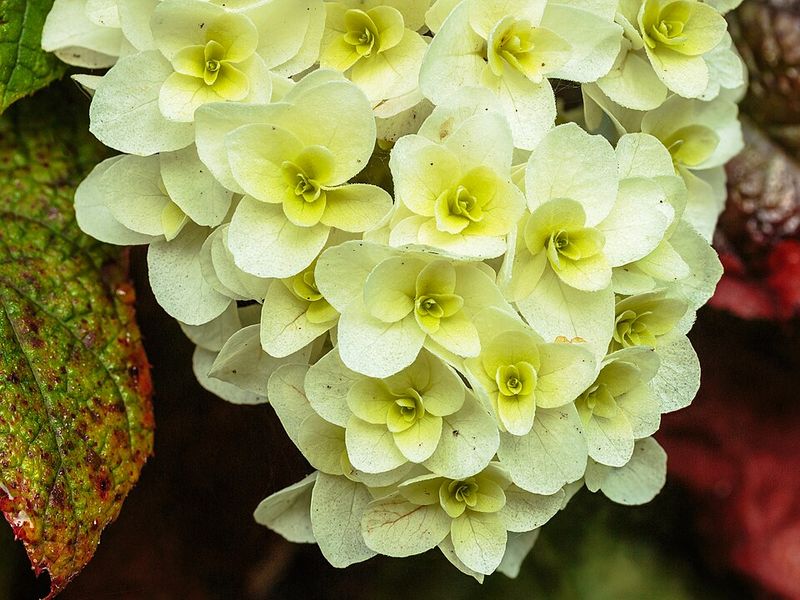
Hot, sticky summers do not bother this native shrub nearly as much as many traditional hydrangeas. You get bold leaves, big cone-shaped blooms, and impressive fall color without constantly babying the plant.
In North Carolina, it performs especially well where mornings bring sun and afternoons offer a little shade.
Good drainage matters more than anything else, so avoid spots that stay soggy after a storm. A layer of mulch helps roots stay cool and cuts down on watering once the plant settles in.
If your yard has dappled light under tall pines, this is often one of the easiest shrubs to grow successfully.
Blooms usually start creamy white, then soften into pink and tan tones that stay attractive for months. Even after flowering, the peeling bark and oversized leaves keep the shrub interesting through more than one season.
You are not relying on a tiny bloom window to justify the space it takes.
Pruning is simple because flowers form on old wood, so shaping right after blooming is the safest move. Most years, you can leave it alone except for removing dead stems.
That low-effort routine makes it a strong choice if you want a polished yard without weekend-long maintenance sessions.
Virginia Sweetspire
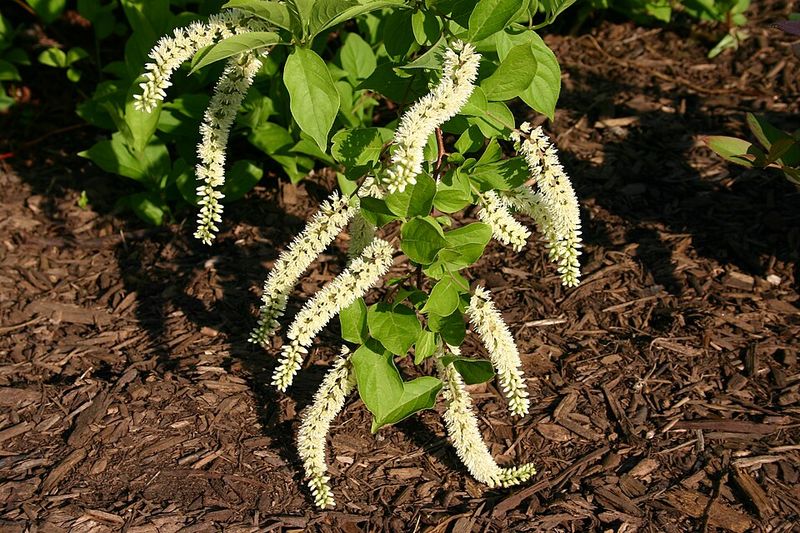
If you need a shrub that handles moisture, heat, and average neglect with surprising grace, this one deserves a closer look. Its arching habit feels relaxed rather than stiff, which makes foundation beds look softer and more natural.
North Carolina gardeners also appreciate that it is native and adaptable.
White flower spikes appear in late spring and carry a light fragrance that feels fresh without being overpowering. After the bloom show fades, glossy foliage keeps the plant neat through summer, then shifts into rich red and burgundy in fall.
That long season of interest gives you more value than many fussier landscape shrubs.
One reason it is so practical is its tolerance for both wet and moderately dry conditions once established. You can use it near downspouts, in rain gardens, or along woodland edges where other plants complain.
It also performs well in part shade, which is useful in older neighborhoods with lots of mature trees.
Maintenance usually comes down to occasional thinning if you want to control spread or tighten the shape. Outside of that, mulch and basic watering during the first year are usually enough.
For a yard that needs dependable color without constant intervention, this shrub makes the job much easier.
Loropetalum
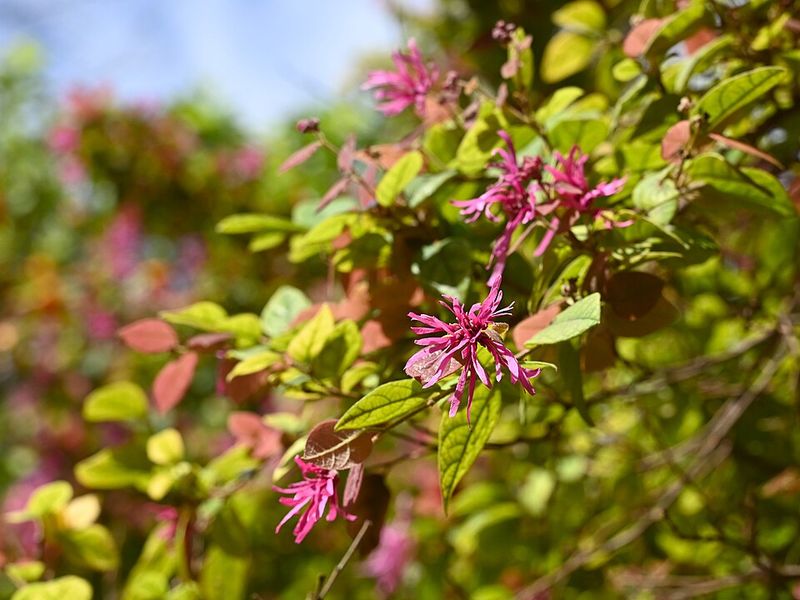
Color carries a landscape through the hardest part of summer, and this shrub delivers it with very little hand-holding. Deep burgundy foliage stands out against standard green plantings, while fringe-like pink blooms add another layer of interest in spring.
In many North Carolina yards, it keeps looking sharp long after fussier flowering shrubs have given up.
Sun helps the leaf color stay richest, though part shade still works in hotter inland areas. Good air circulation is useful in humid conditions, so avoid cramming it into tight corners against a wall.
Once roots are established, you usually only need supplemental water during extended dry stretches.
Compact varieties are especially helpful if you want a neat look without constant shearing. Larger forms can anchor a corner bed or create an informal privacy screen, so there is flexibility depending on your space.
Choosing the right cultivar at the start saves you a lot of pruning later.
A light trim after flowering is often all it needs to stay tidy and balanced. Heavy pruning can create awkward regrowth, so a gentle approach works better than trying to force a formal shape.
If your goal is strong color and easy upkeep through southern heat, this shrub earns its place quickly.
Wax Myrtle
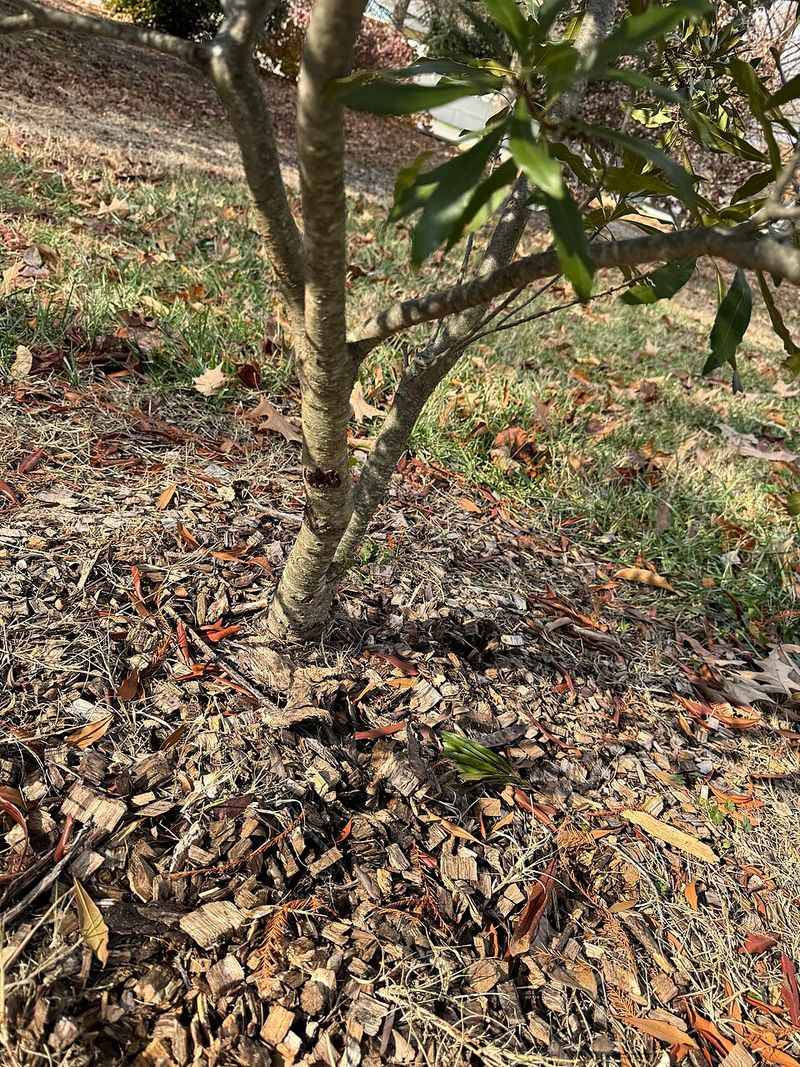
Fast growth can be a huge advantage when you want privacy without waiting years, and this shrub delivers that speed. Its fine-textured evergreen foliage looks soft and natural, fitting especially well in relaxed southern landscapes.
Because it is native to the region, North Carolina heat and humidity rarely slow it down.
Coastal gardeners love it for salt tolerance, but inland yards benefit too because it handles poor soil better than many broadleaf evergreens. Once established, it gets by with limited irrigation and still keeps a healthy appearance.
That makes it useful for property lines, screening utility areas, or filling out larger mixed borders.
Female plants can develop attractive bluish berries if a male is nearby, and birds appreciate that extra food source. The leaves also carry a pleasant fragrance when brushed or pruned, which gives the plant a little personality.
You are getting more than a basic green wall here.
It can be left loose and informal or lightly pruned to encourage fullness, depending on your style. If you want to keep size in check, trim in late winter or early spring before active growth takes off.
For a durable screen that does not sulk in southern weather, few shrubs are this forgiving.
Abelia
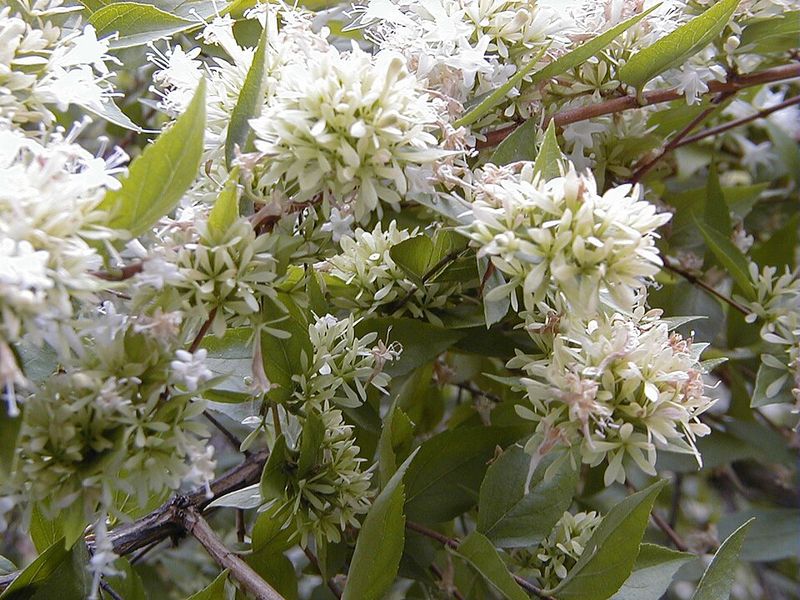
Long bloom time is hard to beat when you want steady color without rotating seasonal plants. This shrub starts flowering in warm weather and often keeps going far longer than expected, especially in much of North Carolina.
The small trumpet-shaped blooms also attract pollinators, so your yard feels more active with very little extra effort.
Glossy foliage gives it a polished look even when flowers are between flushes. Many newer varieties stay compact, which helps if you are tired of shrubs that outgrow their space in two seasons.
That smaller habit makes it a smart fit for walkways, foundation beds, and mailbox plantings.
Full sun encourages the best flowering, though it still performs reasonably well with some afternoon relief in hotter areas. Once established, it handles heat and average drought better than its delicate appearance suggests.
A little mulch and occasional deep watering during severe dry periods usually keep it happy.
Pruning needs are refreshingly light, especially if you choose a cultivar that matches your available space. You can remove a few old stems in late winter to keep growth fresh instead of clipping it into a stiff ball.
For gardeners who want reliable flowers with minimal fuss, this one keeps proving itself.
Yaupon Holly
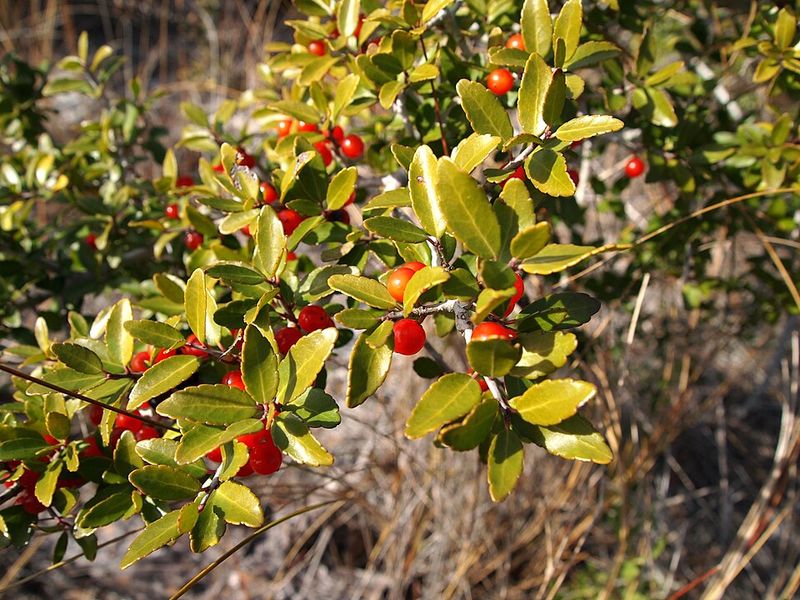
Evergreen structure matters when the rest of the garden looks tired, and this shrub keeps its form through every season. Small leaves create a refined texture that works in both formal and casual landscapes.
In North Carolina, it is especially valuable because heat, humidity, and sandy or clay-heavy soils rarely faze it.
Female plants produce bright red berries when a male pollinator is nearby, adding winter interest and wildlife value. If berries are not important to you, the tidy branching and reliable green color still make it worth planting.
It can serve as a hedge, specimen, or foundation shrub depending on the cultivar you choose.
Dwarf selections are excellent for smaller spaces because they need less trimming to stay attractive. Taller forms make durable screens and can handle coastal conditions better than many alternatives.
That versatility helps if your yard mixes sunny open spots with more exposed, difficult areas.
Maintenance is mostly about occasional shaping, not constant rescue work. Give it decent drainage, water during establishment, and then let it settle into a simple routine.
If you want a shrub that looks composed during North Carolina summers without demanding much attention, this is one of the safest choices you can make.
Gardenia
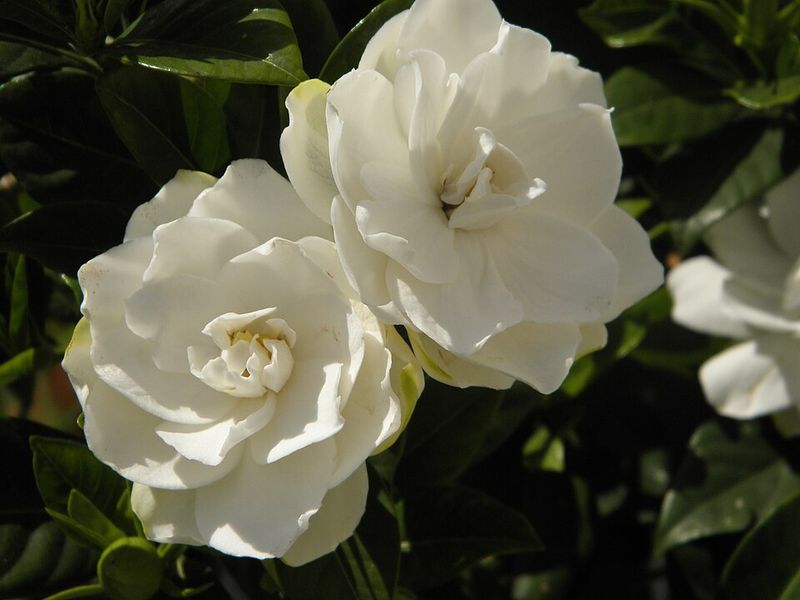
Fragrance can change the feel of an entryway, and few shrubs do that better in summer than this classic choice. Glossy evergreen leaves keep it attractive year-round, while creamy white flowers add a rich scent that people notice immediately.
In North Carolina, success usually comes from smart placement rather than constant maintenance.
Morning sun with afternoon shade often works better than punishing all-day exposure, especially during hot spells. Acidic, well-drained soil is also important, so it helps to test your site before planting instead of guessing.
Once those basics are right, care becomes much easier and the shrub tends to stay healthier.
Mulch helps moderate soil temperature and preserve moisture, which matters during sticky, dry stretches. A sheltered bed near a porch, patio, or walkway lets you actually enjoy the scent instead of hiding it in a back corner.
That placement makes the plant feel purposeful rather than decorative filler.
Choose a hardy variety suited to your part of the state, then resist the urge to overprune. Light shaping after flowering is usually enough, and heavy cuts can reduce next season’s buds.
If you want a shrub that earns its keep with scent and evergreen appeal, this one is worth the little extra planning.
Bottlebrush Buckeye
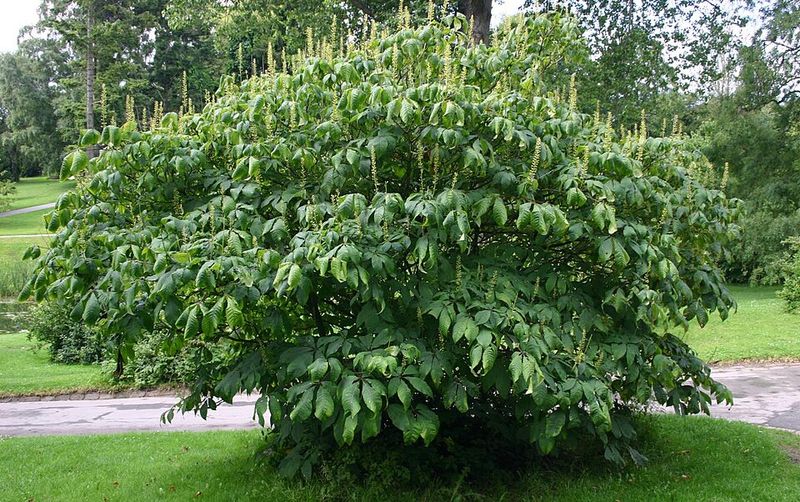
Large leaves can make a planting bed feel established in a hurry, and this shrub has that effect without looking coarse. Upright white flower spikes appear in summer, bringing a dramatic texture that stands out in shaded spaces.
For North Carolina gardens with humidity and filtered light, it is a strong native option.
It tends to prefer morning sun or part shade, which is useful if your landscape is dominated by mature trees. Rich soil helps it look its best, but mulch and regular water during establishment go a long way.
Once settled, it usually asks for much less than its bold appearance suggests.
This is a shrub that appreciates room to spread, so give it space instead of squeezing it between small foundation plants. Used at a woodland edge or along the back of a border, it creates a substantial, layered look.
Pollinators also visit the flowers, adding movement to the garden during hot weather.
Pruning is rarely a major chore beyond removing damaged wood or controlling suckers if needed. Because the shape is naturally attractive, it often looks better with a light hand than with strict clipping.
If you want something dramatic that still feels easygoing in humid conditions, this plant offers that balance beautifully.
Cleyera
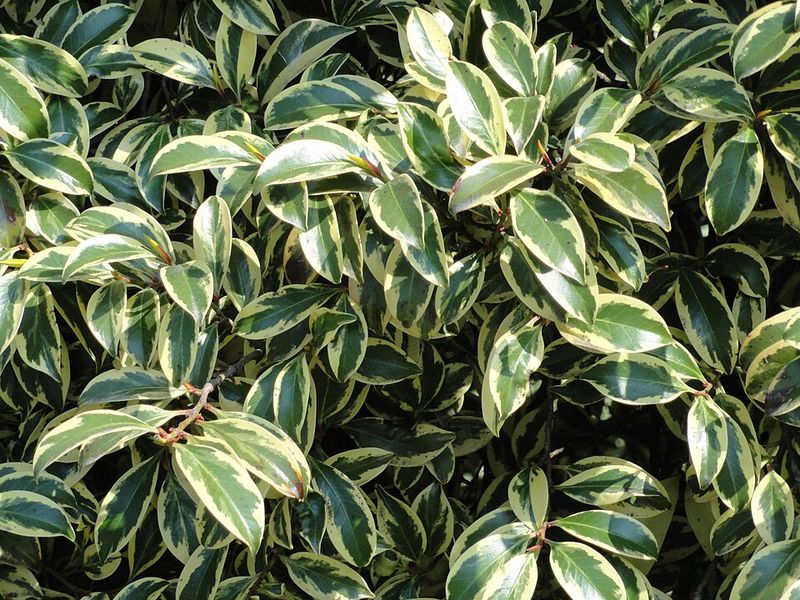
For an evergreen screen that looks refined without acting delicate, this shrub is one of the best understudied options. New growth often flushes bronze or reddish, giving you color before settling into glossy green.
In North Carolina landscapes, it handles heat and humidity with a calm reliability that homeowners really appreciate.
It works well as a hedge, backdrop, or privacy planting because the branching stays dense and attractive. Unlike some screening shrubs, it does not immediately look rough if you miss a pruning session.
That alone can save you time during busy growing seasons when everything else seems to need attention at once.
Well-drained soil is important, but beyond that it is adaptable to sun or part shade. Afternoon shade can help in the hottest inland sites, while brighter exposure encourages fuller growth in milder areas.
Once roots are established, occasional deep watering during drought is usually enough to keep it moving along.
Pruning is straightforward and best done lightly to maintain the natural shape. If winter damage appears after an unusual cold snap, it often recovers with simple cleanup and patience.
For gardeners who want a polished evergreen presence that stands up to southern summer stress, this shrub is a very dependable choice.