
12 California Garden Bugs You Should Never Ignore This Spring
Follow us on Google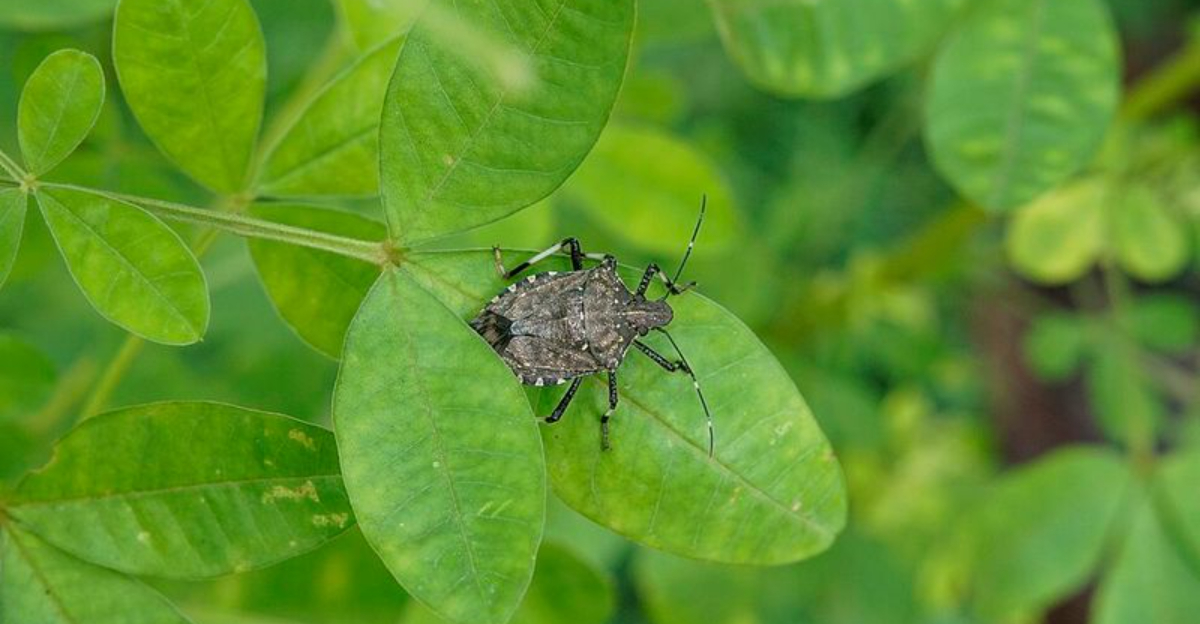
Spring in California can make a garden look perfect almost overnight, but pests usually arrive just as fast. A few tiny chew marks, curled leaves, or sticky stems can turn into a much bigger problem before you notice.
If you catch the right bug early, you can save vegetables, flowers, and fruit trees with far less work. These are the garden troublemakers worth your attention right now.
Aphids
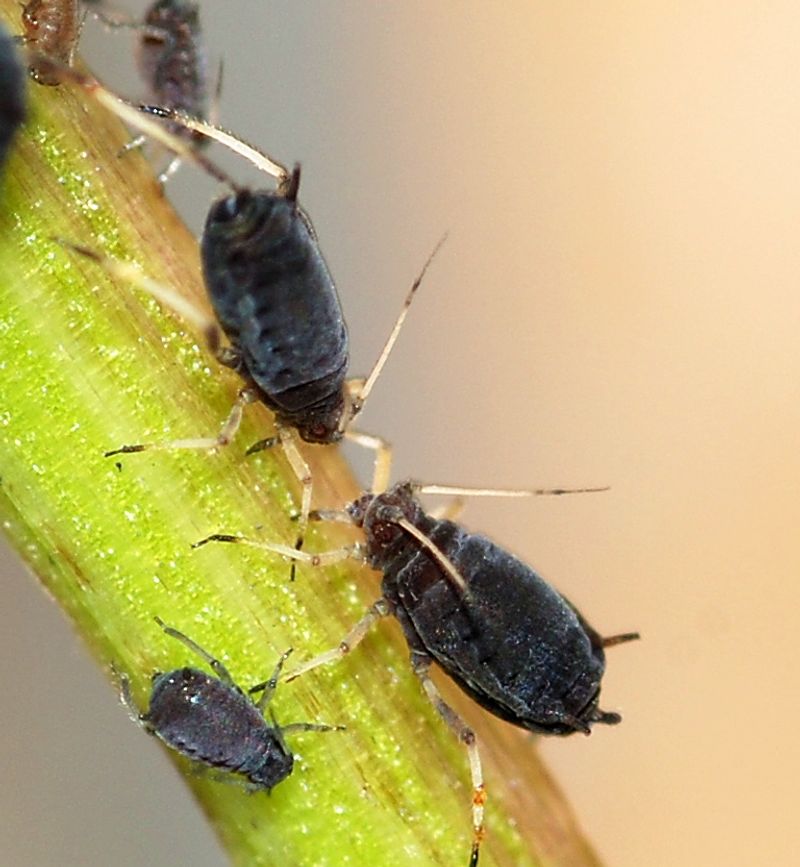
One of the first warning signs in spring is new growth that suddenly looks crumpled, sticky, or oddly pale. Tiny pear-shaped insects gather on soft stems and leaf undersides, draining sap from roses, peppers, citrus, and lettuce before you realize how many are there.
Ant traffic is another clue, because they love the sugary honeydew left behind.
If you ignore them for even a week, tender shoots can stall, buds may fail to open, and sooty mold often follows. That black coating is not the pest itself, but it blocks light and makes plants look dirtier and weaker.
Young seedlings and recently planted starts are hit especially hard in warm California weather.
You can usually get ahead of the problem with a strong spray of water early in the day and repeat checks every few days. I would also inspect crowded centers of plants where ladybugs and lacewings cannot reach easily.
Avoid blasting beneficial insects with broad insecticides, since those often create worse outbreaks later.
Prune heavily infested tips, control ants, and watch nitrogen-heavy feeding, which creates irresistibly soft growth. When you stay consistent, aphids are manageable.
When you wait until leaves are curling everywhere, the cleanup gets much more frustrating.
Whiteflies
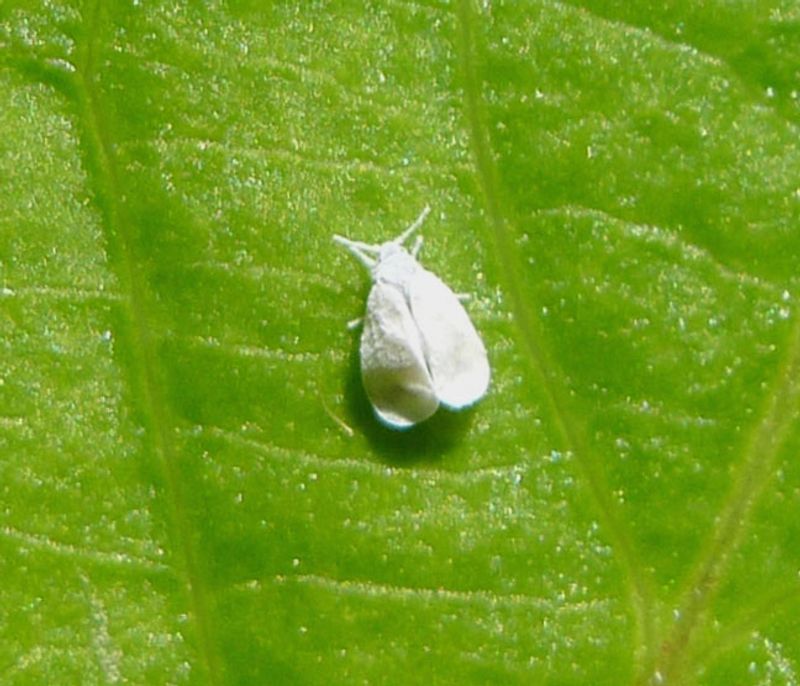
A quick shake of a plant can tell you a lot, and this pest practically announces itself by lifting into the air like dust. Small white insects gather beneath leaves, especially on tomatoes, eggplant, basil, and hibiscus, then flutter up in a soft cloud when disturbed.
That dramatic movement often means the infestation is already established.
The real damage comes from constant sap feeding and the honeydew they leave behind. Leaves can yellow, curl, and lose vigor, while black sooty mold starts coating surfaces that should be soaking up sunlight.
In a mild California spring, whiteflies reproduce fast enough to overwhelm stressed plants before summer even begins.
You will get better results by checking leaf undersides than by staring at the top of the plant. Yellow sticky traps help monitor numbers, but they are only part of the solution.
I would combine them with pruning of badly infested leaves, reflective mulch where practical, and steady hosing of the undersides.
Natural predators such as parasitic wasps can keep populations down if you avoid harsh sprays. Focus on young plants and crowded beds with poor airflow.
Once honeydew and mold cover everything, harvest quality and plant health drop fast.
Spider Mites
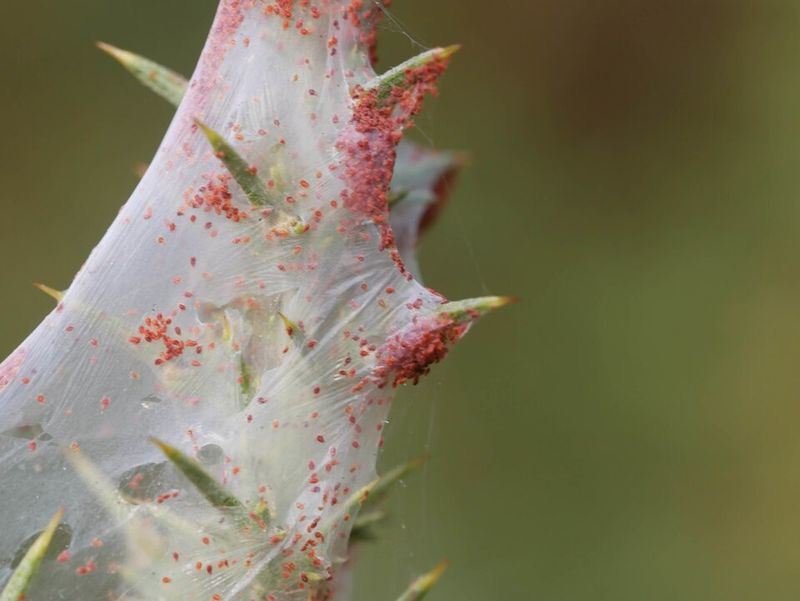
Damage from these pests often looks like a watering problem at first, which is why gardeners miss them. Leaves develop pale stippling, then a dusty bronze cast, and eventually fine webbing appears between stems and leaf undersides.
In California, warm dry spells can push populations upward very quickly on beans, tomatoes, strawberries, and ornamentals.
Because spider mites are so small, you usually notice symptoms before you notice the creatures themselves. Tap a suspect leaf over white paper and you may see tiny moving specks.
If webbing is visible, the infestation is no longer minor and the plant has been under pressure for a while.
Dry, stressed plants are their favorite targets, so regular irrigation matters more than many people think. I would rinse foliage in the morning, especially leaf undersides, and remove badly bronzed leaves that no longer contribute much.
Avoid dusty conditions near beds when possible, since dust helps mites thrive.
Broad-spectrum insecticides can wipe out the beneficial insects that keep mites in check, leading to even worse flareups. Instead, improve humidity around vulnerable plants, inspect often, and act early.
Once leaves are bronzed across the whole plant, recovery is slower and yields often shrink.
Tomato Hornworms
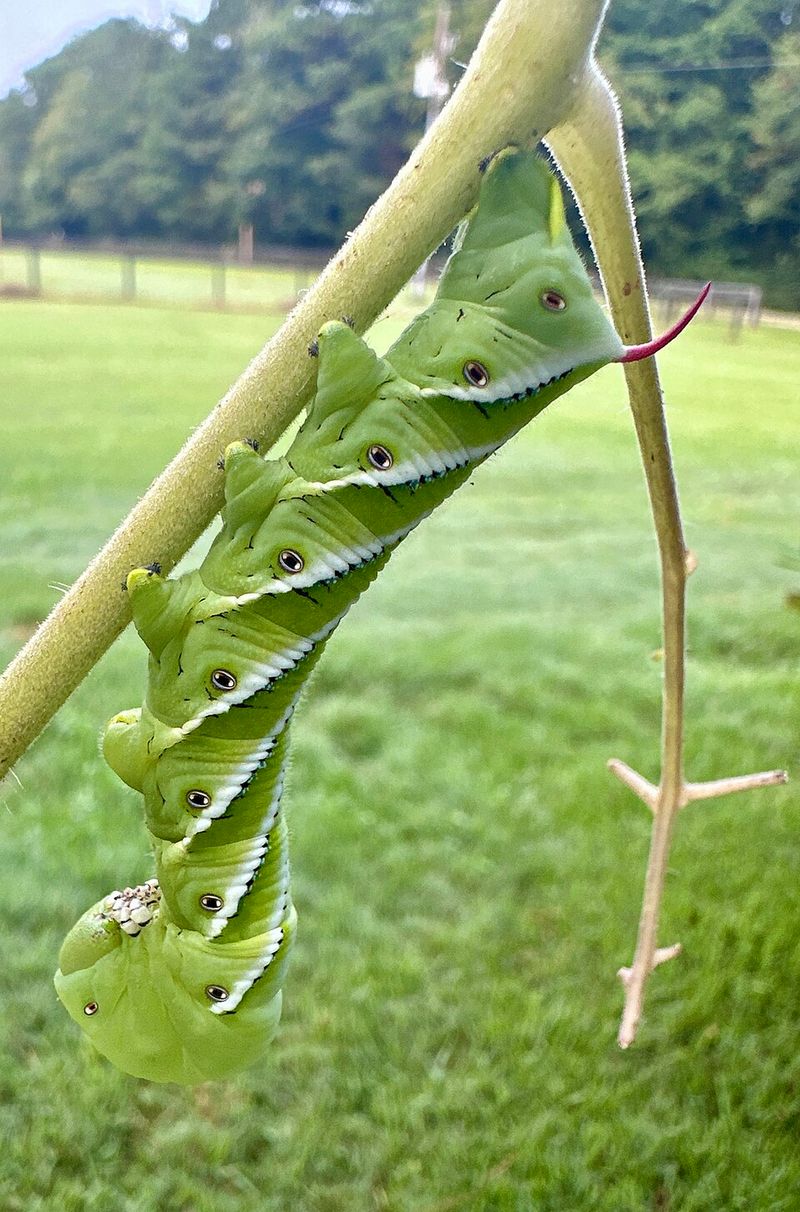
Few garden pests can strip a tomato plant as dramatically as this thick green caterpillar. You may not see it at first because the color blends perfectly with stems and leaves, but the evidence is obvious – missing foliage, dark droppings, and chewed fruit.
A healthy-looking plant can look ragged almost overnight.
Spring and early summer checks matter because smaller hornworms are easier to remove before they become eating machines. They target tomatoes most often, yet peppers, eggplant, and even potato foliage can also suffer.
If you garden after work and only glance at beds from a distance, this is one pest that can slip past you.
The fastest control method is simple hand removal with gloves and a careful search at dusk or early morning. I would follow damaged stems upward and look near the newest growth, where they often rest along the midrib.
Blacklight searches at night can help if the plants are dense and the worms stay hidden.
If you find a hornworm covered in small white cocoons, leave it alone because parasitic wasps are already doing the job. Encourage that natural control by skipping unnecessary sprays.
Catching even a few early can save weeks of frustration and a surprising amount of harvest.
Cabbage Worms
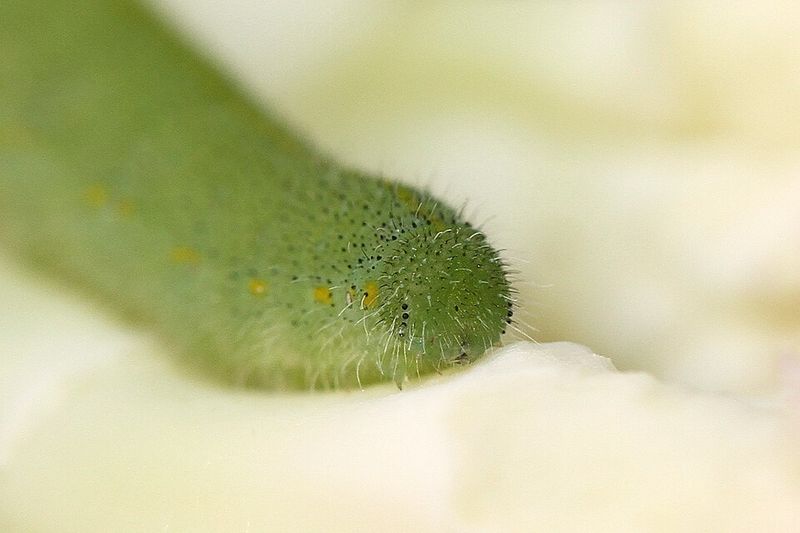
Those cheerful white butterflies floating over the vegetable bed are not as innocent as they look. Their caterpillars chew ragged holes through kale, broccoli, cabbage, cauliflower, and bok choy, often hiding along the veins where their green bodies blend in.
By the time leaves look shredded, several generations may already be feeding.
Seedlings and young transplants can be hit especially hard because they do not have much leaf area to spare. Frass, or dark crumbly droppings, is often easier to spot than the worms themselves.
If heads start forming on cabbage or broccoli, damage becomes more frustrating because caterpillars tuck into the tight growth.
Row covers work well in spring if you install them before butterflies start laying eggs. I would also inspect the undersides of leaves for tiny yellowish eggs and crush them before they hatch.
Hand-picking is effective in smaller gardens, especially when done every two or three days during active periods.
Products based on Bacillus thuringiensis can help when infestations build, but timing matters because small larvae are easiest to control. Keep weeds from the mustard family in check nearby, since they can host the same pests.
A few holes are manageable, but repeated feeding quickly reduces both quality and yield.
Leaf-Footed Bugs
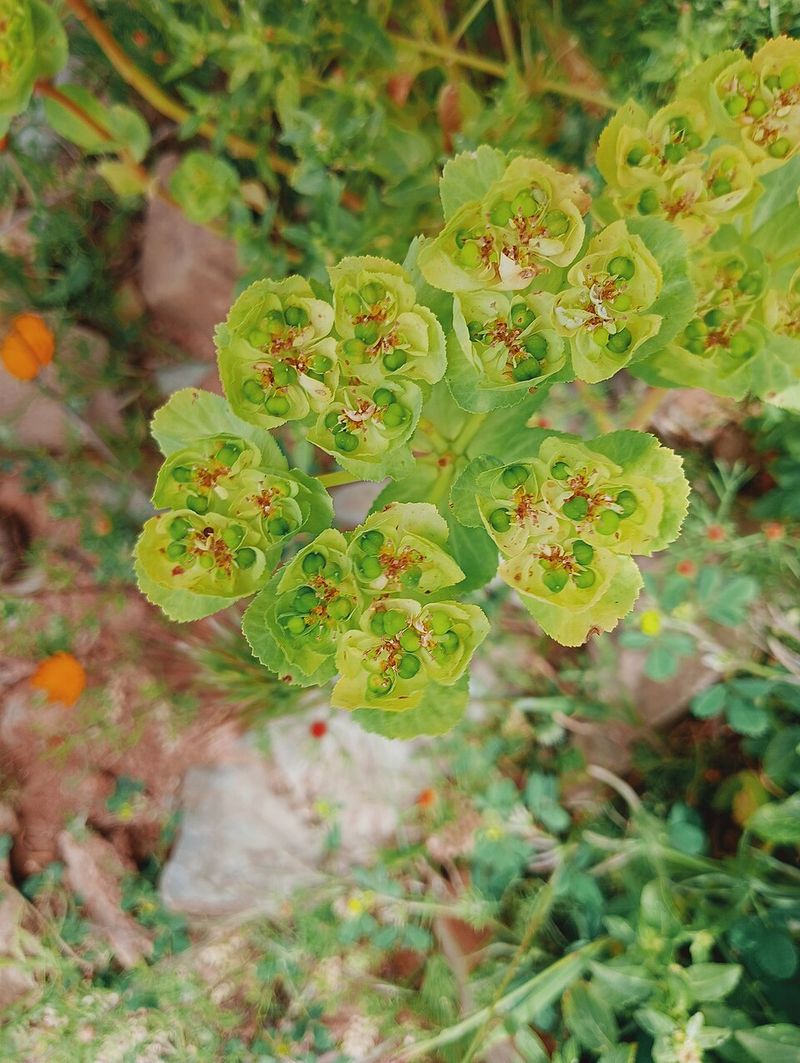
If tomatoes or pomegranates show cloudy spots, dimples, or odd puncture damage, this pest deserves a close look. Adults are brownish, long-bodied insects with flattened hind legs that really do resemble little leaves.
Nymphs often gather in groups, and both stages use piercing mouthparts to feed on fruit and tender plant tissue.
California gardeners often notice them as fruit begins developing, but spring is when early monitoring pays off. They can move from weeds and ornamentals into vegetables and fruiting shrubs, then multiply before harvest is in full swing.
Feeding may not destroy a crop instantly, yet it leaves fruit corky, deformed, and far less appealing.
Egg chains on stems and leaf undersides are one of the easiest clues to catch early. I would remove those eggs by hand and knock clustered nymphs into soapy water before they disperse.
Once adults are flying in and out of dense plants, control gets much harder.
Keep weeds down, especially around bed edges and fences where they shelter. Hand removal in the cool morning helps because they move slower then.
Ignoring the first wave usually means you meet a much larger second wave right when tomatoes are finally starting to ripen.
Stink Bugs
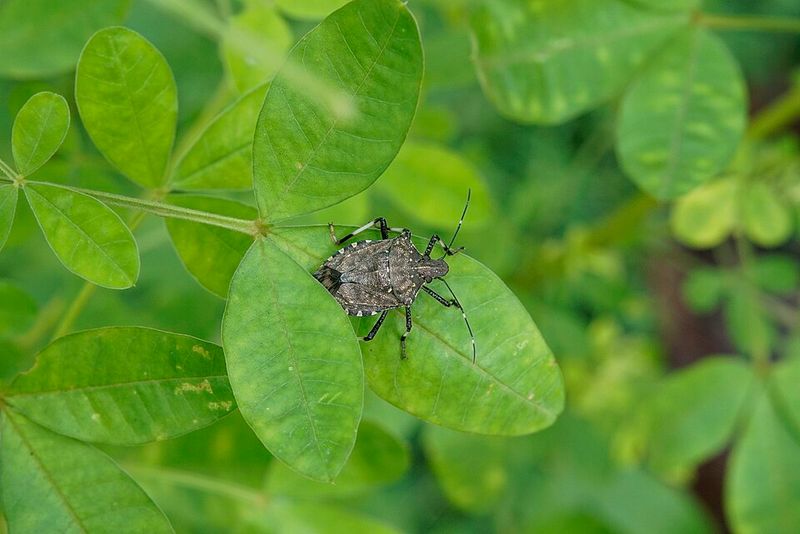
Shield-shaped insects on peppers, tomatoes, beans, or stone fruit can create more damage than their slow movement suggests. Instead of chewing holes, they pierce plant tissue and suck juices, leaving pale spots, sunken areas, or distorted growth behind.
Fruit may look fine at first, then reveal corky patches when you slice into it.
Spring matters because adults become active early and start building populations before many gardeners are paying close attention. Egg masses tucked under leaves can lead to a sudden jump in nymph numbers.
In mild California regions, that early head start gives them plenty of time to affect both vegetables and backyard fruit trees.
Regular scouting is more useful than reacting once fruit damage appears. I would inspect the undersides of leaves, especially near blossoms and developing fruit, and remove egg clusters right away.
Hand-picking adults is possible in smaller spaces, though you may want gloves or a jar of soapy water for obvious reasons.
Weedy edges and neglected corners often act like staging grounds, so cleanup around the garden really helps. Netting can protect especially valuable crops if installed carefully.
If you wait until every tomato has feeding spots, you have already lost quality that no fertilizer or watering trick can restore.
Earwigs
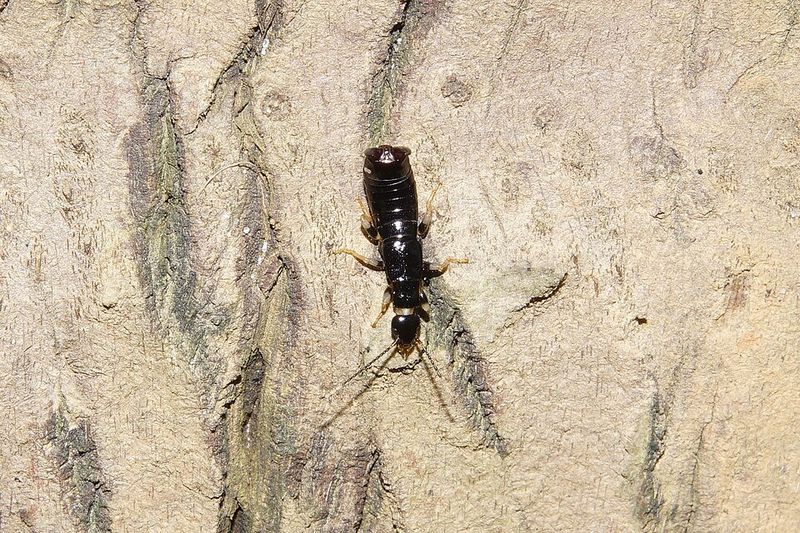
Gardeners often blame slugs for shredded seedlings, only to discover earwigs are doing the overnight chewing. These reddish-brown insects hide in mulch, under pots, and in damp crevices during the day, then feed on tender leaves, petals, and soft fruit after dark.
Their pincer-like tails look intimidating, but the real issue is the crop damage.
Young lettuce, basil, dahlias, strawberries, and newly emerged seedlings are common targets in spring. Earwigs can also feed on decaying material and even some other pests, which makes them a mixed bag, but heavy numbers are a problem you should not shrug off.
Ragged holes and gouged petals are often the giveaway.
Moist hiding places near vulnerable plants make infestations worse, so sanitation matters. I would move boards, stacked pots, and thick debris away from beds, then water early enough that the surface is less damp overnight.
Rolled newspaper traps or shallow oil traps can help monitor and reduce numbers without drenching the whole area in chemicals.
Check damage patterns before treating, because targeted action works better than guesswork. A handful of earwigs may not justify aggressive control, but dozens around seedlings definitely do.
When spring growth is small and tender, a few nights of feeding can wipe out your progress surprisingly fast.
Scale Insects
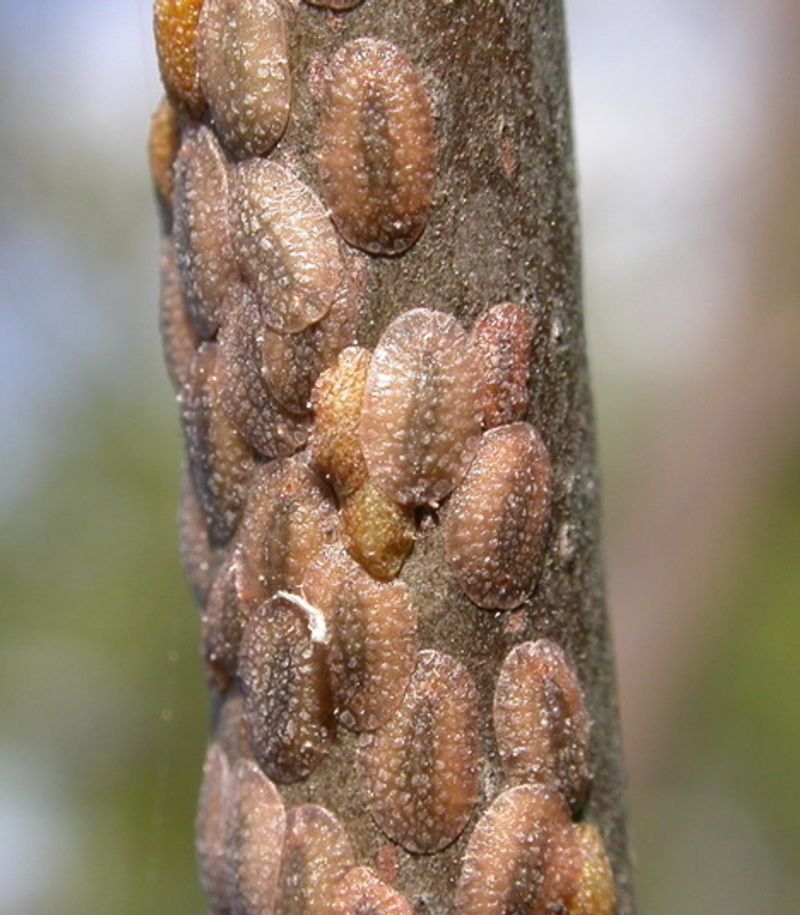
Not every pest moves around enough to catch your eye, and scale is a perfect example. These insects look like small bumps stuck to stems, twigs, or leaf undersides, so many people assume they are part of the plant until leaves yellow and sticky honeydew starts appearing.
Citrus, camellias, succulents, and many ornamentals are common targets in California gardens.
The danger comes from how quietly they build up. A light infestation can seem cosmetic, then suddenly branches weaken, leaves drop, and black sooty mold spreads over everything beneath.
Ants often protect scale from beneficial insects, so heavy ant activity on trunks or stems is a clue worth taking seriously.
Good inspection habits matter more than last-minute rescue treatments. I would check along stems and branch crotches where scales are easy to miss, then prune out badly infested sections if the plant can spare them.
For lighter infestations, physically wiping or gently scraping affected areas can help before numbers climb.
Horticultural oils are often more useful than harsher sprays because they smother the pests while sparing more beneficial insects when used correctly. Treating ants at the same time improves the odds of success.
If you ignore scale through spring, summer stress usually makes the plant look even worse.
Thrips
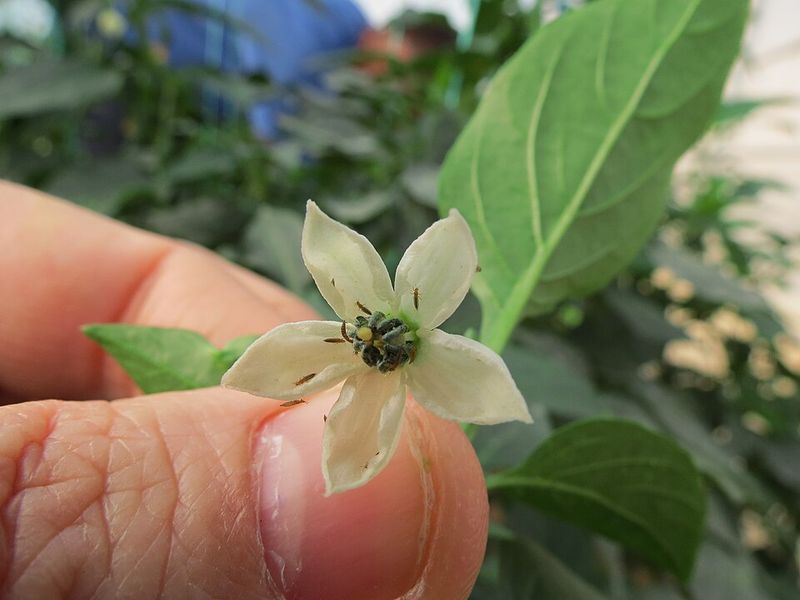
When flowers open streaked, buds stay twisted, or leaves show a silvery scraped look, thrips may be behind it. These tiny slender insects feed by rasping plant surfaces and sucking up contents, which leaves scars on roses, peppers, onions, beans, and many ornamentals.
Their size makes them easy to overlook until the cosmetic and structural damage is already obvious.
Warm spring weather in California helps them multiply quickly, especially in crowded plantings and dry conditions. Some species can also spread plant viruses, which raises the stakes beyond simple leaf or petal damage.
If blooms look browned at the edges or young leaves emerge distorted, it is worth checking immediately.
Shaking flowers or leaves over white paper can reveal the tiny moving insects. I would remove badly damaged blooms, keep weeds down, and avoid excess nitrogen that pushes soft attractive growth.
Blue or yellow sticky traps can help monitor activity, though they will not solve a serious infestation alone.
Strong overhead rinsing is less effective for thrips than for aphids, so careful scouting matters more than a quick spray. Beneficial insects can help if you do not disrupt them with broad insecticides.
Ignoring early thrips damage often means you spend the rest of the season chasing deformed flowers and disappointing fruit set.
Cutworms
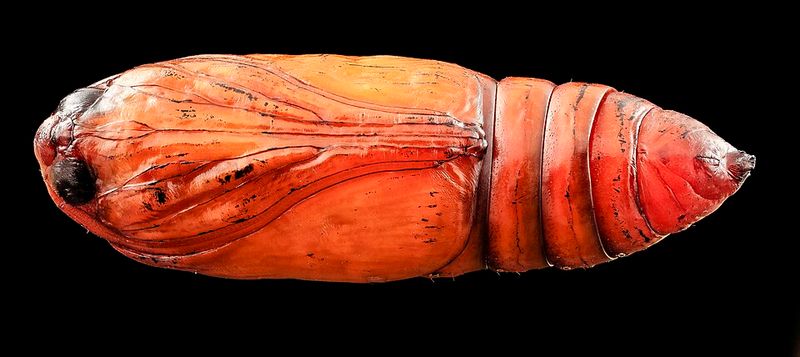
Nothing is more discouraging than finding a healthy seedling toppled overnight, stem neatly cut at the base. That classic damage often points to cutworms, which hide in the soil by day and feed at night on tender young plants.
Lettuce, tomatoes, peppers, beans, and many flower starts are especially vulnerable right after transplanting.
Spring is prime time because gardens are full of soft new growth and freshly set seedlings. A single larva can destroy multiple plants before you realize the pattern.
If you gently dig around the base of a damaged plant during the day, you may find a smooth caterpillar curled in the top inch or two of soil.
Physical barriers are simple and surprisingly effective for small spaces. I would place collars around transplants using cardboard or similar material, pushing them slightly into the soil and a few inches above it.
Clearing weeds and plant debris before planting also reduces hiding spots and egg-laying areas.
Night checks with a flashlight can help confirm what is happening if damage continues. Replace lost seedlings quickly, but protect the replacements immediately or the cycle just repeats.
When young plants are small, cutworm feeding is not a minor nibble – it is the difference between a thriving bed and starting over.
Snails and Slugs
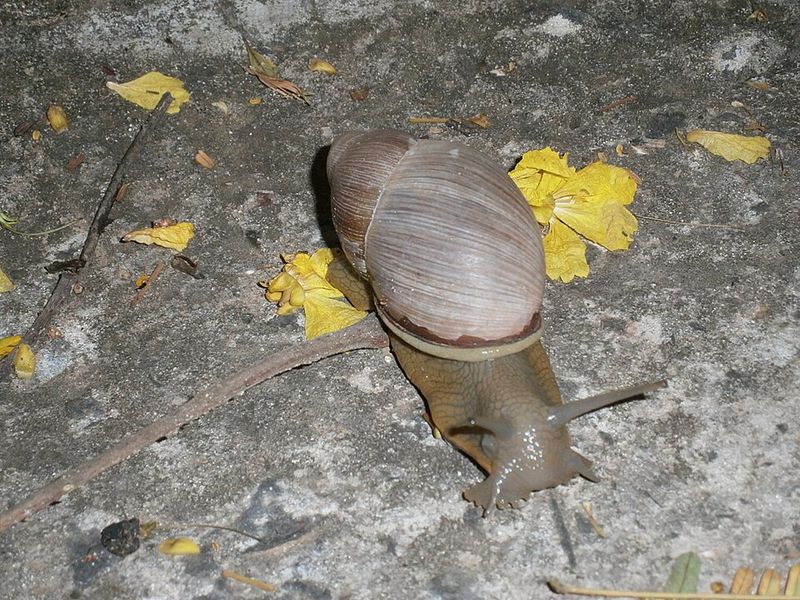
Cool spring mornings often reveal the evidence before the culprit – slime trails, shredded leaves, and seedlings chewed down to stubs. Snails and slugs are not insects, but in California gardens they cause enough early-season damage to earn a place on any serious watchlist.
Tender greens, strawberries, basil, marigolds, and hostas are frequent victims.
Moist mulch, dense groundcover, stacked pots, and shady irrigation zones give them ideal daytime shelter. Once feeding begins, damage can escalate fast because young spring growth is soft and highly attractive.
Holes usually look ragged rather than cleanly cut, and low leaves may seem to disappear first.
Successful control starts with habitat changes, not just bait. I would water in the morning instead of evening, thin crowded hiding places, and lift boards or debris where they gather during the day.
Hand-picking after dark or early at dawn can make a real dent if you stay consistent for several nights.
Barriers and iron phosphate baits can help protect high-value beds without creating a bigger problem for pets or wildlife when used correctly. Focus first on seedlings and ripening strawberries, where losses feel immediate.
If you wait until every lettuce row looks lacey, spring harvests can shrink dramatically before summer heat slows them down.