
California Gardeners Love These 10 Vegetables For Compact Backyard Spaces
Follow us on Google
Small backyards can produce a surprising amount of food in California’s long growing season. The trick is choosing vegetables that stay productive, tolerate sun, and fit neatly into raised beds, containers, or narrow side yards.
These picks earn their space with strong harvests, easy care, and real kitchen value. If you want more vegetables without giving up your whole patio, these are smart crops to start with.
Cherry Tomatoes
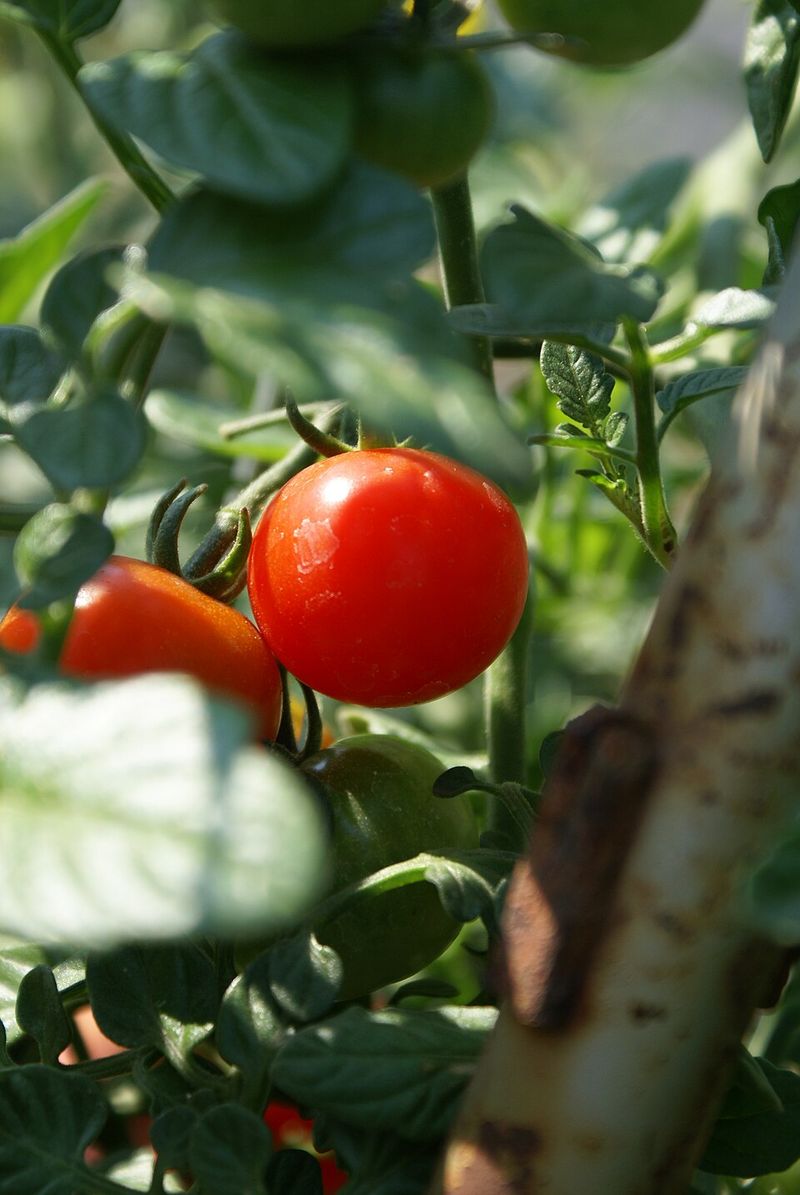
Few plants give a compact backyard more payoff than a cherry tomato trained upward. In California, the long warm season helps these vines keep producing for months, especially when you pick a disease-resistant variety and give it steady water.
A single container near a sunny fence can supply enough sweet fruit for salads, pasta, and quick snacks as you pass by.
Support matters more than people think. Instead of letting stems sprawl, use a sturdy cage or a narrow trellis so air moves well and fruit stays cleaner.
You will also save floor space, which makes it easier to tuck basil, lettuce, or green onions underneath without crowding the bed.
Morning watering keeps growth even and helps prevent splitting during hot inland stretches. If your afternoons are brutally bright, a little reflected shade from a wall can protect fruit from sunscald without slowing production too much.
I also like adding compost before planting because tomatoes in small spaces burn through nutrients faster than they seem to.
Choose compact indeterminate or patio-friendly types if your yard is especially tight. Once the first clusters ripen, you will understand why so many California gardeners gladly make room for them every single year.
Sweet Peppers
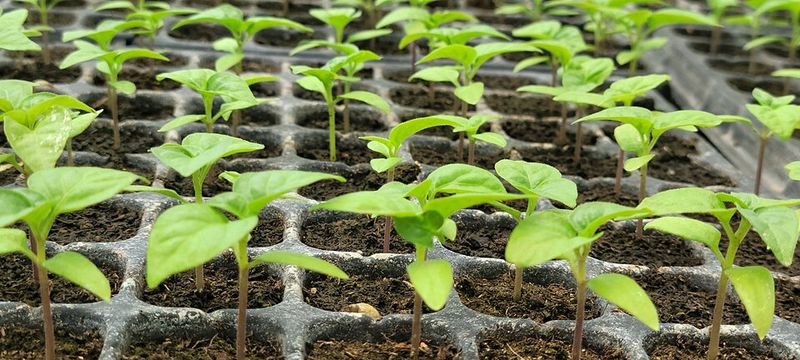
Colorful peppers earn their keep in a compact backyard because the plants stay relatively tidy while producing heavily in California heat. They fit beautifully into containers, narrow raised beds, and even decorative edible borders where you want something useful that still looks polished.
When nights warm up, growth takes off and the fruit keeps coming with very little drama.
Good drainage is the secret to strong plants. Peppers hate soggy roots, so use a loose potting mix in containers and avoid cramming them into low spots that stay wet after irrigation.
If you want bigger harvests, feed lightly but consistently once flowers appear instead of dumping on fertilizer early and getting all leaves.
Hot inland gardeners should mulch well to keep moisture steady through summer spikes. Near the coast, choosing faster-maturing varieties helps fruit color up before cool weather slows things down.
You can also harvest green peppers early, which opens space for the plant to push out another flush of blossoms.
Smaller yards benefit from crops that look attractive while they work hard, and peppers do exactly that. A few plants can cover tacos, stir-fries, roasting trays, and lunchbox slices without taking over your valuable growing space.
Leaf Lettuce
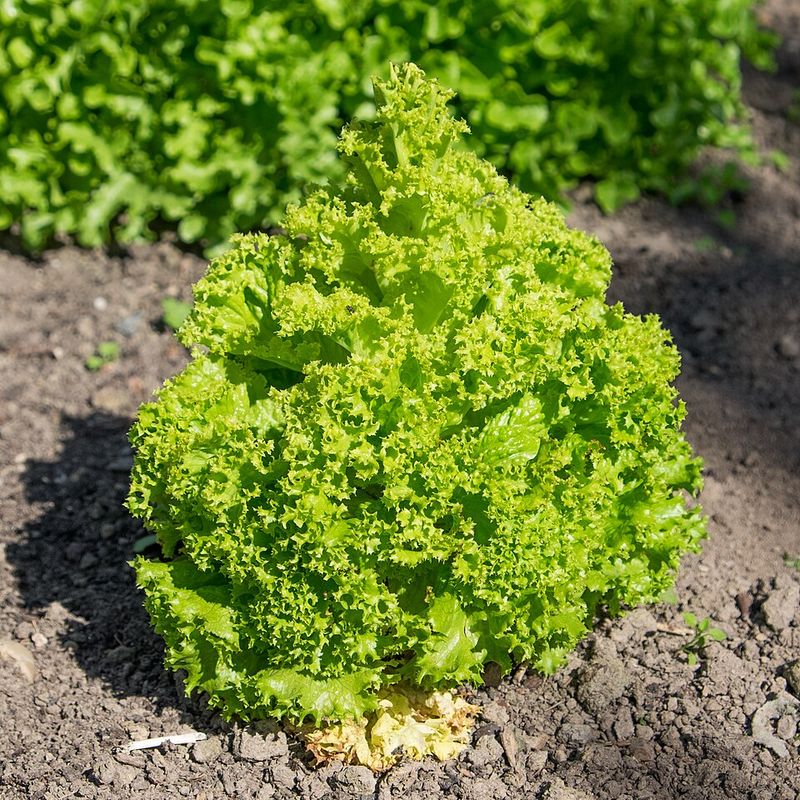
Fresh lettuce makes a small backyard feel productive fast because you can start harvesting leaves long before fruiting crops are ready. In many parts of California, cool spring and fall weather keep it happy, and coastal gardeners often stretch the season even longer.
A short row or a few wide bowls can provide regular salads without asking for much room.
Loose-leaf types are especially practical in tight spaces. Instead of pulling whole heads, snip outer leaves and let the center continue growing, which turns one planting into weeks of meals.
You will get better texture too, since younger leaves stay tender and sweeter than overgrown supermarket mixes.
Afternoon shade is valuable once temperatures begin climbing. A bed that gets bright morning sun and filtered light later will usually produce longer before bolting.
I like tucking lettuce beside taller tomatoes or peppers so those summer plants act like built-in shade cloth when the season shifts.
Succession sowing keeps the harvest steady. Plant a small patch every two weeks rather than a giant block all at once, and you will avoid the classic problem of too much lettuce followed by none.
For compact California gardens, that kind of pacing makes every square foot work smarter.
Radishes
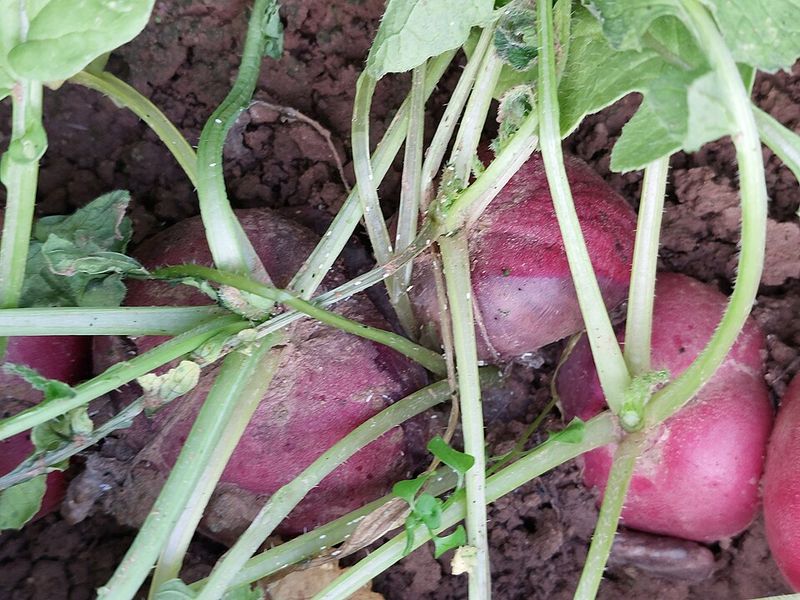
Fast harvests are a huge win in a compact backyard, and radishes deliver that satisfaction better than almost any other vegetable. Many varieties go from seed to plate in about a month, which means you can fill tiny gaps between slower crops and still get something useful.
That speed makes them perfect if you are impatient or trying to keep every bed productive.
Loose soil matters more than extra fertilizer. When roots hit compacted ground, they stay skinny or turn woody, so work in compost and keep stones out of the row before sowing.
Thin seedlings early too, because crowded plants never size up properly and you end up wasting more space than you save.
California gardeners can plant them repeatedly through cool seasons, and many areas support winter sowing with little trouble. During warmer spells, harvest promptly since oversized roots become sharp and pithy fast.
I also like using radishes as marker crops beside carrots because they sprout first and show where the row is.
Beyond the classic red globe, try elongated white or breakfast types for variety. Their tidy footprint, quick turnover, and low commitment make them one of the smartest vegetables for a backyard where every open inch needs a clear purpose.
Green Onions
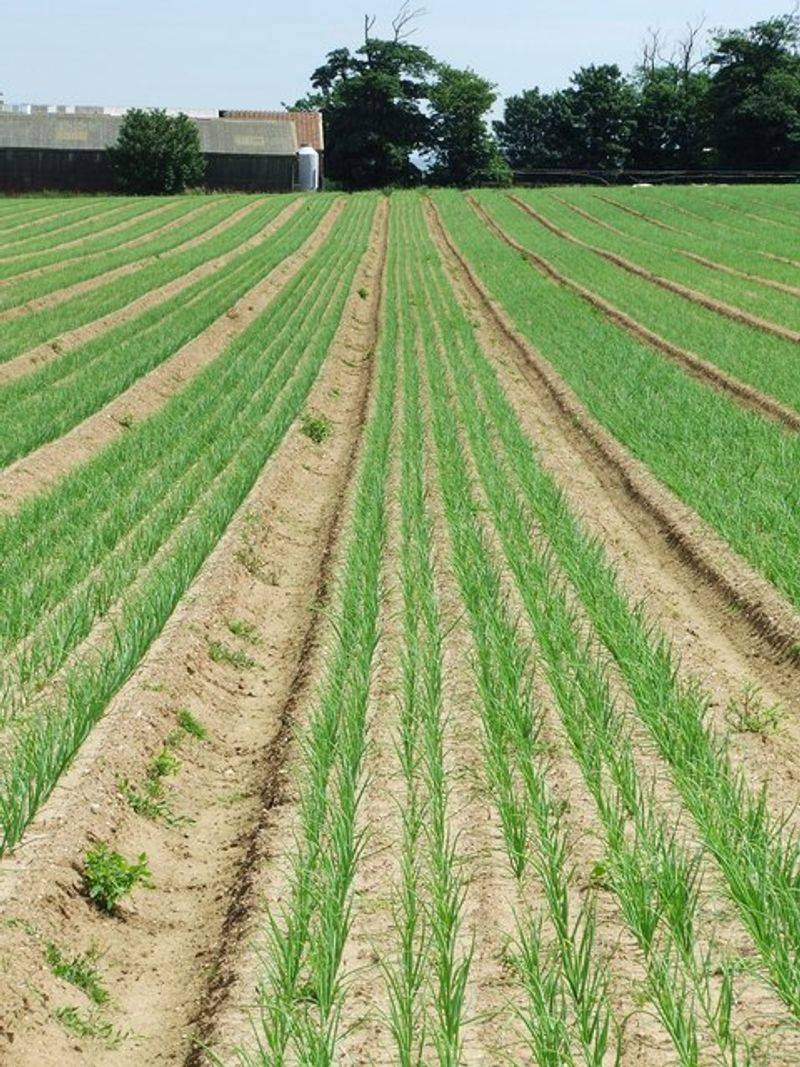
Some vegetables quietly make every meal better, and green onions belong in that category. They take up very little room, grow well in containers or bed edges, and give you a steady supply of fresh flavor for eggs, noodles, soups, and quick weeknight dinners.
In a compact California backyard, that kind of usefulness is hard to beat.
Bunching onions are especially efficient because they do not need to bulb up to be worth harvesting. You can sow them thickly in short bands, snip what you need, and leave the rest to continue growing.
If you stagger sowings every few weeks, the supply feels almost constant without requiring a dedicated large bed.
These plants are forgiving, but regular moisture keeps the stalks tender and mild. In intense summer heat, a little afternoon shade prevents stress and slows drying in containers.
I also like planting green onions beside carrots and lettuce because their upright habit adds flavor without stealing much light or root space.
For small yards, versatility matters just as much as yield. Green onions can fill awkward corners, border pathways, and slip between slower crops where wider vegetables would never fit.
Once you start cutting your own instead of buying bunches, that slim row earns permanent status.
Bush Beans
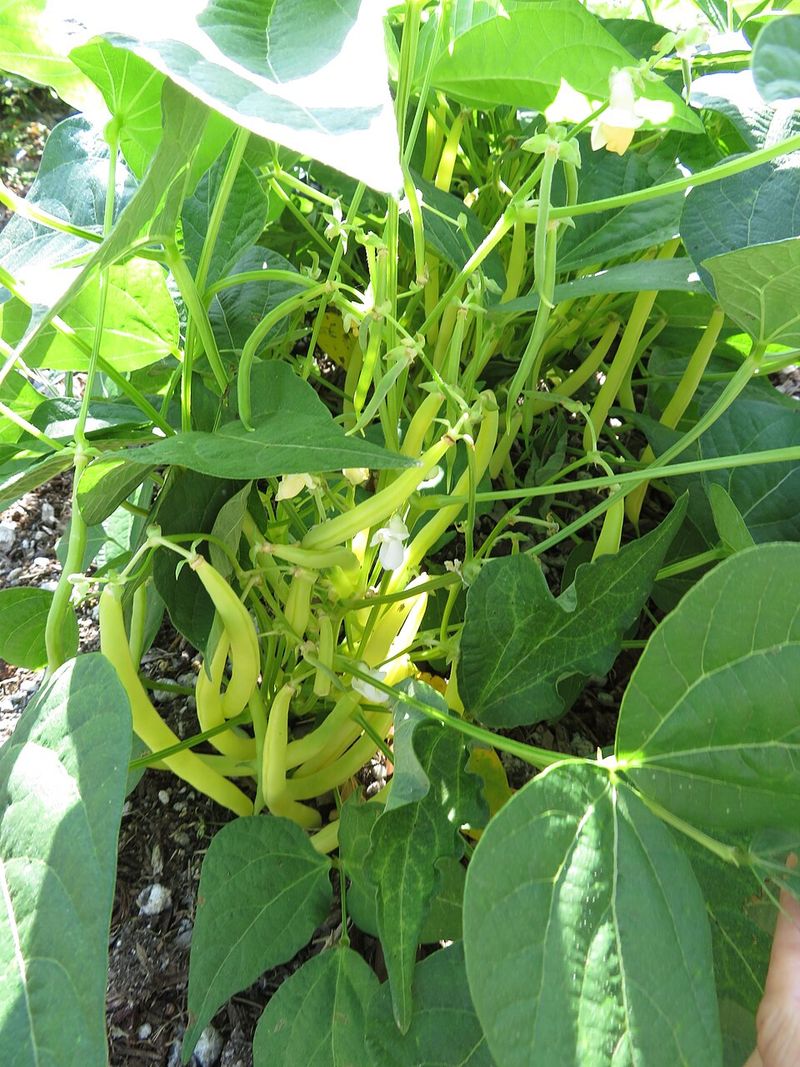
Bush beans make sense in small backyards because they stay compact, mature quickly, and give generous harvests without requiring a tall trellis. That lower profile is useful if you want productive vegetables that will not shade everything around them.
In California’s warm season, they often move from seed to dinner plate fast enough to fit neatly between spring and fall crops.
Direct sowing works best once the soil has warmed. Seeds planted into chilly ground can stall or rot, so patience pays off more than rushing.
Keep rows short and harvest often, because regular picking encourages more pods and helps you catch them while they are still crisp and tender.
Container growers can do well too, especially with wide pots that hold moisture consistently. Beans dislike wild swings between dry and soaked, which is common in undersized planters.
A light mulch and steady irrigation usually solve that problem, even during hotter inland stretches where shallow soil dries in a hurry.
If your backyard doubles as a hangout space, bush beans are easier to manage than sprawling vegetables with wandering stems. They look orderly, produce enough for real meals, and leave the bed open for quick replanting once the flush slows.
That kind of clean efficiency suits compact California gardens perfectly.
Cucumbers
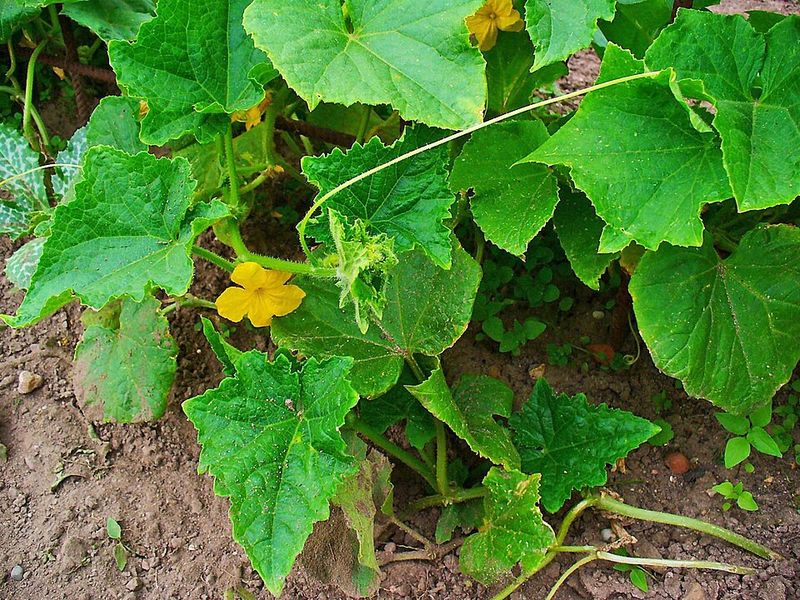
A cucumber plant can be surprisingly space-smart when you grow it vertically. Instead of sprawling across precious ground, the vines climb a narrow trellis and turn an empty fence line into a productive wall of fruit.
That approach works especially well in California, where warm days push fast growth and frequent harvests keep plants moving.
Choose compact slicer or pickling varieties if your backyard is truly tight. Smaller-fruited plants are easier to support, and they tend to look tidier than the giant vines people remember from larger gardens.
Good airflow matters too, so avoid stuffing them into crowded corners where leaves stay damp and mildew gains an advantage.
Deep watering helps prevent bitter fruit, especially during hot spells. Cucumbers grow quickly, and uneven moisture can lead to misshapen or stressed harvests before you know it.
I like adding compost and mulching early so the root zone stays cooler and the plants do not stall when temperatures jump.
Picking often is the easiest way to improve production. Once fruits get oversized, the vine shifts energy toward seeds and slows down.
In a compact California backyard, that means every missed cucumber costs you valuable space, while a well-managed trellis keeps delivering crisp salads and quick refrigerator pickles.
Kale
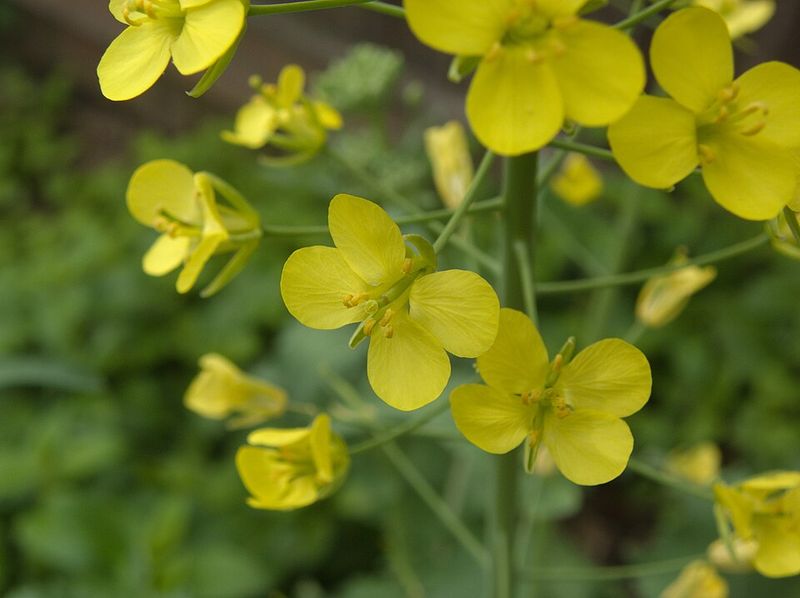
Kale earns its spot by producing steadily from a relatively small footprint, especially in California’s mild cool seasons. You can harvest outer leaves over a long stretch instead of waiting for a single big payoff, which is exactly what compact gardens need.
It also handles temperature swings better than many salad greens, making it a reliable bridge between seasons.
Start with rich soil and give plants enough room for airflow. Crowding may look efficient at first, but tight spacing invites mildew and leaves you with smaller harvests overall.
If you remove the oldest leaves regularly, the plant stays cleaner and keeps sending up fresh growth from the center.
Hot weather changes the strategy a bit. Inland gardeners often get better quality by growing kale through fall, winter, and spring rather than forcing it through peak summer.
Near the coast, production can continue much longer, and the flavor often improves after cool nights soften the bite.
A few plants go a long way in soups, sautés, smoothies, and sheet-pan dinners. I like kale in small backyards because it looks substantial without becoming unruly, and it keeps feeding you after quick crops have finished.
For gardeners who want durability and repeated harvests, it is one of the smartest space-saving choices around.
Carrots
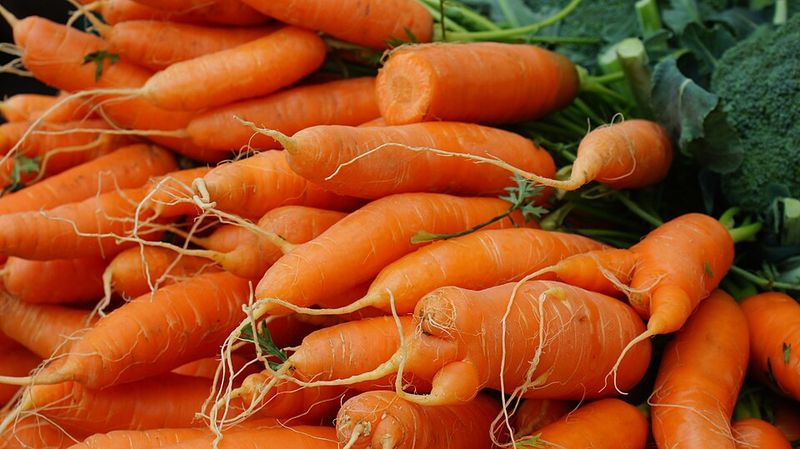
Carrots are one of the best examples of using vertical soil space instead of valuable surface area. Their tops stay fairly modest, while the real crop develops below ground, which lets a compact backyard produce a meaningful harvest without looking crowded.
In California, cool-season planting often gives the sweetest roots and the most consistent shape.
Preparation is everything here. Stones, clods, and shallow soil create twisted roots, so loosen the bed deeply and work in compost before sowing.
Avoid fresh manure or heavy nitrogen too, because that encourages excess top growth and forked carrots instead of smooth, usable roots.
Thinning feels wasteful, but it is essential. Seedlings left shoulder to shoulder never size up well, and crowded roots compete for every inch underground.
I usually sow a little thick, then thin in stages so the strongest plants get room while the bed still stays efficiently planted.
Short or round varieties are especially practical for containers and shallow raised beds. If you grow several types, you can enjoy different colors and harvest windows without adding much complexity.
For a backyard where open space is limited, carrots offer excellent value because the crop stays tidy, stores well, and slides easily into everyday meals.
Swiss Chard
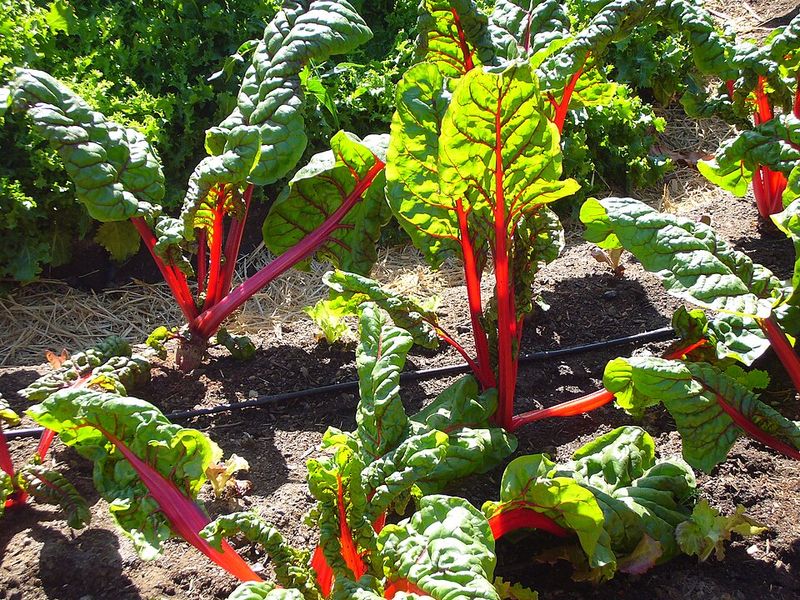
Swiss chard is the kind of vegetable that quietly solves several small-garden problems at once. It is productive, attractive, and forgiving, so you get something edible that also looks good near patios or walkways.
In California, that long harvest season is a major advantage because one planting can keep supplying leaves through changing weather.
Cut-and-come-again harvesting makes it especially efficient. Snip the outer stalks when they are young and let the center continue pushing new growth, and you will keep the plant productive for months.
That method also helps you avoid the huge glut that happens when a whole bed matures at the same time.
Heat tolerance sets chard apart from many greens. While lettuce may bolt and fade, chard usually keeps going with regular water and a little mulch around the roots.
I like placing it where colorful stems can show, because those reds, yellows, and pinks make an edible bed feel intentional rather than purely practical.
For cooking, it covers a lot of ground. Tender small leaves work in salads, while larger stems and blades handle sautés, soups, and pasta nicely.
In a compact California backyard, few vegetables combine ornamental value, resilience, and long-term productivity quite as neatly as Swiss chard.