
14 Heat-Loving Plants That Thrive In Dry Texas Yards With Almost No Effort
Follow us on Google
A dry Texas yard does not have to look tired, sparse, or high maintenance. Some plants actually prefer blazing sun, fast-draining soil, and the kind of weather that sends thirstier varieties into decline.
If you want strong color, structure, and seasonal interest without spending every weekend watering, these picks make life much easier. Here are the hardworking plants that handle the heat and still make your yard look thoughtfully planted.
Texas Sage
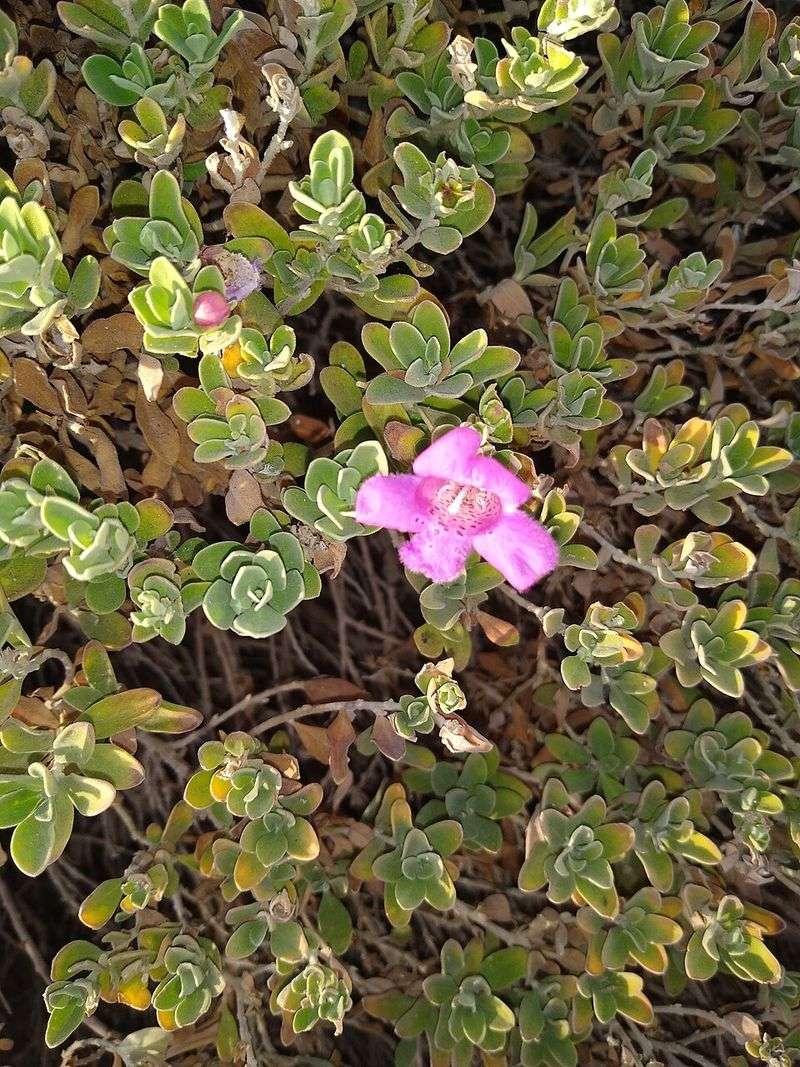
Dry stretches of weather barely faze this Texas favorite, and that is exactly why it earns a spot in low-effort landscapes. Silvery leaves reflect harsh sunlight, helping the plant stay attractive even when nearby beds look stressed.
After humidity rises or rain rolls through, purple flowers appear like a welcome surprise.
Full sun is where it performs best, and soggy soil is usually the quickest way to make it unhappy. I would give it room, because a mature shape looks naturally rounded and handsome without constant clipping.
Gravel mulch and wide spacing help air move around the plant and keep roots from sitting wet.
In a front yard, it works beautifully as an informal hedge, a foundation planting, or a backdrop for smaller bloomers. You can pair it with blackfoot daisy, red yucca, or agave for a look that feels polished without trying too hard.
Deer tend to leave it alone, which saves another layer of frustration.
If a shrub needs coddling to survive August in Texas, it probably does not belong in your easiest bed. This one settles in, asks for very little, and keeps the yard looking intentional through intense heat.
That kind of reliability is hard to beat.
Red Yucca
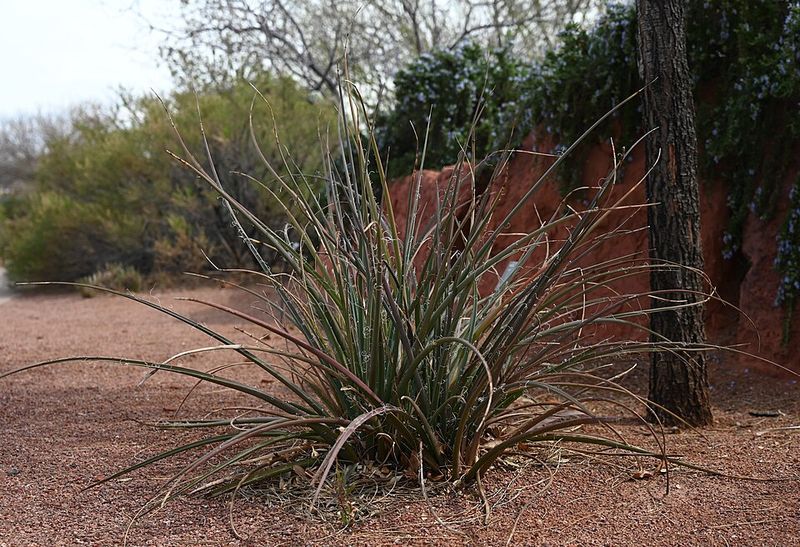
Few plants look this sculptural while asking for so little, which makes red yucca a smart pick for busy homeowners. Its narrow, arching leaves stay tidy through punishing heat, and tall bloom spikes bring coral or pink color for months.
Hummingbirds notice it quickly, so your yard gets movement as well as structure.
Despite the name, this is not a true yucca, and that works in your favor if you want softer lines. It handles reflected heat near driveways, sidewalks, and stone borders better than many flowering perennials.
Once established, deep watering every so often is usually enough in most Texas landscapes.
Placement matters more than pampering, so choose a sunny spot with excellent drainage from the start. Heavy clay can be improved with expanded shale or coarse amendments before planting.
I would avoid overwatering, because floppy growth and root trouble usually come from kindness that went too far.
It shines in modern yards, ranch-style gardens, and mixed desert-inspired borders where every plant needs to pull its weight. You can combine it with sotol, lantana, or autumn sage for dependable contrast.
When summer feels relentless, this one keeps showing up beautifully without making extra work.
Lantana
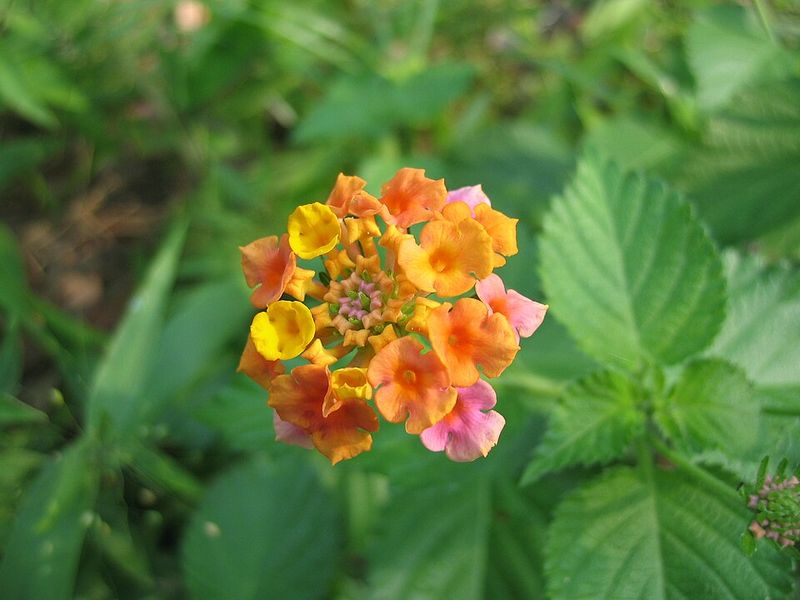
Bright color in a dry yard is absolutely possible, and lantana proves it all season long. Flower clusters come in fiery shades that suit Texas heat perfectly, and butterflies treat the plant like an open invitation.
Even when temperatures climb hard, it keeps blooming with very little fuss.
Sun is essential here, because shade usually means fewer flowers and leggier growth. In lean soil, lantana often performs better than gardeners expect, especially once roots settle in.
I like using it near patios or walkways where the color can do some heavy lifting in the landscape.
Newer compact varieties stay neat, while larger forms can spread and fill awkward dry spaces fast. That makes it useful for slopes, curbside beds, and sunny islands where irrigation is limited.
If winter knocks it back, a spring trim usually brings fresh growth without much drama.
One practical note matters in family spaces: berries and foliage can be toxic if eaten, so placement should be thoughtful. Aside from that, it is one of the easiest flowering plants for a hot Texas yard.
When you need reliable bloom power without a demanding watering schedule, this choice delivers again and again.
Blackfoot Daisy
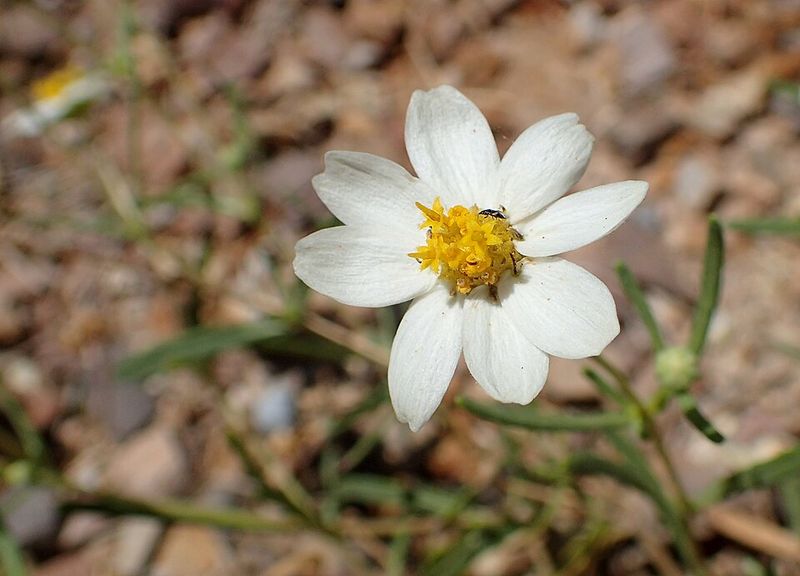
Small scale plants can do serious work in a dry yard, and blackfoot daisy is a perfect example. Fine-textured foliage forms a tidy mound, while cheerful white flowers keep appearing through long warm stretches.
The overall look is light and airy, which helps tougher landscapes feel softer and more welcoming.
Native to parts of Texas, it already understands heat, poor soil, and limited water. That means you spend less time correcting conditions and more time enjoying a plant that naturally fits the site.
Full sun and sharp drainage are the main requirements, and both are easy to provide in gravelly beds.
This is an excellent front-of-border choice, especially beside stone edging, paths, or mailbox plantings. I would pair it with stronger vertical forms like yucca or salvia so the garden does not feel flat.
A light trim after a heavy bloom cycle can keep it compact and encourage another flush.
Humidity and overly rich soil can shorten its lifespan, so resist the urge to overfeed or overwater. In the right spot, it looks cheerful without acting needy, which is exactly what most Texas gardeners want.
For a clean, bright, native look with almost no effort, this little daisy earns its place.
Autumn Sage
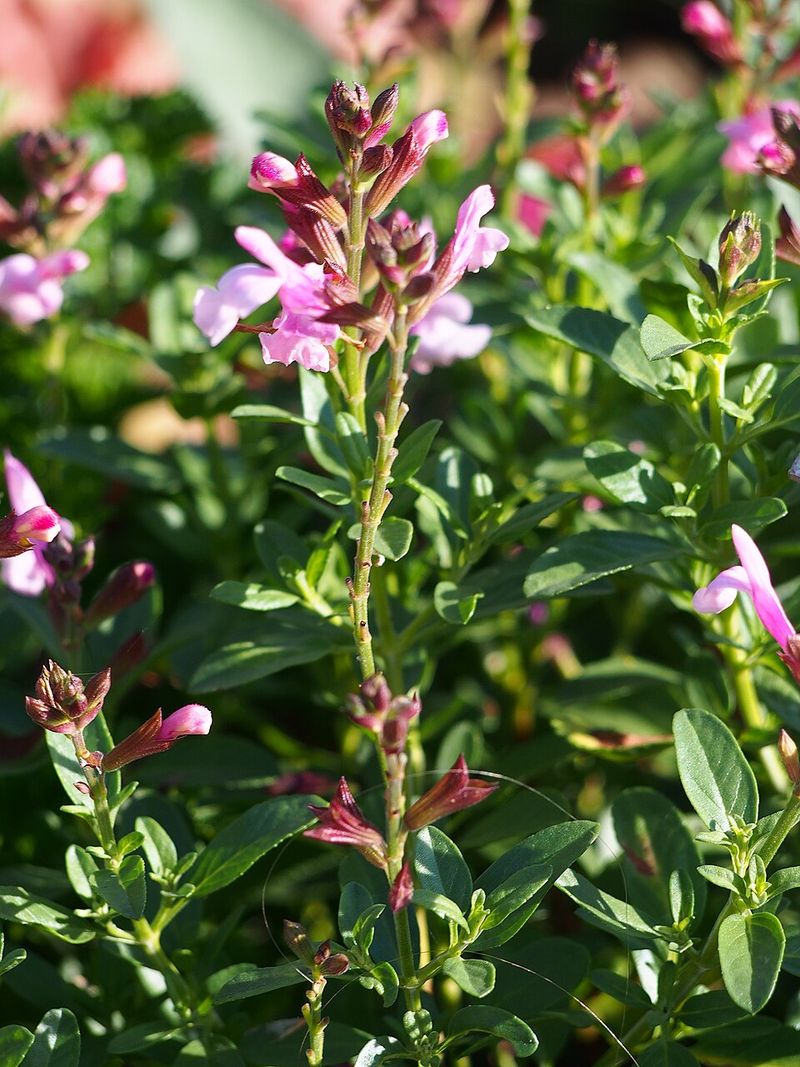
Color, fragrance, and pollinator appeal come together beautifully with autumn sage, a dependable Texas garden staple. The small shrub blooms in red, pink, coral, purple, or white depending on the variety, and hummingbirds rarely ignore it.
Heat does not slow it much when drainage is good and sunlight is abundant.
Many gardeners appreciate that it keeps a shrubby shape without endless correction. A quick shearing after a heavy bloom period often leads to fresh growth and another round of flowers.
I find it especially useful in smaller yards where every plant needs to offer more than one season of interest.
Lean soil suits it better than overly rich beds, and that can be liberating if your yard is naturally rocky. Water it regularly at first, then back off once roots establish.
Too much irrigation usually creates a floppier plant that looks less natural and needs more maintenance than necessary.
Mixed with grasses, yucca, or dwarf lantana, it gives a bed the kind of rhythm that feels designed rather than accidental. Deer may browse it occasionally, but it usually rebounds well.
If you want a flowering shrublet that handles real Texas heat and still looks lively, this one is an easy yes.
Mexican Feather Grass
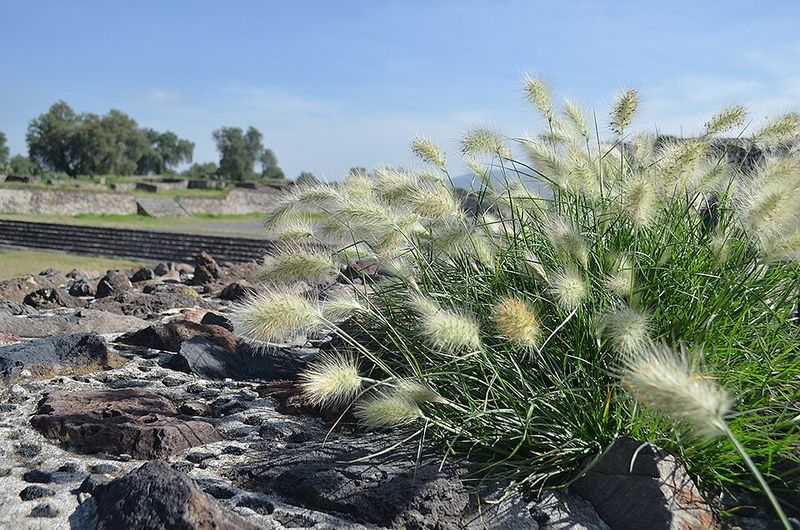
Movement can be just as important as flower color, and Mexican feather grass brings that soft motion beautifully. Fine blades catch the light and sway with every breeze, making rigid dry landscapes feel more relaxed.
In a Texas yard full of stone, gravel, and sun, that texture goes a long way.
This ornamental grass prefers full sun and sharp drainage, especially in areas with occasional winter wetness. Once established, it needs little more than an annual cleanup to remove old growth.
I like it where afternoon light hits from the side, because the feathery seed heads almost glow.
Use it along pathways, in modern planting schemes, or tucked among boulders where its softness can balance stronger forms. It pairs especially well with agaves, salvias, and blackfoot daisy.
The look feels natural and effortless, which is helpful if you want the yard to read as intentional but not overly formal.
One caution is worth noting: in some regions it can self-seed freely, so local guidance matters before planting large masses. In the right setting, though, maintenance stays minimal and the payoff is high.
For texture that handles heat and drought with style, few grasses do it better.
Agave
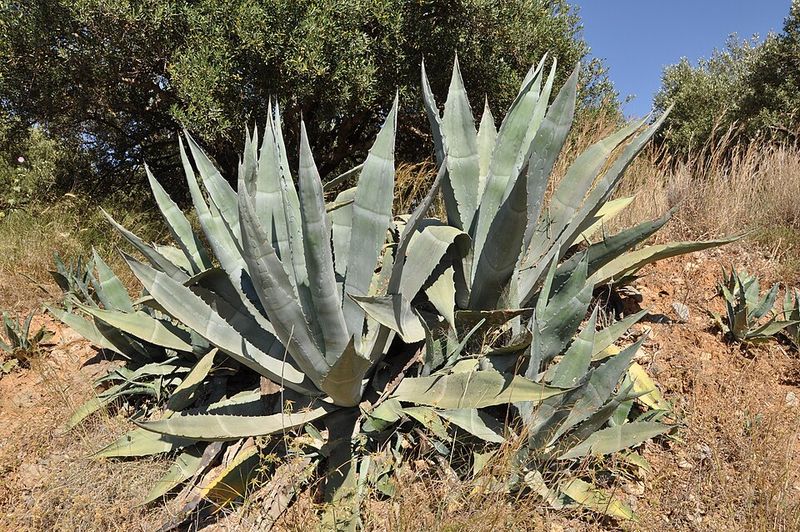
Strong architecture changes the feel of a yard instantly, and agave delivers that with almost no fuss. Thick leaves arranged in bold rosettes create a sculptural focal point that stays attractive through heat, wind, and drought.
In the right spot, a single specimen can make surrounding plants look more intentional.
Drainage is the real key, because agaves dislike sitting in wet soil more than they dislike extreme temperatures. Raised beds, gravel mulches, and slopes all help roots stay healthier through rainy periods.
I would also think carefully about mature size and leaf spines before planting near doors or play areas.
Blue-gray varieties look striking against limestone, decomposed granite, and warm-toned stucco, which makes them a natural fit for many Texas homes. Smaller forms can anchor containers, while larger species command attention in open beds.
Very little supplemental water is needed after establishment, especially if rainfall is even somewhat regular.
Blooming happens only once for each rosette, and the flowering stalk can be dramatic when it arrives. After that, offsets often keep the display going for years.
If you want a plant that looks deliberate, modern, and weatherproof in a dry Texas yard, agave is hard to ignore.
Prickly Pear Cactus
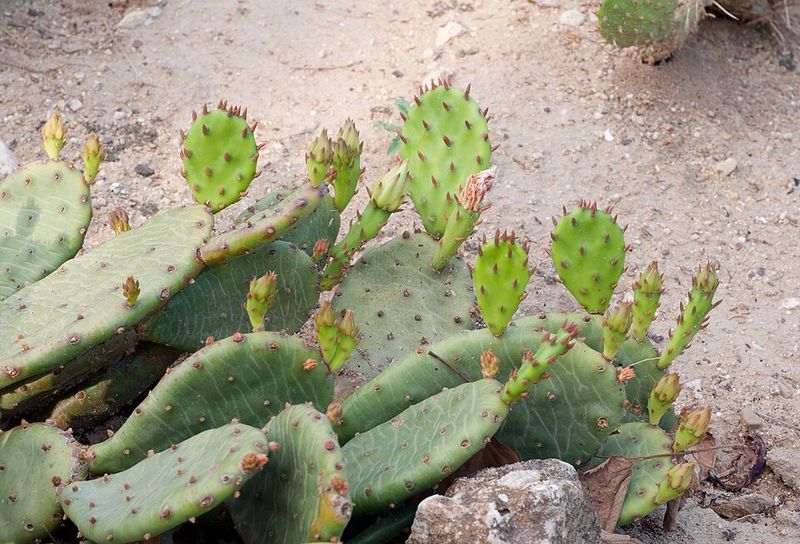
Nothing says heat-ready quite like a prickly pear, and that reputation is well deserved in Texas landscapes. Paddle-shaped pads hold water efficiently, letting the plant cruise through long dry spells with very little intervention.
Many varieties also offer bright flowers and colorful fruit, so you get more than a tough silhouette.
Full sun is essential, and excellent drainage matters just as much as it does for other desert-adapted plants. In heavy clay, planting on a berm or raised area can make all the difference.
I would keep it away from narrow walkways, though, because those spines and glochids are not forgiving.
Used correctly, it becomes a striking accent in native gardens, rock beds, and southwestern-style front yards. Pair it with sotol, red yucca, or native grasses for a look that fits the climate instead of fighting it.
Minimal water and almost no feeding are usually enough once the plant is established.
Cold snaps can damage pads, but many types rebound surprisingly well when warmth returns. The key is avoiding winter moisture around the roots as much as possible.
For a plant that looks distinctly Texan and shrugs off punishing summer conditions, prickly pear deserves serious consideration.
Damianita
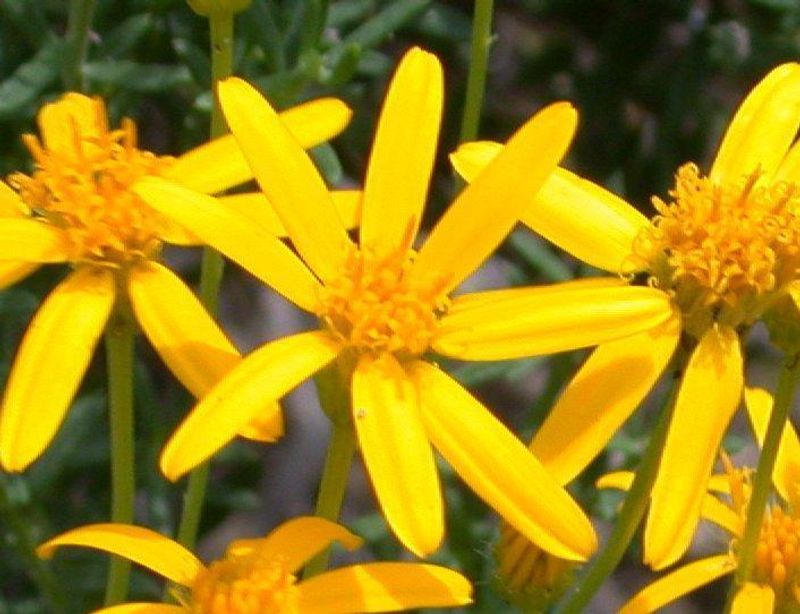
For nonstop yellow color in a compact package, damianita is one of the easiest wins in a dry Texas bed. The tidy mound stays neat, while daisy-like flowers cover the plant during strong bloom periods.
Even when not flowering, the fine foliage keeps the planting from looking empty or neglected.
This shrub thrives in full sun and sharply drained soil, making it a natural fit for rock gardens and xeriscapes. Rich soil and excess irrigation can shorten its life, so restraint is actually the better strategy.
I would treat it as a plant that prefers tough love rather than frequent attention.
It works especially well along paths, beside gravel drives, or at the front of mixed borders where brightness is needed. Pairing it with silver foliage or blue-green succulents creates a color contrast that feels crisp and intentional.
A light trim after flowering can help maintain the rounded shape without turning maintenance into a chore.
Because the plant stays relatively small, it fits yards where space is limited but visual impact still matters. It also handles heat that would flatten many cottage-style bloomers.
If your goal is cheerful color that survives Texas dryness without constant care, damianita deserves a place on the shortlist.
Desert Willow
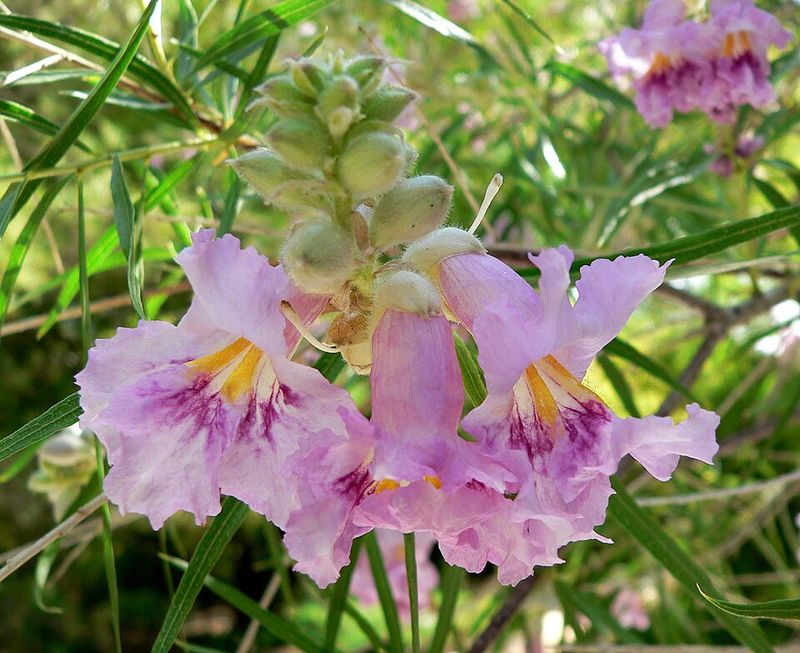
Shade is valuable in a Texas yard, and desert willow provides it without demanding a heavy watering routine. This small tree has an airy branching habit that feels light instead of bulky, plus trumpet-shaped blooms that attract hummingbirds through warm months.
The narrow leaves also create less litter than many broadleaf choices.
Heat and drought suit it well once established, especially in full sun and fast-draining soil. That makes it a strong candidate for water-wise front yards, patios, and narrow side spaces.
I like it near seating areas where the flowers and wildlife activity can be enjoyed up close.
Pruning can shape it into a multi-trunk specimen or a more traditional small tree, depending on your style. Because growth is open, it casts filtered shade that still allows tougher understory plants to thrive beneath it.
Blackfoot daisy, red yucca, and native grasses all make excellent companions around the base.
Overwatering usually causes more problems than underwatering, so do not treat it like a thirsty lawn tree. Seed pods may appear after flowering, but many gardeners find the graceful structure worth that minor cleanup.
For a flowering tree that feels right at home in dry Texas conditions, desert willow stands out.
Rock Rose
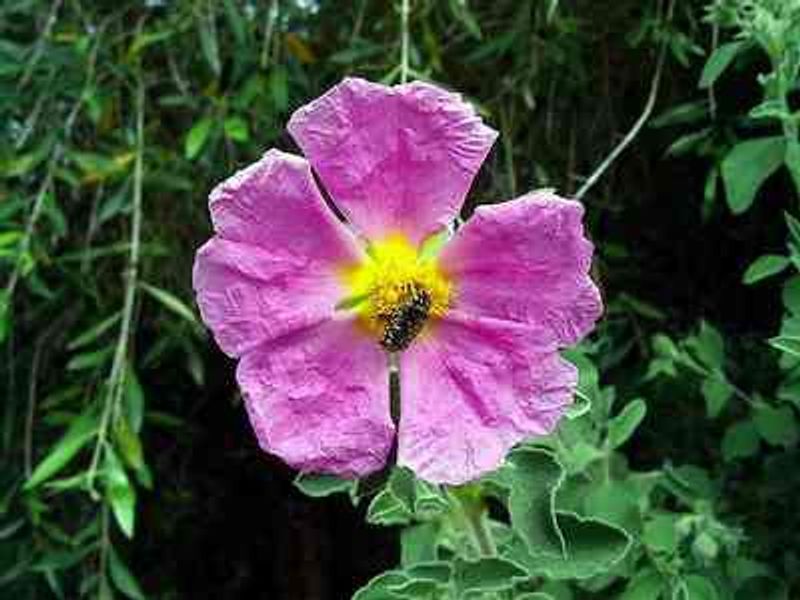
Bright pink flowers and tough performance are not always found together, but rock rose manages both surprisingly well. This native shrub stays relatively compact, blooms generously, and handles hot sun without behaving like a diva.
In a dry Texas yard, that combination is practical as well as beautiful.
Full sun gives the best flowering, though light shade can work in especially intense western exposures. Soil does not need to be rich, and moderate neglect often produces a stronger, tighter plant.
I would avoid overfertilizing, because soft growth usually means more maintenance and less resilience during stressful weather.
Rock rose fits easily into cottage-inspired xeriscapes, pollinator gardens, and foundation plantings that need dependable color. The flowers have a soft, almost tropical look, yet the plant itself is much tougher than that appearance suggests.
Pair it with autumn sage, damianita, or native grasses for a layered design that handles summer well.
A periodic trim can tidy the plant after heavy bloom cycles, but constant shaping is rarely necessary. Once established, supplemental irrigation can be modest even in extended dry periods.
If you want easy pink color that still respects the realities of a Texas climate, rock rose is a very smart addition.
Turk’s Cap
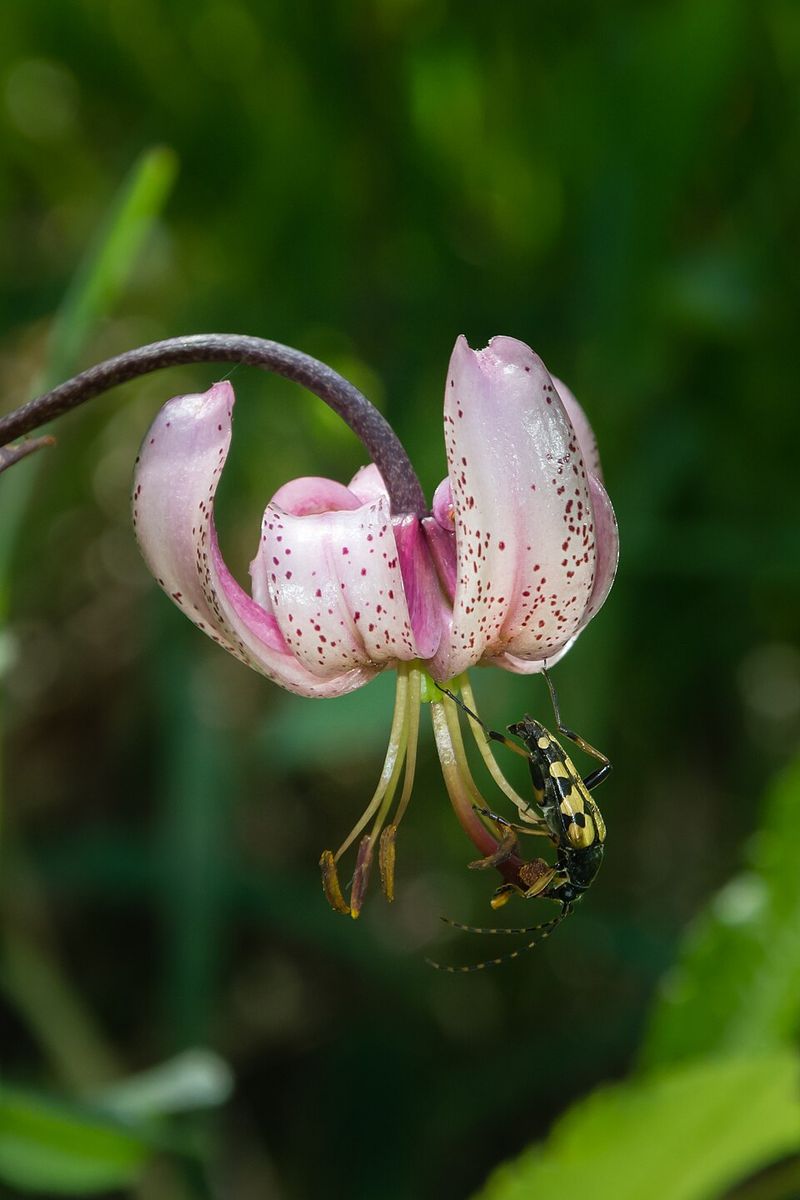
Not every dry Texas yard is blazing from sunrise to sunset, and Turk’s cap is useful in those brighter shade situations. Red flowers stay coming through warm weather and pull in hummingbirds with impressive consistency.
The relaxed growth habit also helps gardens feel softer and less rigid than purely desert-style plantings.
Once established, this native handles dry spells better than many people expect, especially if it gets some afternoon protection. It can take sun in parts of Texas, but partial shade often keeps foliage fresher during the hottest weeks.
I find it especially helpful near porches, fences, and east-facing beds that need color without high demand.
The plant can spread into a generous patch, so give it room if you want a naturalized look. If space is tighter, occasional thinning keeps it manageable without asking for formal pruning skills.
Berries add extra interest later, and wildlife benefits make the yard feel more alive.
It may die back in winter depending on location, then return strongly when temperatures rise. Regular deep watering is helpful during establishment, but mature plants are forgiving.
For gardeners with dry shade or mixed-light conditions, Turk’s cap offers an easy native option that still feels full of personality.
Bougainvillea
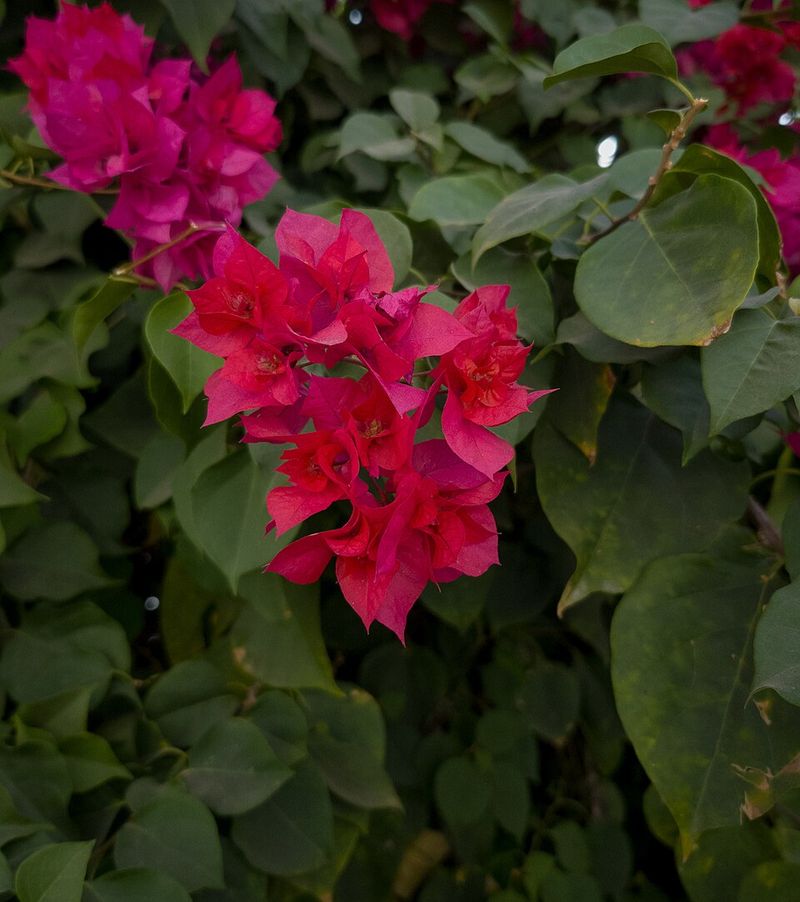
For pure heat-loving drama, bougainvillea is hard to overlook in the warmest parts of Texas. The papery bracts come in vivid shades that hold their color through scorching weather, making patios and courtyards feel instantly brighter.
It actually blooms better when conditions stay somewhat lean and sunny.
Good drainage is nonnegotiable, especially in containers or beds that might hold water after storms. Too much fertilizer produces leafy growth at the expense of color, so restraint pays off here.
I would also place it carefully, because the thorns can be a nuisance near doors, gates, or narrow paths.
In frost-free or lightly frosty areas, it can be trained on trellises, walls, and arbors for major visual impact. Farther north, many gardeners grow it in large pots and protect it through winter.
The cascading habit works beautifully over retaining walls or from elevated containers where the color can spill downward.
Once established, watering can be infrequent, and that low thirst is a real advantage during hot stretches. Just remember that severe cold may damage or kill top growth.
If your Texas yard gets intense sun and you want bold color with a Mediterranean feel, bougainvillea can be spectacular.
Rosemary
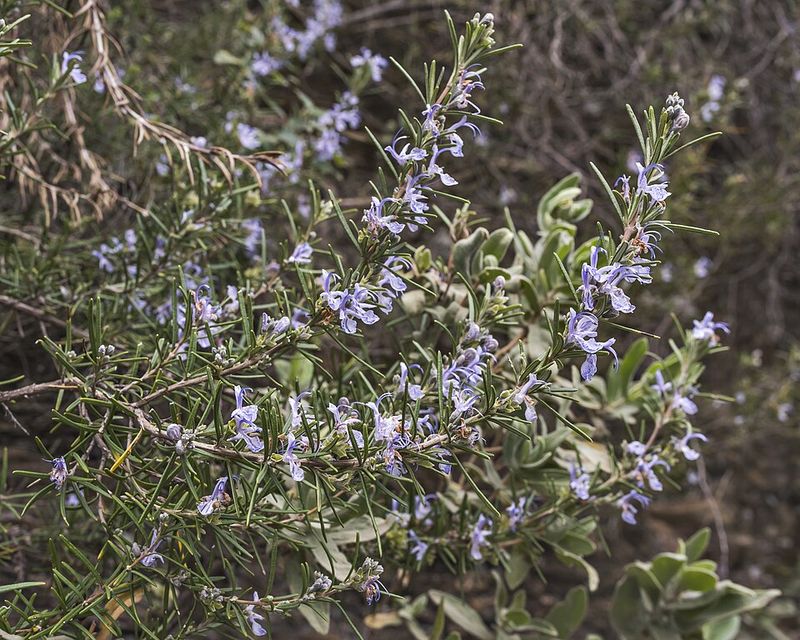
An herb that doubles as a landscape workhorse is always worth planting, and rosemary fits that role beautifully. Needle-like evergreen foliage looks tidy year-round in many parts of Texas, while pale blue flowers add seasonal charm.
The fragrance is a bonus every time you brush past it on a hot day.
Full sun and excellent drainage are the foundation of success, especially in heavier soils. Raised beds, berms, and containers can help if your yard tends to stay wet after rain.
I like using rosemary near walks, patios, or kitchen doors where it is easy to enjoy and easy to harvest.
Upright forms make handsome low hedges, while trailing types spill attractively over walls and large pots. Beyond cooking, it provides structure among flowering drought-tolerant plants that may come and go with the seasons.
Pair it with lavender, salvia, or red yucca for a bed that smells good and handles heat responsibly.
Overwatering is the most common mistake, followed closely by planting it where drainage is poor. Once established, it usually needs very little attention beyond a light shaping now and then.
For a Texas yard that values both practicality and beauty, rosemary earns its keep in more ways than one.