
Herb Combinations That Grow Best Together In North Carolina Pots
Follow us on Google
North Carolina gives potted herbs a little bit of everything – humid summers, surprise cold snaps, and plenty of sun if you place containers well. That mix can be amazing for flavor, but it also means smart plant pairings matter more than most gardeners expect.
The right herbs share water needs, root space, and light preferences, so your pots stay productive instead of turning into a tangled mess. If you want containers that look full, smell incredible, and actually thrive through the season, these combinations are the ones worth planting.
Basil and Parsley
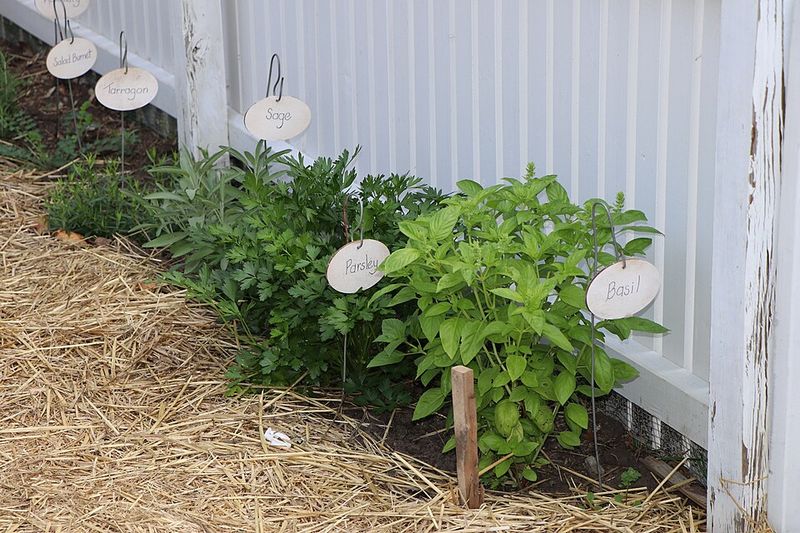
In a North Carolina container, this pairing works because both plants appreciate steady moisture, fertile potting mix, and at least six hours of sun. You get a pot that looks full fast, but it still stays manageable if you pinch often.
I like using a container at least 12 inches wide so parsley can mound near the edge while basil fills the center.
Summer heat pushes basil hard, and parsley keeps pace if you do not let the soil dry completely between waterings. A layer of mulch helps during humid stretches when pots heat up by noon.
If afternoon sun feels intense in July, a spot with morning sun and light late shade keeps leaves tender.
Feeding lightly every two to three weeks keeps growth even without making basil floppy. Snip outer parsley stems first and harvest basil from above a leaf pair so both plants branch instead of stretching.
Good airflow matters, especially after rain, because crowded foliage in North Carolina humidity can invite mildew.
This is the pot I reach for when cooking pasta, grilled chicken, or tomato salad. You can also tuck in a few marigolds nearby to discourage pests without crowding the herbs themselves.
By late summer, regular harvesting is what keeps this container productive rather than leggy.
Rosemary and Thyme
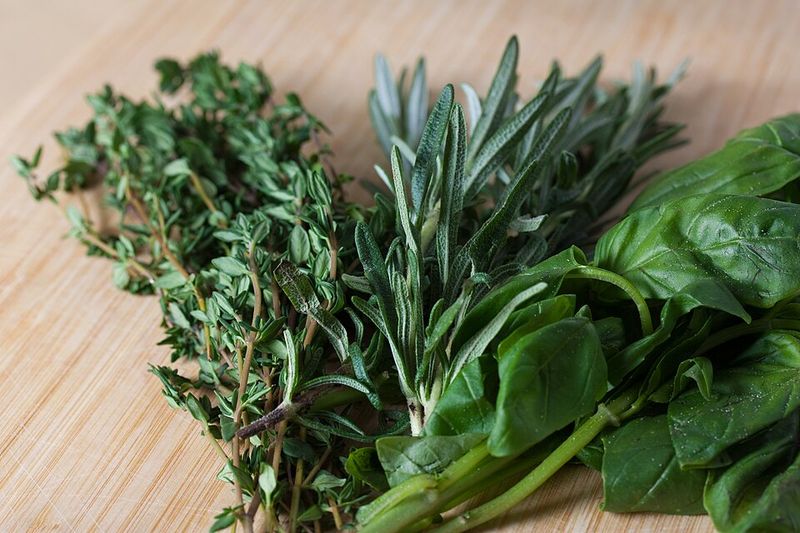
Dry loving herbs are easiest to manage together, and this duo proves it every summer. Both prefer sharp drainage, full sun, and a lighter hand with water than many cooks expect.
In North Carolina, that matters because heavy rain and humidity can do more damage than a missed watering.
Use a gritty potting mix with extra perlite or fine pine bark, and choose an unglazed clay container if possible. That setup dries faster after storms and helps protect roots from sitting wet.
I keep rosemary slightly toward the center where growth is upright, then let thyme trail near the rim.
Skip rich fertilizer here because soft growth struggles in heat and moisture. Prune rosemary lightly and often rather than hacking it back all at once, and shear thyme after flowering to keep it dense.
Good spacing makes a real difference, since both need moving air around stems to stay clean.
This pot shines near steps, patios, or a sunny driveway where reflected warmth helps in spring and fall. If winter temperatures dip hard, move the container to a sheltered spot and water sparingly.
For cooks, this pairing is incredibly practical because both herbs are ready for roasted vegetables, chicken, potatoes, and bread almost year round.
Chives and Cilantro
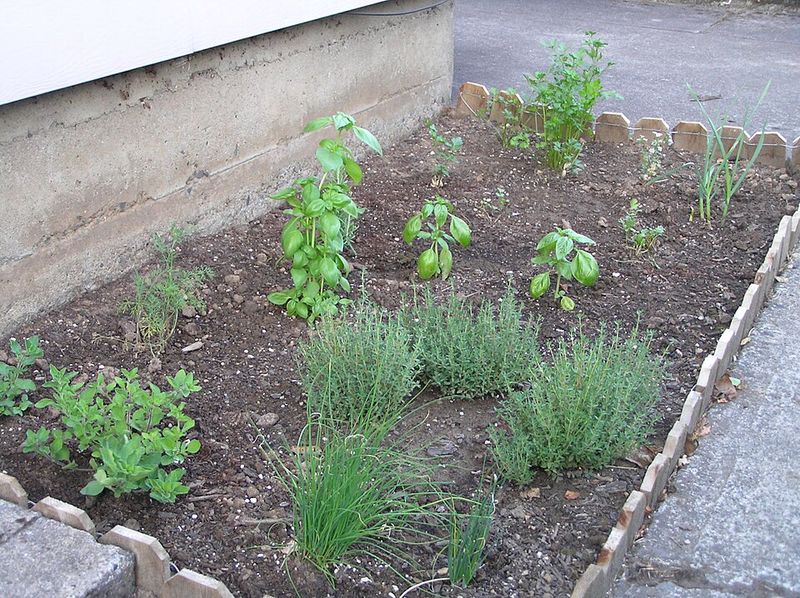
Cooler seasons are where this combination really earns its place in a North Carolina garden. Both herbs enjoy mild temperatures, regular moisture, and a little protection from harsh afternoon sun once spring warms quickly.
If you plant them in early spring or fall, you get a container that stays useful for weeks without constant fuss.
A pot around 10 to 12 inches deep gives cilantro enough root room and keeps chives from drying too fast. Place chives toward the back or center and allow cilantro to fill gaps around it.
I find that morning sun with light afternoon shade slows bolting and keeps cilantro leaves softer.
Because cilantro can race to flower when temperatures jump, succession sowing every two weeks keeps the pot productive. Chives bounce back easily after snipping, so harvest them often and remove flower heads if you want more leaf growth.
Consistent water is important, but soggy soil still causes problems, especially after rainy stretches.
On the kitchen side, this pairing covers more meals than people realize. Chives brighten eggs, baked potatoes, and creamy dips, while cilantro moves straight into salsa, tacos, soups, and noodle bowls.
When spring weather swings wildly, having these two together makes harvesting simple before heat changes the whole mood of the pot.
Sage and Oregano
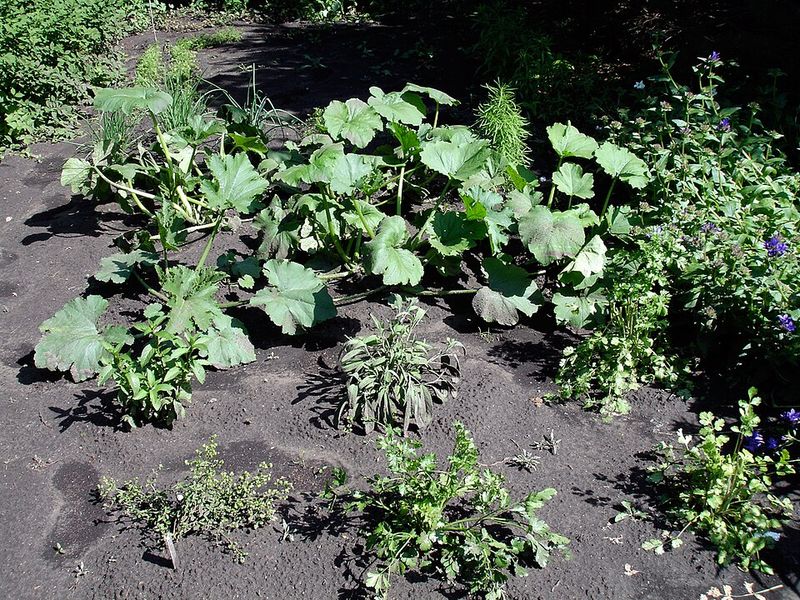
Heat tolerant, sun loving, and not too thirsty, these herbs make sense together from the start. They both prefer a container that drains fast and a schedule that avoids constant watering.
In North Carolina summers, that shared preference saves you from one plant thriving while the other sulks.
Choose a wide pot instead of a deep narrow one because oregano likes room to spread while sage forms a stronger central clump. A coarse mix with added perlite keeps roots healthier after thunderstorms.
I water deeply, then wait until the top inch dries, which usually gives both herbs the balance they want.
Sage can get woody if ignored, so tip prune young stems and remove any damaged leaves quickly. Oregano benefits from regular trimming too, especially before flowering, because that keeps flavor stronger and growth more compact.
Leave enough space between the plants so humid air can move through the container after rain.
Flavor is where this pot really pays off. Sage works beautifully with browned butter, beans, chicken, and squash, while oregano brings bold character to sauces, pizza, and grilled vegetables.
When you want one low maintenance container that still looks textured and smells fantastic in the heat, this is an easy favorite for a sunny North Carolina porch.
Mint and Lemon Balm
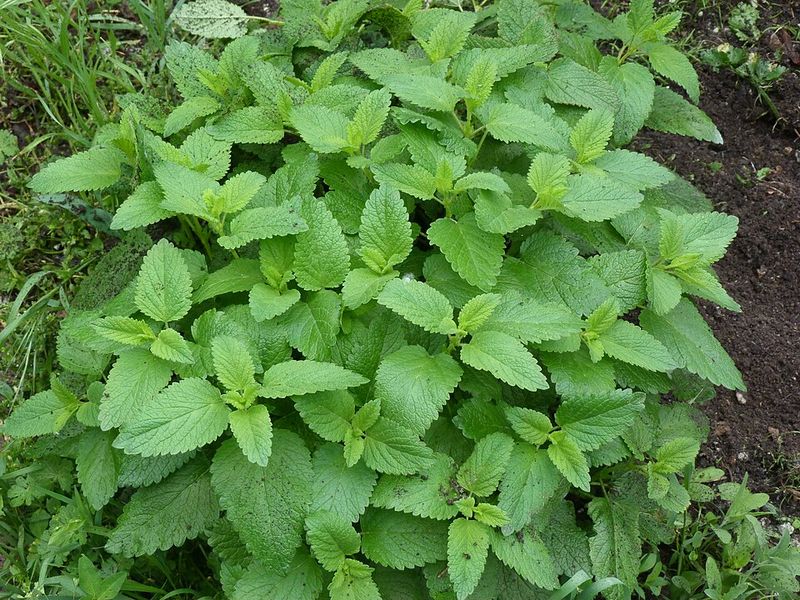
Vigorous herbs can become troublemakers in the ground, which is exactly why a pot suits this pairing so well. Both enjoy consistent moisture, rich soil, and part sun to full morning sun, especially during sticky North Carolina summers.
Keeping them together in a dedicated container lets you enjoy the fragrance without watching them swallow nearby plants.
Use a large pot, at least 14 inches wide, because both roots spread aggressively. Pinching every week helps the container stay bushy instead of top heavy, and it also delays flowering.
I usually place mint on one side and lemon balm on the other so harvesting stays simple and growth looks balanced.
Do not crowd in extra herbs just because the pot looks roomy early on. By midsummer, this container fills out fast, and airflow matters if leaves stay damp after storms.
Water when the top inch feels dry, then trim generously to keep fresh growth coming and prevent woody, tired stems.
This combination earns its keep in the kitchen and beyond. Mint cools iced tea, fruit salad, and yogurt sauces, while lemon balm adds a softer citrus note to tea, desserts, and summer water pitchers.
If you want a sensory pot near the door where brushing past it releases scent, this one feels satisfying from spring into fall.
Dill and Chives
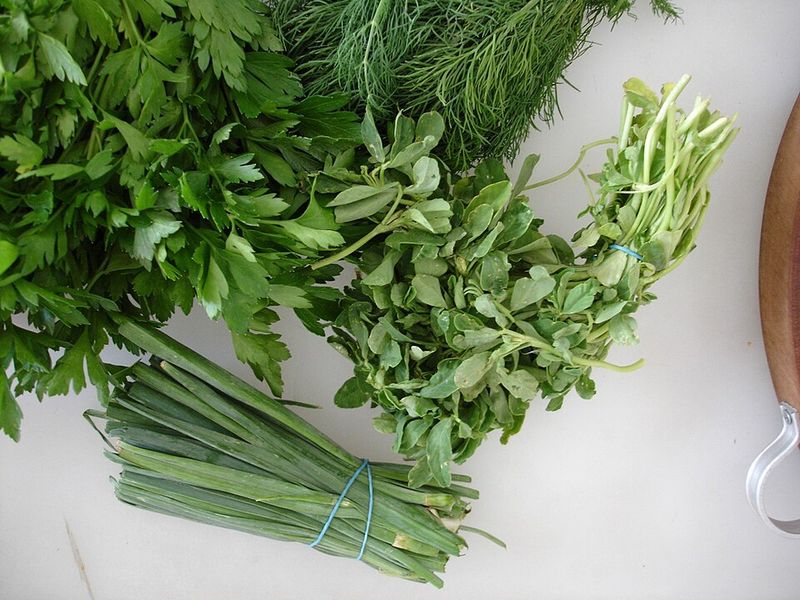
One herb brings height while the other fills in neatly below, making this a smart visual and practical pairing. Both enjoy the cooler side of the season and appreciate regular moisture without swampy soil.
In North Carolina, that means this pot does best in spring and again in early fall when temperatures are kinder.
Because dill sends down a longer taproot, choose a deeper container than you might expect. Chives fit around the edge nicely, and their compact habit helps shade the soil a bit.
I like placing this pot where it gets morning sun, since strong afternoon heat can push dill to bolt too quickly.
Succession sowing dill every couple of weeks keeps the pot useful longer, especially if a warm spell arrives early. Chives can be harvested repeatedly with scissors, but dill is better cut selectively so new foliage keeps forming.
Stake dill lightly if storms are common, because a sudden downpour can flatten soft stems.
From a cooking perspective, the combination is more versatile than it sounds. Dill brightens salmon, cucumbers, potatoes, and pickles, while chives add a mild onion note to eggs, dips, and cream based sauces.
If you want a spring container that looks airy and tidy at the same time, this one is dependable and easy to keep in rhythm.
Lavender and Thyme
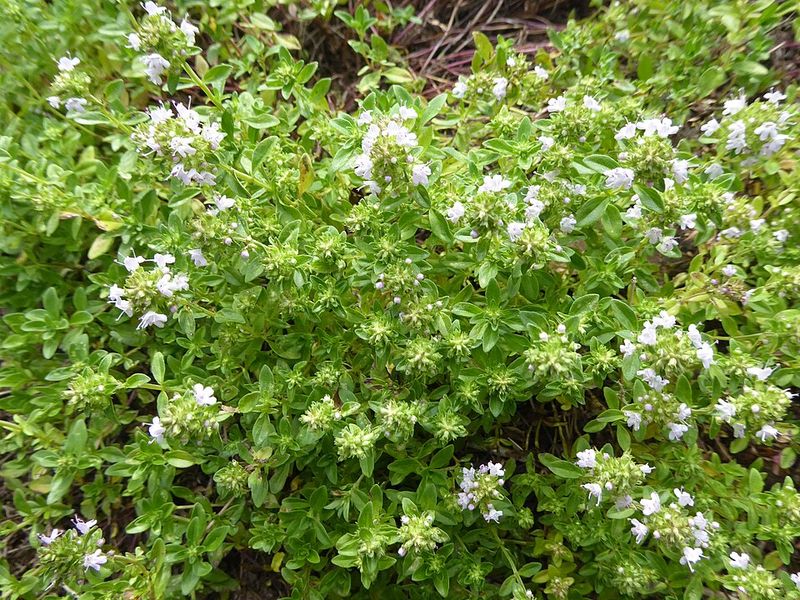
For gardeners with a bright, hot spot that bakes other herbs by lunchtime, this pairing makes a lot of sense. Both plants want excellent drainage, lean soil, and plenty of direct sun.
North Carolina humidity can be challenging for lavender, so combining it with another dry soil lover helps you avoid overwatering mistakes.
Start with the sunniest location you have and use a gritty mix that drains quickly after storms. A clay pot is helpful because it sheds moisture faster than plastic.
I keep lavender slightly raised in the center and tuck thyme near the edge, where it can spill softly over the rim.
Do not pamper this container with frequent feeding or daily water. Deep, occasional watering is enough once roots establish, and a gravel top dressing helps keep stems dry.
Prune spent lavender blooms and shear thyme lightly to maintain airflow, since damp, crowded growth is the main enemy in humid weather.
Visually, this pot feels polished without trying too hard. Lavender brings fragrance and soft flower spikes, while thyme adds a dense, useful carpet of leaves for cooking.
It works near front steps, mailbox gardens, or sunny patios, and the herbs reward you with scent each time you brush past, especially on warm evenings after a dry day.
Basil and Oregano
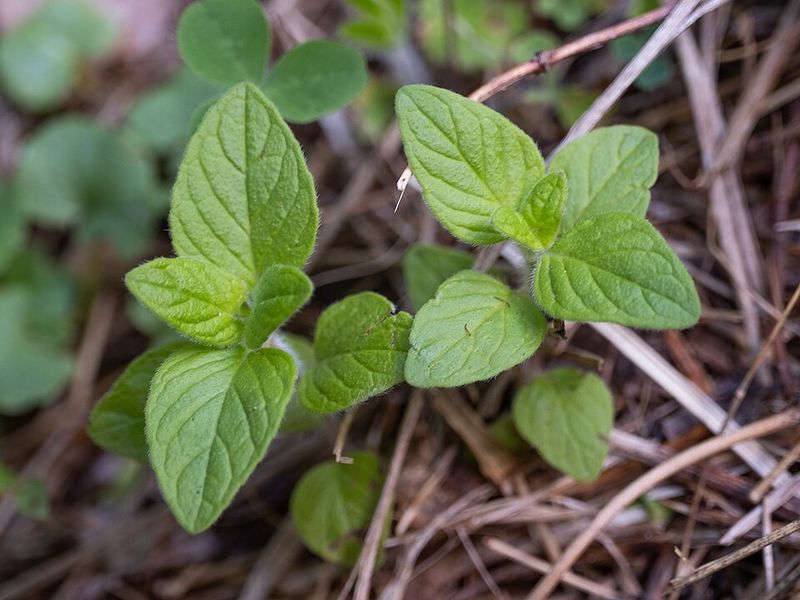
Few herb pairings feel more useful through summer, and the care overlap is close enough to make sharing a pot easy. Both enjoy warm temperatures, strong sun, and regular trimming that encourages fresh growth.
In North Carolina, this combination thrives when you stay ahead of midsummer stress with consistent watering and good air movement.
Use a container at least 12 inches wide with rich but well draining mix. Basil prefers slightly more moisture than oregano, so I water when the top inch dries and make sure excess drains freely.
Keeping basil near the center and oregano near the edge gives each a growth pattern that feels natural instead of crowded.
Pinching is the secret here. Remove basil tips before flowers form, and trim oregano often to keep flavor concentrated and stems compact.
Because humid evenings can encourage fungal issues, avoid splashing leaves late in the day and thin any crowded shoots after heavy growth spurts.
This is a kitchen workhorse for pizza nights, tomato sauces, grilled vegetables, and quick vinaigrettes. You can snip a little from both plants several times a week without setting them back if the roots are healthy.
For anyone who cooks often and wants one pot that earns space on the patio, this combination is practical, fragrant, and reliably productive.
Parsley and Chervil
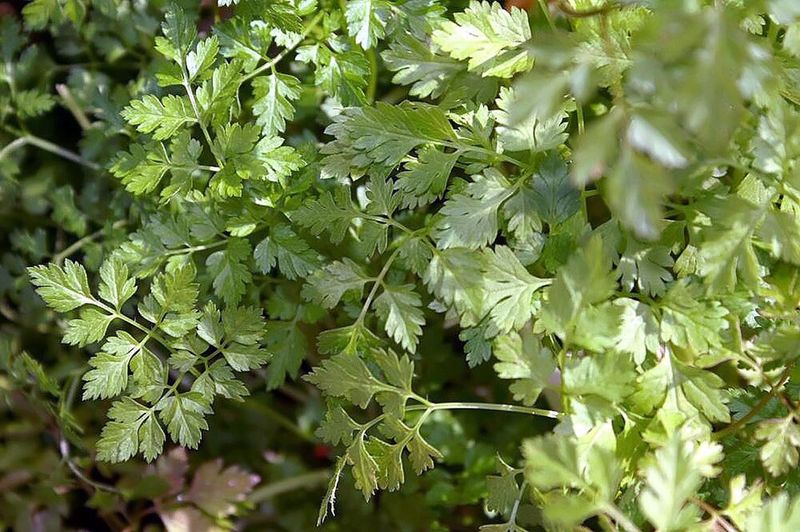
Gentler conditions suit this duo beautifully, making it a smart choice for spring or fall containers. Both herbs prefer cooler temperatures, evenly moist soil, and a little protection from blazing afternoon sun.
In North Carolina, that makes them especially useful on porches, decks, or patios that get bright morning light and softer light later on.
Choose a medium pot with rich potting mix that holds moisture without becoming dense. Parsley provides structure, while chervil brings a lighter, feathery texture that softens the whole container.
I find this pairing especially nice near the kitchen door, since frequent snipping keeps both plants compact and attractive.
Chervil can fade quickly in heat, so timing matters more here than with tougher herbs. Water consistently, mulch lightly, and harvest often to encourage tender new leaves.
Parsley will usually outlast chervil if warm weather arrives early, so reseeding chervil once temperatures ease again is worth the effort.
Flavor wise, the combination feels refined but still easy to use. Parsley lifts soups, roasted vegetables, and grain bowls, while chervil brings a mild anise note to eggs, chicken, salads, and soft sauces.
If you want a calmer, shade friendly herb pot that looks elegant and supports everyday cooking, this pairing is one of the best quiet performers.
Tarragon and Chives
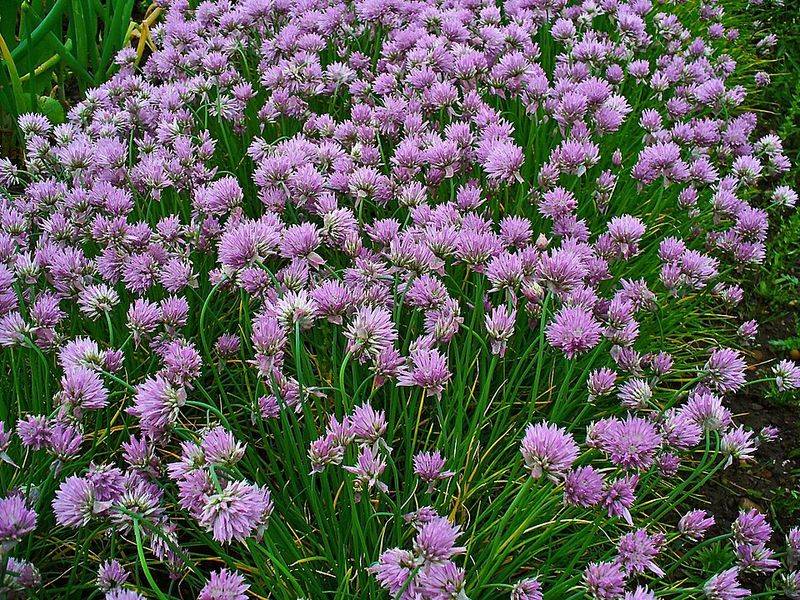
This pairing suits gardeners who want a pot with a polished look and very useful flavor range. Both herbs appreciate good drainage, moderate watering, and a location with strong morning sun plus some relief from brutal late afternoon heat.
That balance is especially helpful in North Carolina, where summer can turn intense quickly.
French tarragon tends to stay more upright and airy, while chives fill in around it with a tidy grassy clump. A 10 to 12 inch pot usually works well if the mix drains freely and roots are not crowded.
I avoid overfeeding because too much fertilizer makes growth softer and the flavor less concentrated.
Cut chives frequently to keep them fresh and prevent flopping. Tarragon benefits from light tip pruning too, especially once warm weather pushes quick growth.
If rain is frequent, check the center of the pot for congestion and remove any tired stems so air keeps moving through the foliage.
In the kitchen, this container feels more versatile than its elegant appearance suggests. Tarragon gives chicken, fish, dressings, and vinegar a gentle anise character, while chives brighten omelets, potato dishes, and creamy sauces.
For a cook who wants something a bit different from the usual basil heavy setup, this combination is easy to maintain and quietly impressive.
Lemon Thyme and Sage
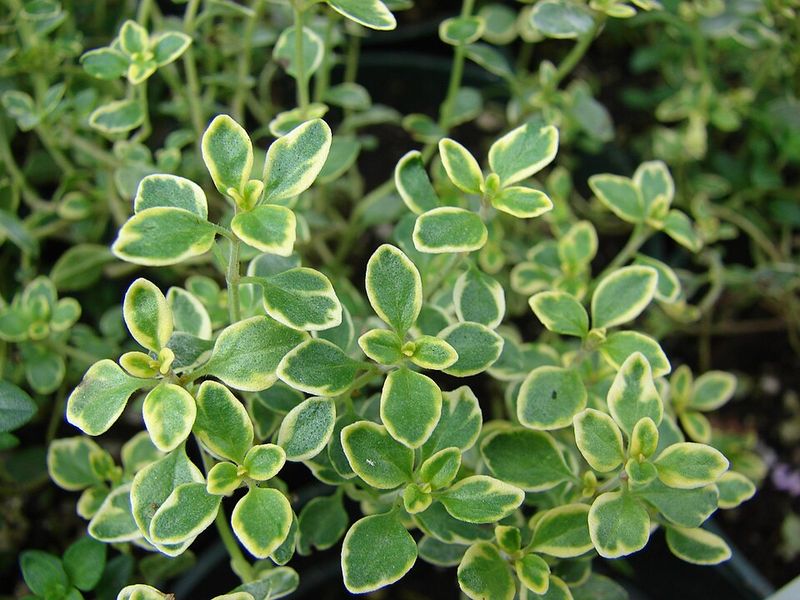
Textured foliage and strong drought tolerance make this pairing especially good for sunny containers that dry quickly. Both herbs prefer excellent drainage and do better with slightly lean conditions than with rich, wet soil.
In a North Carolina summer, that shared preference helps you avoid the common problem of overwatering beautiful herbs into decline.
Lemon thyme stays low and spreading, while sage brings height and a softer, velvety leaf surface. A broad clay pot works best because it allows the soil to dry evenly and gives each plant breathing room.
I place sage off center rather than directly in the middle, which makes the container look more natural and easier to harvest.
Pruning keeps this combo attractive. Trim lemon thyme often to prevent woody patches, and lightly shape sage through the season instead of waiting for it to become rangy.
After rainy periods, check the base of each plant and remove any yellowing leaves so moisture does not linger where stems meet soil.
The scent alone makes this pot worth growing near a walkway or sitting area. Lemon thyme adds brightness to roasted vegetables, fish, and tea, while sage handles beans, poultry, squash, and brown butter dishes beautifully.
If you want one durable container that handles heat with style, this combination earns its spot.
Cilantro and Dill
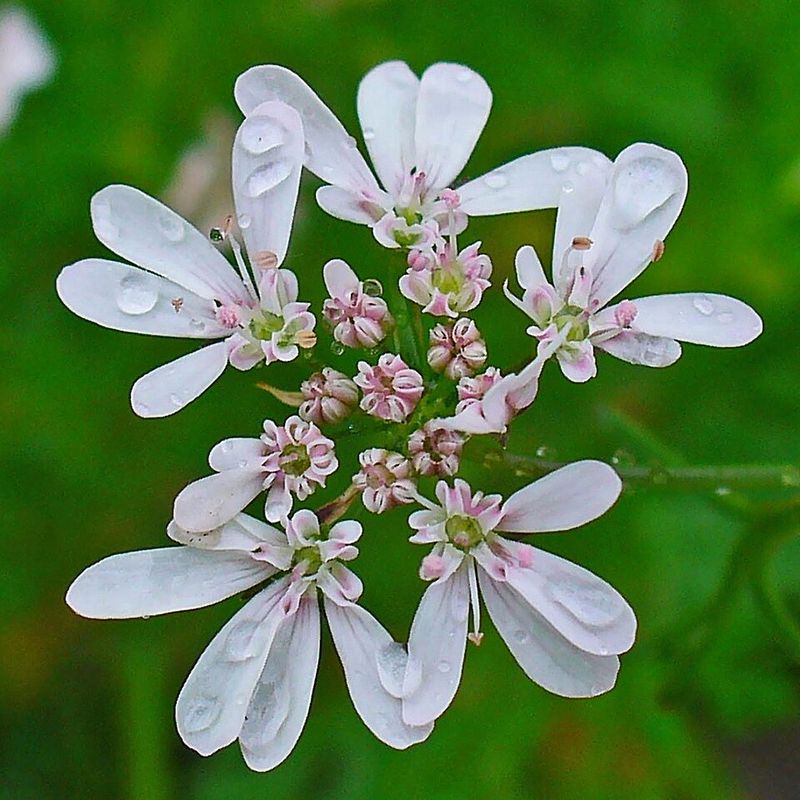
Fast growing and best in cooler weather, these two make a strong seasonal team when timed well. Both enjoy full to partial sun, regular moisture, and fertile soil that stays loose around the roots.
In North Carolina, planting early in spring or again in fall gives you the best shot at leafy growth before heat triggers quick flowering.
A deeper container helps because dill develops a longer root, while cilantro appreciates room to establish before bolting. I sow cilantro in small batches around the outer edge and place dill toward the center or back for height.
Morning sun is ideal, especially if your afternoons get hot and reflective off patios or driveways.
Success comes down to succession sowing and quick harvesting. Replant cilantro every couple of weeks, clip dill lightly and often, and never let the soil swing from soggy to bone dry.
Once flower stalks start forming, flavor changes fast, so it helps to use leaves generously rather than trying to stretch the planting too long.
This pot is especially useful if you cook fresh, bright food often. Cilantro leans into salsas, curries, and noodle dishes, while dill supports fish, potatoes, yogurt sauces, and cucumber salads.
For spring patio gardening, it gives you a soft, feathery look and plenty to snip before summer heat changes everything.