
15 Compact Shade Trees That Are Perfect For Small Texas Backyards
Follow us on Google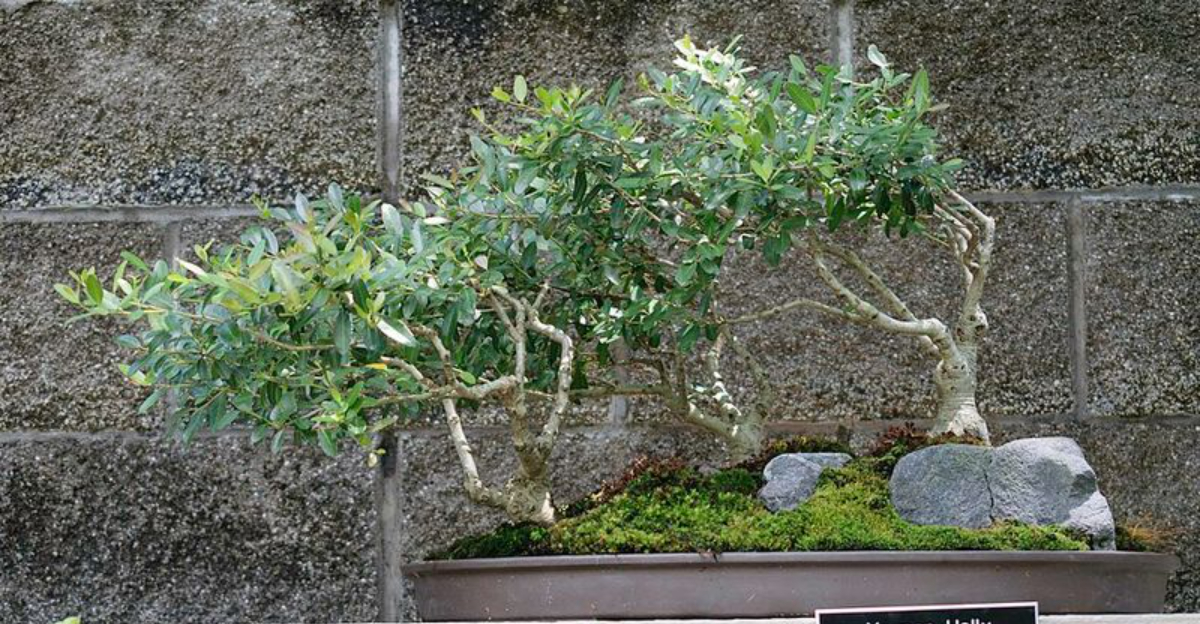
A small Texas backyard can heat up fast, but the right tree changes everything. Compact shade trees cool patios, soften harsh sunlight, and make tight spaces feel far more comfortable without overwhelming the lot.
The best picks can handle Texas heat, tricky soil, and limited square footage while still giving you beauty through every season. If you want relief, privacy, and curb appeal in one smart planting decision, these trees are worth a close look.
Texas Redbud
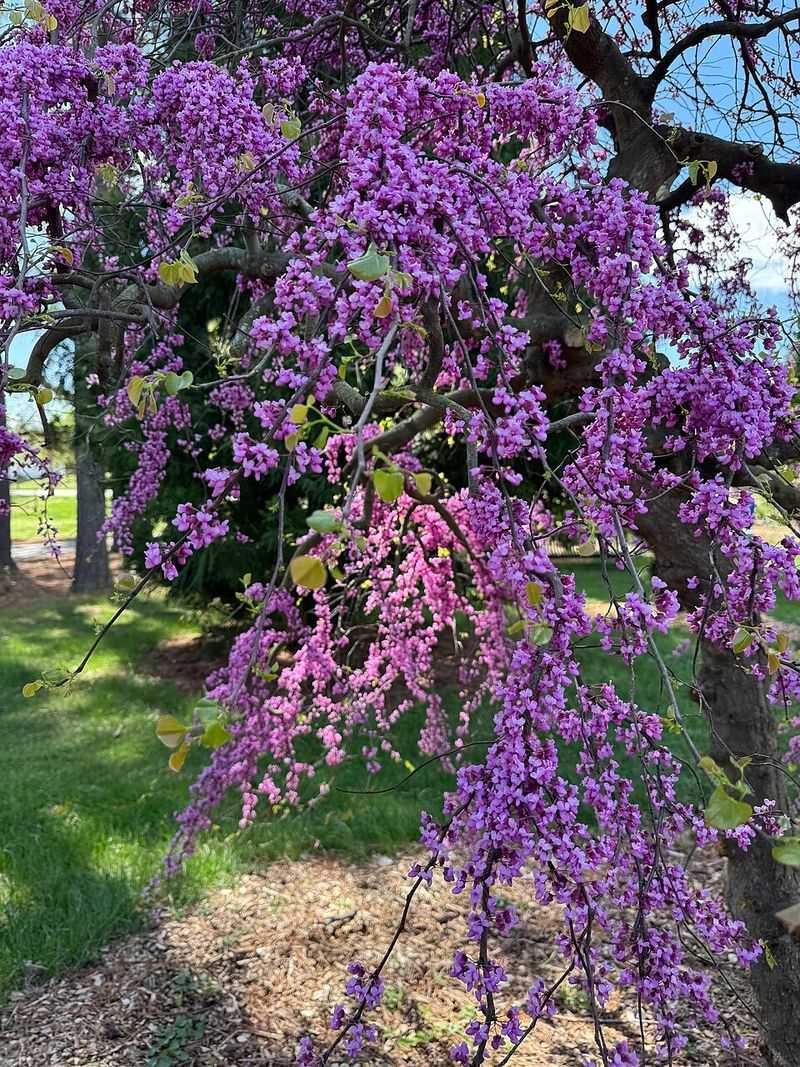
Spring color feels extra special in a small yard, and this native earns attention before most trees even leaf out. Bright pinkish purple blooms cover the bare branches early, then heart shaped leaves create a soft canopy that filters harsh afternoon sun without making the space feel closed in.
Most Texas redbuds stay in the 15 to 20 foot range, which is a very comfortable size for patios, play areas, and narrow side yards. You get shade that matters, but you are not constantly worrying about roots swallowing walkways or branches scraping the roof after a few fast growing seasons.
Good drainage matters more than fancy soil amendments, so plant it a little high if your ground holds water after storms. During the first year, deep watering every week or so helps establish a sturdy root system, and afterward it usually handles dry spells better than fussier ornamental choices.
One of the biggest advantages is the way it supports a Texas look without seeming wild or messy. Tuck it near a seating area, underplant with salvias or blackfoot daisy, and you get spring flowers, summer comfort, and a backyard that feels thoughtfully designed year round.
Mexican Plum
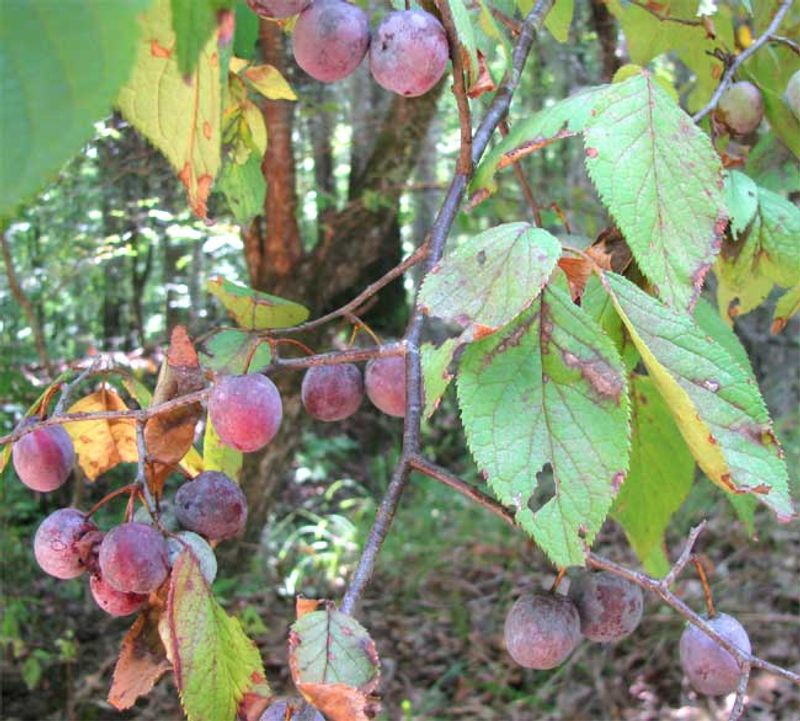
Fragrance is not always the first thing people expect from a shade tree, which is why this one stands out in such a memorable way. In late winter to early spring, white blossoms perfume the yard, and later the rounded crown offers light shade that works beautifully in smaller Texas spaces.
Mexican plum usually tops out around 15 to 25 feet, making it manageable for homes where every planting decision needs to earn its space. The canopy is not overly dense, so you still keep some lawn or understory plants happy while taking the edge off a blazing patio and reflective fence line.
It performs best in full sun with decent drainage, and it appreciates consistent water while getting established in the first couple of growing seasons. After that, it is fairly adaptable, though you will see the healthiest growth when you avoid overwatering and skip heavy fertilizer that pushes weak, lanky branching.
This tree also gives you seasonal personality without demanding constant pruning to stay attractive. The bark adds texture, birds enjoy the fruit, and if you want a backyard that feels more rooted in Texas than a generic builder landscape, this is a smart, good looking choice.
Desert Willow
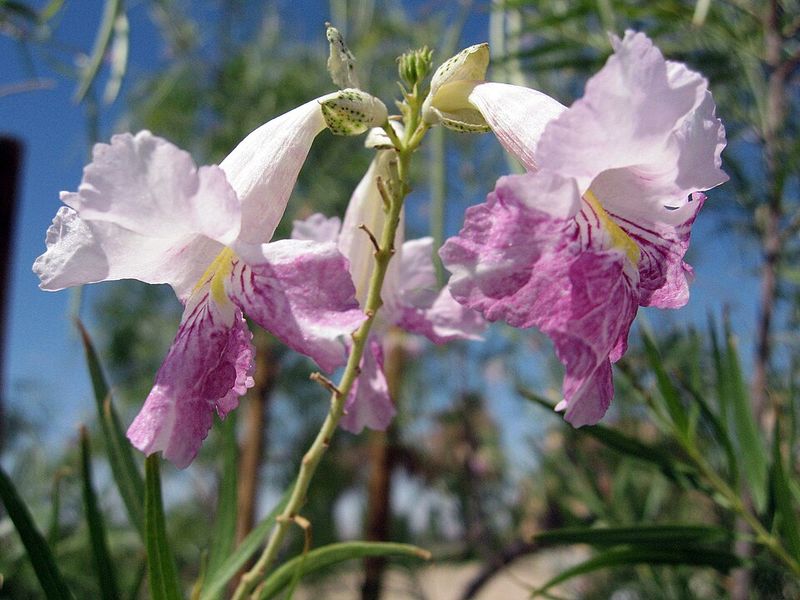
Heat can make a backyard feel unusable by noon, and an airy tree like this helps without turning the whole space dark. Desert willow brings a graceful shape, narrow leaves, and orchid-like flowers that keep the yard lively while still allowing breezes to move through comfortably.
Most specimens stay around 15 to 25 feet tall and wide, so it fits where a live oak would be far too ambitious. That moderate size makes it especially useful near patios, outdoor dining areas, and windows where you want filtered shade instead of a heavy ceiling of branches.
Dry conditions do not scare it, which is a major advantage in many parts of Texas where watering restrictions are part of normal life. Once established, it handles lean soil and summer heat very well, though occasional deep watering keeps flowering stronger and helps the canopy look fuller through prolonged drought.
Because the branching can be naturally open, a little structural pruning early on is worth the effort. Do that, and you get a tree that feels relaxed, colorful, and practical, especially if your backyard design leans native, modern, or low water instead of high maintenance and thirsty.
Yaupon Holly
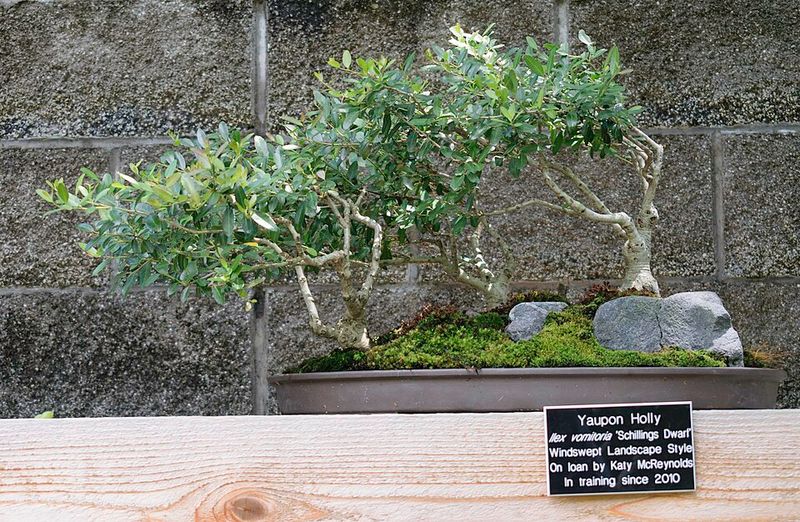
Evergreen shade is hard to beat when you want privacy and structure all year, especially in a backyard that feels exposed in winter. Tree form yaupon holly brings a dense, compact canopy that softens fences, screens neighboring windows, and creates usable shade without taking over a modest lot.
Depending on pruning and variety, it often stays around 12 to 20 feet tall, which gives you plenty of flexibility near patios, driveways, or pool edges. The smaller leaves keep the look refined, and female plants add cheerful berries that attract birds and brighten the yard when other plants fade.
Another reason people in Texas rely on it is toughness. It handles heat, humidity, urban conditions, and a range of soils with impressive patience, though it appreciates occasional deep watering during long dry stretches and cleaner structure if you remove crowded inner branches every few years.
For homeowners who want a neat, dependable tree rather than a seasonal showpiece, this one quietly does a lot of work. It pairs well with clipped shrubs, native grasses, or cottage style plantings, and it is especially helpful when you need shade plus screening in a backyard with little room to spare.
Possumhaw Holly
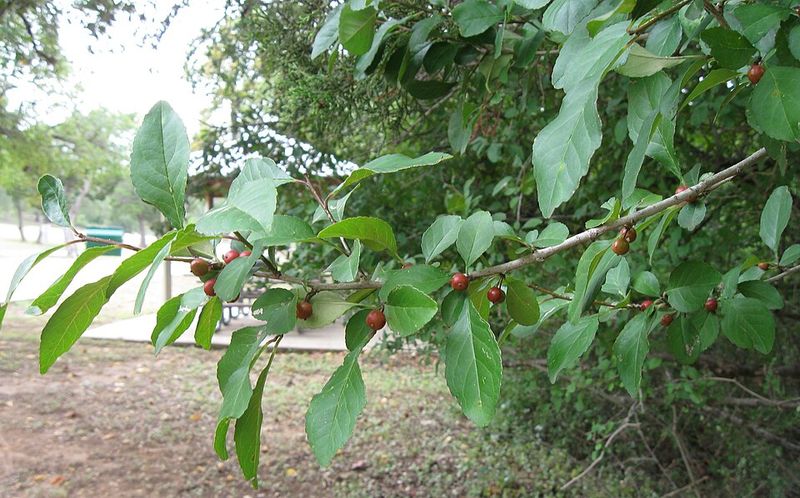
Winter interest matters more than people think, especially when a small backyard is visible from the kitchen or living room every day. Possumhaw holly earns its place with bright berries on bare branches, then shifts into a leafy, compact shade tree once the growing season gets going.
Its mature size usually lands around 15 to 20 feet, which works well for narrow yards and tighter suburban layouts. The canopy is not overly broad, but it offers enough relief for a sitting area or garden bed while keeping the space open and proportionate to the house.
This native is adaptable to many Texas conditions, including clay soils and periodic drought after establishment. Full sun encourages the best berry display, and planting a male nearby helps fruit production on female trees, which is worth remembering if that dramatic winter color is part of your plan.
Use it when you want a tree that contributes across multiple seasons instead of peaking for one short bloom period. Birds love the berries, the branch structure looks elegant even in dormancy, and the overall scale feels right for backyards where every square foot needs to stay useful and uncluttered.
Little Gem Magnolia
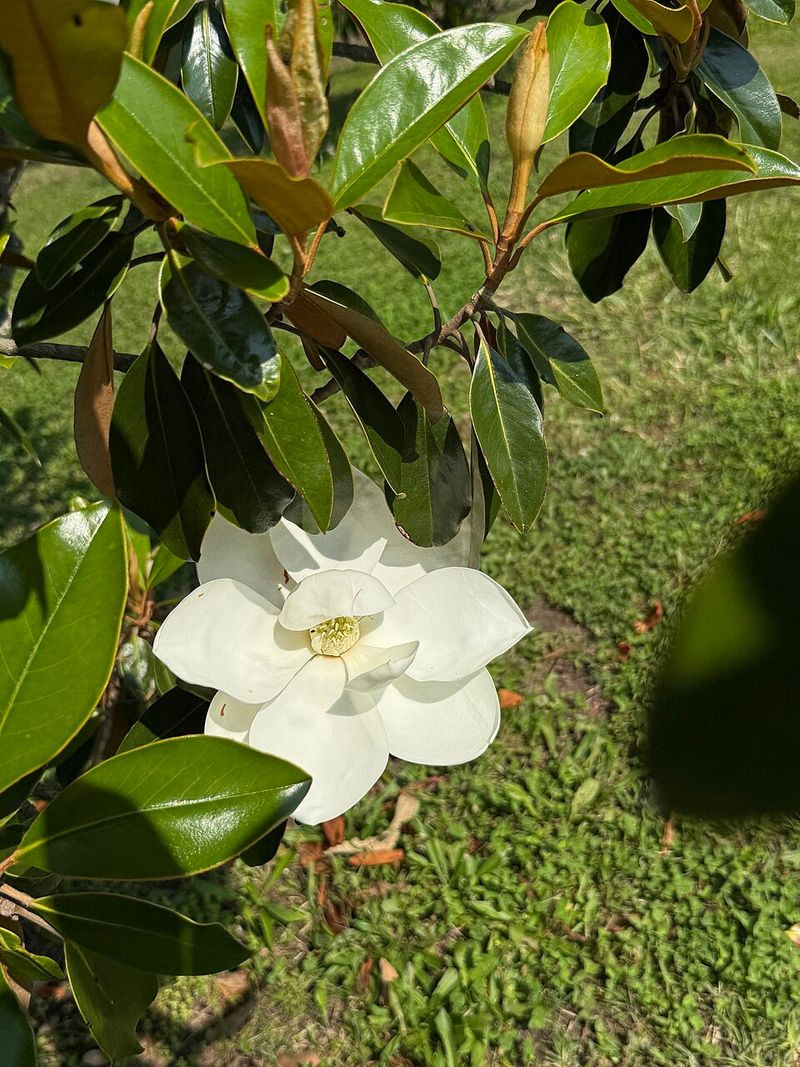
Glossy evergreen leaves can make a backyard look polished even when the rest of the planting is simple, and this magnolia does that beautifully. Large creamy flowers add seasonal drama, while the upright, compact shape makes it far easier to use than older magnolia varieties that swallow small lots.
Little Gem usually matures around 15 to 20 feet wide at most, often narrower, which is a comfortable scale near patios and property lines. The canopy is dense enough to create real shade, especially once it fills in, so it works well where you want a cooler sitting area or more privacy.
In Texas, it performs best with some attention to soil and irrigation during establishment. Morning sun and afternoon protection can help in hotter inland locations, mulch keeps the roots cooler, and consistent moisture prevents the leaves from looking stressed during long stretches of intense summer heat.
What makes it especially appealing is the year round presence. You still have structure in January, shine in July, and flowers that feel special without needing a complicated pruning routine, which is exactly what many small backyard owners want from a tree they will live beside every day.
Crape Myrtle
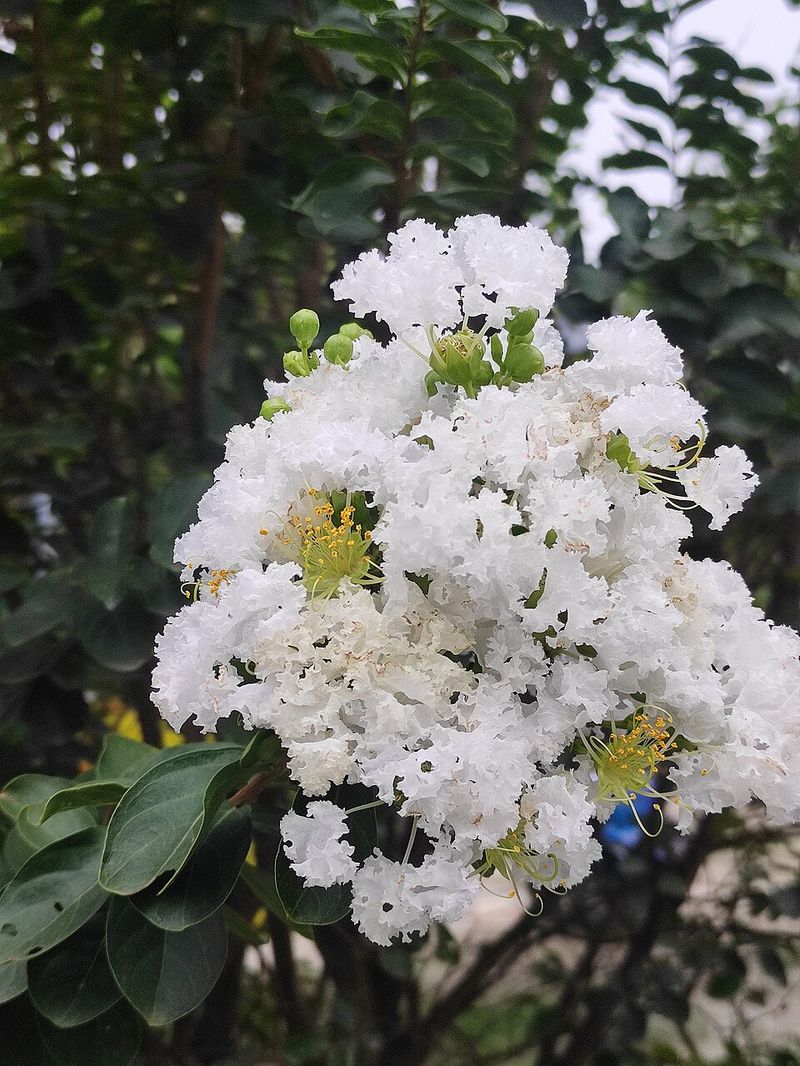
Summer color is one of the easiest ways to make a backyard feel inviting, and few compact trees deliver it more reliably. A well chosen crape myrtle provides flowers during the hottest part of the year, attractive bark in winter, and enough canopy to soften sun over patios and walkways.
The key is selecting a smaller cultivar instead of planting a giant variety that will outgrow the space and invite constant topping. Many excellent options stay in the 10 to 20 foot range, which makes them very workable for townhome yards, side patios, and narrow suburban back gardens.
These trees love sun and generally handle Texas heat with very little complaint once established. Good air circulation helps prevent powdery mildew, and thoughtful pruning is better than hard cutting, since natural branching creates the best shape and keeps the tree looking elegant instead of hacked apart.
If you want a tree that earns attention without demanding much from your weekends, this is a dependable choice. Pair a white or lavender cultivar with simple evergreen shrubs, and you get shade, long bloom time, and a classic Texas landscape element that still feels fresh and tailored.
Goldenball Leadtree
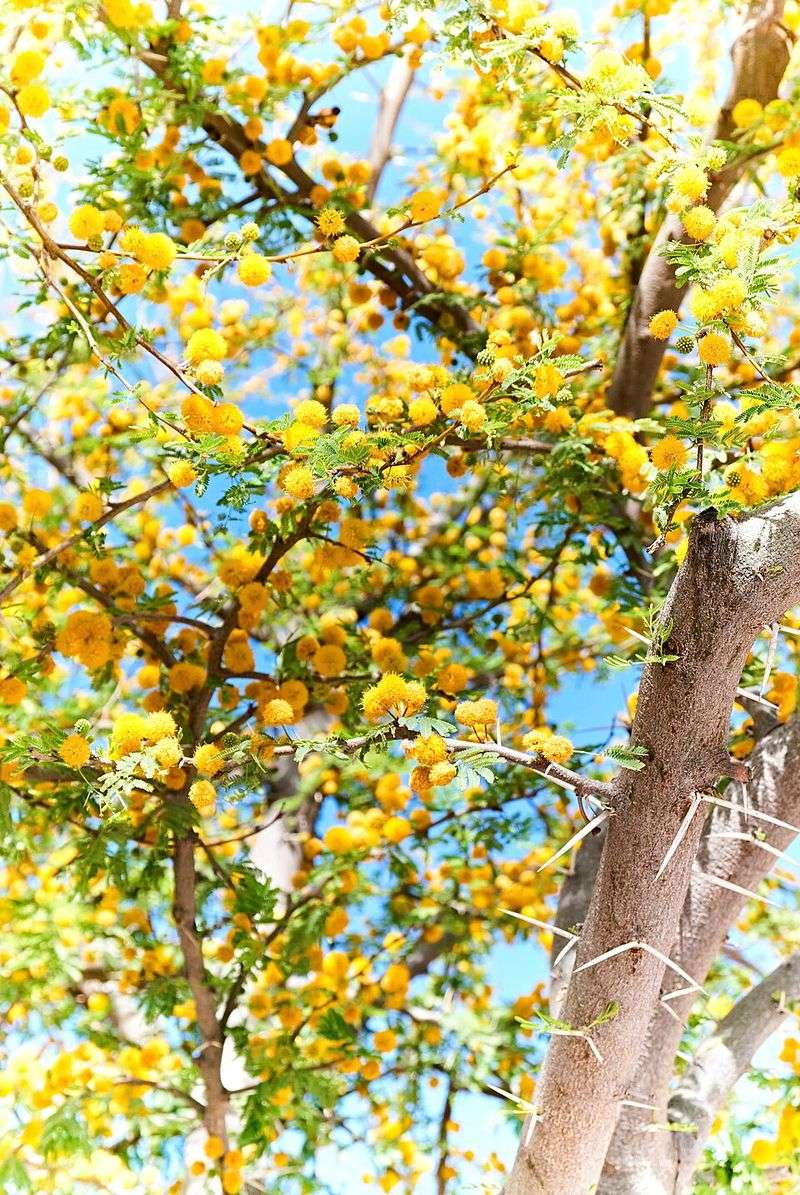
Backyards with intense sun often benefit from a tree that cools the space lightly instead of casting deep, heavy shade. Goldenball leadtree does exactly that, with fine textured foliage, cheerful yellow puffball flowers, and a size that works in small Texas yards where larger natives would feel overwhelming.
Most plants remain around 10 to 20 feet tall, depending on site conditions, so it is easy to fit near a patio or in a narrow planting bed. The canopy is airy, which lets breezes move through and gives nearby cactus, grasses, or low water perennials enough light to continue looking their best.
Drought tolerance is a major selling point once the tree is established. It prefers sun and well drained soil, and it is especially useful in hot regions where homeowners want shade that aligns with xeric planting rather than fighting it with high water needs and fussy maintenance.
This is not the tree for someone wanting deep, dark coverage over an entire lawn, but it shines when the goal is comfort with a light touch. In a modern or native style Texas backyard, it adds movement, seasonal color, and practical cooling without making the space feel crowded or overdesigned.
Red Buckeye
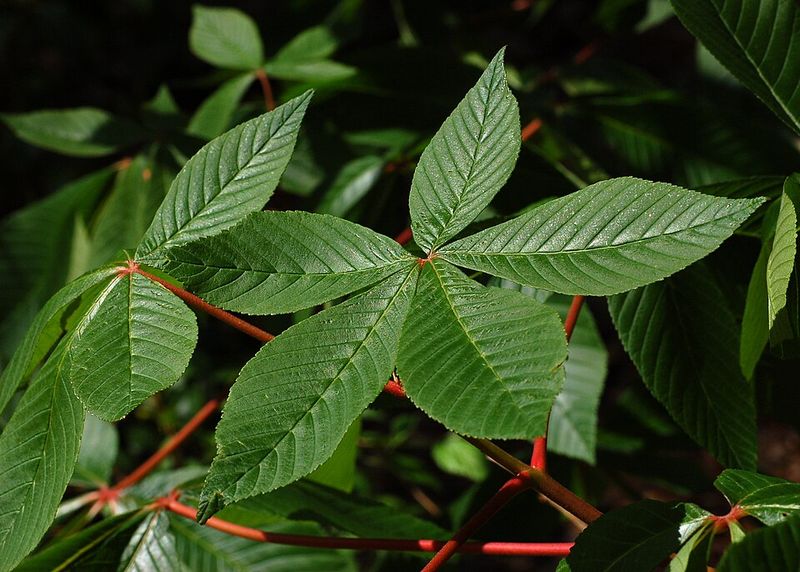
Early spring can feel short in Texas, so a tree that makes a strong impression before summer matters. Red buckeye sends up bold red flower spikes that hummingbirds adore, and later its rounded form provides enough shade to make a small seating area noticeably more comfortable.
It usually matures in the 10 to 20 foot range, which gives it a very manageable footprint for urban and suburban yards. The canopy stays compact, and because the tree is often wider than a large shrub but smaller than a standard shade tree, it fills an awkward scale gap beautifully.
In hotter parts of Texas, some afternoon shade can actually help it look better through the toughest months. It appreciates decent soil moisture during establishment and may go somewhat dormant in severe heat or drought, so it is a better fit for gardeners who like native character over nonstop lushness.
Used near a porch, courtyard, or wildlife friendly border, it gives the yard a seasonal pulse that feels rewarding rather than high maintenance. If your backyard needs a compact tree with flowers, shade, and strong ecological value, this one is easy to remember once you have seen it in bloom.
Roughleaf Dogwood
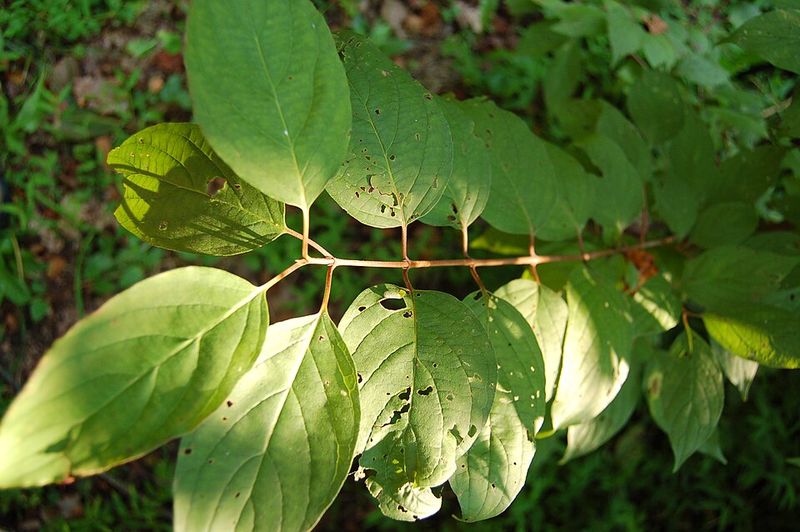
Natural looking backyards often feel cooler and more welcoming, and this native dogwood helps create that mood without needing a huge footprint. White flower clusters appear in spring, birds appreciate the fruit later, and the leafy canopy gives gentle shade that suits smaller Texas properties.
Roughleaf dogwood commonly grows 15 to 20 feet tall and can be trained as a multi trunk or small single trunk tree. That flexibility makes it useful if you want something informal near a fence line, or a more defined specimen near a patio where every branch needs intention.
It adapts to a range of soils and is more tolerant of Texas heat than many people expect from a dogwood relative. Supplemental water during long droughts keeps it fuller and less stressed, but once established, it usually performs well without the pampered treatment associated with showier woodland trees.
There is also a quiet wildlife benefit that makes a real difference in daily backyard life. More birds, more pollinator activity, and a softer native feel can make a compact yard seem larger and more alive, especially when the rest of the planting leans simple and regionally appropriate.
Wax Myrtle
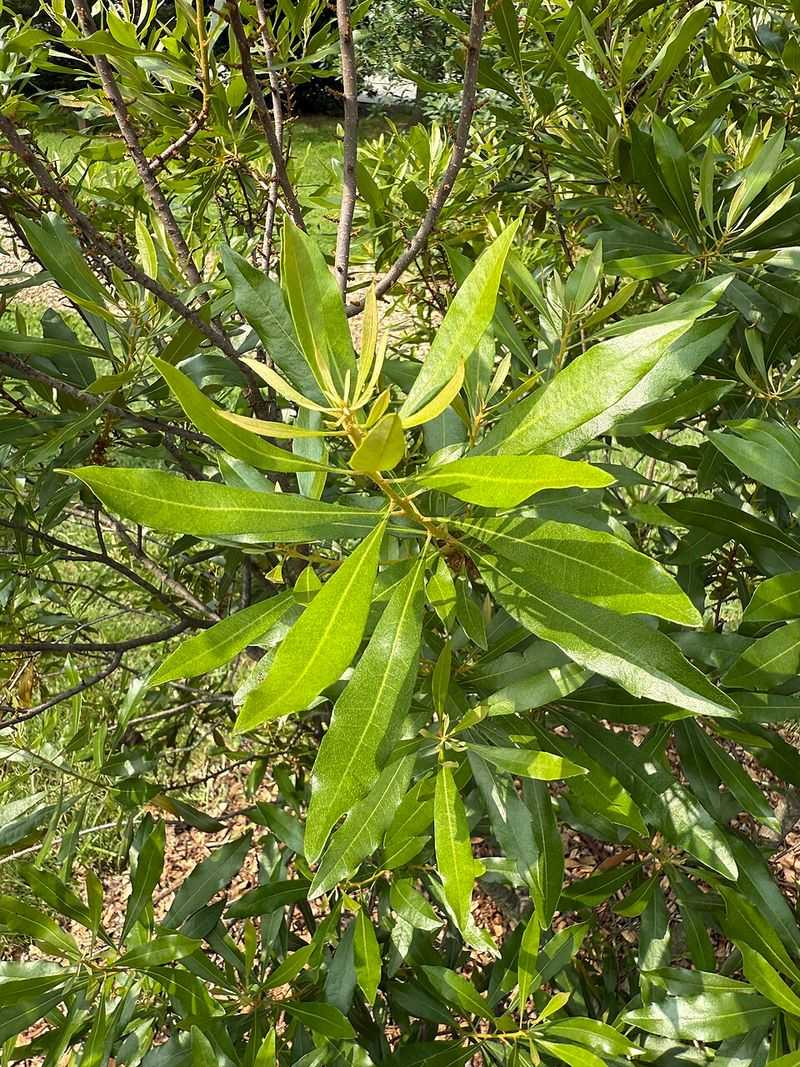
Privacy and shade often need to happen at the same time in a small backyard, and that is where this evergreen earns its keep. Wax myrtle can be trained into a handsome small tree that softens views, cools outdoor spaces, and keeps the garden from looking bare in winter.
When grown as a tree, it commonly reaches 15 to 20 feet, though pruning can keep it tighter and more tailored. That size is very useful along fences, beside patios, or near property edges where a broad shade tree would be too aggressive for the available square footage.
It tolerates heat, humidity, and a range of soil conditions surprisingly well, which explains why so many Texans rely on it. Moderate water helps it establish faster and look fuller, but once settled, it is fairly resilient, especially if you mulch the root zone and avoid unnecessary shearing.
The fragrance of the foliage is a nice bonus, and the fine texture mixes easily with both native and more formal plant palettes. For homeowners who want an all season screen with shade benefits and modest maintenance, this tree form shrub solves several backyard problems at once.
Sweetbay Magnolia
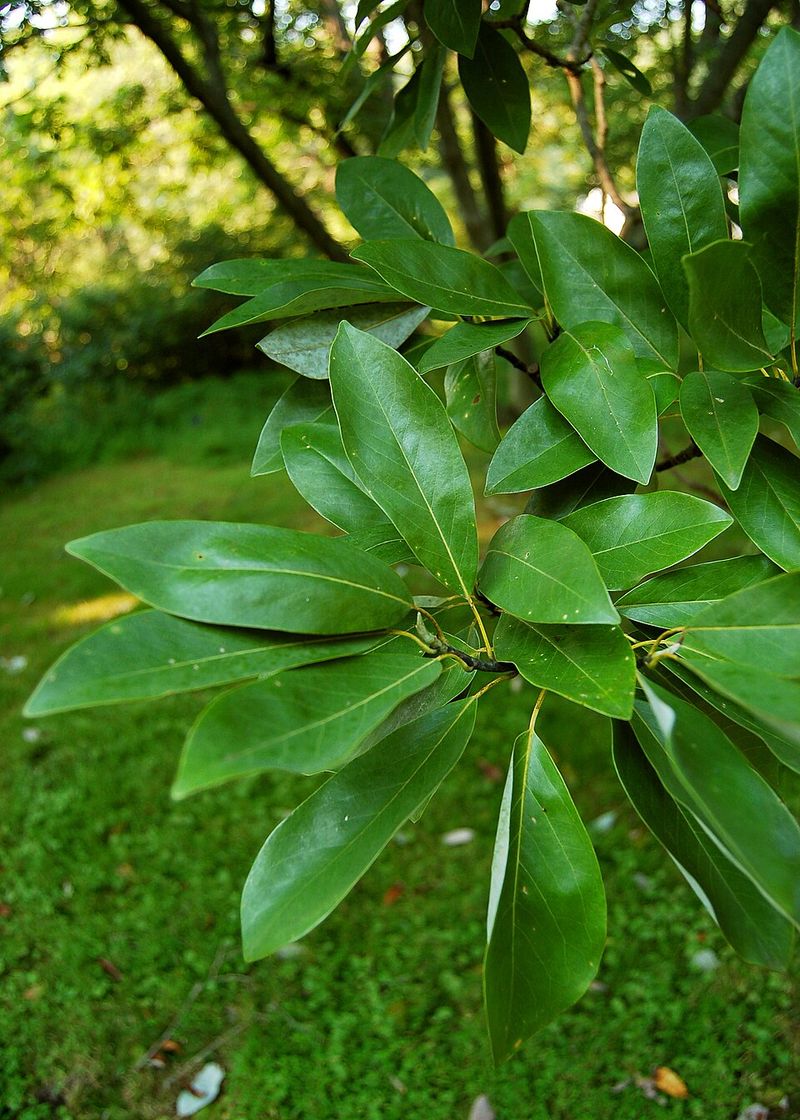
Some backyards call for a softer, more relaxed look than the glossy grandeur of traditional magnolias. Sweetbay magnolia offers fragrant white flowers, attractive foliage, and a lighter canopy that still cools a compact yard while keeping the overall space open and comfortable.
It often matures around 15 to 20 feet in cultivated settings, especially when conditions are not overly rich. That manageable size makes it a smart candidate near seating areas, rain gardens, or side yards where you want enough shade to matter but not a massive evergreen wall.
In Texas, it tends to perform best with regular moisture and a little protection from the harshest reflected heat. Eastern and more humid regions are especially suitable, though mulch and thoughtful watering can help it succeed in warmer interior locations where other ornamental trees may struggle.
The leaves flash a silvery underside in the breeze, which gives the tree movement and a subtle elegance from a window or patio chair. If your small backyard needs shade with fragrance and a calmer, less formal presence, this magnolia deserves more attention than it usually gets.
Carolina Cherry Laurel
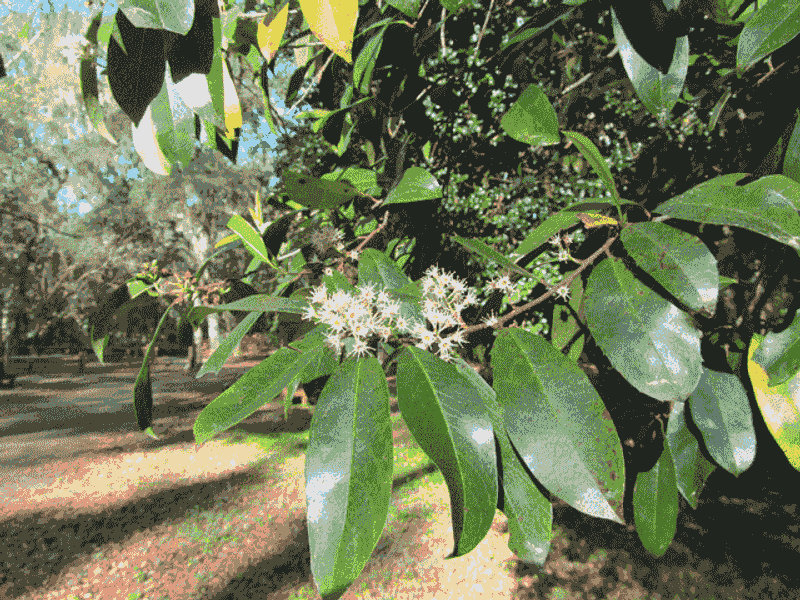
Evergreen structure can make a backyard feel finished, especially when neighboring houses are close and winter views are less forgiving. Carolina cherry laurel brings glossy leaves, a dense canopy, and useful shade, all in a size that can still work in many smaller Texas landscapes.
Left alone it can become fairly large, but with smart selection and pruning it often functions beautifully as a compact tree or large screen. In a small backyard, that flexibility matters because you can shape it to cast shade where you need it while keeping pathways and sightlines open.
It handles heat and urban conditions well, though it appreciates decent drainage and regular water while establishing. Because the foliage is evergreen and substantial, mulching and occasional deep irrigation during severe drought help maintain a fresher look and reduce stress on plants exposed to hot reflected surfaces.
This is a practical choice for homeowners who want a more polished backdrop rather than a fleeting burst of flowers. Used near a fence, outdoor dining area, or corner that needs softening, it adds privacy, lasting shade, and a clean appearance that supports almost any garden style.
Japanese Maple
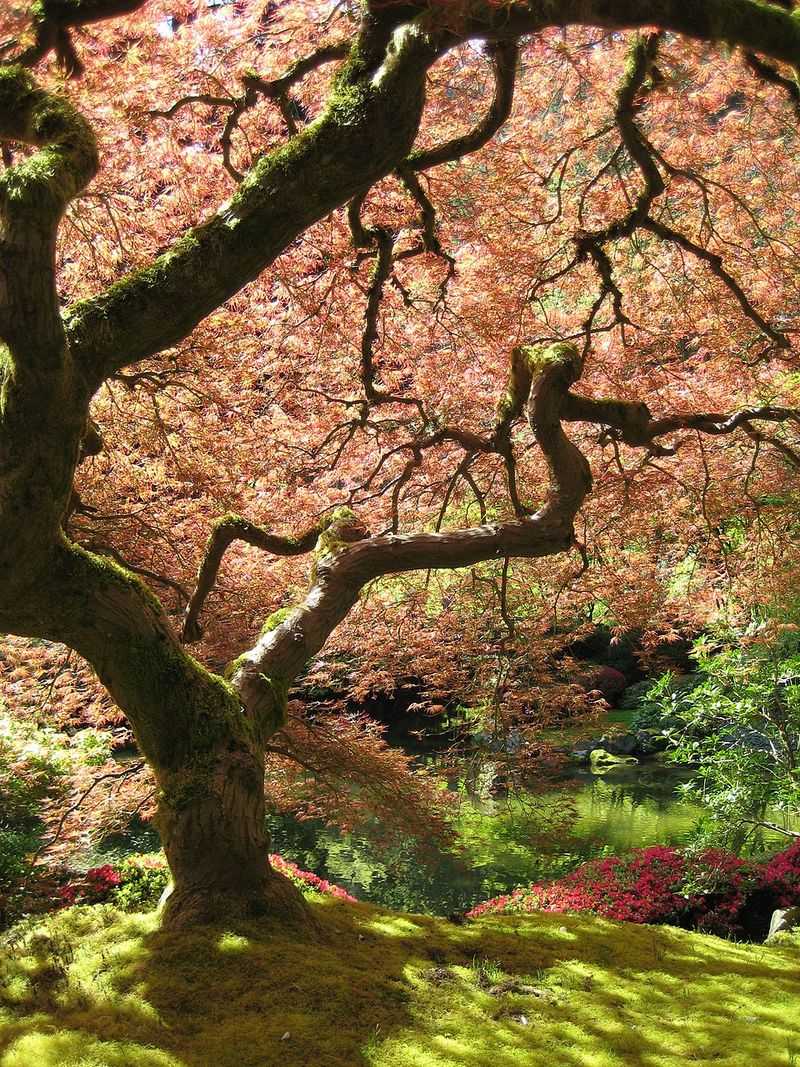
Not every small Texas backyard is blazing and exposed all day, and sheltered spaces deserve a different kind of tree. In the right setting, a Japanese maple offers elegant form, beautiful foliage, and light shade that turns a protected courtyard or east facing patio into a much more inviting retreat.
Many cultivars stay between 8 and 15 feet tall, which makes them ideal where square footage is limited and every plant is seen up close. The fine texture keeps the space feeling open, and the branching becomes a visual feature in winter instead of disappearing into the background.
Success in Texas depends heavily on placement. Morning sun, afternoon shade, consistent moisture, and protection from reflected heat are usually the difference between a graceful specimen and a stressed tree with scorched leaves by mid summer, especially in central and western parts of the state.
If you have that kind of microclimate, the payoff is worth it. Near a water feature, shaded seating area, or quiet side yard, this tree brings a level of detail and seasonal color that makes a compact backyard feel personal, intentional, and far more memorable than a standard planting plan.
Texas Mountain Laurel
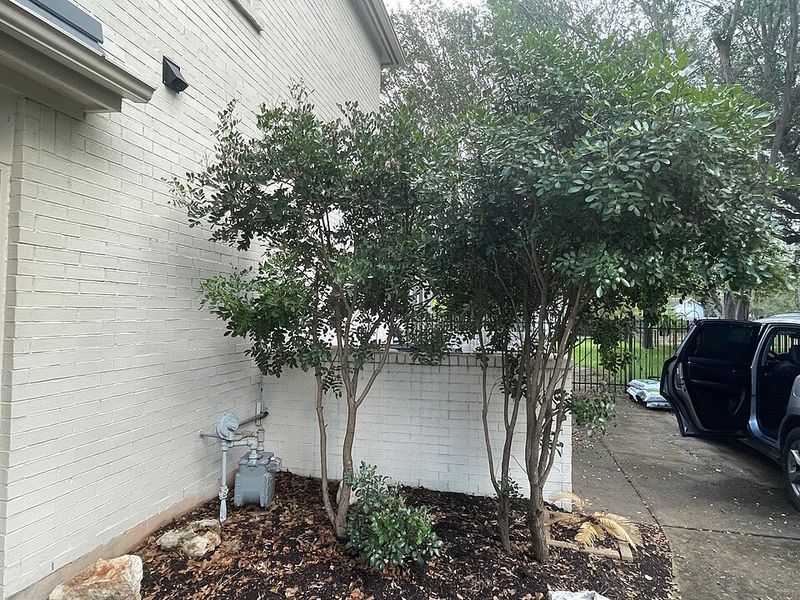
Few native trees smell as memorable in bloom as this one, which is reason enough for many homeowners to make room for it. Texas mountain laurel offers evergreen leaves, fragrant purple flower clusters, and a compact canopy that gives welcome shade without stretching beyond the scale of a small yard.
It often grows slowly to around 10 to 20 feet tall, depending on age and conditions, which makes long term planning much easier. You can place it near patios, walks, or windows with confidence that it is not racing toward an unruly size that demands constant pruning and regret.
Alkaline and rocky soils are usually not a problem, so it suits many Central and South Texas landscapes naturally. Good drainage is important, and while the plant is drought tolerant after establishment, occasional deep watering during extreme heat helps maintain healthier foliage and steadier growth.
Because it keeps its leaves year round, the tree contributes structure even when flowering is over. That makes it especially useful in compact backyards where every plant has to carry visual weight across seasons, and where an evergreen shade tree can make outdoor living feel noticeably more comfortable.