
22 Must-Have Perennials For A Season Full Of Flowers In North Carolina
Follow us on Google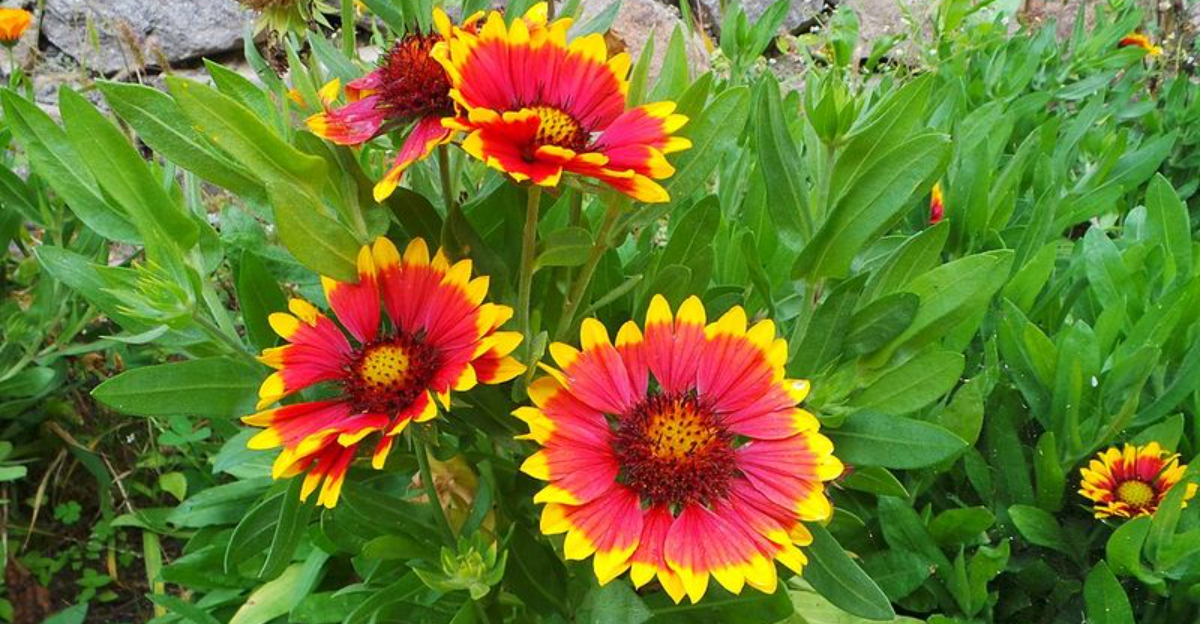
North Carolina gardens can bloom for months if you choose plants that actually enjoy the state’s heat, humidity, and shifting soils. The best perennials do more than look pretty for a week – they return reliably, handle local conditions, and keep pollinators busy from spring into fall.
If you want a yard that feels colorful and alive without replanting every season, this list gives you smart, proven choices. These 21 favorites can help you build a longer flower show with less guesswork.
Purple Coneflower
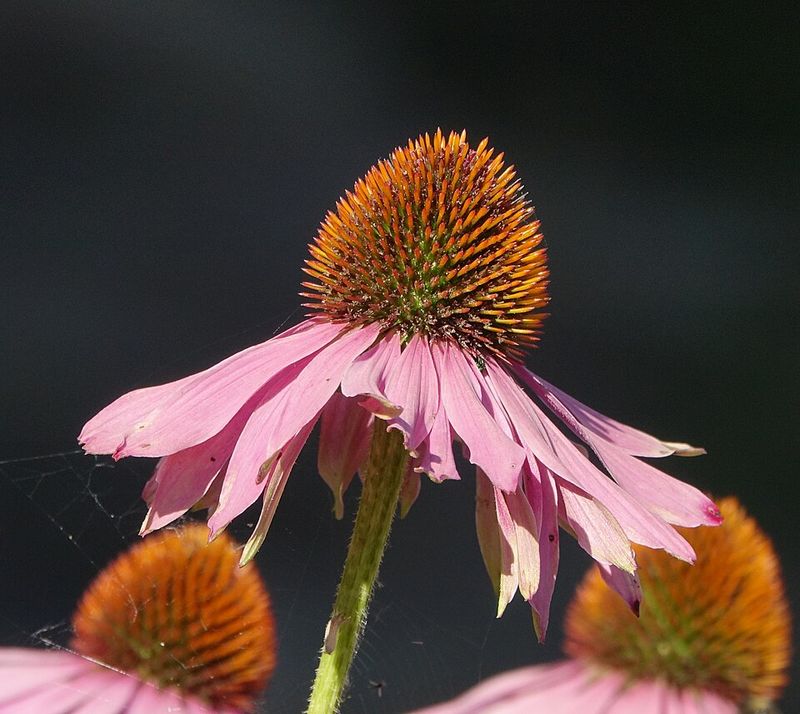
Long summer color gets much easier when you plant something that can handle North Carolina heat without acting fussy. Purple coneflower is one of those dependable choices that keeps blooming through warm weather while also giving bees and butterflies an easy landing spot.
The petals bring a relaxed, meadow-like look that fits neatly into formal beds, cottage borders, and pollinator gardens.
Full sun is the sweet spot, and average well-drained soil usually works just fine. Once roots settle in, this perennial manages dry spells better than many popular flowers, which matters during hot stretches in July and August.
Deadheading helps extend the show, but leaving some spent blooms later in the season gives goldfinches seed to snack on.
You can pair it with black-eyed Susan, salvia, or ornamental grasses for a sturdy, low-maintenance combination. It also works well near mailboxes or driveways where reflected heat can stress weaker plants.
If your garden gets heavy clay, mix in compost before planting to improve drainage and root development.
Every few years, dividing crowded clumps keeps the plant vigorous and productive. For a long bloom season with very little drama, this one easily earns its space.
Black-Eyed Susan
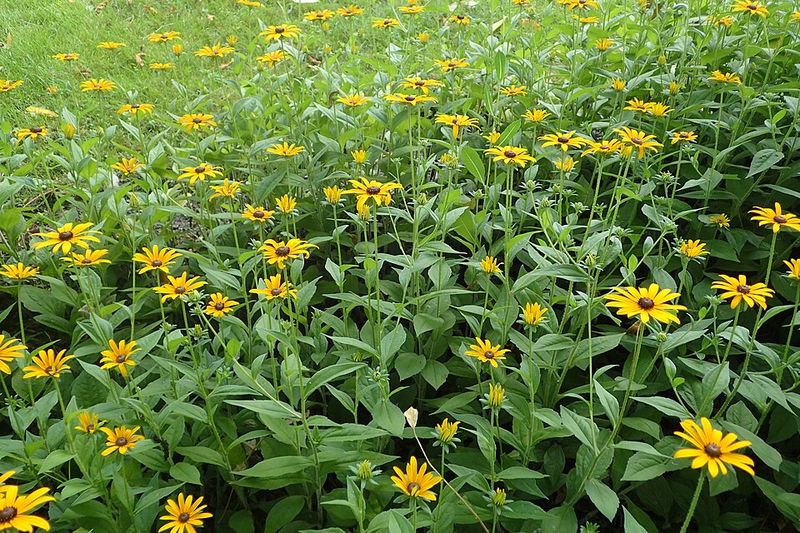
Bright yellow petals can wake up a border faster than almost anything else, and black-eyed Susan delivers that cheerful punch for weeks. In North Carolina gardens, it handles summer warmth well and keeps beds from looking tired when spring bloomers are fading.
The dark central cones add contrast, giving each flower a crisp, classic look that reads clearly from across the yard.
Plenty of sun is the main requirement, and average soil is usually enough if drainage is decent. Once established, the plants tolerate periods of dryness better than many gardeners expect, making them useful in lower-maintenance spaces.
Deadheading can stretch the bloom window, though leaving a few seed heads later in the year adds fall interest and wildlife value.
This perennial looks especially good mixed with purple coneflower, asters, and ornamental grasses. It suits curbside plantings, pollinator patches, and casual cottage-style beds where you want a natural but still tidy appearance.
In richer soil, stems may grow taller, so closer spacing with neighboring plants can help support them visually.
Dividing clumps every few years prevents crowding and keeps flowers coming strongly. If you want color, resilience, and a plant that rarely asks for pampering, this one belongs near the top of your list.
Coreopsis
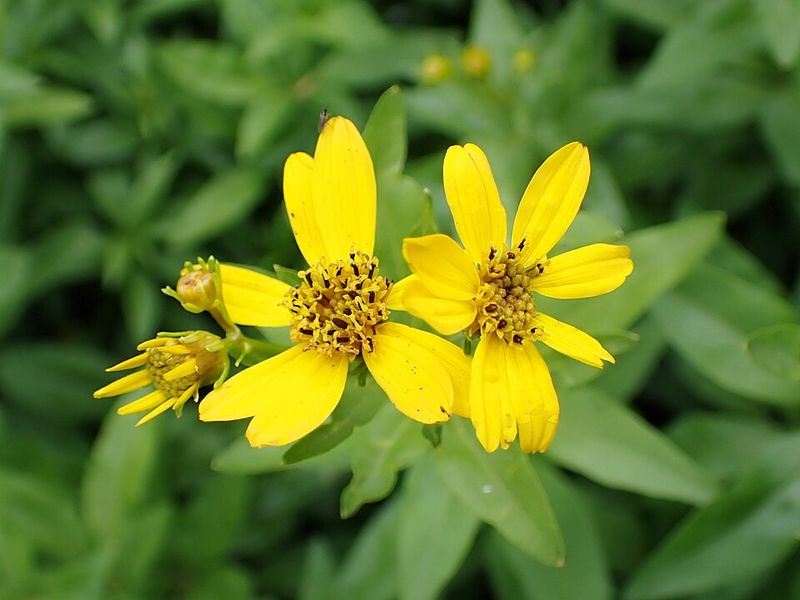
Few perennials work harder for such a small investment of effort, and coreopsis proves that all summer long. Its sunny flowers brighten beds, borders, and even awkward dry spots where fussier plants tend to struggle.
In North Carolina, that easygoing nature makes it a practical pick for gardeners who want reliable color without constant maintenance.
Full sun keeps the plant compact and productive, while well-drained soil helps prevent trouble during humid stretches. Once established, it tolerates heat and moderate drought nicely, which is useful in exposed locations near sidewalks, patios, or driveways.
Shearing the plant lightly after the first big flush often encourages a cleaner shape and another round of blooms.
The flowers pair beautifully with salvia, yarrow, gaillardia, and ornamental grasses for a long-running summer display. Because the texture is airy rather than bulky, it slides easily into small gardens without overwhelming nearby plants.
Many varieties stay neatly mounded, so they also fit well along edges where sprawling habits would look messy.
Occasional division keeps clumps vigorous, especially after several seasons of strong growth. If your goal is a cheerful, durable perennial that handles North Carolina summers with confidence, coreopsis is hard to beat.
Shasta Daisy
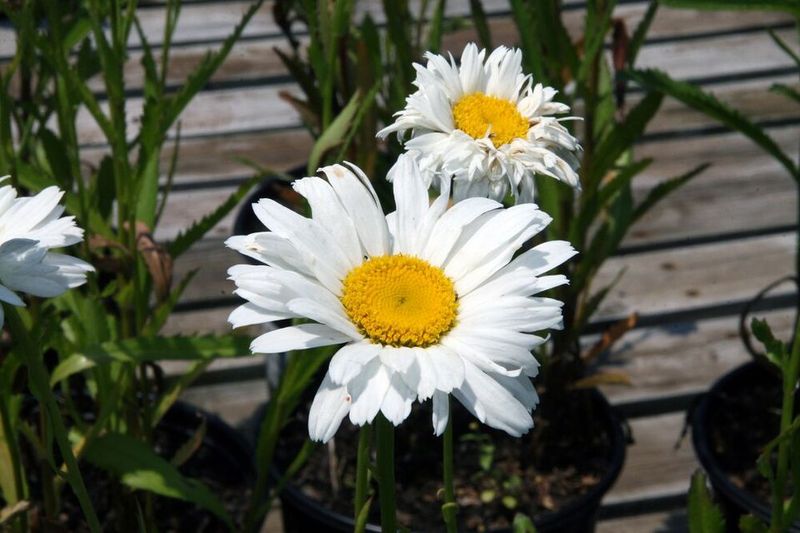
Crisp white flowers can bring a garden bed back into focus, and Shasta daisy does that with a clean, timeless look. The bright blooms stand out against darker foliage and mix easily with nearly every other summer perennial you might plant in North Carolina.
If your garden starts feeling visually busy, these simple flowers add breathing room without looking plain.
Sunlight is essential for sturdy stems and strong flowering, so pick a spot that gets at least six hours daily. Good drainage matters more than fancy soil, especially in humid areas where soggy ground can shorten the plant’s life.
Removing faded flowers usually keeps the display going longer and helps the clump look fresher through the season.
These daisies combine well with coneflowers, salvias, yarrow, and catmint for an easy border with contrast in form and color. Taller selections can also be cut for indoor arrangements, which makes them feel doubly useful.
In heavier soils common across parts of the state, amending with compost improves structure and reduces winter wetness around the roots.
Dividing every few years keeps the center from thinning out and restores vigor. For gardeners who want classic flower power with a straightforward care routine, Shasta daisy remains a very solid choice.
Garden Phlox
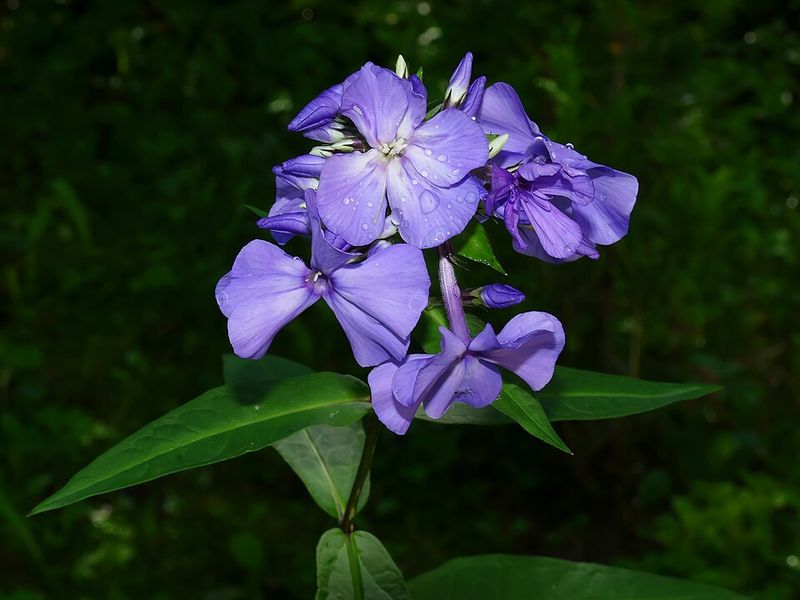
When midsummer borders need height and fragrance, garden phlox steps in with big flower clusters that feel generous and showy. It brings that full, traditional garden look many people want, especially near porches, fences, and walkways where the scent can be appreciated up close.
In North Carolina, it performs best when you give it sunlight, airflow, and a little thoughtful placement.
Morning sun with good air circulation helps reduce mildew, a common issue in humid conditions. Rich, moisture-retentive but well-drained soil keeps the plants growing steadily, and a layer of mulch helps roots stay cooler during summer heat.
Water at the base instead of overhead whenever possible to keep foliage drier and healthier.
The blooms attract butterflies and make excellent cut flowers for indoor arrangements. Pairing phlox with shorter companions like coreopsis or salvia helps hide lower stems while creating a layered border that looks more intentional.
Newer mildew-resistant cultivars are worth seeking out if you want the prettiest results with less maintenance.
Deadheading extends flowering, and dividing older clumps every few years keeps them from becoming crowded. If you want a perennial with noticeable color, fragrance, and strong cottage-garden character, garden phlox deserves a prime spot.
Bee Balm
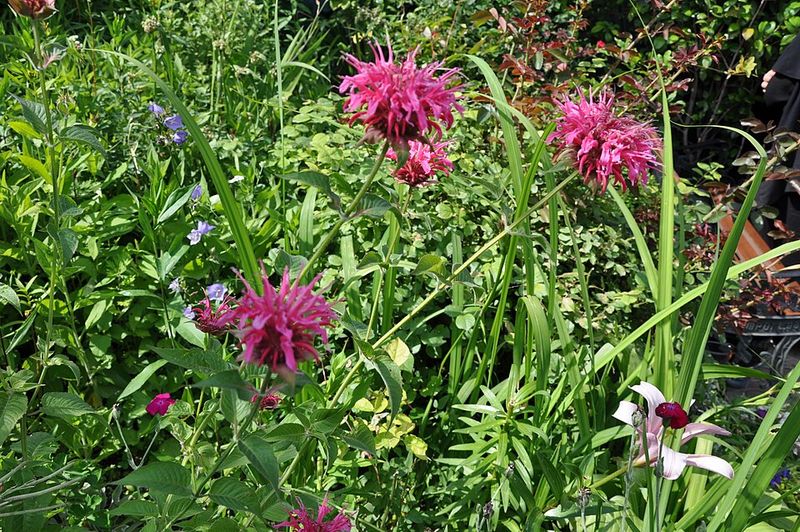
Hummingbirds notice bee balm quickly, and that alone makes it worth planting if you enjoy a lively summer garden. The unusual, shaggy flowers add texture you do not get from more polished perennials, and the bold colors keep beds feeling energetic through the hottest part of the season.
In North Carolina, it fits beautifully into pollinator plantings and looser cottage-style borders.
Moist, fertile soil gives the best performance, though established plants can manage short dry spells better than people assume. Good air circulation matters because powdery mildew can show up during humid weather, especially if clumps are crowded or watered overhead.
Planting in full sun to light afternoon shade often strikes a nice balance in warmer parts of the state.
Red varieties are famous for drawing hummingbirds, while pinks, purples, and lavenders attract a steady stream of bees and butterflies. Pair it with coneflower, joe-pye weed, or cardinal flower for a border that feels active and full of movement.
Underground spread can be enthusiastic, so give it room or divide regularly to keep it from elbowing gentler neighbors.
Cutting back spent blooms tidies the plant and may encourage another flush. For gardeners who want wildlife value and standout texture, bee balm is an easy yes.
Salvia
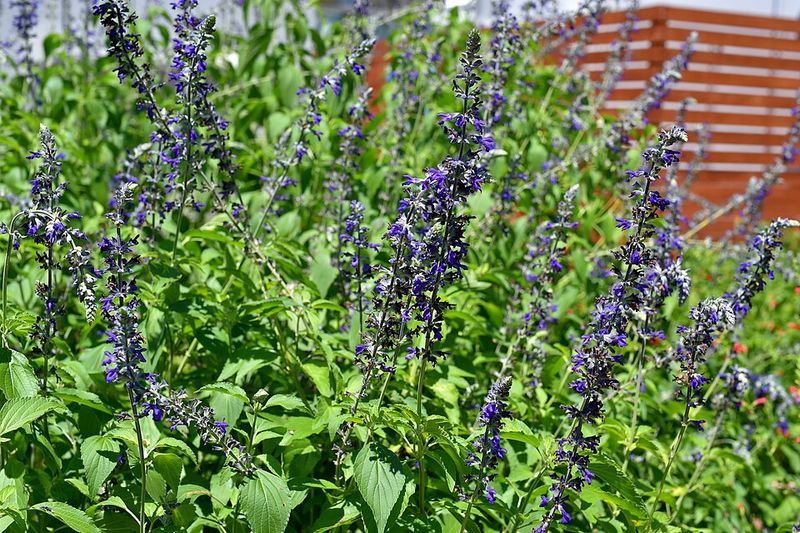
Vertical flower spikes can make a planting look sharper and more structured, and salvia brings that effect without becoming stiff. Blue, violet, pink, or white blooms rise above aromatic foliage and keep color moving through long stretches of warm weather.
In North Carolina, that combination of heat tolerance and repeat bloom makes it one of the most useful perennials you can grow.
Full sun is ideal, and excellent drainage is the key to keeping roots healthy through humid spells and wet winters. Once established, many salvias handle drought well, which makes them helpful for hotter spots near pavement or stone edging.
Shearing the first flush after flowering often produces a tidy mound and a strong second performance.
Pollinators love the nectar-rich flowers, especially bees and butterflies. The upright form mixes beautifully with mounded plants like coreopsis and daylily, creating a border with more rhythm and contrast.
Gray-green foliage also helps the blooms pop visually, especially when paired with yellow or white companions.
If your soil stays heavy and sticky after rain, raised beds or added grit can improve conditions. For a perennial that looks polished, blooms generously, and asks for little beyond sunshine and drainage, salvia is a very smart North Carolina pick.
Daylily
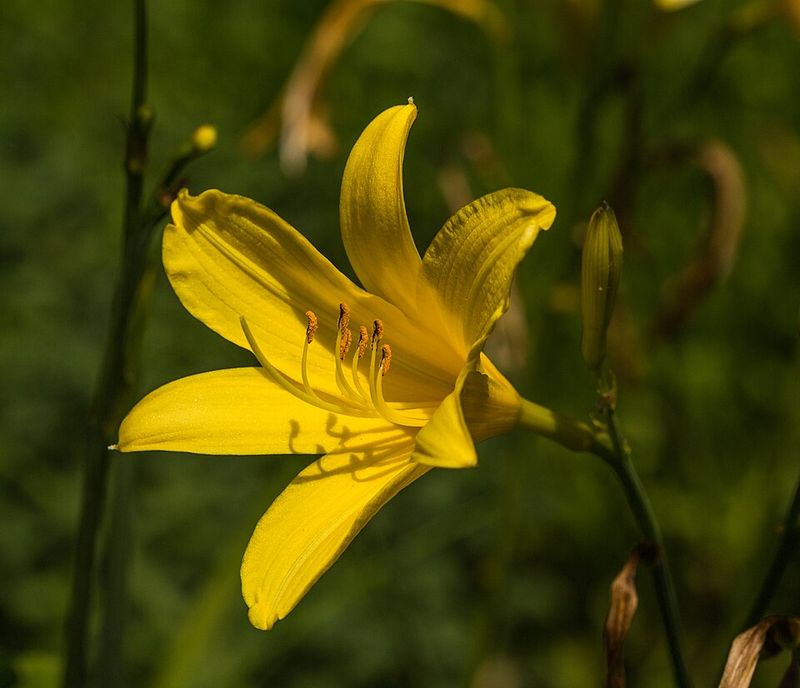
Reliable garden color does not always have to come from demanding plants, and daylily proves that point every summer. The arching foliage stays attractive for much of the season, while the flowers bring bright color in nearly every shade except true blue.
For North Carolina gardeners dealing with heat, humidity, and inconsistent rainfall, this plant offers reassuring durability.
Sunlight encourages the best blooming, though some afternoon shade can help in hotter inland spots. Average garden soil works well if it drains reasonably, and a layer of mulch helps conserve moisture during the hottest months.
Established clumps usually tolerate challenging conditions, making them useful for foundations, slopes, roadside beds, and spots where pampered plants would complain.
Reblooming varieties are especially worthwhile if you want flowers beyond the main early summer flush. Pair daylilies with salvia, coneflower, or ornamental grasses for combinations that look full but are still manageable.
Spent flower stalks can be removed for a cleaner appearance, and older clumps respond well to division when blooming starts to slow.
Because there are so many sizes and colors available, it is easy to match them to formal or casual designs. If simple care and dependable performance matter most, daylily earns its reputation.
Blanket Flower
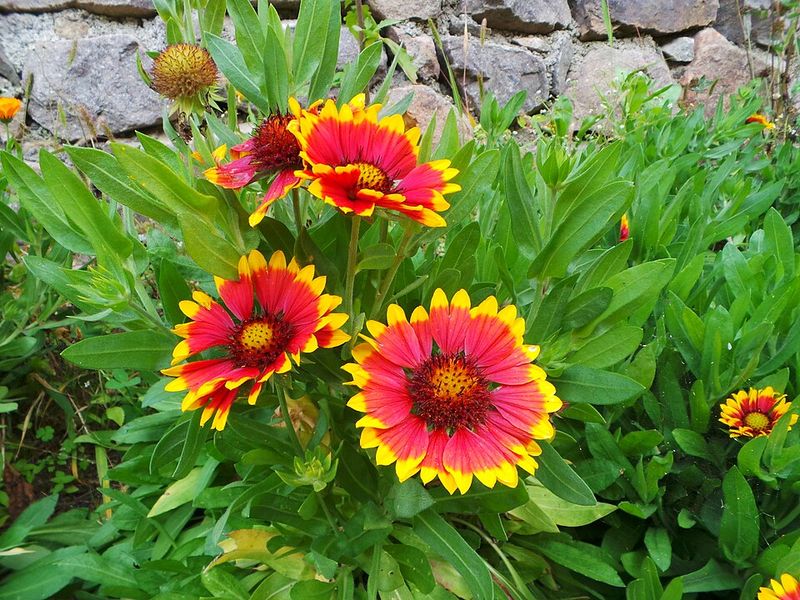
Hot colors can make a planting feel lively even on the stickiest summer day, and blanket flower is excellent at that job. The red, orange, and yellow tones look right at home in North Carolina sunshine, especially in borders that need strong color during midsummer.
Its daisy-like blooms also attract pollinators, so the display feels active instead of static.
Dry to average well-drained soil suits this plant better than rich, soggy ground. Full sun keeps the stems firm and the flowers coming, while excess fertility can actually make it less sturdy.
Once established, it handles heat and drought impressively, which is useful in exposed beds and low-water garden areas.
Deadheading can extend bloom time, though many newer varieties flower heavily with only light cleanup. Pair it with salvia, coreopsis, yarrow, and ornamental grasses for a warm-toned border that stays colorful without constant fussing.
In clay-heavy sections of the state, planting on a slight mound can help drainage and improve long-term survival.
Shorter cultivars work well near the front of beds, while taller ones add punch to middle rows. If you want a perennial that thrives in sun, shrugs at heat, and keeps the color dial turned high, blanket flower is a strong choice.
Aster
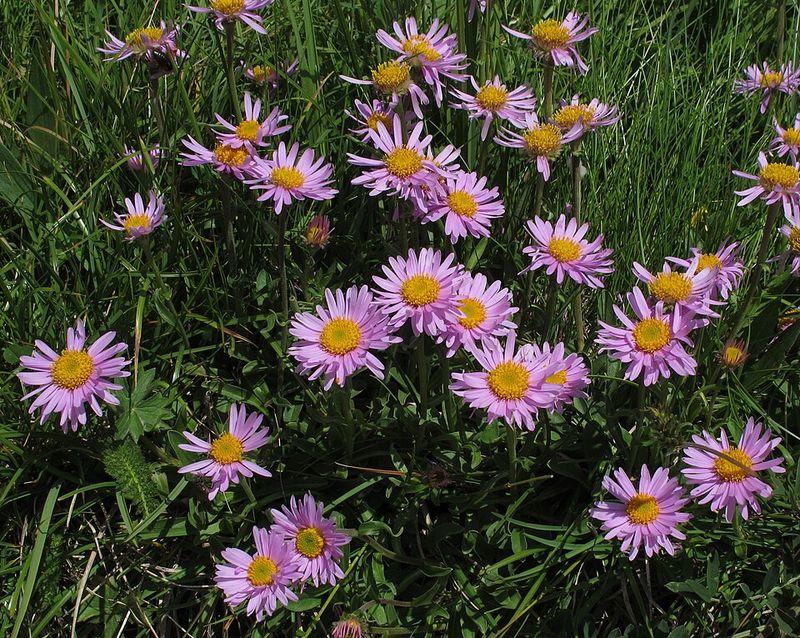
Late-season gardens often need a fresh burst of color, and asters arrive right when many other perennials are slowing down. Their clouds of purple, pink, blue, or white flowers keep borders lively well into fall, which is especially valuable in North Carolina’s long growing season.
They also provide nectar for pollinators when floral resources begin to thin out.
Sunlight encourages the strongest flowering, though some varieties appreciate a bit of afternoon relief in hotter regions. Average soil works well if drainage is good, and pinching stems back in early summer often creates bushier plants with better flower coverage.
That simple step can also reduce flopping, which matters if you prefer a neat border.
Asters look especially effective planted near ornamental grasses, goldenrod, or black-eyed Susan, where their cooler tones balance warmer autumn shades. Mildew-resistant selections are worth seeking out in humid parts of the state, since foliage quality matters more when plants bloom later.
Mulching helps regulate soil moisture and keeps roots from drying during late summer stress.
Dividing every few years refreshes the clumps and prevents crowding. For gardeners who want the season to feel full and colorful past summer, asters are one of the smartest investments you can make.
Yarrow
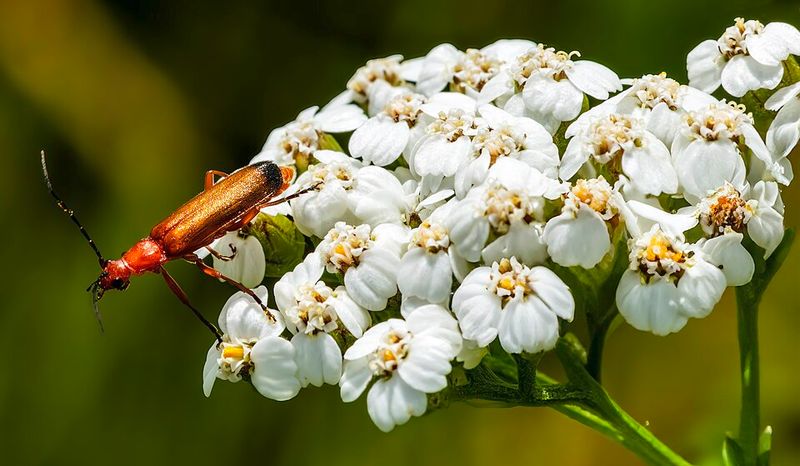
Flat-topped flower clusters bring a different shape to the border, and yarrow uses that form to great effect. The ferny foliage adds softness, while the blooms provide steady color in shades like yellow, white, pink, and red.
In North Carolina, it is particularly useful for sunny spots where heat and occasional dry weather limit fussier perennials.
Excellent drainage is the main requirement, because wet soil causes more problems than summer heat. Full sun keeps plants compact and helps prevent floppy growth, especially in richer garden beds.
Once established, yarrow handles drought well and asks for very little beyond occasional cleanup and division.
The flowers are long-lasting both in the garden and in cut arrangements, which gives the plant extra value. Pair it with salvia, blanket flower, coneflower, and ornamental grasses for a border that feels resilient and easygoing.
Because the foliage texture is fine, it helps soften bolder leaves nearby and creates a more layered, thoughtful look.
Deadheading encourages more bloom, and cutting back after the first flush can freshen the foliage. If you want a perennial that combines durability, pollinator appeal, and a useful architectural shape, yarrow is absolutely worth planting in sunny North Carolina beds.
Hellebore
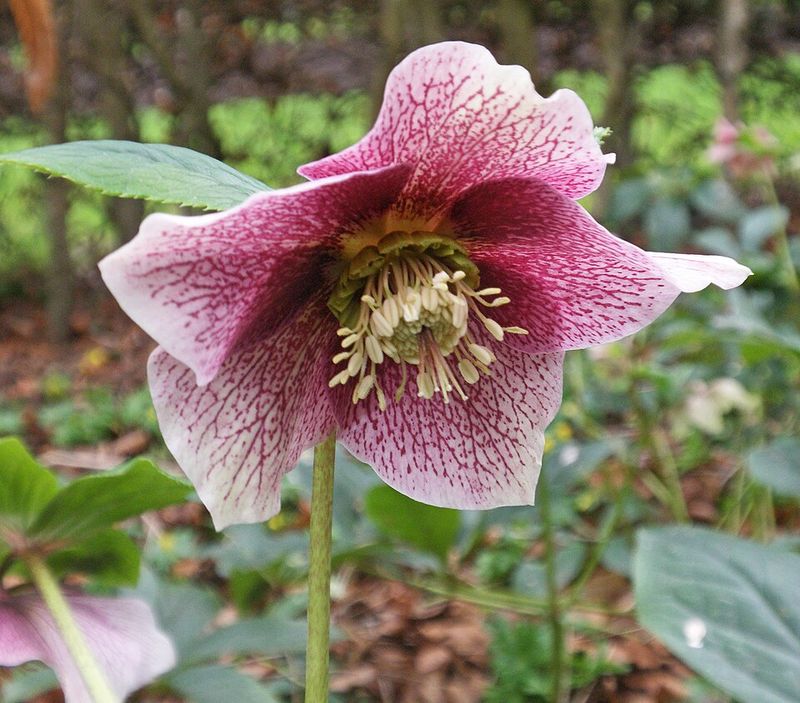
Winter gardens feel far less empty when hellebores are part of the planting plan. Their nodding blooms appear when most beds still look sleepy, bringing color in late winter to early spring just when you are desperate for signs of life.
In North Carolina, they thrive in many shaded gardens and offer handsome evergreen foliage long after the flowers pass.
Dappled shade under deciduous trees is ideal, especially where the plants get winter sun and summer protection. Rich, well-drained soil amended with compost supports strong growth, and mulch helps maintain even moisture without creating soggy conditions.
Once established, hellebores are impressively steady and usually ignored by deer, a major bonus in many neighborhoods.
The blooms range from creamy white to rose, burgundy, green, and speckled combinations, so it is easy to build a refined shade palette. They pair beautifully with ferns, heucheras, pulmonaria, and spring bulbs for layered interest from the ground up.
Removing old tattered leaves in late winter makes the flowers more visible and keeps the clump looking polished.
These plants dislike constant disturbance, so choose a good spot and let them settle in. For early color, evergreen texture, and genuine shade-garden value, hellebore earns its popularity.
Columbine
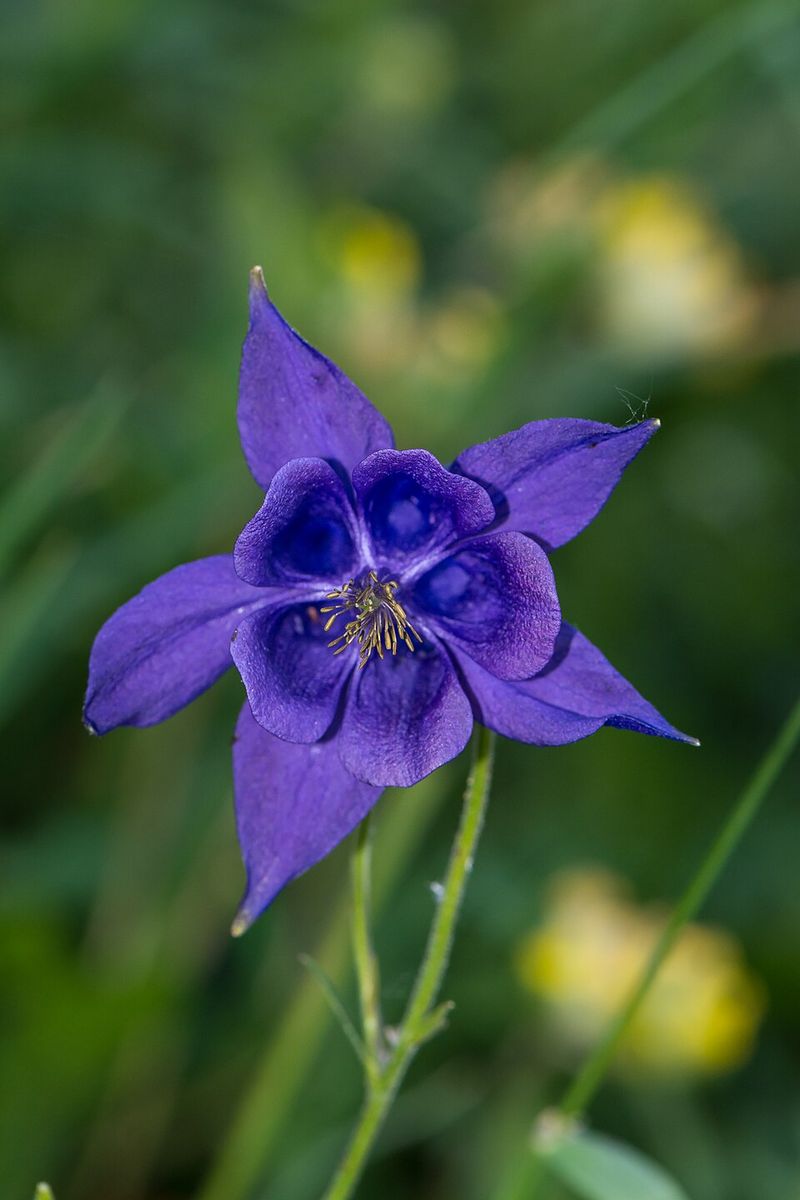
Spring borders feel lighter and more graceful when columbine starts blooming. The nodding flowers have a delicate, almost airy quality, yet the plant is tougher than it looks once established in the right conditions.
For North Carolina gardeners, it is a lovely way to bridge the gap between early spring bulbs and the heavier show of summer perennials.
Morning sun with afternoon shade suits it well, especially in warmer parts of the state. Soil should be well-drained and moderately rich, because roots dislike staying wet through humid periods.
Short-lived individual plants often reseed gently, which means you can keep the display going without treating it like a permanent, static clump.
Hummingbirds are especially attracted to the nectar-filled blooms, making this a smart choice near patios or windows where movement is easy to enjoy. The blue-green foliage also combines nicely with ferns, heuchera, and woodland phlox in partial shade.
If seedlings appear in good spots, let a few mature for a natural, relaxed look.
Cutting back tired foliage after bloom can refresh the planting and limit self-seeding where you do not want it. For gardeners who appreciate spring detail, soft color, and a little wildlife activity, columbine is a rewarding addition.
Coral Bells
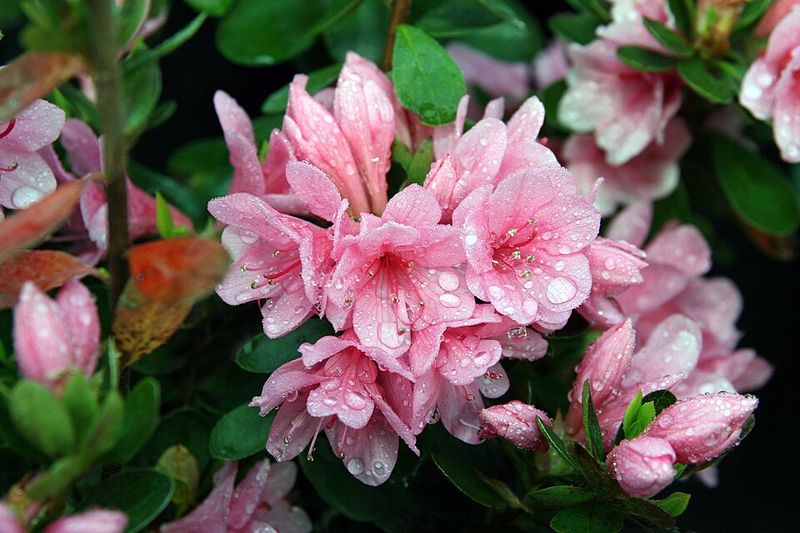
Not every must-have perennial earns its place with flowers alone, and coral bells are a perfect example. The foliage comes in shades ranging from lime to caramel, silver, purple, and nearly black, which means you can create contrast in shady beds even when bloom cycles are quiet.
In North Carolina gardens, that leaf color adds structure and interest across a long season.
Morning sun or bright shade usually works best, especially where summers are hot and humid. Well-drained soil is important, because constantly wet crowns can shorten the plant’s life more quickly than dry spells.
A light mulch helps moderate moisture and temperature, but keep it pulled away from the crown to reduce rot issues.
The airy flower stems are a nice bonus and can attract small pollinators, though the leaves are the real show. Coral bells pair beautifully with hostas, ferns, hellebores, and Japanese forest grass for layered texture in foundation beds or woodland edges.
In containers, they also make excellent filler plants that hold their color much longer than many annuals.
Older plants may heave slightly in winter, so pressing them back into place or refreshing soil around the crown can help. For dependable foliage color in partial shade, coral bells are incredibly useful.
Baptisia
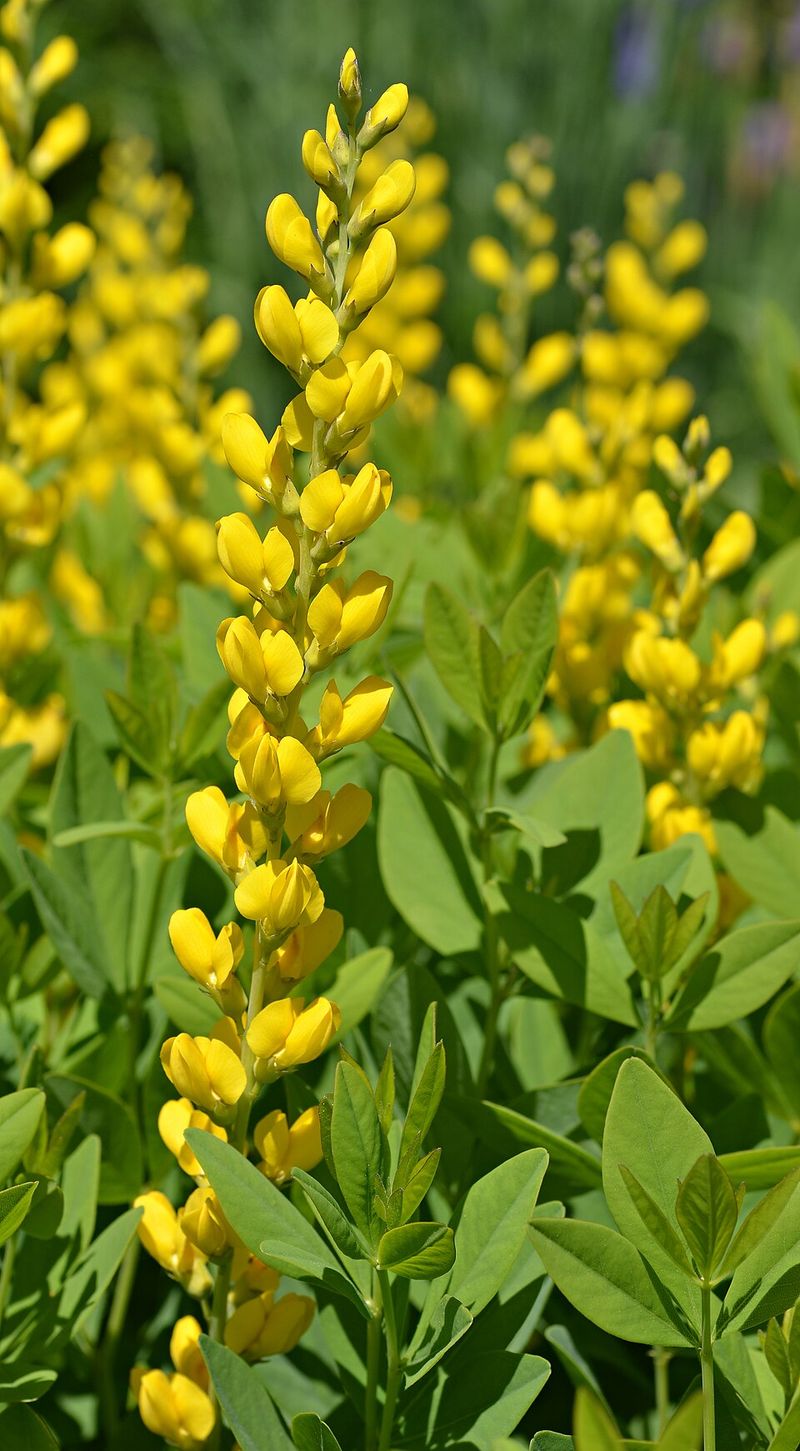
Strong structure can make a perennial border look intentional even before peak bloom, and baptisia does that beautifully. The plant forms a handsome, shrub-like clump topped with spring flower spikes in blue, purple, yellow, or white, followed by decorative seed pods.
For North Carolina gardens, it is especially valuable because it handles heat well once mature and asks for little ongoing care.
Full sun gives the best flowering and strongest shape, though light shade is tolerated. Deep roots help the plant endure dry weather, but those same roots mean it dislikes frequent moving, so choose the location carefully.
Well-drained soil is best, and patience matters because younger plants can take a little time to hit their stride.
After bloom, the blue-green foliage remains attractive and works as a sturdy backdrop for looser summer flowers. Pair baptisia with coneflower, salvia, and ornamental grasses to create a border that feels balanced instead of floppy.
The inflated seed pods also add seasonal interest and can be used in dried arrangements if you enjoy bringing pieces of the garden indoors.
Once established, maintenance is minimal beyond cutting back at the end of the season if desired. For long-term value and strong native-garden character, baptisia is an excellent choice.
Catmint
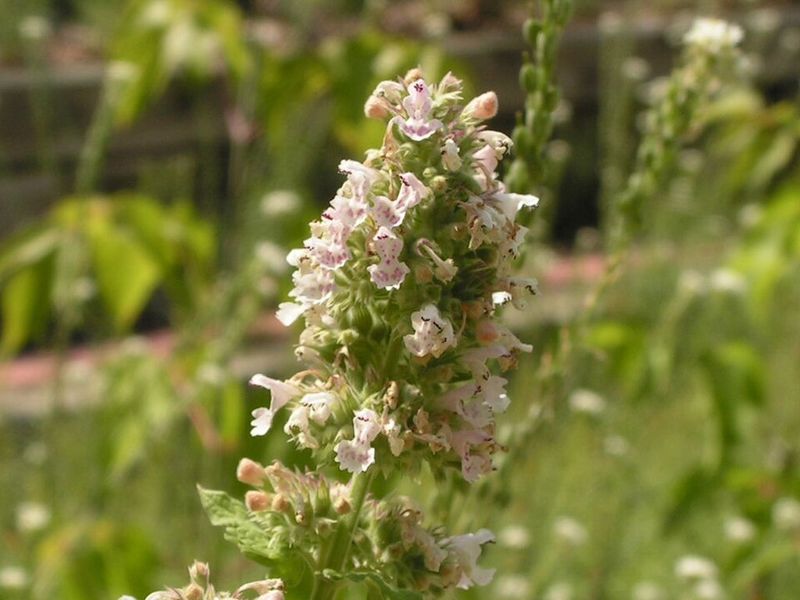
Soft mounds of gray-green foliage can calm down a busy border, and catmint does that while still flowering generously. The lavender-blue blooms start early and often continue for a long stretch, giving North Carolina gardeners color that does not feel demanding.
It also brings a relaxed, slightly billowy texture that pairs nicely with sharper or taller plant forms.
Full sun and good drainage are the winning combination here. Once rooted, catmint tolerates heat and dry conditions very well, which makes it helpful near paths, retaining walls, or the front edge of sunny beds.
Shearing it back after the first major bloom usually produces a tidier mound and another flush of flowers.
Pollinators are frequent visitors, especially bees, and the aromatic foliage is often left alone by deer. Catmint looks especially good with roses, salvia, coneflower, and Shasta daisies, where its cooler color softens brighter combinations.
Because the habit is low and spreading, it also works as a useful transition plant between taller perennials and hardscaping.
Avoid overly rich soil if you want the plant to stay compact and well-shaped. For dependable color, easy maintenance, and a border that feels cohesive instead of crowded, catmint is a very reliable perennial.
Cardinal Flower
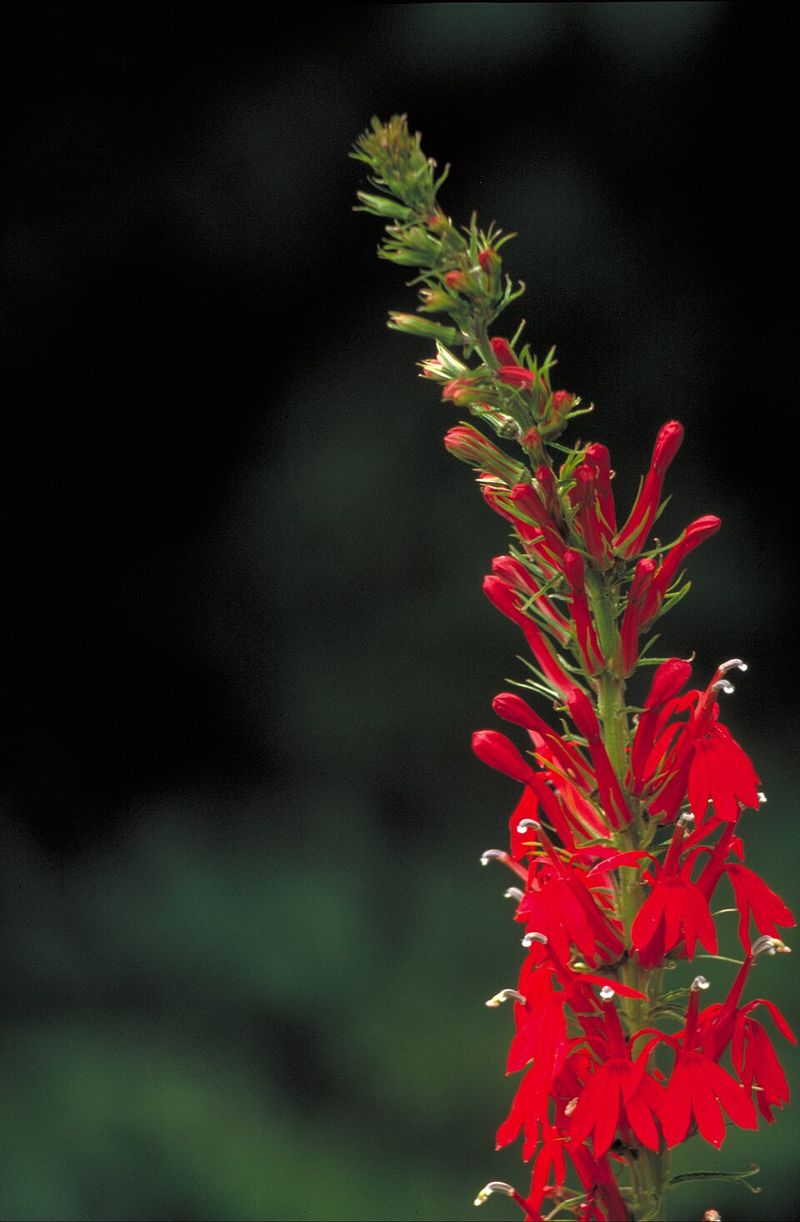
Few flowers match the intensity of cardinal flower when it is in full bloom. The vivid red spikes look almost electric in late summer, and they pull hummingbirds into the garden with impressive reliability.
In North Carolina, this native perennial shines in spots that stay consistently moist, making it especially useful for rain gardens or low areas near downspouts.
Rich soil with regular moisture is essential, because drought can shorten its performance quickly. Full sun works in cooler or consistently wet sites, while part shade often helps in hotter inland locations.
Mulch is helpful for keeping roots cool and preserving moisture during stretches of intense summer heat.
The narrow upright habit makes cardinal flower easy to tuck among other moisture-loving plants like joe-pye weed, blue flag iris, and swamp milkweed. It can also provide a striking vertical accent near ponds, stream edges, or woodland openings with damp soil.
Since the color is so strong, even one small cluster can become a focal point.
Allowing some flowers to set seed may encourage future seedlings in favorable conditions. For gardeners with a wet spot that needs beauty rather than constant problem-solving, cardinal flower is one of the most rewarding perennials available.
Joe-Pye Weed
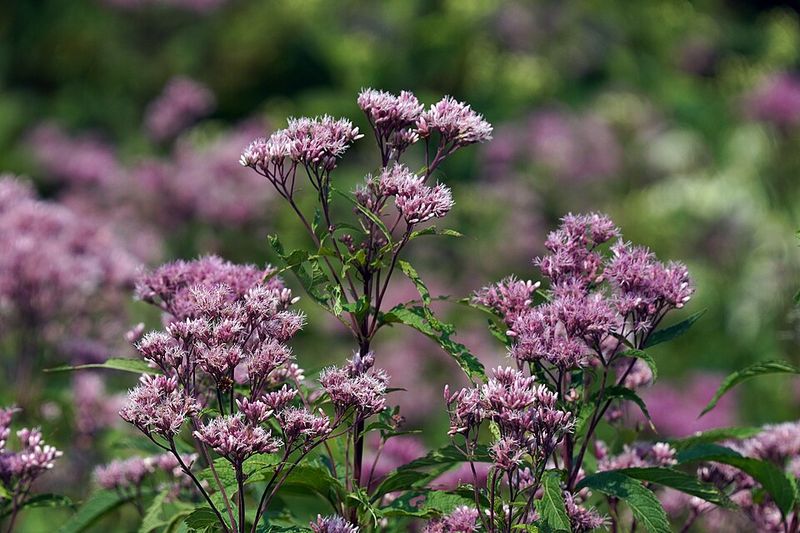
Height can give a planting drama and depth, and joe-pye weed provides both without feeling stiff or overly formal. The tall stems carry broad mauve-pink flower clusters that attract butterflies in impressive numbers during late summer.
In North Carolina, it is a standout native option for larger beds, meadow-style gardens, and moist areas that need vertical presence.
Consistent moisture helps it look its best, though established plants can manage average garden conditions better than many people think. Full sun encourages stronger flowering, but light shade is acceptable, especially in hotter regions.
If your garden is small, newer compact varieties offer the same pollinator value in a more manageable size.
This perennial pairs naturally with asters, bee balm, cardinal flower, and ornamental grasses for a border that feels abundant and active. Because the stems rise high above neighboring plants, it is best placed toward the back or center of an island bed.
Mulch helps retain moisture and keeps the root zone steadier during summer heat.
Leaving the seed heads through part of fall can extend visual interest even after bloom finishes. For gardeners who want native beauty, pollinator traffic, and a strong late-season backbone, joe-pye weed deserves serious consideration.
Hardy Hibiscus
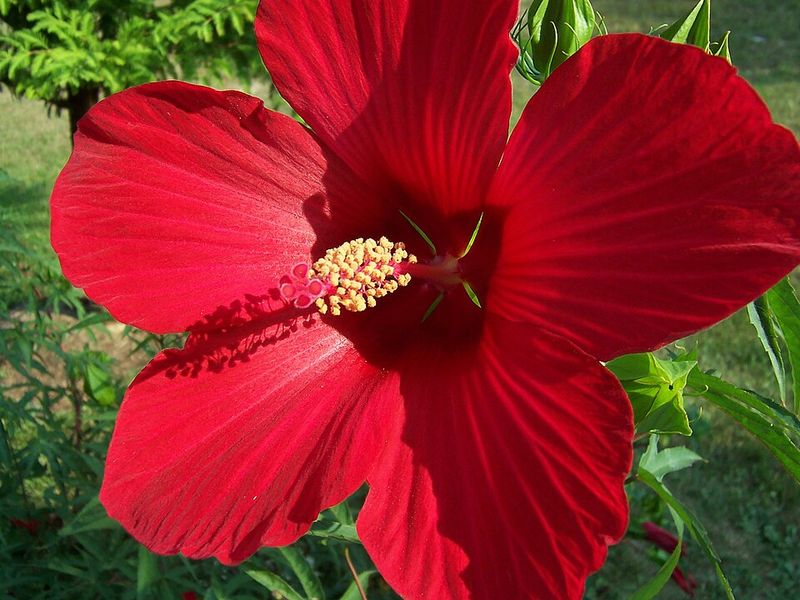
Big, tropical-looking flowers can make a garden feel more dramatic without requiring tropical-plant fuss. Hardy hibiscus produces oversized blooms that stop people in their tracks, often in pink, red, white, or bicolor shades.
In North Carolina, it dies back in winter and returns late in spring, rewarding patience with a striking midsummer display.
Moist, fertile soil helps this plant perform at its best, and full sun supports the heaviest bloom. Because growth starts slowly, it helps to mark the spot so you do not accidentally disturb the crown while waiting for warm weather.
Regular watering during dry periods keeps buds forming and foliage looking fresh in summer heat.
The large leaves and towering stems make hardy hibiscus an excellent focal point in mixed borders, near fences, or at the back of sunny beds. Pair it with ornamental grasses, joe-pye weed, or blue salvias for strong contrast in both texture and color.
Even a single plant can anchor a planting scheme because the flowers are so visually commanding.
Cutting stems down after frost is usually the main maintenance task. For gardeners who want perennial reliability with a bold, almost vacation-like look, hardy hibiscus brings serious flower power to North Carolina landscapes.
Turtlehead
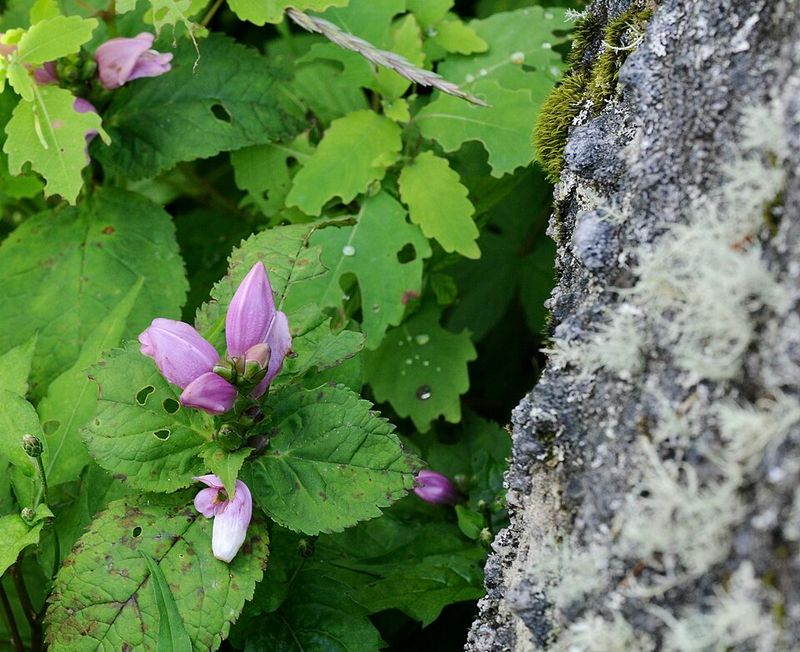
Late summer shade gardens often need something fresh, and turtlehead fills that gap with unusual flower shapes and sturdy foliage. The blooms resemble little snapping turtle heads, giving the plant a memorable look that stands out from more common woodland perennials.
In North Carolina, it is especially useful in moist sites where many sun-loving flowers would struggle.
Part shade is usually ideal, though brighter light is fine if the soil stays consistently moist. Rich, organic soil helps the plants form full clumps, and mulch supports steady moisture during hot spells.
Unlike some shade perennials that fade by midsummer, turtlehead holds up nicely and contributes color later in the season.
Pink forms are common, but white selections can brighten darker corners beautifully. This perennial combines well with ferns, cardinal flower, blue flag iris, and sedges in rain gardens or woodland-edge plantings.
Bees are frequent visitors, which adds movement and makes the planting feel more alive even in quiet shaded areas.
Division every few years keeps clumps healthy if growth becomes crowded. For a dependable perennial that enjoys moisture, handles partial shade, and extends bloom time into late summer, turtlehead is a smart choice for North Carolina gardens.
Blue Flag Iris
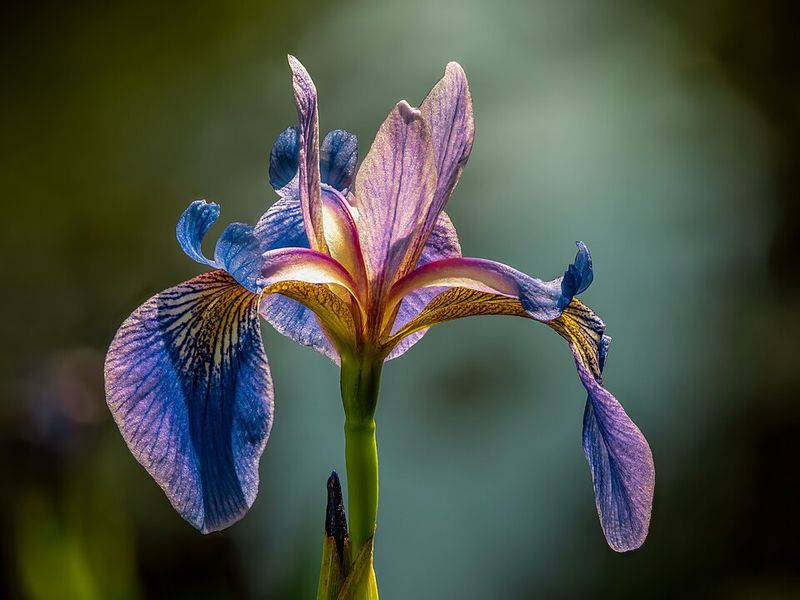
Wet spots do not have to feel like problem areas when blue flag iris is part of the plan. The elegant purple-blue flowers appear in spring and bring a refined, native look to places that stay damp longer than average beds.
In North Carolina, it is a strong option for rain gardens, pond margins, and low areas that need beauty with a practical purpose.
Moist to wet soil is ideal, and the plant can even handle periodic standing water. Full sun gives the best bloom, but light shade is acceptable, especially where afternoons are intense.
Adding compost before planting helps younger roots establish quickly and creates a richer environment for steady growth.
The sword-like foliage provides clean vertical structure after flowering, so the plant continues to contribute even when blooms are gone. Pair blue flag iris with cardinal flower, turtlehead, and sedges for a layered planting that handles moisture gracefully.
Because it is native, it also supports a more regionally appropriate garden style that feels connected to the local landscape.
Clumps can be divided after flowering if they become too crowded or stop blooming as strongly. For gardeners who need a perennial that thrives where the soil stays wet, blue flag iris offers beauty and function in equal measure.
Crinum Lily
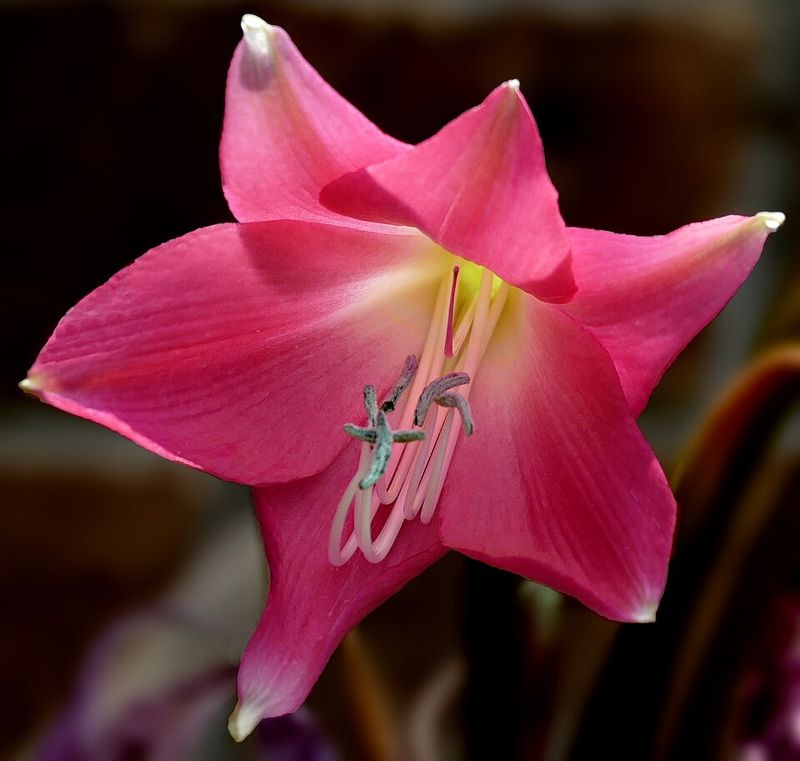
Southern gardens often need plants with presence, and crinum lily brings that in a big, graceful way. The bold strap-like leaves form substantial clumps, while the fragrant trumpet flowers rise above them in shades of white, pink, or striped combinations.
In many parts of North Carolina, especially the warmer regions, this old-fashioned perennial performs with impressive staying power.
Full sun to part shade works well, and established plants handle heat and humidity with ease. Good drainage is important, but crinums also appreciate regular moisture while getting settled in.
Once mature, they are remarkably durable and can stay in place for years, which is ideal if you prefer permanent garden structure over constant rearranging.
The flowers look especially beautiful near porches, brick foundations, and traditional Southern borders where their size can be appreciated. Pair crinum with daylilies, salvias, or low groundcovers that leave the dramatic foliage room to shine.
Since bulbs dislike being disturbed, it is best to choose a site carefully and allow the clump time to develop fully.
Older plants often become more floriferous rather than less, which feels like a rare garden reward. For a perennial with regional character, fragrance, and strong long-term performance, crinum lily is a standout option.