
9 Perennials That Thrive In Michigan And Bloom All Season Long
Follow us on Google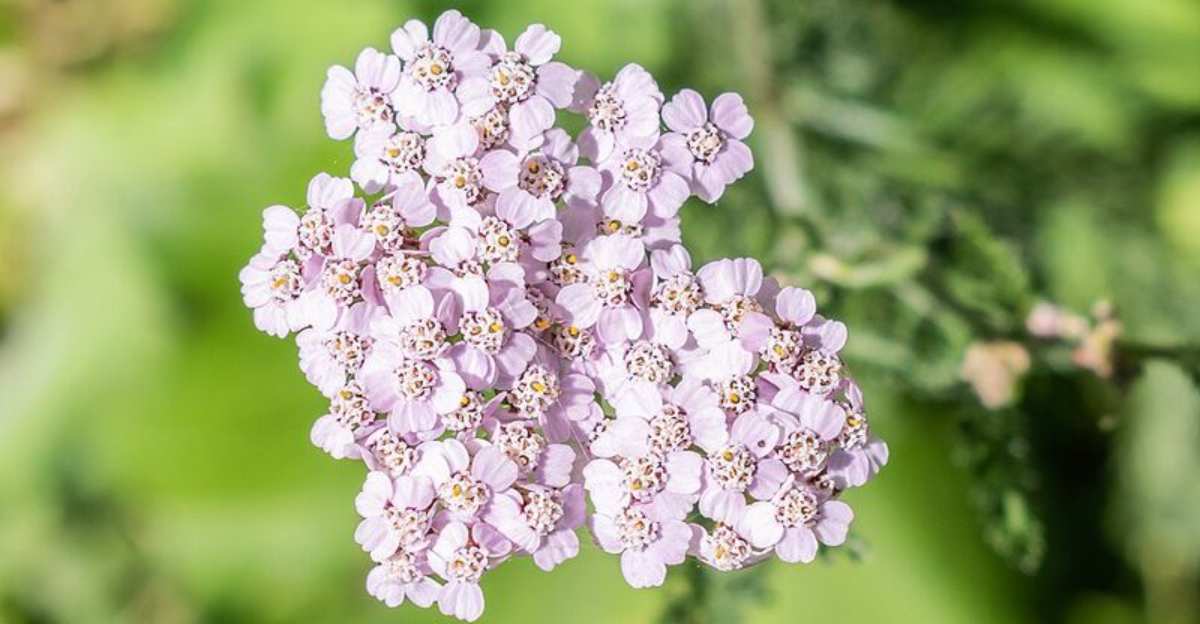
Michigan gardens can look colorful for months if you choose plants that actually enjoy the state’s cold winters, humid summers, and unpredictable springs. The trick is picking reliable perennials that bloom in waves, stay attractive after flowering, and do not demand constant fussing.
If you want a yard that keeps showing off from late spring into fall, these hardworking favorites deserve a spot. Each one earns its keep with staying power, seasonal beauty, and the kind of resilience busy gardeners appreciate.
Black-Eyed Susan
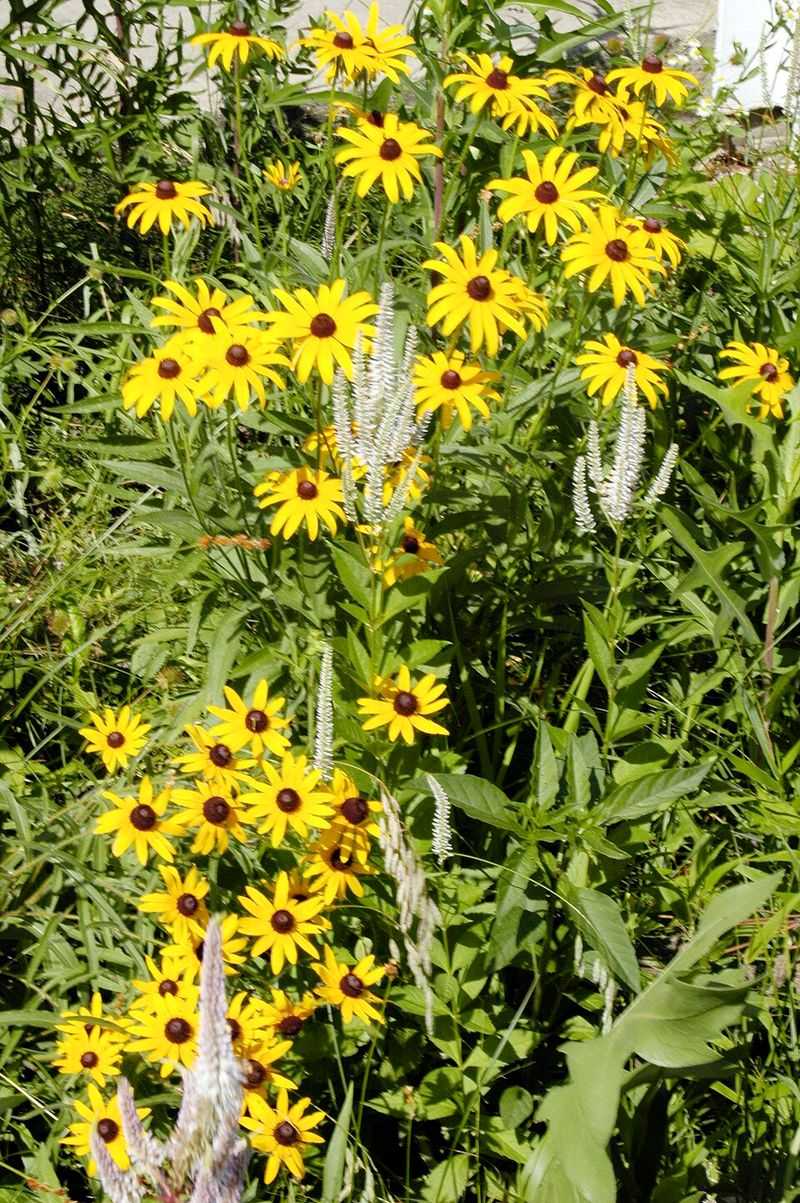
Few flowers earn their space as easily as this bright, cheerful perennial. In Michigan, it handles summer heat, clay-leaning soil, and occasional dry spells better than fussier bloomers.
You get golden petals, dark button centers, and weeks of color that make the whole bed feel awake.
Full sun gives the strongest flowering, though a little afternoon shade is fine in hotter spots. Deadheading keeps fresh buds coming, but even if you miss a week, the plant still looks tidy and productive.
Once established, it asks for little beyond decent drainage and enough room for air circulation.
Pollinators love stopping by, which makes it useful if you are trying to support bees and butterflies without building a complicated native planting plan. Pair it with ornamental grasses, purple coneflower, or Russian sage for a long-lasting border that looks intentional instead of messy.
The warm yellow tones also stand out beautifully against darker mulch and evergreen shrubs.
After the main flush, seed heads can remain for texture and late-season interest. Divide clumps every few years if they spread beyond their welcome.
For dependable color from midsummer into early fall, this one rarely disappoints Michigan gardeners.
Purple Coneflower
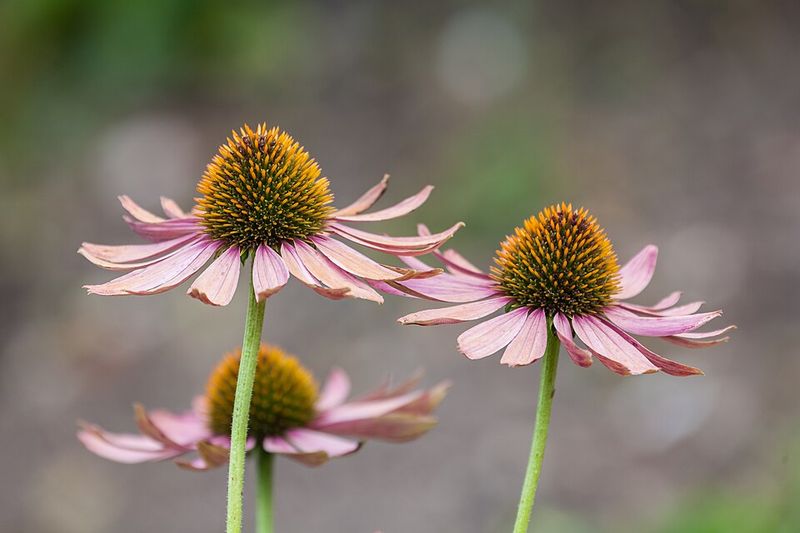
Long bloom time and rugged good looks make this perennial a smart choice for Michigan yards. The daisy-like flowers show off rosy purple petals around spiky orange centers, and they keep coming for weeks in summer.
It also shrugs off humidity, cold winters, and the occasional missed watering better than many traditional border plants.
Plant it where it gets at least six hours of sun and soil that drains reasonably well. Rich soil is not necessary, and too much fertilizer can actually make growth floppy instead of sturdy.
If you remove spent blooms regularly, you will usually get a longer flower show and a neater clump.
Butterflies flock to the blossoms, and birds later appreciate the seed heads if you leave some standing. That makes it useful for gardeners who want four-season value without adding more work.
Mixed with black-eyed Susan, salvia, or catmint, it creates a colorful bed that feels relaxed but still polished.
Established plants tolerate Michigan’s weather swings with very little complaint. Divide overcrowded clumps every few years in spring or early fall to keep performance strong.
For a reliable perennial that blooms generously and supports wildlife, this one pulls its weight all season.
Daylily
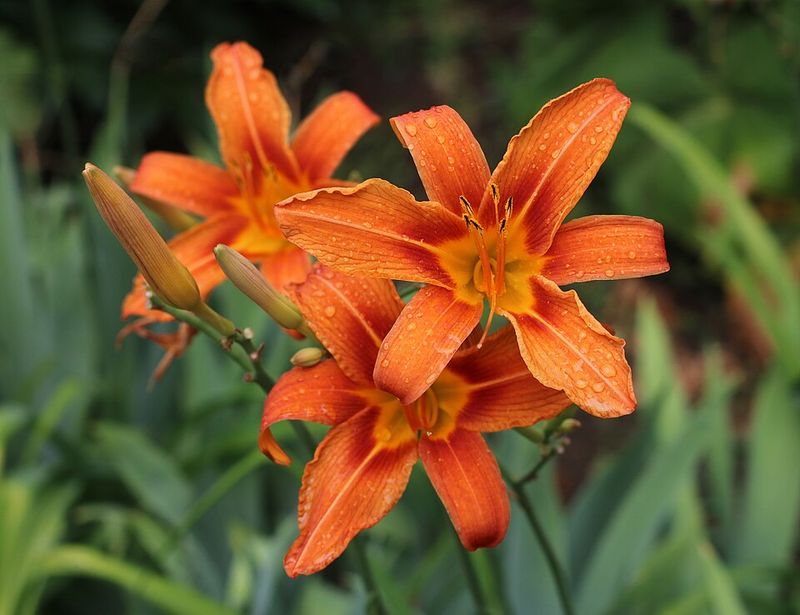
Some perennials bloom beautifully but demand constant attention, and this is not one of them. Daylilies thrive across much of Michigan because they tolerate cold winters, variable soil, roadside conditions, and periods of drought once settled in.
Newer reblooming varieties can keep sending up fresh scapes well beyond the first summer flush.
Choose a sunny spot for the most flowers, though partial shade still works in many yards. The grassy foliage stays attractive for much of the season, which helps the bed look full even between bloom cycles.
A little compost in spring and occasional deadheading are usually enough to keep them performing well.
There is a color for nearly every garden style, from soft cream and peach to fiery orange and deep burgundy. That flexibility makes it easy to coordinate with shrubs, annuals, or other perennials without redesigning the whole border.
If deer pressure is low in your area, they are one of the easiest ways to build repeat color into a foundation bed.
Clumps benefit from division every few years when flowering slows or the center thins out. Replanting the healthiest outer fans quickly restores vigor.
For gardeners who want season-long bloom with very little drama, reblooming daylilies are a practical favorite.
Coreopsis
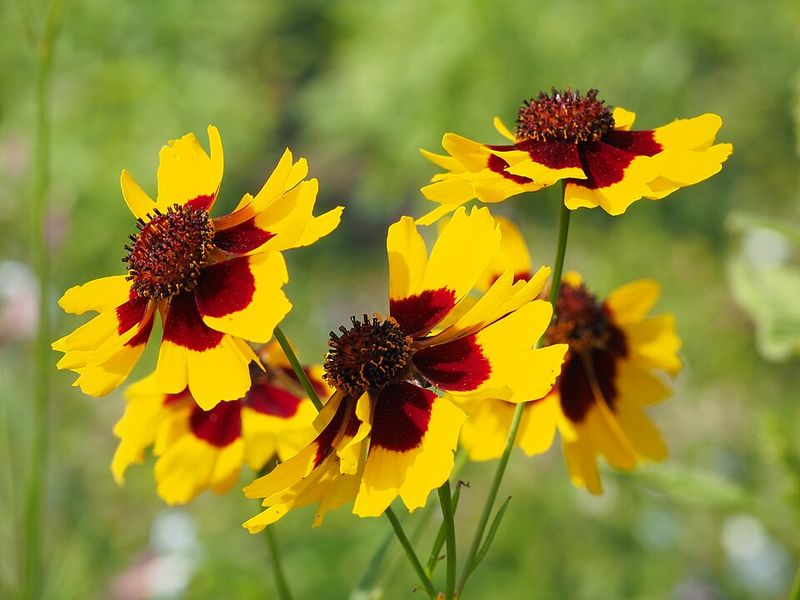
Bright color for months is exactly why this perennial deserves more attention in Michigan gardens. Coreopsis starts strong in early summer and often keeps blooming into fall if you shear it lightly after the first big wave.
The flowers bring a clean yellow or golden tone that instantly lightens heavier plantings.
Sun is the secret to the best performance, along with soil that does not stay soggy. Once roots settle in, the plant handles dry stretches well and keeps a tidy mounded shape that works in borders, island beds, and even larger containers.
You do not need rich soil or heavy feeding to get a good show.
Threadleaf varieties add soft texture, while broader-leaved types offer a slightly bolder presence. That gives you options if your landscape leans formal, cottage style, or somewhere in between.
It looks especially good next to purple salvia, catmint, or coneflower, where the yellow blooms create easy contrast without looking forced.
Deadheading helps, but many newer cultivars continue flowering even with minimal cleanup. If the plant starts looking tired in midsummer, trim it back by a third and water deeply once.
In many Michigan yards, that simple reset is enough to spark fresh growth and another strong round of blooms.
Salvia
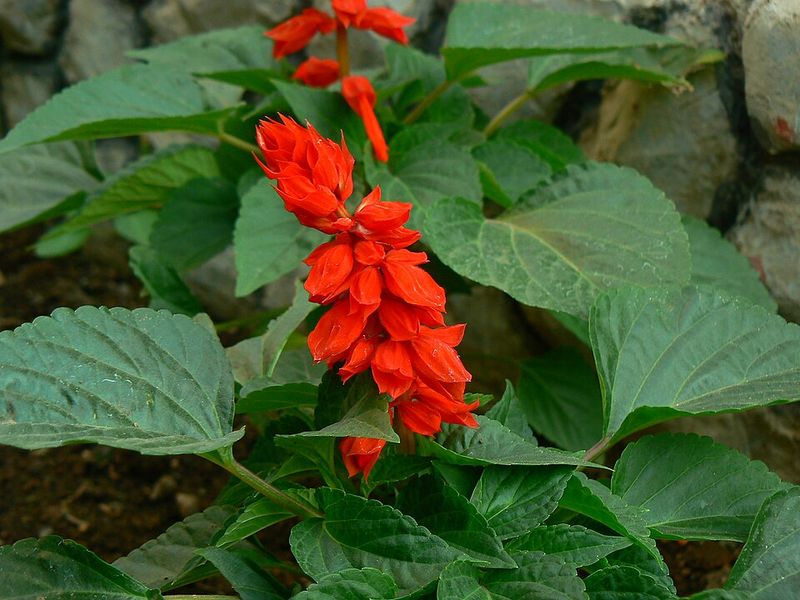
Strong vertical flower spikes can make a garden feel organized, and salvia does that while blooming generously. In Michigan, perennial salvias handle cold winters well and start the season with rich purple, blue, or violet tones that wake up spring and early summer beds.
After the first flush fades, a quick haircut often brings a second round.
Give it full sun and soil that drains well, especially through winter. Heavy, wet ground can shorten its lifespan, so raised beds or amended planting areas help if your yard stays soggy.
Once established, it is pleasantly drought tolerant and does not collapse at the first hot week.
Bees absolutely adore the nectar-rich blooms, which is useful if you want more pollinator activity near vegetables, fruit trees, or patio containers. The aromatic foliage also helps discourage browsing in some areas where rabbits are annoying.
Pairing it with roses, catmint, or pale yellow coreopsis creates a classic combination that looks good for months.
Cut spent stems low after the first show, then water and wait. Fresh foliage usually fills in quickly, and new flower spikes often appear before summer is over.
For Michigan gardeners who like color with structure, salvia is one of the easiest repeat performers to keep in rotation.
Catmint
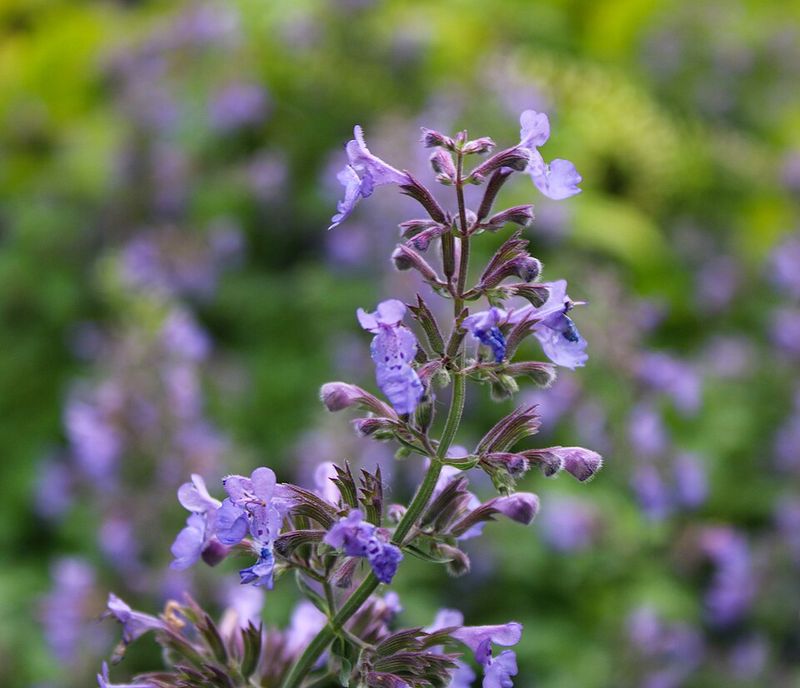
Soft mounds of gray-green foliage and hazy violet blooms give this perennial an easygoing look that lasts. Catmint performs especially well in Michigan because it tolerates cold winters, summer heat, and less-than-perfect soil without turning into a high-maintenance chore.
It starts blooming in late spring and can continue for months with a simple trim.
Plant it in full sun for the best shape and heaviest flowering. In richer soil it may grow larger and looser, so avoid overfeeding if you want compact, tidy plants.
A quick shear after the first bloom cycle often brings fresh foliage and another generous flush of flowers.
This is a great edging plant for walkways, mailbox beds, and front borders where you want softness without constant staking. Pollinators visit regularly, and the scented leaves are often less appealing to deer and rabbits than many other perennials.
Next to roses, salvia, or yarrow, it helps tie a mixed bed together beautifully.
One practical benefit is how forgiving it feels for newer gardeners. Miss a watering or forget to deadhead for a bit, and it usually keeps looking decent anyway.
If your Michigan landscape needs a long-blooming filler that never seems fussy, catmint is an easy yes.
Shasta Daisy
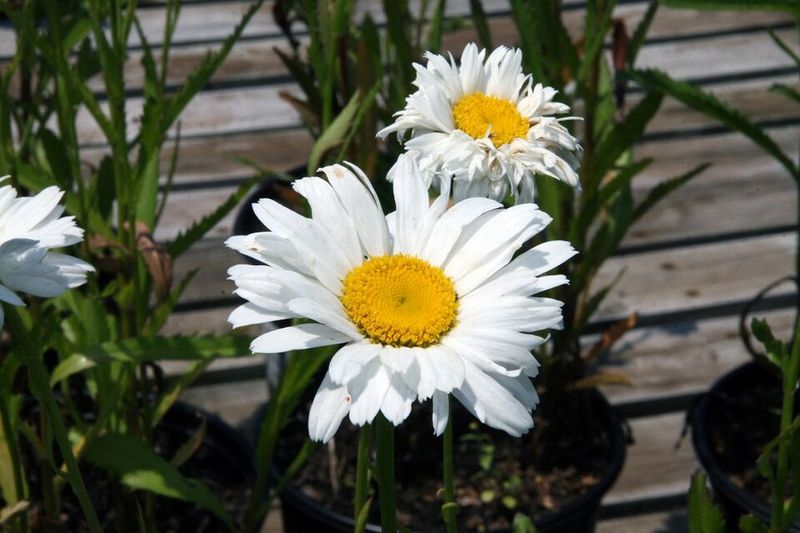
Crisp white petals and sunny yellow centers give this perennial a clean, classic look that fits almost anywhere. Shasta daisies do well in Michigan when planted in a bright spot with decent drainage, and they bloom generously through summer.
Their simple flower shape also mixes easily with bolder colors, softer pastels, or native-style plantings.
To keep blooms coming, remove faded flowers before they set seed. That small habit makes a real difference in extending the display and keeping plants from looking tired by midseason.
Sturdy stems are more likely in full sun, especially if you avoid overly rich fertilizer that can encourage floppy growth.
These daisies work nicely in cutting gardens because the flowers last well in a vase. A few stems snipped for the kitchen table still leave plenty outside, especially on mature clumps.
Pair them with salvia, coneflower, or black-eyed Susan if you want a bright border that looks cheerful from a distance.
Michigan winters are rarely a problem once plants are established, though heavy wet soil can be. Divide every two or three years to maintain vigor and reduce overcrowding in the center.
If you like a traditional flower that keeps blooming without complicated care, Shasta daisy is a dependable pick.
Yarrow
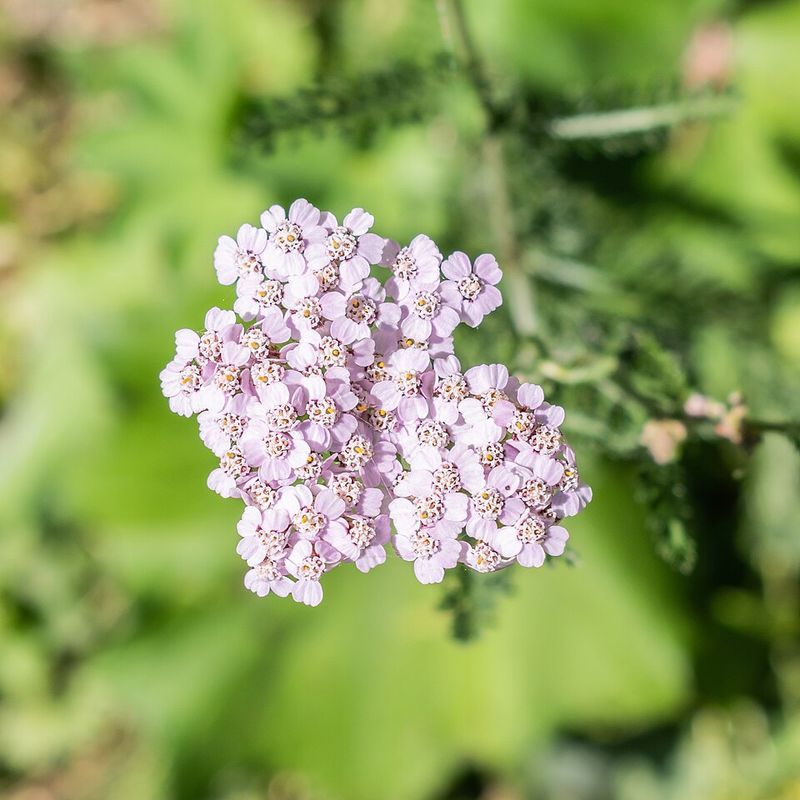
Flat flower clusters and finely cut foliage give this perennial a texture that many summer borders need. Yarrow thrives in Michigan because it handles cold winters, windy sites, and dry summer conditions with impressive ease.
Once it starts blooming, the show can continue for weeks, especially if you cut back spent stems promptly.
Full sun is important if you want sturdy stems and dense flowering. In soil that is too rich or too wet, plants may flop or spread more aggressively than you would like.
Lean conditions actually help keep the clumps compact, upright, and easier to manage over time.
Color choices range from buttery yellow and white to pink, peach, and terracotta, so it fits many planting styles. The blooms are excellent for pollinators and useful in fresh or dried arrangements, which adds value beyond the garden bed itself.
Mixed with ornamental grasses, Russian sage, or coneflowers, it creates a relaxed, meadow-like look that still feels intentional.
One overlooked benefit is how little water mature plants need compared with thirstier perennials. That matters during hot Michigan stretches when the hose starts feeling like part of your schedule.
For long bloom, wildlife support, and reliable toughness, yarrow is one of the smartest sun-loving choices you can plant.
Garden Phlox
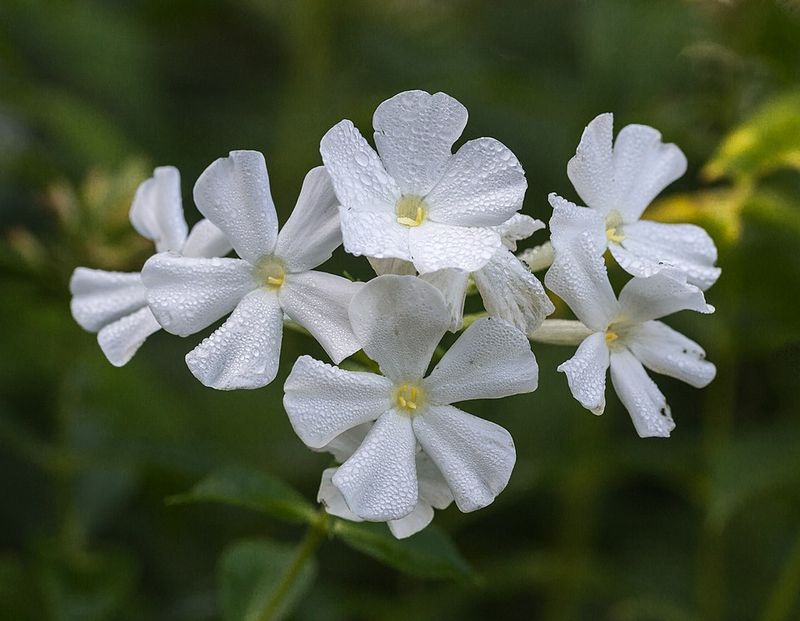
Big, fragrant flower clusters make this perennial a standout in midsummer, right when many spring favorites have faded. Garden phlox grows well in Michigan and bridges the gap between early summer color and the later-season performers.
Modern mildew-resistant varieties are especially worth seeking out because they stay attractive much longer.
Choose a location with full sun to light shade, plus good air circulation. That single detail helps reduce mildew issues and keeps stems stronger through humid weather.
Consistent moisture is helpful, especially during dry spells, but the soil should still drain well instead of staying swampy.
The flowers come in white, pink, lavender, coral, and deeper magenta shades, which gives you plenty of design flexibility. Butterflies love them, and the sweet scent makes patios and path edges feel more inviting in the evening.
If you want a border that looks lively in July and August, this plant fills that role beautifully.
Deadheading can extend bloom, though even the first flush is usually substantial enough to earn its space. Taller varieties may appreciate support in exposed locations, particularly if your yard gets strong summer storms.
For Michigan gardeners who want height, fragrance, and solid seasonal color, garden phlox remains a worthy classic.