
The Real Reason Rosemary Is Planted By Front Doors Across South Florida
Follow us on Google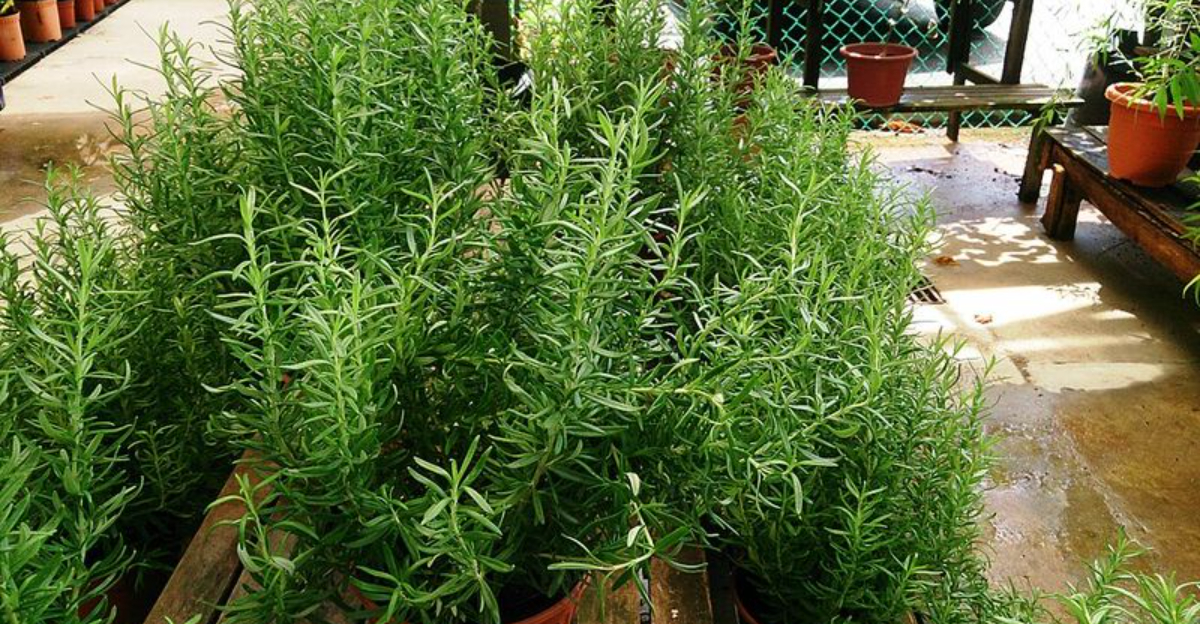
If you have noticed rosemary planted by front doors all over South Florida, that pattern is not random. People are not choosing it just because it looks charming in a pot or clipped hedge.
This herb quietly solves several problems at once, from heat and humidity challenges to everyday curb appeal. Once you know what rosemary is actually doing there, those entryways start to make a lot more sense.
Built for Florida Heat
In South Florida, a plant by the entry has to handle punishing sun, reflected heat, and sudden dry spells. Rosemary does that with very little drama, which is one reason you see it flanking porches from Miami to Naples.
It stays presentable through long stretches when softer herbs collapse.
That reliability matters more than most people realize. A front door planting is on display every single day, so homeowners want something tidy, evergreen, and easy to shape.
Rosemary checks those boxes while still looking intentional instead of stiff.
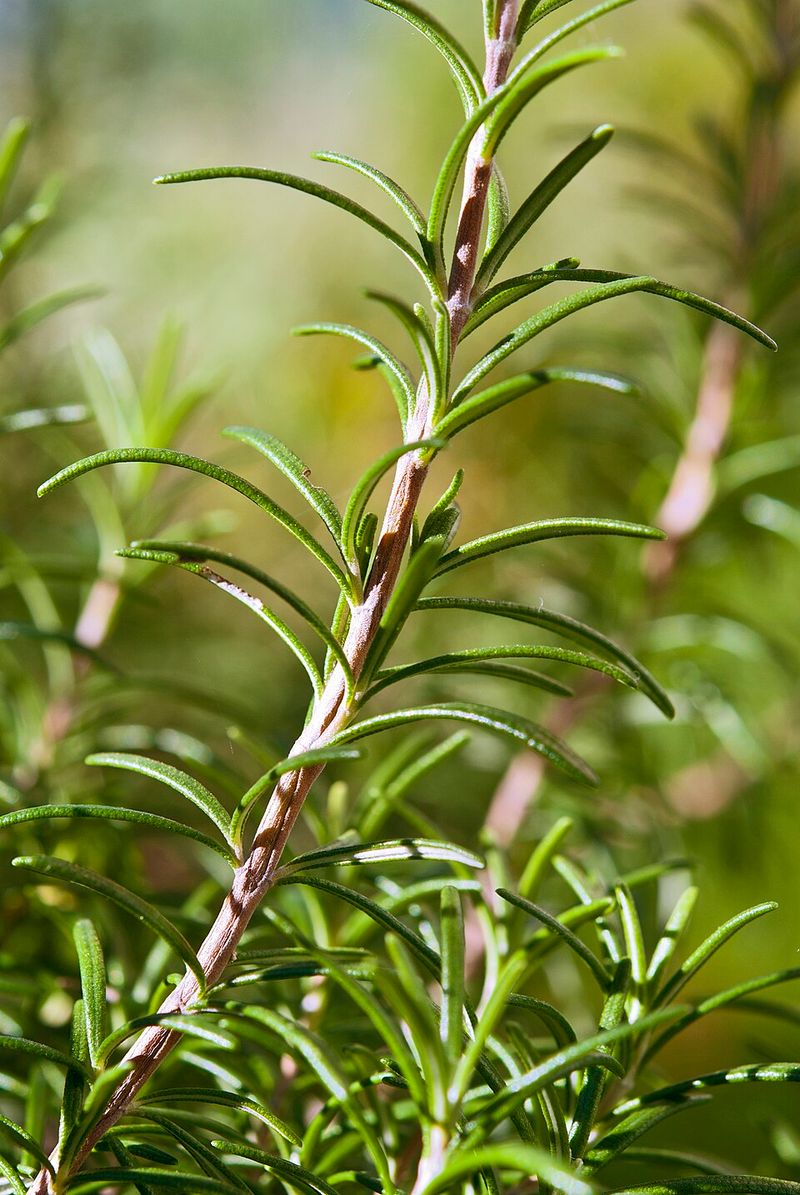
Its needlelike foliage also helps it shrug off salty air better than many cottage style favorites. Near the coast, that alone can determine what survives beside walkways and stucco walls.
You are not just looking at a pretty herb – you are seeing a practical response to the climate.
Gardeners often discover this after losing basil, parsley, or petunias in the same hot spot. Rosemary asks for sun, sharp drainage, and restraint with water, then quietly earns its place.
Around South Florida entrances, that kind of durability is the real luxury, because curb appeal only works when the plant can actually live there.
Fragrance at the Threshold

Step past a rosemary shrub and the scent releases almost instantly, especially after rain or when a hand brushes the leaves. That clean, resinous fragrance makes an entry feel fresher before guests even knock.
In humid South Florida, that sensory effect is part of the appeal.
Many homeowners also like that aromatic oils can make the area less inviting to some nuisance insects. It is not a magic shield, and nobody should expect one shrub to solve a mosquito problem.
Still, placing strongly scented herbs near doors has long been a practical habit because every little bit helps around seating areas and thresholds.
The fragrance lingers in subtle ways that feel more welcoming than perfumed sprays. On warm evenings, the plant gives off a dry Mediterranean note that balances the heavy tropical air.
You notice it most near stucco entries, terracotta pots, and sunbaked paths where heat wakes up the oils.
That is why people keep choosing it again after other ornamentals come and go. The plant earns visual points, but its real advantage is how it changes the experience of arriving home.
Around a front door, beauty matters, yet a pleasant smell and fewer bothersome bugs can matter even more day after day.
Old Traditions Still Matter
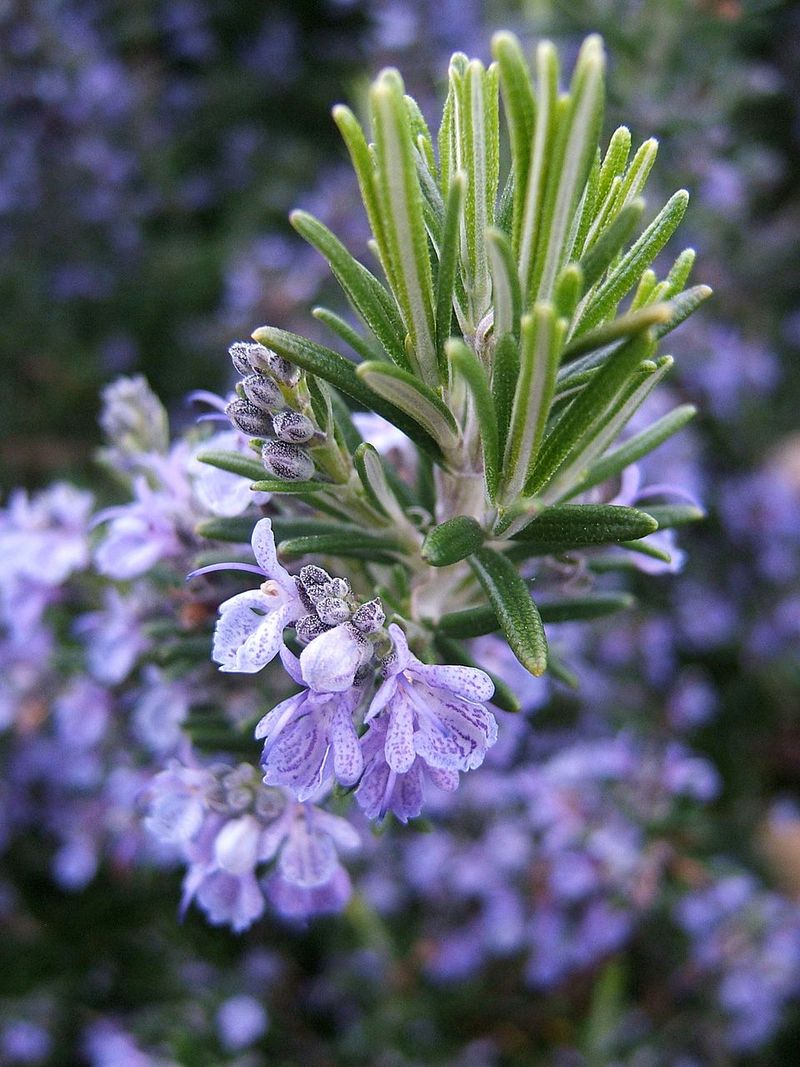
There is also a cultural layer behind those front door plantings that never shows up on nursery tags. Rosemary has been tied to remembrance, protection, and welcome in Mediterranean traditions for centuries.
In a place like South Florida, where old family habits travel with people, those meanings still influence what gets planted near an entrance.
Some homeowners choose it because a grandmother always kept rosemary by the gate or doorstep. Others simply heard that it brings good energy, clear thinking, or a sense of safety to the home.
Even if you do not lean into folklore, those stories give the plant emotional weight.
That matters because entry gardens are rarely only about botany. The area by a front door is where design, habit, and symbolism meet, so people often pick plants that feel personally reassuring.
Rosemary fits beautifully there because it carries tradition without looking old fashioned.
Across South Florida neighborhoods, you can spot that blend of practicality and meaning in countless landscapes. A clipped rosemary mound says the house is cared for, but it can also whisper something more intimate about memory and home.
Sometimes the real reason a plant stays popular is that it feels useful and meaningful at the same time.
A Neat Look Without Fuss
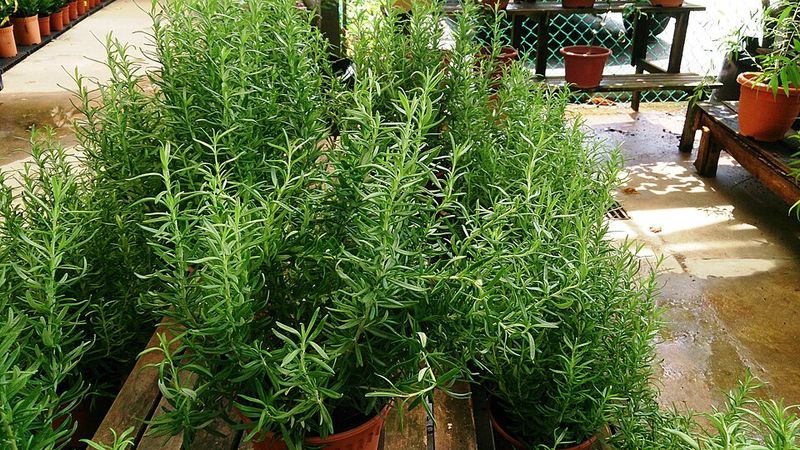
Another reason rosemary shows up at entrances is that it naturally looks orderly. Its fine texture reads as neat even when it grows a bit freely, and it responds well to light trimming.
That gives homeowners the polished look they want without the constant shearing required by fussier hedges.
By the front door, scale is everything. You need a plant that frames steps, mailboxes, or walkways without swallowing the space or blocking sightlines.
Rosemary can be kept as a rounded shrub, a loose informal hedge, or a container specimen, which makes it unusually flexible for small Florida lots.
That versatility is especially helpful in neighborhoods with strict appearance standards. A pair of matching rosemary plants in pots can make a basic entry look finished, while a low border along a path keeps things tidy and intentional.
You get structure, softness, and function from a single plant choice.
Busy homeowners appreciate that it does not beg for constant fertilizer, deadheading, or replacement. Once established, it mostly rewards restraint, and that is a rare quality in showpiece plantings.
When people in South Florida line a doorway with rosemary, they are often choosing a plant that looks expensive while quietly cutting down the work required to keep it that way.
Useful Beyond Curb Appeal
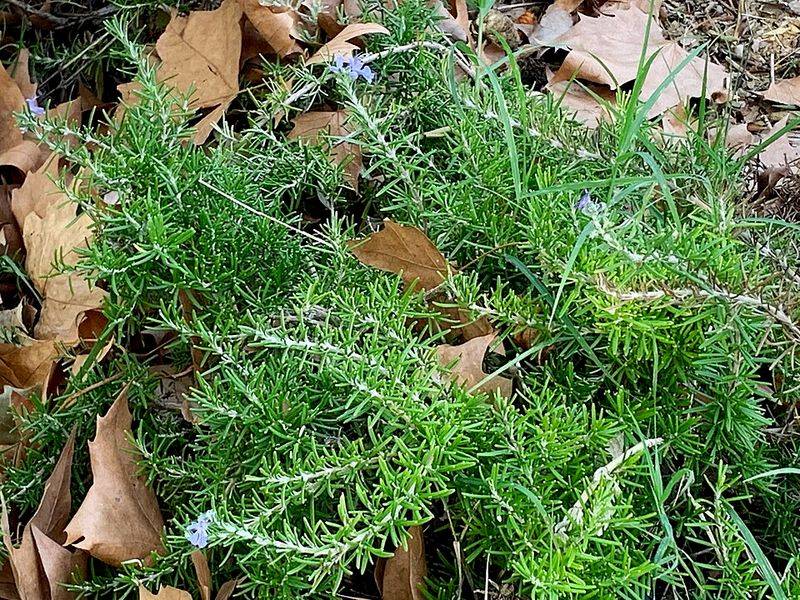
Of course, the smartest front yard plants often earn their space in more than one way. Rosemary is ornamental, but it is also useful, which appeals to people who want landscaping to do something besides sit there.
Snipping a few sprigs near the door for roasted fish, potatoes, or grilled chicken feels wonderfully practical.
That kitchen connection is stronger in South Florida than many people expect. Outdoor living is a year round habit here, so herbs close to the house get used often during weekend barbecues and quick weeknight meals.
A plant by the entry is easier to remember and harvest than one hidden in the back corner.
There is also a psychological benefit to seeing edible plants as part of everyday design. Guests notice that the landscape is attractive, then realize it is useful too, which makes the whole home feel more grounded and personal.
You are not just decorating the entrance – you are planting something that can season dinner.
For many homeowners, that blend of beauty and purpose is the deciding factor when choosing what belongs near the door. Rosemary earns its keep visually, aromatically, and in the kitchen, so it never feels like wasted space.
In a climate where every planting spot matters, that kind of everyday usefulness is hard to beat.
The Entryway Microclimate Advantage
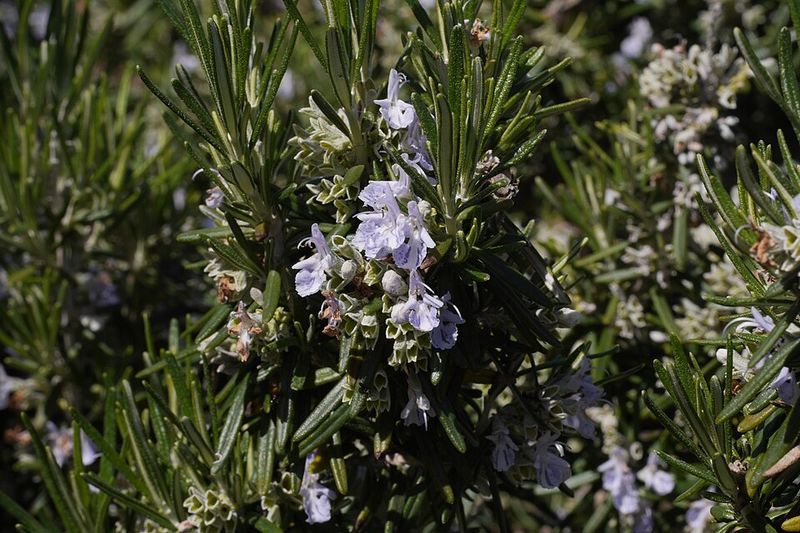
Look closely at many South Florida entryways and you will notice another pattern: rosemary is often planted in raised beds or large pots. That is not accidental.
The herb hates soggy roots, so gardeners place it where runoff is limited and drainage can be controlled.
Front doors often provide exactly those conditions. Roof overhangs reduce pounding summer rain, paved areas shed water away quickly, and containers let people use gritty soil mixes instead of dense native ground.
In a region where sudden downpours can drown sensitive herbs, that positioning gives rosemary a real advantage.
It also explains why the plant may fail in one part of a yard yet thrive by the entrance. Someone might assume the doorway location is chosen for looks alone, but the microclimate is doing heavy lifting.
More sun, faster drying, and better air movement can make the difference between woody decline and healthy new growth.
So when you see rosemary guarding a South Florida threshold, think like a gardener rather than a stylist. The spot is often one of the few places on the property that mimics the dry, bright conditions the plant prefers.
Good design is part of the story, but smart placement around water is usually the hidden reason it performs so well.
Why It Keeps Showing Up
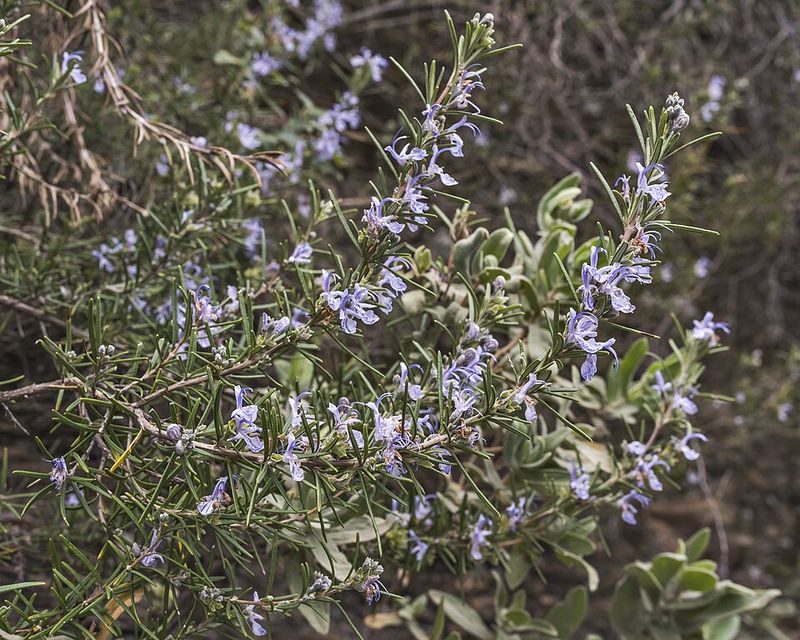
If you want the short answer, rosemary stays by South Florida front doors because it solves several problems at once. It tolerates heat, looks refined, smells great, offers culinary use, and carries a little old world symbolism.
Very few plants can claim that mix without demanding constant attention.
The best results come from treating it less like a thirsty tropical and more like a sun loving shrub from a dry coast. Give it at least six hours of sun, skip rich wet soil, and avoid daily irrigation once established.
Most failures happen because people are too generous, not too neglectful.
Placement matters just as much as care. Set it where air circulates, rain drains away, and the plant can be brushed lightly as someone walks past to release the scent.
Near a door, that small interaction turns a practical shrub into part of the ritual of coming home.
That is the real reason the habit keeps spreading from house to house. People notice a planting that still looks good in August, holds its shape, and feels welcoming every time they pass it.
In South Florida, rosemary wins the front door job because it is not just attractive – it is useful in all the ways homeowners actually care about.
A Softer Sense of Privacy
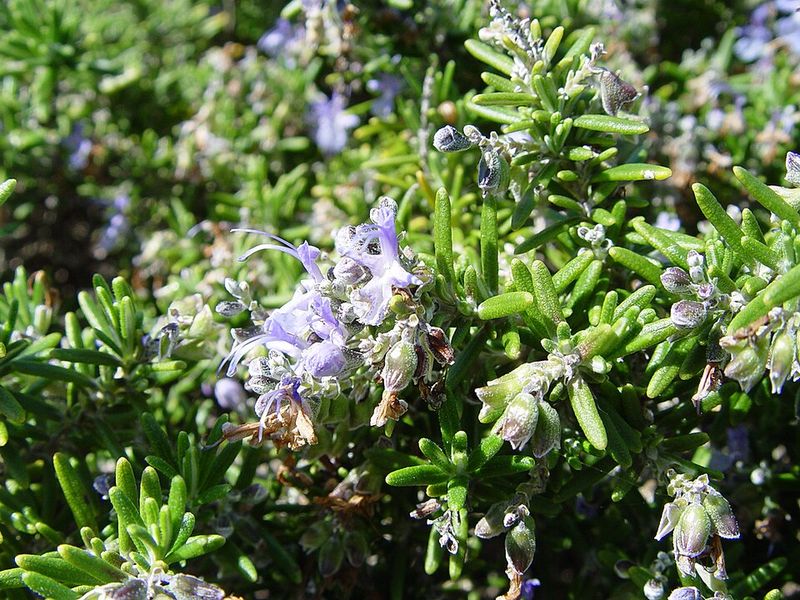
Another reason rosemary earns its spot near the front door is the way it gently defines the entrance without closing it off. In many South Florida neighborhoods, homes sit close together, so even a low shrub that creates a visual boundary can make the porch feel calmer.
Rosemary gives that sense of structure while still looking light and open.
Because it stays fairly compact with occasional trimming, it works beside walks, steps, and mailboxes where bulkier shrubs would feel crowded. You get a little softness, a little screening, and a front entry that feels more intentional from the street.
Passed Along and Replanted
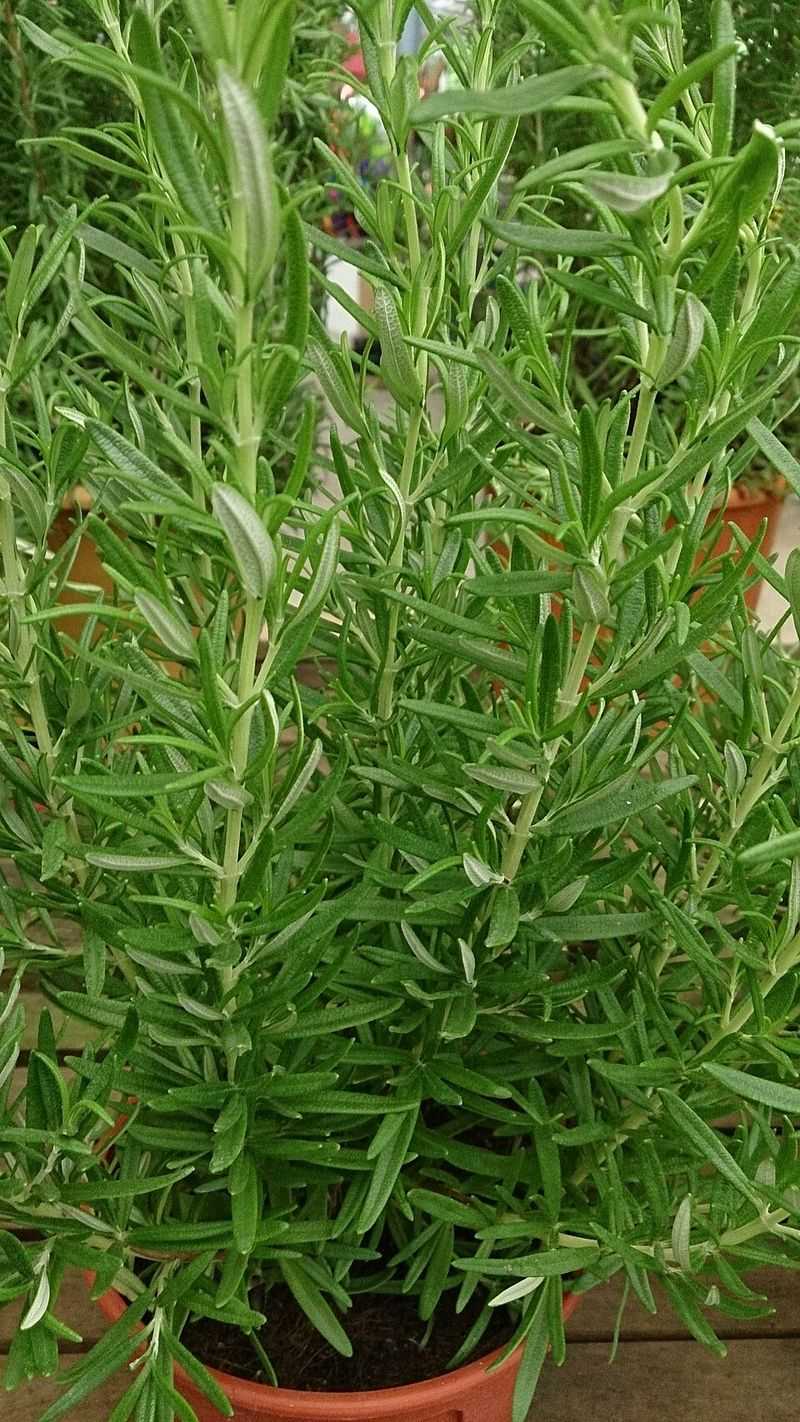
There is also a practical habit behind the tradition: rosemary is easy to replace, shape, and share. A clipped sprig can root, a neighbor can pass one along, and before long the same plant repeats from house to house across a block.
That kind of quiet hand me down gardening matters in South Florida, where people notice what survives and copy it.
Once a rosemary plant proves itself by the front step, it becomes the safe choice for the next house. You are not just seeing a design trend.
You are seeing a local planting decision repeated until it looks like part of the architecture.