
How To Make Your North Carolina Yard More Welcoming For Bluebirds This May
Follow us on Google
May is prime time for bluebirds in North Carolina, and a few smart yard changes can make your space far more inviting. These birds are charming, useful, and surprisingly selective about where they settle, so the details matter.
If you want more flashes of blue near your fence, garden, or pasture edge, now is the moment to set things up right. The tips below focus on simple moves that help bluebirds feel safe, fed, and ready to stay.
Choose An Open, Bluebird-Friendly Layout
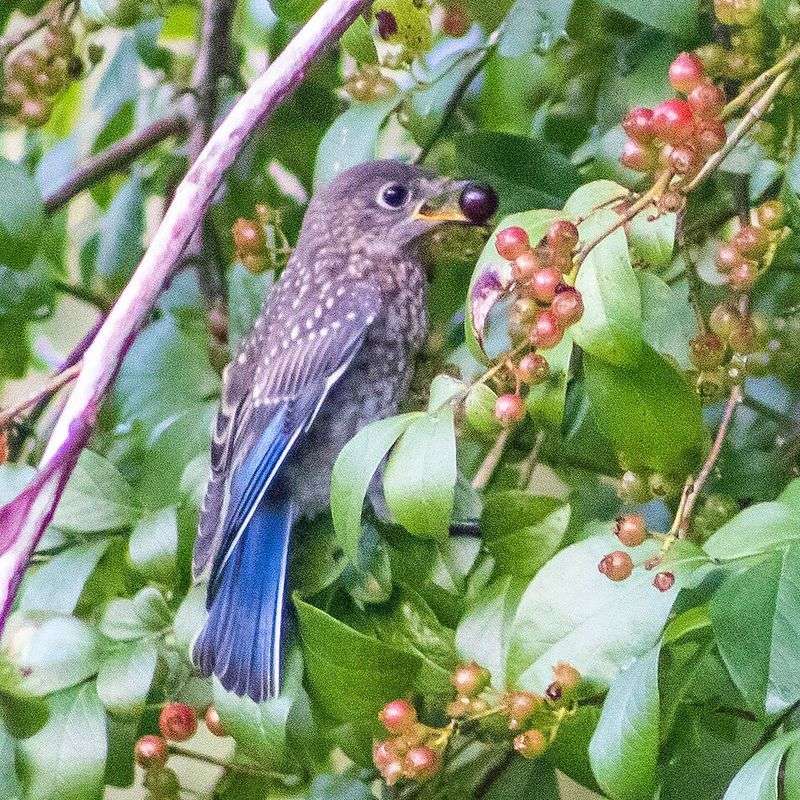
Bluebirds usually skip yards that feel crowded, dark, or packed with dense cover from one end to the other. In May, they are actively feeding young and scanning for insects, so they prefer open ground with short grass and clear sightlines.
A welcoming setup gives them room to hunt while still keeping a few nearby perches and safe retreat spots.
Try leaving a broad section of lawn or meadow edge fairly open instead of filling every corner with tall shrubs. In many North Carolina neighborhoods, a yard works best when trees stay along the boundary while the middle remains sunny and easy to watch.
That pattern helps bluebirds spot beetles, caterpillars, and grasshoppers without feeling trapped.
It also helps to think about what bluebirds do not love. Thick brush right beside feeding areas can hide predators like cats, snakes, and aggressive house wrens.
If your yard currently feels overgrown, thinning selective areas may improve it more than adding extra features.
Small changes can make a big difference fast. Mow one section a bit shorter, move bulky containers away from open ground, and keep sightlines clear near nest boxes.
When your yard feels airy, sunny, and easy to scan, bluebirds are much more likely to use it regularly.
Install The Right Bluebird Nest Box
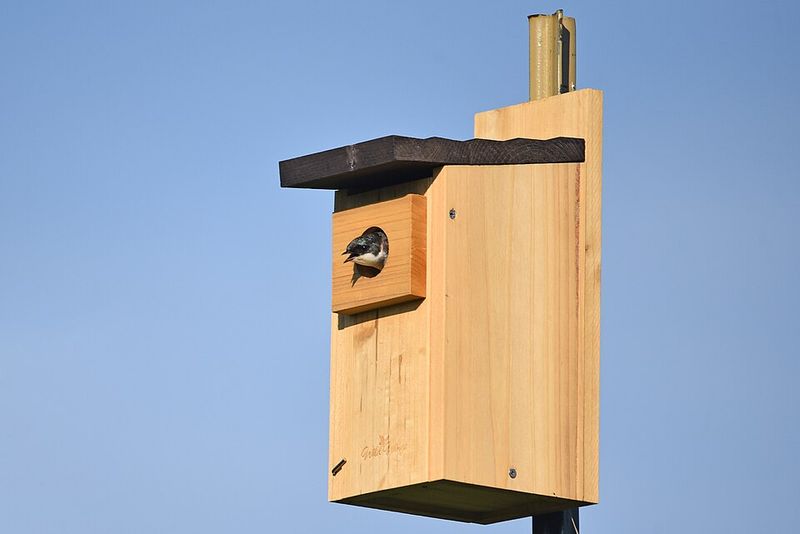
A nest box can bring bluebirds into view quickly, but only if the design and placement match what they actually need. In North Carolina, May is still an active nesting month, so a well-timed installation may help a pair start a brood or attempt another one.
The best boxes have the correct entrance hole, good ventilation, drainage, and untreated wood construction.
Placement matters just as much as the box itself. Mount it about four to six feet high on a metal pole in an open area, facing away from prevailing winds when possible.
Bluebirds often prefer a view over lawn, pasture, or a lightly mowed field rather than a shaded corner close to heavy shrubs.
Extra hardware can improve success. Add a predator guard, keep the pole smooth, and avoid attaching the box directly to a tree or fence where raccoons and snakes get easy access.
If you already have a decorative birdhouse with too many openings or perches, it may look charming to you but feel risky to bluebirds.
Check the box from a distance first before opening it. Once occupied, monitor responsibly and avoid disturbing adults during cool or rainy periods.
A safe, simple, properly mounted box often becomes the single most important feature in a bluebird-friendly yard.
Add Predator Guards And Keep Cats Away
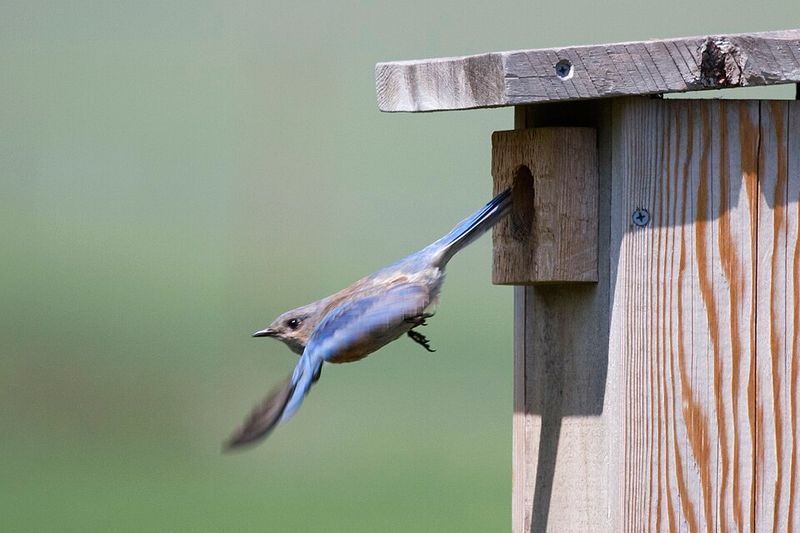
Nothing ruins a bluebird-friendly yard faster than easy predator access. In May, eggs and nestlings attract snakes, raccoons, and curious neighborhood cats, so safety needs to be built into your setup from the start.
You can offer food and shelter, but bluebirds will not stay long if the risk feels constant.
A metal pole with a proper baffle is one of the smartest upgrades you can make. Cone or stovepipe guards can block climbing predators far better than wooden posts or fence mounts.
If a box is already installed in a vulnerable spot, moving it now may save an entire brood later.
Cats deserve special attention because even well-fed pets still hunt. Keeping your own cat indoors and discouraging roaming pets from lingering near nest areas gives bluebirds a much better chance.
Dense groundcover beneath a nest box can also create a stalking zone, so keep that area open and visible.
It helps to watch your yard at dawn and dusk for a few evenings. That is when problem visitors often appear, and you can spot weak points before they cause damage.
A yard feels welcoming to bluebirds when it feels predictable, open, and much harder for predators to exploit.
Plant Native Berry And Insect-Supporting Species
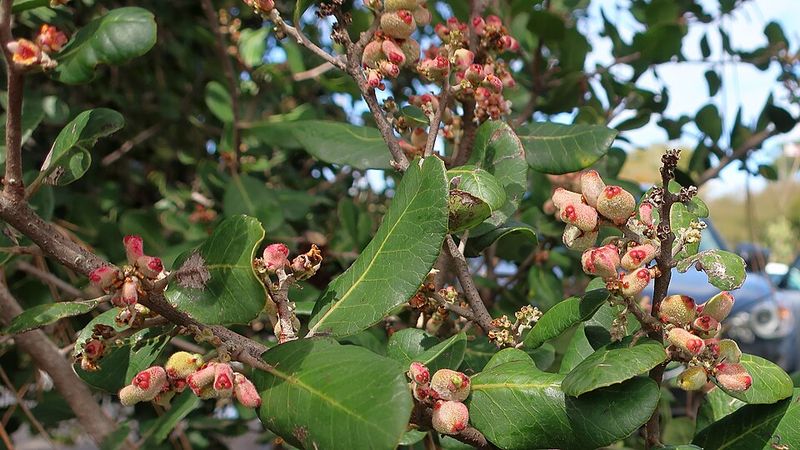
Food is one of the biggest reasons bluebirds return to a yard instead of just passing through. During May, insects matter most because adults need protein for growing chicks, yet native fruiting plants still add long-term value by supporting bugs now and berries later.
A smart planting plan gives bluebirds more than one reason to stick around.
Focus on North Carolina natives that feed insects and fit your space. Serviceberry, dogwood, wax myrtle, viburnum, and beautyberry can all contribute habitat without turning your yard into a dense thicket.
Around those shrubs, add native perennials and grasses that attract caterpillars, beetles, and other prey bluebirds hunt on the ground.
Avoid choosing plants only for neat appearance or nonstop blooms. Double-flowered ornamentals and heavily bred landscaping favorites often provide less nectar, fewer insects, and weaker habitat value overall.
You do not need to remove everything at once, but replacing a few low-value plants each season adds up quickly.
Placement should support bluebird behavior, not just garden design. Keep native plantings around the edges or in islands near open lawn so birds can feed and still see danger coming.
That balance of cover, insect life, and open hunting space makes your yard more useful every single day.
Skip Pesticides And Protect Their Insect Food
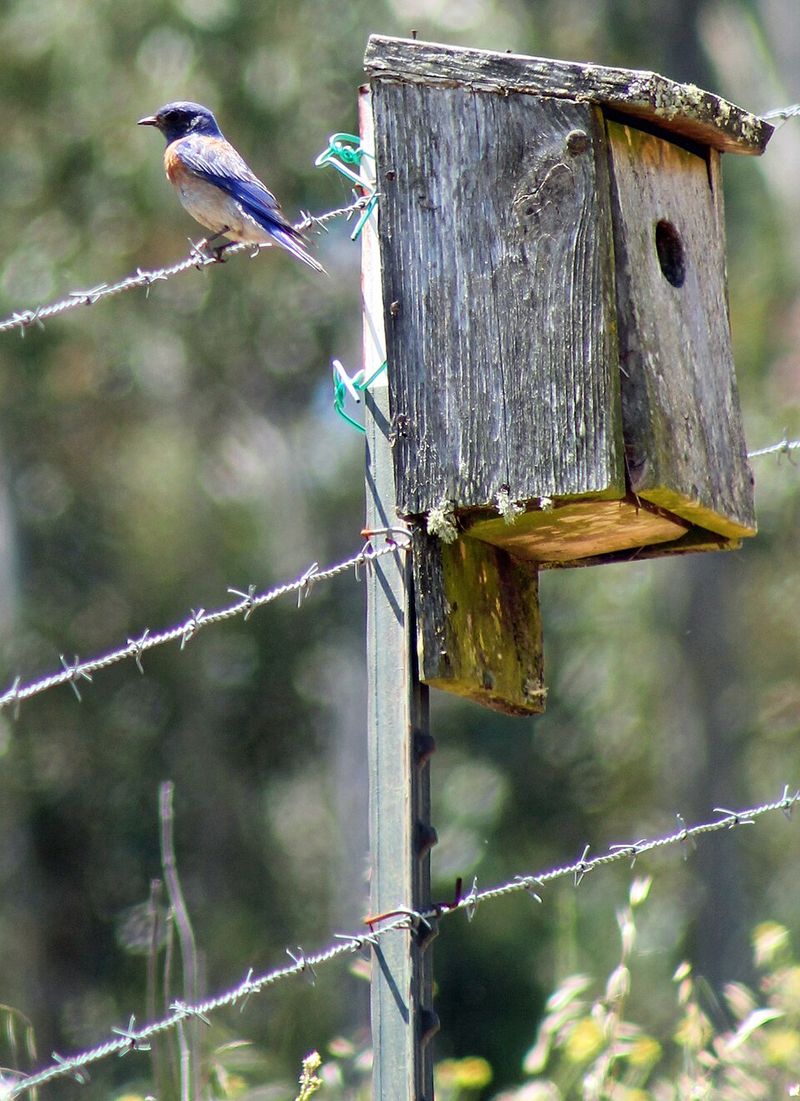
Bluebirds are insect eaters first, especially in spring, so a spotless yard treated for every bug can actually be a food desert. In May, parents spend much of the day collecting caterpillars, beetles, crickets, and other soft prey for hungry nestlings.
If those insects disappear, your yard becomes less useful no matter how pretty it looks.
Cutting back on pesticides is one of the most direct ways to help. Broad-spectrum sprays often kill beneficial insects along with the pests you meant to target, and residue can ripple through the food chain.
Even routine mosquito yard treatments may reduce the small invertebrates birds need during nesting season.
Instead, use targeted methods when problems show up. Hand-pick pests, prune damaged stems, improve soil health, and accept a little leaf chewing as part of a living landscape.
A few nibbled plants are a small price for a yard that supports birds, pollinators, and natural pest control.
You can also leave one section slightly less manicured. A border with native grasses, flowers, and untreated ground often produces more insect activity than a perfectly managed lawn.
When bluebirds can reliably find prey close to the nest, they spend less energy searching and more time successfully raising young.
Offer Fresh Water Without Creating Trouble
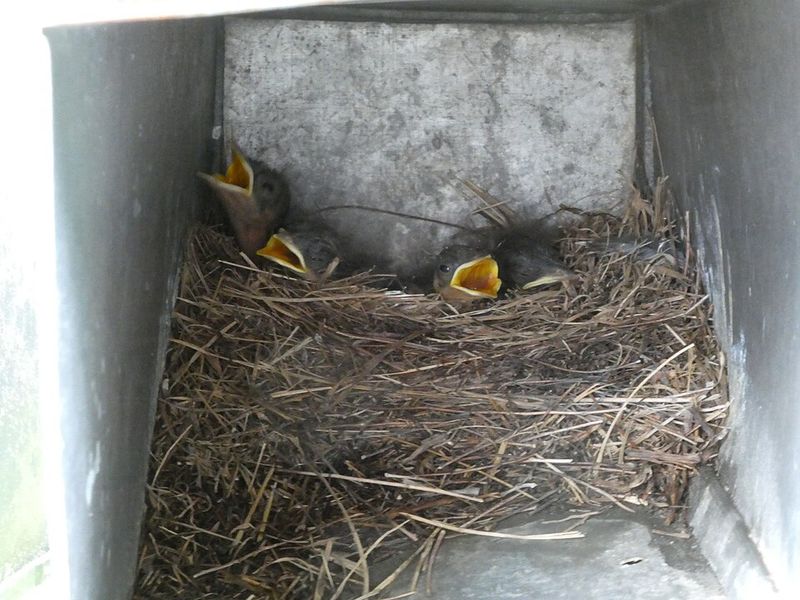
Water can make a good yard noticeably more attractive, especially during warm North Carolina days in May. Bluebirds use shallow, clean sources for drinking and bathing, and they often notice water quickly when it is placed in an open, visible spot.
The key is offering access without creating a hidden danger zone.
A simple birdbath works well if it stays shallow and easy to approach. Aim for about one to two inches of water, add a gently sloped surface, and place it where birds can see around them while they drink.
Nearby perches like a fence, shepherd’s hook, or low branch help them pause before landing.
Cleanliness matters more than fancy design. Dump and refill the bath often, scrub it regularly, and avoid letting algae or mosquito larvae build up.
If the basin sits under dense shrubs, consider moving it so predators cannot surprise birds from cover.
A dripper or small bubbler can make the feature even more appealing because moving water catches attention. Just keep electrical cords safe and maintenance realistic, especially if you know you will not clean a complicated setup.
A dependable, visible water source often turns occasional bluebird visits into a regular habit.
Keep Grass Manageable And Leave Hunting Space
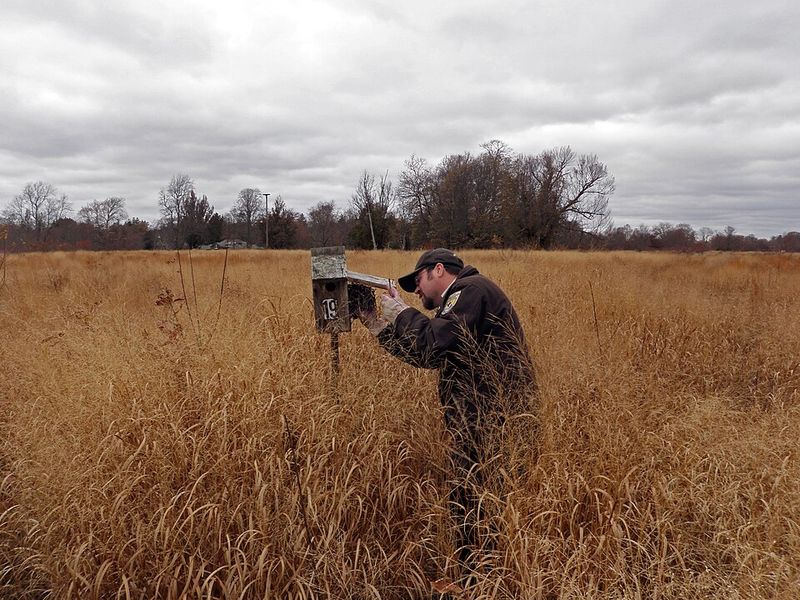
Bluebirds feed differently than many backyard songbirds, and your mowing routine can either help or hinder them. They like to perch, watch the ground, and drop down on insects they can actually see.
In May, that hunting style becomes even more important because adults are making repeated food trips all day long.
Try keeping at least part of the yard moderately short rather than letting every area grow tall at once. A mix of short grass, a few taller borders, and scattered perches gives bluebirds the best combination of visibility and habitat value.
If your whole property is dense with high growth, they may pass over it in favor of a more open neighboring lot.
That does not mean aiming for sterile turf. A rougher edge near a fence line or garden can still support insects while a central feeding lane remains open.
Many homeowners find that mowing paths and wider clear patches through a natural area creates a better balance than cutting everything evenly.
Watch where bluebirds land if they already visit. Those spots often reveal the exact zones that feel useful for hunting, and you can expand them a little.
When insects are abundant and ground access stays easy, bluebirds treat your yard like a practical feeding stop instead of a decorative backdrop.
Set Up Natural Perches Around The Yard
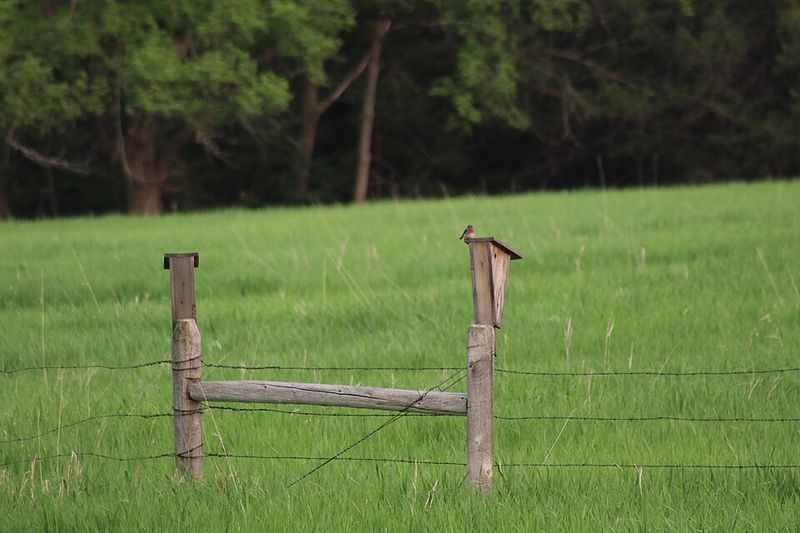
Perches are easy to overlook, but bluebirds use them constantly while hunting, resting, and watching over a nest area. In a yard without good lookout spots, they have fewer chances to scan for insects or check for danger before dropping to the ground.
Adding a few simple structures can make your space instantly more practical.
Fence lines, bare branches, trellises, and plain wooden posts all work well when placed thoughtfully. Aim to position them near open grass or meadow patches where bluebirds can spot movement below.
A perch does not need to be fancy, and in many cases the simplest option works best.
Try to avoid cluttering the same area with too many feeders, flags, and hanging décor that swing or sparkle unpredictably. Bluebirds tend to prefer calm, stable places where they can pause and assess the surroundings without confusion.
If you already have a vegetable garden or open side yard, one or two extra posts there may get used quickly.
Spacing matters as much as quantity. A few perches spread across the yard create a network that supports hunting from different angles.
Once you notice bluebirds returning to the same post over and over, you will see how important those quiet observation points really are.
Limit Competition From Aggressive Birds
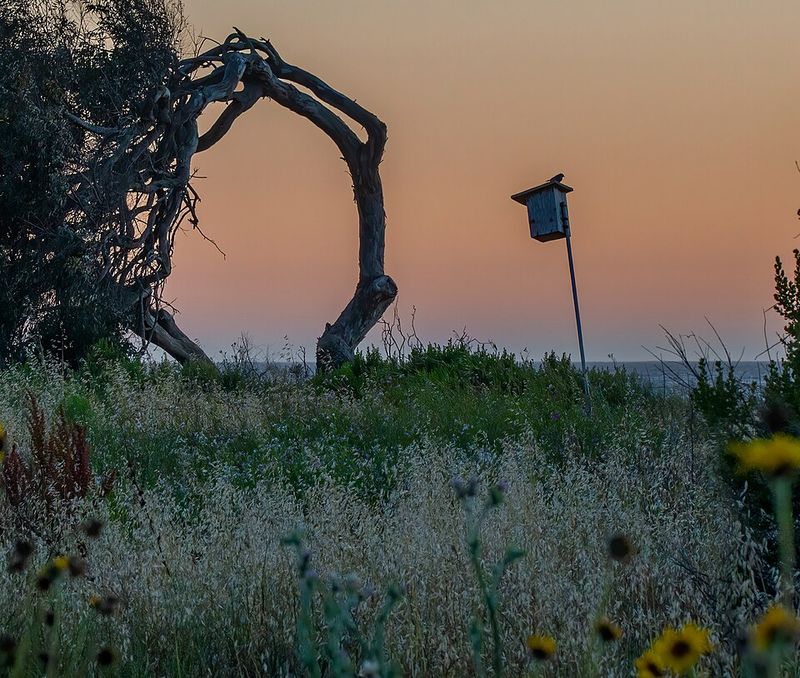
Bluebirds face plenty of competition for nest cavities, and some of their rivals are far more aggressive than they are. House sparrows and sometimes house wrens can harass adults, take over boxes, or destroy eggs if conditions favor them.
If you want bluebirds to settle successfully, reducing that pressure is worth your attention.
Start by making sure your nest box is truly designed for bluebirds and placed in an open area they prefer. House wrens often thrive near brushy, tangled habitat, so clearing heavy vegetation close to the box can help.
House sparrows are more common around dense human activity, livestock feed, and clutter, which means tidying problem areas also matters.
Regular monitoring gives you a chance to respond early rather than discovering trouble too late. Check responsibly, learn how to identify nest materials, and follow local guidance for handling invasive species issues.
Ignoring competition rarely makes it disappear, especially during busy spring nesting weeks.
Extra food sources can also shift bird traffic. Avoid scattering grain or cheap mixed seed near bluebird boxes if it attracts species you do not want concentrated there.
A calmer nesting zone, with less competition and fewer disturbances, gives bluebirds the breathing room they need to claim your yard confidently.
Offer Mealworms In A Smart, Limited Way
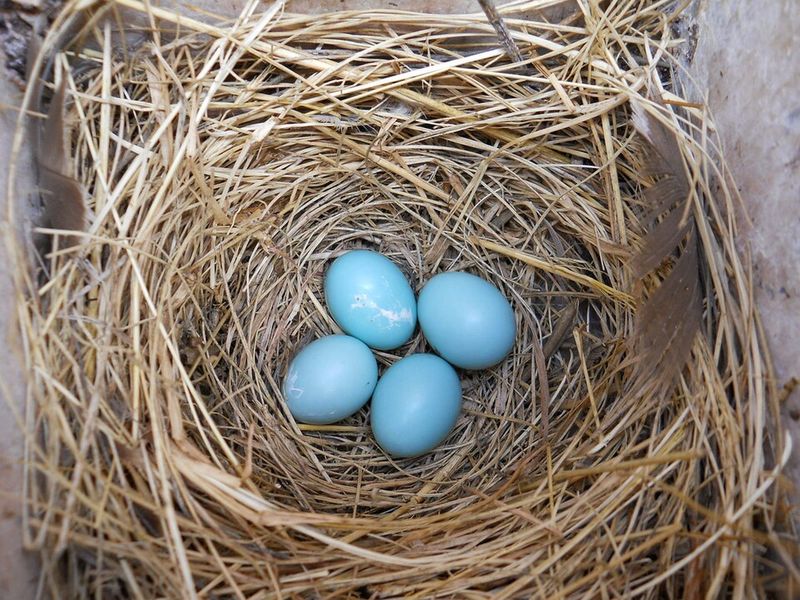
Supplemental food can help bluebirds notice your yard, especially if natural insect numbers dip during a stretch of cool or rainy weather. In May, a small amount of mealworms can support adults without replacing the need for a healthy habitat.
The trick is using them as a light assist, not as the whole plan.
Choose a feeder style that keeps the offering clean and visible while discouraging bigger, pushier birds from taking over. Many people use a small dish or a bluebird-specific feeder placed near open ground and away from heavy foot traffic.
Start with modest amounts so food does not sit too long or attract pests.
Timing matters more than quantity. Put mealworms out during active daylight hours and remove leftovers before dusk if raccoons or ants are common in your area.
If bluebirds already have nestlings, you may notice adults grabbing a few quickly and returning to natural hunting the rest of the day.
It is best to think of mealworms as a nudge, not a shortcut. A yard with open space, native plants, safe nesting, and fresh water will always do more than a feeder alone.
Used carefully, though, supplemental food can help bluebirds build a stronger connection to your property.