
21 Easy-Care Perennials With The Longest Bloom Season In Michigan
Follow us on Google
Michigan gardeners need flowers that can handle cold winters, humid summers, and plenty of weather mood swings. The good news is that many perennials keep blooming far longer than people expect, all without demanding constant attention.
If you want a yard that looks colorful from late spring into fall, these reliable picks earn their space fast. Each one offers a long show, straightforward care, and the kind of staying power that makes your garden feel easier every year.
Catmint
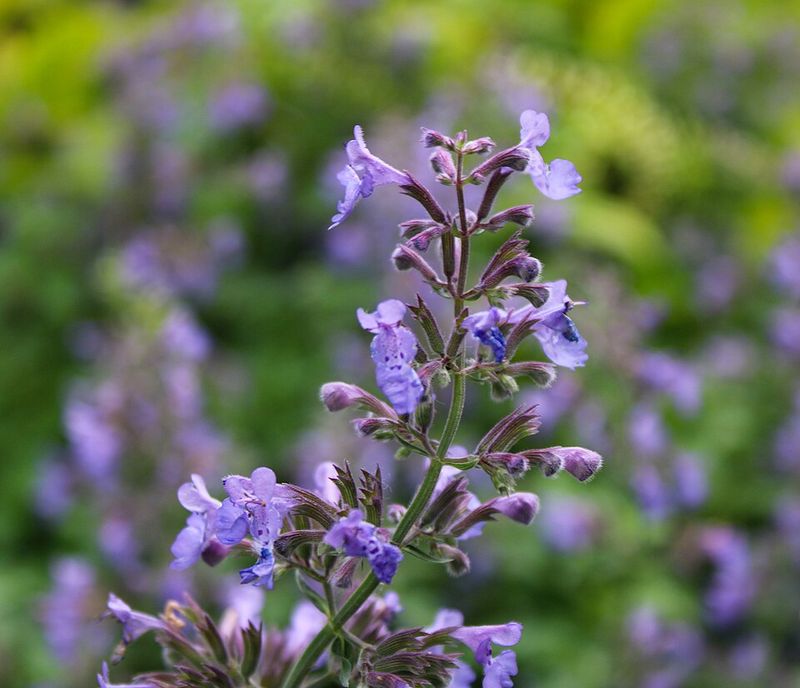
Soft blue-violet flower spikes give this perennial a relaxed look that works in almost any Michigan garden. Blooming often begins in late spring, and with one midsummer shear, the display can continue into early fall.
The gray-green foliage stays attractive even when flowers pause, so the plant never looks like dead weight in the border.
Heat, humidity, and average soil are rarely a problem once roots settle in. Full sun keeps stems compact, though a little afternoon shade is fine in warmer parts of the state.
If you have a spot where you keep losing thirsty plants, this is the kind that finally lets you stop babysitting.
After the first flush fades, cutting the mound back by about a third makes a big difference. Fresh foliage appears quickly, and new blooms follow without much delay.
That one easy step keeps the shape neat instead of floppy, especially after summer rain.
Bees love it, deer tend to ignore it, and the color blends beautifully with roses, black-eyed Susans, and coneflowers. Near a walkway, the aromatic leaves release a pleasant scent when brushed.
For long performance with minimal effort, this one earns its reputation every season.
Purple Coneflower
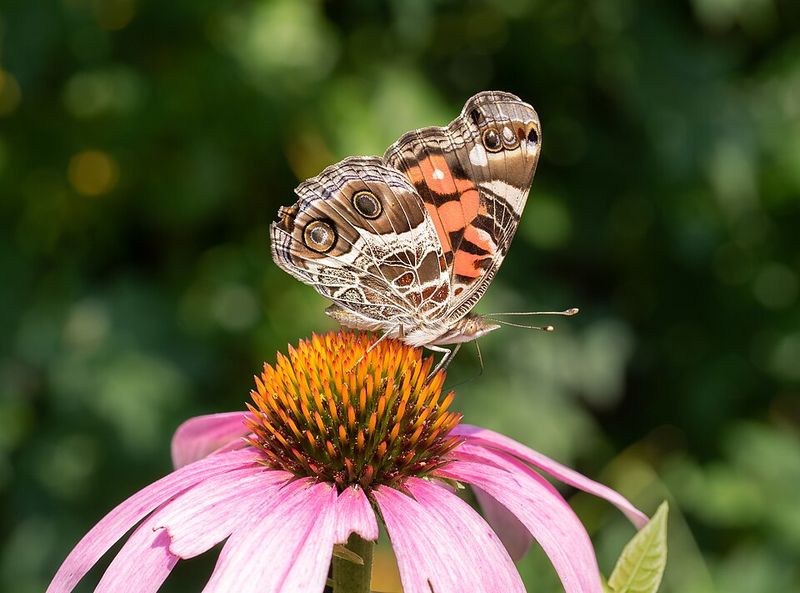
Strong stems, bold color, and a long bloom window make this native favorite easy to appreciate. In Michigan gardens, flowers usually appear in early summer and continue for weeks, often stretching toward fall when spent blooms are trimmed.
The upright habit also means it holds its own in mixed beds without disappearing behind faster growers.
Sunny locations and well-drained soil bring the best performance, but established plants tolerate dry periods better than many people expect. You do not need rich soil or constant fertilizing to get a satisfying display.
In fact, overly pampered plants can become softer and less sturdy than those grown a little leaner.
Leaving some seed heads later in the season adds another benefit because goldfinches love them. If you prefer a cleaner look and more flowers, deadhead earlier rounds and let the last ones mature near autumn.
That small choice lets you decide between extended bloom or extra wildlife value.
This perennial looks especially good with black-eyed Susan, Russian sage, and ornamental grasses. Pollinators show up regularly, and the blooms make excellent cut flowers for casual indoor arrangements.
For a garden that feels lively without demanding daily attention, it is one of the safest bets around.
Black-Eyed Susan
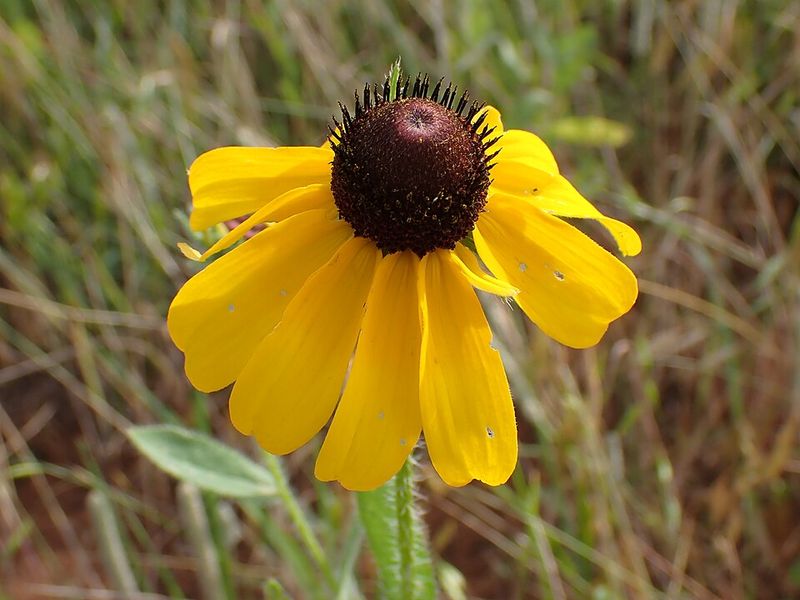
Golden petals and dark centers bring a classic late-summer look that never feels outdated. In Michigan, this perennial starts blooming in midsummer and often keeps the show going deep into fall, especially when faded flowers are removed.
It is the kind of plant that makes a yard look sunny even on a gray August morning.
Full sun is the main requirement, and average garden soil usually works just fine. Once established, it handles heat and short dry spells without much complaint, which is helpful during those weeks when rain seems to miss your neighborhood entirely.
Strong stems also make it useful in spots where floppier flowers become frustrating.
Dividing clumps every few years helps maintain vigor and keeps the center from thinning out. If self-seeding is welcome, leave some flower heads in place and you may get extra plants in natural-looking drifts.
If not, deadheading keeps the bed neater and extends flowering longer.
Butterflies visit often, and the warm yellow color blends beautifully with purple asters and blue salvia. This is also a smart pick for roadside beds, mailbox plantings, and sunny foundation borders.
When you want reliable color with very little fuss, it regularly proves its value.
Salvia
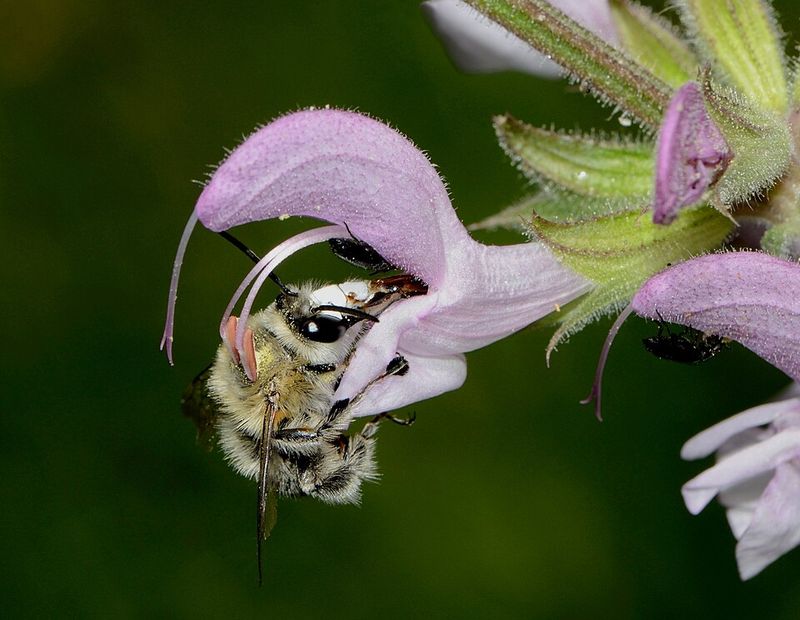
Vertical spikes of blue, purple, or violet flowers give a garden structure while still feeling relaxed. In Michigan, perennial salvia often begins blooming in late spring and can rebloom through summer when spent stems are cut back after the first big flush.
That quick cleanup pays off with fresh color just when some early perennials are fading.
Sun matters here, because too much shade can make growth loose and flowering sparse. The plant prefers decent drainage and does not appreciate constantly soggy soil, especially after winter.
Once established, it is impressively drought tolerant, which makes it a strong option for busy gardeners who forget to water until everything looks dramatic.
One of the nicest things about this perennial is how easily it partners with other long bloomers. It threads beautifully through roses, catmint, daylilies, and yarrow without taking over the bed.
Pollinators notice it quickly, so a single clump often becomes one of the busiest spots in the garden.
Deer usually leave the aromatic foliage alone, and the tidy mound stays useful even between bloom cycles. If you need a perennial that looks intentional rather than wild, this one brings order and color at the same time.
It is dependable in a very satisfying way.
Daylily
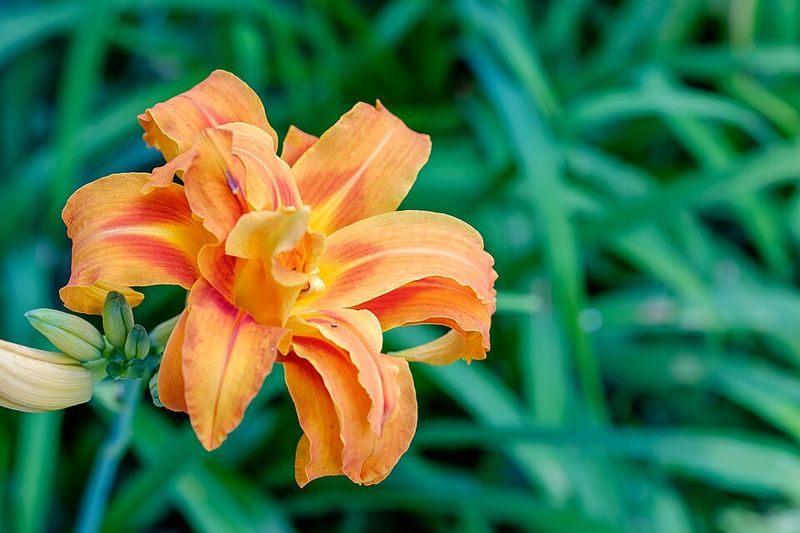
Reliable color and almost ridiculous toughness explain why so many Michigan yards still feature this old favorite. Reblooming varieties can flower from early summer into late summer, and large established clumps produce enough buds that the display feels continuous.
Each bloom lasts a day, but the plant keeps replacements coming so the bed never looks bare.
Sun brings the best flowering, though many types tolerate part shade surprisingly well. Average soil is fine, and once roots are established, occasional drought rarely causes real trouble.
This is helpful if you want strong performance in a difficult side yard or along a hot driveway where delicate plants struggle.
Dividing crowded clumps every few years keeps flowering strong and gives you free plants for other areas. Removing spent flower stalks also tidies the look and helps the bed feel maintained without much effort.
If you choose newer reblooming cultivars, you get a much longer season than older common types.
Pairing them with coneflowers, ornamental grasses, or salvia keeps the border interesting even when flower color shifts. Deer may browse in some areas, so local pressure matters, but overall care is straightforward.
For gardeners who want generous blooms without a demanding routine, it remains a practical classic.
Yarrow
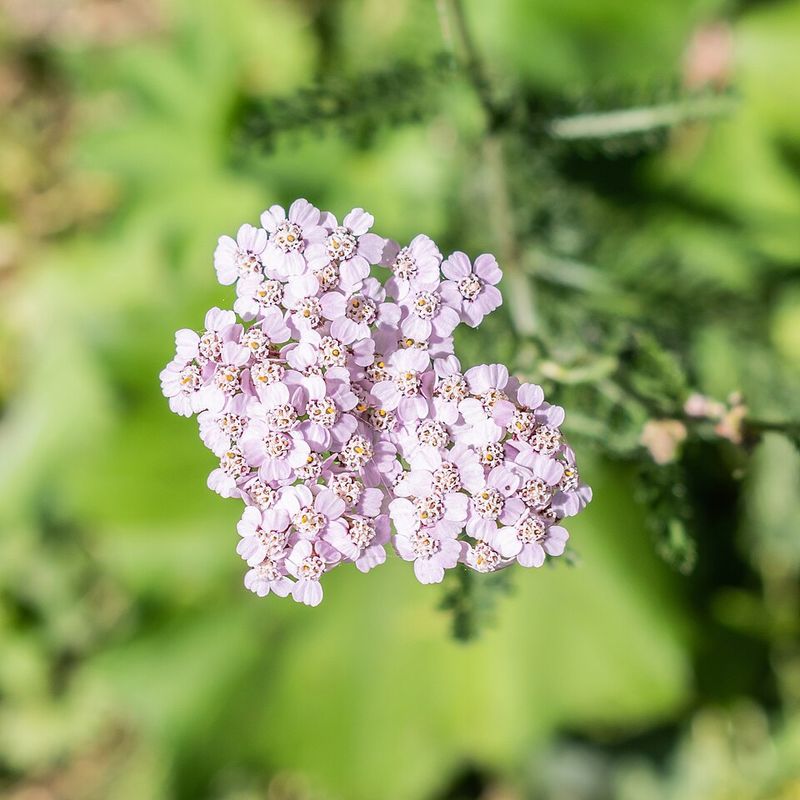
Flat-topped flower clusters give this perennial a slightly wild, meadow-like feel while still fitting neatly into home landscapes. In Michigan, yarrow often starts in early summer and continues for weeks, especially if faded stems are trimmed before seeds form.
The ferny foliage adds texture even when blooms are resting between flushes.
Hot, sunny spots are where it really earns its keep. Poor or average soil is usually enough, and too much fertility can actually make stems weaker.
If you have a dry strip by the sidewalk or a bright area near the street, this is the sort of plant that handles the challenge better than fussier options.
Deadheading extends bloom and prevents excessive self-seeding, which is worth doing if you prefer a more controlled look. Dividing every few years also helps keep clumps vigorous and upright.
A quick cut after the first flowering round can encourage fresh growth and a second, lighter show.
Butterflies appreciate the blooms, and the flowers dry well for arrangements if you like bringing the garden indoors. Yellow, white, pink, and soft red shades are widely available, so matching your color scheme is easy.
For long bloom and low maintenance, this one gives you plenty without asking much back.
Shasta Daisy
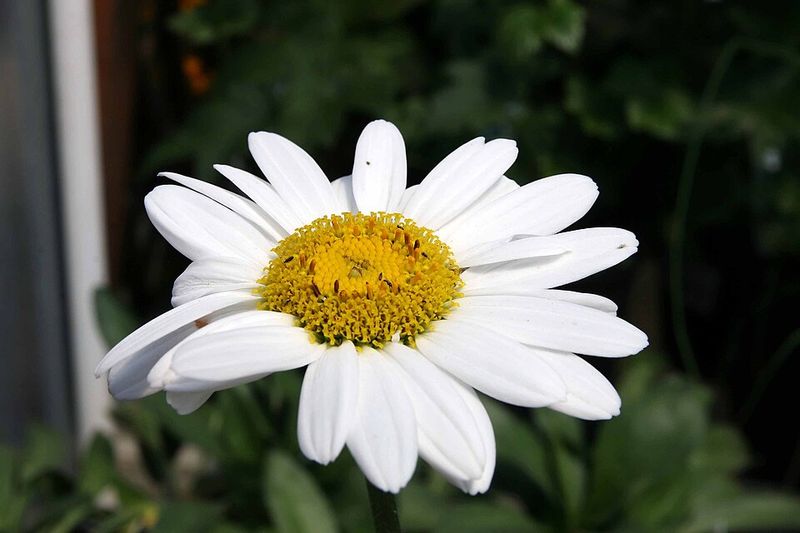
Crisp white petals and sunny yellow centers give this perennial a clean, classic look that brightens mixed borders. In Michigan, flowering usually begins in early to midsummer, and many modern varieties keep going longer than older strains if spent blooms are removed.
The upright habit also makes it easy to tuck among purple and blue companions.
Full sun and good drainage are the biggest keys to success. Winters are usually not a problem, but soggy soil can be, especially during thaw and freeze cycles.
If your garden tends to stay wet, planting on a slight rise or in amended soil can make a noticeable difference in long-term survival.
Deadheading is the simple task that keeps this plant looking fresh and encourages more buds. Every few years, dividing clumps helps prevent weak centers and crowded growth.
That extra attention is minor compared with the payoff, especially when the flowers stay present through the heart of summer.
Cut stems last well indoors, so you get value beyond the garden bed. The bright flowers also reflect evening light nicely, which makes patios and front walks feel more inviting after work.
If you want a perennial that reads cheerful from a distance, this one delivers without much fuss.
Garden Phlox
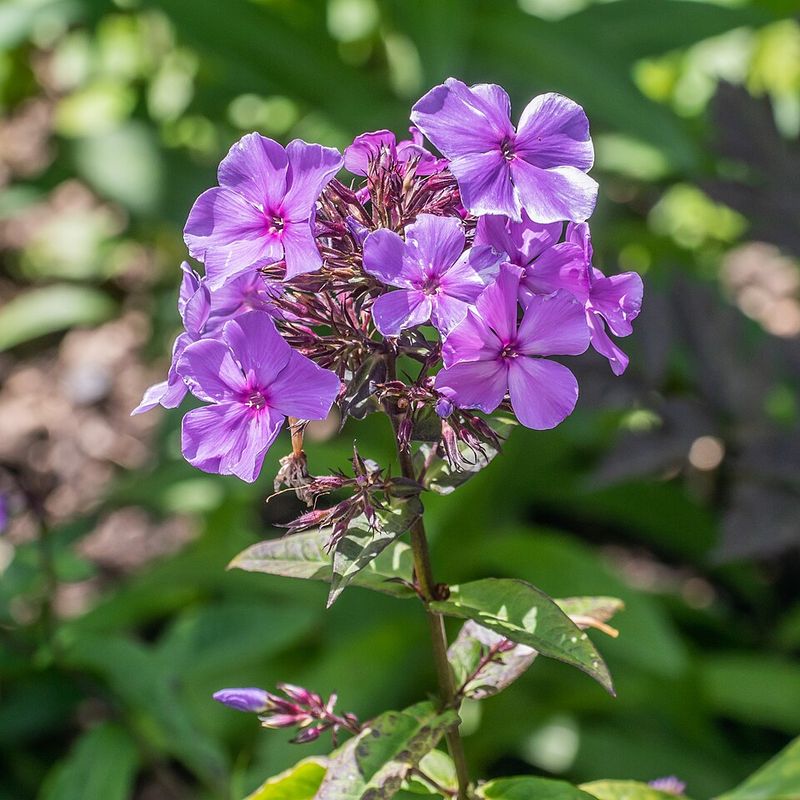
Big clusters of fragrant flowers make this perennial one of the stars of midsummer borders. In Michigan, garden phlox can bloom for a long stretch, especially when you choose mildew-resistant varieties and remove spent flower heads.
The colors range from white to pink, lavender, and rich magenta, so it is easy to fit into different planting styles.
Morning sun, decent air circulation, and evenly moist soil help it perform at its best. Older varieties sometimes struggle with powdery mildew during humid weather, but newer selections are much better behaved.
Spacing plants properly matters more than many people realize, because crowded stems trap moisture and invite trouble.
Deadheading extends the display, and cutting back weak stems in late spring can improve shape and reduce flopping. A layer of mulch helps roots stay cool during hot spells without keeping the crown too wet.
Once settled, it is not high maintenance, but thoughtful placement makes care much easier.
Butterflies flock to the fragrant blooms, and the vertical flower heads add height where shorter plants need a partner. It mixes especially well with coneflowers, black-eyed Susans, and ornamental grasses.
For gardeners who want long color and a little perfume in the air, this one is worth the space.
Blanket Flower
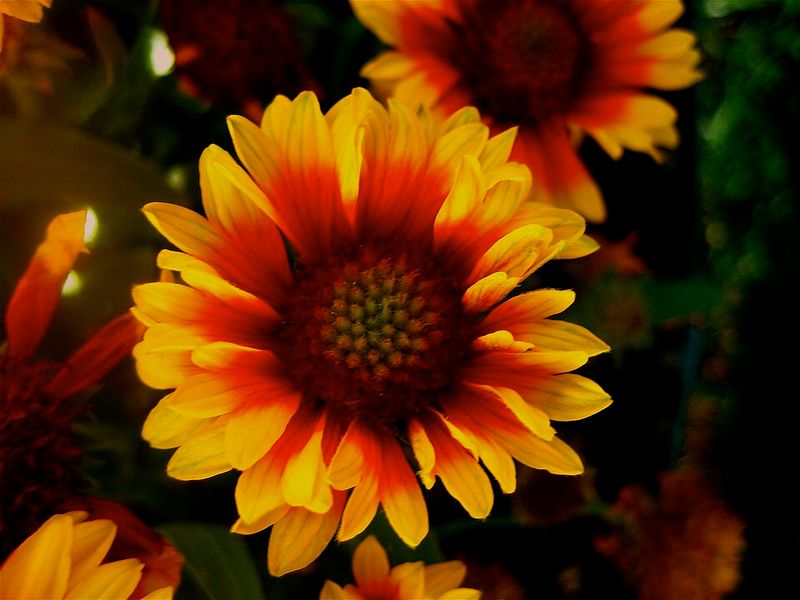
Hot red, orange, and yellow tones make this perennial feel like summer even on an ordinary weekday. In Michigan gardens, blanket flower can bloom from early summer into fall if you keep up with light deadheading.
The warm colors stand out brilliantly against blue foliage plants, silver leaves, or simple green grass backgrounds.
Dry, sunny conditions suit it perfectly, and rich soil is not necessary. In fact, overly fertile ground can shorten its life and make growth less sturdy.
If a bed bakes in afternoon sun and drains quickly after rain, this plant is usually happier there than many so-called easy perennials.
Removing spent blooms keeps the plant producing fresh flowers and prevents a tired, seedy look by late summer. Some varieties are short lived, but they often make up for that with nonstop performance while they are in place.
A little winter drainage protection also helps in colder regions of the state.
Pollinators stop by often, and the daisy form is easy to mix with coneflowers, salvia, and yarrow. It works well at the front or middle of a sunny border where color needs to stay lively for months.
If you want a long-blooming plant that thrives on neglect, this one deserves attention.
Russian Sage
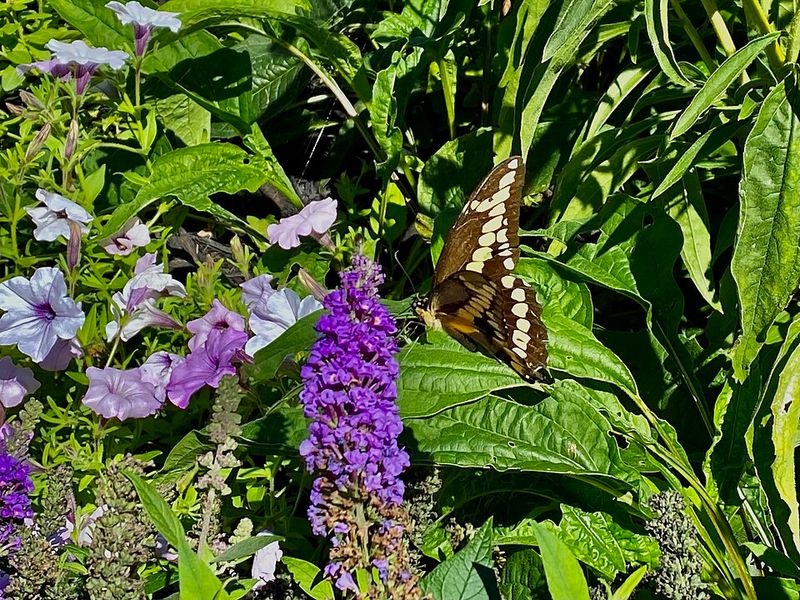
Airy blue-lavender flowers and silvery stems give this perennial a soft haze that lasts for months. In Michigan, it usually begins blooming in midsummer and often keeps going into early fall with very little intervention.
The overall effect is light and airy, yet the plant is much tougher than its delicate appearance suggests.
Sun and sharp drainage are the main requirements for strong performance. Once established, it handles heat, drought, and reflected warmth from pavement better than many flowering perennials.
That makes it especially useful in hellstrip plantings, along driveways, or in bright foundation beds where irrigation is less convenient.
Spring pruning is simple because you can cut stems back hard once new growth starts at the base. During the season, it rarely needs deadheading to look good, which is one reason busy gardeners appreciate it.
Giving it enough room matters, though, because mature plants become broader and more impressive each year.
Bees absolutely love the long bloom period, and deer generally keep their distance. The cool-toned color also blends beautifully with yellow rudbeckia, pink echinacea, and ornamental grasses.
If your goal is a perennial that looks graceful while asking almost nothing from you, this one is hard to beat.
Bee Balm
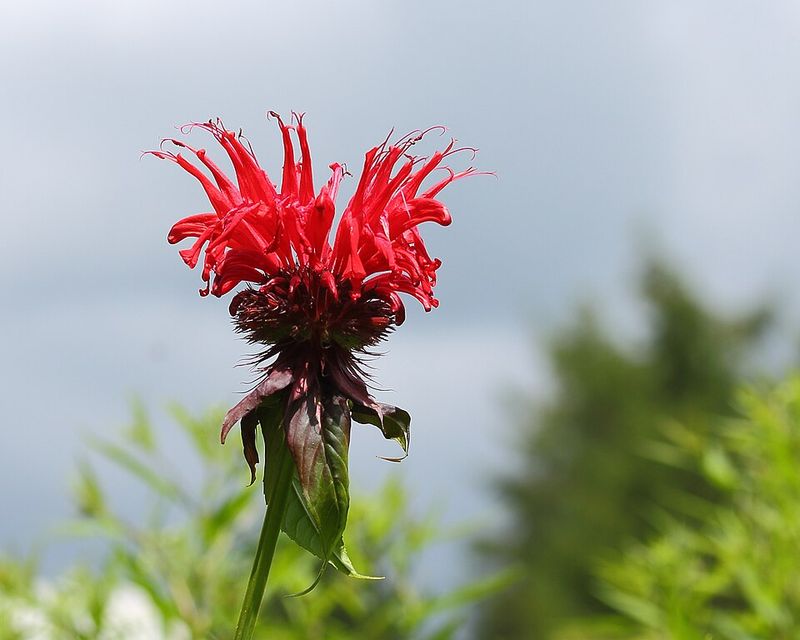
Bright shaggy blooms and a steady stream of pollinators make this perennial feel lively all summer. In Michigan, bee balm starts flowering in midsummer and can keep the display going for weeks, especially with deadheading and decent moisture.
Hummingbirds, butterflies, and bees all seem to notice it almost immediately.
Modern mildew-resistant varieties are worth seeking out because they stay cleaner through humid weather. Full sun to light shade works well, and average soil with regular moisture produces the best growth.
If your summers swing between rainy weeks and sudden heat, a mulch layer helps keep roots more evenly comfortable.
Clumps spread gradually, so dividing every few years prevents crowding and improves air circulation. That simple maintenance step also gives you more plants for other beds or for swapping with neighbors.
Cutting spent flowers can encourage additional bloom and keeps the patch from looking rough around August.
The bold flower shape mixes nicely with coneflowers, garden phlox, and black-eyed Susans. Fragrant foliage is another bonus, especially along paths where leaves get brushed while you walk by.
For gardeners who want a native-friendly perennial that delivers color and wildlife interest for a long stretch, this one earns its place.
Tickseed
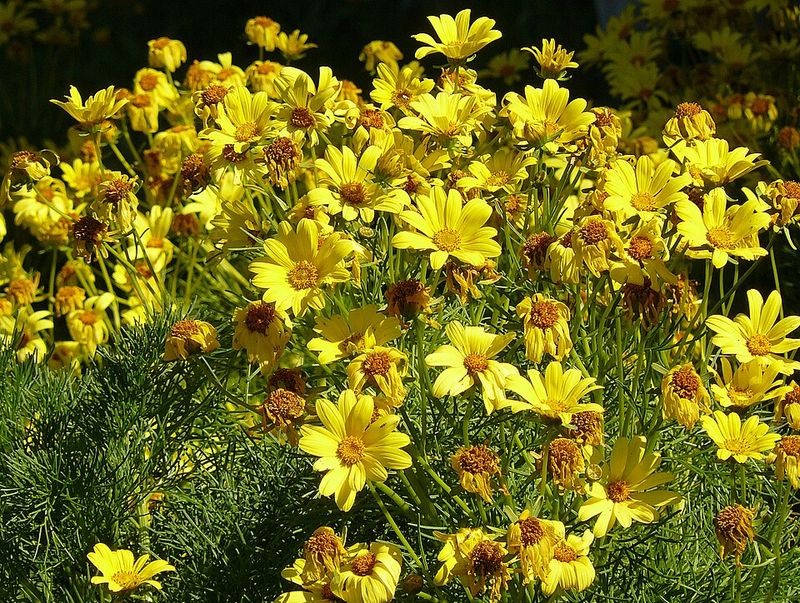
Fine, airy foliage and a long run of cheerful blooms make tickseed one of the easiest ways to brighten a sunny bed. In Michigan, it often starts in early summer and continues for months, especially if you shear plants lightly after the first major flush.
The texture is softer than many daisy-like perennials, so it combines beautifully with bolder leaves.
Sun is essential for the best flower production, but the plant is forgiving about soil as long as drainage is decent. Established clumps tolerate dry periods fairly well, which is useful in exposed areas that heat up quickly.
If you want a front-of-border perennial that does not constantly droop or sulk, this one behaves reliably.
Cutting back by a third in midsummer sounds severe, but it usually leads to fresher foliage and renewed blooms. You can also deadhead selectively if you prefer a tidier, more controlled appearance.
Either method keeps the display stronger than simply leaving tired flowers in place until fall.
Yellow forms are classic, but softer creams and bi-colored cultivars are easy to find too. The long season helps bridge the gap between spring bulbs and fall asters, which makes a border feel planned rather than patchy.
For low maintenance color, few plants work harder.
Astilbe
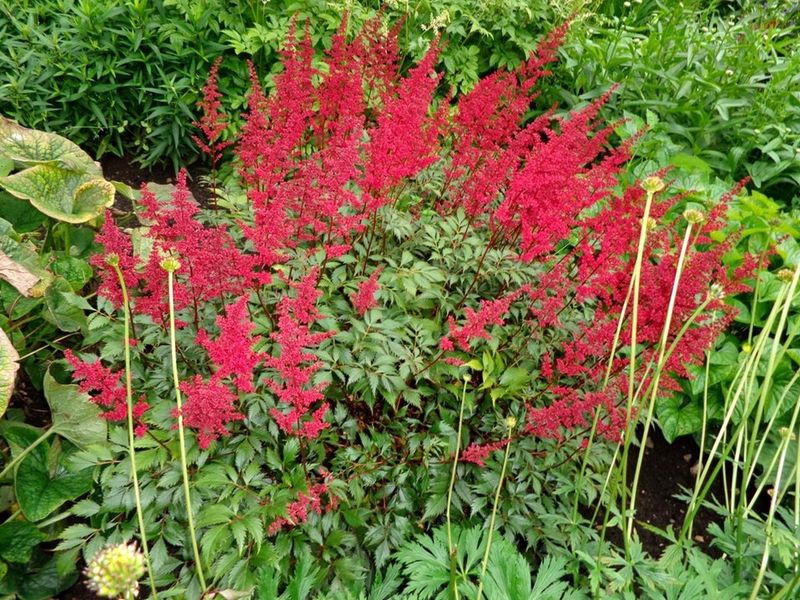
Feathery flower plumes bring softness and color to shade gardens where long-blooming choices can feel limited. In Michigan, astilbe blooms from early to midsummer depending on the variety, and planting several types can extend the show noticeably.
Even after flowers fade, the textured foliage keeps the space from looking empty.
Consistent moisture is the biggest factor in keeping plants happy, especially in brighter locations. Rich soil helps, but regular mulch and supplemental watering during dry spells matter more than fancy feeding schedules.
If you have a shady bed that dries out under tree roots, this may need a little extra attention there.
Choosing white, blush, pink, or red plumes lets you adjust the mood of the planting easily. Taller selections stand out well at the back of a shade border, while compact kinds fit nicely near paths or patios.
Dividing every few years maintains vigor and prevents clumps from becoming woody in the center.
Astilbe pairs beautifully with hostas, ferns, and coral bells for a layered look that feels full through the season. It is not drought tolerant like some sun lovers on this list, but care is still straightforward in the right site.
For dependable bloom in filtered light, it is a strong performer.
Coral Bells
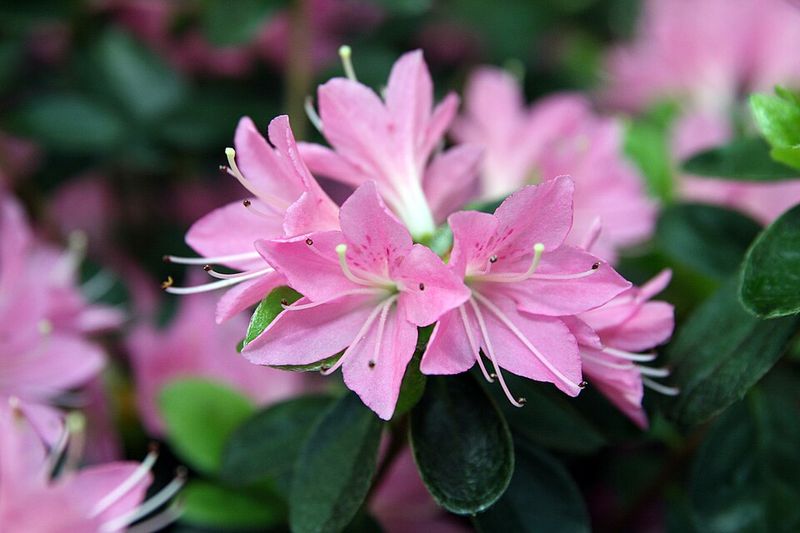
Colorful foliage is the main attraction here, but the airy flower spikes add a useful bloom period too. In Michigan, coral bells typically flower from late spring into summer, and the leaves keep beds interesting long after the blooms finish.
That combination makes the plant feel valuable for far more than a brief seasonal moment.
Part shade is usually ideal, especially for darker or more intensely colored leaf varieties. Good drainage matters a lot in winter, so avoid low spots where crowns stay wet through freeze and thaw cycles.
Once established, plants are fairly easygoing, but they appreciate consistent moisture during the hottest stretches of summer.
One helpful habit is checking crowns in spring because frost heaving can push plants upward. A little extra soil or mulch around the base often solves the problem quickly.
Removing tired leaves also freshens the clump and makes new growth look cleaner right away.
Foliage shades range from lime and amber to plum, silver, and almost black, so mixing several cultivars can create color even without flowers. It pairs especially well with hostas, astilbe, and Japanese painted fern in Michigan shade gardens.
For long-lasting interest with manageable care, this perennial quietly carries a lot of weight.
Hardy Geranium
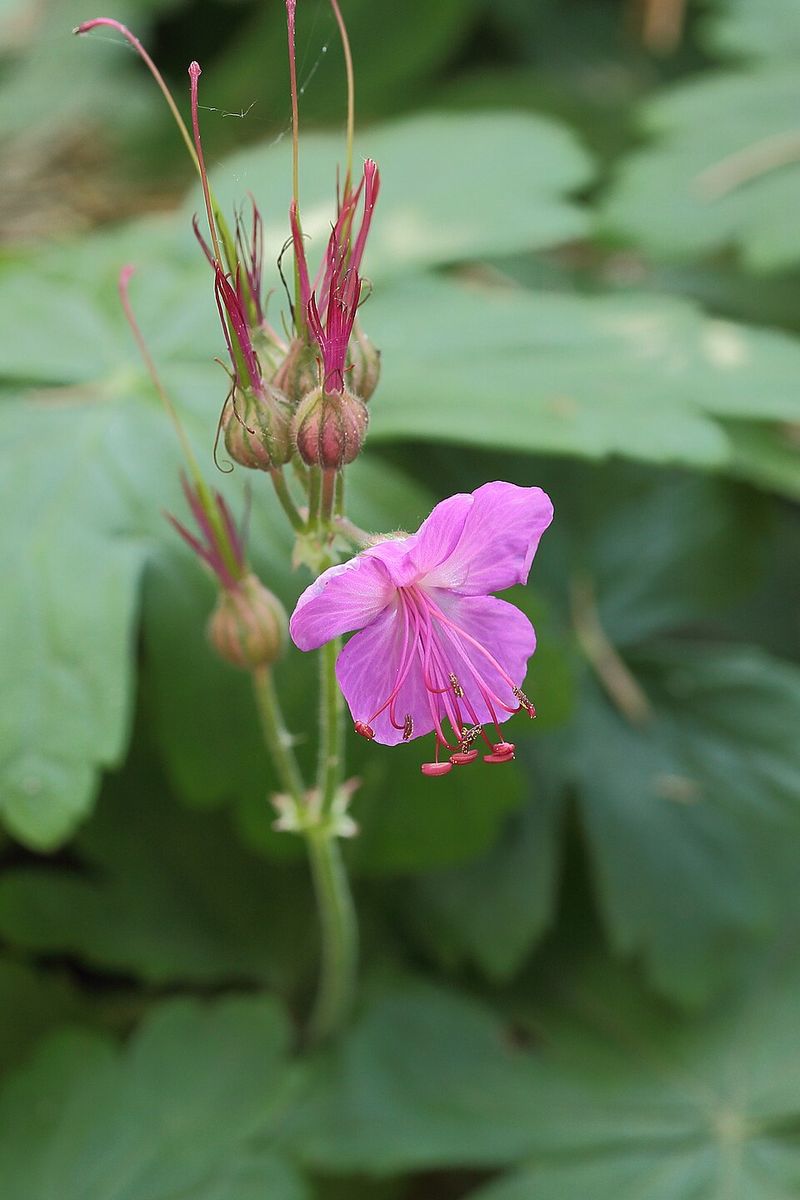
Mounding foliage and a surprisingly long flower season make hardy geranium a great filler for Michigan beds. Many varieties bloom from late spring into summer, and some keep producing scattered flowers well beyond that if lightly trimmed.
The rounded leaves also create a pleasing carpet effect that helps suppress weeds around taller neighbors.
Sun to part shade works for most types, which gives you more flexibility than many long-blooming perennials. Average soil is usually fine as long as it drains reasonably well.
Once established, the plants need little more than occasional watering during prolonged dry periods and a quick haircut when they start looking tired.
That midsummer trim is the secret to keeping them attractive. Cutting back spent stems and worn foliage encourages a fresh mound of leaves and often another wave of bloom.
It sounds drastic at first, but the recovery is fast, especially after a good drink of water.
Lavender, pink, magenta, and blue-purple flowers pair easily with nearly anything, from roses to ornamental grasses. This plant works especially well at path edges, under shrubs, or in the front of mixed borders where you want a soft, finished look.
For steady performance with little fuss, it is easy to appreciate.
Balloon Flower
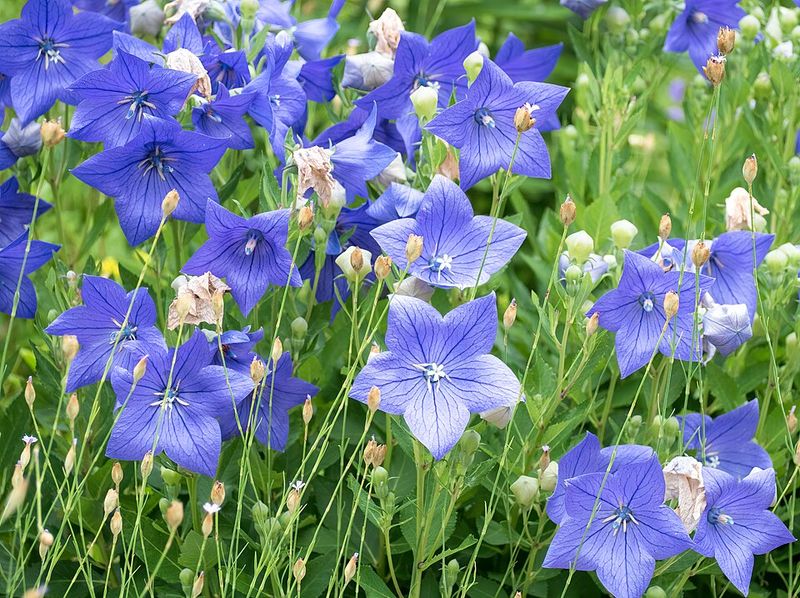
Inflated buds that pop open into starry blooms give this perennial a playful detail that still feels refined. In Michigan, balloon flower usually starts in early summer and continues for many weeks, especially when spent blooms are removed.
The upright habit makes it useful in mixed borders where too many plants lean or sprawl by midsummer.
Full sun to light shade works well, and average well-drained soil is usually enough. Once planted, it prefers not to be moved because the roots are deep and fleshy.
That means choosing the site thoughtfully from the start, then mostly leaving it alone to settle in and do its job.
New growth emerges late in spring, so it is smart to mark the spot and avoid accidental digging. Stems may benefit from light support in very rich soil, but many compact varieties stay tidy on their own.
Deadheading extends bloom and keeps the plant looking crisp rather than seed-heavy.
Blue is the classic color, though white and pink forms are also available for softer schemes. It pairs nicely with catmint, coreopsis, and dwarf daylilies in sunny Michigan gardens.
If you want a perennial that feels a little distinctive without becoming demanding, this one fits beautifully.
False Sunflower
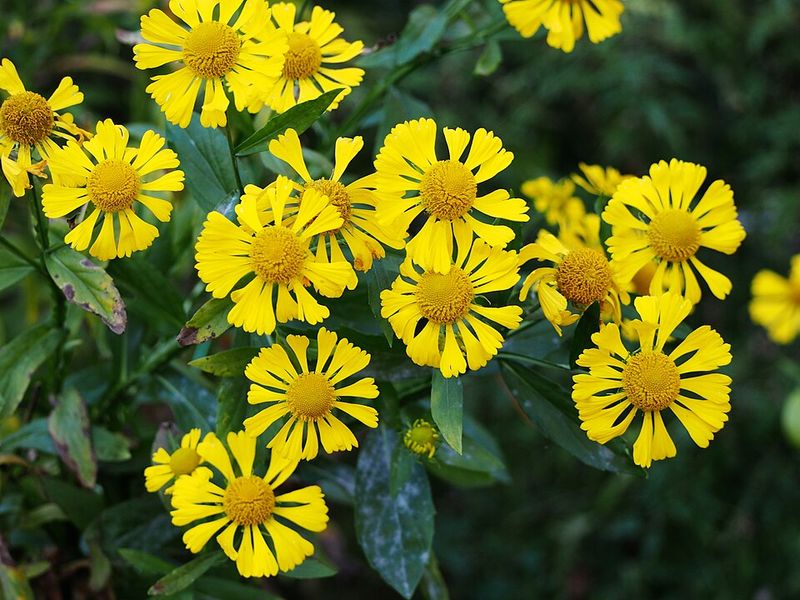
Bright yellow blooms and sturdy stems make this perennial look energetic from summer into early fall. In Michigan, false sunflower can start flowering in midsummer and continue for a long stretch, particularly if you remove spent flowers now and then.
It has the warmth of black-eyed Susan but often carries a slightly taller, fuller presence.
Full sun gives the strongest stems and best bloom count, though average soil is usually enough. Established plants handle heat fairly well and are not especially demanding about feeding.
If you have a large sunny bed that needs dependable color without constant tinkering, this is a practical plant to keep in mind.
Taller varieties may appreciate a Chelsea chop in late spring to reduce height and encourage bushier growth. Cutting back by a third sounds bold, but it often results in a more controlled shape and extended bloom.
That small adjustment can be especially helpful in exposed gardens where wind and summer storms are common.
Pollinators visit often, and the flowers mix beautifully with purple coneflowers, asters, and ornamental grasses. The sunny color reads well from a distance, making it useful in bigger borders or along fences.
For long-lasting brightness with straightforward care, it is an excellent Michigan choice.
Sedum ‘Autumn Joy’
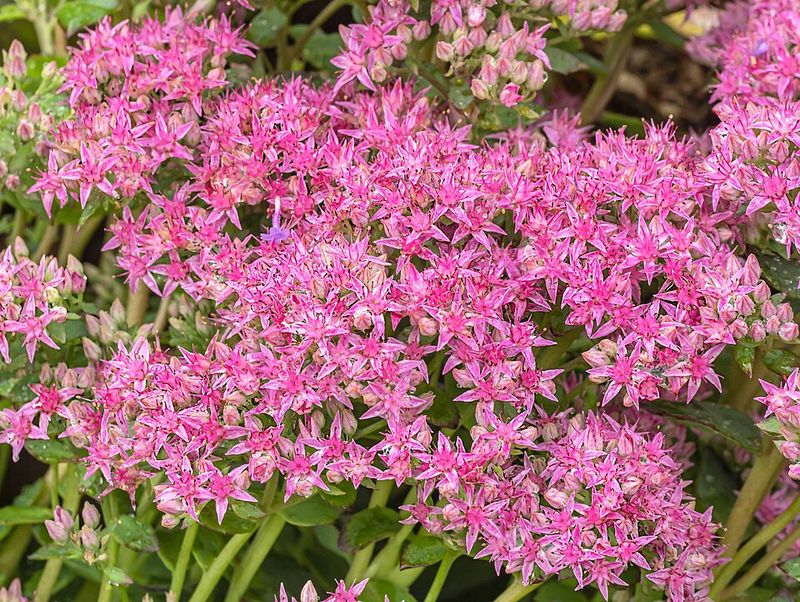
Fleshy leaves, sturdy stems, and long-lasting flower heads make this perennial valuable far beyond its bloom period. In Michigan, buds begin forming in summer, open pink in late summer, and deepen to coppery tones through fall.
That slow color shift gives you weeks of interest without asking for much more than sun and drainage.
Dry conditions are rarely a problem once the plant is established. In fact, overly rich soil or too much shade can cause floppier growth, so tougher spots often suit it better than pampered beds.
If you have a sunny area near stone, gravel, or a south-facing foundation, this perennial usually feels right at home.
Spring cleanup is simple because the old flower heads can be cut away once new growth appears. Dividing every few years helps maintain vigor if the center starts thinning.
Some gardeners also pinch stems back lightly in late spring to encourage an even stockier shape by flowering time.
Bees and butterflies appreciate the late nectar source, and the dried heads add winter structure after frost. It combines beautifully with asters, Russian sage, and ornamental grasses for a strong late-season display.
When you want a perennial that looks good during Michigan’s busiest gardening months and beyond, this is a winner.
Aster
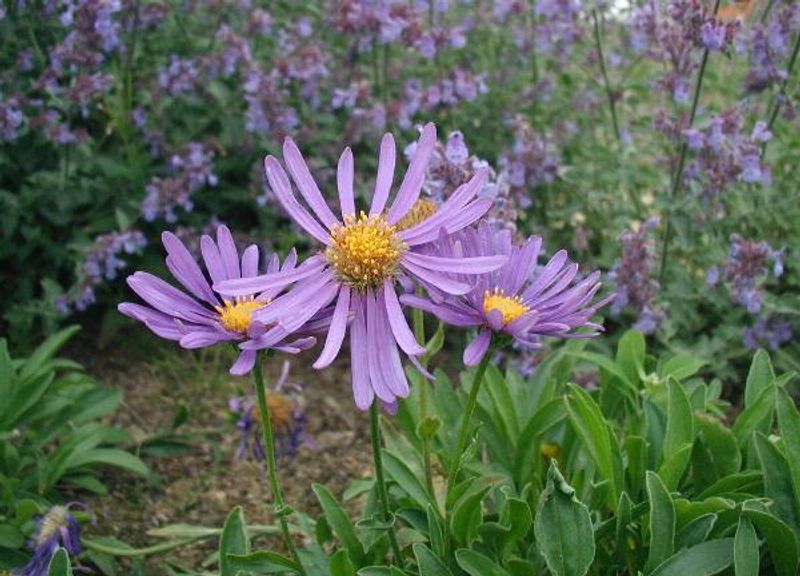
Late-season color becomes much easier when asters are part of the plan. In Michigan, many perennial asters begin blooming in late summer and keep going into fall, right when earlier flowers start fading and the garden needs a second wind.
The daisy-like blooms come in blues, purples, pinks, and whites that look especially rich in autumn light.
Sun is best for strong flowering, though some varieties manage in light shade. Average soil works well if drainage is decent, and established plants are not especially needy.
What matters more is giving them room and enough airflow so growth stays sturdy rather than crowded and mildew-prone.
Pinching stems back in late spring can create bushier plants with more flowers and less flopping by September. That one easy task makes a big difference, especially for taller New England types.
Once buds start forming, the plant mostly takes over and carries the border through the final stretch of the season.
Pollinators rely heavily on asters when many other nectar sources are winding down. They pair beautifully with sedum, ornamental grasses, and black-eyed Susans for a classic Michigan fall look.
If your garden always seems to fade too early, this perennial helps extend the excitement right to frost.
Japanese Anemone
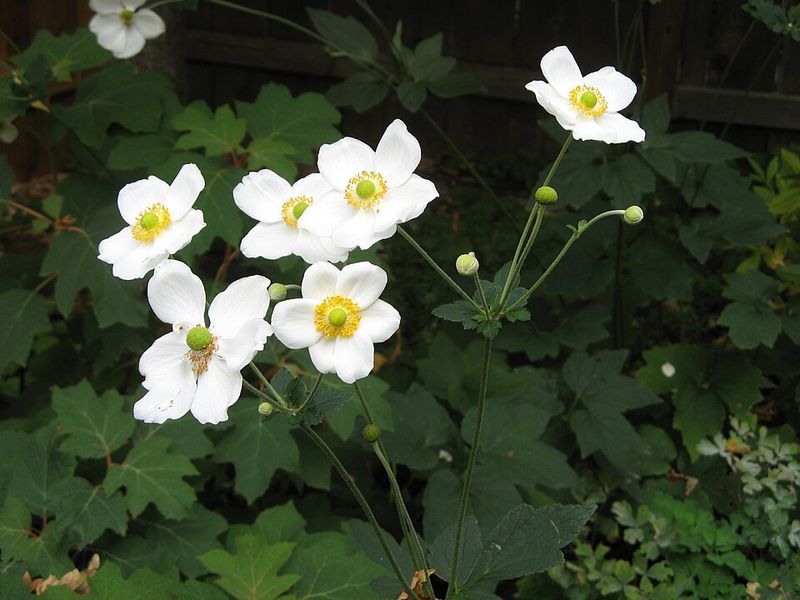
Elegant late-season flowers on wiry stems bring movement and grace when many summer plants are slowing down. In Michigan, Japanese anemones usually begin blooming in late summer and can continue well into fall, especially in protected gardens.
The simple flowers seem to float above the foliage, which gives borders a lighter feel as the season matures.
Part shade is often ideal, though morning sun works nicely in cooler areas of the state. Soil should stay evenly moist and rich enough to support steady growth, particularly during establishment.
Once settled, the plants are fairly easy, but they do appreciate not being allowed to dry out completely during hot weather.
Patience is helpful because they can take time to establish before really showing their strength. After that, clumps often expand gradually and fill a space beautifully.
If local conditions suit them, a root barrier or occasional thinning may be useful in smaller beds where spread needs managing.
Pink and white cultivars pair well with hostas, ferns, and late asters for a layered autumn garden. The blooms also hold up nicely in simple indoor arrangements.
For a perennial that extends the flowering season with a softer, more refined look, this one adds something special.
Threadleaf Bluestar
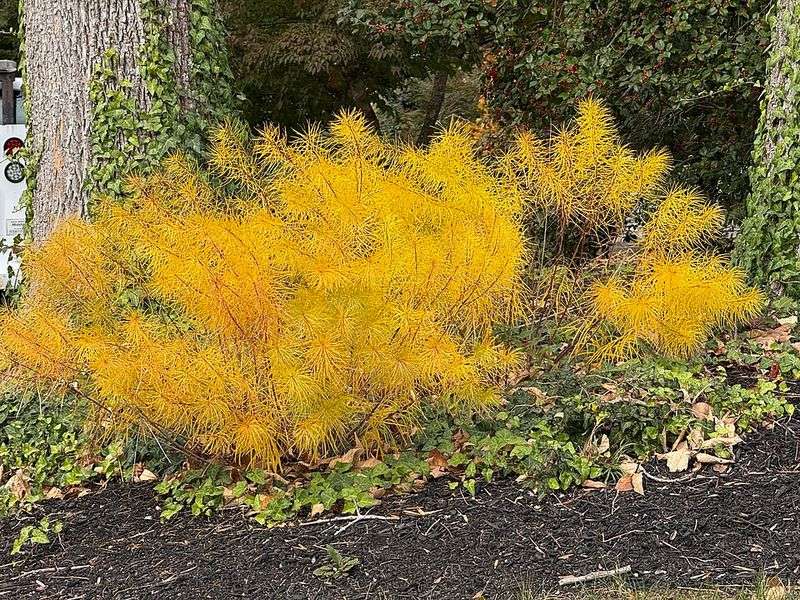
Soft blue spring flowers are only part of the appeal with this remarkably useful perennial. In Michigan, threadleaf bluestar blooms in late spring, then carries fine textured foliage all summer before turning golden in fall.
That long season of good looks makes it one of those plants you appreciate more with each passing year.
Full sun to light shade works well, and average soil is usually enough once roots are established. It is not a thirsty plant, so occasional dry periods are generally manageable.
If your garden needs something durable that does not collapse in heat or constant humidity, this perennial handles itself with quiet confidence.
The rounded shape stays neat without much pruning, which is a real advantage in mixed borders. Cutting back after flowering is optional, but a light trim can make the mound even tidier if needed.
Because growth emerges reliably and ages well, you do not spend much time correcting problems or replacing weak plants.
Blue flowers pair beautifully with tulips, alliums, and later-blooming perennials that take over as spring fades. The threadlike foliage also softens stronger shapes nearby, including daylilies and coneflowers.
If you want easy-care beauty that contributes in more than one season, this is an excellent Michigan garden choice.