
This Native Florida Shrub Creates Privacy Without A Fence
Follow us on Google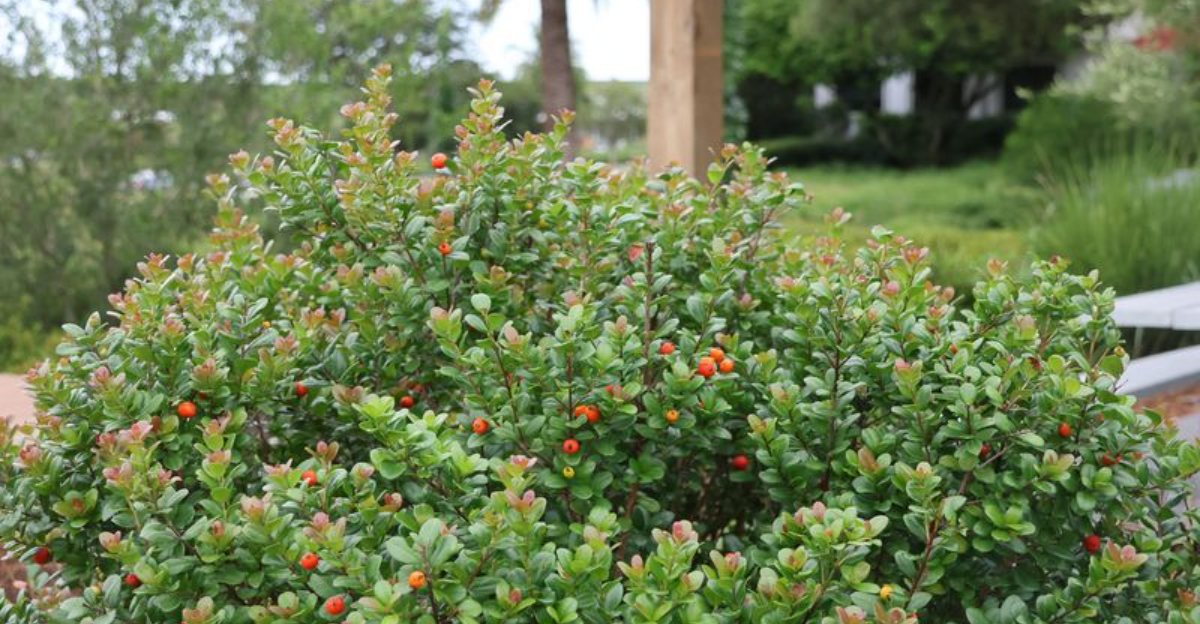
If you want backyard privacy without boxing your space in, one Florida native shrub deserves a close look. Simpson’s stopper grows thick, stays attractive through the seasons, and feels far softer than a hard fence line.
It also supports local wildlife, which means your privacy screen can do more than block a view. Once you see how adaptable it is, it becomes easy to understand why so many Florida gardeners rely on it.
Meet Simpson’s Stopper
If you have been searching for a native plant that can screen a patio without making the yard feel closed off, Simpson’s stopper is the one I would point you toward first. This evergreen Florida shrub, known botanically as Myrcianthes fragrans, grows with a naturally dense habit that fills in beautifully.
Instead of giving you a stiff wall, it creates a softer green backdrop that still protects your space.
What makes it especially useful is how polished it looks without demanding constant fuss. The leaves are small, glossy, and tidy, the bark peels attractively with age, and older plants can even produce bright berries that birds appreciate.
You get privacy, structure, and a more natural look all from one plant.
In many neighborhoods, fences can feel heavy, expensive, or out of character with the landscape. A planted screen feels more welcoming while still reducing those direct sightlines from neighbors, sidewalks, or nearby pools.
If your goal is a yard that feels private, Florida-friendly, and visually relaxed, this shrub gives you a practical place to start.
Why It Works Better Than A Fence In Some Yards
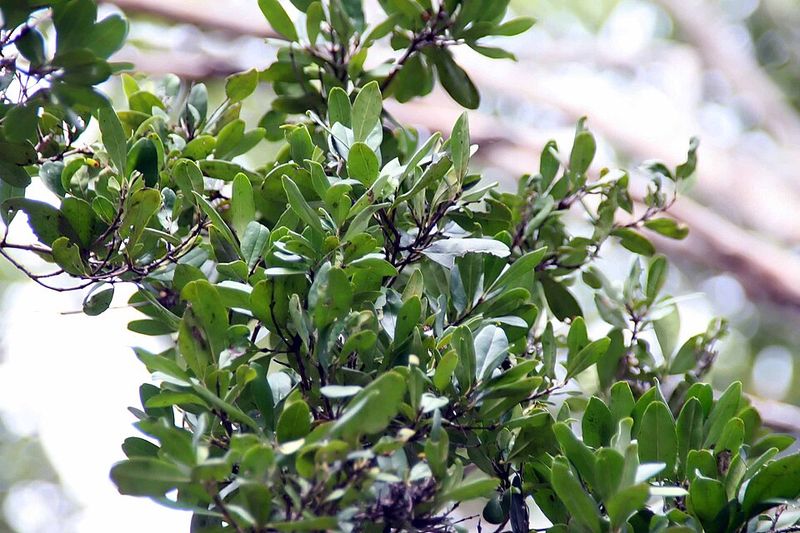
Plenty of yards simply do not benefit from a solid fence, especially when the space is small, breezy, or already filled with tropical planting. A living screen like Simpson’s stopper gives you privacy while keeping the yard visually open and much more inviting.
You still feel protected, but the space breathes instead of reading as boxed in.
That softer effect matters more than many people expect. When greenery forms the boundary, light filters through leaves, birds move in and out, and the garden feels connected to the rest of the landscape rather than cut off from it.
For homes with patios, pools, or side yards, that natural transition can make everyday outdoor time feel calmer.
There is also the practical side. Fences can lean, warp, rot, blow down, or trigger neighborhood restrictions, while a well-sited hedge often becomes more attractive over time.
If you would rather invest in something that improves the yard as it matures, this shrub offers privacy with fewer hard edges and a lot more character.
Growth Habit And Mature Size
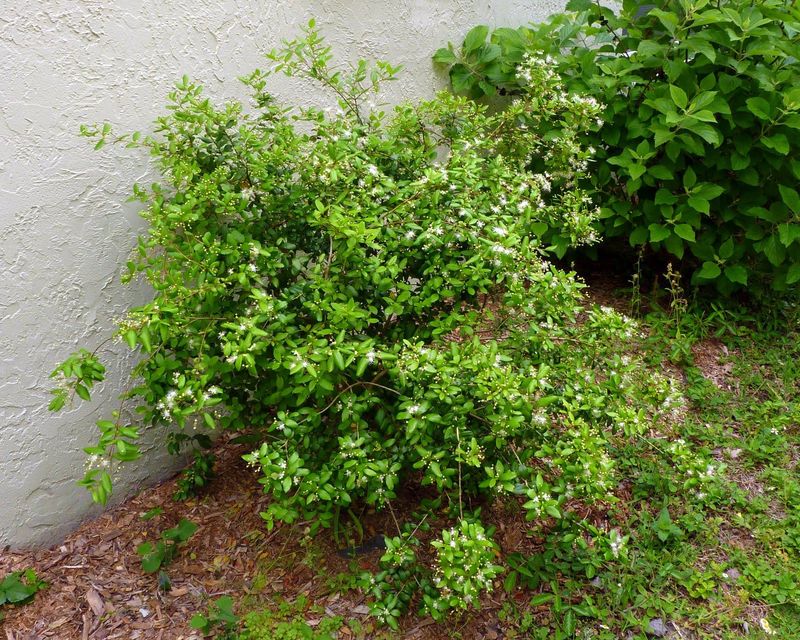
Before planting any privacy shrub, I always want to know how big it really gets and how quickly it fills in. Simpson’s stopper usually grows as a large shrub or small tree, commonly reaching around 10 to 20 feet depending on conditions and pruning.
In a hedge, it can be kept shorter and denser, which is exactly why it works so well near patios and property lines.
The branching pattern is naturally fine and full, so you do not need oversized leaves to create coverage. That smaller leaf texture is actually a huge advantage because the plant looks neat even when lightly trimmed, and gaps are less obvious as it develops.
Over time, the screen becomes more substantial without turning coarse or unruly.
In tighter suburban spaces, that balance is useful. You can shape it into a formal hedge, allow it to stay looser for a more natural look, or use selective pruning to keep the bottom full.
If you are trying to screen a view without overwhelming the yard, the mature habit makes planning much easier.
Best Planting Spot For Fast Privacy
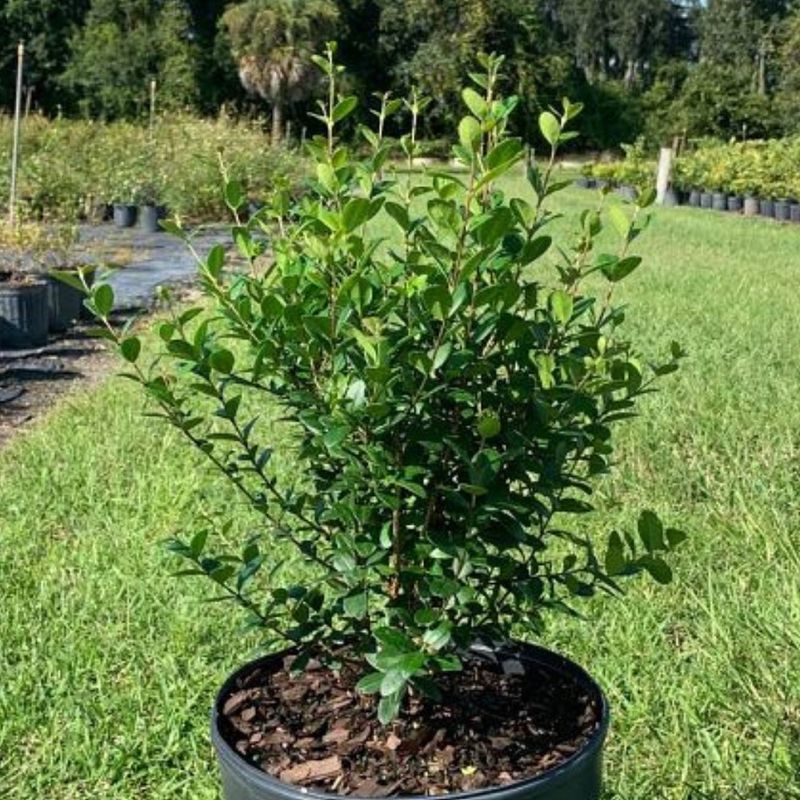
Placement has a huge effect on how quickly your privacy screen starts doing its job. Simpson’s stopper performs best in full sun to partial shade, and it appreciates well-drained soil once established.
If the area stays soggy after rain, I would improve drainage first or choose a slightly higher planting line.
For the fastest fill-in, line plants where they will receive steady light and enough room for air movement. A common mistake is squeezing shrubs too close to walls, fences, or pool decking, which can lead to awkward growth and extra pruning later.
Giving them space from the start usually creates a denser, healthier screen with less maintenance.
Think about the sightline you actually want to block rather than planting by habit. Sometimes shifting the row a few feet closer to a patio or angling it near a side yard creates far better privacy than placing everything right on the property edge.
A smart layout often saves both money and years of waiting for coverage.
How Far Apart To Plant It
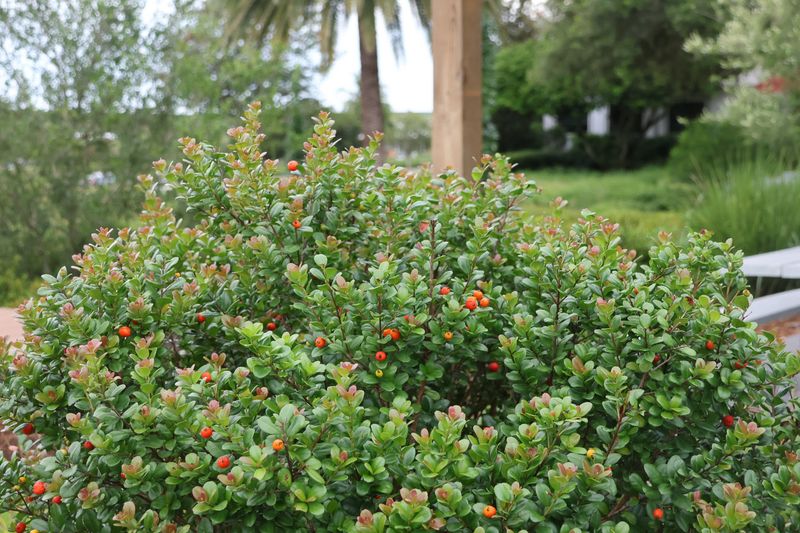
Spacing is where a lot of privacy plans go wrong, because it is tempting to spread shrubs too far apart in order to save money upfront. With Simpson’s stopper, tighter spacing usually gives the best result when privacy is the priority.
Planting them about 3 to 5 feet apart, depending on starting size and how fast you want coverage, creates a full screen much sooner.
If you use larger nursery plants, you may be able to stretch that spacing slightly without ending up with obvious gaps. Smaller plants generally need a closer pattern if you want the hedge to look intentional within a reasonable time.
I like to picture how the shrubs will meet in the middle rather than how they look on planting day.
There is a balance to strike, though. Cramming them too closely can reduce airflow and make maintenance harder as the hedge matures.
A measured row with enough room for roots, mulch, and selective pruning usually gives you the healthiest wall of green, and it prevents that crowded, stressed look later.
Watering And Establishment
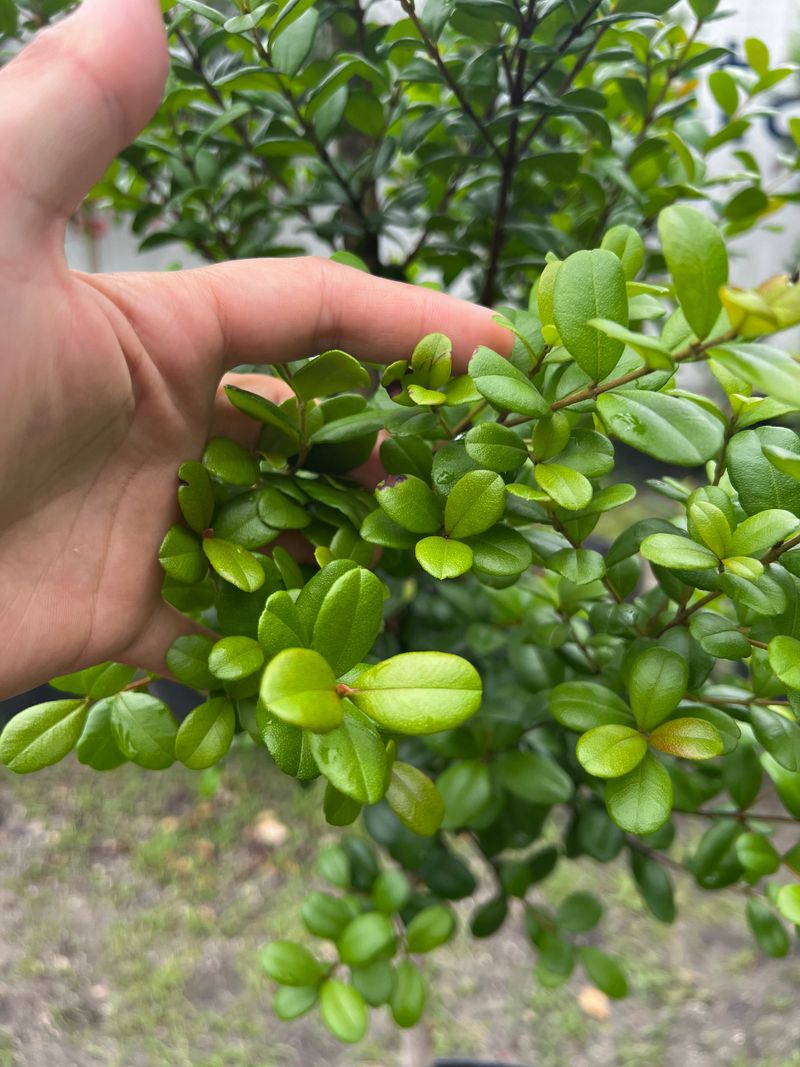
Newly planted shrubs need a consistent start if you want them to become a dependable privacy screen. During the establishment period, Simpson’s stopper benefits from regular deep watering rather than quick daily sprinkles.
That approach encourages roots to move downward, which matters a lot once Florida heat and dry spells arrive.
The exact schedule depends on your soil, rainfall, and season, but the goal is steady moisture without waterlogging. Mulch helps hold moisture, cool the root zone, and reduce competition from weeds, which means more of the plant’s energy goes toward growth.
After establishment, this shrub becomes fairly drought tolerant, making it much easier to manage than many thirsty hedge plants.
I always think of the first year as the investment period. If you stay attentive early, you are far more likely to get dense growth, better branching, and fewer setbacks from stress.
Once roots settle in, the hedge usually starts looking confident and self-sufficient, and that is when the privacy payoff becomes much more obvious.
Pruning For Density Without Ruining Its Shape
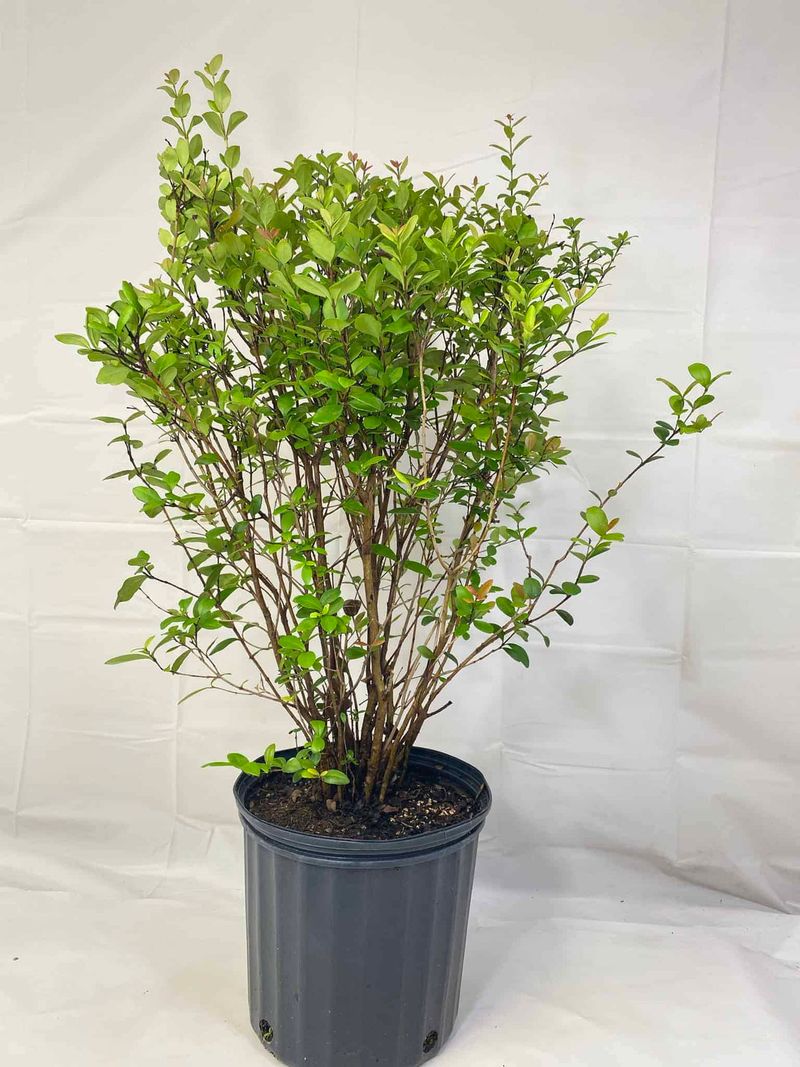
A privacy shrub only works if it stays full, and pruning is what guides that density. Simpson’s stopper responds well to trimming, but it looks best when cuts are thoughtful rather than aggressive.
Instead of shearing it into a hard block every time, selective pruning often keeps the screen fuller and more natural.
Light, regular trimming encourages branching, especially when plants are young and still building structure. I like to keep the base slightly wider than the top so sunlight reaches lower growth and prevents that bare-legged look.
If you wait too long and then cut everything back harshly, recovery can take time and the hedge may lose some of its graceful texture.
There is also room to match the style to your yard. A formal line can work near modern homes, while a looser edge feels right in coastal or cottage-style gardens.
The useful part is flexibility – you can maintain a clean privacy barrier without turning the plant into something stiff or unnatural.
Wildlife Benefits That Make Privacy Feel Alive
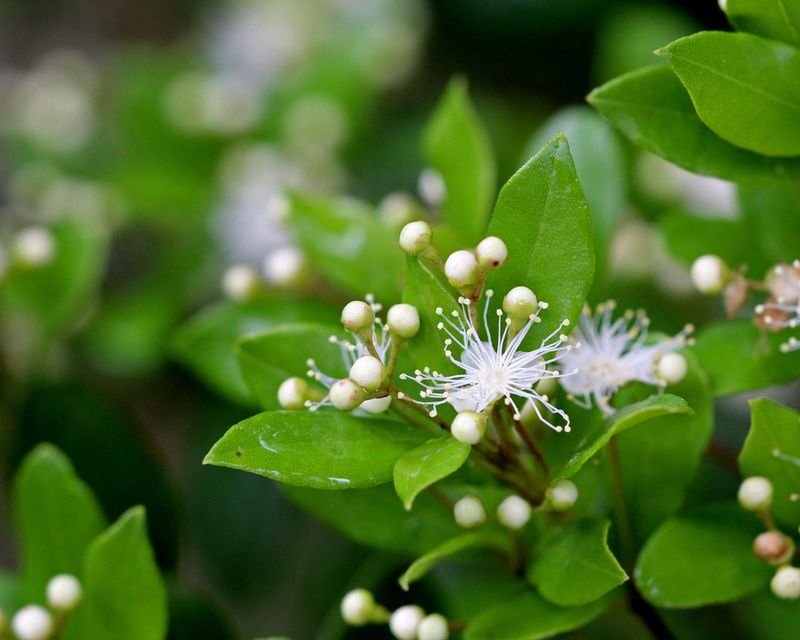
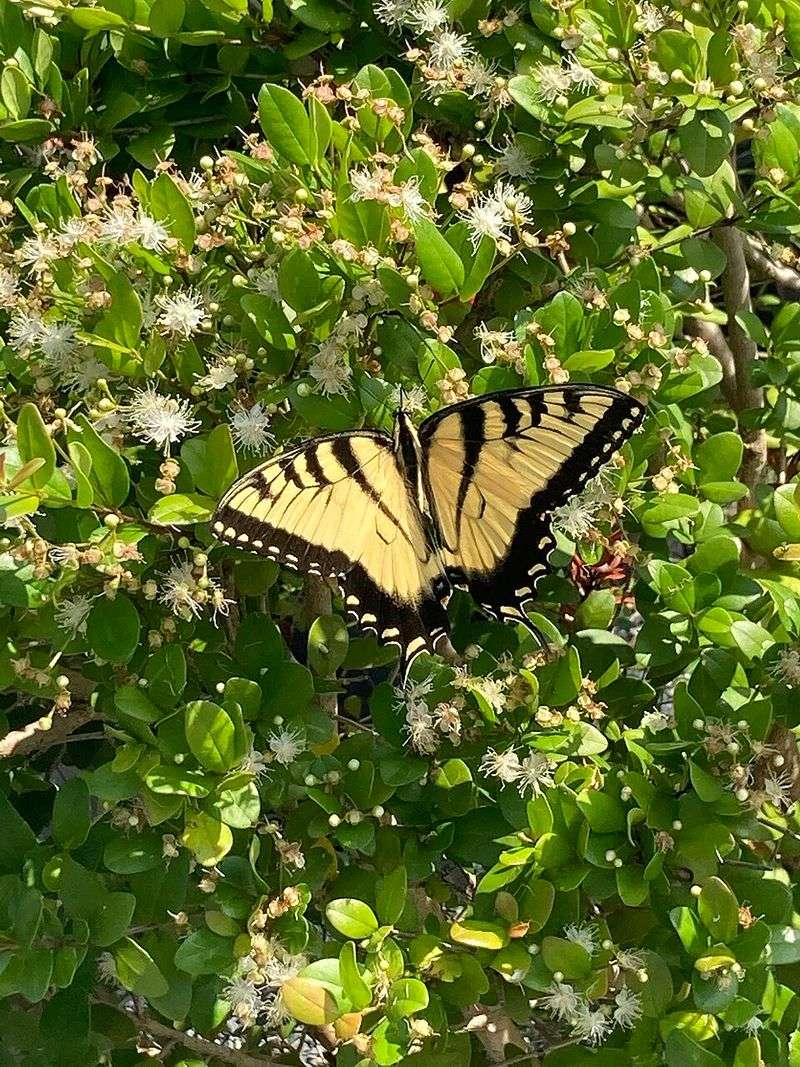
One reason this shrub stands out from many common screening plants is that it contributes more than a visual barrier. Simpson’s stopper can produce fragrant white flowers and colorful berries, which bring pollinators and birds into the yard.
That small shift changes the whole feeling of a privacy hedge from purely functional to genuinely lively.
For many homeowners, that matters more over time than they expected. Instead of staring at a blank fence line, you get movement, seasonal interest, and a landscape that feels connected to Florida rather than imported from somewhere else.
Birds often use dense branches for cover too, which adds another layer of quiet activity around the garden.
I think this is where the plant really earns its space. Privacy does not have to mean shutting nature out, and a native screen proves that beautifully.
If you want separation from nearby views while still hearing songbirds on the patio or seeing pollinators visit in bloom season, this shrub gives you both comfort and life.
Where It Fits In Florida Landscapes
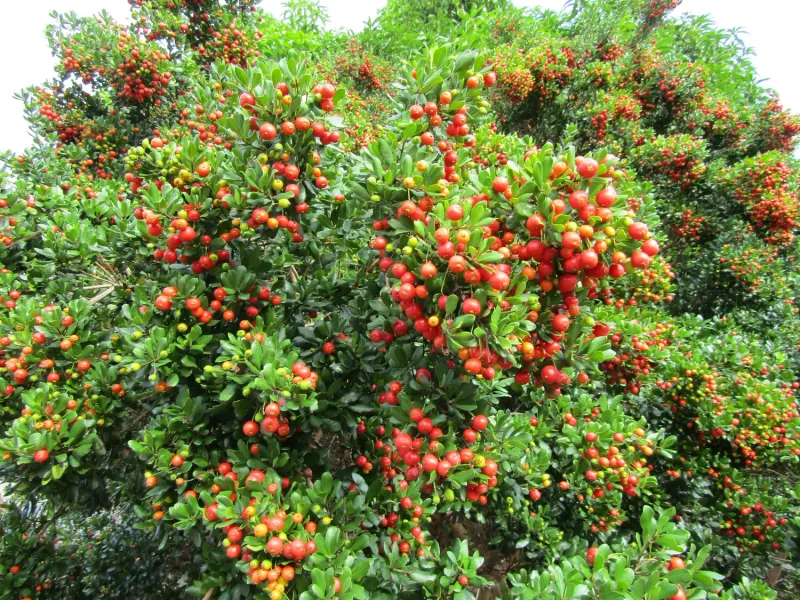
Some privacy plants only look right in one kind of yard, but Simpson’s stopper is surprisingly versatile across Florida styles. It works in tropical settings, coastal-inspired gardens, traditional suburban landscapes, and even more polished designs where tidy structure matters.
Because the foliage is fine textured and evergreen, it blends easily with palms, grasses, flowering shrubs, and hardscape.
That versatility helps when your yard needs more than one job from the same plant. A row can soften a pool cage view, screen a side passage, define an outdoor seating area, or buffer a street-facing edge without appearing heavy.
In front yards, it can even provide privacy while still looking appropriate and maintained.
If you have struggled to find a shrub that feels native but not wild, this one fills that gap well. It has a refined appearance, yet it still belongs in the local environment.
That combination makes it easier to build a yard that feels intentional, comfortable, and regionally rooted instead of pieced together from random screening plants.