
11 Native Flowering Trees Perfect For Planting In North Carolina This May
Follow us on Google
May is one of the smartest times to add native flowering trees to a North Carolina yard because warm soil helps roots settle in before summer stress arrives. The right choice can give you spring color, pollinator activity, shade, and better wildlife value without feeling fussy.
I pulled together standout native options that fit different regions of the state, from mountain slopes to sandy coastal yards. If you want beauty that actually belongs here, these trees are worth a close look.
Flowering Dogwood
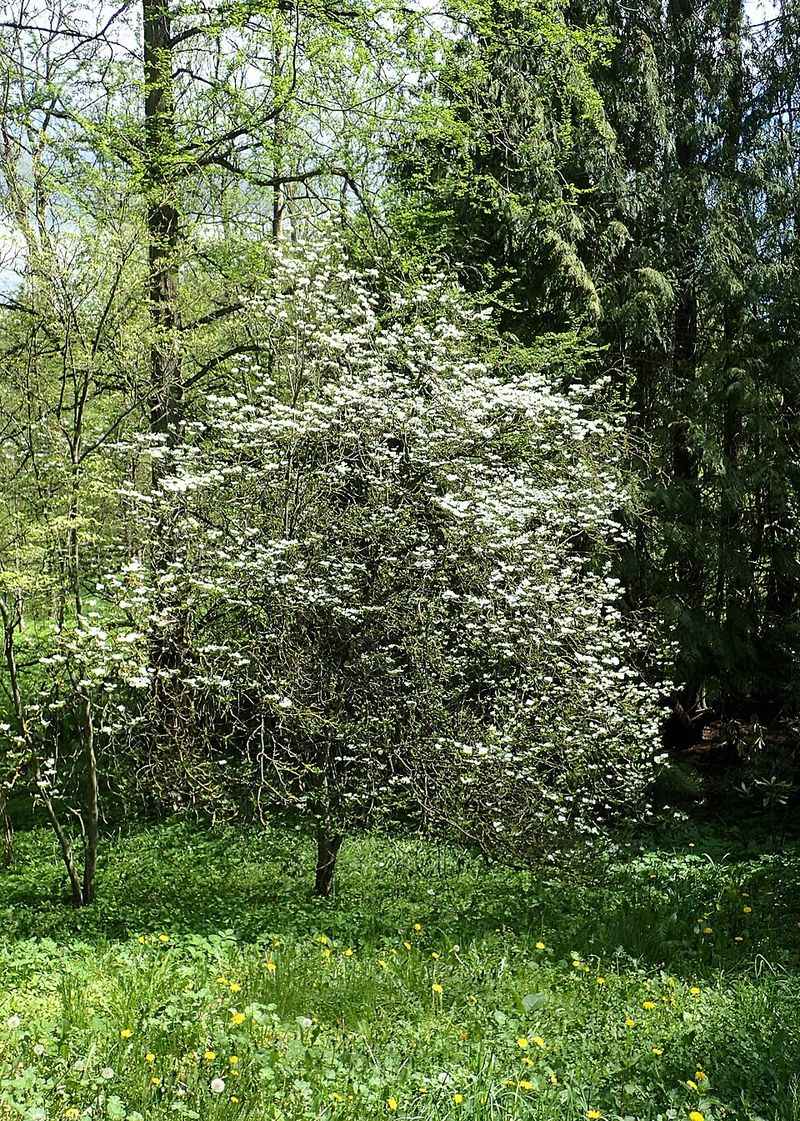
Flowering Dogwood is one of those classic North Carolina trees that always feels right at home. Its soft white blooms light up spring, and the layered branching gives your yard structure long after flowering ends.
You also get red berries and rich fall color, so it keeps earning its spot.
If you plant it in May, choose a site with morning sun and afternoon shade for the best results. It prefers well drained, slightly acidic soil and benefits from mulch around the root zone.
Once established, this tree adds beauty without looking fussy or overworked in your landscape.
Carolina Silverbell
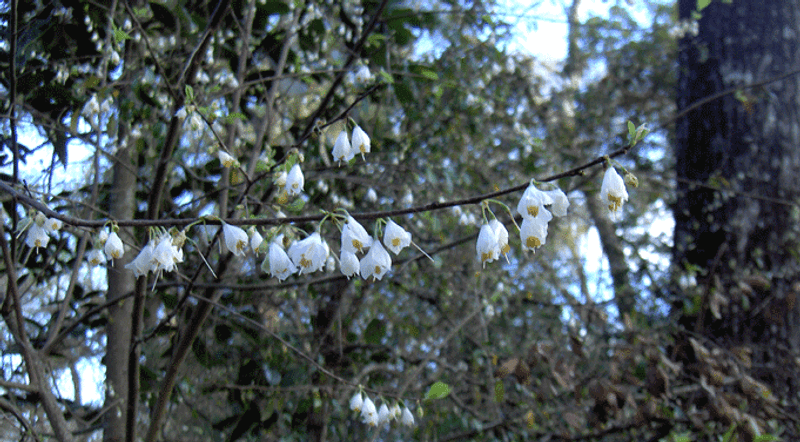
Carolina Silverbell brings a softer, more woodland look that works beautifully in many North Carolina landscapes. In spring, its branches fill with dangling white flowers that catch the light in a way that feels elegant but never formal.
It is especially lovely near patios, paths, or the edge of a shaded garden.
This native tree thrives in moist, well drained soil and appreciates some protection from intense afternoon heat. Planting in May gives it time to settle in before summer stress really builds.
If you want something understated, regional, and pollinator friendly, this is an easy tree to love.
Fringe Tree
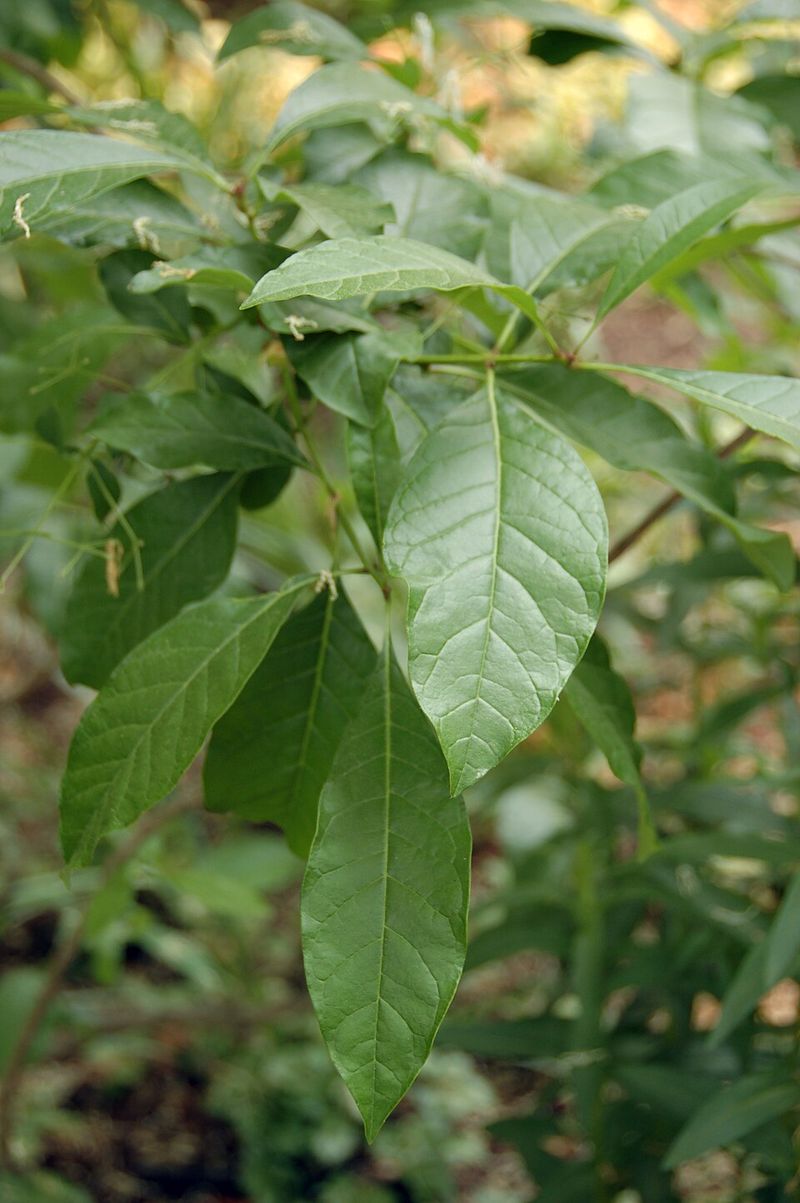
Fringe Tree is one of those native gems that people remember the moment they see it in bloom. The feathery white flowers look almost cloudlike, giving your yard a fresh, bright texture during late spring.
It stays relatively small, which makes it a smart choice if you want impact without losing too much space.
This tree handles full sun to part shade and generally adapts well to North Carolina conditions. May planting works well as long as you keep the soil evenly moist while roots establish.
Birds also appreciate the fruit on female trees, which makes the whole planting feel even more rewarding.
Serviceberry
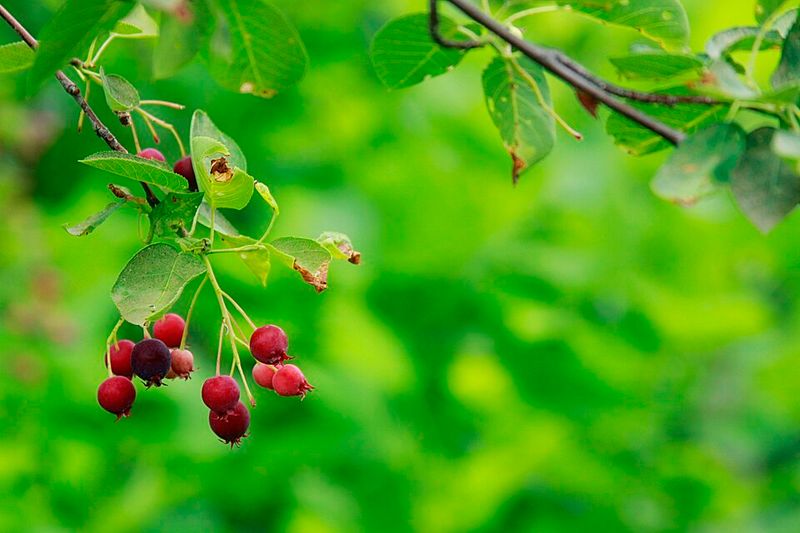
Serviceberry is a hardworking native tree that brings flowers, berries, and fall color without asking for much drama. The early white blooms feel crisp and cheerful, and the edible summer berries are a favorite with birds.
If you like plants that support wildlife while still looking polished, this one really delivers.
It fits nicely into smaller yards, mixed borders, or naturalized spaces across much of North Carolina. Plant it in May in well drained soil with regular watering during the first season.
You will get a tree that feels graceful in spring, useful in summer, and surprisingly colorful once autumn arrives.
Sourwood
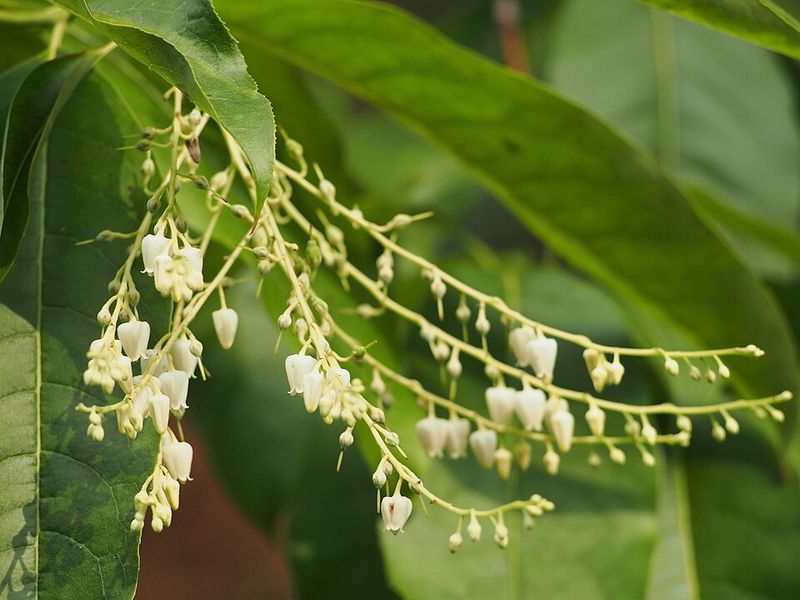
Sourwood is a standout native tree if you want something a little different from the usual spring bloomers. Its fragrant white flower clusters appear later, which helps extend the flowering season in your yard after many other trees have finished.
The glossy leaves and brilliant red fall color make it worth growing even beyond bloom time.
In North Carolina, Sourwood does best in acidic, well drained soil and appreciates consistent moisture while establishing. Planting in May gives it a solid start before summer heat peaks.
It is also a favorite for pollinators, so your landscape feels active, alive, and full of seasonal movement.
Sweetbay Magnolia
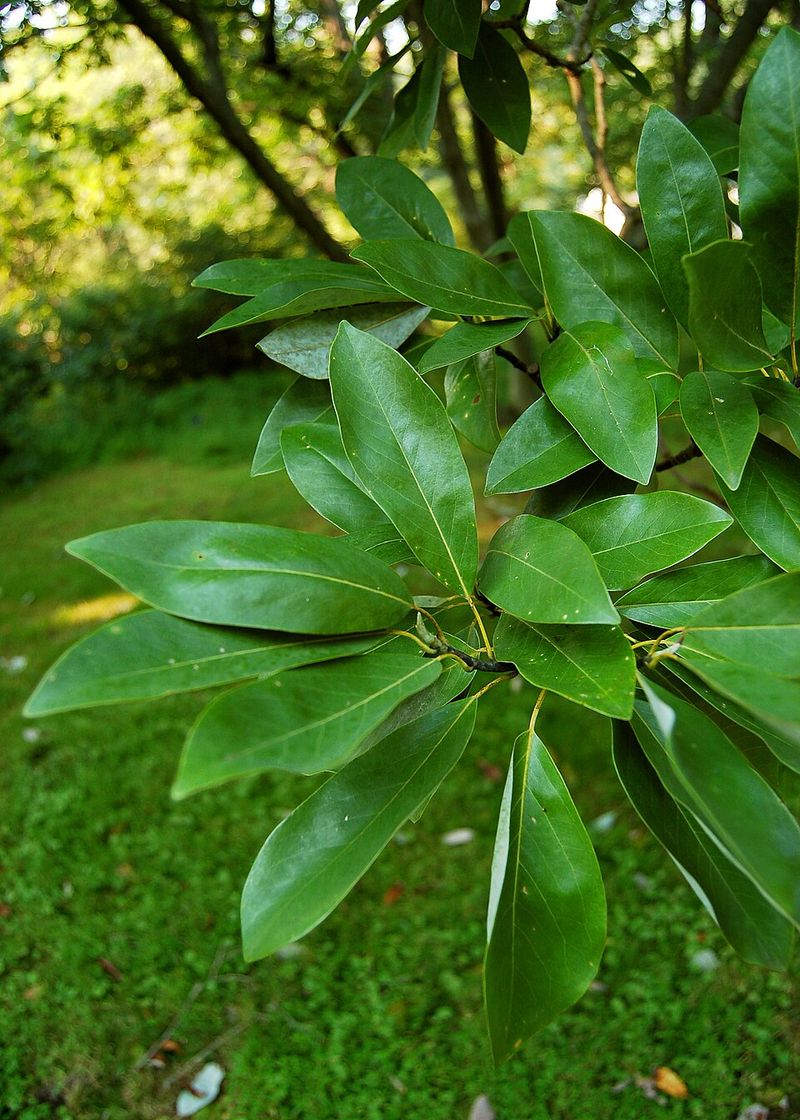
Sweetbay Magnolia has a relaxed beauty that feels especially suited to North Carolina gardens. Its creamy white flowers are lightly fragrant, and the foliage flashes silvery underneath when the breeze moves through.
That small detail adds so much life and softness to a planting, especially near porches or seating areas.
This native tree tolerates moist soil better than many flowering choices, making it useful for spots that stay a little damp. Plant it in May with mulch and steady watering so roots establish well through summer.
If you want blooms, texture, and an easygoing native character, Sweetbay Magnolia is hard to beat.
Tulip Poplar
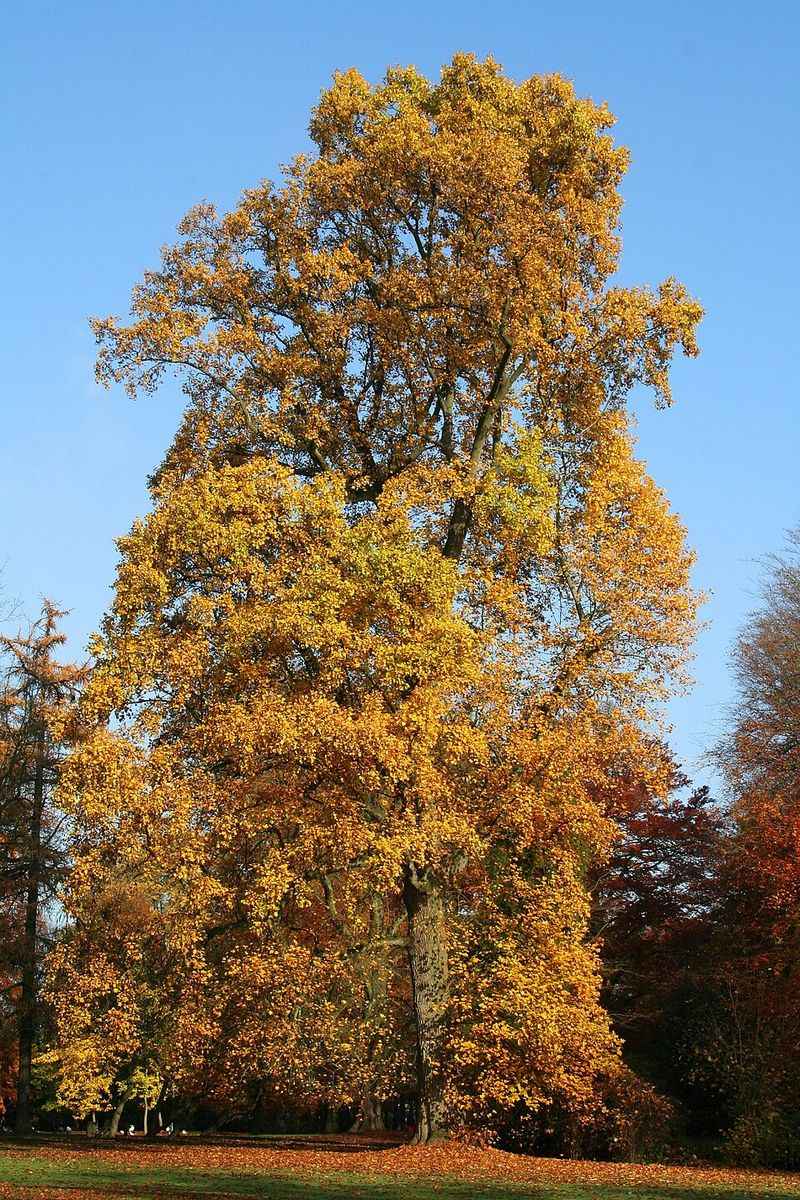
Tulip Poplar is a bigger choice, but if you have room, it can become one of the most impressive native trees on your property. Its tulip shaped flowers are subtle from a distance yet fascinating up close, with yellow green petals marked in orange.
The tall, straight form also creates wonderful shade as the tree matures.
Because it grows large, this tree is best planted where it has space to stretch without crowding structures. In North Carolina, May planting works well if you water deeply and protect the root zone with mulch.
Choose it when you want a flowering tree that also becomes a long term landscape anchor.
American Persimmon
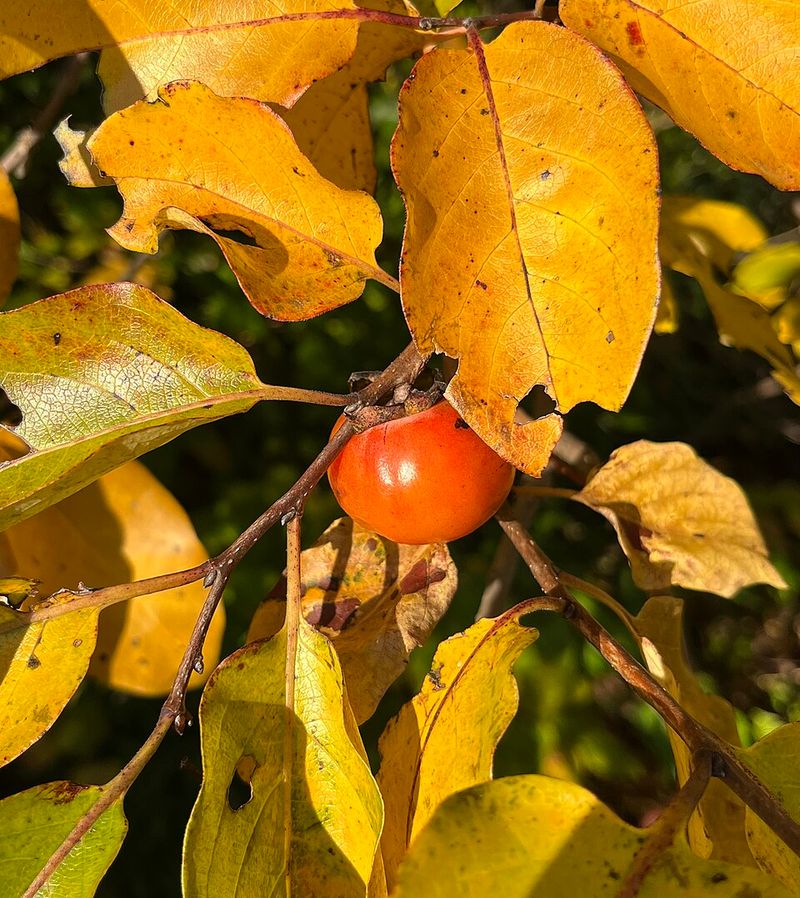
American Persimmon is not the flashiest bloomer on this list, but it brings quiet value that keeps paying off. The small spring flowers support pollinators, and the orange fruit later in the season is a real bonus for wildlife and adventurous gardeners.
It has a rugged, adaptable beauty that suits informal landscapes especially well.
If you are planting in May, give it full sun and well drained soil for the strongest growth and fruiting potential. This native tree handles North Carolina conditions with impressive resilience once established.
It is a smart choice when you want something useful, low maintenance, and deeply connected to the local ecosystem.
Red Buckeye
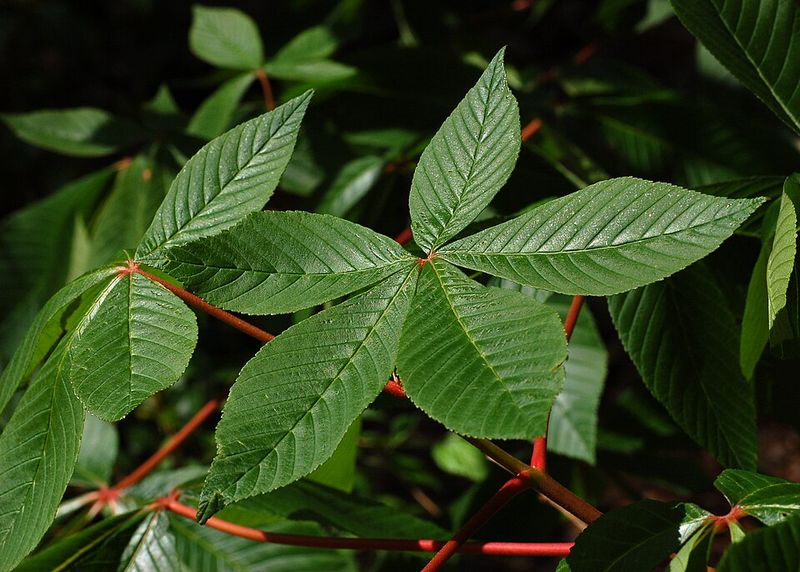
Red Buckeye is a fantastic choice if you want a native tree that instantly draws attention in spring. The upright clusters of red flowers are bold, saturated, and especially attractive to hummingbirds, which makes the whole yard feel more animated.
It stays on the smaller side, so it fits well in compact spaces.
This tree prefers part shade to sun and appreciates rich, well drained soil with regular moisture during establishment. Planting in May is very workable if you stay on top of watering through dry stretches.
For color, wildlife value, and a truly distinctive look, Red Buckeye earns a place on almost any native plant list.
Blackhaw Viburnum
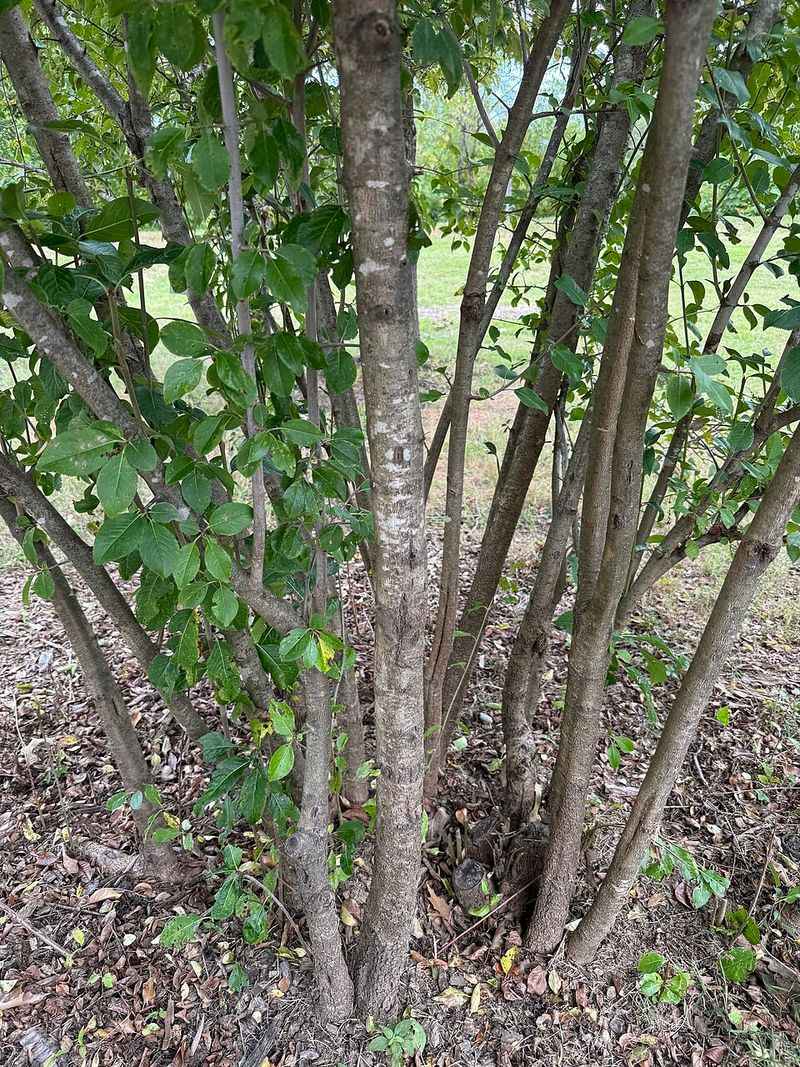
Blackhaw Viburnum can be grown as a large shrub or trained into a small tree, which makes it wonderfully flexible. In spring, the creamy white flower clusters brighten the landscape, and later you get dark fruit that birds eagerly claim.
It also develops attractive fall color, so the display does not stop after blooming.
For North Carolina gardeners, this native fits nicely into sunny or partly shaded spaces with average, well drained soil. Plant it in May and keep it watered regularly while roots settle in.
If you like plants that are adaptable, wildlife friendly, and easy to blend into existing beds, this one makes sense.
Southern Magnolia
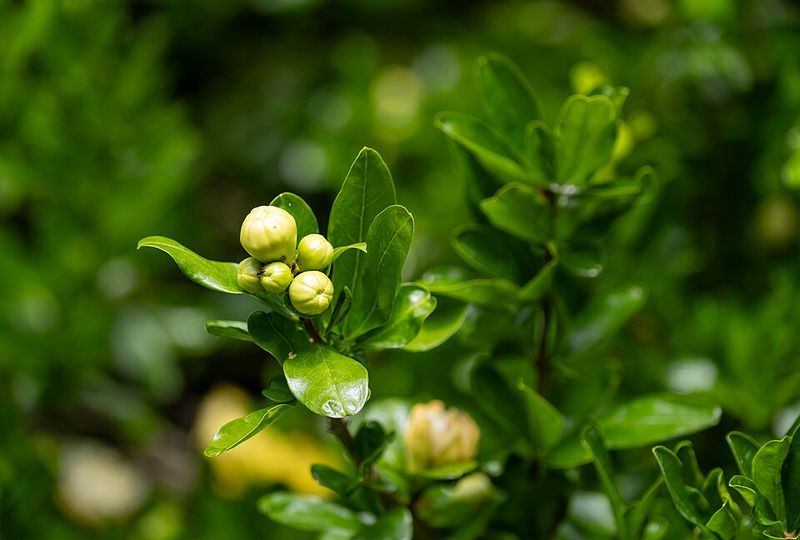
Southern Magnolia is a bold native option when you want flowers with real presence. The huge white blooms feel iconic in North Carolina landscapes, and the glossy evergreen leaves keep the tree handsome through every season.
It creates a strong focal point, especially in larger yards where its size can be appreciated.
Planting in May works best if you choose a site with sun, good drainage, and room for mature growth. Young trees need consistent moisture while establishing, but they become more dependable over time.
If your goal is a classic native tree with fragrance, structure, and year round character, Southern Magnolia is a beautiful investment.