
Why Ranunculus Is Becoming A Favorite Flower In North Carolina Gardens
Follow us on Google
Ranunculus is showing up in more North Carolina gardens, and it is easy to see why. These layered blooms bring the kind of color and texture that makes even a small bed feel thoughtfully designed.
Gardeners across the state are also discovering that, with the right timing, ranunculus can perform beautifully through the cool season. If you have been curious about the buzz, the reasons are more practical and more exciting than you might expect.
A Perfect Match For North Carolina’s Cool Seasons
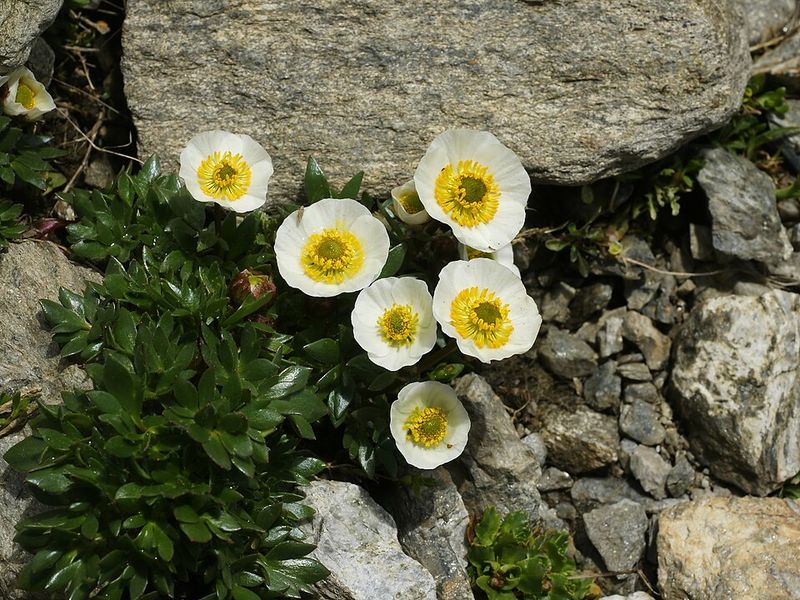
North Carolina gardeners are learning that timing matters, and ranunculus fits beautifully into the cooler parts of the growing year. In many areas of the state, corms can be planted for late winter or spring bloom, which gives beds a vibrant boost before summer heat takes over.
That seasonal sweet spot makes the flower feel surprisingly practical, not just pretty.
Cool nights and mild days help stems stay sturdy and blooms last longer, especially in Piedmont and coastal gardens. If you have struggled with flowers that fade fast after a warm spell, this one often feels like a welcome change.
Gardeners appreciate that it brings high-end floral style without requiring a mountain climate or a greenhouse.
Another reason people keep coming back to ranunculus is the way it fills a gap in the calendar. When pansies start looking tired and summer annuals are still weeks away, these blooms step in with color, texture, and real visual energy.
That makes spring gardens look intentional instead of in-between.
Once you see a bed glowing with ranunculus on a cool North Carolina morning, the appeal becomes hard to ignore. It feels tailored to the season gardeners are already trying to maximize.
The Blooms Look Luxurious Without Feeling Fussy
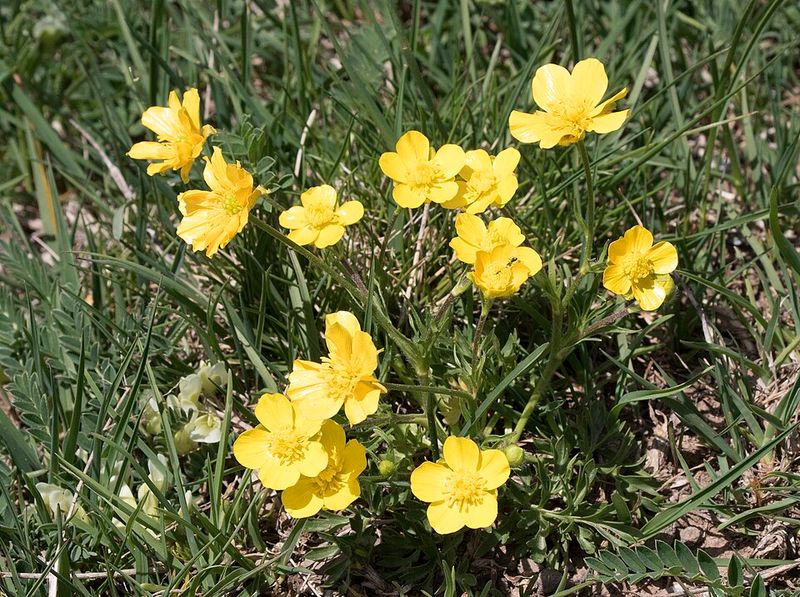
Few flowers deliver the same visual payoff as ranunculus, which is a big reason North Carolina gardeners are paying attention. The petals stack in tight, intricate layers that look almost hand-crafted, giving beds and containers a refined, florist-level look.
Even a modest planting can make your yard feel more polished.
What surprises many people is that the effect feels luxurious without asking for constant pampering. Once planted in the right site with good drainage and cool weather, ranunculus can settle in and do its job beautifully.
That balance of elegance and manageability appeals to busy gardeners who still want something memorable.
The color range adds even more charm, from creamy whites and blush pinks to warm apricots, reds, and golden yellows. You can build a soft romantic palette or go brighter for a cheerful front bed near the porch.
In either case, the flowers photograph well, hold attention, and make everyday garden moments feel special.
There is also something satisfying about growing a bloom that looks expensive but is still accessible to home gardeners. When visitors ask what that stunning flower is, ranunculus often becomes the standout conversation starter.
It Brings Big Color To Small Spaces
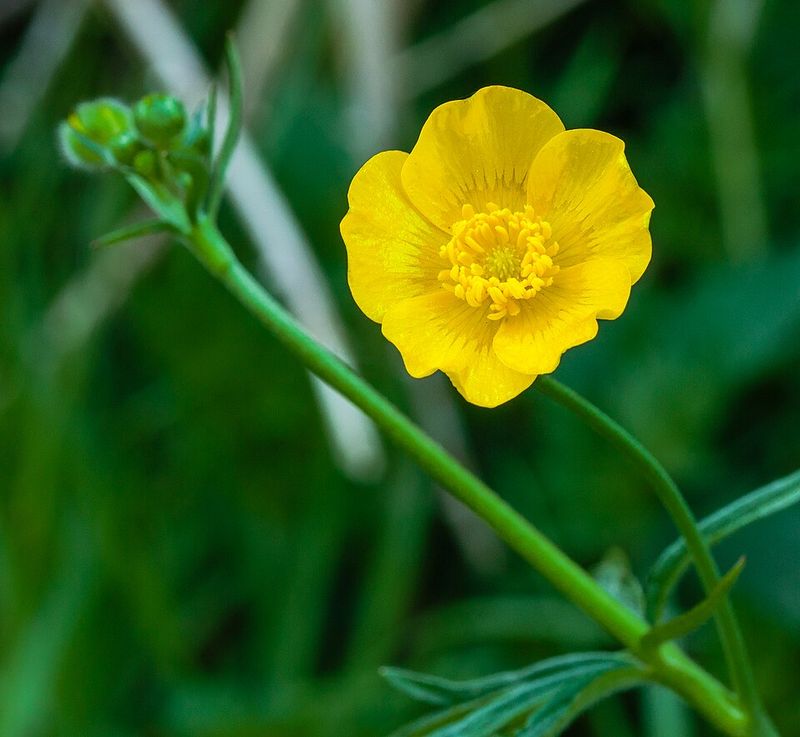
Not every gardener has a wide backyard, and that makes ranunculus especially appealing in North Carolina neighborhoods. The plants stay compact enough for containers, border edges, and small raised beds, yet the blooms are dramatic enough to command attention from across the yard.
You get serious visual impact without needing much square footage.
That matters in towns and suburbs where gardening often happens on porches, patios, and narrow foundation beds. A few well-placed pots of ranunculus can brighten an entryway and make the whole home look more cared for.
It is one of those flowers that helps a small planting punch above its weight.
Because the stems rise above neat foliage, the display feels tidy instead of crowded. Gardeners who want a curated look often pair ranunculus with violas, snapdragons, or herbs for a layered spring arrangement.
The result feels intentional and full, not busy.
Another practical advantage is flexibility. If one area of your yard gets the best winter sun, you can place containers there and shift your focus as the season changes.
That kind of adaptability makes ranunculus especially attractive for gardeners working with limited space, rental homes, or evolving landscape plans.
Florist-Style Flowers Right From The Backyard
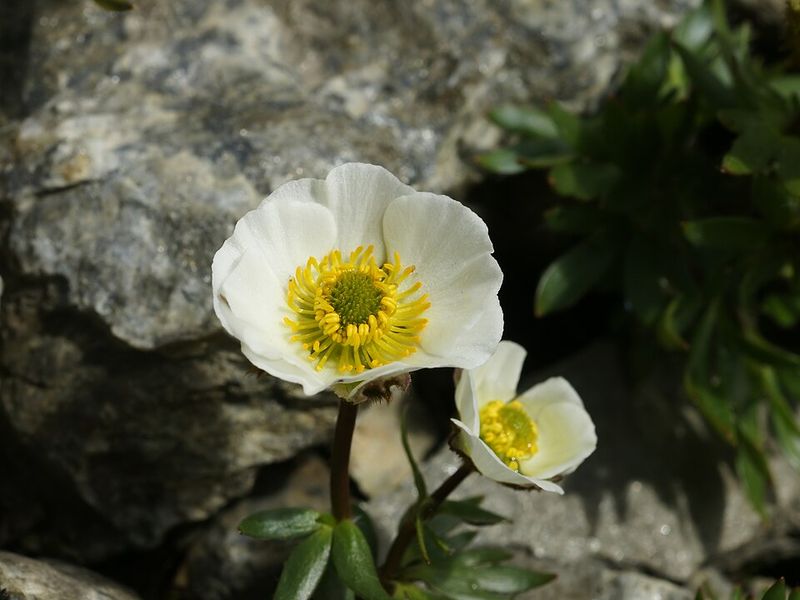
One of the strongest reasons ranunculus is gaining fans in North Carolina is simple: it looks incredible in a vase. The long stems and layered blooms give arrangements a professional feel, so even a handful of flowers cut from your yard can look like something from a boutique florist.
That is a powerful draw for gardeners who love bringing flowers indoors.
Fresh arrangements also make the plant feel more useful than many bedding flowers. Instead of admiring the color outside for a few minutes, you get to enjoy it at the kitchen sink, on the dining table, or beside the bed.
A cutting garden starts to feel more worthwhile when the stems are this beautiful.
Home gardeners are also realizing that ranunculus works well for birthdays, dinners, baby showers, and simple weekend bouquets. A few stems mixed with rosemary, tulips, or snapdragons can look thoughtful and expensive without a last-minute trip to the store.
That kind of convenience adds genuine value.
There is a nice emotional payoff too. Cutting flowers you grew yourself feels personal in a way store-bought bouquets rarely do.
For many North Carolina gardeners, ranunculus turns the backyard into a source of beauty they can actually use and share.
Gardeners Love The Wide Range Of Colors
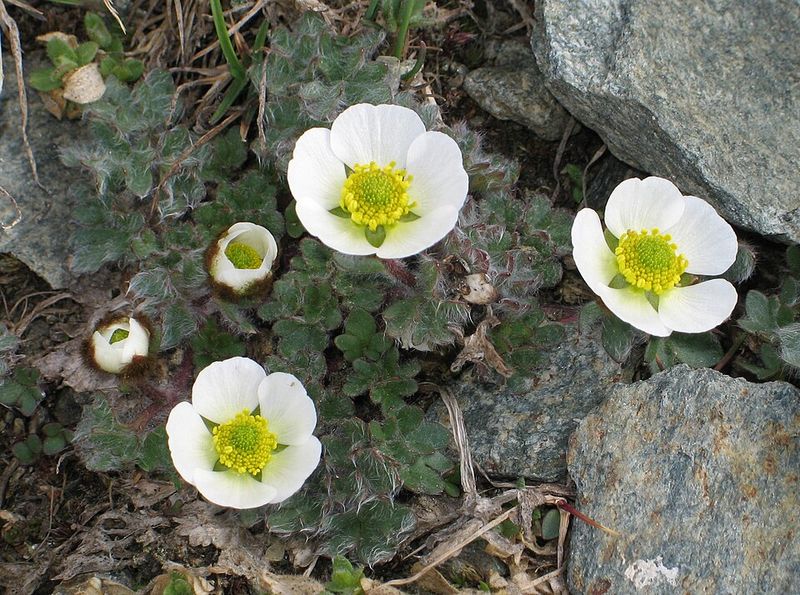
Color is a major part of the ranunculus appeal, especially for North Carolina gardeners who want more personality in spring beds. The flowers come in soft neutrals, cheerful brights, and moody deeper shades, which makes them easy to fit into almost any design style.
You can keep the palette calm and classic or make it lively and playful.
That flexibility matters when you are coordinating with brick homes, painted porches, or existing perennials. Peach and cream varieties can warm up a traditional cottage look, while saturated reds and oranges create a bolder statement near walkways and entrances.
It is easier to make your garden feel cohesive when the flower offers so many options.
Ranunculus also pairs well with many cool-season favorites already popular in the state. Think blue pansies, white alyssum, lavender stock, or silvery dusty miller for contrast and balance.
Those combinations help gardeners build displays that feel layered instead of one-note.
There is also room for personal expression, which keeps people interested year after year. One season you might lean pastel for a soft spring look, and the next you may want stronger sunset tones.
Ranunculus gives you the kind of variety that keeps planting decisions fun rather than repetitive.
It Handles Spring Weather Better Than You’d Expect
North Carolina spring can shift fast, with cool mornings, rain, and sudden warm afternoons all in the same week. Ranunculus keeps performing through that back-and-forth weather better than many gardeners expect, especially when planted in well-drained soil.
That reliability makes it feel like a smart choice, not just a pretty one.
Even when the forecast turns unpredictable, the buds keep building and the flowers still open with color and form. You get a bloom that looks delicate but acts resilient in the garden.
For anyone tired of plants that peak for a moment and fade, that performance keeps winning people over.
It Makes Seasonal Planting Feel More Rewarding
Ranunculus also fits how many North Carolina gardeners are starting to think about their beds – as spaces that can shine in distinct seasons, not just summer. Planting corms and waiting for those layered blooms creates anticipation that feels genuinely satisfying.
When they finally open, the garden feels refreshed at exactly the moment people are craving something new outside.
That payoff encourages intentional planting, whether you’re pairing ranunculus with snapdragons, larkspur, or companions that highlight its texture. You notice the garden closely because the show unfolds in stages instead of at once.
For gardeners who enjoy the process as the result, ranunculus brings that pleasure.