
7 Sneaky Reasons Texas Garden Tomatoes Keep Splitting Before You Can Pick Them
Follow us on Google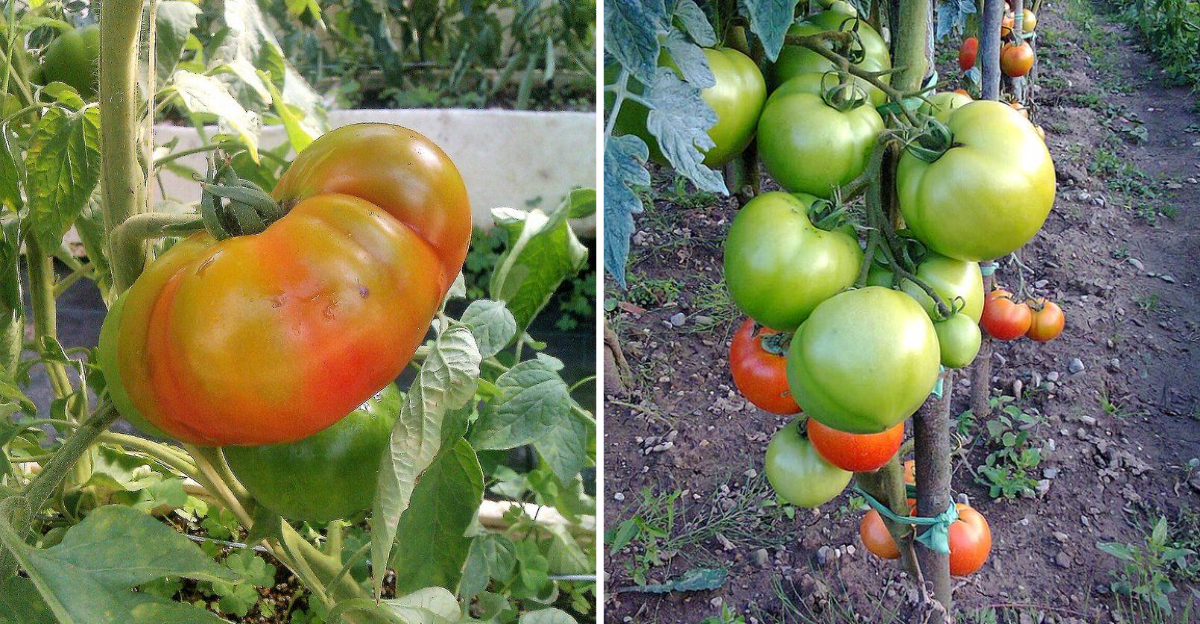
You baby your tomato plants through the Texas heat, only to find beautiful fruit cracked open just before harvest. That frustrating split is not random, and it usually is not your fault alone.
A handful of common Texas growing conditions can push tomatoes past their limits faster than you think. Once you spot the real triggers, you can prevent a lot more damage and pick fruit that actually makes it to the kitchen.
Wild Swings Between Drought and Deep Watering
One dry week followed by a soaking hose session can make tomato skins give up fast. In Texas, that pattern shows up constantly because blazing afternoons pull moisture from the soil faster than many gardeners realize.
Then, once roots suddenly drink deeply, the fruit swells quicker than the skin can stretch.
You usually see this first on tomatoes that were nearly ripe already. Their outer skin has less flexibility at that stage, so a big surge of water creates pressure from the inside out.
Instead of steady growth, the fruit goes through a stop and sprint cycle that leaves cracks around the shoulders or down the sides.
The easiest fix is consistency, not more water. Aim for deep irrigation on a predictable schedule, and adjust for heat waves before plants become bone dry.
A moisture meter, drip line, or even a simple finger check a few inches down can help you avoid those dramatic swings.
Mulch matters more than many people think here. Two to three inches of shredded leaves, straw, or untreated bark slows evaporation and keeps roots in a steadier zone.
When the soil stays evenly moist, your tomatoes stop getting surprise growth spurts that split fruit right before picking.
Sudden Summer Rain After a Hot Spell
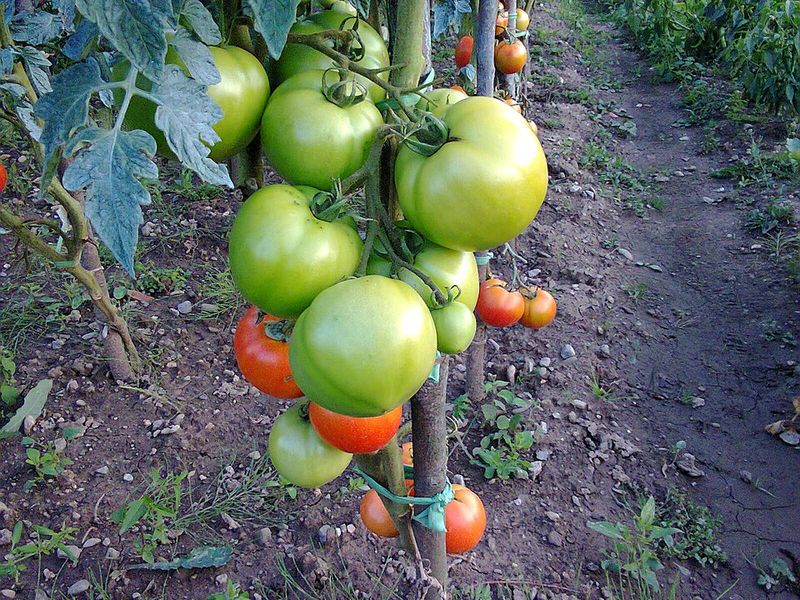
A classic Texas thunderstorm can undo a week of careful garden management in one evening. After plants endure hot, drying weather, a sudden downpour sends a rush of water into the root zone and sometimes directly through the fruit skin as well.
That quick uptake can make nearly ripe tomatoes burst before sunrise.
The problem gets worse when the soil was already hard and dry. Instead of absorbing moisture gradually, it can channel water unevenly, giving roots an abrupt flood after stress.
You might walk outside the next morning and find a cluster that looked perfect the day before now scarred with concentric cracks.
Picking tomatoes at the first blush stage helps a lot during unstable weather. Once fruit starts turning pink or orange, it can finish ripening indoors without losing much flavor, especially in summer.
That small timing shift often saves the prettiest fruit from splitting during overnight storms.
Raised beds and mulch also reduce the shock of storm water by improving drainage and slowing surface evaporation between rains. If heavy weather is forecast, harvest the almost-ripe fruit early and skip extra irrigation.
In Texas, rain timing matters as much as rainfall totals when you want smooth, uncracked tomatoes.
Too Much Nitrogen Pushing Fast Growth
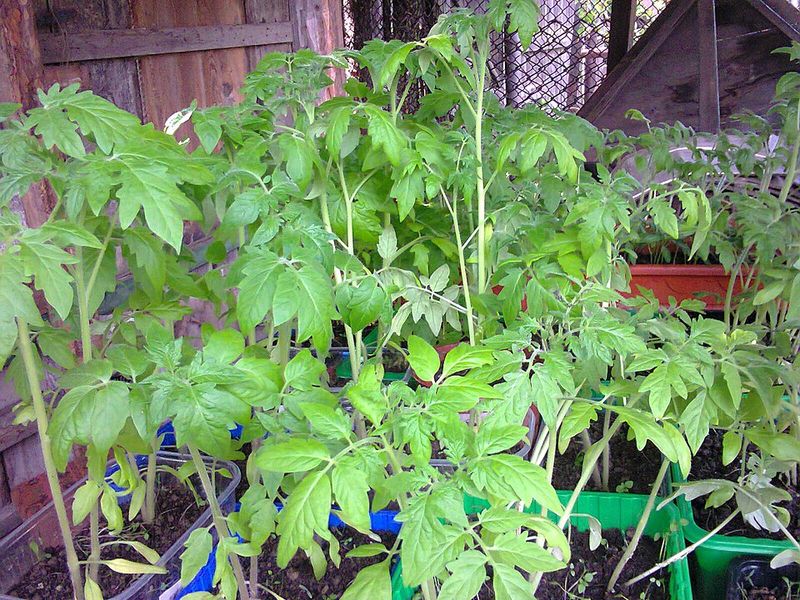
Big leafy tomato plants can look impressive, but overly lush growth often hints at too much nitrogen. When that happens, the plant focuses on rapid, soft expansion above ground, and fruit can enlarge faster than its skin can strengthen.
In warm Texas conditions, that imbalance shows up even more dramatically.
It is easy to overdo fertilizer when plants look pale or slow after a heat spell. Many gardeners reach for a high nitrogen product, hoping to perk things up quickly, but the result can be tender growth and unstable fruit development.
You end up with vines that look vigorous while tomatoes crack just as they size up.
Check the fertilizer label before feeding. A balanced product or one slightly lower in nitrogen and higher in phosphorus and potassium usually supports steadier flowering and fruiting.
Compost is helpful too, but rich manure or repeated liquid feeds can quietly stack excess nitrogen over time.
If your plants are already dark green and growing fast, skip the extra boost. Water consistently and let the plant catch up rather than forcing more growth.
In many Texas gardens, dialing back fertilizer does more to prevent splitting than adding another treatment ever will, especially once fruit has begun to color and soften.
Thin-Skinned Varieties in Brutal Heat
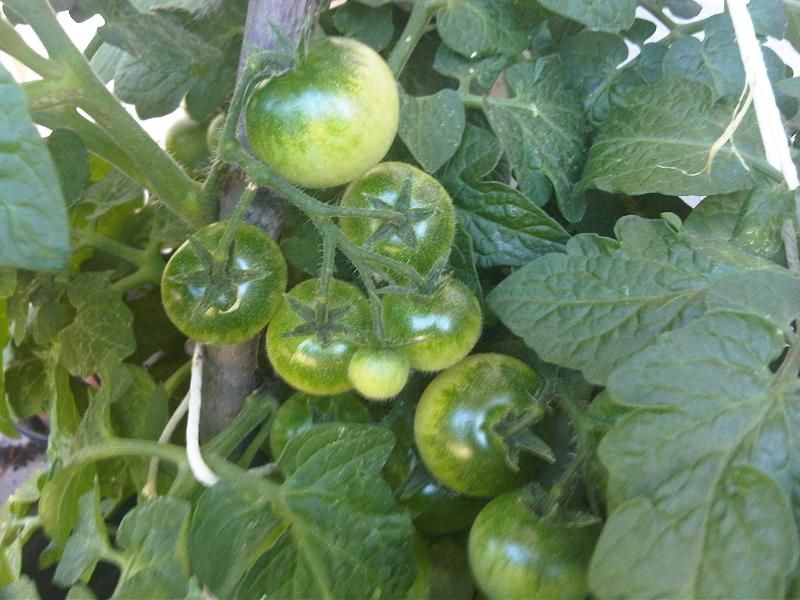
Some tomatoes split more easily simply because they were bred with delicate skins. Many heirlooms taste incredible, but in Texas heat and humidity, their softer structure can struggle when moisture levels shift quickly.
You may do everything right and still watch a gorgeous pink slicer crack before dinner.
That does not mean you need to give up on flavor. It just helps to match variety choice to your climate and watering realities.
Thick-skinned hybrids and heat-tolerant cultivars often handle summer stress better, especially in areas where intense sun, sudden rain, and warm nights happen in the same week.
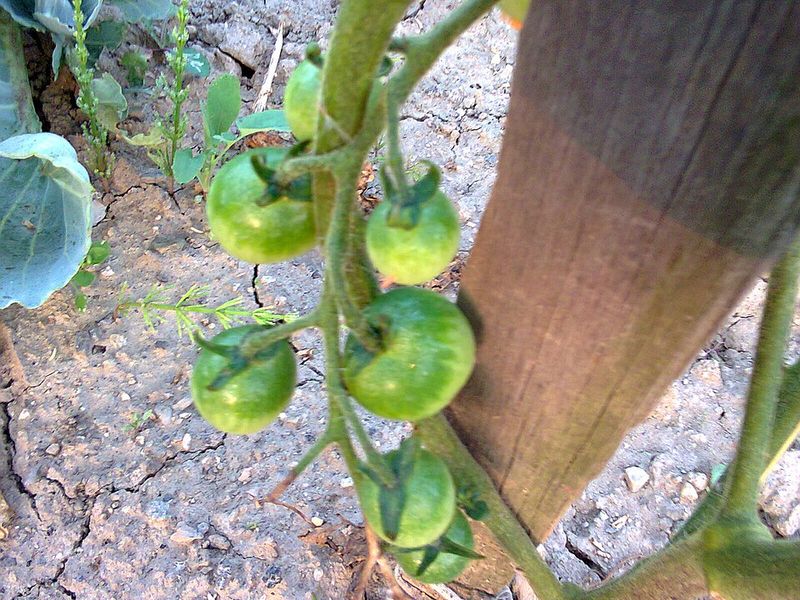
Look for varieties noted as crack resistant, heat set, or adapted for the South. Smaller fruits like many cherries, currant tomatoes, and some salad types usually fare better than giant beefsteaks during volatile weather.
If you love heirlooms, grow a few, but balance them with dependable performers that can take a little abuse.
Timing matters too. Planting early enough to harvest before the most punishing summer stretch can reduce splitting on sensitive varieties.
In Texas, success often comes from treating variety selection like a climate strategy, not just a flavor decision, because the fruit has to survive the weather before it ever reaches your cutting board.
Bare Soil Heating Up the Root Zone
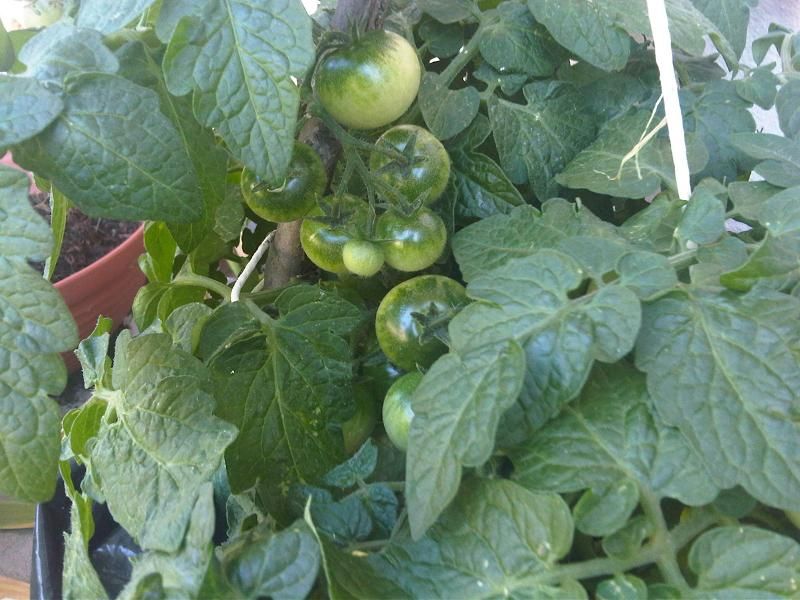
Exposed soil heats up fast under a Texas sun, and that temperature swing stresses roots more than many gardeners expect. When roots alternate between hot, dry afternoons and cooler, wetter mornings, the plant has trouble regulating water uptake evenly.
That uneven rhythm often shows up later as split fruit.
Bare ground also loses moisture quickly to evaporation. Even if you water regularly, the top few inches can dry out so fast that the root zone keeps cycling between shortage and abundance.
Tomatoes respond by taking up water in bursts, especially after irrigation, which raises the odds of cracking near ripening time.
A simple mulch layer acts like insulation for the whole system. Straw, pine needles, shredded leaves, or untreated wood chips help keep the soil cooler and prevent rapid drying after sunrise.
You are not just conserving water when you mulch – you are smoothing out the conditions roots experience all day.
Keep mulch a few inches away from the stem so airflow stays decent and rot problems do not develop. Then water deeply enough that roots move downward into a more stable zone.
In Texas gardens, protecting the soil surface can be one of the quietest but most effective ways to stop tomatoes from splitting before harvest.
Harvesting a Little Too Late
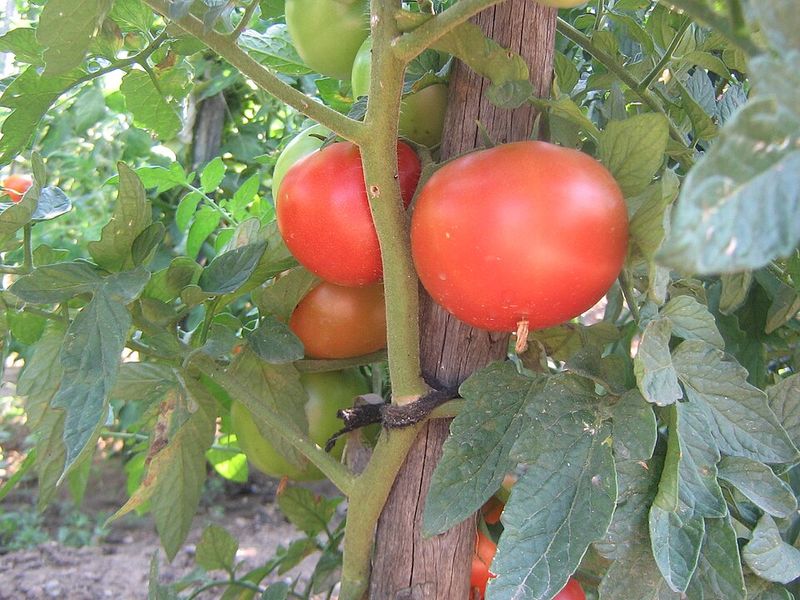
Perfectly ripe tomatoes do not always reward patience in Texas. Once fruit reaches the blush stage, the skin is already under more pressure from sugars, water, and heat, so leaving it on the vine for a few extra days can invite splitting.
A tomato that looked almost ready yesterday may crack after one humid night.
Many gardeners wait for full color because vine-ripened sounds ideal, but the difference in taste is often smaller than the difference in damage risk. Tomatoes picked when they first show pink, orange, or red can finish ripening indoors surprisingly well.
They also avoid late weather swings, pecking birds, and insect nibbles.
This is especially helpful during stretches of extreme heat or before predicted rain. Fruit that is almost there will usually develop flavor and color on the counter without turning mealy if you keep it out of direct sun and avoid refrigeration.
The goal is not under-ripe fruit – it is smarter timing.
Make a habit of checking plants daily once they start coloring. In warm Texas summers, tomatoes can move from nearly ready to split in very little time.
Picking a touch earlier often feels wrong the first time, but it becomes an easy win once you stop losing your best fruit on the vine.
Microclimates Around Walls, Fences, and Containers
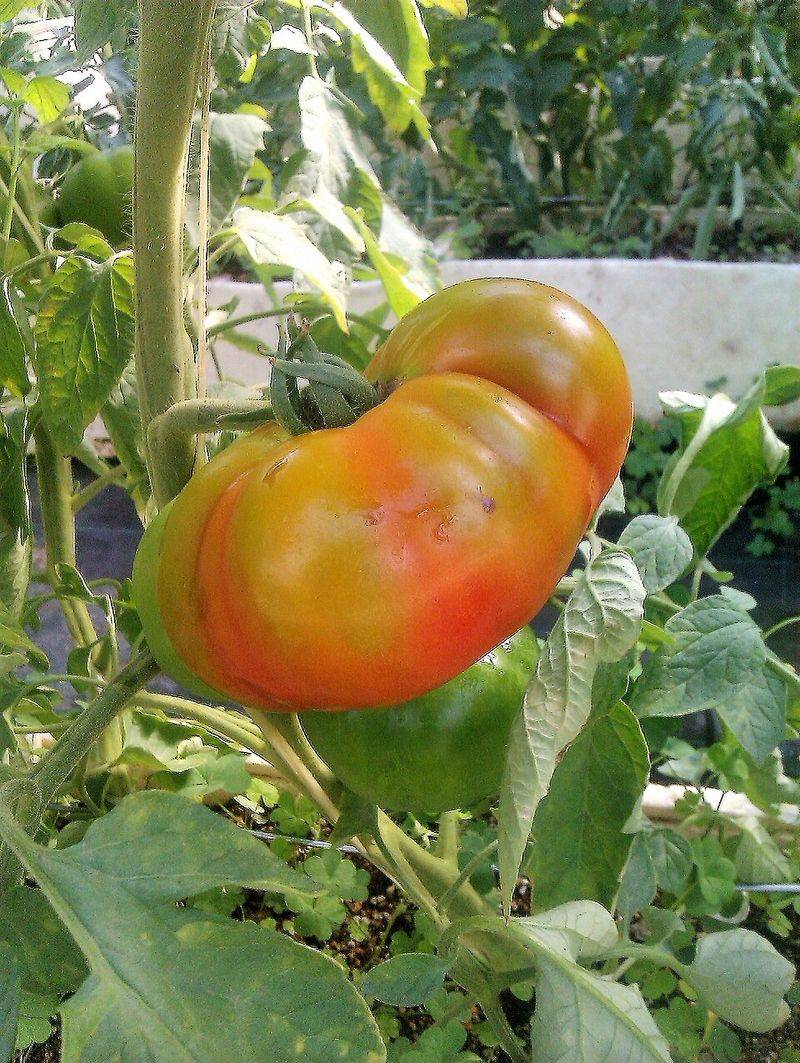
Not every part of your yard behaves the same, and tomatoes feel those differences clearly. Plants near brick walls, reflective fences, driveways, or containers often deal with extra heat and faster drying than the rest of the garden.
That creates hidden stress cycles that make fruit more likely to split after watering or rain.
Containers are especially tricky in Texas because potting mix can swing from damp to dusty in a single hot day. Then, when you water thoroughly in the evening, the plant may absorb moisture quickly and push it into ripening fruit overnight.
The result can be cracked skins even when nearby in-ground plants look fine.
Watch for signs that one area is harsher than another. Wilting by midafternoon, warm pots, reflected glare, or one side of the plant ripening faster are all clues that your tomatoes sit in a tougher microclimate.
Once you notice that pattern, the solution becomes much more targeted.
Move containers where they get morning sun and slight afternoon relief, or shield pots with larger cachepots and mulch the surface. For in-ground plants, use shade cloth during severe heat and check moisture more often near hardscapes.
A small location tweak can reduce the stress swings that quietly cause splitting across an otherwise healthy Texas tomato patch.