
9 Easy Ground Covers For Florida Gardens That Rarely Need Water
Follow us on Google
Florida yards can look full and colorful without locking you into constant watering. The right ground cover handles heat, sandy soil, and those long dry stretches that make high-maintenance plants sulk.
If you want fewer bare spots, less mowing, and a garden that still looks polished, these easy picks deserve a spot on your shortlist. Each one brings reliable coverage with far less effort than a thirsty lawn.
Sunshine Mimosa
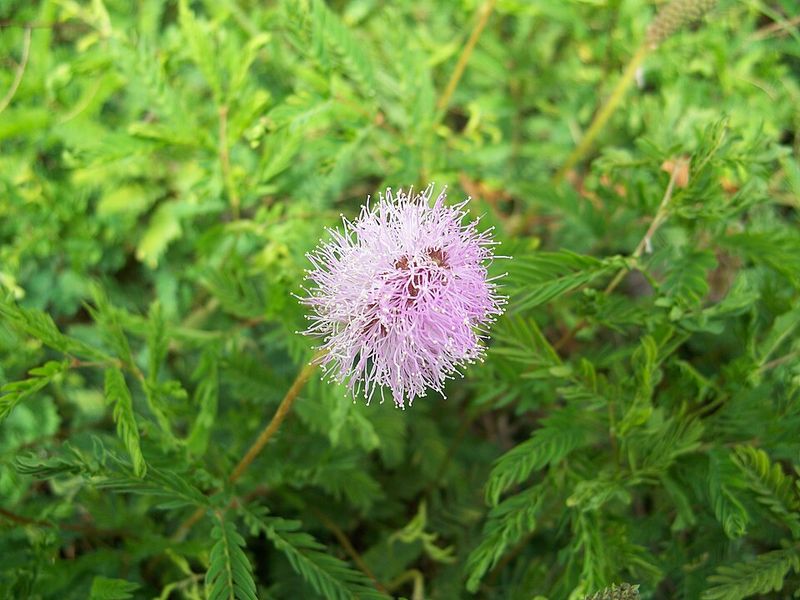
If you want a lawn substitute that actually feels fun, this one earns attention fast. Sunshine mimosa stays low, spreads steadily, and folds its ferny leaves when touched, which kids always notice.
In Florida heat, it keeps moving with surprisingly little fuss once roots settle into sandy soil across yards.
I like recommending it for sunny paths, mailbox beds, and awkward dry patches where turf struggles. You will get pink puffball blooms in warm weather, plus dense coverage that softens bare ground.
Give it room, because runners can knit together quickly and hide thin spots within one warm season easily.
Drainage matters more than fertilizer, so skip soggy corners and heavy irrigation. A light trim every so often keeps edges neat, but constant mowing is unnecessary.
During establishment, water weekly, then back off and watch it handle regular Florida dry spells better than many thirsty bedding plants around it nearby.
Because it is native friendly and pollinator useful, the planting feels practical instead of precious. Pair it with coontie, muhly grass, or small boulders for a natural look that still reads tidy.
If your goal is less watering and less mowing, this choice checks both boxes beautifully for most homes.
Perennial Peanut
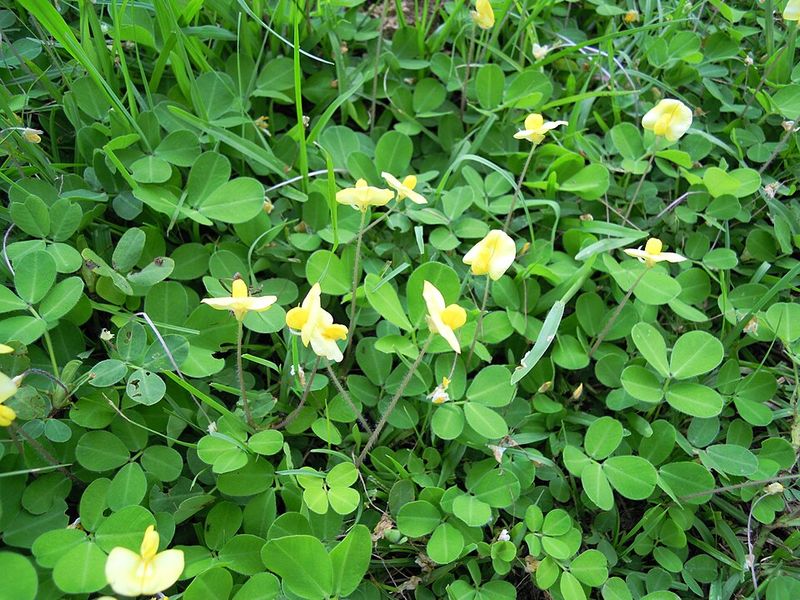
For sunny spaces that need cheerful color without constant babysitting, perennial peanut is hard to beat. It forms a tidy carpet of green and throws bright yellow flowers across the surface for months.
Once established in Florida, it usually gets by on rainfall except during seriously prolonged dry weather.
You will see it used as a lawn replacement, slope stabilizer, and filler around stepping stones because it stays low and forgiving. The texture reads softer than turf, and the bloom show keeps boring spots from feeling flat.
In a front yard, that means less mowing without sacrificing a cared-for look.
Give it full sun, decent drainage, and enough room to spread into a mat. New plantings need regular water at first, but overwatering later can do more harm than good.
A trim every now and then encourages fresh growth and keeps pathways from looking crowded or messy.
I especially like it near driveways, hot foundations, and wide open beds where reflected heat punishes fussier plants. Pair it with dwarf yaupon, blue daze, or firebush for a simple Florida palette.
If you want easy color that quietly covers ground and shrugs off drought, start here first.
Asiatic Jasmine
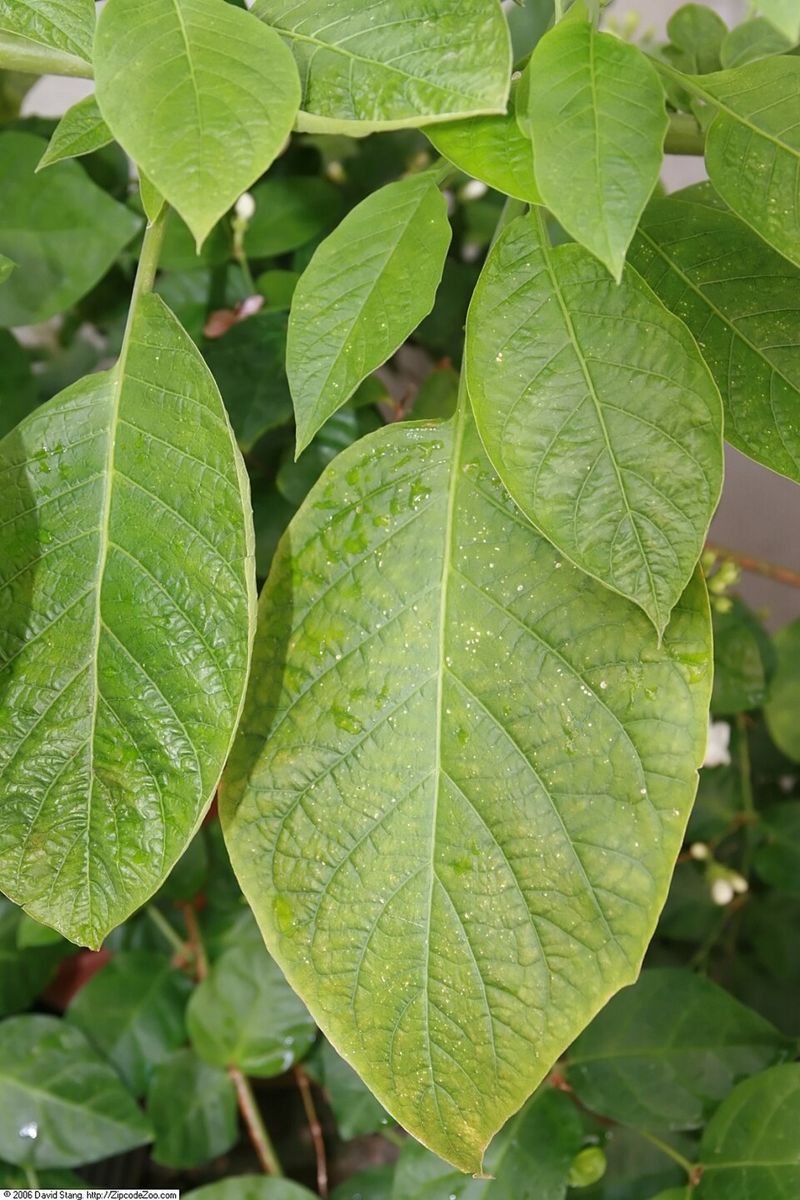
Shady spots can be frustrating, especially when grass thins out and bare soil starts showing between tree roots. Asiatic jasmine solves that problem with a dense, glossy carpet that looks polished year round.
After establishment, it handles Florida dryness better than many people expect, particularly in filtered shade.
You are not planting it for dramatic flowers, and that is part of the appeal. The value comes from the rich leaf texture, steady spread, and ability to make difficult spaces look intentional.
Under oaks, along foundations, or beside north-facing walls, it brings order where patchy turf usually loses.
It grows best in well-drained soil and appreciates water early on while roots anchor. Once the mat fills in, weeds have a harder time slipping through, which saves you extra maintenance.
Trim stray runners a few times a year if you want crisp edges around walkways or edging stones.
I would skip it in soggy locations, but for dry shade it is one of the easiest reliable options around. Pair it with cast iron plant, podocarpus, or ferns where irrigation is limited.
If you want a refined look without constant replanting, this ground cover quietly earns its keep.
Blue Daze
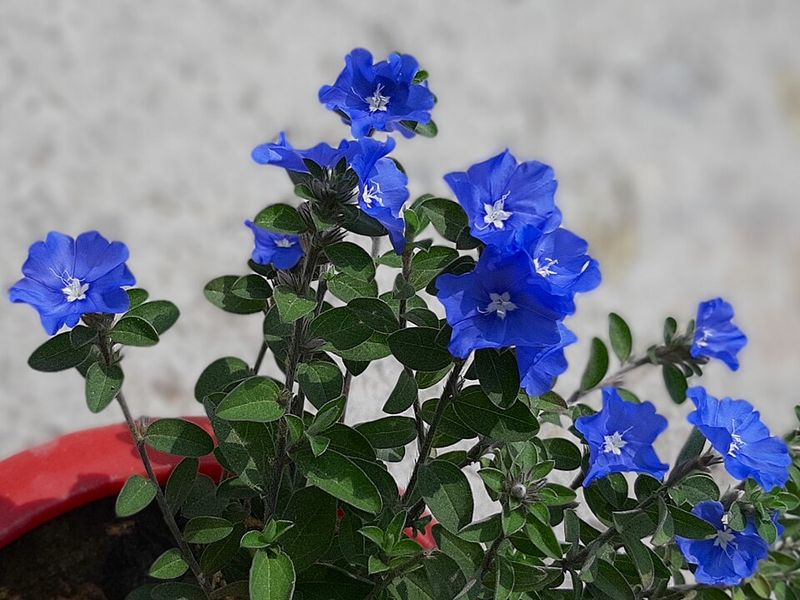
Bright blue flowers are not always easy to find in tough climates, which is why blue daze gets so much attention. This low trailing plant spreads gently and blooms best in full sun with decent drainage.
In Florida gardens, it keeps going through heat that knocks softer annuals completely out.
You will notice the flowers open strongest during the brighter parts of the day, giving beds a fresh, cool look. The small leaves and silvery cast help it blend with stone, gravel, and modern edging.
Near patios or borders, it softens hard lines without turning into a maintenance headache.
During the first stretch after planting, keep moisture consistent so roots settle in fast. After that, let the soil dry slightly between waterings instead of treating it like a thirsty bedding plant.
Occasional pinching keeps the shape compact and encourages fuller growth rather than stringy stems flopping outward.
I like using it where people want color but are tired of replacing annuals every season. Pair it with lantana, agave, or dwarf muhly for a simple dry garden combination.
If your yard gets strong sun and reflected heat, this one delivers softness and color without much complaint.
Frogfruit
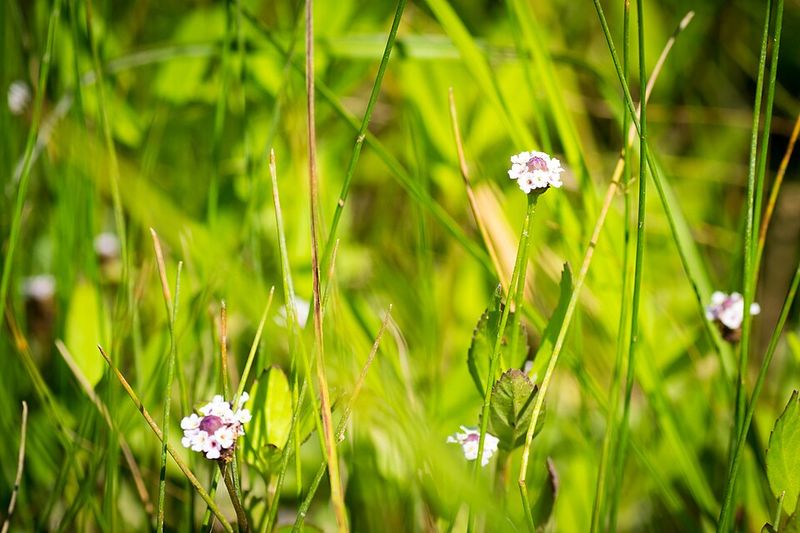
Native plant lovers usually smile when frogfruit starts filling in a difficult area. It hugs the ground, spreads fast, and produces small flower clusters that butterflies seem to appreciate nonstop.
In many Florida landscapes, it works as a casual lawn alternative that needs far less pampering than traditional turf.
The overall look is relaxed instead of formal, so it suits cottage gardens, wildlife yards, and naturalistic borders especially well. If you are aiming for a perfectly manicured country club finish, it may feel too loose.
For low-input beauty, though, it offers impressive coverage with very little drama.
Full sun to light shade works well, and established plants tolerate dry periods without sulking for long. A little water during extended drought helps it stay greener, but it usually rebounds quickly after rain.
Mow or trim occasionally if you want a flatter appearance around stepping stones or pathway edges.
I like suggesting it for people who want something useful, local, and pollinator friendly without creating another fussy project. Pair it with native grasses, black-eyed Susan, or dune sunflower for a Florida-friendly mix.
If your goal is less irrigation and more life in the garden, this one deserves attention.
Railroad Vine
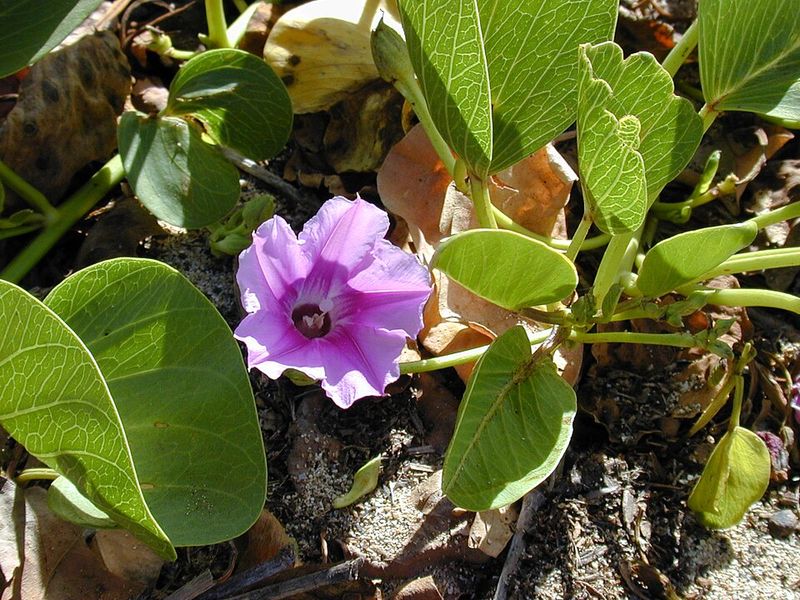
Sandy sites near the coast can make ordinary ground covers fail fast, but railroad vine was built for that challenge. It sprawls over hot soil, handles salt, and produces large purple flowers that resemble morning glories.
In the right place, it covers ground quickly while asking for very little extra water.
You will often see it on dunes, but home gardeners can use it in beachy yards, sunny slopes, and dry open beds. The rounded leaves create a bold texture that stands out against finer foliage nearby.
Because it travels, give it room and think of it as a natural filler instead of a tiny accent.
Excellent drainage is essential, and heavy rich soil is not its favorite setting. Water new plants regularly until they root, then reduce irrigation and let natural rainfall do most of the work.
If stems wander too far, simply redirect or prune them rather than overmanaging every inch.
I especially like it for low-key coastal designs where beauty needs to survive wind, glare, and reflected heat. Pair it with sea oats, muhly grass, or cocoplum for a relaxed Florida look.
If your yard feels baked and exposed, this ground cover can turn difficult space into something useful.
Beach Sunflower
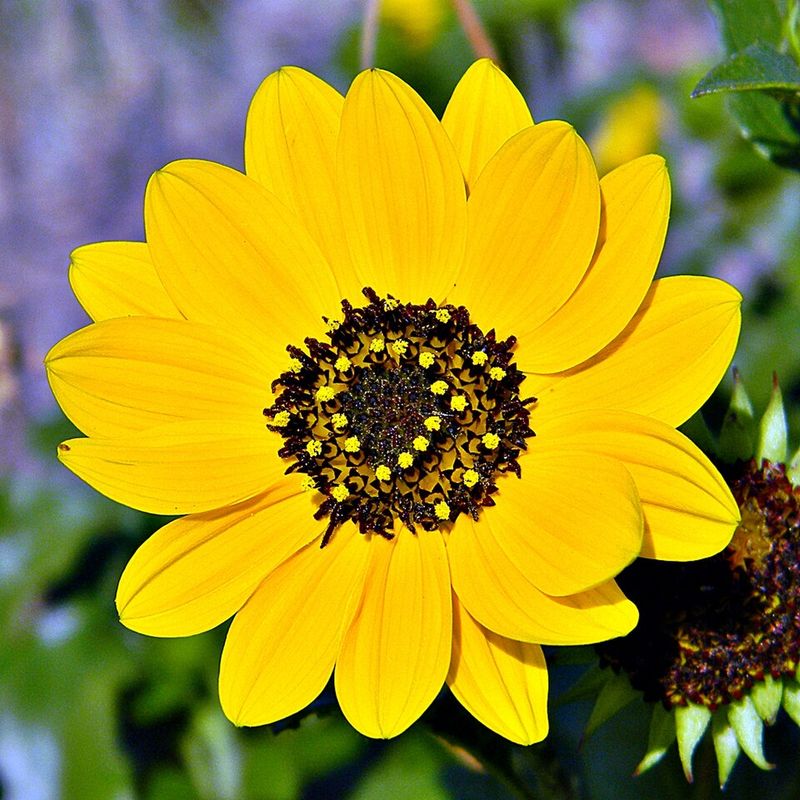
Big color in a dry sunny bed does not have to mean heavy irrigation or nonstop replacement. Beach sunflower spreads low, flowers generously, and brings a bright yellow punch that feels right at home in Florida.
Once established, it is one of those plants that keeps performing even when the weather turns harsh.
You will get the best show in full sun, where flowering stays strongest and growth remains compact. The look is casual and cheerful, making it great for mailbox beds, roadside strips, and sandy front yards.
Pollinators visit often, which adds movement and makes the planting feel more alive every day.
Give it room to sprawl and do not overfeed it, because rich conditions can encourage leggier growth. A trim after a heavy bloom cycle helps refresh the plant and keeps the shape tighter.
During long dry stretches, occasional watering is helpful, but constant moisture is definitely not required for success.
I like using it where people want something forgiving that still looks colorful from the street. Pair it with blue porterweed, coontie, or silver saw palmetto for a strong Florida-friendly mix.
If a hot, sandy area keeps disappointing you, this plant can make that spot feel solved.
Trailing Lantana
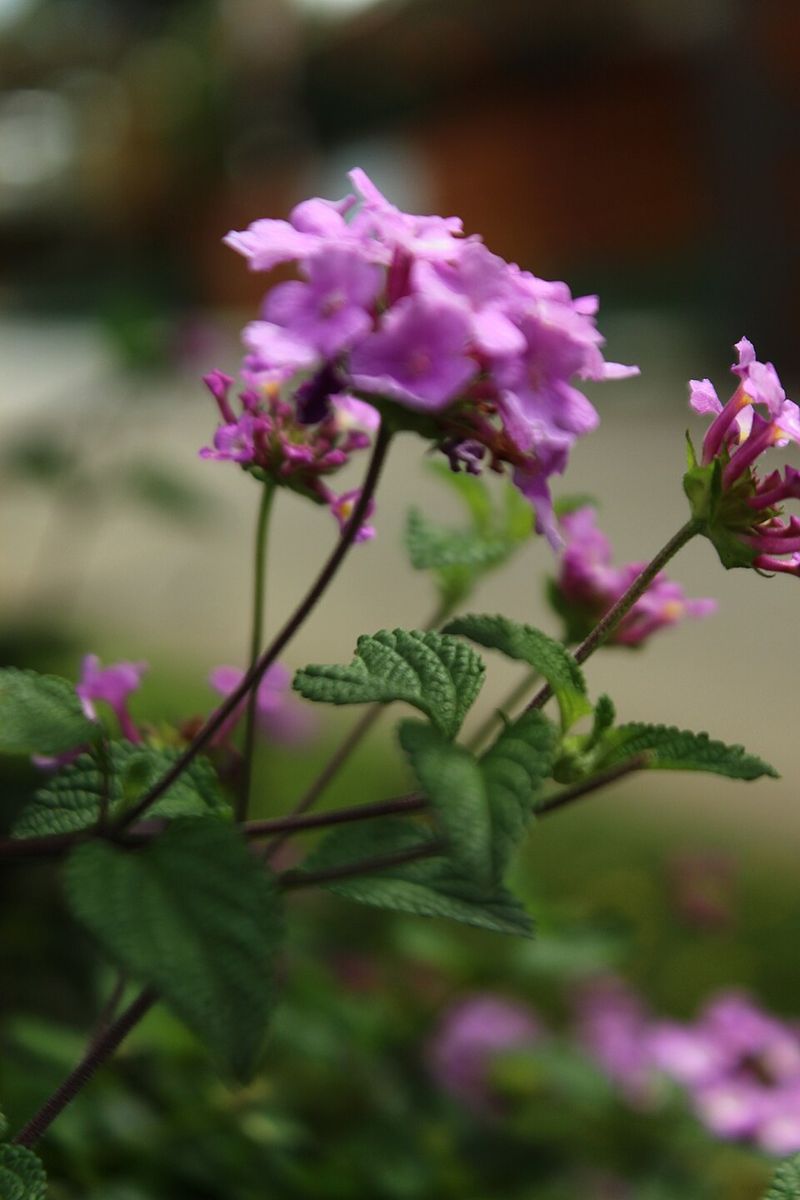
When a bed needs long-lasting flower color and not much babysitting, trailing lantana usually lands on my list quickly. It spreads outward in a loose carpet and covers itself with clusters of lavender or purple blooms.
In Florida sun, it handles heat and dry spells far better than many bedding plants.
You are also getting strong butterfly appeal, which makes patios and front walks feel more lively. The trailing habit works beautifully over low walls, at the front of mixed borders, or spilling through rock gardens.
It is not stiff or formal, but it looks intentional when paired with clean edging.
Full sun is the real key here, along with soil that drains well after rain. Water regularly while plants establish, then scale back and avoid keeping roots constantly wet.
A light haircut now and then encourages fresh blooming and keeps older stems from looking woody or stretched out.
I would use it in places where reflected heat cooks ordinary flowers by midsummer. Pair it with gaillardia, society garlic, or dwarf yaupon for a low-water Florida combination that still feels colorful.
If you want a ground cover that pulls pollinators in while tolerating neglect, this one delivers reliably.
Society Garlic
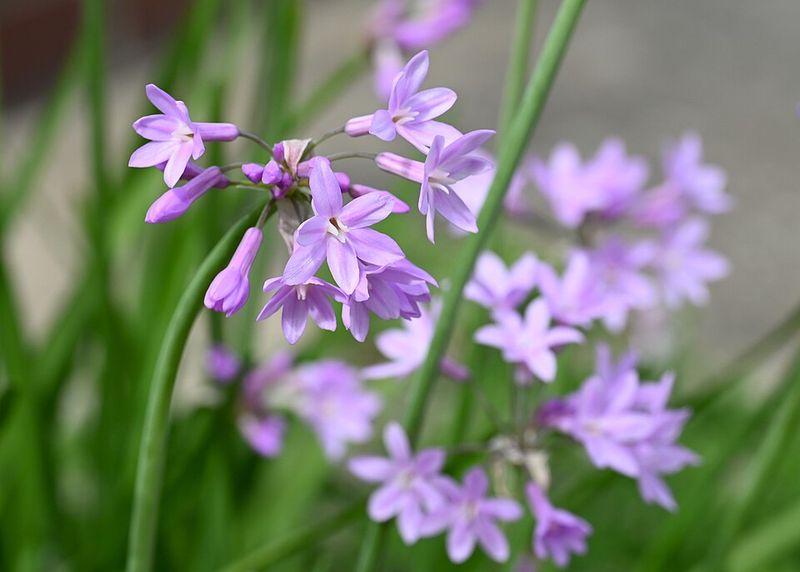
Some ground covers work more like low drifts than flat mats, and society garlic fits that role beautifully. Strappy leaves create a clean texture, while purple flower stalks rise above the foliage for months.
In Florida gardens, it handles heat, poor soil, and moderate drought with very little complaint.
You will notice the foliage has a mild garlicky scent when brushed, which can be a plus in areas where deer browse. It looks especially nice lining paths, edging larger beds, or repeating through sunny planting islands.
That upright shape gives structure without asking for the mowing or watering turf demands.
Plant it in full sun to light shade with good drainage, then water regularly only during establishment. After roots settle in, occasional deep watering during extended dry weather is usually enough.
Remove old flower stalks if you want a tidier appearance, though even that job is quick and not fussy.
I like it for homeowners who want something simple, durable, and polished rather than wild or sprawling. Pair it with liriope, blue daze, or dwarf agapanthus for a neat low-water border.
If your yard needs a dependable filler that still flowers, this option makes everyday maintenance easier.