
10 Native Florida Ground Covers Homeowners Prefer Over Traditional Grass
Follow us on Google
Grass is not the only way to get a polished Florida yard, and for many homeowners, it is no longer the smartest one. Native ground covers can handle heat, humidity, sandy soil, and shifting rain patterns with far less fuss than a thirsty lawn.
They also bring texture, color, and wildlife value that plain turf never offers. If you want a yard that looks good and asks for less from your weekend, these Florida favorites are worth a serious look.
Sunshine Mimosa
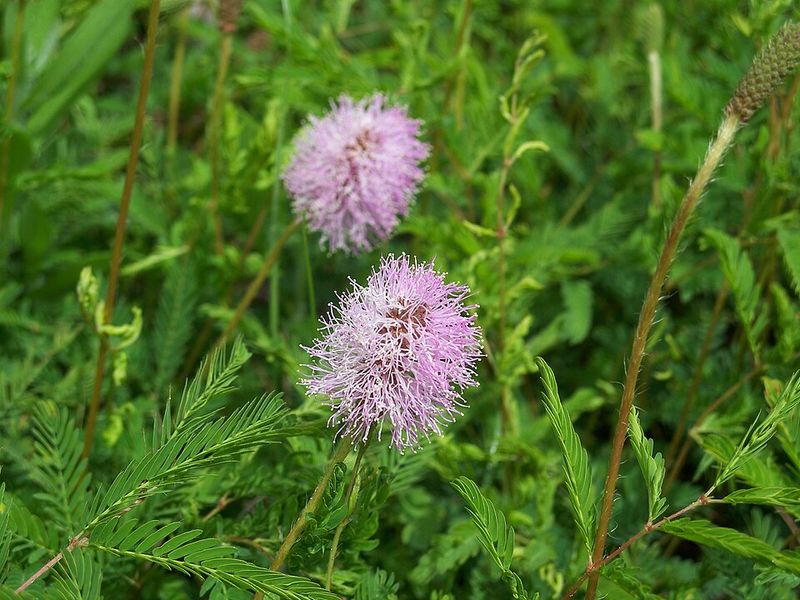
If your yard gets regular foot traffic, this low mat earns attention fast. Its ferny leaves stay tidy, and the pink puffball blooms make the space feel intentional instead of accidental.
You get a softer look than turf without signing up for constant mowing.
Most homeowners like it because it handles Florida heat, sandy soil, and short dry spells with surprising ease. It spreads by runners, so bare patches fill in steadily, especially in sunny spots with decent drainage.
A quick trim along edges keeps it looking neat near walks, driveways, and mailbox beds.
You will appreciate how friendly it is around stepping stones and informal play areas. It is not the best pick for nonstop rough sports, but everyday walking usually works once plants establish well.
During freezes, foliage may thin, yet roots rebound when warm weather returns.
Start with plugs spaced several inches apart, then water regularly for the first few weeks. After that, this native usually asks for less fertilizer and less mowing than St. Augustine.
It also plays nicely with pollinators, so your front yard can support bees while still reading as clean and cared for.
Frogfruit
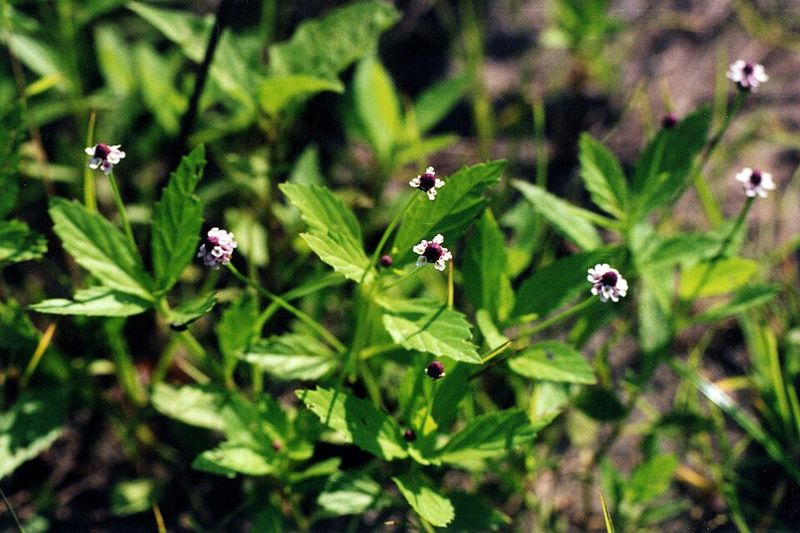
Plenty of Florida homeowners switch to this plant after getting tired of fighting thin grass in hard spots. It hugs the ground, spreads quickly, and sends up tiny flower clusters that butterflies seem to find immediately.
The overall look feels relaxed but not messy, especially in naturalistic landscapes.
You can use it where turf struggles, including along pathways, under open-canopy trees, or in mixed sun and light shade. It tolerates periodic mowing if you want a shorter appearance, though many people prefer letting it stay a little looser.
That flexibility makes it easier to fit into both casual backyards and cleaner front-yard designs.
One reason it wins people over is its resilience during Florida’s unpredictable rain cycles. It can handle temporary wet feet better than many lawn substitutes, yet it still performs through ordinary dry spells once rooted in.
Butterflies use it as a host and nectar plant, so your yard starts working harder ecologically without demanding more work from you.
Give it room to spread, keep weeds down early, and water consistently during establishment. After that, maintenance usually feels refreshingly light compared with turf.
If you want a living carpet that supports pollinators and covers ground fast, this one makes a convincing case.
Railroad Vine
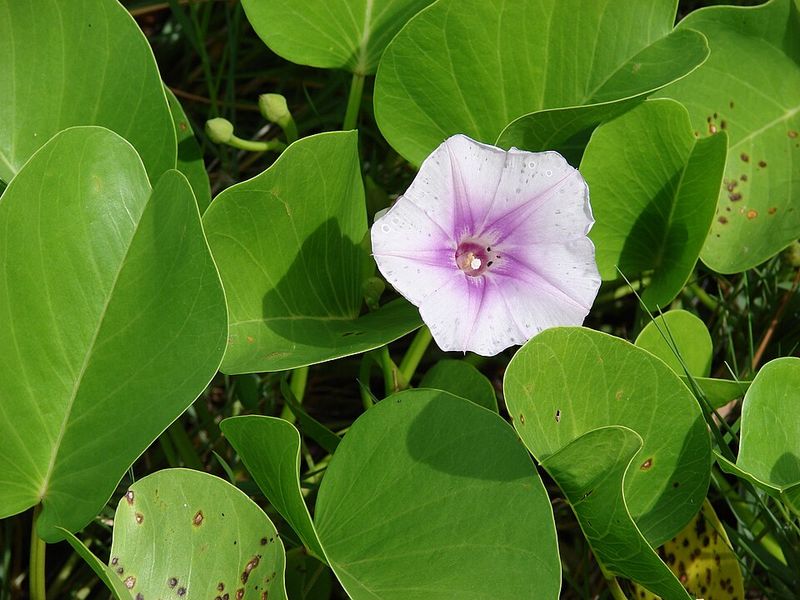
Sandy sites near the coast often expose the limits of ordinary grass, and that is where this trailing native stands out. Thick runners creep across the ground, helping stabilize loose soil while large leaves soften the view.
The purple flowers add a beachy character that never feels forced.
You will usually see it used in dune restoration, but homeowners can borrow that same toughness for difficult residential spaces. Full sun suits it best, and salt spray does not bother it much once established.
If your yard bakes all afternoon and drains almost too well, that is actually a point in its favor.
There is a practical tradeoff to know before planting. Runners can travel enthusiastically, so this is better for broad open areas than tiny formal beds.
Near coastal driveways, mailbox islands, and sandy side yards, though, the spreading habit can save you from constantly patching dead turf.
Plant cuttings or nursery starts with enough room to ramble, then water until roots take hold. You may trim wandering stems to protect paths, but it generally asks for very little else.
For homeowners who want a native cover that looks at home in Florida instead of imported from somewhere cooler, this one feels especially well matched.
Beach Sunflower
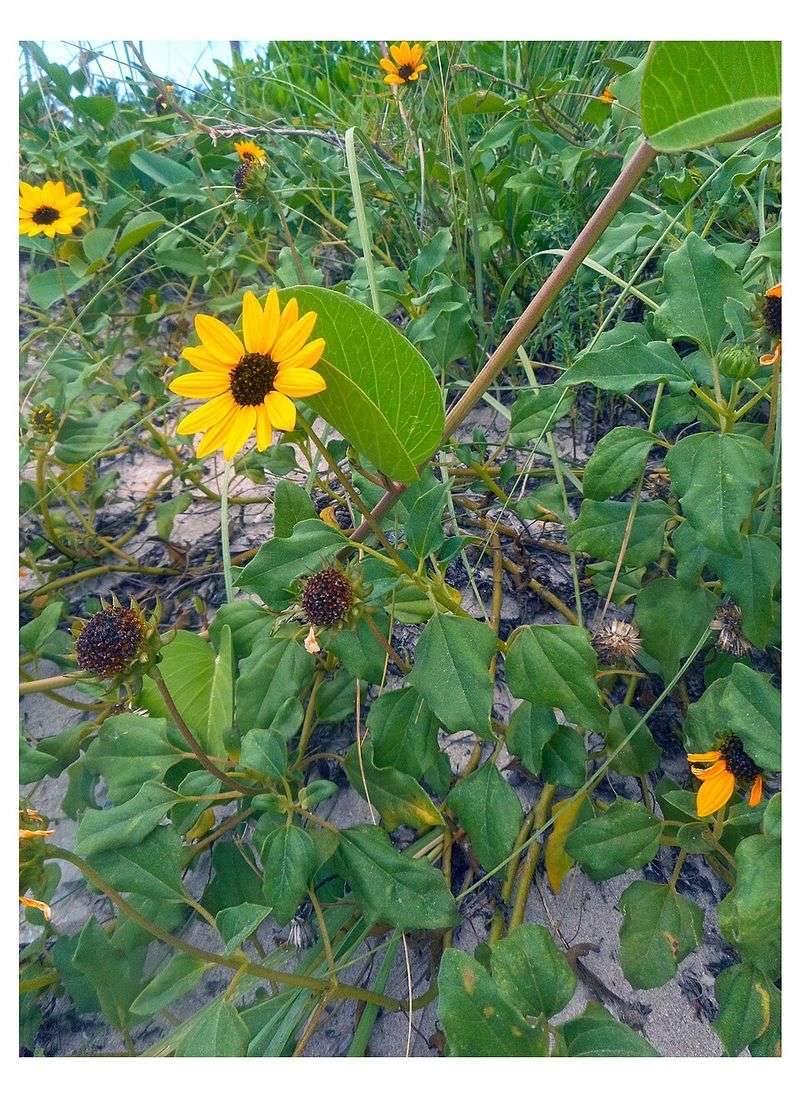
Bright color changes the whole mood of a yard, and this native delivers it for months. Cheerful yellow blooms sit above sprawling foliage, giving you something far more lively than a plain green lawn.
In a sunny Florida bed, it creates the kind of curb appeal that people actually notice from the street.
Heat, salt, and drought are not big obstacles here, which is why coastal homeowners rely on it so often. Inland gardeners can use it too, especially in lean soil where fussier plants complain.
It spreads outward rather than staying clipped and formal, so the look is best when you want softness instead of rigid lines.
Regular trimming helps keep growth dense and prevents a rangy shape near walkways. You will get the strongest flowering in full sun, and the plant rebounds well from light shaping.
Pollinators visit often, so even a small patch contributes more life than a rectangle of turf ever could.
Use it along driveways, around mailbox beds, or across a broad sunny slope where grass burns out. During establishment, provide steady water and pull weeds before stems knit together.
Once the planting fills in, many homeowners find they are spending less time mowing and more time actually enjoying the yard.
Coontie
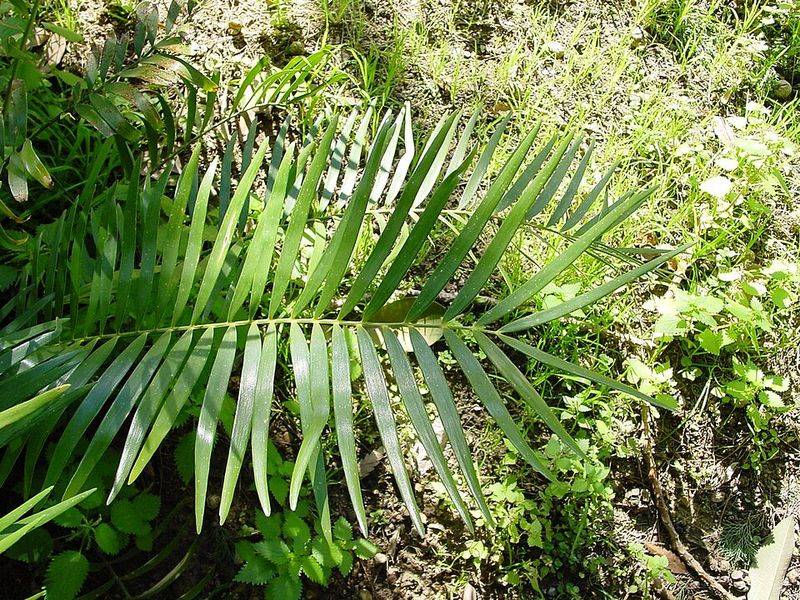
For a cleaner and more architectural look, this Florida native gives you structure that ordinary grass cannot match. Its stiff, glossy leaflets form tidy clumps that read as deliberate landscaping, not filler.
Mass plantings create a low, sculptural ground layer that stays attractive through the year.
You will often see it used under windows, beneath palms, or in foundation beds where mowing is awkward anyway. Sun to part shade works well, and established plants handle drought better than many homeowners expect.
Because growth is slower than sprawling covers, it is easier to manage in formal designs or small urban lots.
Another advantage is longevity. Once settled in, these plants can anchor a space for years with minimal pampering, and they rarely look ragged after heavy rain.
As a host plant for the atala butterfly, coontie also adds ecological value without turning the yard into a wild-looking experiment.
Use several plants together for the best visual impact rather than dotting single specimens around. Mulch lightly while they fill in, keep irrigation moderate, and avoid planting where water stands for long periods.
If your goal is a Florida-native alternative to grass that feels polished, durable, and easy to maintain, this one deserves a spot near the top of the list.
Twinflower
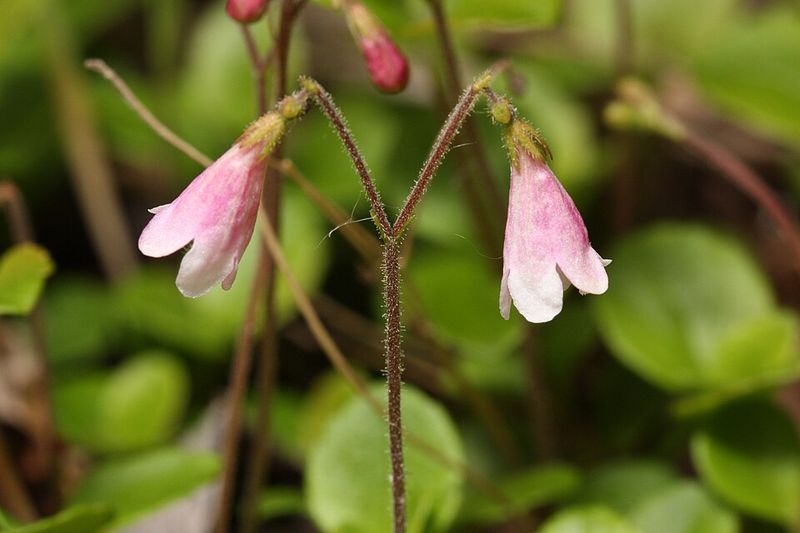
Some yards need a ground cover that feels softer and a little more understated, and this one fits that role beautifully. Low stems spread into a gentle carpet, while small lavender flowers add color without shouting for attention.
The effect works especially well in front beds where you want a finished look that still feels natural.
Homeowners like it because it handles Florida heat better than many tender flowering covers sold at big-box nurseries. Full sun to light shade is usually fine, and it stays lower than a lot of sprawling alternatives.
That makes it useful near stepping stones, patio edges, and small spaces where taller plants would look crowded.
You may not get the instant blanket effect of a fast runner, but patience pays off with a more controlled planting. Occasional trimming encourages fullness and keeps stems from getting sparse in the center.
Flowers appear most generously with adequate light, and pollinators appreciate the steady nectar source.
Prepare the area well before planting, because fewer weeds early on means faster, cleaner coverage later. Water regularly during establishment, then back off as roots strengthen.
If you want something flowering, native, and manageable enough for a front yard that still needs to look organized every day, this plant checks those boxes nicely.
Gopher Apple
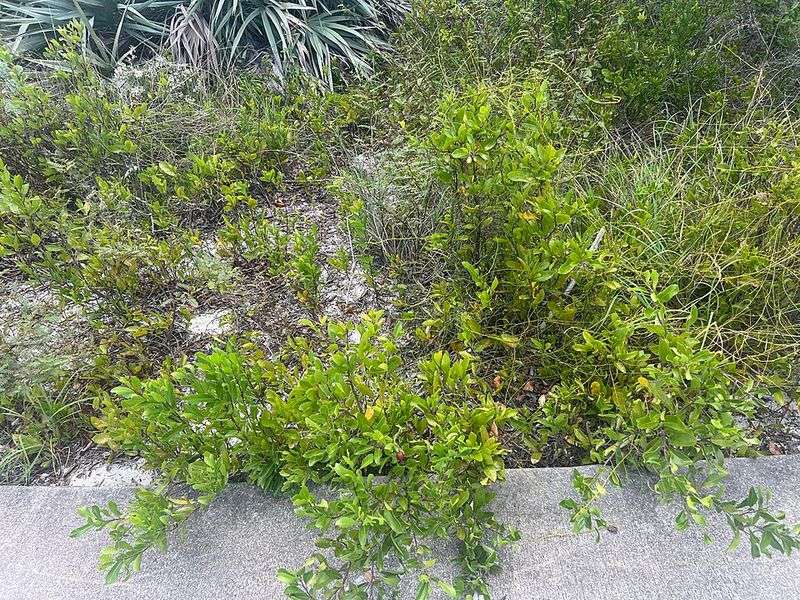
Dry sandy ground can be frustrating, but this native handles those lean conditions with far less drama than lawn grass. Rounded leaves creep along the surface and create a pleasant, understated texture that fits right into Florida’s natural palette.
In the right spot, it looks settled and effortless rather than overly managed.
Because it evolved in scrubby environments, it is a smart choice for sunny areas where irrigation is limited. Homeowners often use it in larger informal zones, around native plant beds, or on difficult edges where turf turns patchy.
Small flowers and fruit are not flashy, yet they add ecological value and a sense that the landscape belongs here.
This is not the plant for a manicured suburban carpet, and that honesty matters. The appearance leans natural, so it works best when paired with sand-friendly companions, boulders, or pine straw mulch.
If your goal is to stop fighting the site and start planting for it, that shift in mindset makes a big difference.
Give it sun, sharp drainage, and room to wander without constant interference. Avoid overwatering, especially once established, because dry conditions are part of its comfort zone.
For homeowners in sandy inland Florida, this can be one of the easiest ways to replace struggling grass with something that actually wants to live there.
Golden Creeper
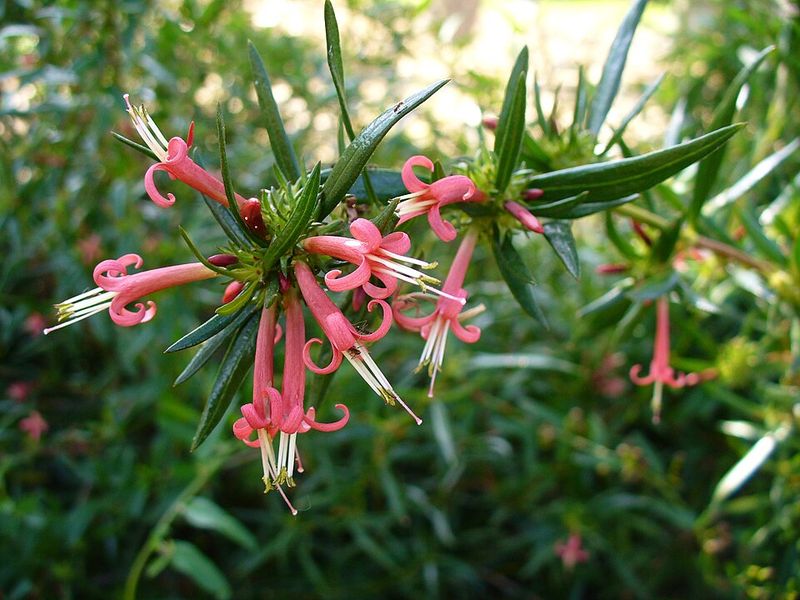
Coastal homeowners often need a plant that can look refined without needing pampering, and this native fits that challenge well. Glossy foliage forms a dense, low cover, while white flowers and orange berries bring extra seasonal interest.
It feels polished enough for front-yard use but tough enough for difficult Florida conditions.
Salt tolerance is one of its biggest strengths, which makes it especially useful near the shore. Sunny locations help it stay compact, though it can handle light shade in many yards.
Compared with fragile bedding plants, it asks for much less watering and far fewer replacements after rough weather.
Because growth stays fairly orderly, you can use it in places where sprawling vines would become a headache. It works nicely along walkways, around patios, or in broad beds where you want a low evergreen layer.
Birds may visit for the berries, adding a little extra life to spaces that used to be just empty turf.
Start with healthy nursery plants and give them enough spacing to connect over time. Light pruning can shape edges, but heavy maintenance is rarely part of the routine.
If you want a native alternative to grass that handles coastal stress while still looking intentionally landscaped, this one is an easy recommendation for Florida homes.
Partridgeberry
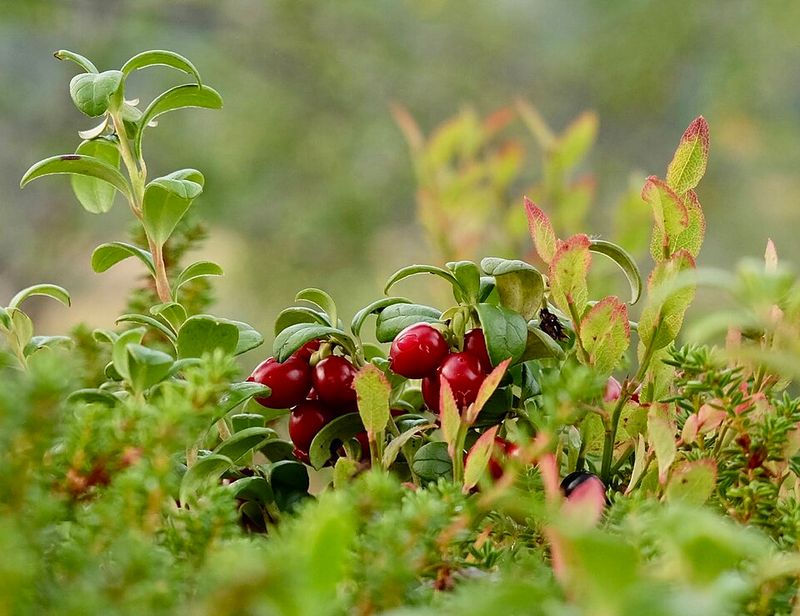
Shade can make lawn care feel like a losing battle, especially under mature trees where roots steal moisture and light stays patchy. This creeping native offers a better answer for those quieter corners.
Small evergreen leaves form a fine-textured carpet, and bright red berries provide charming color when much else looks dull.
North and Central Florida gardeners tend to get the best results, particularly in woodland-style landscapes. Rich, well-drained soil with organic matter helps it establish, and dappled shade keeps foliage looking fresh.
The overall effect is subtler than grass, but that is part of the appeal when you want a calm, natural ground layer.
It is not meant for heavy foot traffic, so think of it more as a visual cover than a walkable surface. Around tree bases, along shaded paths, or in protected courtyard beds, it can be beautiful.
The berries and tiny flowers give you seasonal interest without turning maintenance into a full-time hobby.
Preparation matters here more than brute force. Clear weeds thoroughly, improve the soil, and keep watering consistent until the planting connects.
If your shaded lawn always looks thin no matter how much you fertilize, replacing part of it with this native may finally give that difficult area a look that feels finished.
Fakahatchee Grass
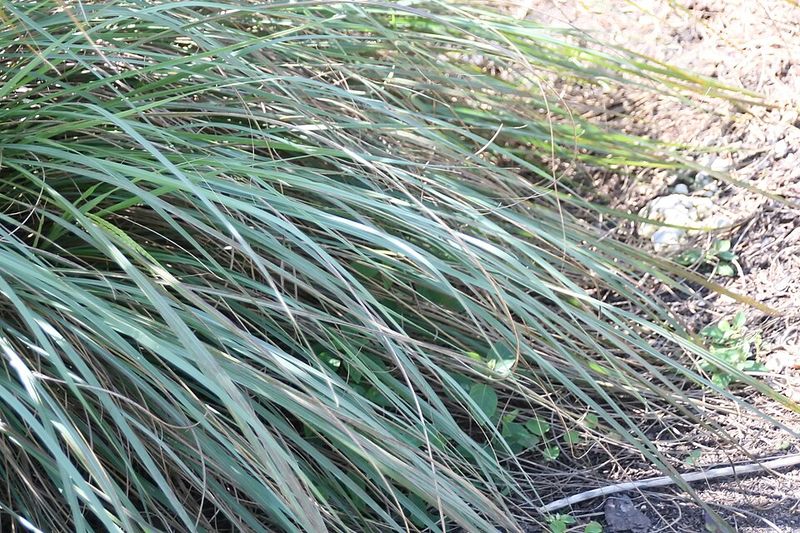
Not every lawn replacement needs to creep flat to the soil to be useful, and this native proves that quickly. Arching blades create a soft, flowing mass that covers ground visually while bringing movement turf can never offer.
In larger drifts, it turns ordinary planting areas into something more layered and distinctly Floridian.
Homeowners favor it in rain gardens, pond edges, and broad beds where mowing grass is awkward or unnecessary. It handles wet conditions better than many alternatives, yet it also tolerates normal garden soils once established.
Sun or part shade both work, giving you more flexibility than a typical lawn species.
The look is looser than turf, so placement matters. Near a naturalistic entry, under trees, or along property edges, it feels right at home.
Birds use the foliage for cover, and the plant generally rebounds well after a seasonal cutback if clumps start looking tired.
Use mass plantings instead of isolated specimens if your goal is strong ground coverage. Give young plants regular water, then reduce irrigation as roots deepen and clumps expand.
For Florida homeowners who are ready to trade a high-input lawn for a native planting with texture, wildlife value, and year-round presence, this is one of the most reliable places to start.