
Florida Gardeners Are Covering Fences With Coral Honeysuckle For Good Reason
Follow us on Google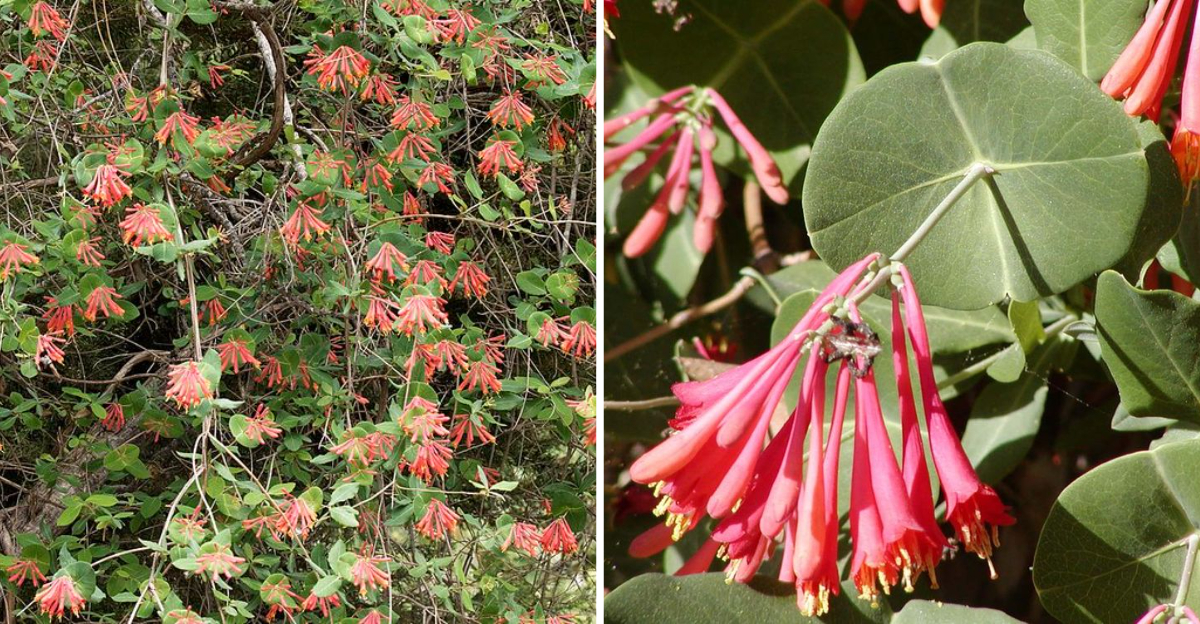
A plain fence can make even a beautiful yard feel unfinished, especially in a Florida landscape that begs for color and movement. That is why so many gardeners are reaching for coral honeysuckle, a native vine that does far more than hide boards and wire.
It flowers generously, handles Florida conditions with surprising ease, and brings hummingbirds close enough to enjoy from the porch. Once you see how much beauty and function it adds, a bare fence starts to feel like a missed opportunity.
A native vine that actually belongs here
Plenty of pretty vines look tempting at the garden center, but coral honeysuckle earns its place because it fits Florida instead of fighting it. As a native plant, it is already adapted to local weather patterns, soils, and wildlife, so you are not forcing a fussy climber into conditions it hates.
That usually means fewer problems and a healthier fence line with less babysitting.
Another reason gardeners keep choosing it is balance. You get vivid clusters of coral, red, and orange flowers without the aggressive behavior that makes some vines a long term headache.
I like that you can create a full, softened screen while still feeling confident the plant will not swallow nearby shrubs, pull down structures, or creep where it is not wanted.
There is also something satisfying about planting a vine that supports the place you live. Pollinators recognize it, birds use it, and the whole garden feels more connected to Florida rather than styled after somewhere else.
If your goal is a fence that looks generous, alive, and easy to live with, starting with a native climber is one of the smartest decisions you can make.
Hummingbirds cannot resist the blooms
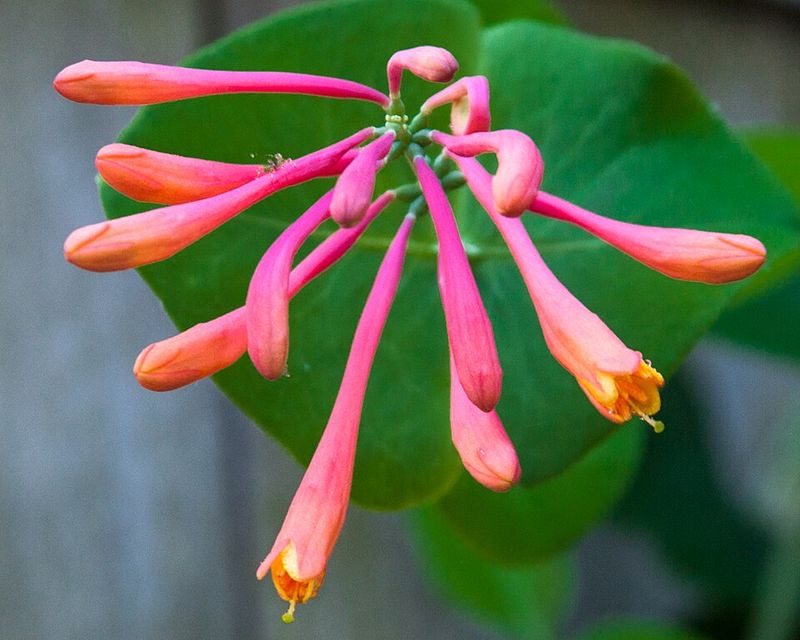
The flowers are the part that usually stops people in their tracks, and hummingbirds seem to agree. Coral honeysuckle produces long, tubular blooms that are practically made for their slender beaks, so a quiet fence can suddenly become the busiest part of the yard.
If you have ever wanted more wildlife without adding complicated feeders everywhere, this plant does a lot of the work for you.
What makes the show even better is the timing. In many Florida gardens, blooms appear over a long season, giving birds a dependable nectar source instead of a one week burst.
I have noticed that a fence covered in flowers feels more dynamic because there is always movement, a flash of color, or that quick hovering pause that makes you look twice.
Butterflies also pay attention, which adds another layer of life around patios, side yards, and property lines. A fence can be just a divider, or it can become part of the garden experience, and coral honeysuckle pushes it firmly into the second category.
For gardeners who want beauty with a purpose, attracting pollinators is one of the strongest reasons to plant it.
It handles Florida heat and humidity beautifully
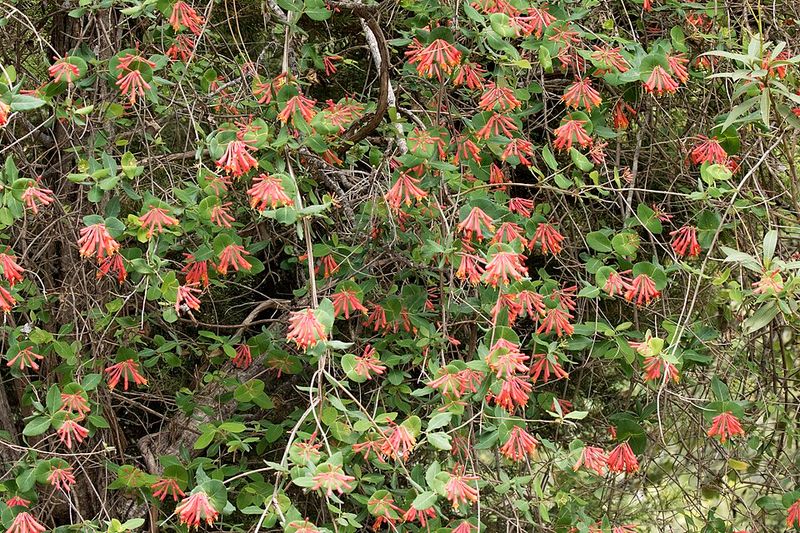
Florida weather can be wonderful for gardening right up until the heat, humidity, and heavy rain expose every weak plant choice you made in spring. Coral honeysuckle tends to hold up well under those conditions, which is a huge reason it keeps appearing on fences across the state.
Instead of sulking through summer, it usually keeps a fresh, capable look that helps the whole yard feel more put together.
This matters more than many people expect. A vine that wilts, scorches, or drops into decline by midsummer leaves your fence looking tired just when outdoor spaces get the most attention.
I would rather plant something that works with Florida’s climate than spend months correcting stress with extra watering, emergency pruning, and disappointed staring from the patio.
Once established, coral honeysuckle is generally far more forgiving than many tropical looking alternatives. It can handle sunny exposures, warm nights, and the sticky air that pushes delicate ornamentals over the edge.
If your fence gets blasted with afternoon sun and reflected heat, this vine offers the kind of resilience that saves time, preserves curb appeal, and keeps your planting plan from unraveling halfway through the season.
A bare fence becomes a soft, colorful backdrop fast
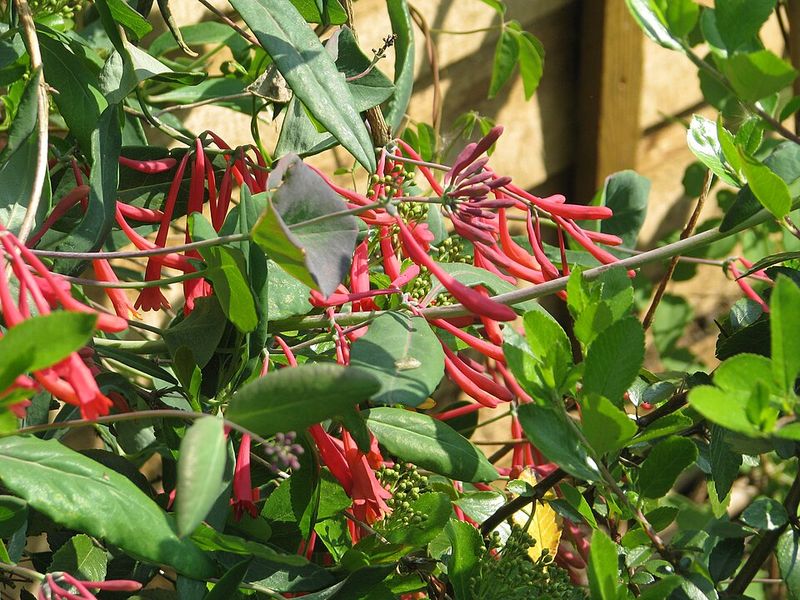
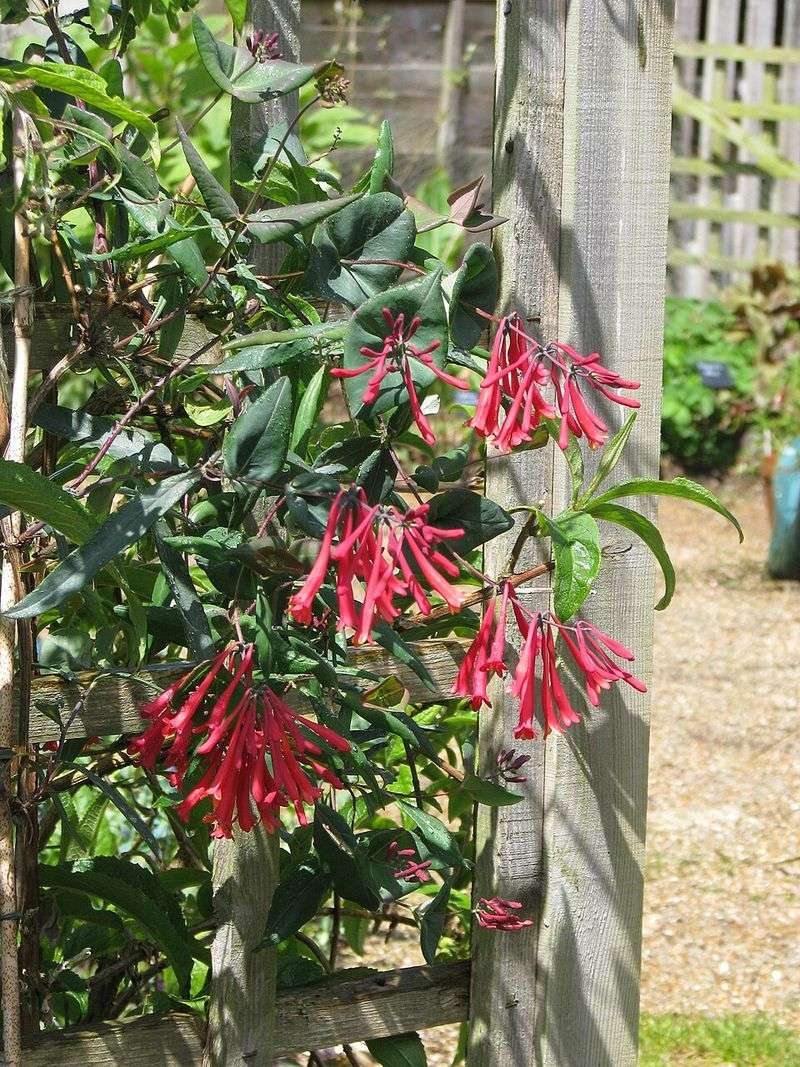
Fences do their job, but they are rarely the most attractive feature in a yard. Coral honeysuckle changes that quickly by climbing, weaving, and filling empty vertical space with foliage and flowers that soften hard lines.
What was once a flat boundary starts reading as part of the garden, which makes the entire space feel more intentional.
That visual payoff is a big deal in smaller Florida lots where every surface shows. A chain link fence looks less harsh, a wooden panel fence feels warmer, and even an ordinary side boundary gains depth when flowering stems move across it.
I think that is why so many homeowners become attached to the look so fast – the plant gives privacy structures a more relaxed, welcoming character without major construction.
The vine is especially useful when you need coverage above ground level. Shrubs can hide the base of a fence, but they do not always solve the plain expanse above eye height, especially in narrow side yards.
Coral honeysuckle draws the eye upward, adds repeated color, and creates a layered backdrop for nearby beds, containers, or seating areas. If you want a fence to feel less like a wall and more like living scenery, it does that brilliantly.
Maintenance stays refreshingly manageable
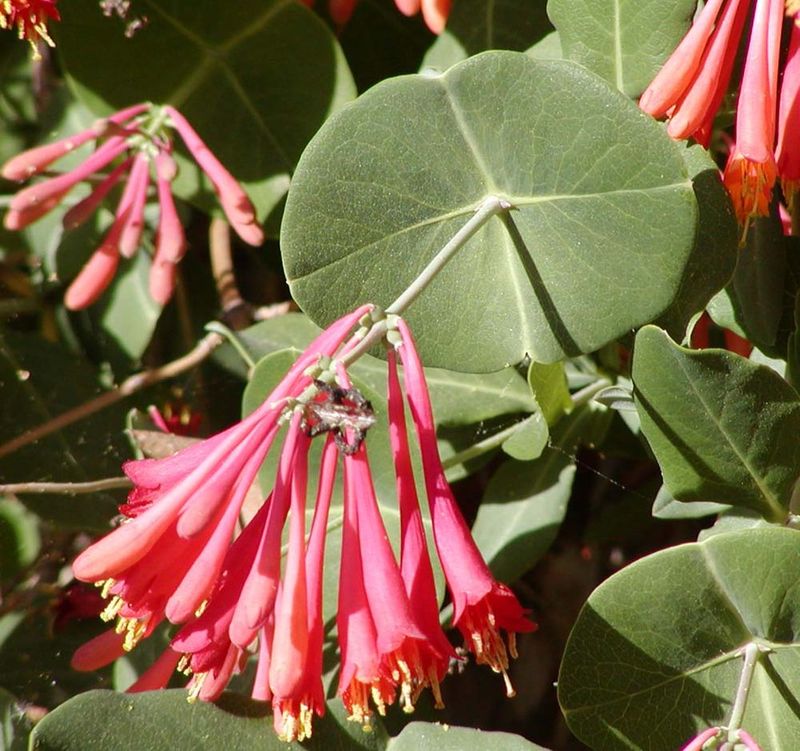
Some flowering vines come with a hidden cost: constant cutting, tying, untangling, and regret. Coral honeysuckle is popular partly because it gives a generous look without demanding endless maintenance, especially once it settles in and finds its rhythm.
You may guide new growth or trim it after a flush of bloom, but the job usually feels manageable instead of never ending.
That makes a real difference for busy gardeners who want good results without turning one fence into a weekend project all year. A little structure at planting time, a support system it can grab, and occasional pruning are often enough to keep it looking neat.
I appreciate plants that reward regular attention but do not punish you for missing a week during a rainy stretch or a hot month.
Its relative restraint is another plus. Because it is less likely to become a runaway nuisance than many commonly sold vines, you can place it near gates, seating areas, or mixed borders with more confidence.
The overall effect is polished, but the workload stays reasonable, which is exactly what many Florida landscapes need. When a plant looks generous while staying cooperative, it tends to keep its spot in the garden for years.
The fence keeps looking good through more of the year
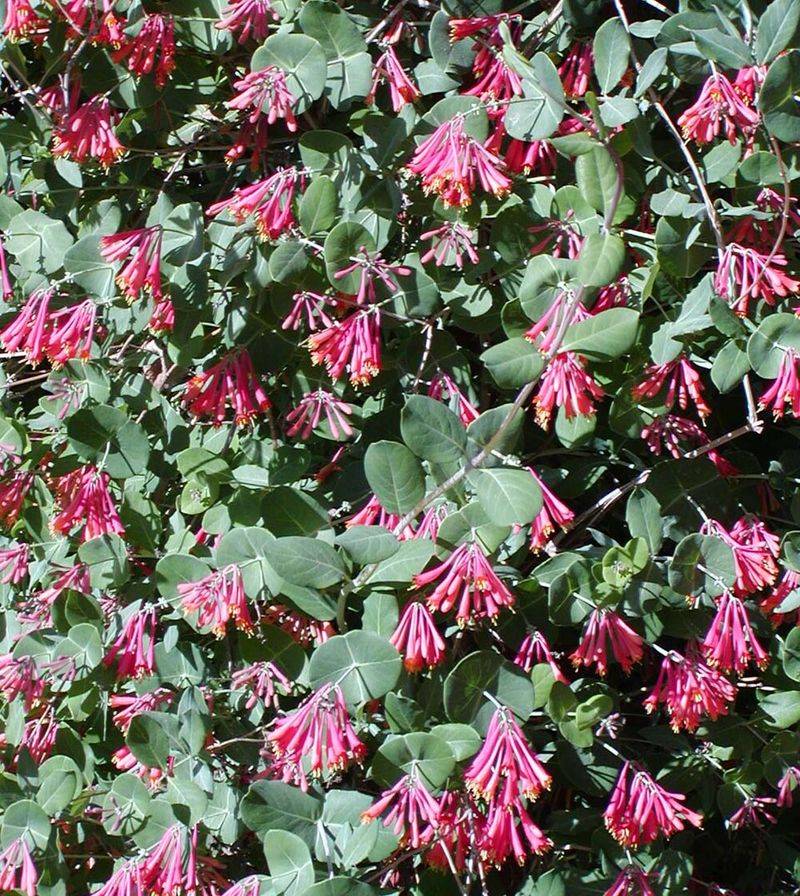
A lot of fence coverings give you one strong season and then fade into the background. Coral honeysuckle earns loyalty because it offers several kinds of interest across the year, from colorful blooms to attractive foliage and even berries that birds notice.
That layered performance helps a fence feel alive longer instead of peaking briefly and then becoming forgettable.
In a climate like Florida’s, extended visual interest matters. Outdoor spaces are used often, and a border you see from the kitchen window, patio, or driveway should contribute more than a short spring burst.
I like that coral honeysuckle can hold its presence through changing conditions, giving the garden continuity and keeping that vertical planting from looking empty or seasonal in a disappointing way.
This also helps when you are trying to make the whole yard feel cohesive. Repeated color on a fence can echo nearby flowering perennials, while the greenery softens transitions between shrubs, trees, and hardscape.
Even when bloom count dips, the vine still supports the composition rather than leaving a visual gap. For homeowners who want their fence line to offer beauty beyond a single moment, that steady, multi season contribution is a very convincing reason to plant it.