
8 Native Florida Shrubs That Make More Sense Than Azaleas In Sunny Yards
Follow us on Google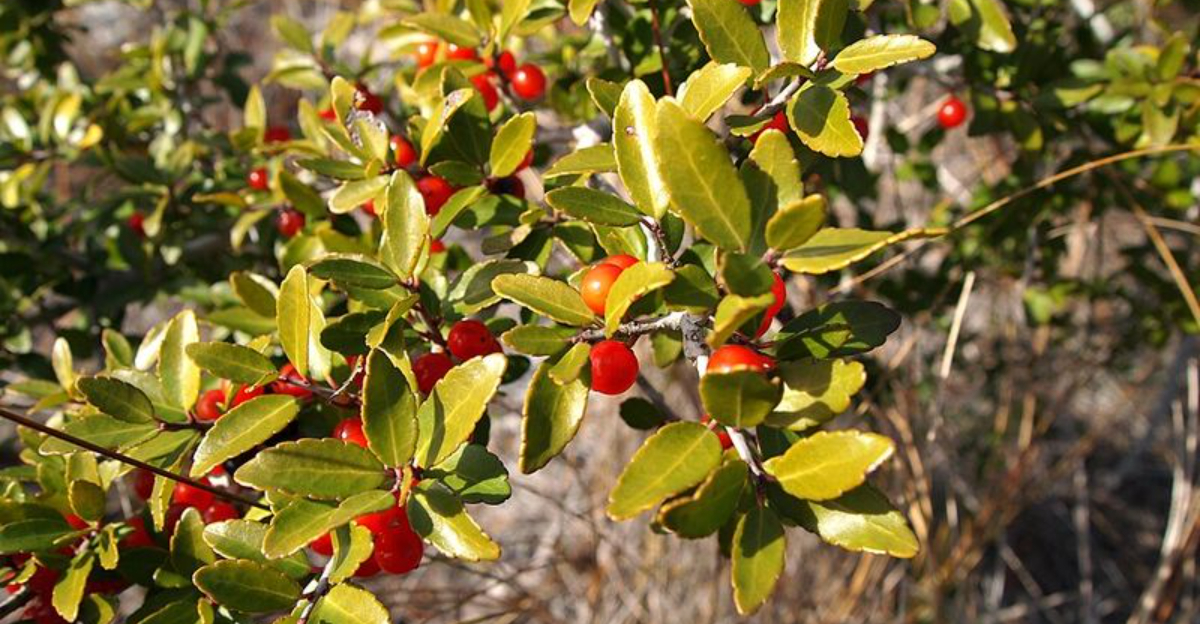
Azaleas can look great for a moment, but sunny Florida yards often expose their limits fast. If your landscape gets intense light, sandy soil, salt, or long dry stretches, native shrubs usually make the smarter long-term choice.
These picks bring color, structure, wildlife value, and a lot less drama. Here are eight Florida natives that fit bright yards far better than a shrub that keeps begging for gentler conditions.
Firebush
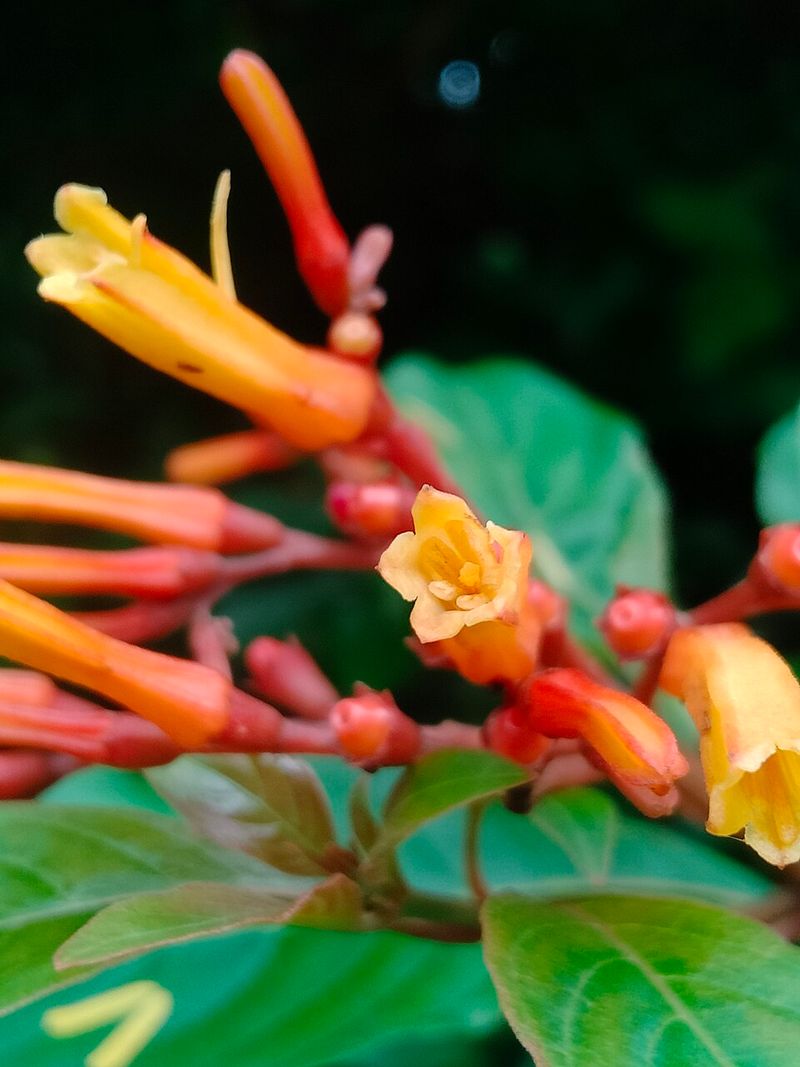
Sunny Florida spots can be brutal, and this native shrub treats that challenge like normal weather rather than a yearly insult. Firebush blooms through heat, humidity, and sandy soil, sending out orange-red tubes that pull hummingbirds to the yard almost immediately.
If you want color without afternoon wilt, this is one of the easiest upgrades for homeowners tired of replacing stressed plants every summer.
A natural shape looks better than a sheared box, so I would skip tight clipping and prune lightly near late winter. More trimming usually means fewer flowers, which defeats the whole point in a sunny front bed or mailbox planting.
Once roots settle, occasional deep watering is usually plenty during dry stretches, even in exposed beds near pavement.
North Florida freezes may knock stems back, but the plant often returns from the base when spring warmth arrives. Further south, it can stay evergreen and become a big flowering anchor beside fences, patios, or pool screens.
Pair it with muhly grass or blue porterweed, and your yard starts looking like it actually belongs in Florida.
Simpson’s Stopper
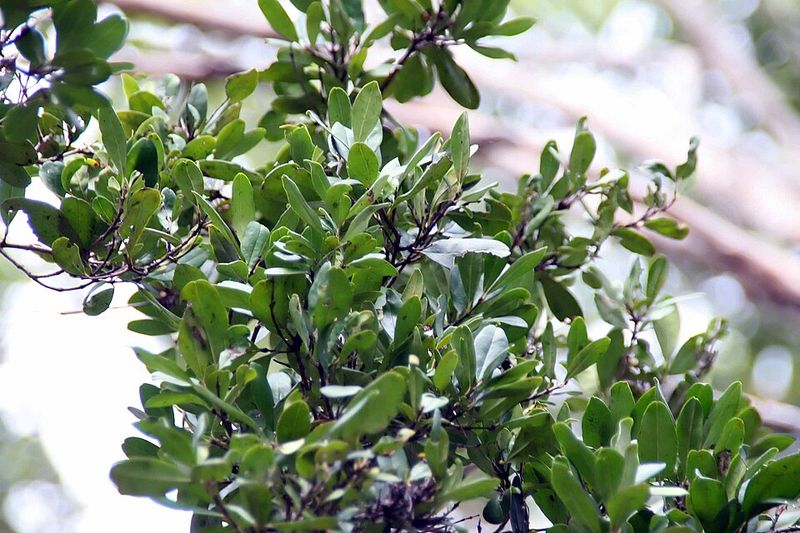
Bright yards need structure as much as flowers, and this native shrub delivers both with glossy leaves and a naturally tidy habit. New growth often flushes coppery, bark peels attractively with age, and small white blooms bring pollinators before red-orange fruit follows.
That combination gives you a plant that looks cared for even when you are not constantly fussing over it.
It handles full sun very well once established, especially with decent drainage, and it can be clipped into a hedge or left loose. For a front walk or property line, that flexibility matters because you can shape privacy without creating a stiff green wall.
Water regularly at first, mulch lightly, and then let the root system do most of the work.
Birds appreciate the fruit, and the dense branching gives smaller wildlife a place to duck during summer storms. Compared with sun-stressed azaleas, this choice feels more grounded in how Florida actually behaves across long, hot months.
If you want a polished look without a fragile routine, Simpson’s stopper earns its space very quickly.
American Beautyberry
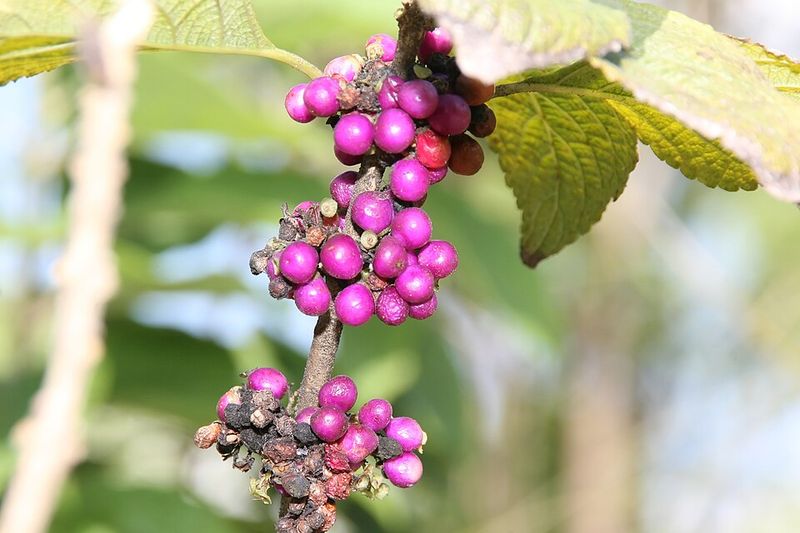
Some shrubs earn their keep with flowers, but this one wins people over later, when purple berries wrap the stems like beads. American beautyberry is native, adaptable, and far more interesting than another struggling evergreen trying to survive reflected heat.
In full sun, berry production is usually heavier, especially if the plant gets enough water while establishing during its first year in sandy ground.
You will get small pink flowers first, though the real show arrives in fall when clusters glow against green leaves. That makes it great near a window, walkway, or driveway edge where you actually notice seasonal changes instead of generic green.
It responds well to renewal pruning in late winter, and fresh growth quickly fills in once warm weather returns after even a hard cutback.
Birds use the fruit, and the open shape pairs nicely with grasses, blanketflower, or lower natives that need sunlight. If azaleas feel too thirsty and too touchy for your brightest spots, this is a more forgiving answer for homeowners who do not want a rescue mission every July.
Give it room, skip constant shaping, and it rewards you with character that reads unmistakably Floridian at home.
Cocoplum
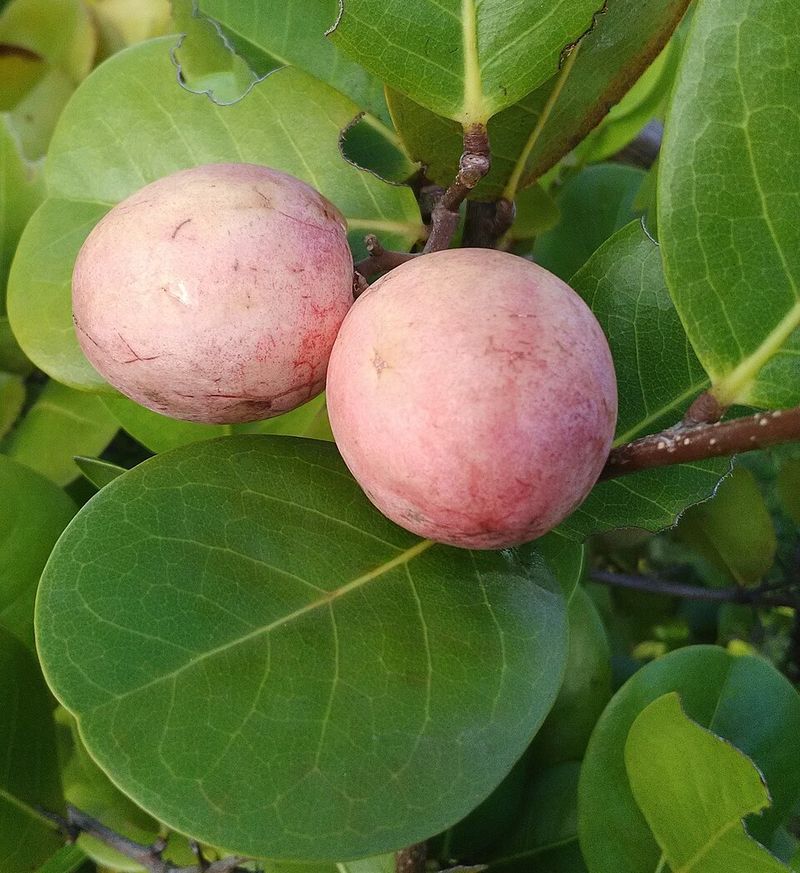
For a sunny yard that needs privacy, this Florida native does the practical job without looking harsh or overly formal through long summers. Cocoplum takes salt, wind, heat, and pruning far better than azaleas, which makes it especially useful in coastal or exposed neighborhoods.
The rounded leaves stay attractive year round, and many selections produce small edible fruit on female plants that birds also appreciate.
You can shear it into a hedge, but it looks better with softer trimming that follows its natural outline. That approach keeps the screen dense while avoiding the pinched, overworked look that often makes foundation plantings feel dated around entryways.
Give it regular water during the first season at planting time, then taper off as roots spread, especially if your soil drains quickly.
In warmer parts of the state, it can become a reliable evergreen wall with very little drama for patios, pools, and side yards. Pair it with lower flowering natives in front, and you get structure plus habitat without sacrificing curb appeal from the street.
If you are tired of replacing sunburned shrubs, this one earns its keep by simply matching Florida conditions better than the usual imports.
Yaupon Holly
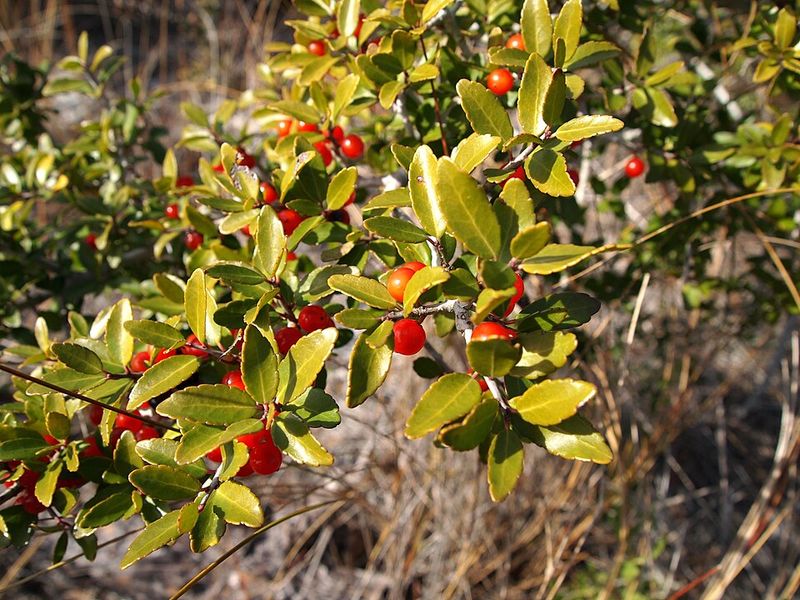
A lot of sunny yards need an evergreen backbone, and this native holly fills that role without demanding perfect soil or constant water. Yaupon holly grows in full sun, handles pruning well, and comes in forms ranging from upright screens to compact mounded shrubs.
That flexibility is gold when you want one plant family to solve several design problems across the same property without overcomplicating maintenance.
Female plants produce bright red berries through winter that birds love, while the small leaves keep the texture neat and refined. You can clip it for a formal look, but I prefer selective thinning so sunlight reaches the interior and encourages better branching.
That simple habit reduces bare patches after stormy summers and keeps the shrub from turning into a dense shell of leaves.
It also tolerates drought once established during dry spells, which matters if your sprinkler coverage is inconsistent or local watering rules tighten. Use dwarf selections near foundations or taller types as screening, and the yard feels intentional without feeling fragile from the street.
Compared with azaleas in harsh sun, yaupon gives you far more reliability and a cleaner year-round presence for most homeowners.
Walter’s Viburnum
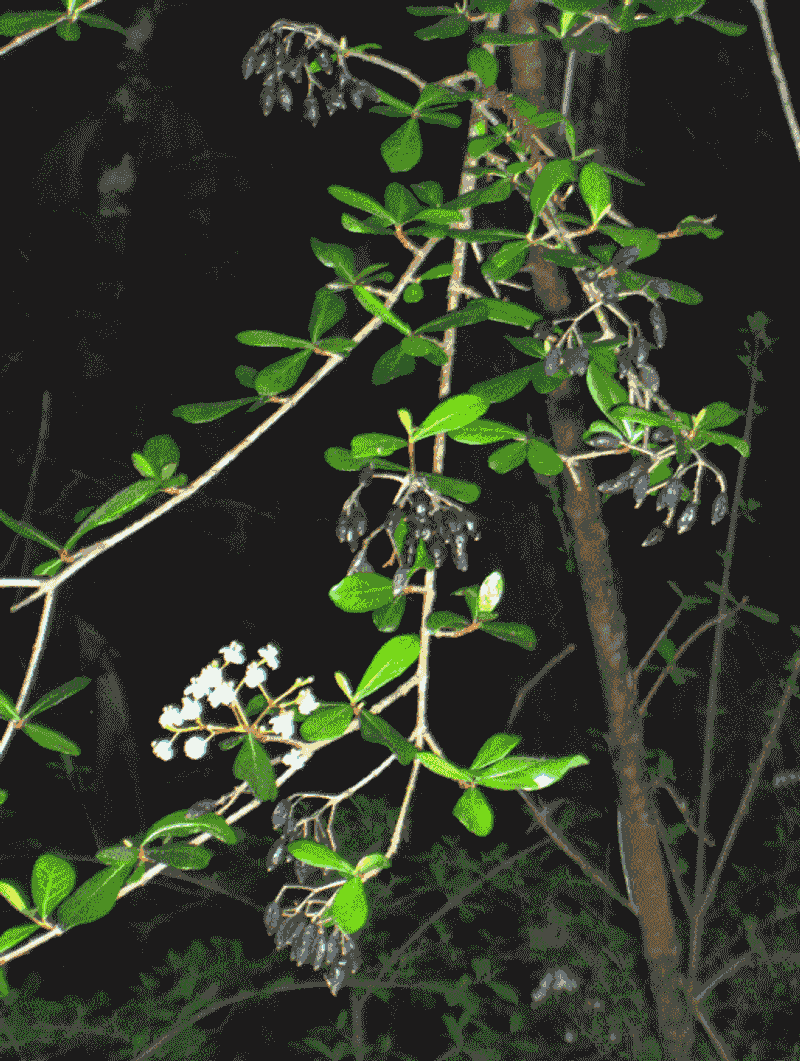
If you want a native shrub that reads classic instead of wild, this one hits a sweet spot for sunny yards. Walter’s viburnum carries small leaves, dense branching, and creamy blooms, so it can pass for a polished hedge without the drama.
It grows in sun or light shade, but strong light usually keeps the form tighter and sturdier through the season.
That makes it useful near driveways, along property lines, or anywhere you need a dependable green framework throughout the year. Pruning is optional unless you want a formal edge, and even then it responds well without looking butchered afterward after a trim.
Clusters of berries can follow flowering in cooler months, which gives birds another reason to visit and helps the planting feel alive.
Once established, it is fairly drought tolerant during long dry springs, especially with mulch over the root zone and less competition from turf. Use it alone for a clean screen or mix it with flowering natives so the bed does not feel flat from one season to the next.
For homeowners tired of crispy azalea leaves in summer, this choice feels sensible in the best way for Florida landscapes.
Saw Palmetto
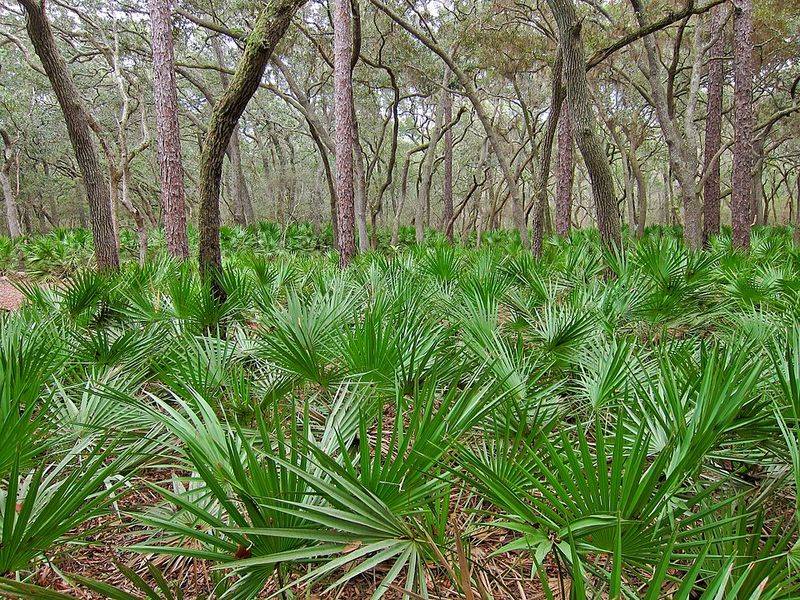
This one is not neat in a suburban-boxwood way, and that is exactly why it works in blazing Florida sun all summer long. Saw palmetto brings bold fan-shaped foliage, serious drought tolerance, and a strong native identity that no azalea can fake for you.
It is best where you want texture, habitat value, and a plant that can handle neglect with dignity year after year.
Because it spreads slowly and forms a broad clump, placement matters more than pruning, so give it room from the start. Near a driveway island, large corner bed, or dry coastal site, that natural width becomes a strength instead of a problem.
Pollinators use the flowers, birds and mammals use the fruit, and the low profile stands up to wind extremely well during storms.
You will not get a tidy clipped hedge, but you will get year-round structure that looks right in the heat with almost no pampering. Pair it with blanketflower, coontie, or muhly grass, and the whole space feels more regional and resilient from the street.
For sunny yards where azaleas seem out of place, this choice makes the mismatch obvious in a good way for Florida.
Marlberry
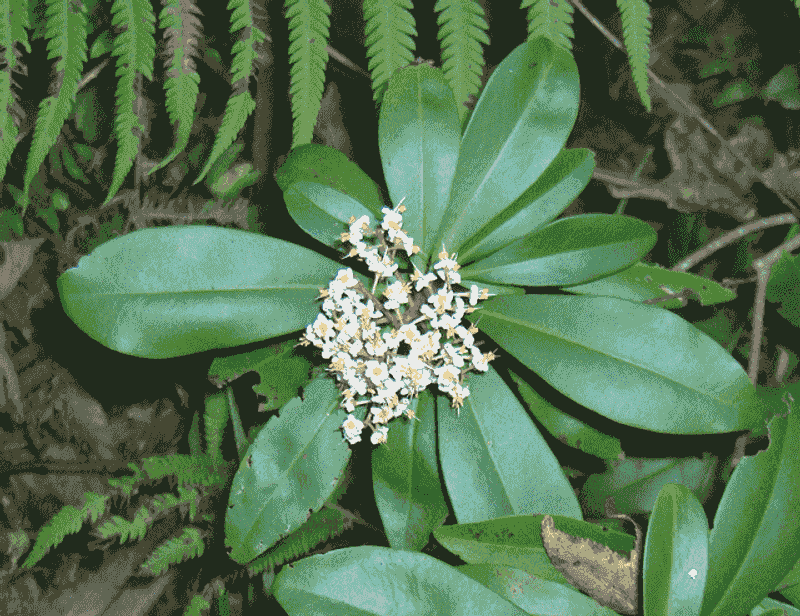
Some of the best Florida shrubs are not famous, and this native is a great example of useful, understated performance in sunny neighborhoods. Marlberry handles sun, wind, salt, and poor soil across much of the state, which is a strong resume for tough yards near roads or coasts.
Its evergreen leaves stay handsome through heat, and small flowers give way to berries on female plants in season that wildlife appreciates.
The overall look is clean but not stiff, so it fits modern landscapes, cottage gardens, and casual native plantings without trying too hard. That versatility matters when you are trying to simplify a yard for every season instead of managing separate high-maintenance zones around the property.
Once established after that first year, it is quite drought tolerant, and pruning is mostly about shaping rather than problem solving or repeated watering.
Use it as a screen, a background shrub, or a buffer along a hot fence where weaker plants struggle day after day. If azaleas keep scorching in your brightest spots, marlberry feels like the really calmer, smarter move for homeowners who value reliability.
It gives you year-round presence while asking for a lot less rescue work in summer than most imported staples.