
7 Florida Native Plants That Look Better Than Liriope Borders And Need Less Water
Follow us on Google
If your liriope border looks tired, thirsty, or a little too predictable, Florida natives can do the job with far more personality. The right plants give you color, movement, wildlife value, and a cleaner fit for the state’s heat and sandy soils.
Even better, many need less irrigation once established. These seven picks can make a front walk, driveway edge, or garden bed look sharper without adding extra maintenance.
Muhly Grass
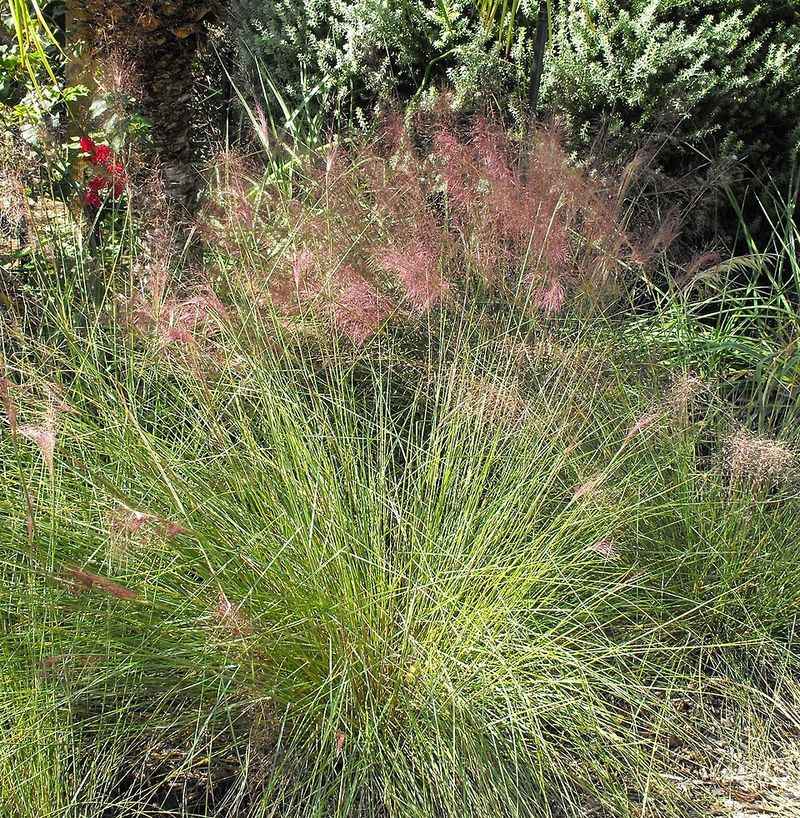
Nothing makes a border feel more current than a soft drift of native grass that catches the light and moves with every breeze. Muhly grass gives you that effect without demanding the frequent watering that liriope often gets in dry Florida stretches.
Once established, it handles heat, sandy soil, and seasonal drought with far less fuss than many edging staples.
For the cleanest look, space plants in repeating groups rather than a tight hedge. The rounded green clumps stay attractive most of the year, then throw up pink flower haze in fall that turns a plain bed line into something people actually notice from the street.
I especially like it along driveways and mailboxes where texture matters more than constant bloom.
Give it full sun and decent drainage, and resist the urge to overfeed it. Rich soil can make growth floppy, which works against the tidy border effect most homeowners want.
A late winter cutback is usually all it needs to come back fresh.
If your goal is less irrigation and a more Florida-appropriate style, this one earns its space quickly. It feels airy instead of heavy, polished instead of rigid, and far more memorable than the usual strip of liriope.
Coontie
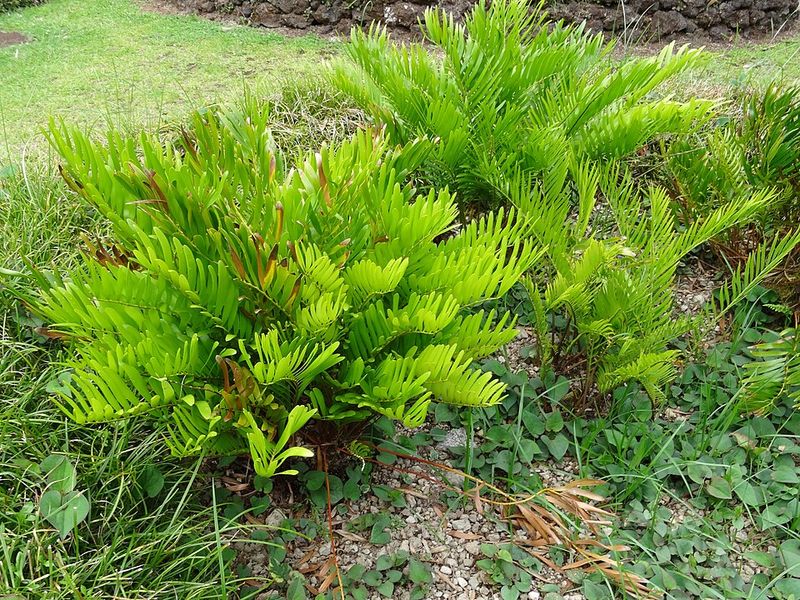
A border does not have to be grassy to look orderly. Coontie brings a dense, sculptural form that reads polished from a distance, yet it is one of the easiest Florida natives to live with in a hot yard.
Its fernlike leaflets give you a richer texture than liriope, and established plants usually get by on rainfall in many landscapes.
This plant works especially well where you want a low foundation edge with a more intentional look. The mounded habit stays compact, and the deep green color holds up through heat better than many thirsty ornamentals.
Along a front path, it creates a calm, repeating rhythm without looking stiff or overdesigned.
Morning sun or bright partial shade is ideal, though coontie can handle a surprising range of conditions if drainage is good. Avoid planting it where sprinklers soak the bed daily, because it really prefers not to sit wet.
A light cleanup of older fronds now and then is usually enough.
There is also a practical bonus if you care about wildlife. Coontie supports the rare atala butterfly, so your tidy border can quietly do ecological work too.
That combination of structure, durability, and lower water use is hard to beat.
Dwarf Fakahatchee Grass
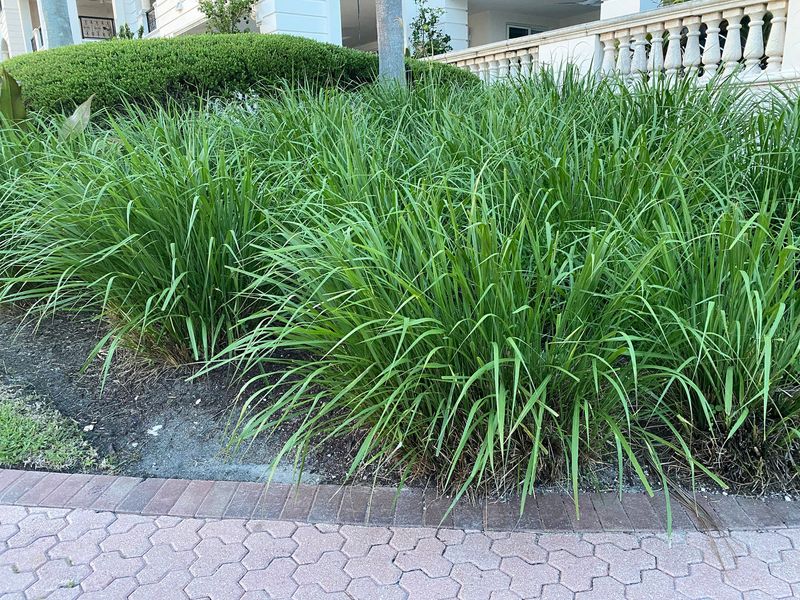
If you like the grassy look of liriope but want something more natural and better suited to Florida, dwarf fakahatchee grass is an easy upgrade. The arching foliage feels softer and more graceful, and the plant settles into the landscape without constant attention.
It is native, adaptable, and noticeably less needy once roots are established.
Used as a border, it creates a relaxed edge that still looks deliberate. The clumps are fuller and more fluid than liriope, which helps break up the hard lines of sidewalks, patios, and mulch beds.
In a mixed planting, it also plays well with flowering natives because the texture acts like a visual buffer.
Part sun to full sun works best, and occasional shade is usually fine in many Florida yards. It appreciates regular water at planting time, then becomes much easier to manage through dry periods than a lot of common edging choices.
Cut it back lightly in late winter if you want a cleaner spring refresh.
I recommend it for homeowners who want that familiar strappy-leaf look without the repetitive, commercial feel liriope can bring. The effect is softer, more regional, and better matched to Florida’s climate, especially in gardens aiming for lower irrigation and fewer corrections.
Frogfruit
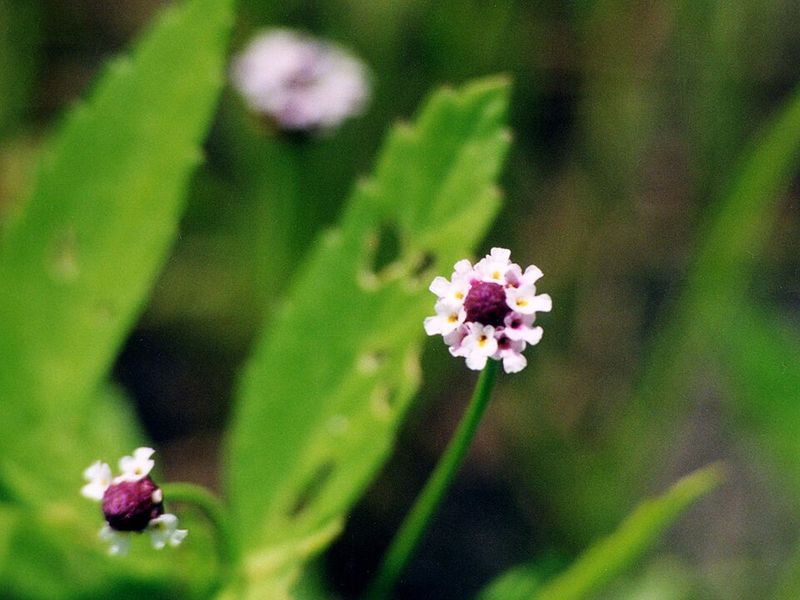
Some borders look best when they spill a little instead of standing at attention. Frogfruit creates that softer edge, hugging the ground and weaving together bare spots in a way liriope never can.
It is a Florida native groundcover that uses less water once established and brings a bonus layer of pollinator activity to the front of the bed.
The small flowers are not flashy from across the street, but up close they make the planting feel alive. Bees and butterflies visit often, and the creeping habit helps the border read as full even when you use fewer plants.
Along stepping stones or at the edge of a mailbox bed, it can look especially charming.
Give it sun to part shade and room to spread naturally. It can handle foot traffic better than many delicate groundcovers, though I would not use it where people cut straight across the lawn every day.
Occasional trimming keeps the edge neat without making it look forced.
This is a smart choice if you are tired of rigid borders and want a lower, more ecological look. The water savings are real, the maintenance stays light, and the whole planting feels more connected to Florida than a standard band of liriope ever will.
Beach Sunflower
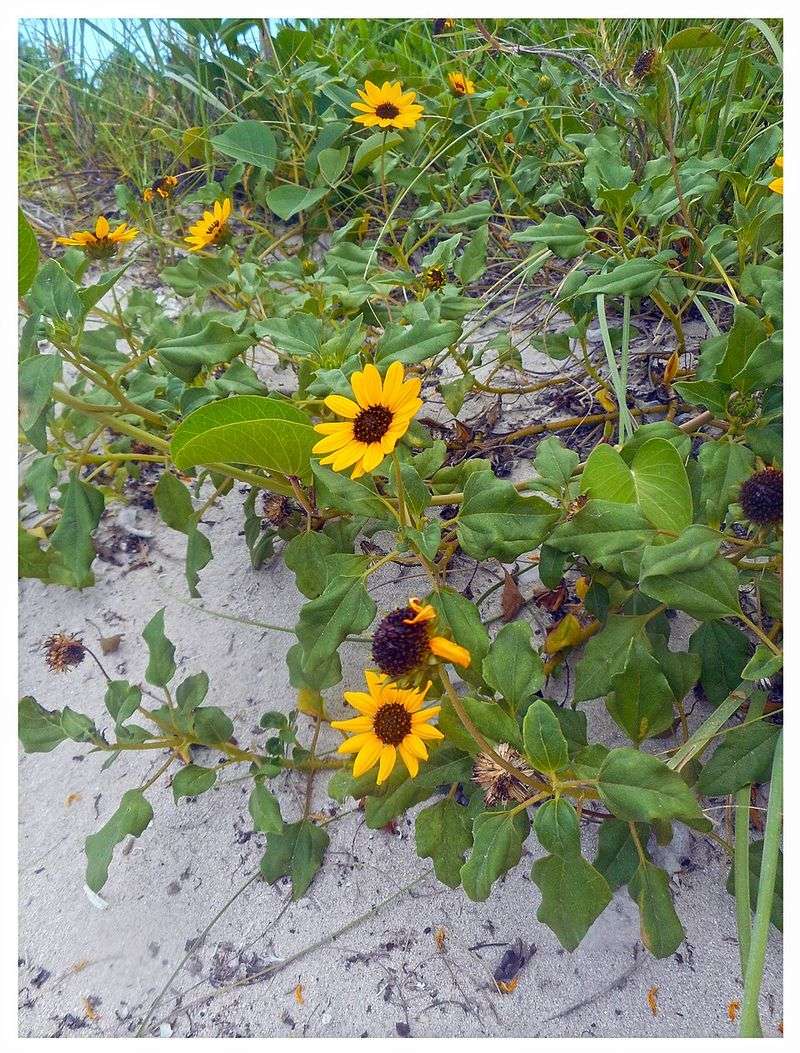
Bright color can live at the edge of a bed without turning into a high-maintenance headache. Beach sunflower spreads into a cheerful border with gray-green foliage and sunny blooms that keep the whole planting from feeling static.
In the right spot, it needs far less supplemental water than liriope and gives you a stronger sense of place.
Full sun is where it really proves its value. Hot reflected heat near sidewalks, driveways, and street-facing beds does not bother it much once established, which makes it useful in exactly the problem areas where thirsty edging plants struggle.
The trailing habit also softens hard borders in a way upright strappy plants cannot.
You will want to give it some space and guide it rather than expecting a crisp little line. A light trim now and then encourages branching and keeps the edge from wandering too far into paths.
If your soil drains quickly, that is actually a plus here.
I like recommending this one to anyone who wants less irrigation without settling for plain green filler. The flowers pull attention toward the border, pollinators show up regularly, and the whole area feels more relaxed and distinctly Floridian.
For a casual, sunny front yard, it is tough to top.
Blue Porterweed
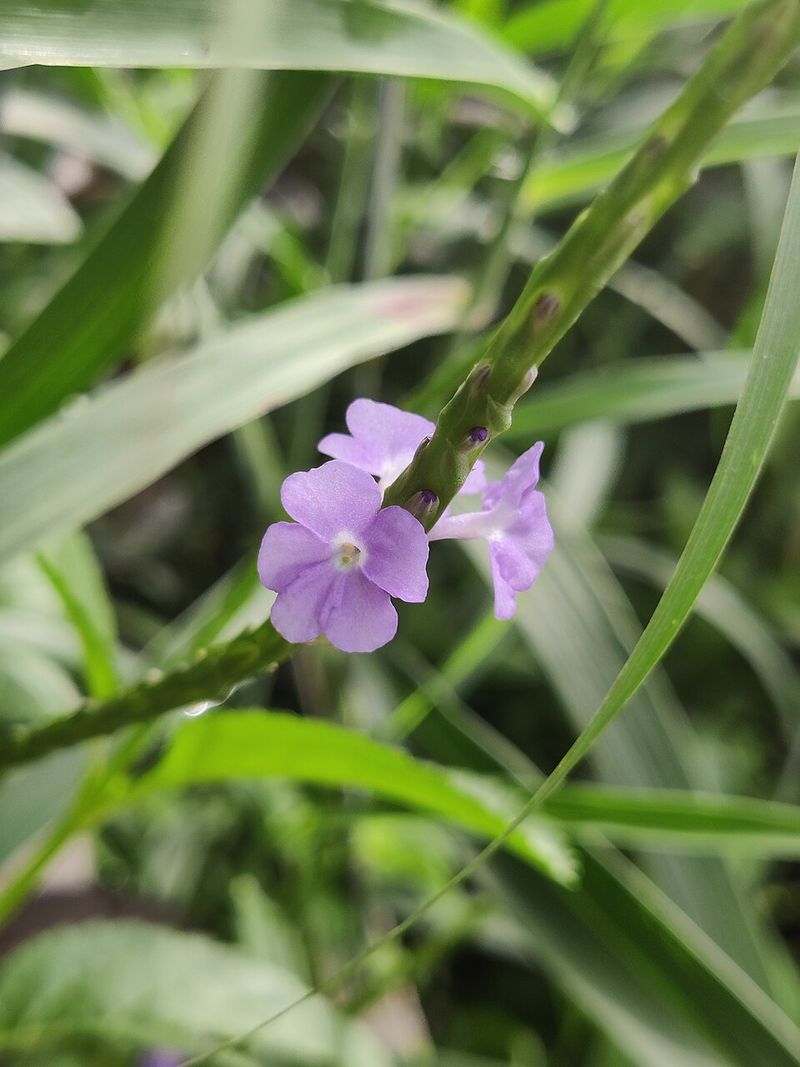
A border can do more than outline a bed if you choose a plant with color and movement. Blue porterweed offers slim flower spikes in a vivid blue-purple tone that instantly makes a planting feel more dynamic than a row of liriope.
It is native to Florida, handles heat well, and becomes fairly drought tolerant after establishment.
Because the shape is airy, this plant works best when repeated in drifts rather than clipped into a strict edge. The result feels lighter and more inviting, especially near entry walks where butterflies can be part of the experience.
I find it useful when a bed needs both definition and a little energy.
Full sun keeps flowering strongest, though light shade can still work in many landscapes. Pruning spent stems every so often encourages fresh growth and prevents the border from looking tired.
It is not the choice for a formal, ruler-straight line, but that is exactly why many yards look better with it.
If you are replacing liriope because it feels dull, this one changes the mood quickly. You get color, wildlife value, and lower water needs in a package that still behaves well enough for residential beds.
It makes the border part of the garden, not just a frame.
Wild Petunia
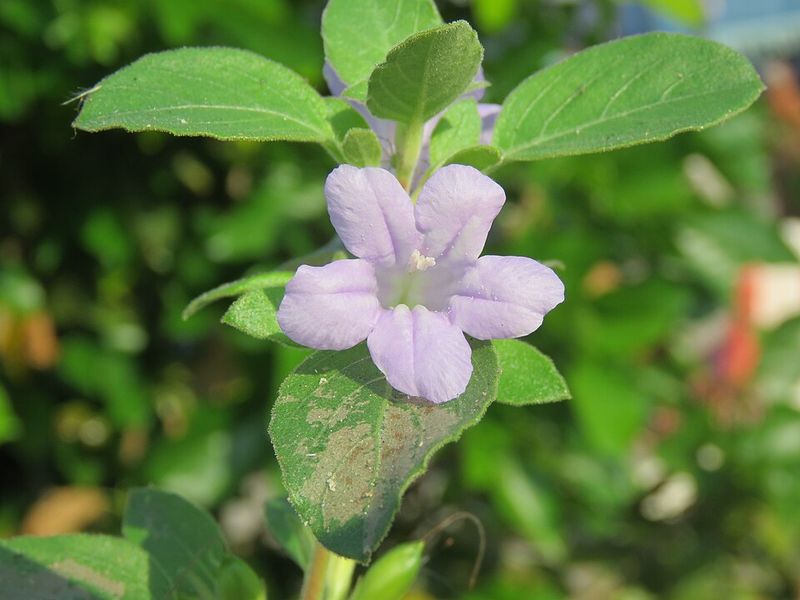
There is something refreshing about a border plant that looks gentle but holds up to Florida weather. Wild petunia brings soft lavender flowers and a relaxed clumping habit that feels far more charming than a standard strip of liriope.
It is native, adaptable, and surprisingly resilient once it has settled into the site.
The flowers open regularly and keep the edge from reading as just another band of foliage. In a cottage-style front yard or around a mailbox bed, that repeated bloom can make a small landscape feel cared for without looking overworked.
It also mixes nicely with grasses and low shrubs if you prefer layered borders.
Sun to part shade suits it well, and average well-drained soil is usually enough. You may see the best performance with occasional deadheading or a light trim, but this is not a fussy plant demanding constant intervention.
Established clumps usually need less irrigation than liriope in comparable conditions.
I suggest wild petunia when someone wants a border that feels softer and more personal. It has an easy Florida character, supports pollinators, and stays useful in everyday residential beds where simplicity matters.
For a low-water edge with more bloom and less sameness, it is an excellent swap.