
Texas Frogfruit for Bare Mulch Beds: A Groundcover Choice, Not a Snake Fix
Follow us on Google
You step out before breakfast in Texas, the mulch bed by the porch looks thin and patchy, and your mind goes straight to snakes. That worry is common, and so is the claim that one native plant can fix it.
Here is the plain truth. Texas frogfruit can cover bare soil nicely, but no plant is proven to make snakes lose their hiding spots.
Let’s sort out what planting can do and what yard care really helps.
A Groundcover Choice, Not a Snake Fix
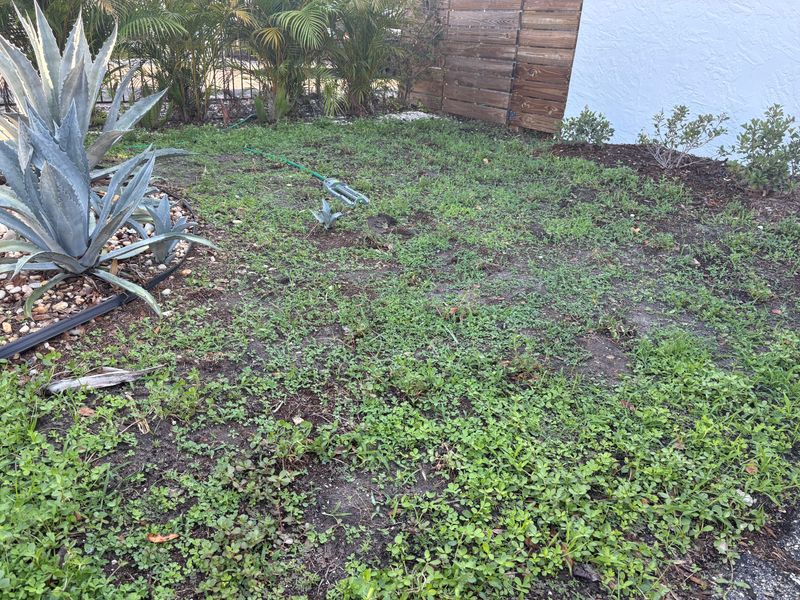
Let us clear up the headline promise first. Texas frogfruit (Phyla nodiflora) is not a shrub.
It is a low-growing native herb that spreads across the ground, and it can be a handy way to cover exposed soil.
What it is not is a proven snake deterrent. No source we found shows any native shrub or groundcover making snakes lose their hiding places.
So if you plant frogfruit, plant it because you like how it looks, not because you expect it to handle snakes.
The Lady Bird Johnson Wildflower Center describes frogfruit as reaching about 6 inches tall and offering nectar for butterflies. That is a real gardening payoff.
It says nothing about snakes either way. And Texas A&M gardening material lists it as a groundcover and notes that it can provide cover for small animals, so we cannot say what that means for snakes.
Here is the line to remember. Covering bare soil is a looks-and-gardening job.
Managing the conditions that may shelter snakes is a yard-care job. Texas A&M AgriLife points homeowners toward the second one, with steps like removing brush and debris, keeping grass short, and trimming low branches.
Think of frogfruit as a quiet green rug, nothing more and nothing less. The rest of this article shows where it fits and what genuinely deserves your weekend.
Does a Bare Mulch Bed Mean Snakes?
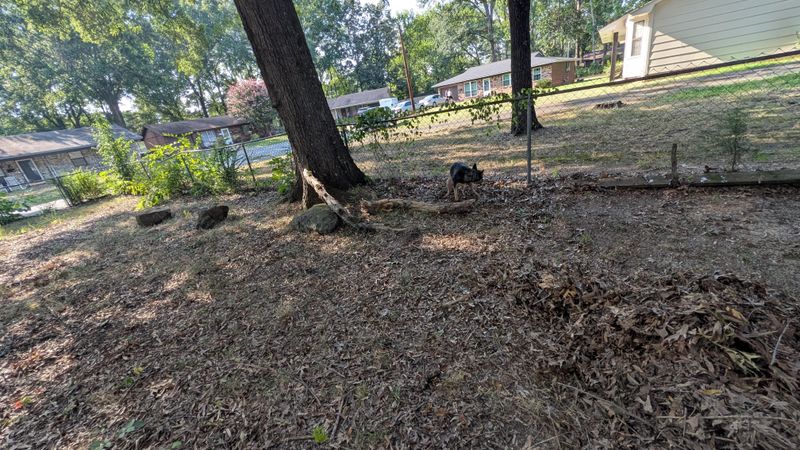
A thin, bare mulch bed looks a little sad, but it is not proof that snakes are around. And not all mulch attracts snakes.
Plenty of Texas yards have mulch and never see one.
Snake presence usually comes down to a mix of needs: shelter, food, water, and the right temperature. A snake passing through a yard is looking for some combination of those, not just a patch of dirt.
Guidance also varies on this. Texas A&M AgriLife leans on brush, debris, tall grass, and low branches as the things to tackle.
Some other extension advice, such as Utah State guidance, cautions about heavy mulch or large rocks too. So the sources do not all point at the same culprit.
That means swapping mulch for a plant will not automatically remove habitat. It just changes what the bed looks like.
Instead of guessing from bare soil, take a slow walk around your house. Look for brush piles, stacked boards, overgrown grass, low-hanging branches, spilled birdseed, and signs of mice or rats.
Those clues tell you far more than an empty bed does.
A calm look at real conditions beats worry every time.
Groundcover Can Add Low Cover
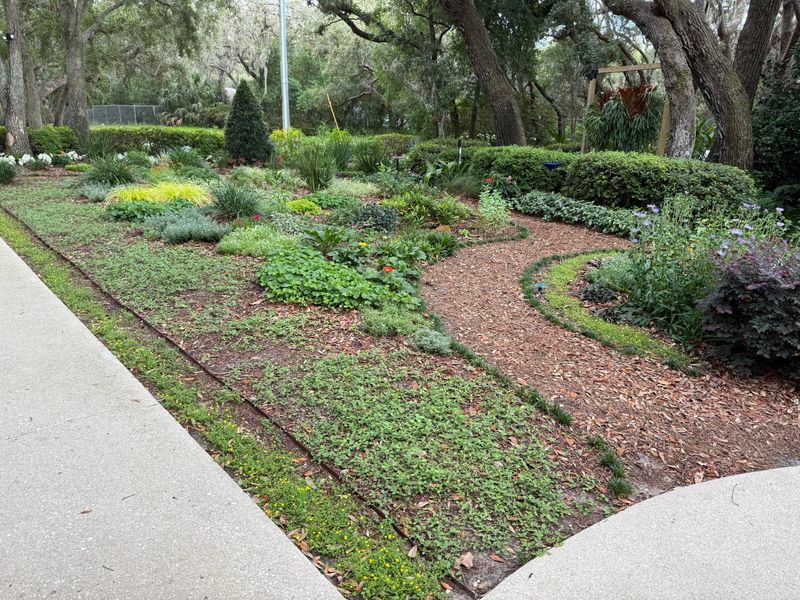
Here is the catch with any groundcover. A plant that hides bare soil also adds a layer of low green growth.
That is lovely for looks, but it is low vegetation, and low vegetation can be cover.
Texas A&M gardening material describes frogfruit as a groundcover and lists cover for small animals among its wildlife benefits. What that means for snakes is not spelled out, so we will not guess.
We will just say frogfruit should not be sold as a way to expose hiding places.
On the other side, the sources do not show frogfruit or any other plant repelling snakes either. UC Cooperative Extension states that no plants repel snakes, and Texas A&M AgriLife’s wildlife specialist says chemical repellents have not been proven to deter them, as noted in this AgriLife newsletter.
So keep the two ideas apart. Frogfruit has real garden value, like a tidy green cover and butterfly nectar.
Wildlife control is a separate job that needs yard habits, not a plant.
One practical move is to plant groundcover where you can see it easily, away from doorways and the spots where you reach or step without looking. A good garden choice and a careful eye work well together.
Keep the Bed Tidy and Visible
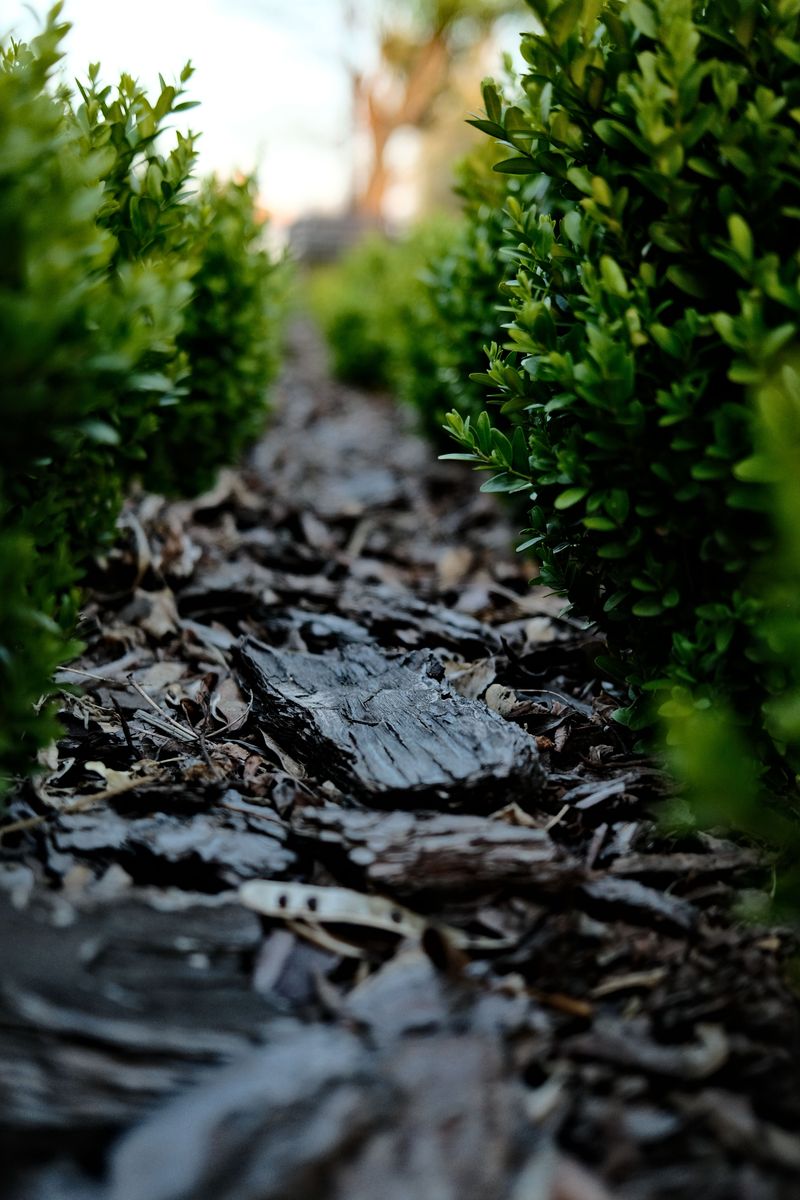
A tidy bed is easier to read at a glance, and that is worth something. You notice what is going on in it, whether that is a weed, a wasp nest, or a surprise visitor.
For mulch depth, Texas A&M horticulture guidance for raised-bed gardens suggests 2 to 3 inches, tapered away from plant bases. That is gardening advice for healthy plants.
It is not a snake-control threshold, and it does not guarantee a snake-free bed.
Placement matters too. Texas A&M’s landscape guidance generally says not to put shrubs closer than 3 feet from a building.
Groundcovers and plants that use a wall for support are the exception, as explained in the Earth-Kind landscape materials. This is general planning guidance, and it is not a snake-proof buffer.
What the room does give you is airflow, access for trimming, and a clear view along the wall. Those are good habits for any bed.
Pull back mulch that is piled against stems, rake out old leaves, and trim stray branches that droop to the ground. Do it on a cool morning and you will feel the difference.
A bed you can see into is a bed you can trust a little more.
Choose Frogfruit for Its Garden Payoff
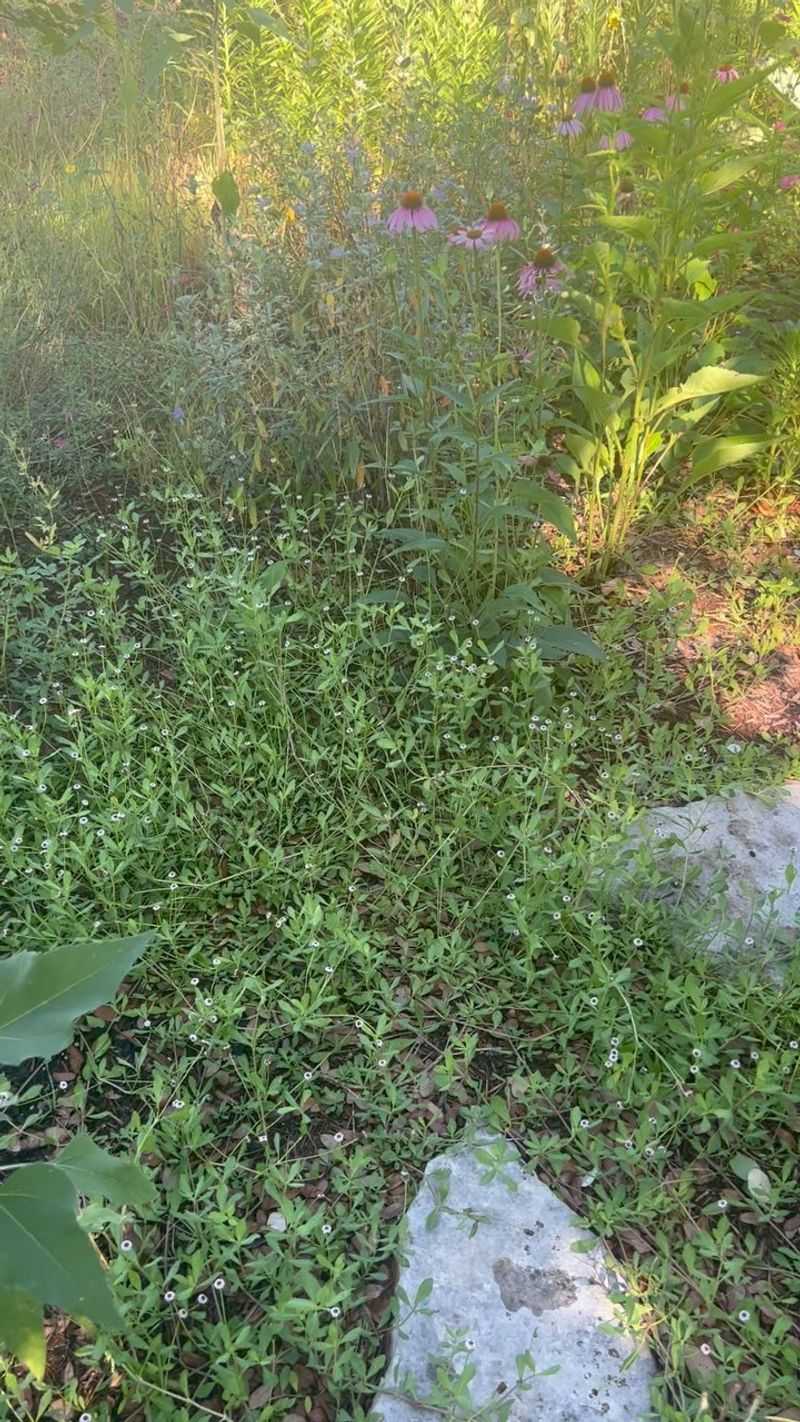
Frogfruit earns its spot on garden merits. According to the Wildflower Center profile, it stays low at about 6 inches and offers nectar that butterflies use.
It is also a true groundcover. Texas A&M’s native and adapted plant material lists it that way, and it can spread vigorously.
That is good news if you want a bare patch filled in. It is less good if you want a plant that stays put.
So think about the spread before you buy. Picture where it could wander, such as into a walkway or a neighboring bed, and decide if you are happy with that.
Think about visibility too. Landscape guidance says groundcovers are the exception to the 3-foot rule for shrubs near a building, as covered in the Earth-Kind guidance.
Still, you decide how much low growth you want right beside doors and steps.
We are not going to hand out watering schedules or planting rates, because the sources we have do not give them. And we will not say frogfruit suits every part of Texas.
Check with a local nursery or your county Extension office for your area.
Pick it for the butterflies and the green carpet. That is a fine reason.
Focus on Yard Conditions and Safe Responses
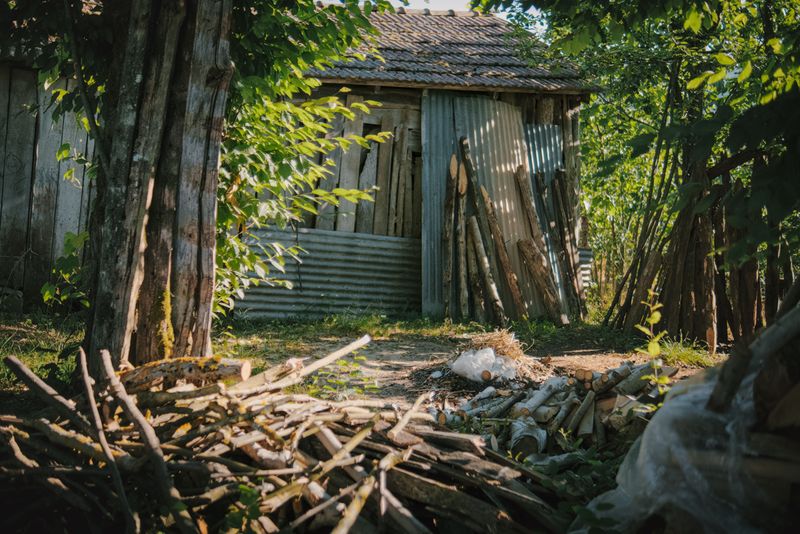
If you want to reduce places a snake might shelter, the plan is simple and a little unglamorous. Texas A&M AgriLife homeowner guidance says to remove brush and debris, keep grass cut, trim lower branches on bushes and trees, and reduce food sources such as rodents.
Start with the brush pile, the old boards, and the tall grass along the fence. Then look for what feeds rodents, like loose pet food and open trash.
Fewer mice means fewer reasons for a snake to linger.
For stored lumber or firewood, an older Texas A&M AgriLife snakes publication recommends keeping it at least 18 inches off the ground. That same publication describes specialized snake fencing, but that is not routine homeowner advice.
Check current local guidance before even considering it.
And watch where you step or reach, especially around woodpiles and dense plantings.
If you do meet a snake you cannot identify, leave it alone. Do not handle it or try to kill it.
Many snakes are harmless, and rules vary by species. Current TPWD nongame regulations describe take rules and restrictions for certain species.
If removal is needed, contact TPWD or a qualified local wildlife professional.
Skip mothballs and sulfur too, since they are not safe or reliable.
A steady yard routine does more than any single plant ever could.
