
The Texas Natives Worth Planting Before Christmas For A Yard That Wakes Up Early In Spring
Follow us on Google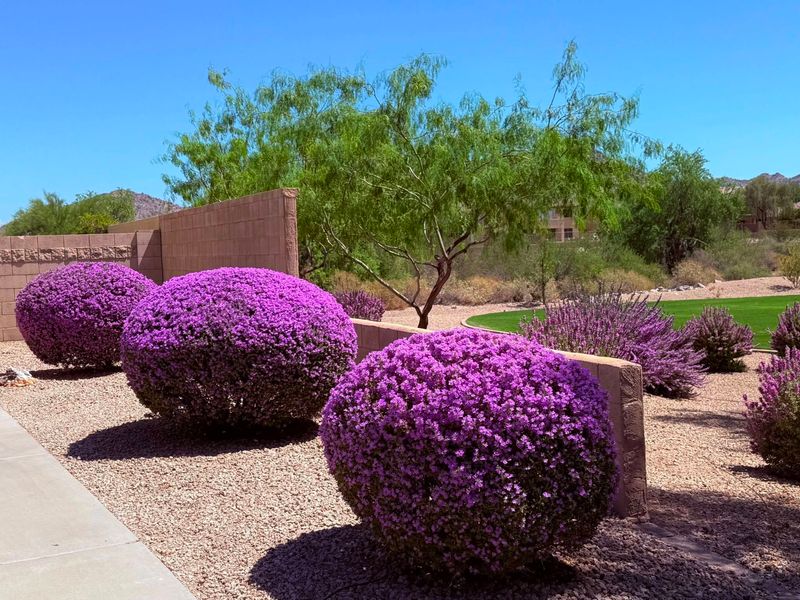
You step outside on a cold December morning, coffee in hand, and the yard looks tired and brown. It’s easy to think the gardening year is done until March.
But in Texas, the weeks before Christmas are one of the smartest times to plant, because cool soil lets roots grow while the tops rest. Here are eight tough natives that settle in now and wake your yard up weeks before the neighbors’ beds stir.
1. Bluebonnets
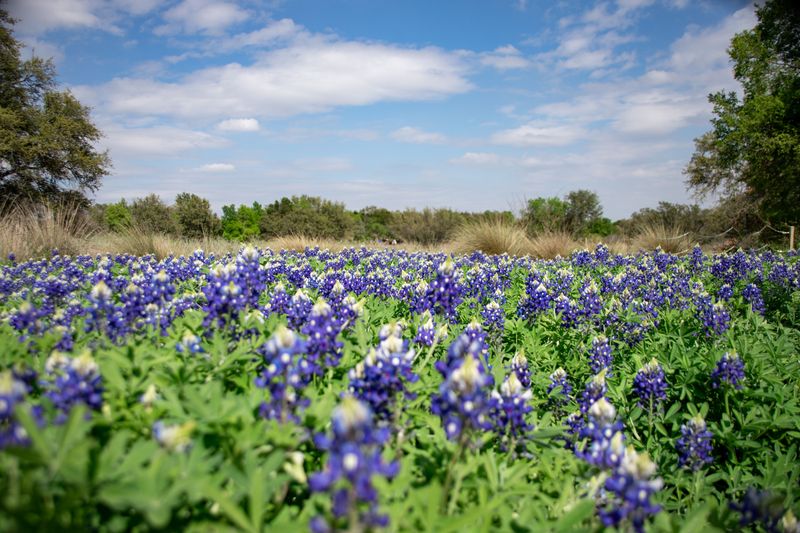
Most people picture bluebonnets in April, but the real work happens in December. Bluebonnets (Lupinus texensis) are winter annuals, which means they sprout in fall, sit low through the cold, then bolt into bloom.
Here is where it gets tricky. The seeds wear a hard coat, like a tiny suit of armor, and many sit unopened for a year.
Rub them lightly with sandpaper or soak them overnight in warm water to help them crack open.
Scatter about 8 to 10 seeds per square foot on bare, sunny, well-drained ground. Press them in so they touch soil, and cover with no more than 1/8 inch.
Water every 2 to 3 weeks during dry winter spells.
Through January, each plant builds a flat rosette and a deep taproot. In South Texas, blooms can show by mid-March.
Not every seed will come up the first year, so think of this as a patch you build over two seasons.
And that first blue spike by the mailbox actually feels like a small Texas victory.
2. Texas Rock Rose
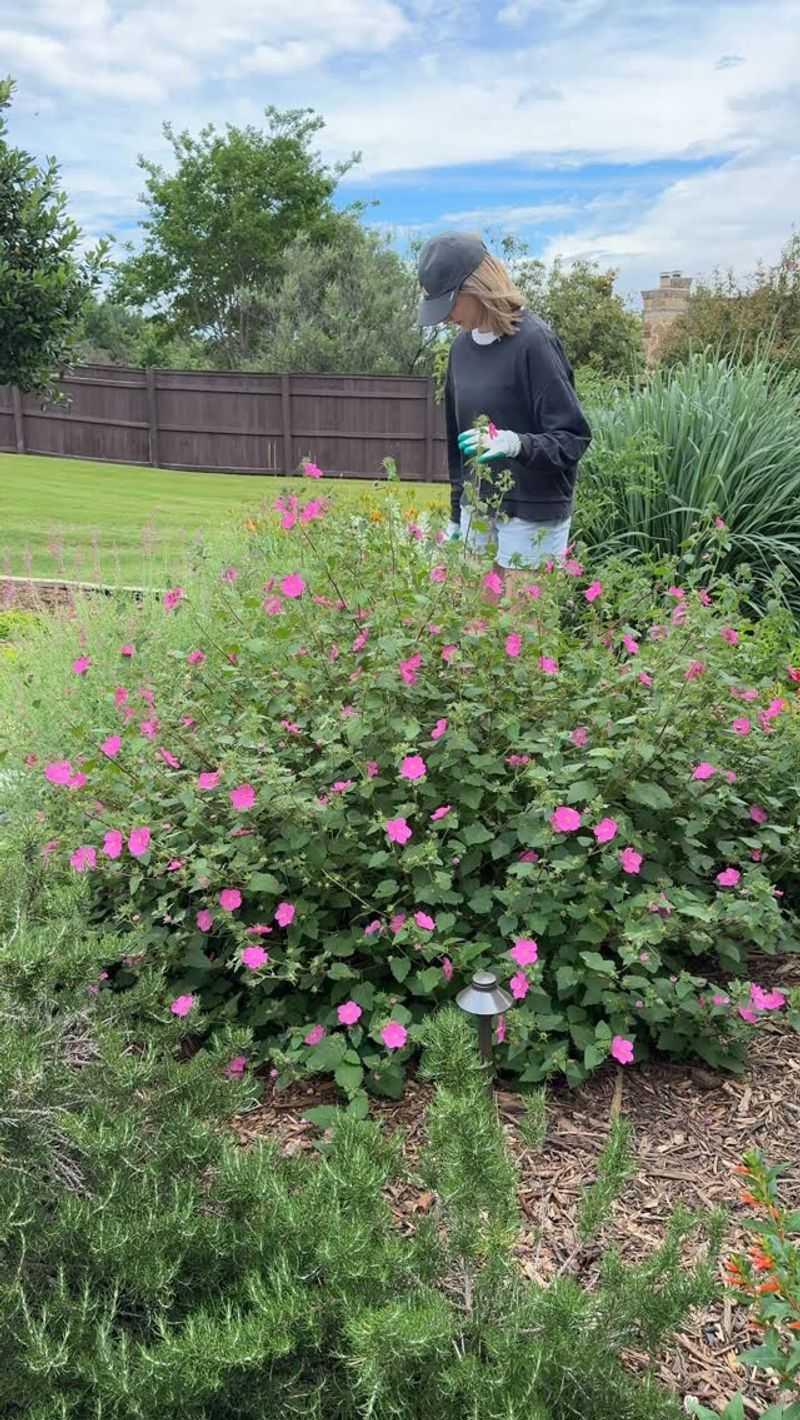
A tiny pink flower that shrugs off July sounds too good to be true. Texas rock rose (Pavonia lasiopetala) is a small shrub with petals like a mini hibiscus, and it genuinely does not mind heat.
The surprise is that this sun lover prefers going in the ground when it is cold. Fall planting lets its roots spread through cool soil before the 100-degree days arrive, so it never has to fight two battles at once.
Give it at least 6 hours of sun and well-drained soil. It handles the shallow, rocky ground of the Hill Country nicely.
Space plants 3 to 4 feet apart, and water weekly for the first month, then taper off.
In late February, trim it back to about 12 inches. That haircut pushes fresh, bushy growth and the first flush of flowers as spring warms.
Rock rose can be short-lived, often 3 to 5 years, but it reseeds politely. So the little shrub keeps quietly replacing itself, like a good neighbor who never needs a reminder.
3. Turk’s Cap
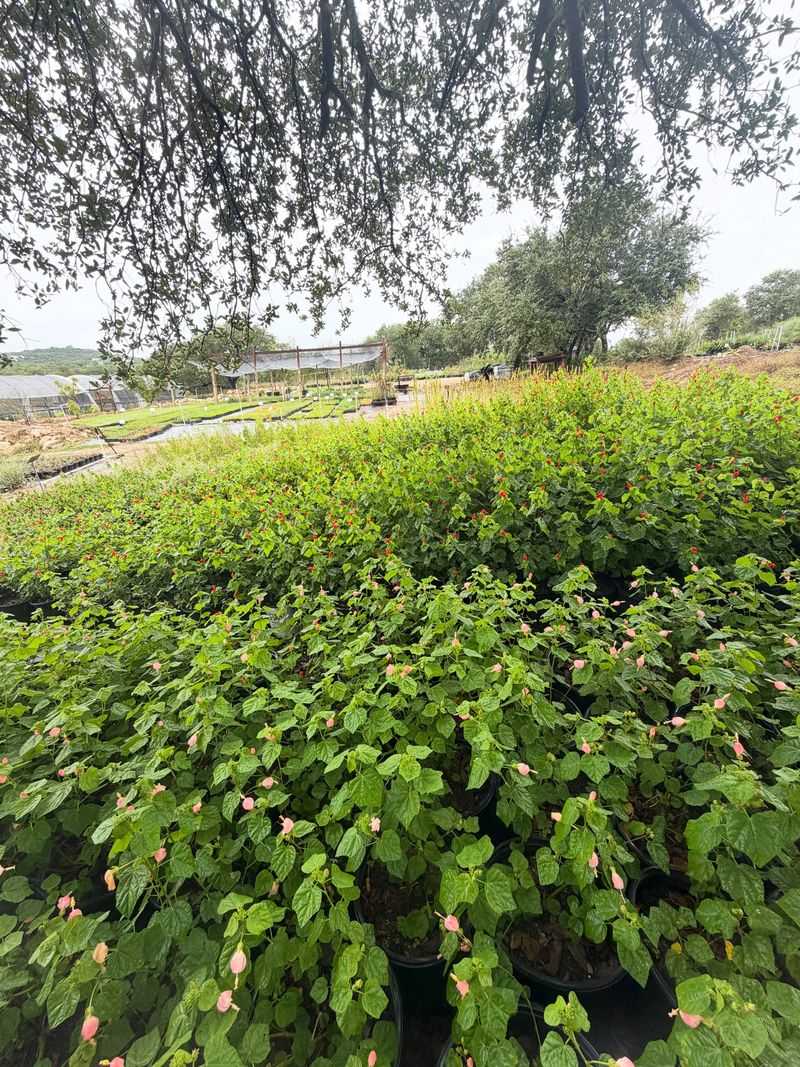
Picture a shady corner under the live oak where nothing seems to grow. Turk’s cap (Malvaviscus arboreus var. drummondii) loves exactly that spot.
People panic the first winter, because a hard freeze knocks it to the ground and it looks dead. It is not.
The roots are simply napping, and planting now gives those roots a full winter to grow thick before they push new shoots.
Plant in part shade to full sun, in clay, sand, or limestone, as long as water drains. Water deeply once a week during the first season.
After that, it handles dry stretches with little help.
In late winter, cut old stems back to 4 or 5 inches. Fresh green leaves usually rise in early spring, long before the red swirled flowers open in late spring.
Those flowers draw hummingbirds all summer and into fall migration. It is a plant that rewards patience, and the shady spot finally has a hero.
4. Texas Sage
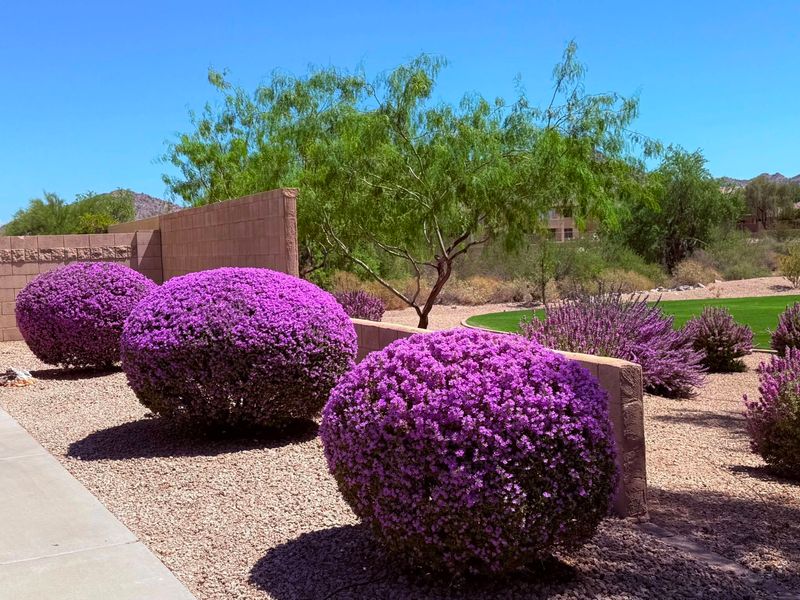
Here is a myth worth busting: more water does not mean more flowers on Texas sage. Too much water actually kills it.
Texas sage (Leucophyllum frutescens), also called cenizo, keeps its silver leaves all winter. Then it surprises you with purple blooms after a rain or a jump in humidity, which is why folks call it the barometer bush.
Plant it in full sun, 6 to 8 hours a day, and space plants about 5 feet apart. In North Texas blackland clay, set it on a low mound 6 inches high so roots do not sit wet.
In West Texas caliche, it feels right at home.
Once established, water a mature plant every 2 to 3 weeks in summer and about once a month in winter. Skip the shears except for light shaping.
So that silver mound you plant before Christmas stays handsome through gray January. Then one damp spring morning, it turns purple overnight.
5. Coral Honeysuckle
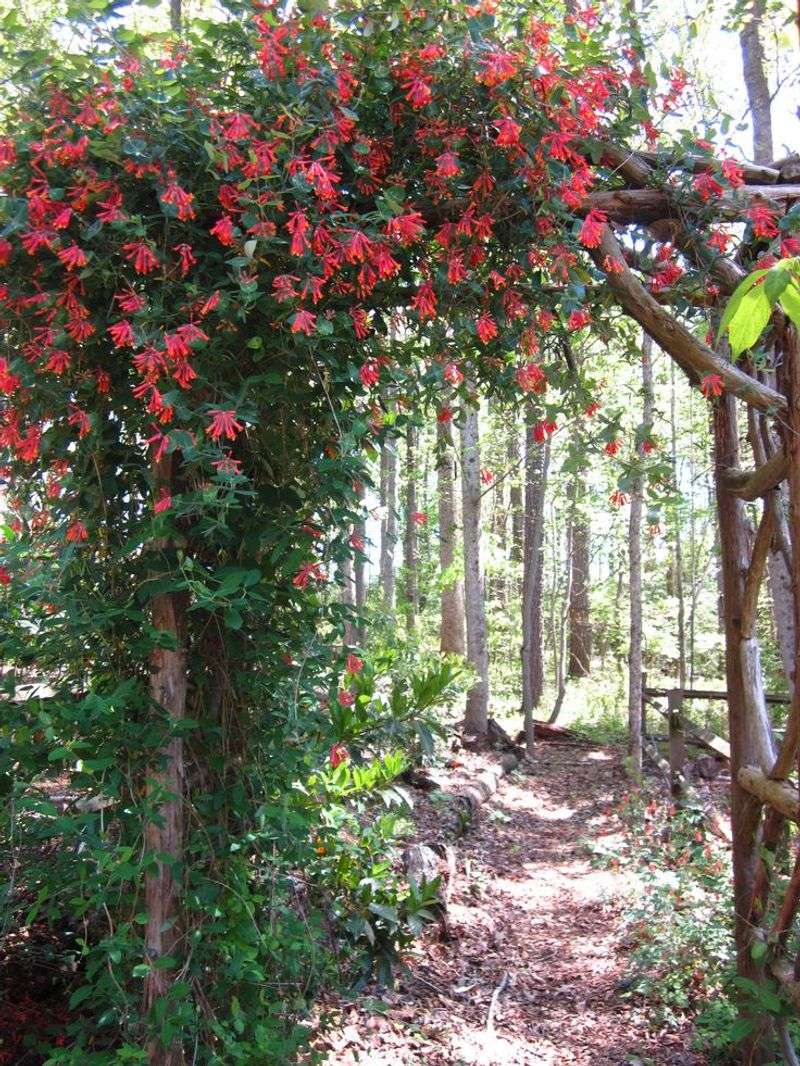
One of the earliest hummingbird meals in the state grows on a fence, not in a feeder. Coral honeysuckle (Lonicera sempervirens) often blooms by March, and the first hummingbirds heading north arrive hungry.
Unlike the invasive Japanese honeysuckle, this native vine behaves. It climbs without swallowing your yard, and in mild winters along the Gulf Coast it keeps much of its blue-green foliage.
Plant it now beside a fence, trellis, or arbor with at least 4 hours of sun. More sun means more flowers.
It handles East Texas acidic sand and amended clay. Water deeply once a week until spring, then every 10 days through its first summer.
Give it a trellis about 6 to 10 feet tall. Prune lightly after the spring bloom to keep it tidy.
Aphids sometimes cluster on new tips, but a hard spray of water usually handles them. When those red trumpets open, the fence becomes the busiest spot in the yard.
6. Antelope Horns Milkweed
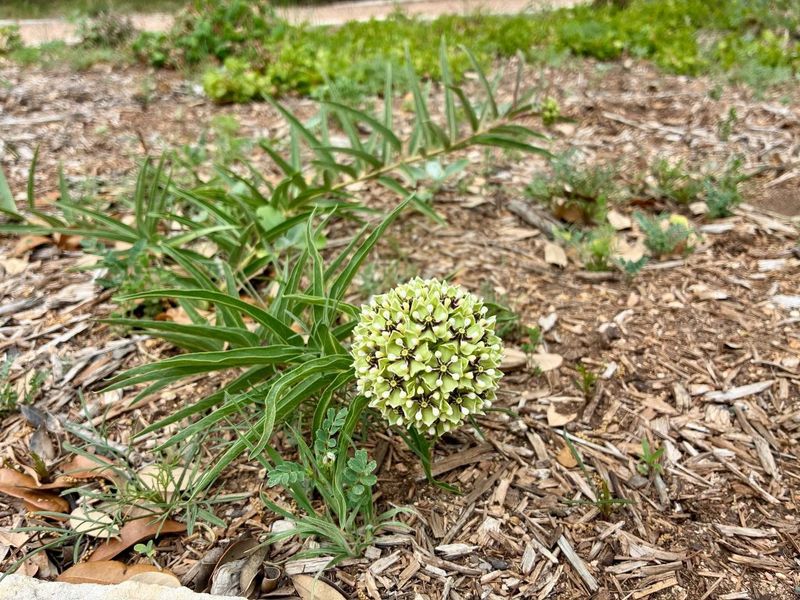
Every spring, monarchs cross Texas looking for one thing. They need native milkweed to lay eggs, and the earliest arrivals come in March and April.
Antelope horns (Asclepias asperula) is one of the first Texas milkweeds up in spring, which makes it a lifeline for that first wave. The catch is that it grows a deep taproot and hates being moved, so it rarely thrives in a pot for long.
Plant nursery plugs or cold-stratified seed now, while the soil is cool. Choose full sun and very well-drained ground.
It does well in North Texas, the Panhandle, and the Hill Country. Space plants about 2 feet apart and water every 2 weeks if winter stays dry.
Texas A&M AgriLife Extension and monarch groups recommend natives over tropical milkweed, which can stay green all winter and disrupt migration habits.
Caterpillars will chew it hard. That is the point, and watching them grow on your plants is genuinely hard to beat.
7. Mexican Plum
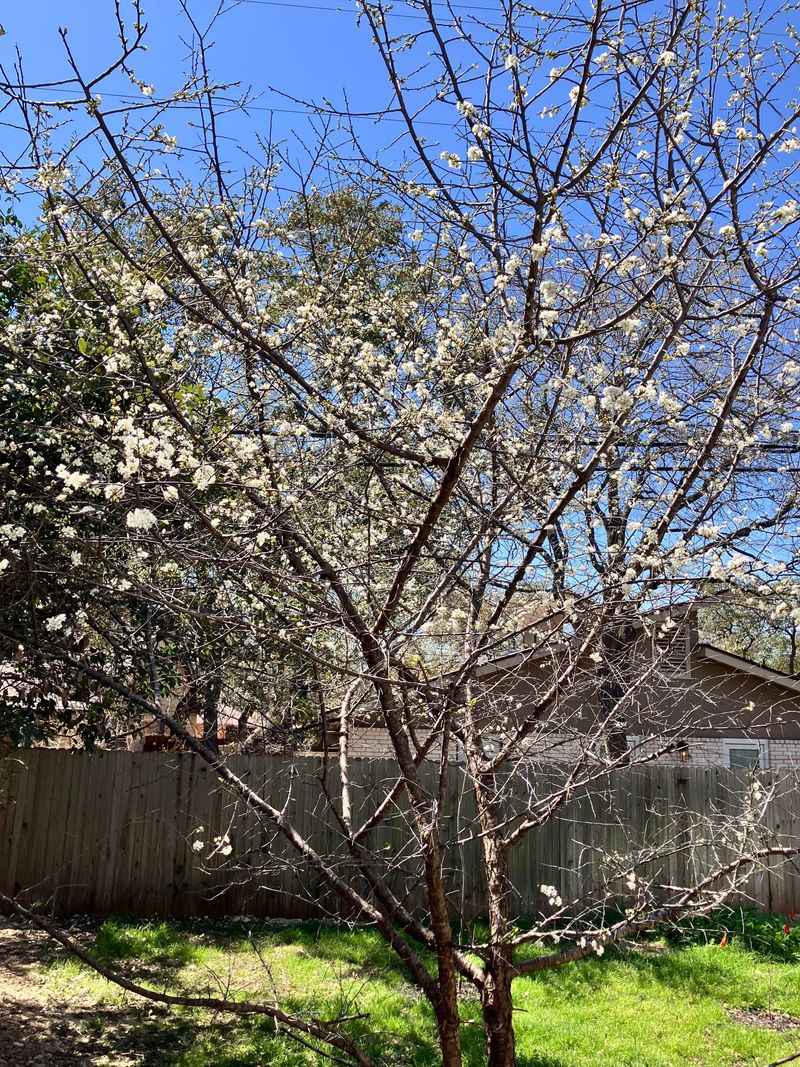
Late February in Texas can feel gray and stuck. Then a Mexican plum (Prunus mexicana) bursts into white blossoms on bare branches, and the whole street notices.
This small tree is often the first thing blooming in a yard, sometimes 2 to 3 weeks before the leaves. The flowers smell sweet and feed early bees when little else is open.
Planting trees in winter is a classic Texas move. The tree is dormant, so it puts energy into roots instead of leaves.
Dig a hole twice as wide as the root ball but no deeper, and set the root flare at ground level.
Choose full sun to light shade. It handles blackland clay and alkaline soils well.
Expect 15 to 25 feet tall over time, and water deeply every 7 to 10 days through its first summer.
It will not give you grocery-store plums, just small tart fruit the birds love. But that cloud of white is pure early spring.
8. Cedar Sage
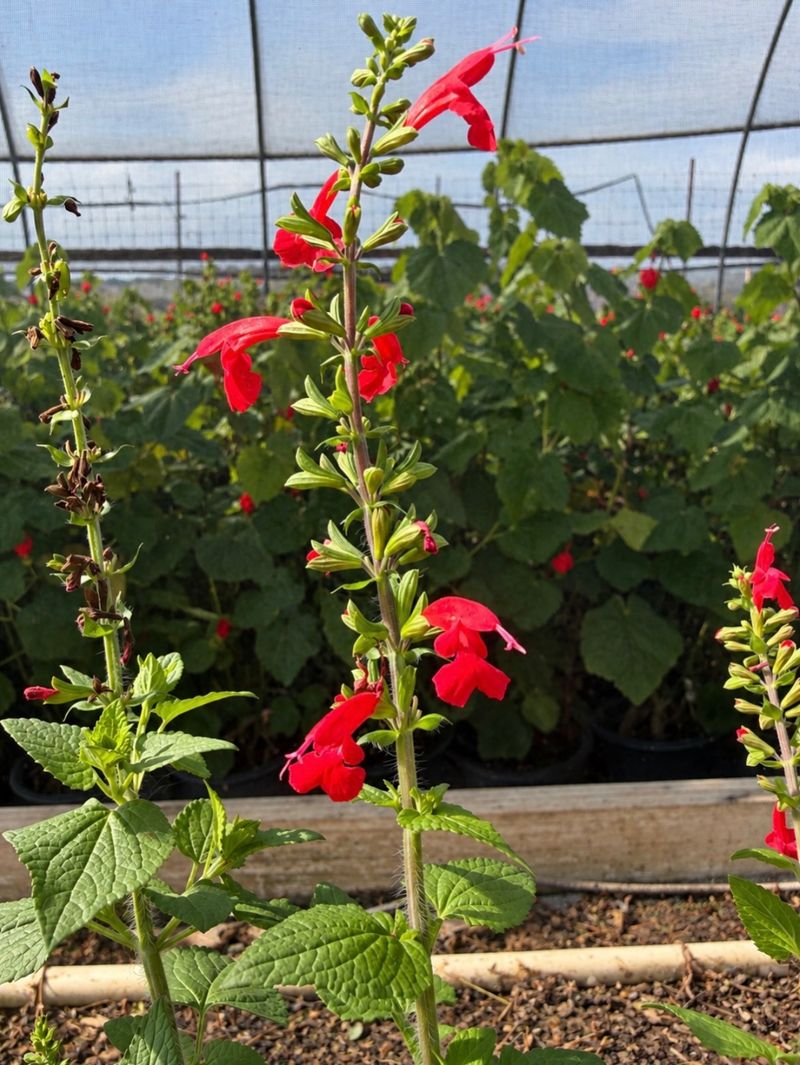
Shade gardens rarely get early color, and that is the problem cedar sage solves. Cedar sage (Salvia roemeriana) sends up thin red spikes in early spring, right under trees where other bloomers sulk.
It is a Hill Country native that grows wild beneath junipers and oaks, so dappled light and shallow, rocky soil feel like home. Planting now lets the low rosette of leaves settle in before warmth arrives.
Tuck plants about 12 inches apart in part shade with good drainage. Do not drown it.
Water every 2 weeks during dry winter weather, then ease off once spring rains arrive.
It stays small, often under 1 foot tall, so it works along shady paths and under trees. It reseeds gently, filling gaps by the next year.
And when those red spikes rise under your oaks on a cool April morning, the yard feels awake and proud, all from a small plant you put in before the holidays.
