
The Copperhead Hiding Spots North Carolina Homeowners Disturb Most During Late-Fall Yard Cleanup
Follow us on Google
You pull on your gloves on a cool November Saturday, the oaks dropping their last leaves, and reach for the soggy pile by the fence. That pile might already have a tenant.
In North Carolina, late fall is when copperheads look for warm, quiet places to wait out winter, and many of those places sit right in the middle of your cleanup list. Knowing the eight spots they love most can keep your hands safe, your weekend calm, and your yard friendly to the wildlife you actually want around.
1. Deep Leaf Drifts Along Fences and Woods Edges
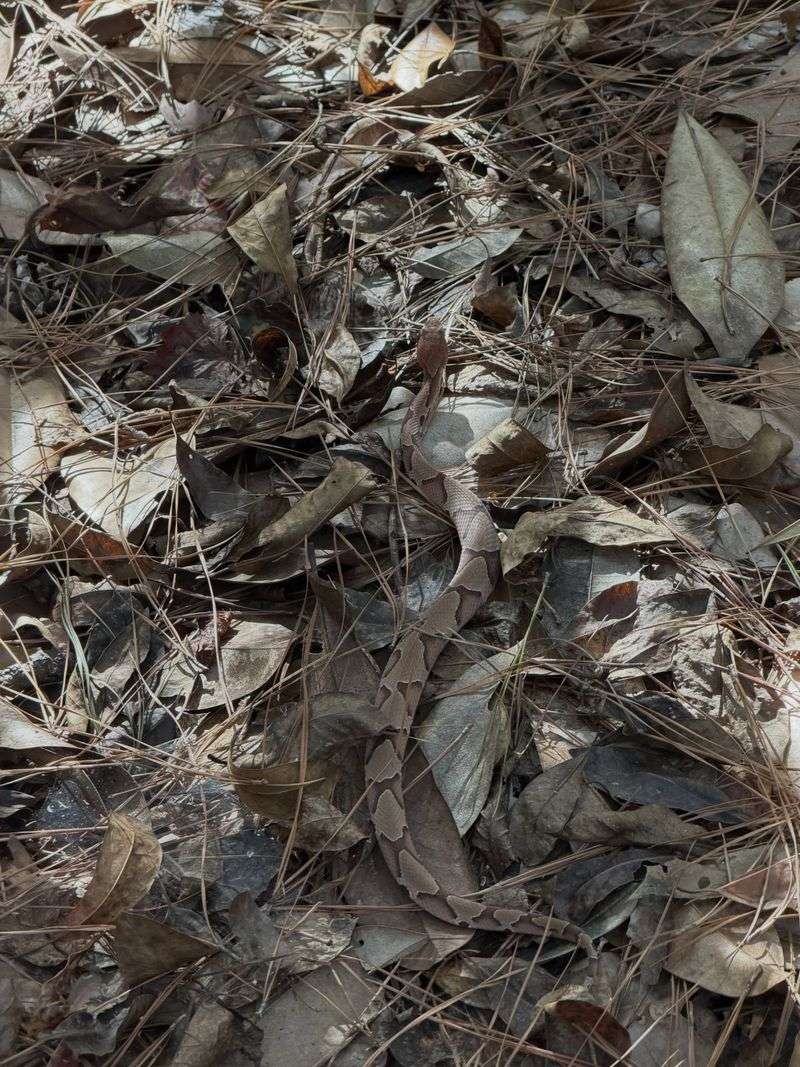
Copperheads are basically wearing fall leaves as clothing. Their hourglass bands of tan and copper melt into oak and maple litter so well that people often step within a foot of one and never notice.
Wind pushes leaves into fence corners and woods edges, and those drifts can get 6 to 12 inches deep. Once nights fall below about 60 degrees, that layer works like a down comforter, holding ground warmth and hiding a resting snake from hawks.
Here is the fix. Rake from the outside of the pile inward, using a long-handled rake or blower so your hands stay well back.
Never scoop leaves with bare arms, and wear boots, not sneakers.
You do not have to strip the yard bare, either. Leaving a leaf layer in a planting bed away from paths still feeds fireflies and overwintering pollinators, it just belongs where nobody kneels.
2. Firewood Stacks Turn Into Winter Snake Condos
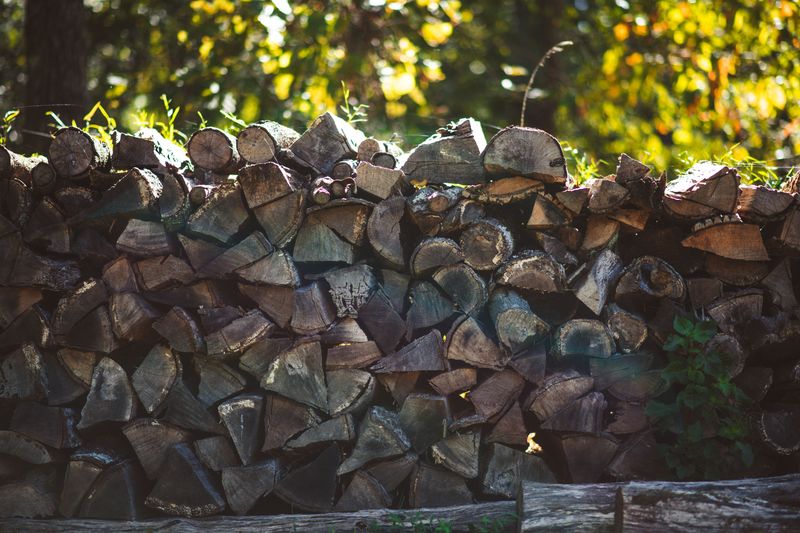
Picture a chilly evening, the fire pit calling, and you grab the bottom log from a stack that has sat since March. That is the exact moment many North Carolina homeowners meet a copperhead.
Woodpiles offer dark gaps, steady shade, and a buffet history. Mice nest in them all summer, and copperheads follow the mice.
As fall cools, the crevices hold warmth longer than open ground, so a snake may simply stay put.
Pull wood from the top of the stack, never the bottom, and use a log hook or tongs. Store firewood at least 20 feet from the house and up on a rack about 12 inches off the ground, which leaves less cozy space beneath.
It is a small habit change. But it turns a risky reach into a boring chore, and boring is exactly what you want.
3. Forgotten Lumber, Tarps, and Boards Become Perfect Cover
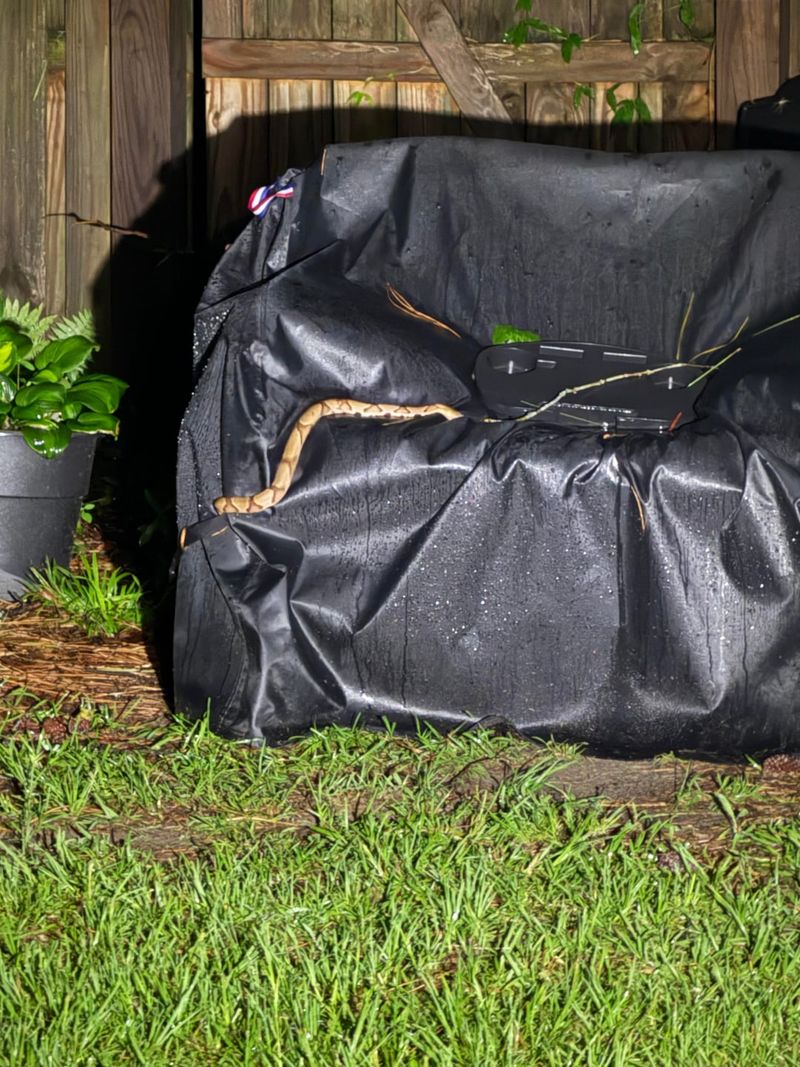
Flat things on the ground are snake magnets. A leftover sheet of plywood, a tarp from summer projects, or a stack of fence boards creates a warm, tight pocket that copperheads find almost irresistible.
The sun heats the top surface during short fall days, and the space underneath stays a few degrees warmer than surrounding soil. Biologists actually lay out boards on purpose to survey snakes, which tells you how well it works.
So flip these items with a tool, not your fingers. Lift the far edge first, toward you, so anything underneath has an exit pointed away from your feet.
Then decide if the item needs to stay. Hauling off scrap you were never going to use removes a hiding spot for good, and that feels genuinely satisfying.
4. Sun-Warmed Rock Walls Hold Late-Season Heat
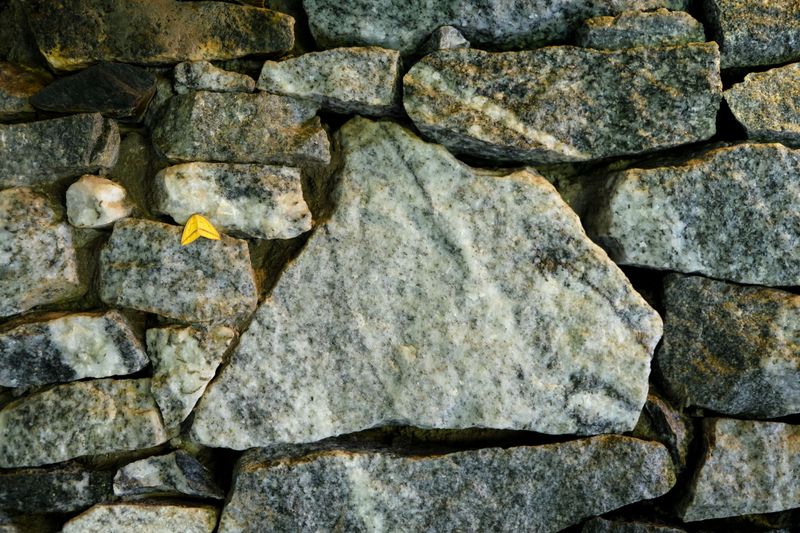
Myth: snakes only hide in dark, damp places. Copperheads also love rocks, especially stone that faces south and soaks up afternoon sun.
In the mountains and western Piedmont, dry-stacked walls and rocky slopes act like slow heaters. Rock warms during the day and gives that heat back at night, and copperheads may return to the same rocky den sites year after year.
When you pull weeds or clear leaves from wall crevices, probe gaps first with a hoe or stick. Wear leather gloves and work from above the wall, not crouched at its base with your face near the cracks.
Your wall is not the enemy. It also shelters skinks and toads that eat garden pests, so careful tidying keeps everyone in their lane.
5. Brush Piles From Summer Storms Hide More Than Branches
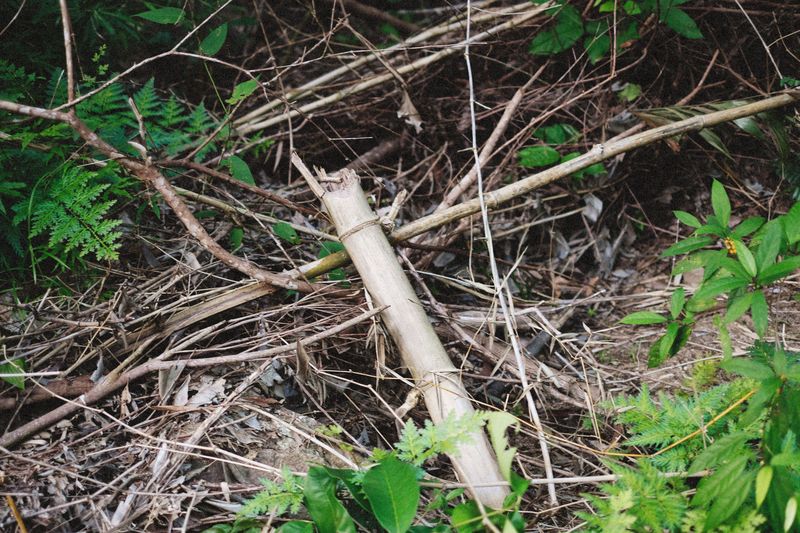
Hurricane season runs through November, and plenty of Coastal Plain and Piedmont yards still carry a heap of storm limbs waiting for a free weekend. That heap has had months to become habitat.
Brush piles mimic the woodland edge copperheads naturally prefer. Tangled branches give cover from predators, and the leaves trapped inside add insulation as temperatures dip.
Here is where it gets tricky. Pulling branches toward your body from the middle of the pile is the riskiest move.
Work from the outer edge, lift branches with a long pole or loppers, and toss them onto a trailer or open ground.
If you want a wildlife brush pile, keep it on purpose. Place it at least 30 feet from the house, play area, and paths, so songbirds and rabbits benefit while your kids stay clear.
6. Compost Bins and Mulch Heaps Stay Surprisingly Warm

Steam rising off your compost on a frosty morning is a beautiful sight. It is also a heat sign a cold-blooded animal can feel.
Active compost can reach well over 100 degrees in its core as microbes break things down, and the outer layers stay pleasantly warm. Mulch heaps work similarly on a smaller scale.
Young copperheads, born in late summer with bright yellow tail tips, are small enough to tuck right under the surface.
Turn piles with a pitchfork, never your hands, and stab the fork in from the side rather than reaching over. In the Sandhills, where sandy soil cools fast at night, a warm heap stands out even more.
Keep compost going, it is great for your soil. Just treat it like a woodstove you would not touch bare-handed.
7. Overgrown Shrub Bases and Ground Cover Mats Shelter Snakes

Thick ivy, pachysandra, and the shady skirts under azaleas make tidy-looking yards. Underneath, they form a roof that hides everything.
Copperheads like this dense, low cover close to foundations, where house warmth leaks into the soil. Many Piedmont homeowners find them while cutting back perennials or pulling ivy along the steps in October and November.
Before you reach in, rake or sweep the bed edge with a long tool so any resident can slide away. Consider trimming shrub bases up 6 to 12 inches so you can see the ground beneath.
NC State Extension also suggests keeping vegetation short near walkways and the house to reduce snake encounters.
Your plants still thrive. You simply trade hidden shadows for a clear line of sight.
8. Foundation Gaps and Crawlspace Vents Invite Winter Guests
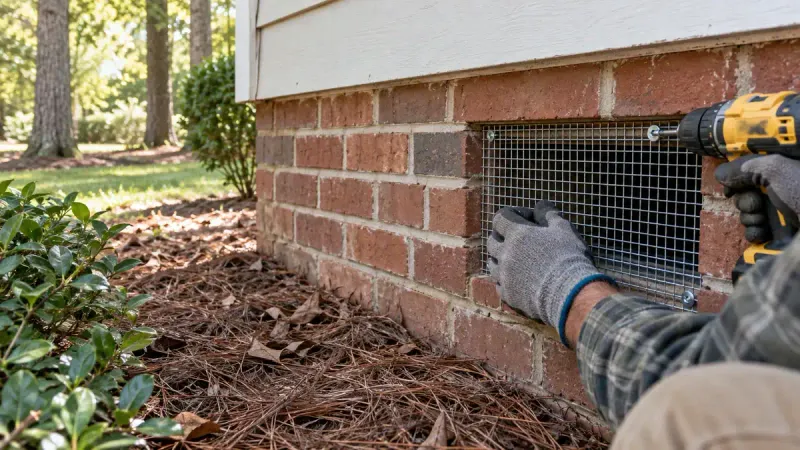
A gap the width of a pencil is enough for a small snake. That surprises a lot of people.
Copperheads hunting for a winter spot may follow warmth along a foundation, especially where leaves pile against brick and hide cracks. Crawlspace vents with torn screens, loose skirting, and gaps under steps are common entry points across North Carolina.
Walk your foundation after leaves drop and clear a 2 foot strip of litter along it. Seal cracks with mortar or caulk, and cover vents with quarter-inch hardware cloth.
Store pet food indoors, since it draws mice, which draw snakes.
None of this is a magic shield, just one solid layer. Remember that copperheads mostly want to be left alone, and give one a wide berth if you see it.
Pair that respect with smart cleanup, and you can finish the season feeling capable and calm.
