
These Pennsylvania Native Plant Nurseries Are Worth The Drive Before Spring Planting Starts
Follow us on Google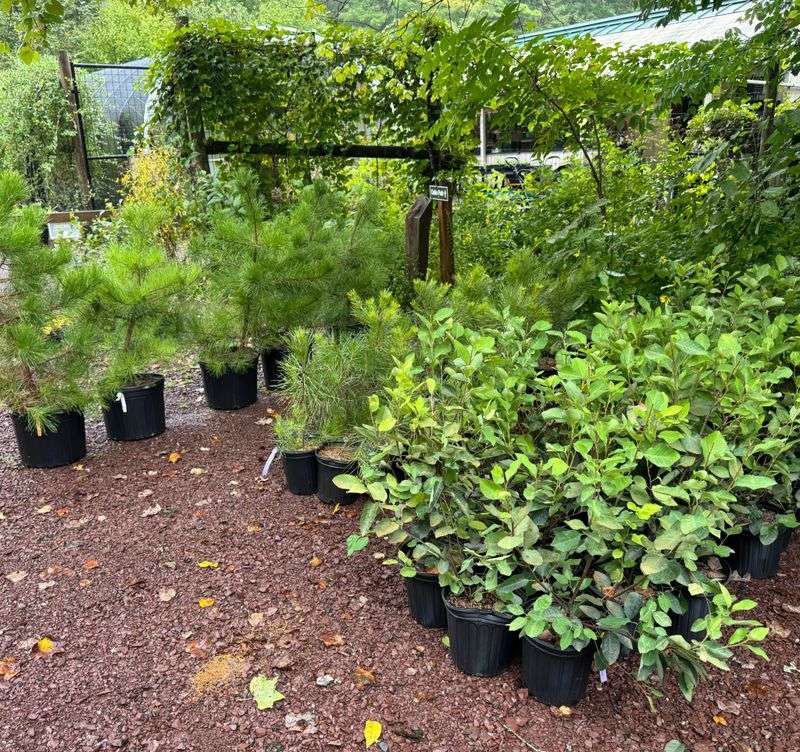
You’re standing at a big box garden center in late March, cold wind rattling the price tags, and the only milkweed on the rack is a tropical one that will not survive a Pennsylvania winter. That’s the moment many gardeners realize they need a different kind of shopping trip.
Pennsylvania has a handful of genuinely special native plant nurseries, from Pittsburgh’s suburbs to Bucks County to the northern tier, and each one grows plants that actually belong here. Here are eight worth putting gas in the tank for before the spring rush cleans out the best stock.
1. Arcadia Natives
Western Pennsylvania clay has a mean streak. Many gardeners around Pittsburgh bring home pretty plants in May, then watch them sulk in heavy, sticky soil by July.
Arcadia Natives in Washington County is built for that exact problem. The nursery focuses on plants native to the region, many grown from local seed sources, and grown without neonicotinoids, the insecticides that can linger in pollen and harm bees.
So the stock you carry home already knows the local script. It has handled shale and clay ground, sudden summer thunderstorms, and the freeze and thaw cycles that heave weaker roots out of the soil.
Look here for native milkweeds (Asclepias spp.), the only host plants monarch caterpillars can eat. Plant common or swamp milkweed in groups of three to five, about 18 inches apart, in full sun.
Monarchs pass through western Pennsylvania from late spring into September, and a small patch can genuinely catch their attention.
Arcadia keeps a seasonal schedule rather than year-round hours, so check their website before you drive. The wait is part of the deal.
A plant raised a short drive from your yard is like a neighbor who already knows which roads flood.
2. Sylvania Natives
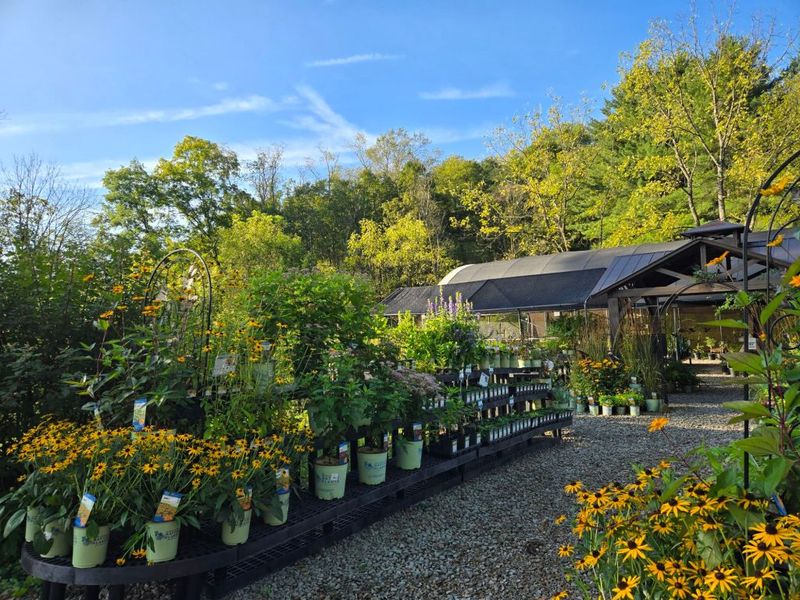
Picture a shaded backyard in the North Hills, where grass gives up under big oaks and every spring you reseed the same bare patch. Sound familiar.
Sylvania Natives, a small grower in the Pittsburgh area, is a good answer to that tired routine. The nursery specializes in plants native to western Pennsylvania, including woodland species that big retailers rarely carry.
Here is where it gets interesting. Pennsylvania sedge (Carex pensylvanica) is a soft, grassy plant that grows happily under trees where turf fails.
It stays under 12 inches tall, needs little or no mowing, and spreads slowly into a fine green carpet.
Plant plugs about 12 inches apart in early spring, once the ground is workable. Water deeply, about 1 inch per week, for the first six to eight weeks.
After that, it mostly fends for itself, even through the dry spells that can hit between downpours.
Inventory at small growers moves fast, and online preorders often open before pickup days. Treat it like concert tickets.
Grab what you want early, then enjoy the shady corner that finally looks intentional instead of patched.
3. Bowman’s Hill Wildflower Preserve Native Plant Nursery
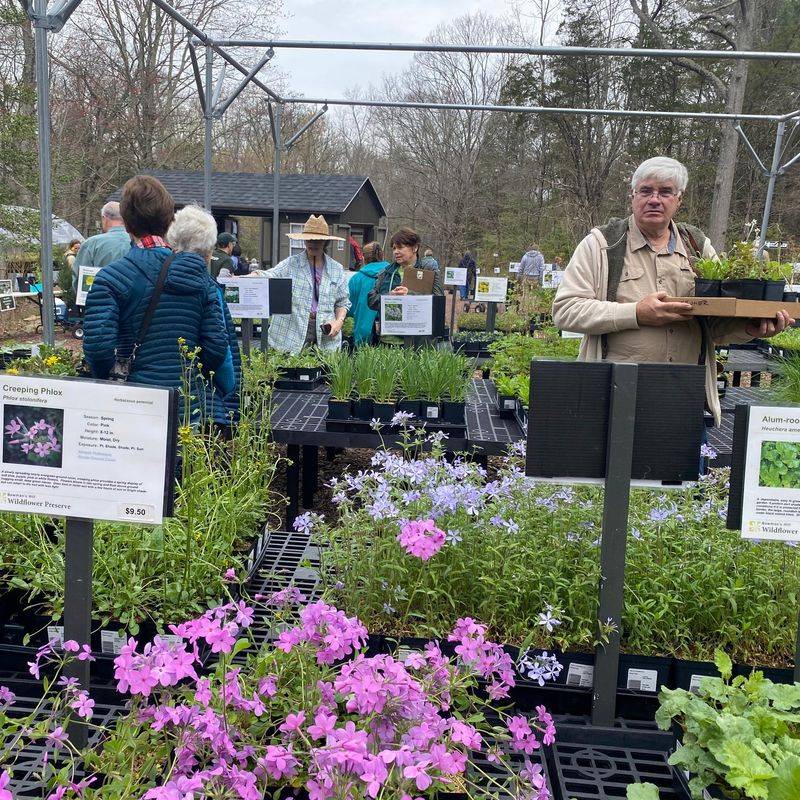
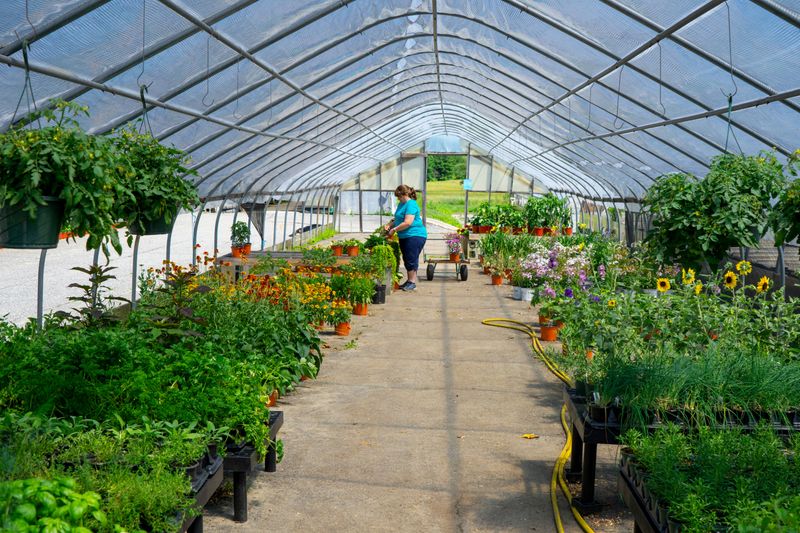
A lot of people assume a nursery inside a nature preserve is only for serious botanists with clipboards. Not true.
Bowman’s Hill Wildflower Preserve in New Hope, Bucks County, sells native plants to everyday gardeners, and the real bonus is the setting. You can walk the trails first and see what a plant looks like at full size, in real Delaware Valley soil, before you buy it.
That preview is worth more than any plant tag. You might see eastern redbud (Cercis canadensis) glowing pink in April and realize it fits perfectly near your patio.
Redbuds usually top out around 20 to 30 feet, so plant one at least 8 to 10 feet from the house.
Southeastern Pennsylvania runs warmer than most of the state, with some pockets near Philadelphia reaching zone 7b or warmer. Heavy clay is common too.
Staff and volunteers can point you toward plants that handle both conditions.
Purchases also support the preserve’s work protecting Pennsylvania native flora. It feels a bit like buying a ticket to a play you get to keep watching from your kitchen window for years.
4. Redbud Native Plant Nursery
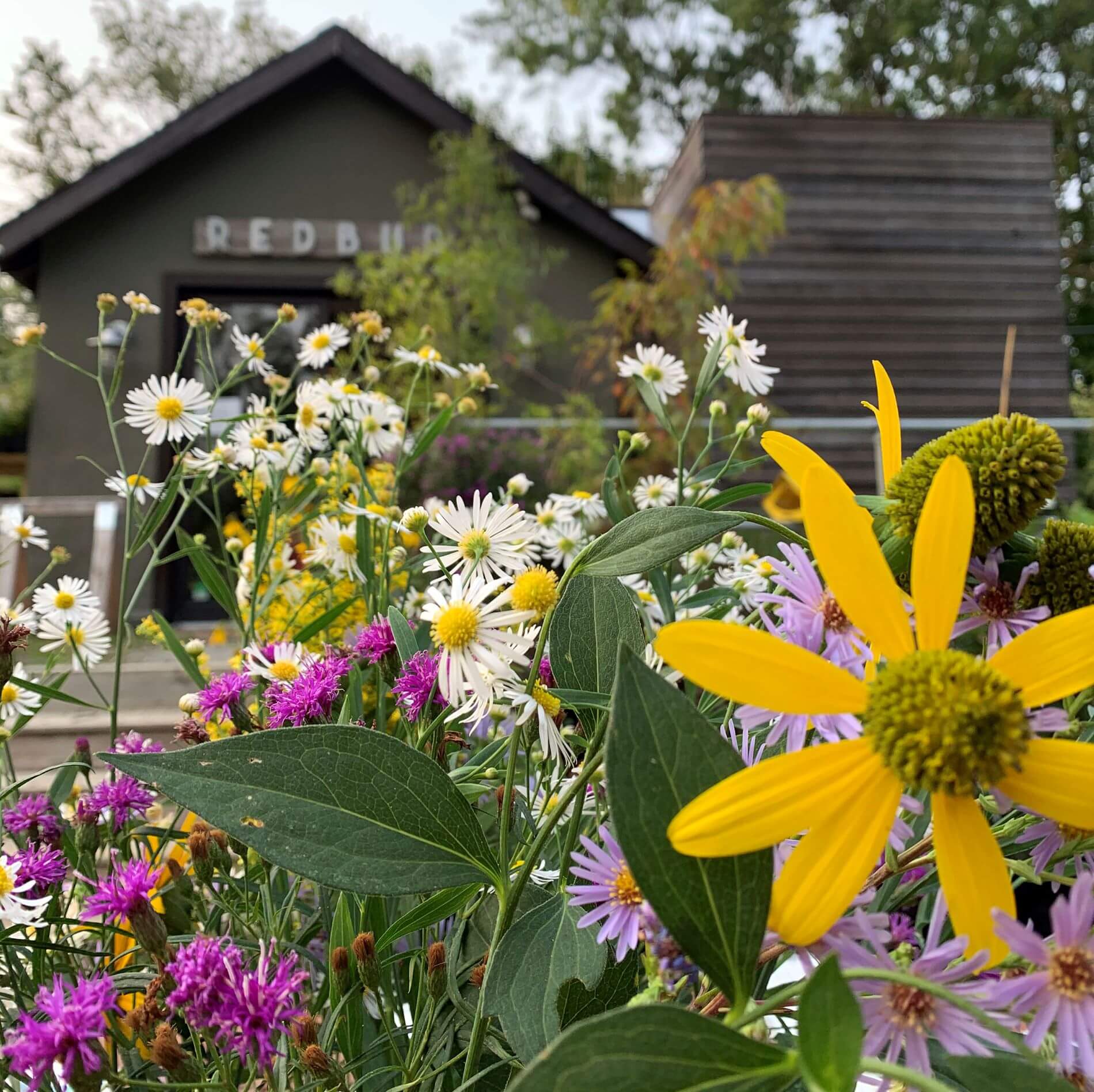
Japanese beetles have a routine. They show up in late June, find your roses, and chew them into lace while you are trying to host a cookout.
Shopping at a place like Redbud Native Plant Nursery in Delaware County will not make beetles vanish. But a yard full of native plants can reduce the buffet effect, because many natives are less favored by these imported pests, and they feed the birds and beneficial insects that help keep things in balance.
Redbud focuses on species native to the Mid-Atlantic, which suits the warmer, clay-heavy yards across the Philadelphia suburbs. Look for bee balm (Monarda fistulosa), a purple-flowered native that hummingbirds and bumblebees adore.
Give bee balm room. Space plants 18 to 24 inches apart so air can move between stems, which can help limit powdery mildew, that gray dusty film that shows up during humid August stretches.
Morning sun helps leaves dry quickly too.
Think of it as one layer, not a force field. Still, there is something satisfying about watching a hummingbird work your bee balm while the neighbor’s roses get mugged.
5. Yellow Springs Farm Native Plant Nursery
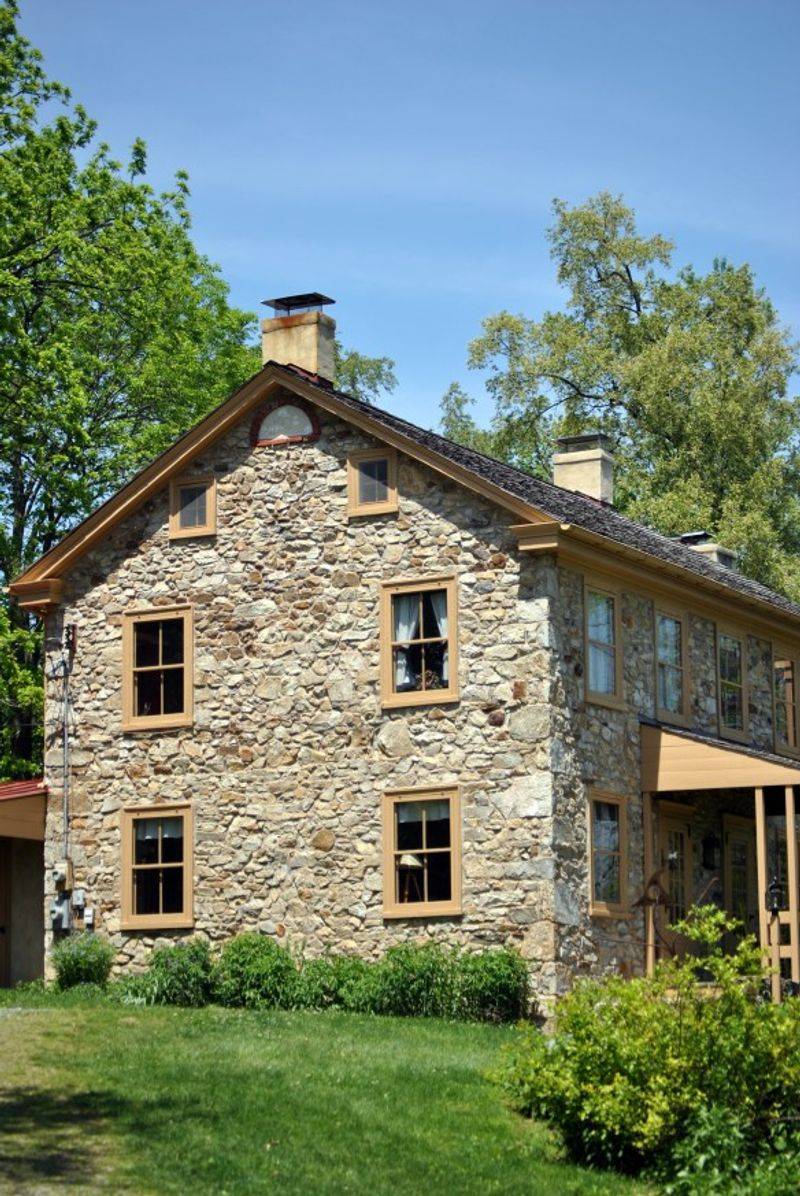
Here is a fact that surprises many Chester County gardeners. Some of the hardest yards to plant are not sunny or dry, they are damp, shady, and soggy every April.
Yellow Springs Farm in Chester Springs has a reputation for natives that fit tricky spots, including shade and wet ground. That makes it a smart stop if your backyard turns into a sponge after every spring thunderstorm.
Spicebush (Lindera benzoin) is a quiet hero for those spots. It grows 6 to 12 feet tall, handles moist soil, and feeds the caterpillars of the spicebush swallowtail butterfly.
In fall, its red berries help fuel migrating birds heading south.
Plant spicebush about 8 feet apart, ideally in spring after your last frost, which around Chester County usually lands in mid to late April. Spread 2 to 3 inches of shredded leaves or mulch over the roots, keeping it a few inches away from the stems.
The farm setting makes the trip feel like a small country outing. And the soggy corner you used to apologize for may become the spot where you spot your first swallowtail of summer.
6. Edge of the Woods Native Plant Nursery
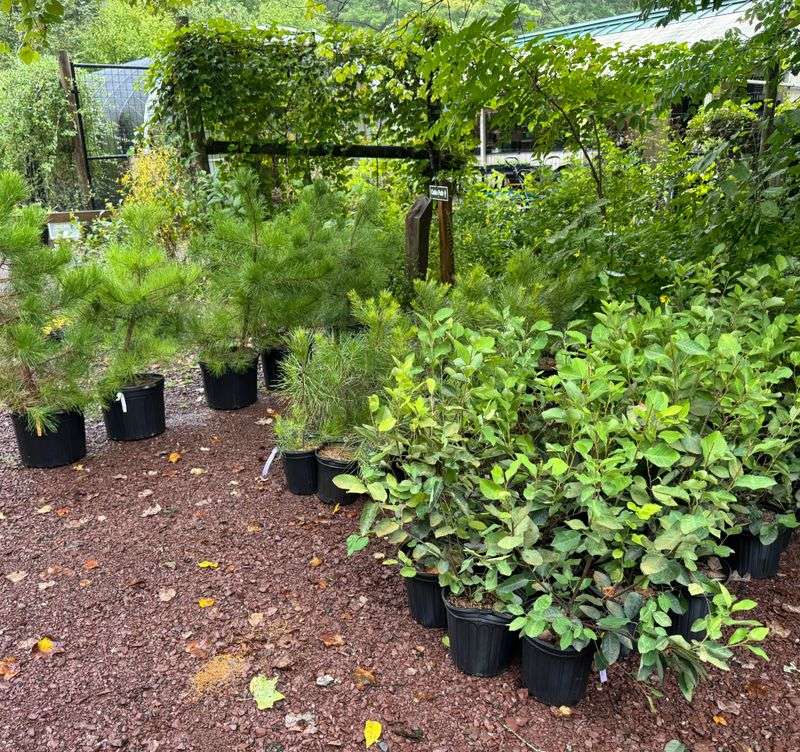
Drive into the Lehigh Valley on a spring Saturday and you will notice something. Gardeners at Edge of the Woods in Orefield tend to leave with packed cars and slightly guilty grins.
Variety is the reason. The nursery carries a wide range of native forbs, which simply means flowering nonwoody plants, along with grasses, shrubs, and trees native to the Mid-Atlantic and Northeast.
If you have a long wish list, this stop can cover most of it in one trip.
Start with the tough ones. Black-eyed Susan (Rudbeckia hirta) shrugs off heat, clay, and dry spells.
Switchgrass (Panicum virgatum) sends roots several feet deep, which helps hold soil on slopes and soak up stormwater runoff.
Space switchgrass about 2 to 3 feet apart and leave the stems standing through winter. Birds pick at the seeds, and the stems shelter overwintering insects.
Cut them back to about 6 inches in early spring before new growth starts.
The Lehigh Valley can still see frost into late April, so hold tender transplants until the forecast settles. Your cart can wait a week.
The grin will still be there.
7. Native Soil Nursery
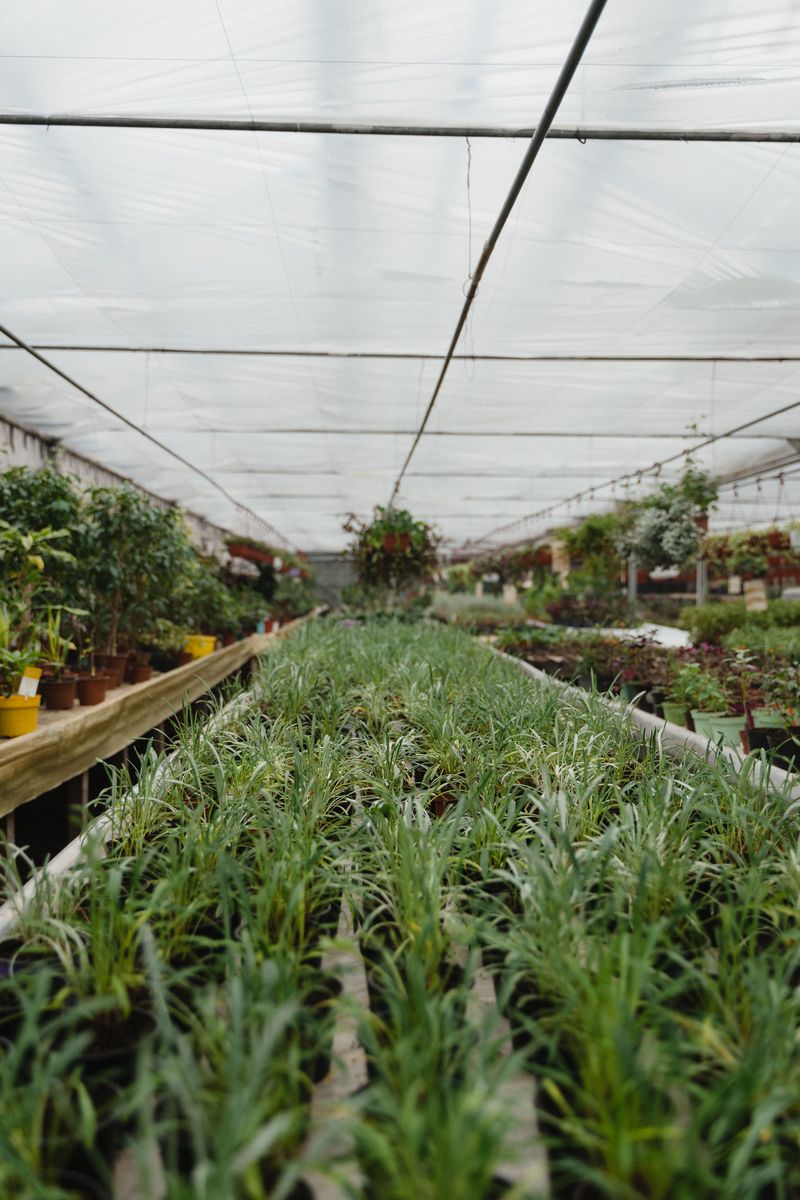
Northern tier gardeners know the joke. Spring arrives, then leaves, then comes back in June wearing a coat.
Native Soil Nursery in Tioga County grows plants on the Allegheny Plateau, where winters are long, snow sits for weeks, and the growing season is noticeably shorter. Much of the area falls in zones 5a to 5b, with frost possible into mid to late May.
That matters more than it sounds. A plant raised in a warm southern greenhouse may break bud too early and get scorched by a late cold night.
Plants grown on the plateau tend to pace themselves, like a hiker who knows how steep the trail gets.
Look for native asters (Symphyotrichum spp.) and goldenrod (Solidago spp.). Both bloom from late August into October, right when migrating monarchs and late bees need fuel.
And no, goldenrod does not cause hay fever. That is ragweed, which blooms at the same time.
Wait until after your local last frost to plant, then water deeply once a week. Rocky glacial soil drains fast, so check moisture 2 inches down.
Come fall, your yard becomes a roadside diner for travelers heading south.
8. Ernst Seeds
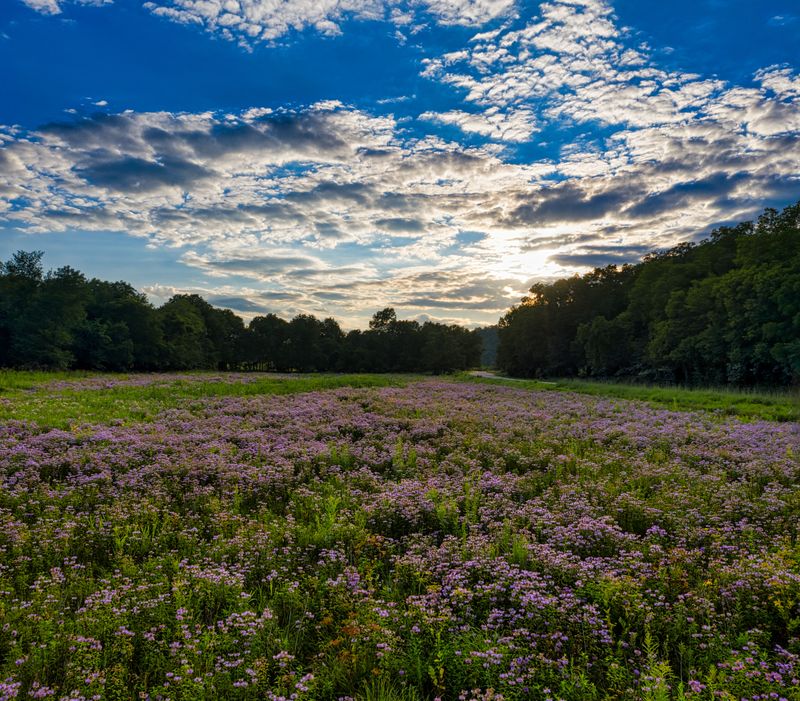
Sometimes the best native plant trip is not for plants at all. It is for seed.
Ernst Seeds, based in Meadville in Crawford County, is one of the biggest native seed producers in the eastern United States. Much of its business serves large restoration projects, but homeowners can order native seed mixes too, which makes it a smart option if you want to turn a big lawn patch into meadow.
Seeding stretches your budget in a way potted plants cannot. Penn State Extension notes that meadow plantings take patience, and a common rule of thumb is three years.
The first year sleeps, the second year creeps, the third year leaps.
In northwestern Pennsylvania, where lake-effect snow blankets the Erie region, many gardeners sow native seed in late fall or winter. Freezing and thawing helps break seed dormancy naturally, almost like the weather is doing your prep work for free.
Clear existing grass first, since competition is the main reason meadows fail. Then scatter seed on bare soil and press it in with your feet.
A few seasons later, when black-eyed Susans and switchgrass sway outside your window, you will know you built that yourself, one patient season at a time.
