
Your Fig Tree Spent All Summer Growing Leaves Instead Of Figs, And These 13 Winter Changes Flip That Next Year
Follow us on Google
Late October, and your fig tree is still a wall of huge green leaves that smell faintly sweet in the cold air. You count the fruit and get maybe six hard, green nubs that will never ripen.
The tree wasn’t lazy, it was busy chasing the wrong goal all summer. The good news is that the changes that steer a fig back toward fruit happen mostly in winter, while the tree sleeps, and you can make every one of them in a few weekends.
1. Stop Feeding Nitrogen Weeks Before Frost
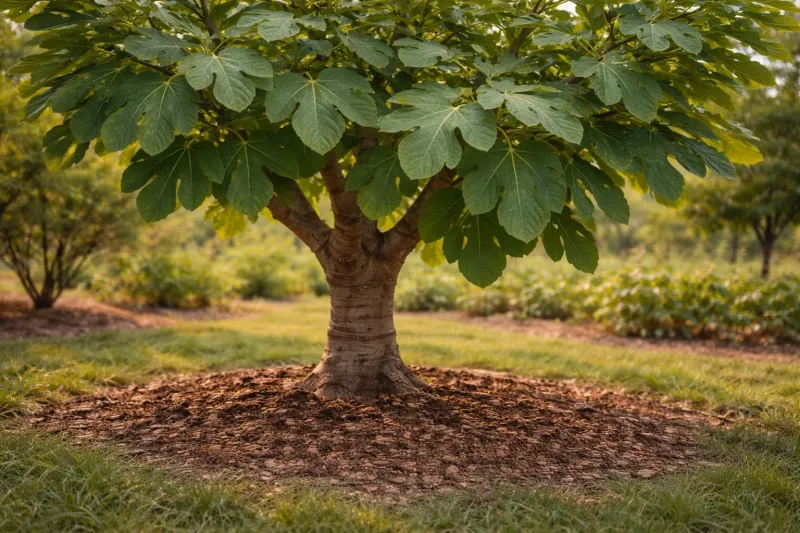
Nitrogen is the gas pedal for leaves. Feed it late, and your fig (Ficus carica) answers with soft green shoots instead of ripening wood and fruit.
Many growers keep fertilizing into September out of habit. That fresh growth rarely hardens before cold weather, so it freezes back and wastes the energy the tree spent making it.
The fix is a simple calendar note. Stop all nitrogen feeding about 6 to 8 weeks before your average first frost.
In much of zones 6 through 8, that means wrapping up by late August or early September.
Think of it as calling last orders at the bar. The tree stops partying and starts packing sugars into its stems and roots, which is the fuel next year’s figs actually run on.
2. Test Your Soil Before You Feed Again

Here is a surprising fact. Many backyard figs that grow all leaves are sitting in soil already rich in nitrogen from lawn fertilizer runoff or heavy compost.
Figs evolved in lean, rocky Mediterranean ground. Rich soil makes them behave like a teenager with a credit card, spending everything on size and nothing on savings.
Winter is a calm time to send a soil sample to your county Cooperative Extension office. Most state programs charge roughly 15 to 25 dollars and report pH plus nutrient levels.
Figs are happiest around pH 6.0 to 6.5.
If results show high nitrogen, skip feeding entirely next year. If potassium is low, a modest potash source in spring may help support fruit without pushing more leaves.
A soil test will not fix everything, but it stops you from guessing.
3. Pull Back On Water Once Leaves Drop
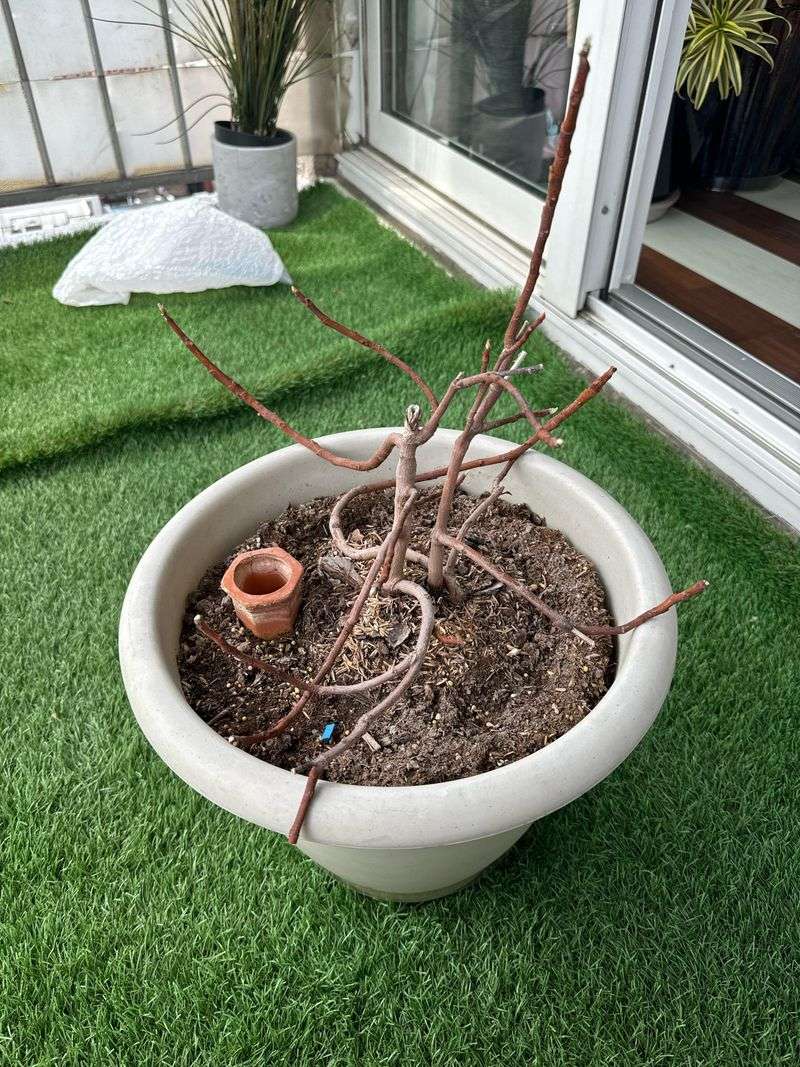
A sleeping fig needs very little to drink. Soggy roots in cold soil can rot quietly while you assume all is well.
As fall cools down, stretch the time between waterings. Once leaves fall, an in-ground tree usually gets enough from rain and snow in most of the eastern US.
In the dry Southwest, a deep soak about once a month during warm, dry spells is usually plenty.
Potted figs stored indoors need only a light drink every 3 to 4 weeks. Aim for soil that is barely damp a few inches down, never wet.
Rest is the point. The tree treats winter like a long nap, and a well-rested fig wakes up ready to fruit rather than flail.
4. Let The Tree Get Its Chill Hours
It sounds backward, but a little cold does a fig good. Most fig varieties want roughly 100 to 300 chill hours, meaning time spent between about 32°F and 45°F.
Gardeners who rush a potted fig into a warm living room often get a confused tree. It never fully sleeps, so spring growth comes out weak and leafy.
So keep it outside until leaves drop after a few light frosts. In mild coastal California or South Texas, chill comes naturally.
Farther north, an unheated garage that stays near 35°F to 45°F finishes the job safely.
Picture the chill as a reset button. Press it fully, and the tree’s internal clock lines up with a real fruiting season.
5. Prune In Late Winter, Not In Fall
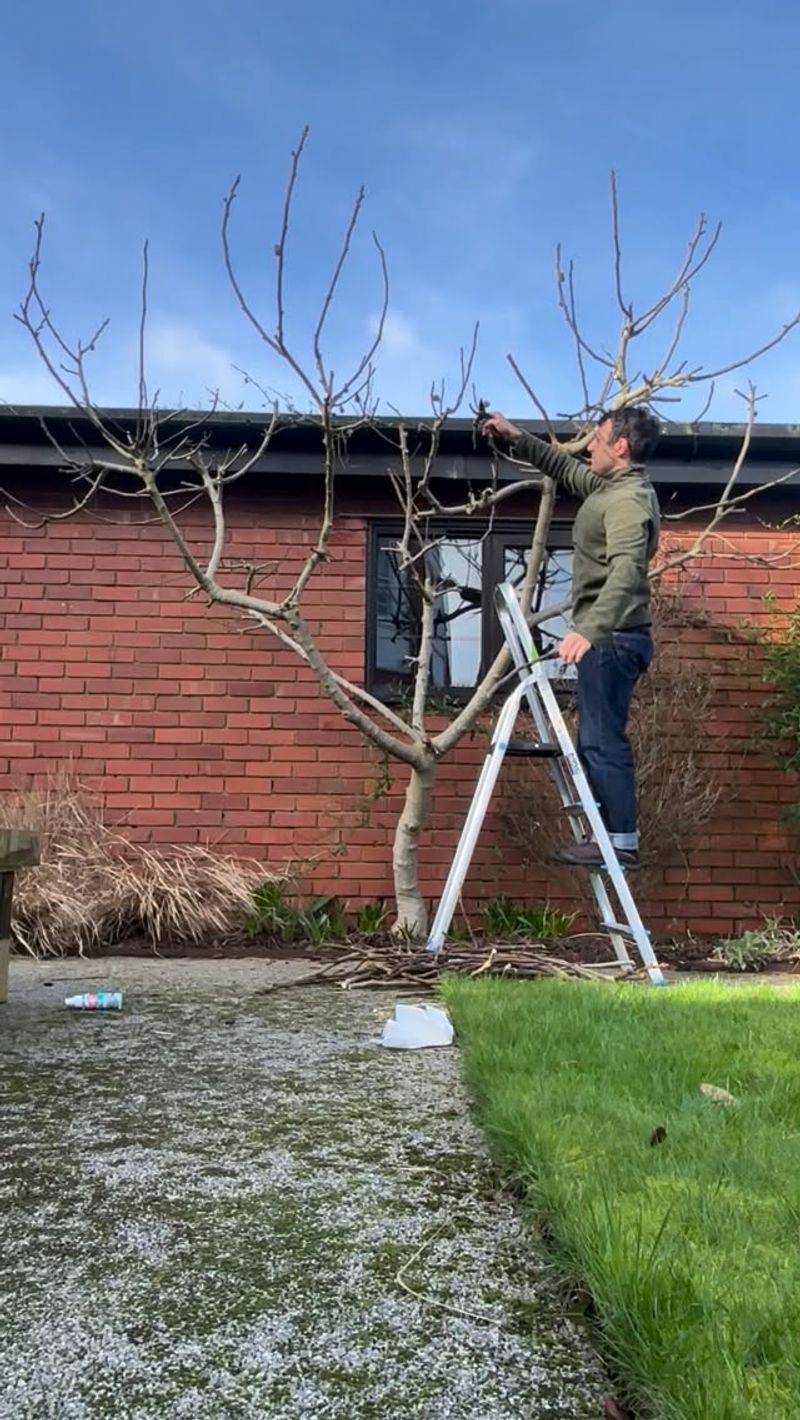
Fall pruning feels tidy. But it can wake buds right before a freeze, and that fresh tissue simply dies.
The safer window is late winter, after the worst cold has passed but before buds swell. In much of the Mid-Atlantic that often lands in February or March.
Gulf Coast gardeners can work a few weeks earlier.
Start with the three D’s, which are dead, damaged, and diseased wood. Then remove crossing branches so light reaches the center.
Cuts made now heal fast once sap moves. The tree gets a clean slate, and you get a framework built for fruit instead of a tangled leaf factory.
6. Shorten Last Year’s Shoots For Main Crop Figs
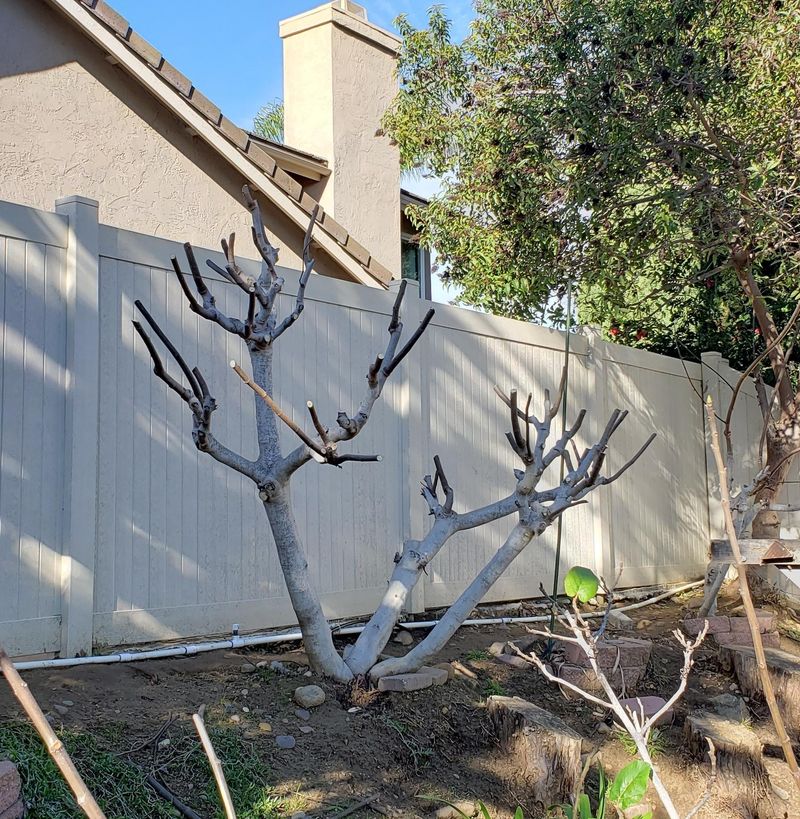
Most figs ripen their main crop on brand new shoots that grow this coming summer. That changes how you cut.
Shorten last year’s long shoots to a few buds, roughly 3 to 6 inches long, cutting just above an outward-facing bud. Each stub sends out strong new branches, and those are the ones that will carry figs at nearly every leaf joint.
Do not shear the whole tree like a hedge. Thinning a few crowded stems and shortening the rest keeps the tree compact and productive.
It feels harsh, a bit like a summer buzz cut. Yet the tree responds with sturdier wood and a heavier crop by August or September in most regions.
7. Protect Breba Wood If Your Variety Makes It
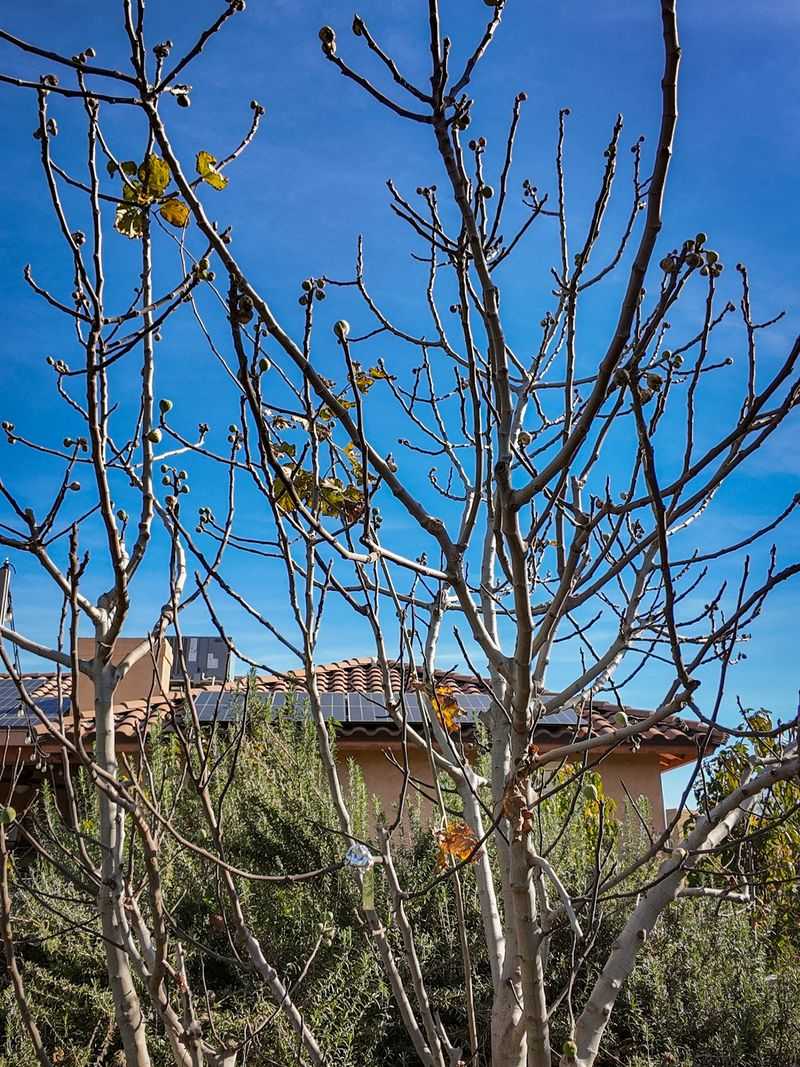
Some figs bear twice. The early crop, called breba, forms on last year’s wood and ripens in early summer.
Varieties such as Desert King rely heavily on breba. If you cut back all the old wood, you remove that harvest entirely, and many gardeners never realize why their tree went silent.
Look up your variety before pruning. For breba-heavy types, thin only crowded or weak stems and leave healthy one-year wood alone.
In colder zones, breba buds often freeze anyway. So treat this crop as a bonus, not the main plan.
8. Mulch The Roots Deep Before Hard Freezes
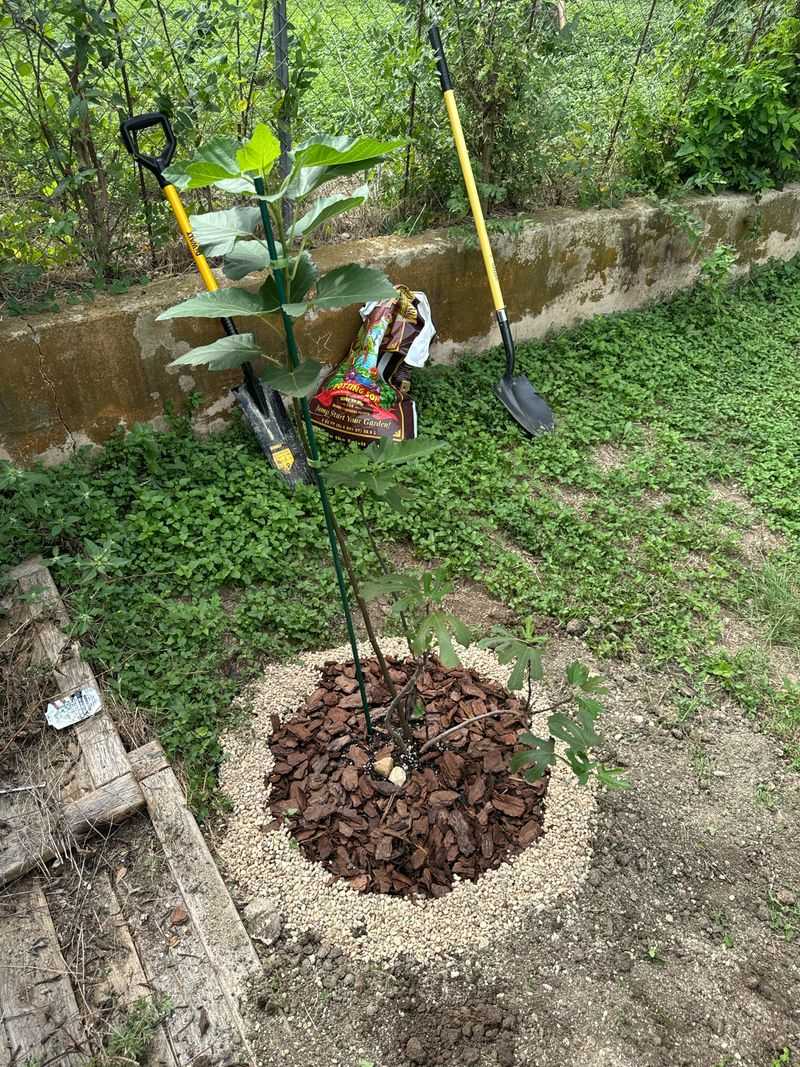
A cold snap can kill a fig’s top while the roots survive. Your job is to make sure those roots stay alive and strong.
Pile straw or shredded leaves 12 to 20 inches deep around the base in zones 6 and 7. Cover a circle about 3 feet wide.
Wait until the ground starts to cool so mice are less tempted to move in.
Mulch works like a down comforter, holding steady soil temperatures through the swings of a Midwest winter. Pull it back gradually in spring once nights stay above about 25°F.
9. Wrap Branches To Save Fruiting Wood
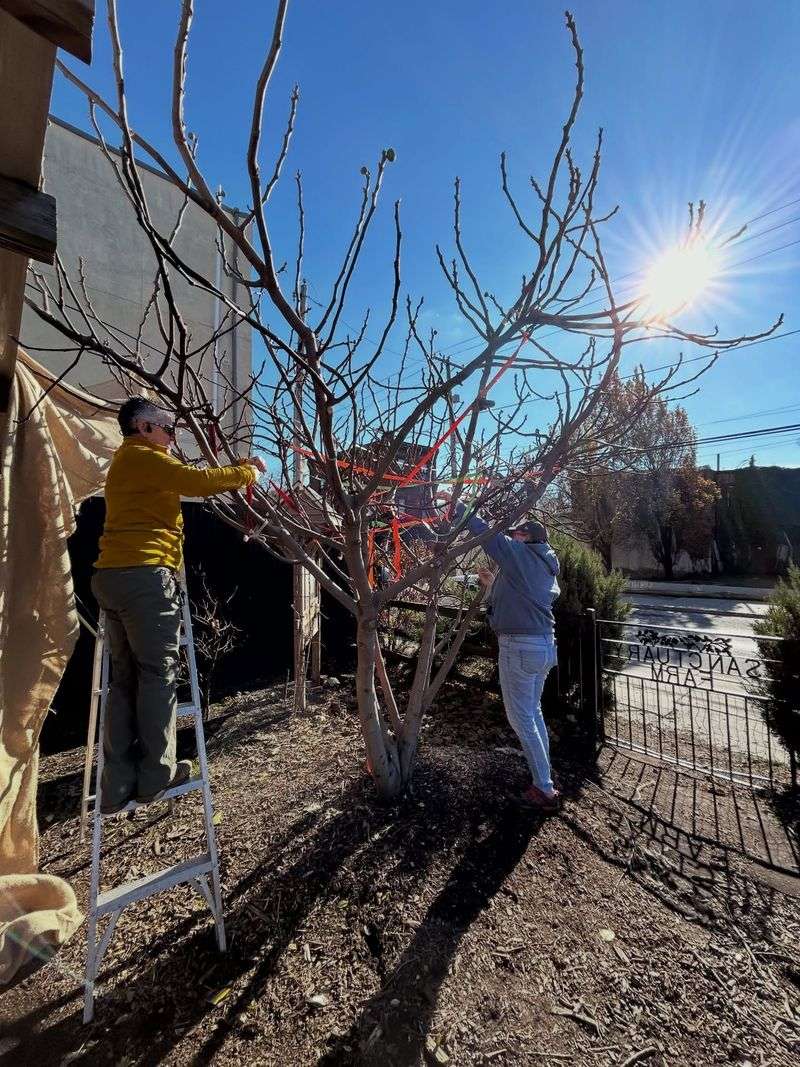
The scene repeats across Pennsylvania and New Jersey each March. A fig that looked fine in fall now has blackened tips, and the summer becomes a regrowth year with few figs.
After leaves drop, tie branches together loosely with twine. Wrap the bundle in burlap or frost cloth, then add straw or leaves inside for extra loft.
Skip plastic directly on the wood, it traps moisture and invites rot. An upside-down bucket on top keeps rain out while letting air move.
Penn State Extension notes figs may suffer damage below about 15°F to 20°F. Wrapping will not guarantee survival in a brutal winter, but it saves wood that would otherwise be lost.
10. Bury The Whole Tree Where Winters Bite
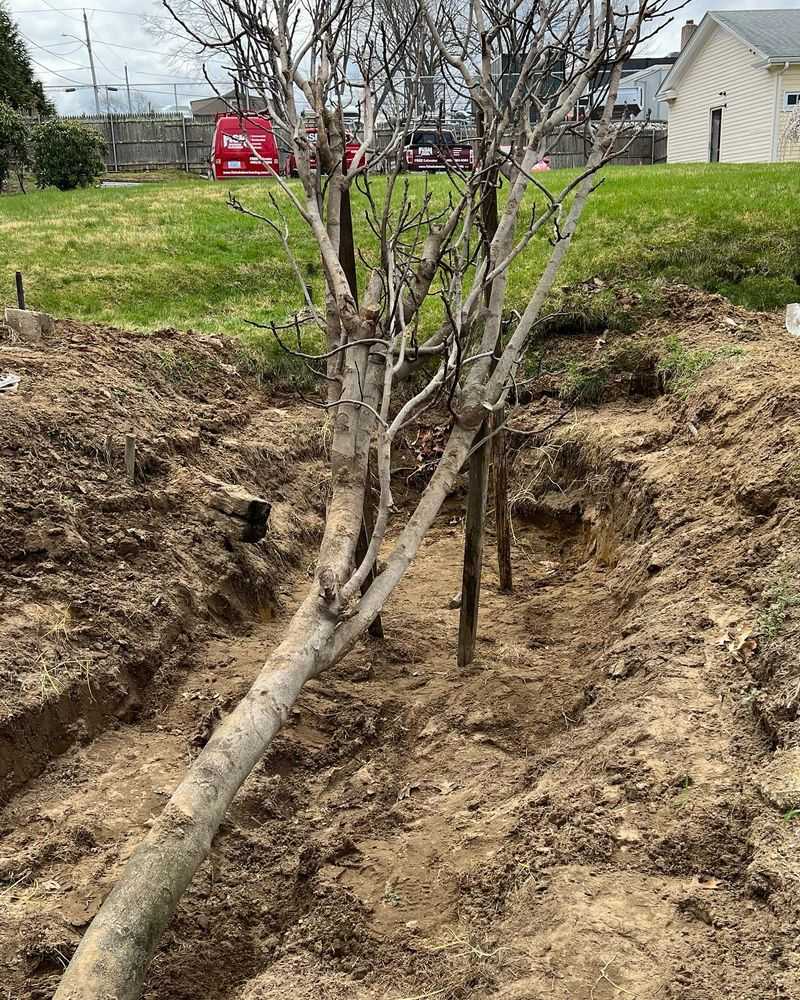
Old neighborhoods in Chicago, Boston, and Philadelphia have a strange tradition. Families laid their fig trees flat in trenches each fall and buried them.
It sounds odd, but soil is a powerful insulator. Where winters regularly drop below 10°F, this method protects wood that wrapping cannot.
Tie the branches, dig a trench the length of the tree, and loosen roots on one side so it bends down. Lay plywood over the top to slow rodents, then cover with soil and about a foot of mulch.
Raise it after your last hard frost in spring. It is real work, yet many northern gardeners say it is the only reason their figs fruit at all.
11. Park Potted Figs Somewhere Cold And Dark
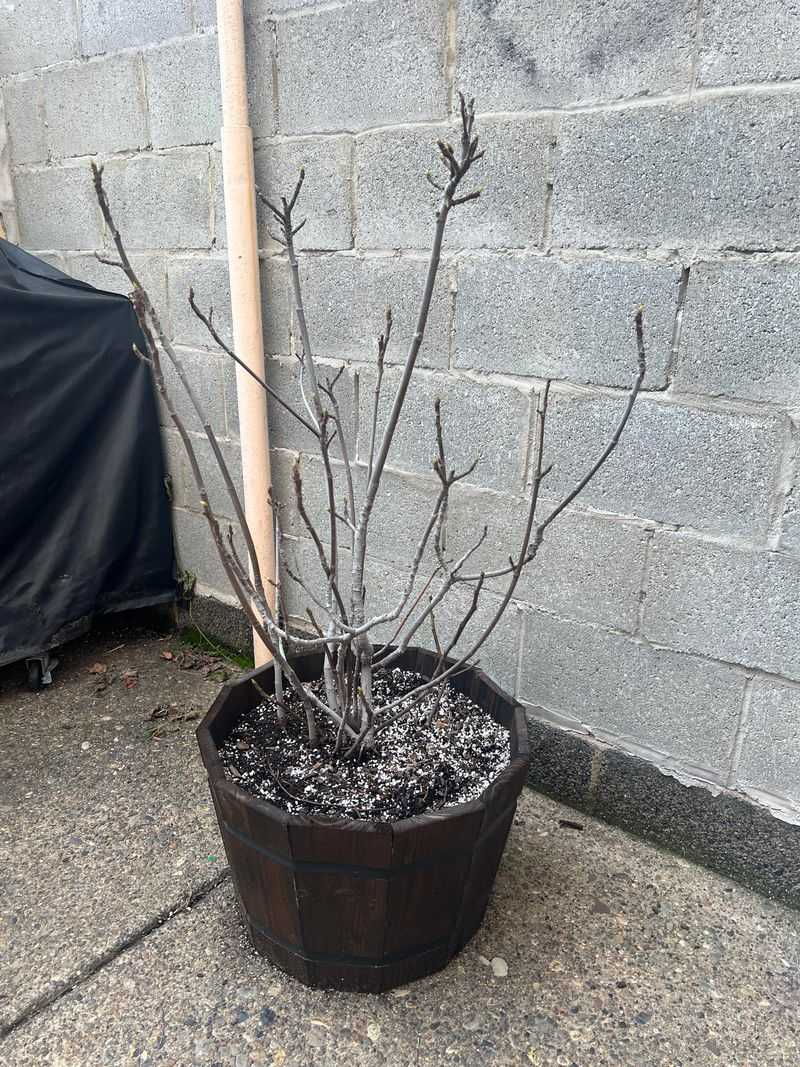
A potted fig is easier to rescue than one in the ground. Just move it before the root ball freezes solid.
An unheated garage, basement, or shed that stays above 20°F and below about 45°F is ideal. Darkness is fine, since a leafless tree does not need light.
If the space dips colder, wrap the pot in bubble wrap or burlap. Roots in containers freeze faster than roots in the ground.
In early spring, roll it back outside after frosts settle. The tree wakes slowly, like a bear leaving its den, and puts energy into shoots that bear fruit.
12. Root Prune Container Figs Every Few Years
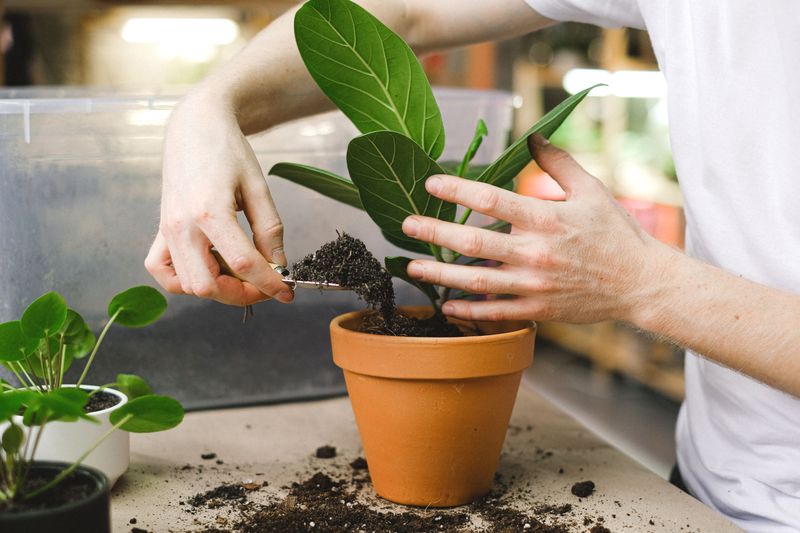
A slightly snug pot actually helps a fig fruit. But too cramped, and the tree stalls.
Every 2 to 3 years, in late winter, slide the tree out. Shave about an inch or two off the sides and bottom of the root ball with a sharp knife.
Replace roughly a third of the old soil with fresh, well-draining mix. Return it to the same pot.
This mild squeeze keeps the tree from chasing endless leaves, and the new roots feed fruit well into summer.
13. Clean Up Leaves And Plan For Full Sun
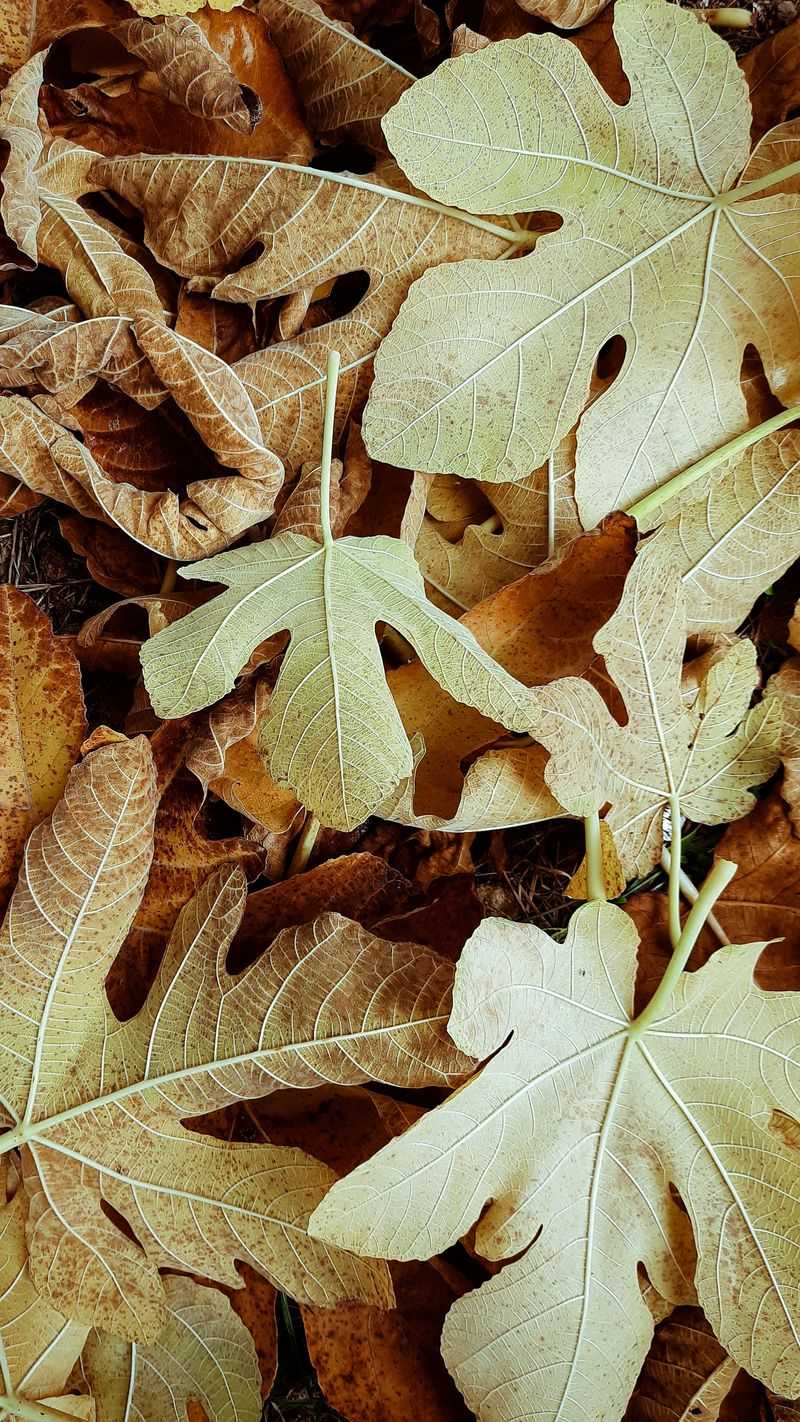
Fallen fig leaves look harmless. Yet they can shelter fig rust spores, a fungus common in humid Southeast gardens that strips leaves early.
Rake and bag them rather than composting. A clean base means fewer problems once warm, sticky summer returns.
Winter is also the moment to check sunlight, since bare trees show shade clearly. Figs want at least 8 hours of direct sun to ripen fruit well.
If a neighbor’s maple has grown over yours, consider thinning that shade or moving a potted fig.
None of this is dramatic. But with steady winter care, your fig spends next summer doing its real job, filling your hands with ripe fruit.
