
The Rare Pennsylvania Bird Turning Up In More Backyards As Winter Settles In
Follow us on Google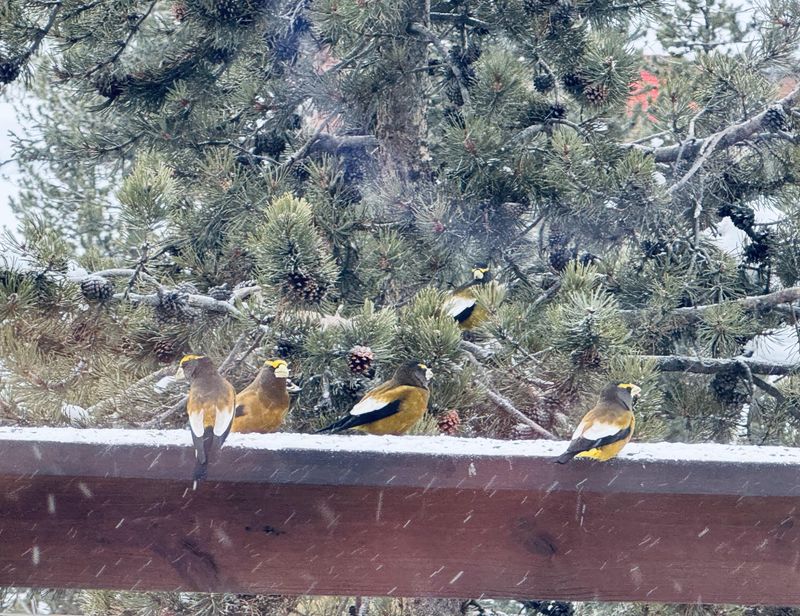
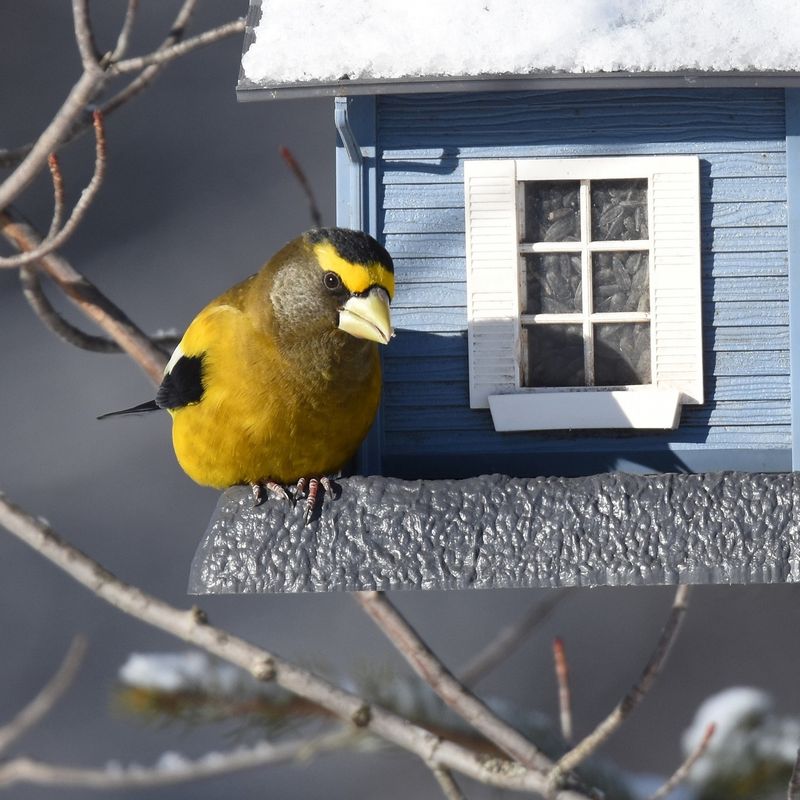
The bird you may be spotting this winter is the evening grosbeak, a chunky yellow and black finch that sometimes shows up at Pennsylvania feeders. It does not come every year, which is exactly why a sighting feels like a small gift.
Here is how to recognize it, what the 2026-27 forecast actually says, and how to make your yard more useful to birds this winter.
The likely visitor is an evening grosbeak
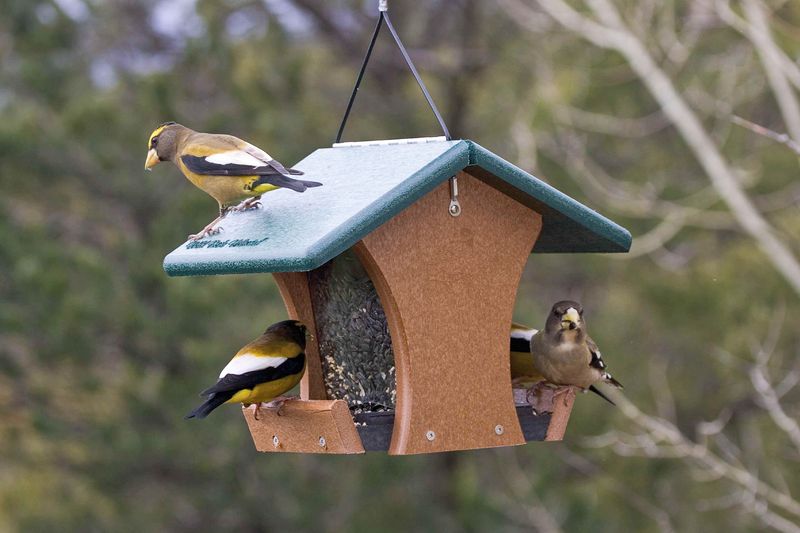
Snow is sifting over the yard, and something bulky lands on the feeder pole. It looks like a goldfinch that has been working out.
Chances are good you are looking at an evening grosbeak.
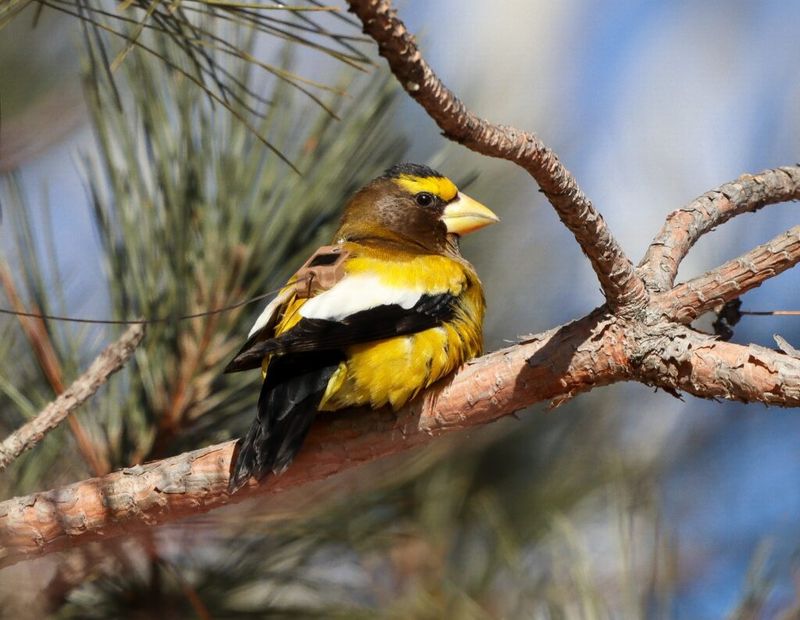
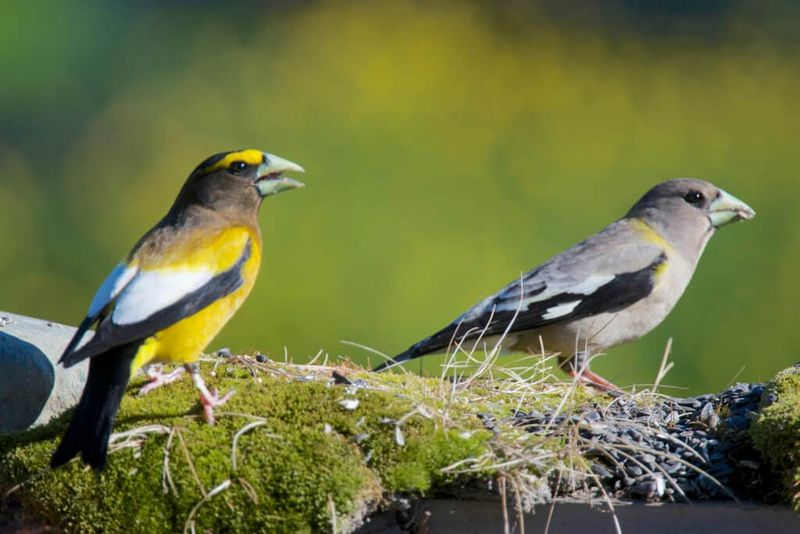
Start with the shape. Evening grosbeaks are heavy-bodied finches with oversized pale bills that look almost too big for the face.
That bill is built for cracking hard seeds.
Then check the color. According to Pennsylvania Game Commission identification notes, adult males are yellow and black with bold white wing patches.
Females are more subtle, a yellowish gray that can look washed out against a gray January sky.
Evening grosbeaks are irregular winter visitors in Pennsylvania. Some winters they reach feeders, and other winters they stay farther north.
So a sighting is possible, though not guaranteed in any given year.
Do not assume every big, unfamiliar finch is one. Take a moment to look at the bill and the wing patches.
Note the size compared with nearby sparrows and juncos. A quick photo can settle the question later, and the bird often stays put long enough to let you get one.
Birds have a way of rewarding people who pay attention. A slow look at the feeder on a snowy morning is where most good yard stories begin.
What this winter’s forecast says about sightings
Here is the honest read on this winter. The 2026-27 Finch Research Network forecast says a small movement of evening grosbeaks into Pennsylvania is possible.
Notice the careful wording. A forecast is a prediction based on food conditions and past patterns, much like a weather outlook.
It is not a headcount of birds already sitting in backyards.
The forecast does not show that sightings are rising across the whole state. Nobody has measured that, and it would be a stretch to claim it.
There is some regional context worth knowing. The same forecast notes that small-to-moderate movements reached southern New York and northwestern Pennsylvania in each of the previous two winters.
That tells us about those areas, not about the entire commonwealth.
So what does that mean for you? If you live in the northwestern corner near Lake Erie, keep your eyes a little sharper.
If you live in the Delaware Valley or the Susquehanna Valley, a visit is still possible but less likely to be predictable.
For this winter, think of the forecast as a gentle nudge to look twice at the feeder. It is a reason for curiosity, not a promise.
Changing seed crops can send finches south
Winter finches do not follow a calendar. They follow the food, and the food changes from year to year.
Up north in the boreal forest, trees such as spruce and fir produce heavy cone crops in some years and thin ones in others. The Pennsylvania Game Commission says failures of boreal food sources, particularly conifer seeds, are believed to contribute to some finch movements.
Believed is the key word. Scientists do not treat it as a proven single cause.
Evening grosbeaks add a twist. According to the current forecast, food crops vary by species and region, and evening grosbeaks also use maple and ash seeds.
So a bird can find a fine meal in a roadside maple without ever needing your feeder.
That is why a yard visit is so hard to predict. A good seed crop to the north may keep birds home.
A poor one may push them south. And a maple-rich neighborhood may hold them for a while on natural food alone.
If you have maples or ash trees nearby, glance up at the seed clusters on a cold morning. A noisy group of heavy-billed birds up high is a clue worth following.
Nature keeps its own pantry, and the grosbeaks read it better than we can.
A sunflower platform feeder offers one food option
Some people picture a feeder as a magnet. It is more like an open door.
A bird may walk through, or it may not.
If you want to leave that door open for evening grosbeaks, the 2026-27 forecast points to a platform feeder stocked with black-oil sunflower seed. Big birds with big bills like a wide, open surface and a seed with a thin shell.
Cornell Lab of Ornithology also describes evening grosbeaks as likely visitors to sunflower-filled platform feeders, especially near forested areas. If your yard backs up to woods in the Poconos, the northern tier, or the Allegheny Plateau, that setup makes the most sense.
Place the feeder where you can see it from a window, ideally near some trees for quick cover. Start with a small amount and refill as it empties.
Keep expectations honest. A feeder is one food option among many natural sources.
Grosbeaks do not need it to get through winter, and no feeder can guarantee a visit.
Still, juncos, cardinals, chickadees, and finches will likely use it, so the effort rarely goes to waste.
Sometimes the reward is simply a busier, livelier window on a quiet winter day.
Keep feeder seed fresh and feeders clean
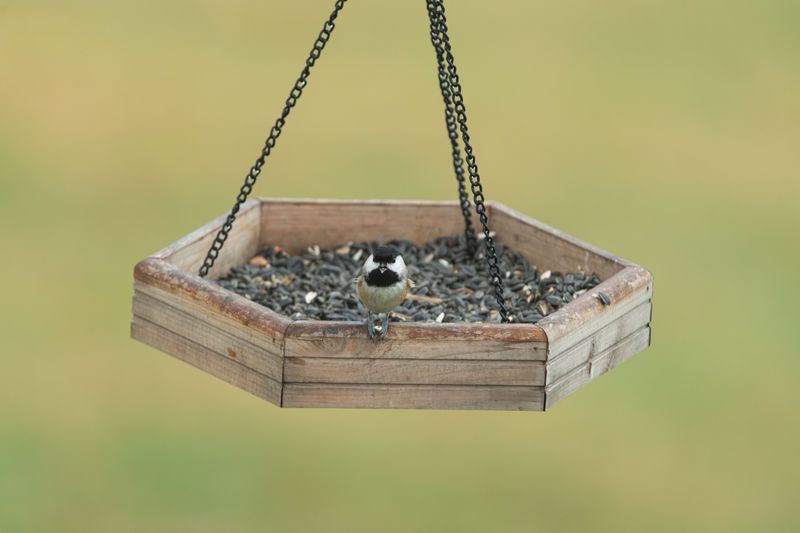
A feeder is only as good as its last cleaning. Wet, moldy seed can make birds sick, and a cold snap does not stop that from happening.
Penn State Extension offers a simple routine in its guidance on reducing disease risk at feeders. Offer only as much seed as visitors can eat in a day.
That keeps seed from sitting out and going bad.
Scrub platform feeders weekly with soap and a disinfectant, then let them dry before refilling. Platforms collect droppings and damp hulls fast, so they need the most attention.
If you see moldy or clumped seed, throw it out. Store the rest in a cool, dry place, in a container with a tight lid, away from rain and snowmelt.
You may also be wondering about avian influenza. Rather than guess, check the current Pennsylvania Game Commission guidance.
It includes cleaning and disinfection instructions and is updated as conditions change.
Pick one day of the week, maybe Saturday morning with your coffee, and make the cleaning a habit.
A clean feeder is a quiet kindness to every bird that lands.
Native plants and cover help birds generally
Plants are the long game. They will not summon a grosbeak, but they will make your yard a better stop for many birds.
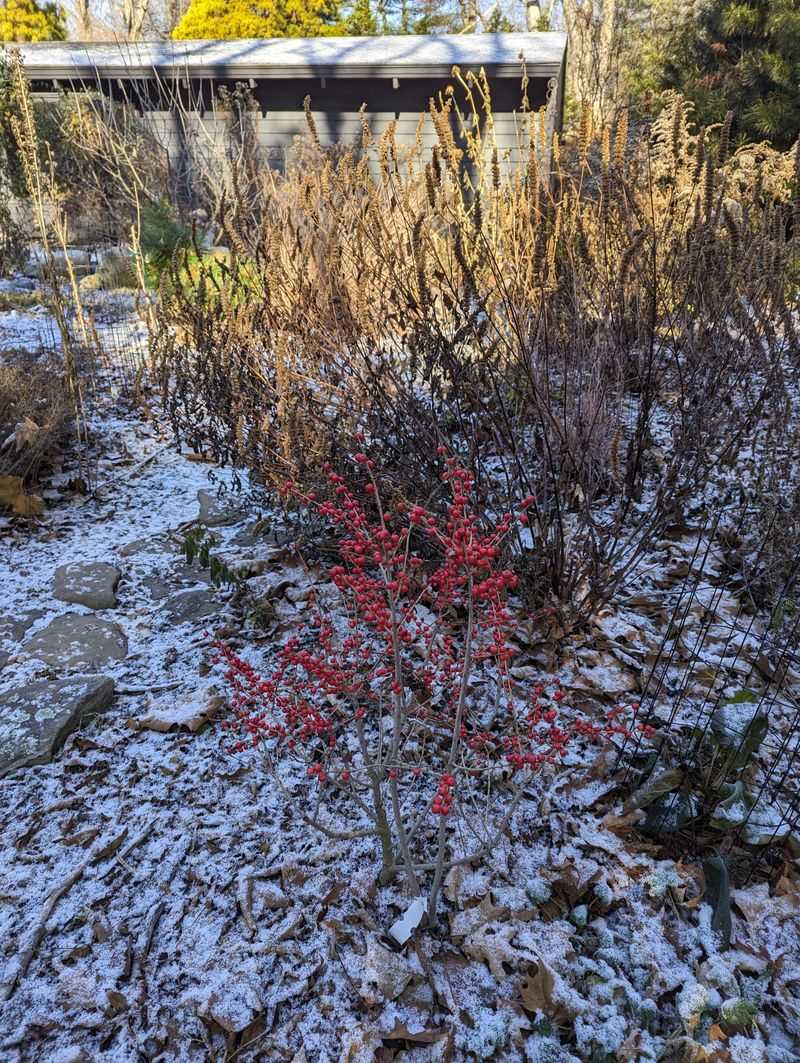
The Pennsylvania Horticultural Society highlights native trees, shrubs, evergreens, and standing seed heads as sources of food or shelter. Examples include serviceberry, winterberry holly, hawthorn, American holly, and eastern red cedar.
Berries feed birds in lean months. Evergreens such as holly and red cedar block wind and hide birds from hawks.
Seed heads left standing through winter offer a free snack and a perch.
Be clear about what this does and does not do. These plants can benefit birds generally.
Planting them will not cause a northern irruption, and it will not ensure an evening grosbeak visit.
For grosbeaks specifically, the forecast names maple and ash seeds and sunflower seed on platform feeders. That is the documented part.
The shrubs are a broader, steadier investment.
An easy start is one shrub this spring and a pile of brush in a back corner. Leave a few seed heads standing at fall cleanup.
A yard that works for chickadees, juncos, and waxwings is already a good yard. If a grosbeak drops in someday, consider it a bonus.
