
Fireflies Return To Florida Yards Where Homeowners Make These 7 Small Native Changes
Follow us on Google
It’s a warm June evening in Florida, the air smells like cut grass and rain, and you notice something missing over the lawn. Fireflies used to blink there every summer, and now the yard just sits dark and quiet.
The good news is that many Florida homeowners are seeing them come back after a few small, native changes. None of these steps cost much, and together they can turn your backyard into a place where those soft little lights feel at home again.
1. Turn Off Outdoor Lights After Dusk
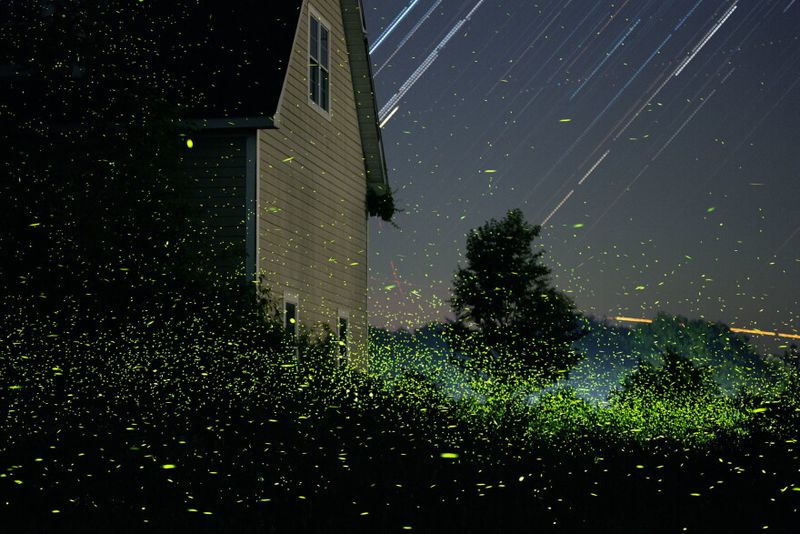
Fireflies are actually flirting when they flash. Each species has its own blink code, and males flying about 3 feet off the ground send signals to females waiting in low plants.
Here is the problem. Porch lights, floodlights, and even cute string lights act like a loud radio drowning out a whisper, so females may never see the message.
The fix is simple. Turn off any outdoor light you do not need from sunset until about 10 p.m., when most local fireflies are busiest.
If safety matters, swap to motion-sensor lights, which stay dark until someone walks by.
Many Central Florida homeowners notice a difference within one season. A dark yard is not empty, it is a stage waiting for its show.
2. Skip Broad Bug Sprays In Firefly Zones
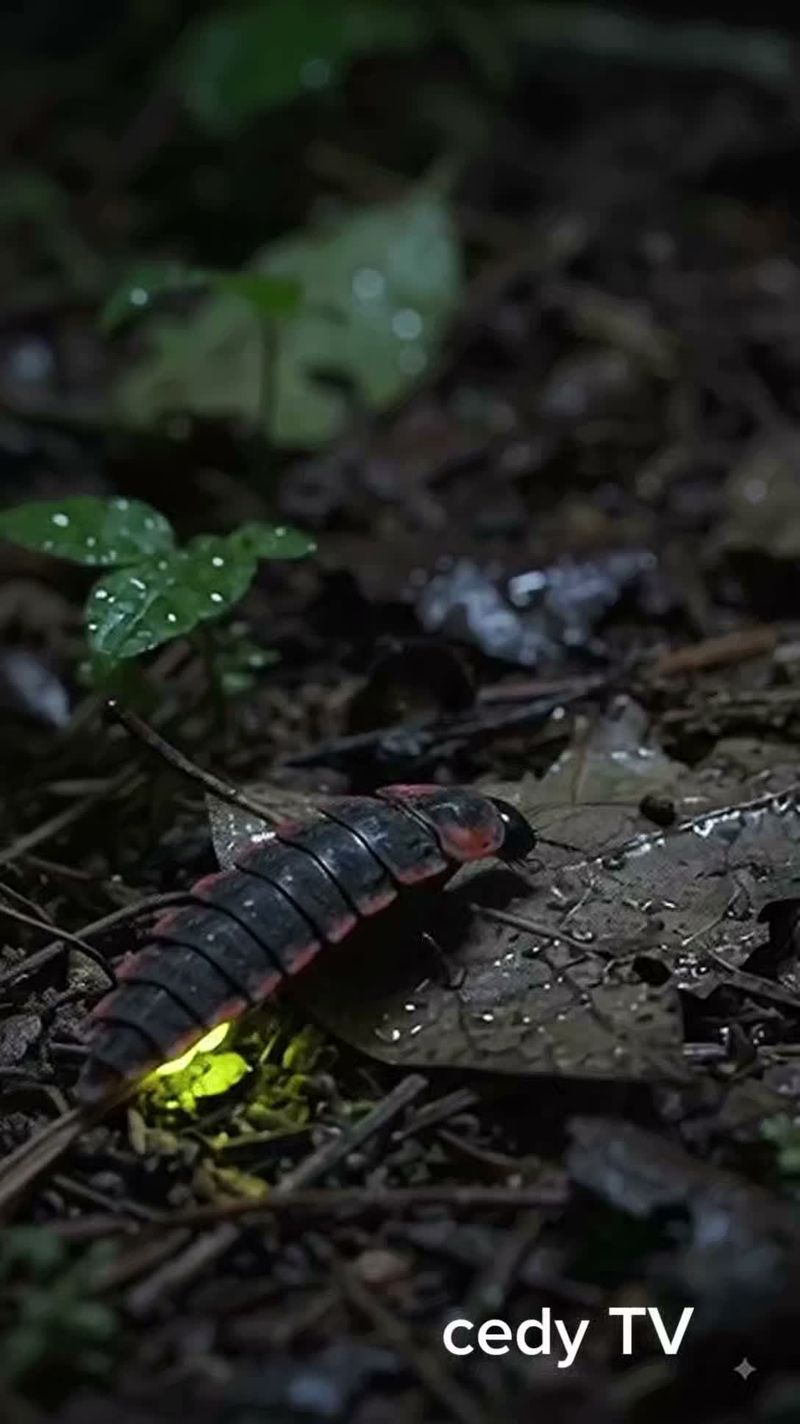
Most of a firefly’s life is spent as a hungry little hunter in the soil. Larvae, often called glowworms, can live there for one to two years, eating slugs, snails, and soft insect grubs.
Broad-spectrum insecticides do not pick favorites. A lawn spray aimed at chinch bugs or mole crickets can kill glowworms too, plus the snails they need to eat.
So pick one or two firefly zones, like a shady bed or the back corner, and keep them spray-free all year. If a pest flares up elsewhere, spot-treat only that plant instead of blanketing the yard.
UF/IFAS Extension recommends this targeted approach as part of integrated pest management.
It is not a magic solution on its own. But it lets the next generation actually survive long enough to glow.
3. Leave Fallen Leaves Under Shrubs And Trees
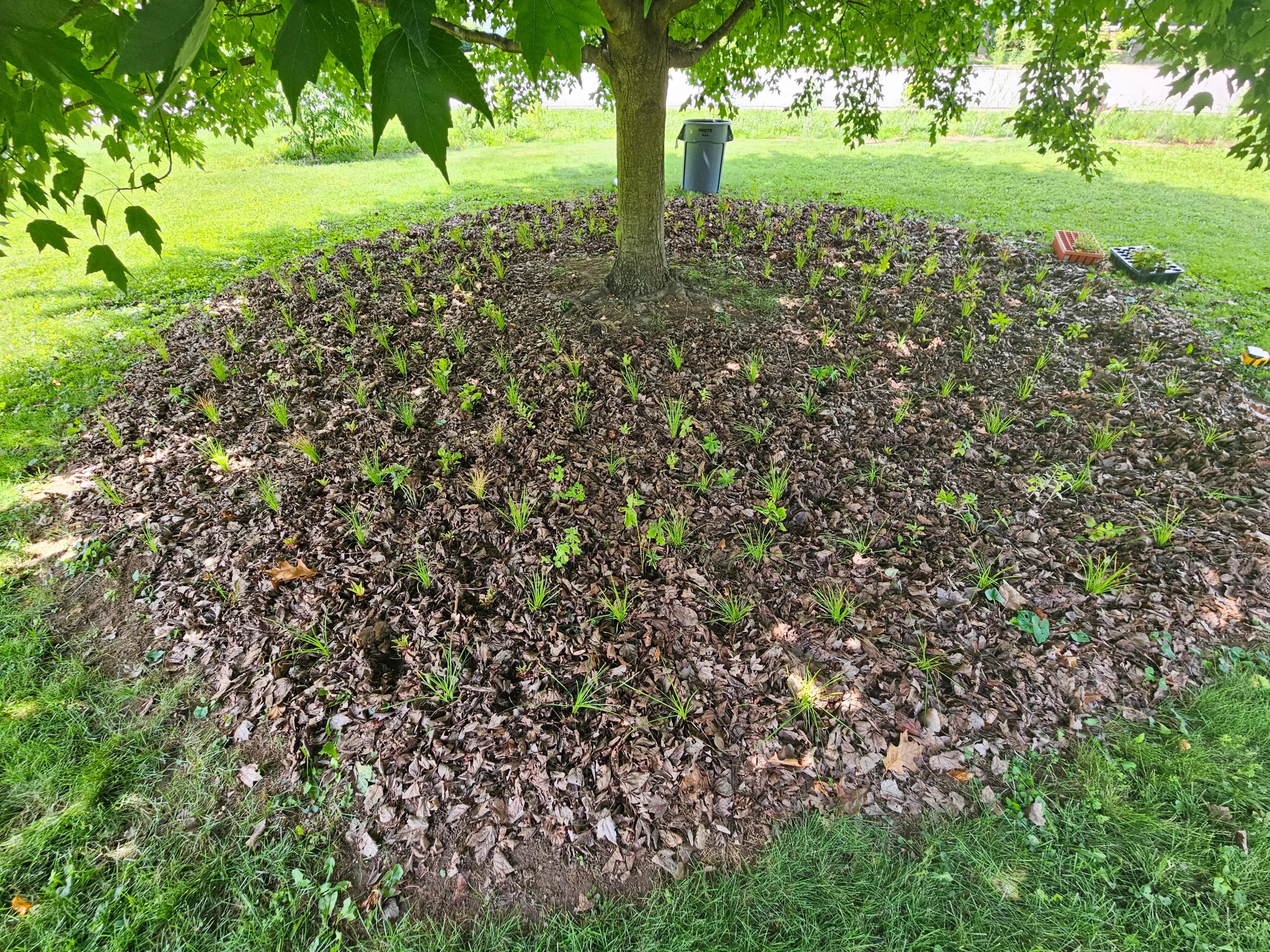
You rake, bag, and drag those leaves to the curb. And somewhere in that bag, a glowworm is riding away.
Leaf litter is a firefly nursery. It holds moisture, shelters larvae from the harsh sun, and draws in the slugs and worms they hunt.
Instead of bagging, rake leaves into beds under shrubs and trees. Aim for a layer 2 to 3 inches deep, which also acts as free mulch on Florida’s thirsty sandy soil.
Live oaks (Quercus virginiana) drop most of their leaves in late winter and spring, perfect timing for this step.
Your beds will look a little more natural. Your soil and your summer evenings will thank you.
4. Plant Native Shrubs For Daytime Hiding Spots
Adult fireflies spend their days resting on leaves, out of the hot sun. A wide lawn gives them nowhere to hide.
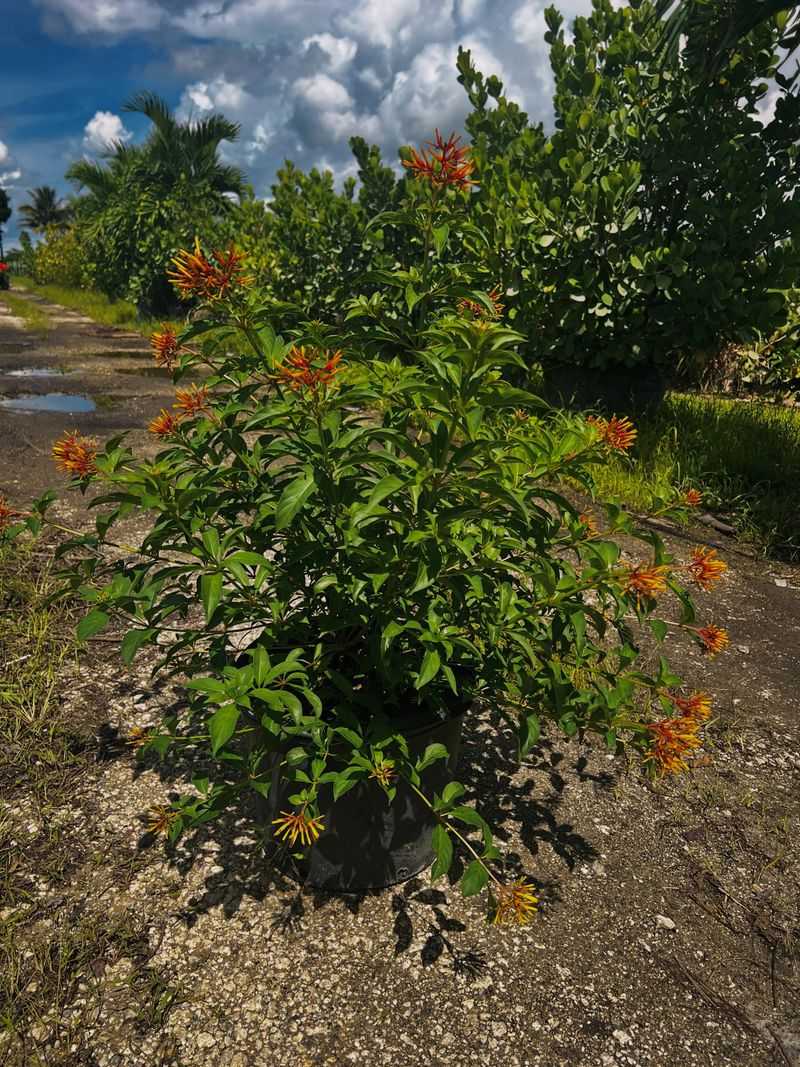
Native shrubs fix that. American beautyberry (Callicarpa americana) and firebush (Hamelia patens) create shady layers where fireflies can rest, and the dense cover keeps the ground cooler and damper.
Plant shrubs about 4 to 5 feet apart in groups of three. Firebush suits Central and South Florida, while beautyberry handles North Florida and the Panhandle, where winter freezes can dip into the 20s.
Planting in fall gives roots time before summer heat.
Think of these shrubs as quiet bodyguards for the night shift. They do their job without much fuss.
5. Keep One Shady Spot Consistently Damp
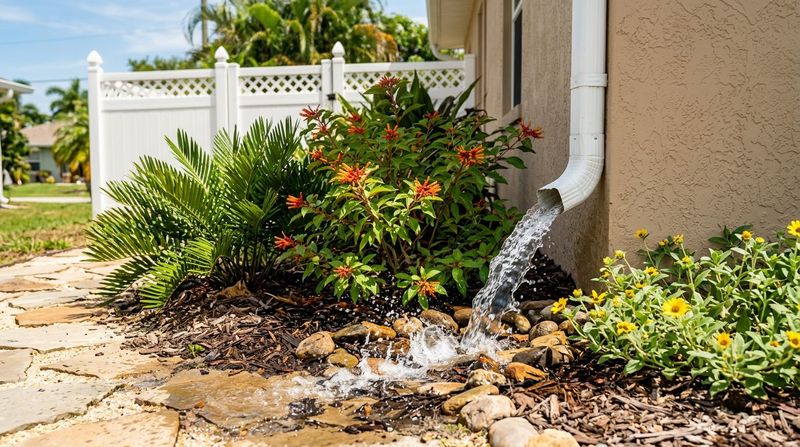
Moisture is the secret ingredient most Florida yards are missing. Fireflies love damp ground, and their larvae dry out fast in sandy soil.
That gets tricky during the winter dry season, when weeks can pass with little rain. Long gaps between summer storms do the same thing.
Pick a shady spot, maybe near a downspout or under a tree, and keep it moist. A simple rain garden or a regularly filled bird bath helps.
During dry spells, give the area a deep soak of about 1 inch of water once a week. In South Florida and the Keys, where soil sits thin over limestone, thick mulch helps hold that moisture.
One damp corner can genuinely change everything. It is a small oasis with a big payoff.
6. Let A Small Corner Grow Tall
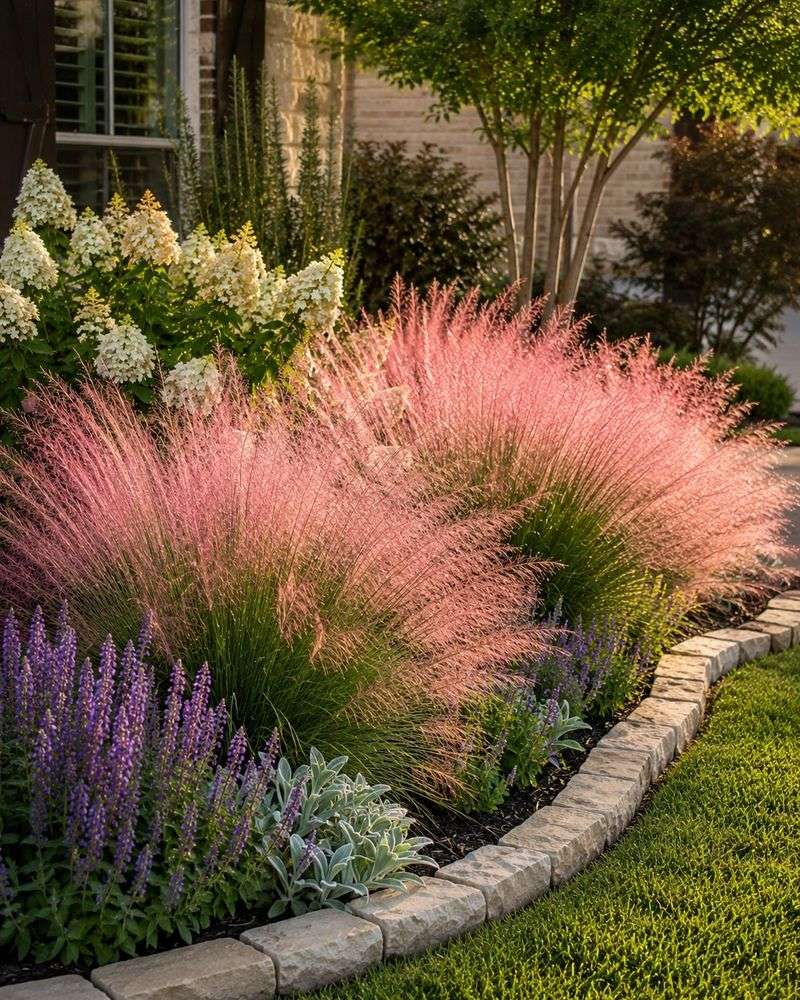
A perfect lawn looks great to neighbors. To a firefly, it looks like a desert.
Short turf gives females no perch to signal from, and frequent mowing disturbs larvae in the soil. Taller grass gives them a place to sit, blink, and wait.
Set aside a 10-by-10-foot corner along a fence or under trees and stop mowing it. Or plant muhly grass (Muhlenbergia capillaris), which grows 2 to 3 feet tall and turns pink in fall.
Check HOA rules first, and a neat border or small sign helps it look planned.
Your no-mow corner may become the busiest spot in the yard after dark. Not bad for doing less work.
7. Keep A Log Or Brush Pile

Old wood is not trash to a firefly. Rotting logs stay damp inside and attract the slugs and snails larvae eat.
Instead of hauling trimmed branches to the curb, stack them into a loose pile about 3 feet wide in a shady back corner. A fallen log or old stump works too.
Keep piles at least 20 feet from your house so termites and critters stay away from your walls.
Over time, the wood breaks down and adds rich organic matter to Florida’s acidic sandy soil. This step works best alongside the others, as one more layer in a firefly-friendly yard.
Then one summer night, you step outside, and the yard starts blinking back at you.
