
No Yard In Florida? These 7 Fruit Plants Fill Your Fruit Bowl From A Patio Pot
Follow us on Google
You step onto the patio after breakfast, coffee in hand, and the air already feels warm and heavy. That bare corner by the railing could be growing lemons, figs, or bananas right now.
You don’t need a yard in Florida to pick your own fruit, just the right plant, a big enough pot, and a sunny spot. Here are seven fruit plants that actually earn their place on a patio, each for a different reason.
1. Meyer Lemon
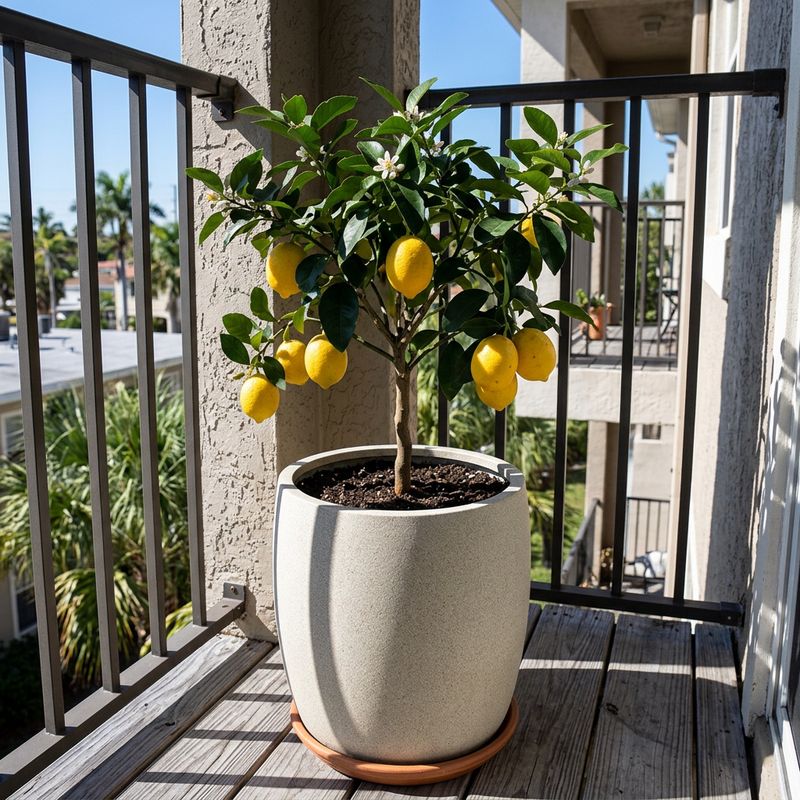
Cold snaps are the villain in every Florida citrus story, and a pot quietly beats them. The Meyer lemon (Citrus x meyeri) is a natural cross between a lemon and a mandarin, so its juice tastes sweeter and softer than a grocery store lemon.
Here is where it gets clever. When North Florida or Central Florida forecasts dip toward 28 degrees, you simply roll the pot into the garage for the night.
A tree in the ground cannot do that.
Give it 6 to 8 hours of direct sun. Start in a pot at least 15 inches wide, then move up to a 20 to 25 gallon container as it grows.
Water when the top 1 to 2 inches of mix feel dry, and feed with a citrus fertilizer during the warm months.
One honest note. UF/IFAS Extension warns about citrus greening across the state, so buy only certified disease-free trees from a registered Florida nursery.
Fruit usually ripens from November through March, right in time for holiday iced tea and porch evenings with friends.
2. Fig
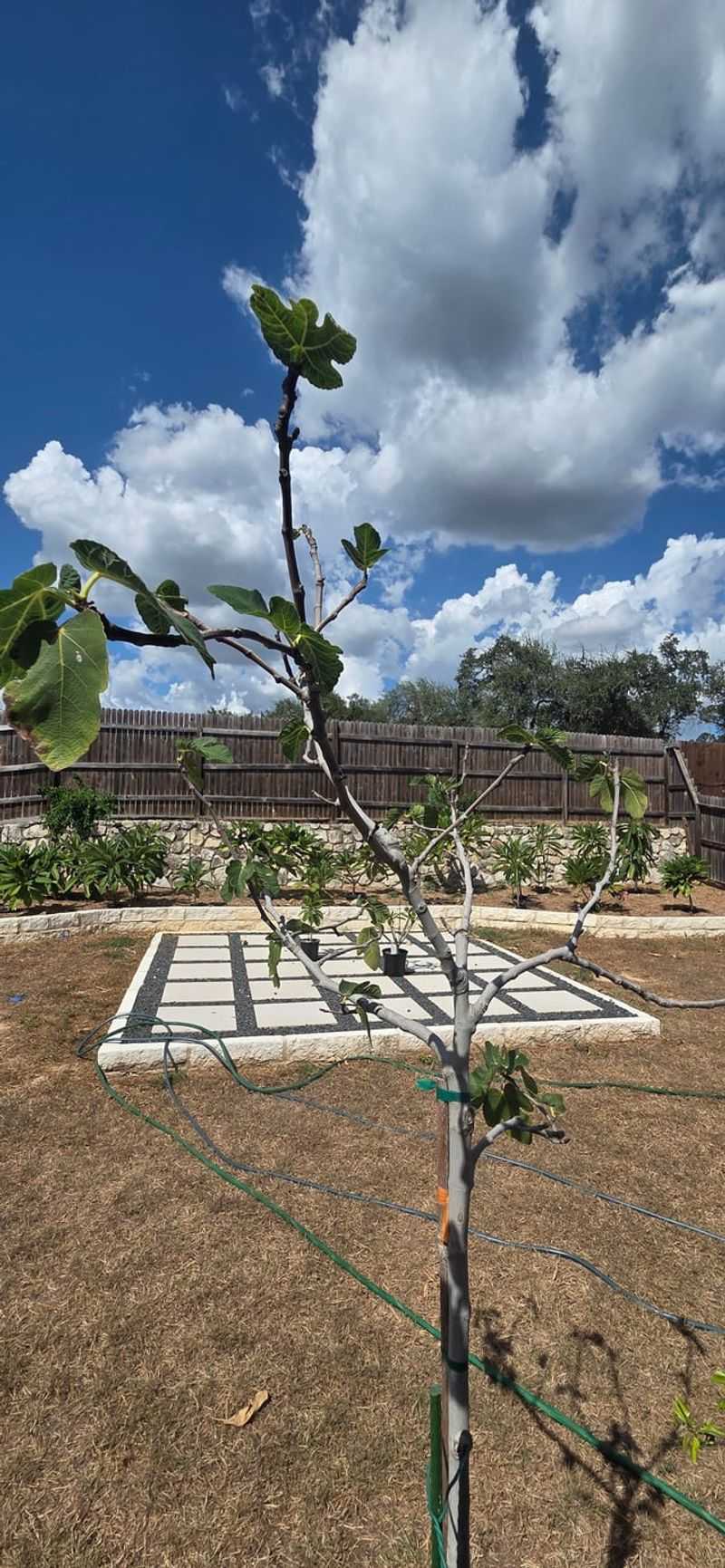
Most people assume a fig needs room to sprawl. The surprise is that fig trees (Ficus carica) often fruit better when their roots are squeezed into a pot, because they put energy into fruit instead of roots.
That makes the fig the best choice on this list for the Panhandle and North Florida, where winters bite harder. Varieties like Brown Turkey and Celeste handle cooler nights, and a potted fig can sit out a hard freeze in a shed while dormant.
Use a 15 to 20 gallon pot with several drainage holes and a quality potting mix, never heavy garden soil. Keep the mix evenly moist while fruit swells, especially in June and July.
Figs fruit on new growth, so trim after harvest to keep branches at picking height.
There is also a hidden bonus. Root-knot nematodes, those tiny soil worms that plague in-ground figs across sandy Florida soil, are far less of a problem in fresh bagged mix.
Summer brings a bowl of soft, jammy figs you would pay dearly for at the market.
3. Dwarf Cavendish Banana
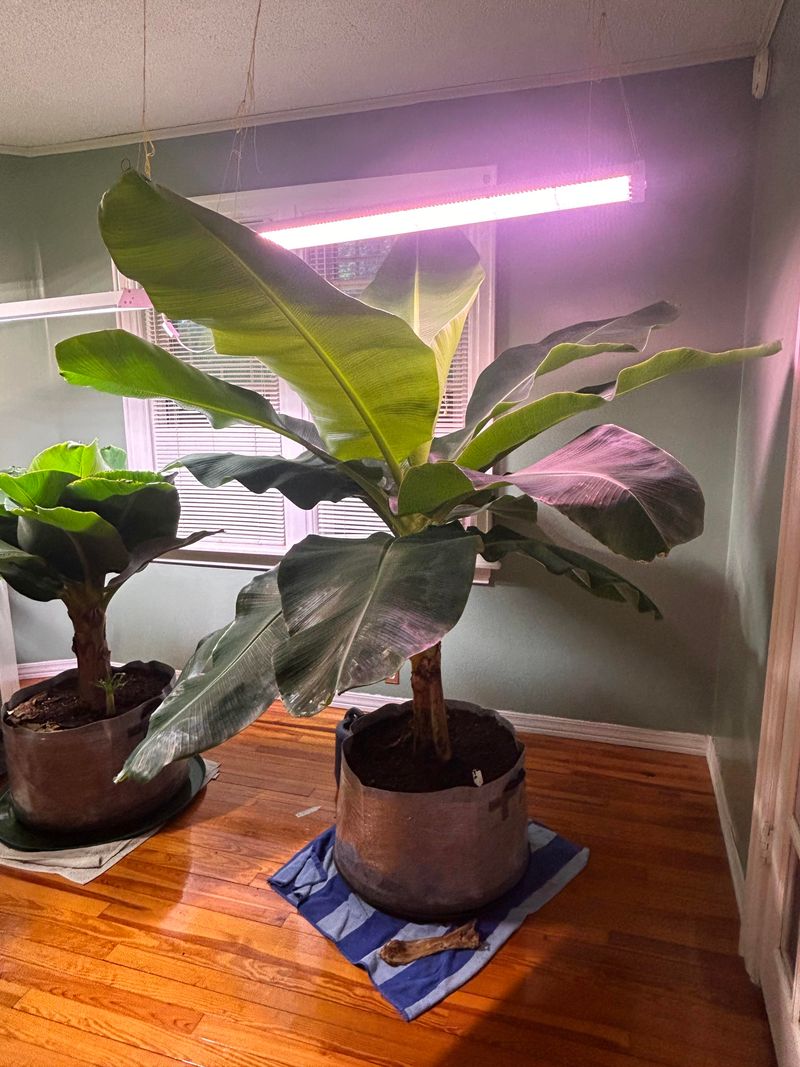
Picture a summer cookout where your guests notice a bunch of bananas hanging over the pool deck. Few things make a patio feel more like a vacation.
Be clear on what dwarf means, though. Dwarf Cavendish (Musa acuminata) still reaches 6 to 10 feet, so it needs a pot of at least 15 to 20 gallons and a spot sheltered from strong wind.
Its huge leaves act like sails in a summer storm.
Bananas are thirsty and hungry. During a hot Central Florida summer you may water daily, and a balanced slow-release fertilizer every couple of months keeps leaves green.
Drainage still matters, since soggy roots invite rot.
Each stalk fruits once, then fades as new pups take over, so keep one or two pups and remove the rest. When a cold front drops below 40 degrees, drag the pot close to the house.
Waiting 9 to 12 months for that first bunch feels long, but slicing your own banana onto cereal is genuinely worth it.
4. Guava
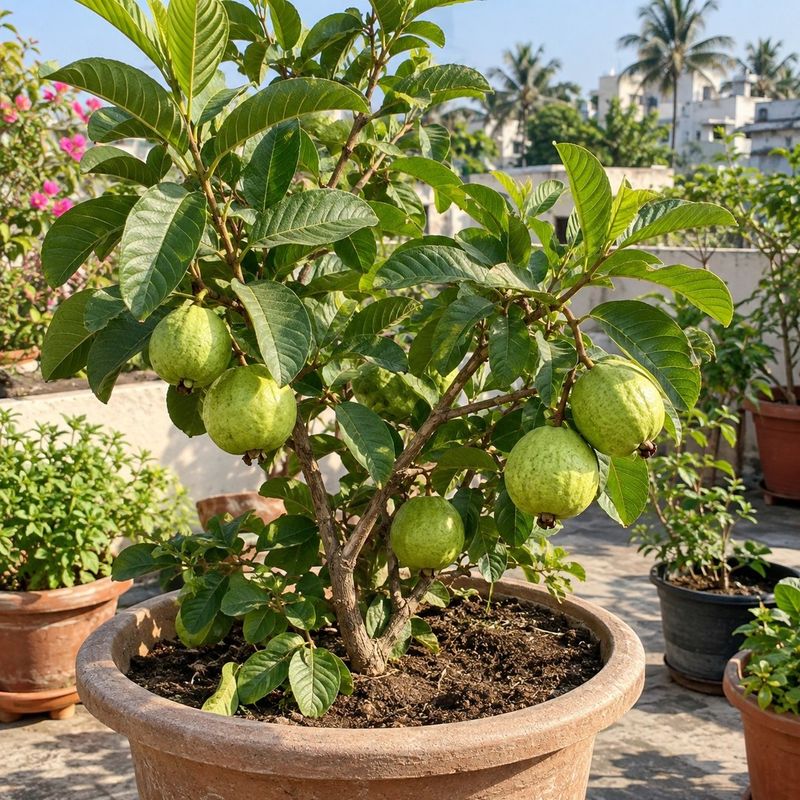
Guava is the overachiever of the group. Many South Florida and Gulf Coast gardeners get two or more harvests a year from one tree.
Common guava (Psidium guajava) can reach 20 feet in the ground, but in a pot it settles into a tidy shrub with steady pruning. It also tends to fruit while still small, which suits a balcony perfectly.
Choose a 15 gallon pot or larger and a rich, fast-draining mix. Full sun and regular water bring the sweetest fruit.
Young plants suffer below 32 degrees, so container growers in Central Florida should move them inside during cold nights. Ruby Supreme is a popular pink, sweet variety.
Watch for one sneaky pest. Caribbean fruit flies love guava, so bag developing fruit in mesh sleeves about two weeks before ripening.
Then enjoy a fragrant guava in the shade, maybe with a slice of cheese, Cuban style.
5. Condo Mango
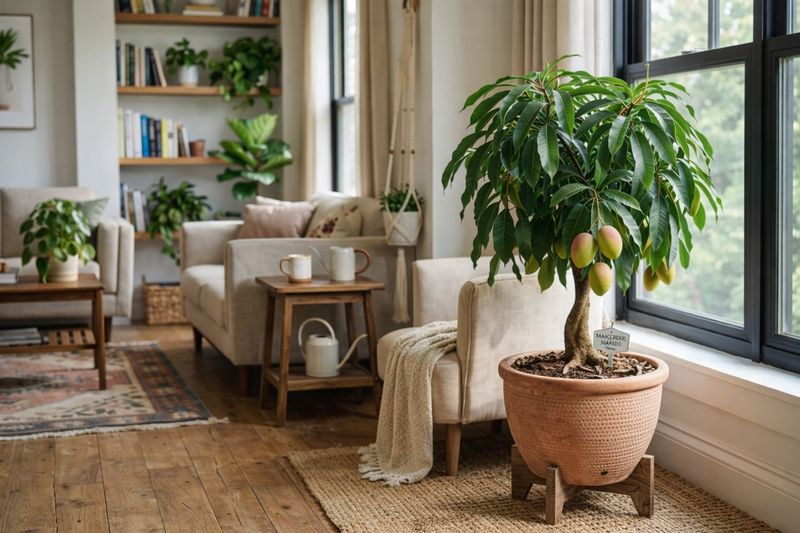
Growing a mango on a balcony once sounded like a joke. Then breeders and South Florida growers popularized compact condo mangoes, and the joke turned into lunch.
Mango (Mangifera indica) varieties like Pickering, Cogshall, and Carrie grow slowly and stay dense. Grafted trees often fruit in 2 to 3 years, much faster than a seedling.
Start with a pot of at least 15 gallons and give it 8 hours of sun. Water deeply 2 to 3 times a week while it settles in, then about weekly, letting the top inch dry.
Prune right after harvest to hold it near 6 to 8 feet.
Mangoes hate cold, so this one is best for South Florida and the Keys. Central Florida growers can still succeed by moving the pot indoors when nights fall below 40 degrees.
That first ripe mango, cut over the sink, is pure sunshine.
6. Little Cado Avocado
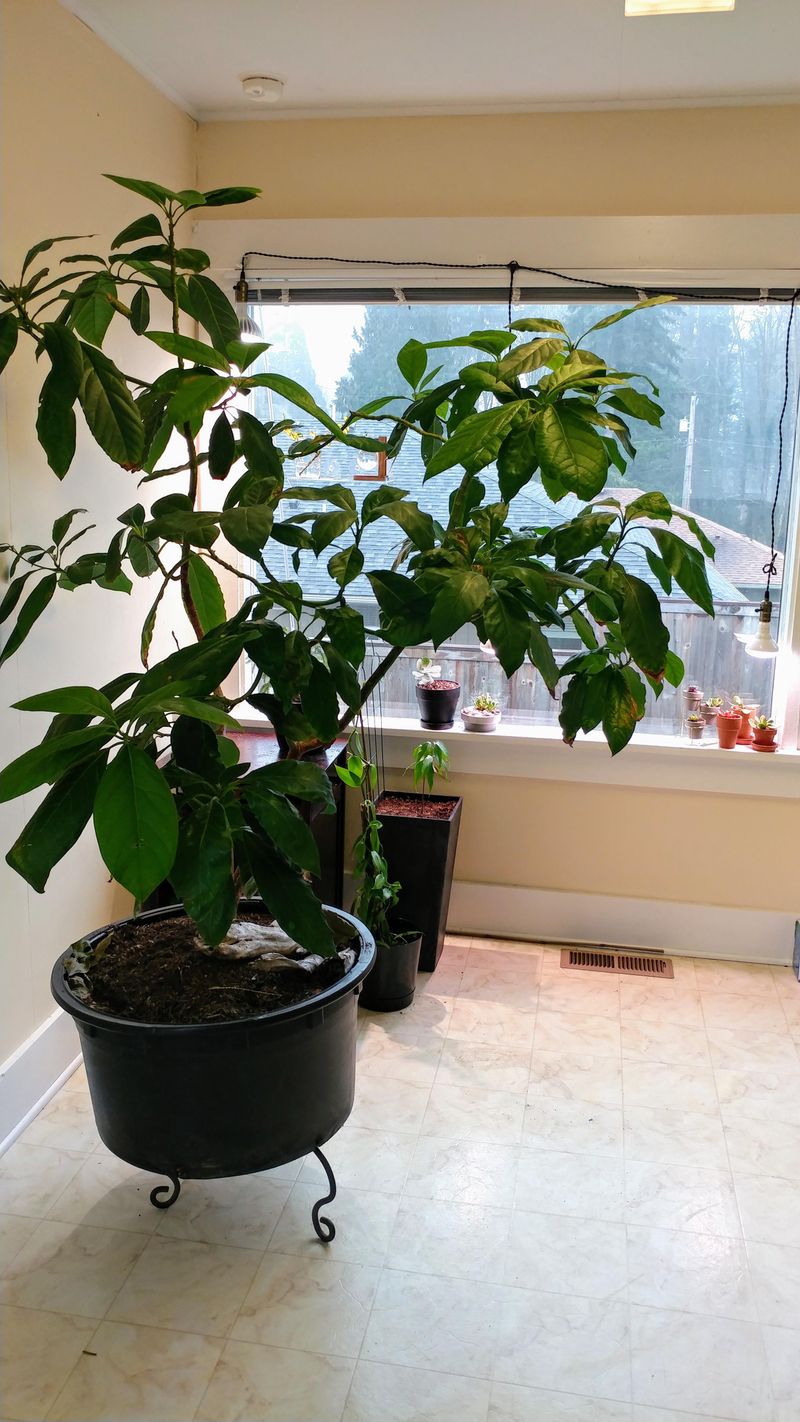
Avocados drown faster than they dry out. That single fact is why a pot can actually work better than the ground, especially in low, soggy Florida yards.
Little Cado, also sold as Wurtz, is a naturally small avocado (Persea americana) that tops out around 8 to 10 feet. In a container it stays even smaller, and grafted trees can fruit in 3 to 4 years.
Use a 15 gallon pot or larger with plenty of holes and a fast-draining mix with bark or perlite. Water when the top 2 to 3 inches feel dry.
Full sun and some wind shelter suit it, and a corner of a covered patio works well.
Be honest with yourself on yield. A potted avocado gives a modest crop, not a bushel.
But a handful of homegrown avocados for game day guacamole feels like winning.
7. Dwarf Papaya
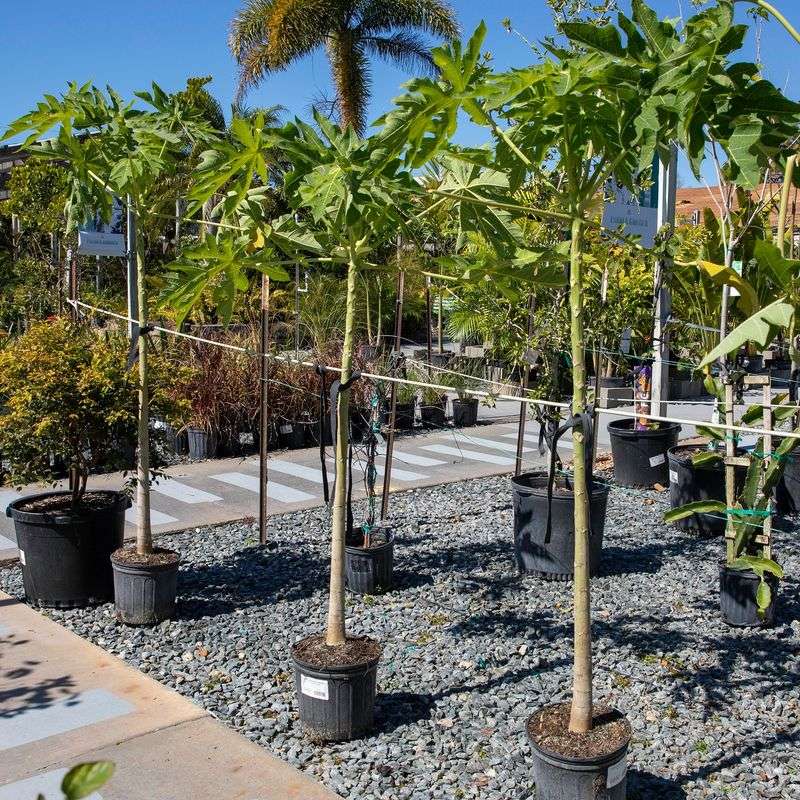
Patience is not required for this one. Papaya (Carica papaya) can fruit within 8 to 10 months of planting, faster than anything else on this list.
Dwarf types like Red Lady stay around 6 to 8 feet and produce heavy clusters of fruit right along the trunk. Red Lady also carries both male and female parts, so one plant sets fruit on its own.
Plant it in a 15 to 20 gallon pot with quick-draining mix. Water regularly in dry spells but never let it sit wet, since papaya roots rot quickly.
Feed lightly every 2 to 3 weeks during warm months to keep up with its sprint.
Papaya is tender, so it shines in South Florida and the Keys, and Central Florida growers should shelter it when nights drop below 32 degrees. Plants slow down after a few years, so start a fresh one every 3 years.
When you halve a sweet orange papaya from your own patio, that empty corner will feel like an orchard you built yourself.
