
Small Florida Yard? These 8 Compact Fruit Trees Still Hand You Baskets Every Year
Follow us on Google
You step onto the patio after breakfast and the air already feels heavy, and your small Florida yard looks back at you with one empty sunny corner. You want fruit, real baskets of it, but a full-size mango would swallow the whole lot.
Good news: eight compact fruit trees stay small enough for a tight yard or a big pot and still produce every single year. Here is which ones to plant, where they fit, and how to keep them generous.
1. Meyer Lemon
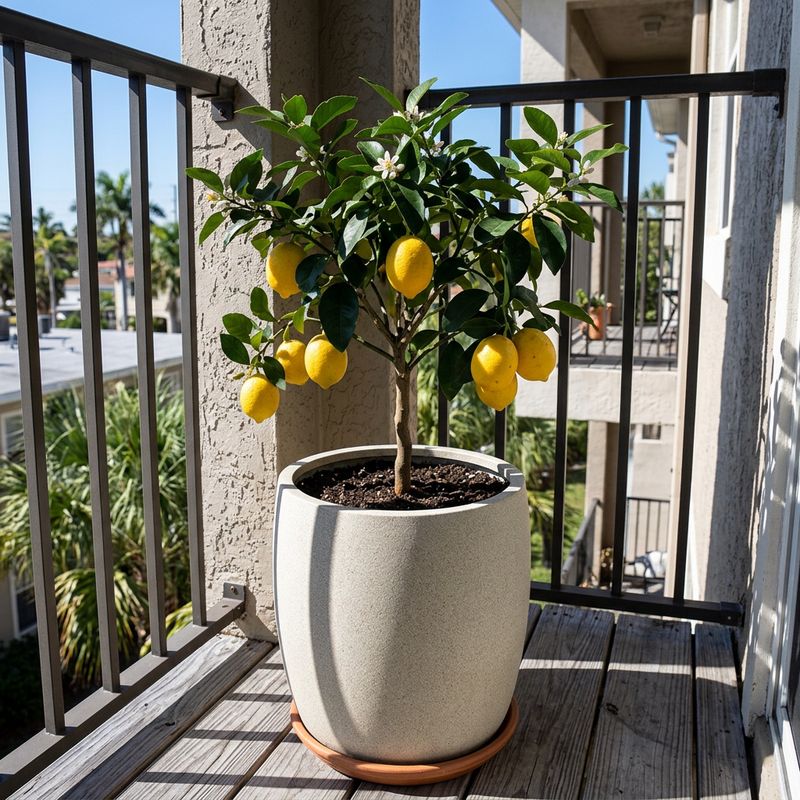
A rare 30 degree morning rolls through North Florida, and the lemon tree by the back wall is still loaded with fruit. That stubborn little survivor is the Meyer lemon (Citrus x meyeri), a cross between a lemon and a mandarin.
The fruit is sweeter and less sharp than grocery store lemons, with a thin skin you can zest without wincing. Trees usually reach 6 to 10 feet, but pruning or a pot keeps them much smaller.
Choose a container of at least 15 gallons and give it six or more hours of direct sun.
Here is where it gets tricky. Meyer lemons can handle about 20 degrees with some leaf damage, but Panhandle freezes can dip lower.
A pot on a wheeled caddy lets you roll it into the garage before the cold arrives.
Plant in fast-draining sandy soil and water deeply when the top 2 inches dry out. UF/IFAS Extension also warns that citrus greening disease affects backyard trees statewide, so buy only certified disease-free stock.
The heaviest crop lands in winter, right when the tea pitcher needs it most.
2. Dwarf Mango
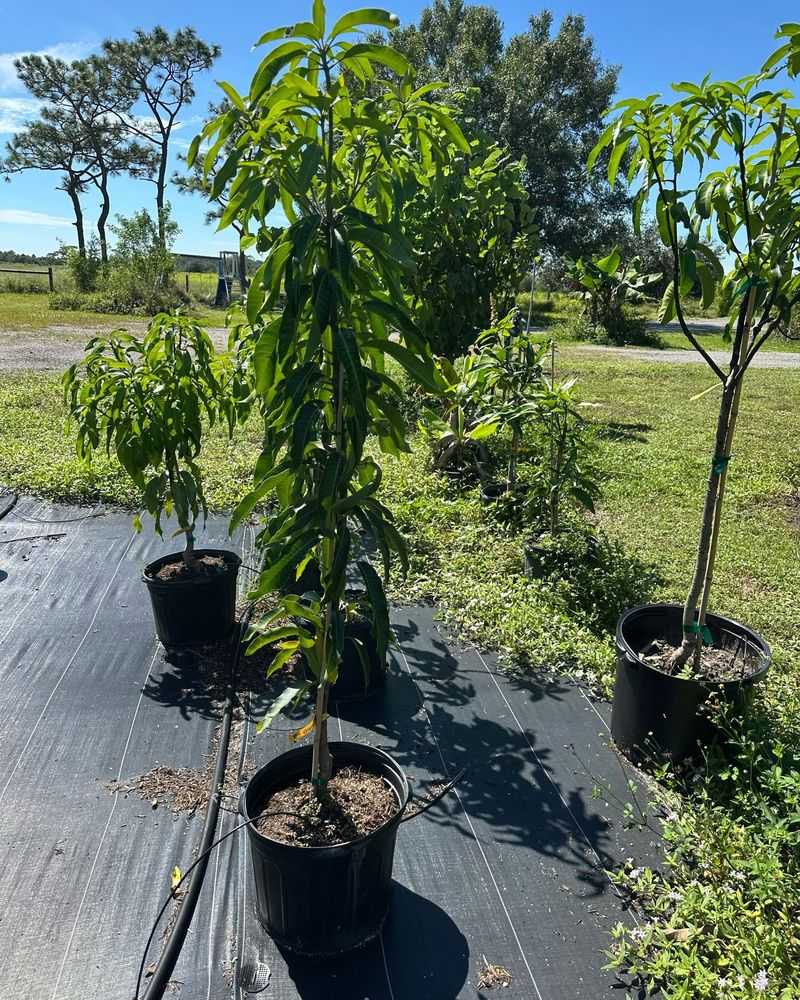
Standard mango trees are polite for about five years, then they quietly claim the whole yard at 30 to 60 feet tall. Condo mangoes, the dwarf types of Mangifera indica, refuse to play that game.
Varieties like Carrie, Pickering, Julie, and Ice Cream are the stars here. Carrie stays around 6 to 8 feet and gives fiberless, honey-sweet fruit.
Pickering stays bushy near 6 feet, with a flavor some describe as faintly coconut.
Grafted trees often fruit in 2 to 3 years. They want 6 to 8 hours of sun and soil that drains well, which is why they shine in Central and South Florida.
Water young trees once or twice a week for the first few months, then weekly in dry spells for the first three years.
Prune right after harvest each summer. That one habit keeps the tree short and pushes new branches that bloom the next spring.
Before long, you will be the neighbor handing out mangoes in grocery bags.
3. Wurtz Avocado
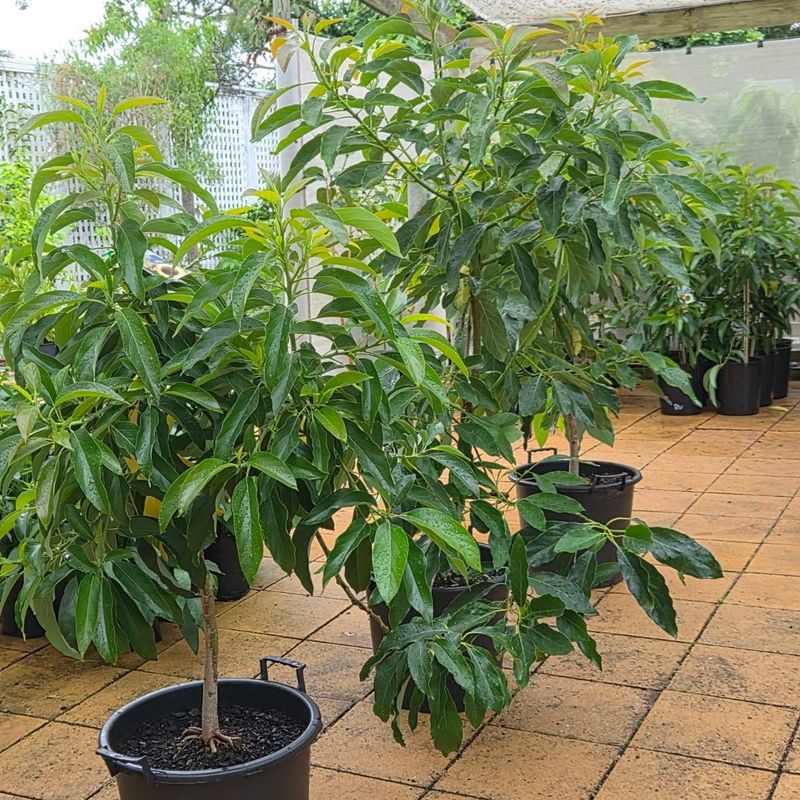
Many Florida gardeners assume avocados need acreage. The Wurtz avocado (Persea americana), nicknamed Little Cado, is widely considered the only true dwarf avocado, and it actually behaves like one.
Expect 8 to 10 feet with a soft weeping shape that looks almost ornamental. Light pruning holds it near 6 to 8 feet.
It fits Zones 9 through 11, which covers most of the state from the Gulf Coast to the Keys.
Drainage is the whole story. Avocado roots rot quickly in soggy ground, so in low pockets plant on a mound 2 to 3 feet high, or use a large container.
Young trees appreciate a little afternoon shade their first year or two.
Water steadily and feed with a balanced fertilizer from February through September. Grafted trees begin bearing in about 3 to 4 years, with medium creamy fruit from late spring into summer.
Your next guacamole night just got a lot cheaper.
4. Dwarf Fig

Picture a fruit tree shorter than your porch railing still hanging full-size figs. That is the charm of dwarf Ficus carica varieties like Fignomenal, Petite Negra, and the reliable Brown Turkey.
Fignomenal tops out around 28 to 30 inches. Petite Negra reaches 3 to 4 feet and can fruit at 1 to 2 years old.
Most are self-fertile, so one plant is enough.
Figs grow from Zone 8 through 11, making them one of the best choices for North Florida and the Panhandle. Give them 6 to 8 hours of sun and a slow-release fertilizer in early spring.
Mulch 2 to 3 inches deep, since figs have shallow roots that sulk in dry sand.
Root-knot nematodes, tiny soil worms that knot roots, are a real Florida headache for in-ground figs. Pots filled with fresh mix sidestep much of that trouble, though not all of it.
Pick figs when they droop and soften, and eat a few warm right off the branch.
5. Dwarf Banana
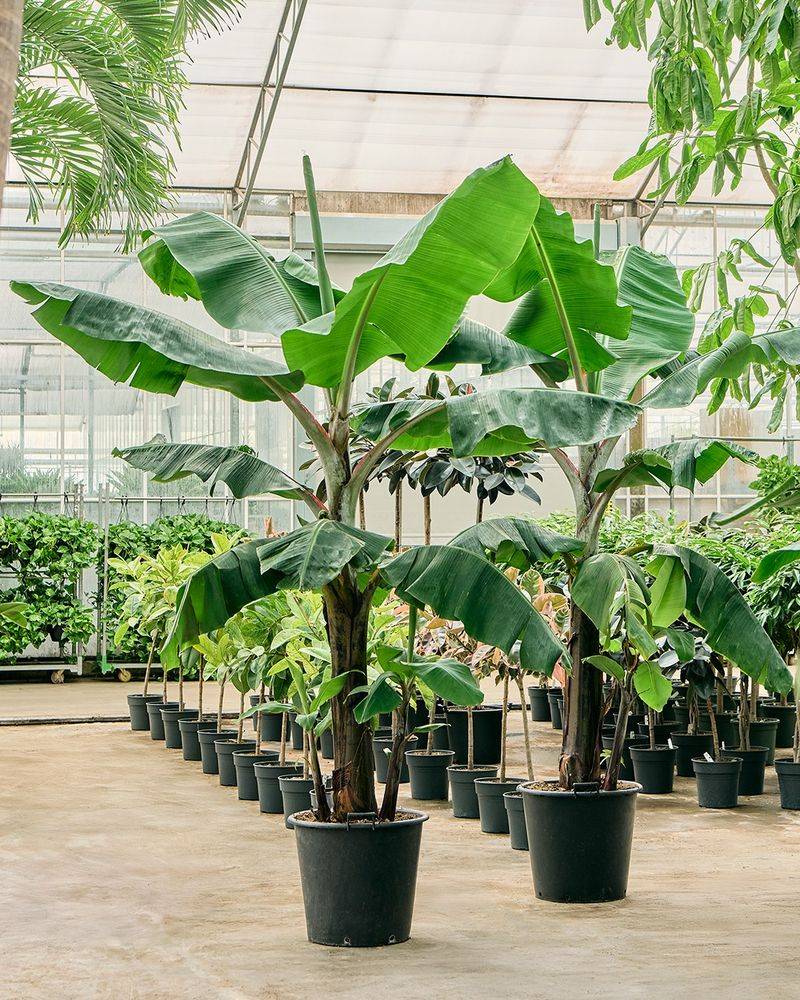
Nothing makes a small backyard feel like vacation faster than wide banana leaves rustling in an afternoon breeze. Dwarf Musa acuminata types bring that look plus real fruit.
Dwarf Cavendish grows about 6 to 8 feet in the ground and 4 to 6 feet in a pot. Truly Tiny stays under 4 feet.
Both love the steady warmth of South Florida and the Keys.
Bananas are thirsty and hungry. Keep soil evenly moist, watering when the top inch dries, and feed often with balanced fertilizer or compost through the warm months.
On scorching Gulf Coast afternoons, a bit of shade prevents ragged, scorched leaves.
Dwarf Cavendish can bloom in 9 to 15 months, then ripen fruit in another 3 to 5. Each stalk fruits only once, so cut it after harvest and let a young pup take over.
Growth slows sharply below 50 degrees, so Central Florida growers should cover or move potted plants in cold snaps.
6. Miracle Fruit
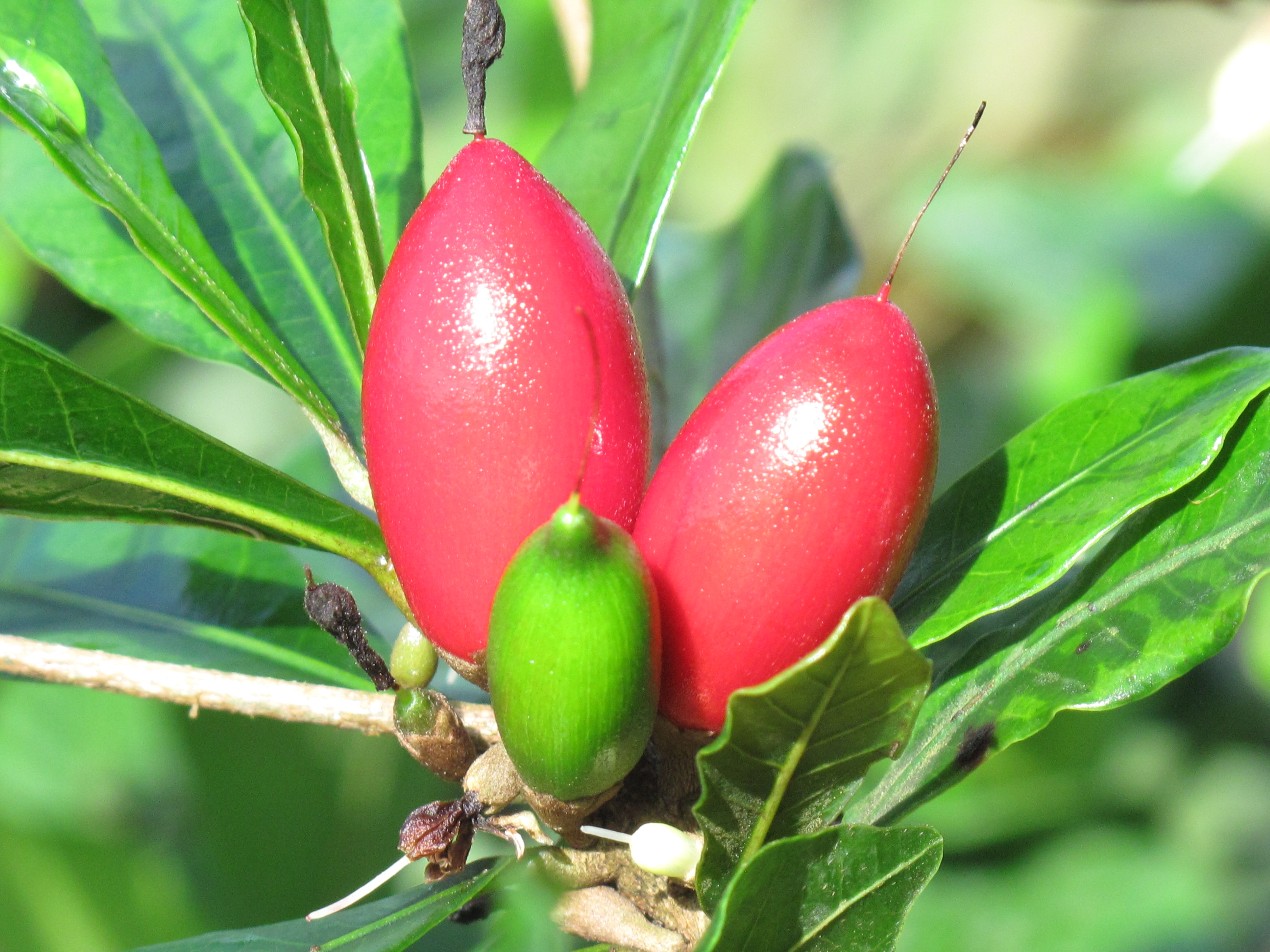
Bite a lemon and taste lemonade. The berry of Synsepalum dulcificum carries a protein called miraculin that makes sour foods taste sweet for 15 minutes to an hour.
Of all eight, this one earns its spot for pure fun. Kids at a backyard cookout will line up to try it with lime wedges.
The shrub stays small in a pot, though it can reach 15 feet in its native West Africa.
The catch is soil. Miracle fruit needs acidic conditions around pH 4.5 to 5.8, and much of South Florida sits on alkaline limestone.
Grow it in a pine-bark potting mix, water with rainwater when you can, and use an acid-loving fertilizer every 6 to 8 weeks.
Bright filtered light beats harsh afternoon sun. It struggles below 40 degrees, so bring it indoors on cold nights.
Berries usually start in 3 to 4 years, and then party tricks come built in.
7. Dwarf Everbearing Mulberry
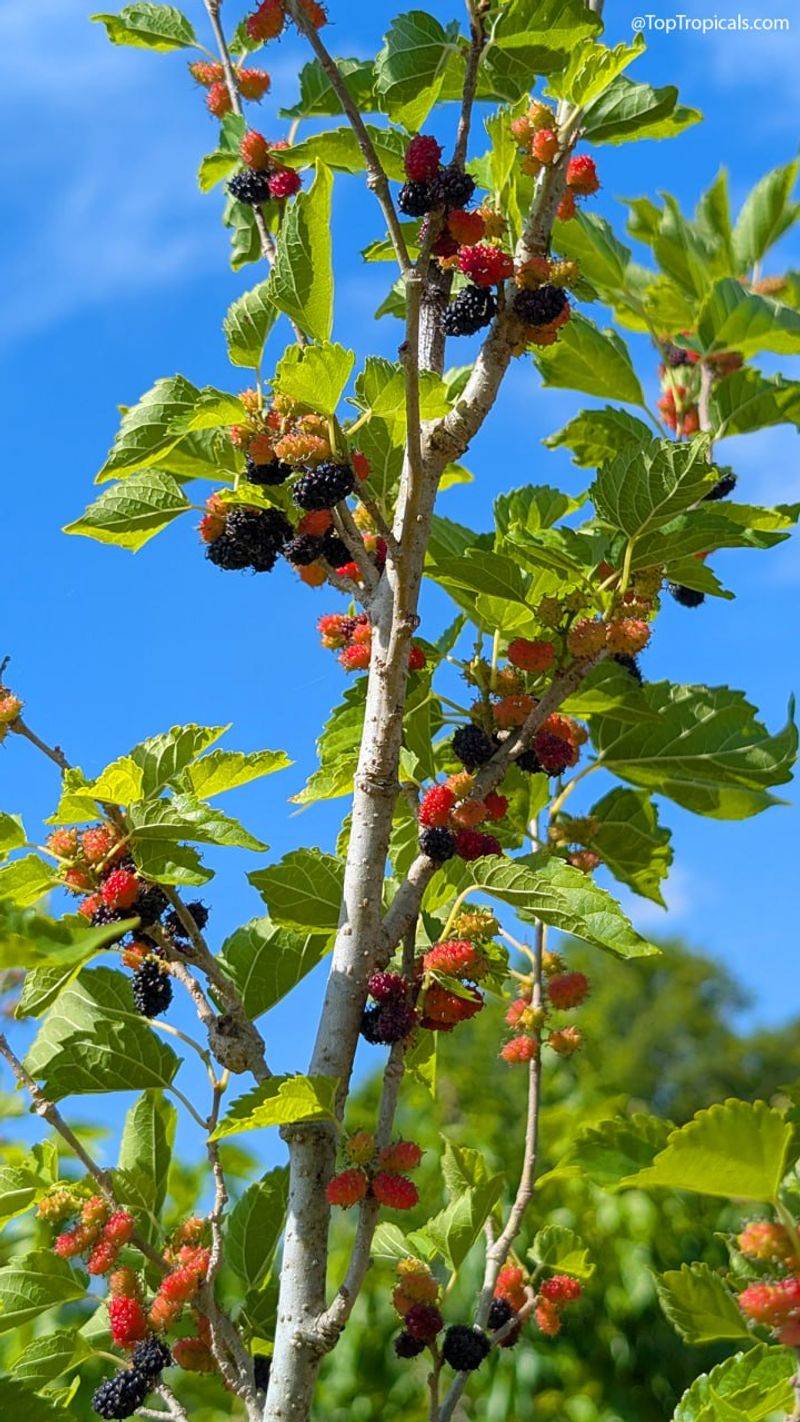
Some fruit plants make you wait years. A Dwarf Everbearing mulberry (Morus nigra hybrid) can fruit within months of planting, which feels almost unfair.
It stays about 4 to 8 feet tall and only 2 to 4 feet wide. Berries taste like a blackberry crossed with a raspberry, arriving in waves from late winter into summer.
Once established, it shrugs off freezes into the teens, so it works anywhere in Florida.
Give it six hours of sun and well-drained soil, sandy or rocky. Water new plants 2 to 3 times a week for the first month, then weekly.
After each main crop, cut branches back hard, sometimes by a third, and it answers with fresh growth and more fruit.
In a 10 to 20 gallon pot, you can hold it at 3 to 6 feet. Mockingbirds will notice, so drape light netting at ripening time.
Purple fingers all spring are a small price to pay.
8. Dwarf Guava
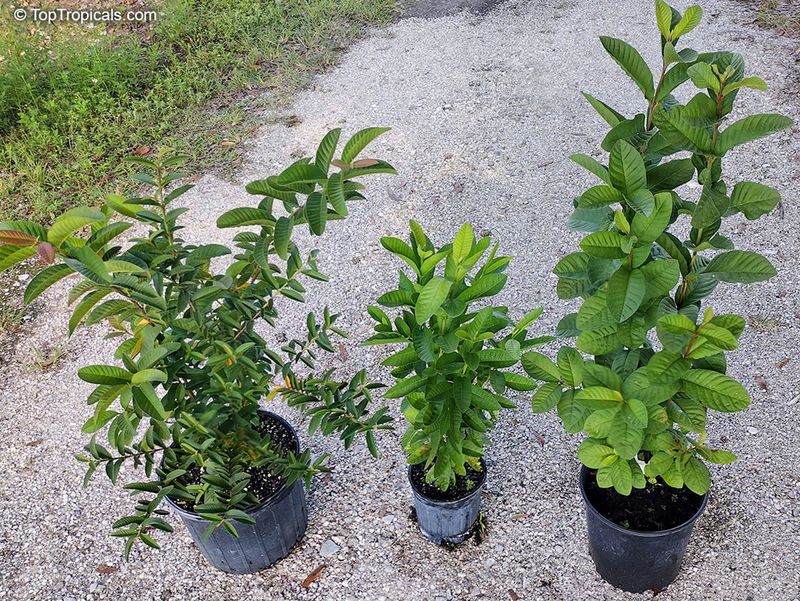
Walk past a ripe guava on a hot August evening and the sweet scent reaches you before you see the fruit. Compact Psidium guajava selections bring that perfume to even the smallest patio.
Container types often stay 3 to 6 feet tall, and in-ground trees can be pruned to about 8 to 10 feet. Many fruit within a year of planting.
That speed makes guava the patience-free finale of this list.
Guavas thrive in Zones 9 through 11, from Central Florida south and along both coasts. Give them 6 to 8 hours of sun and fertilize every two months in the growing season with something like a 6-6-6 blend.
They handle summer downpours well if the soil drains.
The main crop runs August to October, with a smaller flush in late winter. Prune after harvest to open the center for airflow, which can reduce whiteflies and leaf spots.
Guava paste on toast, made from your own tree, is a quiet kind of pride.
