
The Underrated North Carolina Native Vine That Hides a Chain-Link Fence and Feeds Songbirds Into Winter
Follow us on Google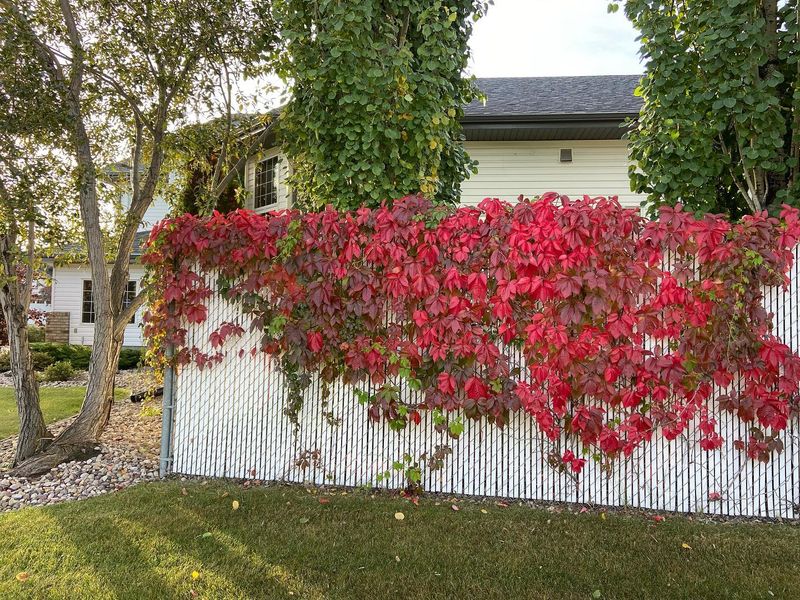
Virginia creeper is the North Carolina native vine that can hide a chain-link fence and put fruit in front of songbirds. You climb out to the back porch on a muggy July evening, look at that bare metal fence, and wish it were green.
This vine can cover it with leaves in the growing season, and its berries may stay on into winter. It also needs some rules, and we will cover them.
Virginia Creeper Can Screen a Fence
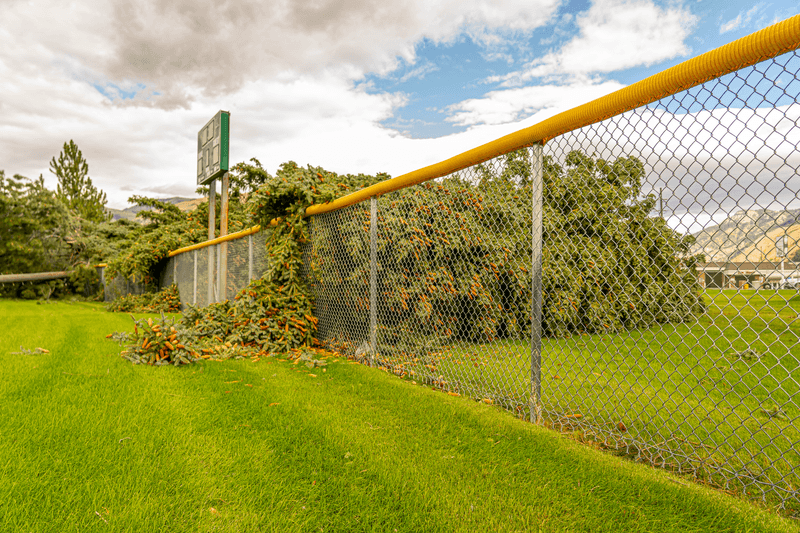
Picture that chain-link fence along your back property line. It rattles in the wind and shows off every trash can and bicycle on the other side.
Now picture it wearing a coat of green.
That is the job of Virginia creeper (Parthenocissus quinquefolia), a woody vine that grows wild across the state. NC State Extension lists it as native to the Coastal, Piedmont, and Mountain regions, so it belongs in a yard from the Outer Banks to the Blue Ridge.
Many gardeners spot it first in a fencerow or along a wooded edge, where birds planted it for them.
The vine climbs on its own. Its tendrils end in tiny adhesive pads, which grip surfaces as it goes.
NC State also says it can be used as a screen in vertical spaces, and a chain-link fence is exactly that kind of space.
Here is the honest part. Screening is a possible use, not a promise.
How much of your fence gets covered depends on your site, your soil, and your pruning shears. Some stretches may fill in thickly, and others may stay thin.
Think of the vine as a quiet helper that works on its own schedule. You give it a place to climb, and it does the stitching.
Your job is to guide it, and that is where the fun begins.
The Screen Changes with the Seasons
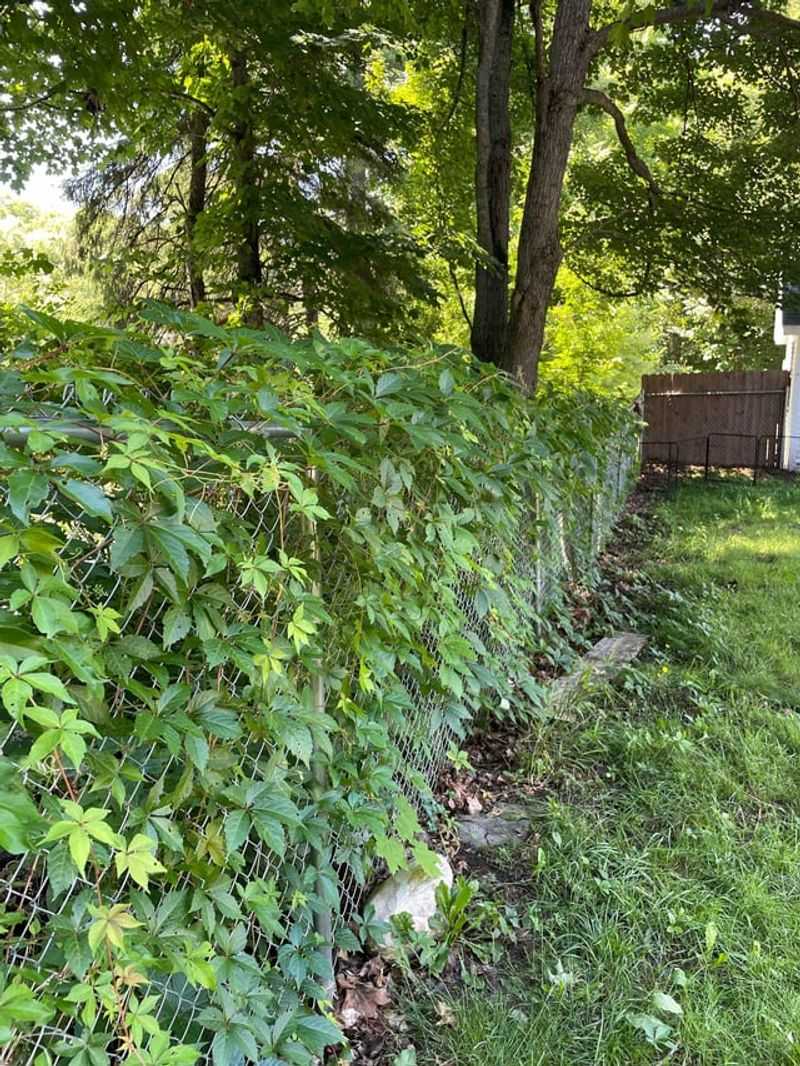
Here is the catch that surprises people. Virginia creeper is deciduous, which means it drops its leaves every winter.
The green curtain you love in July becomes a tangle of bare stems by January.
During the leafy months, the foliage can cover a chain-link fence nicely. NC State describes the plant as deciduous, so do not expect an evergreen screen.
Bare vines will not hide the fence in winter, and you should not count on them to.
Before you plant, ask yourself when you actually need privacy. If you grill and sit outside from May through October, a leafy screen may fit your life well.
If you want a wall of green on a January day, you will need a different plant, or a companion evergreen nearby.
There is a bright side. In fall, the leaves often turn rich red before they drop, which gives the fence a final show.
Gardeners in the Piedmont often notice that color against the gray of the fence first.
Then the leaves fall and the vine rests. That rest is part of the deal.
You get a living screen that follows the seasons, not a permanent one. Many people find that rhythm more charming than a plastic privacy slat.
Birds May Find Fruit Into Winter
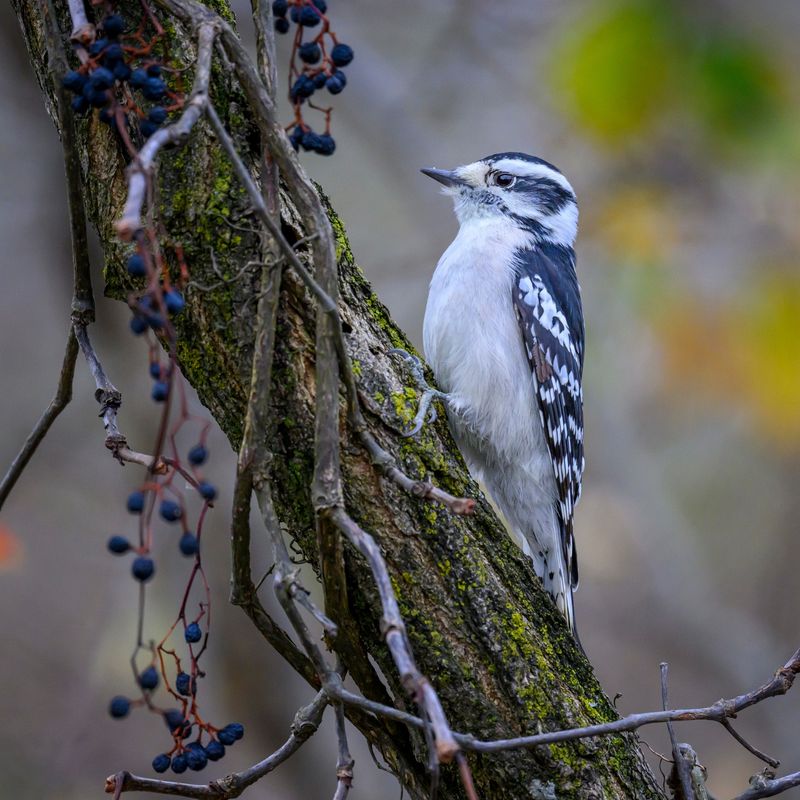
Now for the part the songbirds care about. After the flowers fade, Virginia creeper makes small blue-black berries.
NC State confirms that songbirds eat this fruit, and it reports the berries as available in July and August.
You may never see them then. The foliage often hides the berries until the leaves drop in autumn.
Suddenly the fruit stands out on bare red stems, like ornaments on a tree.
The timing gets tricky. A West Virginia wildlife source says the berries ripen in October and remain into winter.
That is a different calendar from the one NC State reports, and neither source sets a fixed schedule for every North Carolina yard.
So watch your own vine. Weather, local birds, and the vine itself all play a part.
Berries may persist into winter on your fence, or birds may strip them early. Some yards may not get visitors at all.
One firm rule applies to people. These berries are not food for you or your family.
Treat them as bird fare only.
If you do get a winter visitor, it feels like a small gift. A bird lands on your once-ugly fence, and the fence suddenly has a purpose.
Give the Vine Room to Grow
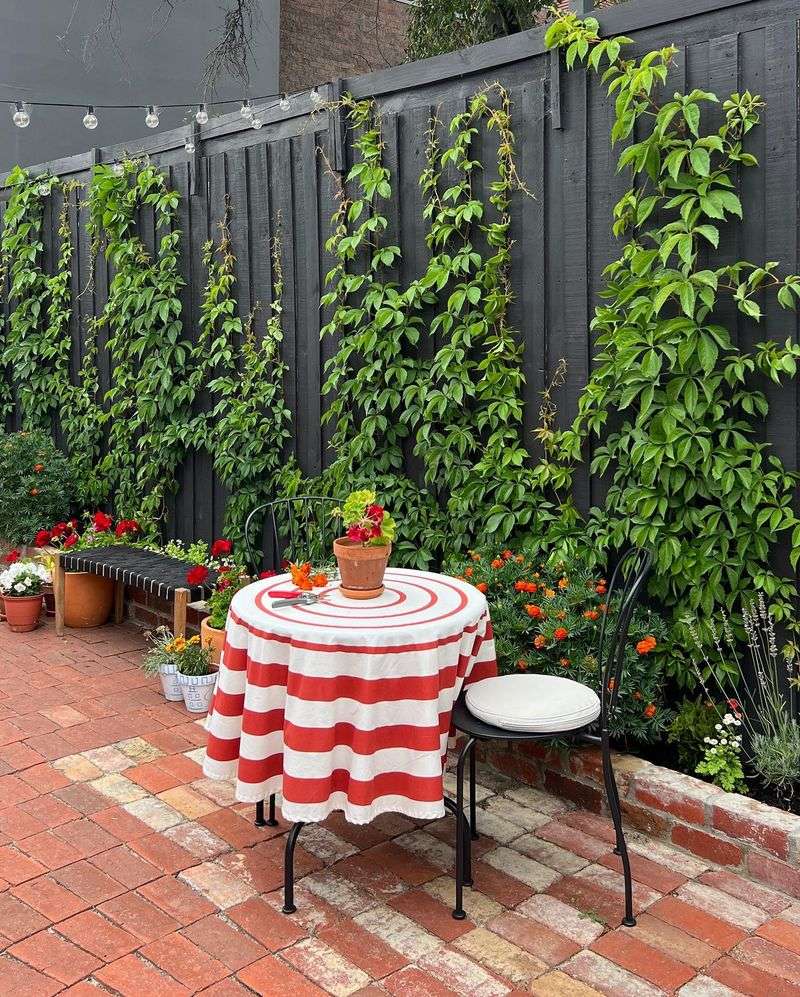
Virginia creeper does not tiptoe. It grows vigorously, and NC State says it commonly reaches 30 to 50 feet or more.
That is a lot of vine for a backyard.
So walk your fence line before you plant anything. Look at what sits nearby, such as trees, sheds, and the neighbor’s side.
Ask where the vine could wander if you looked away for a summer.
The good news is that it is flexible about where it lives. It grows in full sun to part shade, and NC State lists clay and sand among the soils it tolerates.
That fits Piedmont red clay and sandy Coastal Plain yards alike.
Sun does affect looks. The strongest fall color generally develops in sunnier sites, so a fence that gets bright afternoons may give you the best red.
A shady fence still works, but the show may be softer.
Notice that no source gives a reliable planting distance or a coverage timetable for North Carolina. So do not trust anyone who says exactly how many plants you need or how fast it will fill in.
Start small, watch it for a season or two, and adjust.
A vine with this much energy needs space more than it needs fuss. Give it room, and it repays you.
A Fence Still Needs Regular Pruning
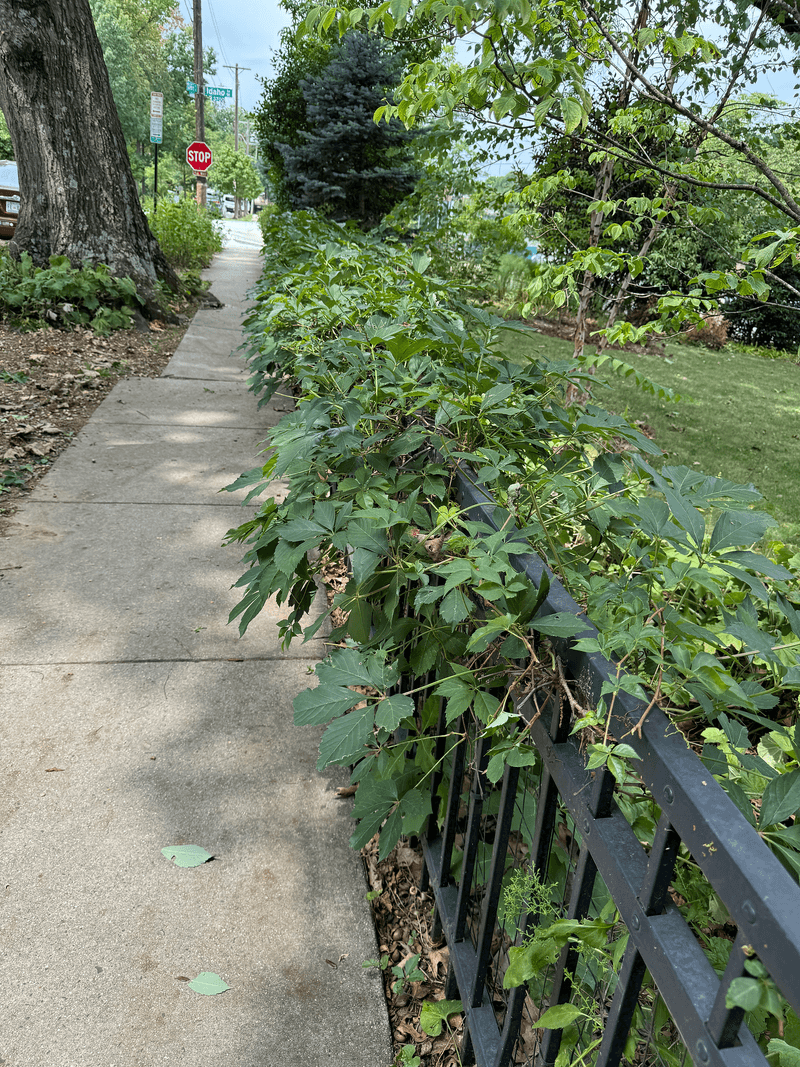
Nobody warns you about the second summer. The vine settles in, then it takes off, and suddenly a tendril is reaching for the gate latch.
Virginia creeper is not a plant-it-and-forget-it vine. NC State says it needs regular trimming to stay in bounds.
Plan on pruning as a routine chore, like mowing, not a rescue mission.
Keep growth clear of gates so they swing freely. Keep it off the neighbor’s side too, since a vine that crosses the property line can turn into a friendly argument over the fence.
A few snips through the growing season go a long way.
Check the fence itself before you plant. Look for leaning posts, rust, loose ties, or sagging sections.
The sources reviewed do not give a safe weight limit for chain-link, and nobody can promise a particular fence will carry mature growth. A USDA NRCS fact sheet on the plant is a useful read as you plan.
If your fence is already tired, fix it first. A sturdy fence and a short pruning habit make a happy pair.
A weak fence and a hungry vine do not.
Keep the Vine Clear of Buildings
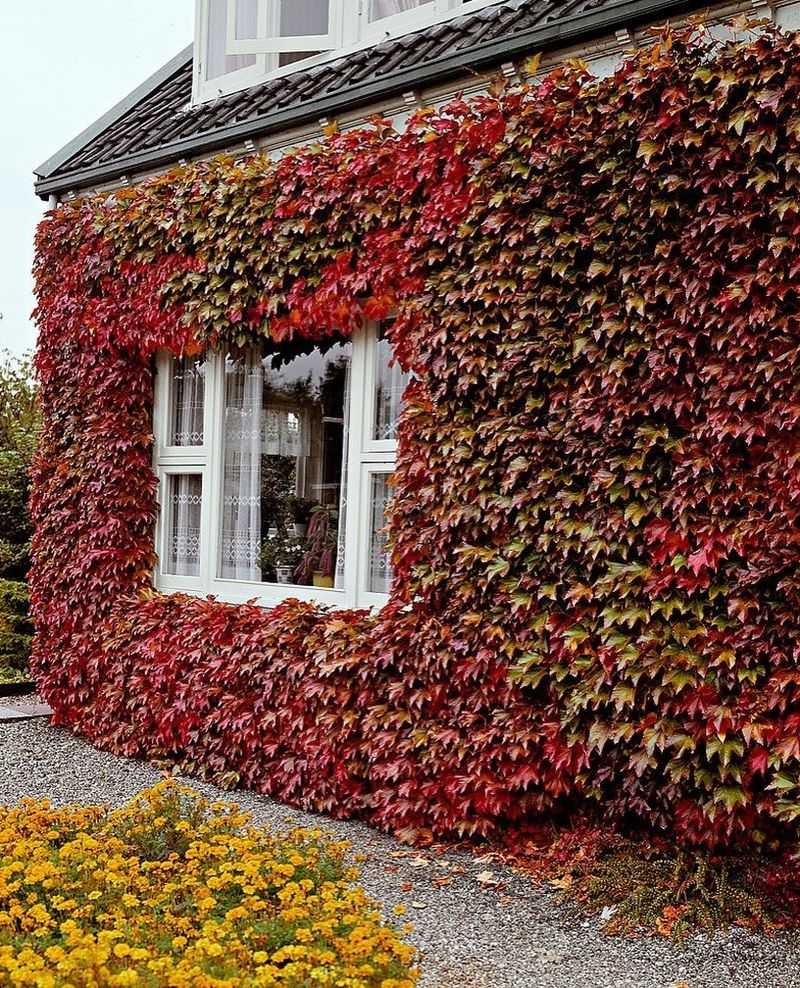
The same sticky pads that make this vine such a good climber also make it a poor house guest. Its adhesive holdfasts can be hard to remove, and NC State warns that unchecked growth can damage nearby features.
So draw a line between the fence and the house. Keep the vine away from wood or shingle walls, painted surfaces, gutters, shutters, and wiring.
Once it grabs paint, it can pull a patch off when you try to peel it away.
Think about where the vine can reach in a few seasons. A fence that sits close to a porch or a shed may not be a good home for it.
Leave a wide gap, and cut back any stray runner that heads toward the walls.
There is also a fire caution to take seriously. NC State gives Virginia creeper a high flammability rating and advises against planting it within a home’s defensible space.
That is the cleared zone around a house meant to slow a fire.
If your fence runs close to the house, choose another spot for the vine or another plant. Sometimes the best choice is a distant fence, where the vine can climb freely and nothing valuable is in its way.
Five Leaflets Are Only a Clue
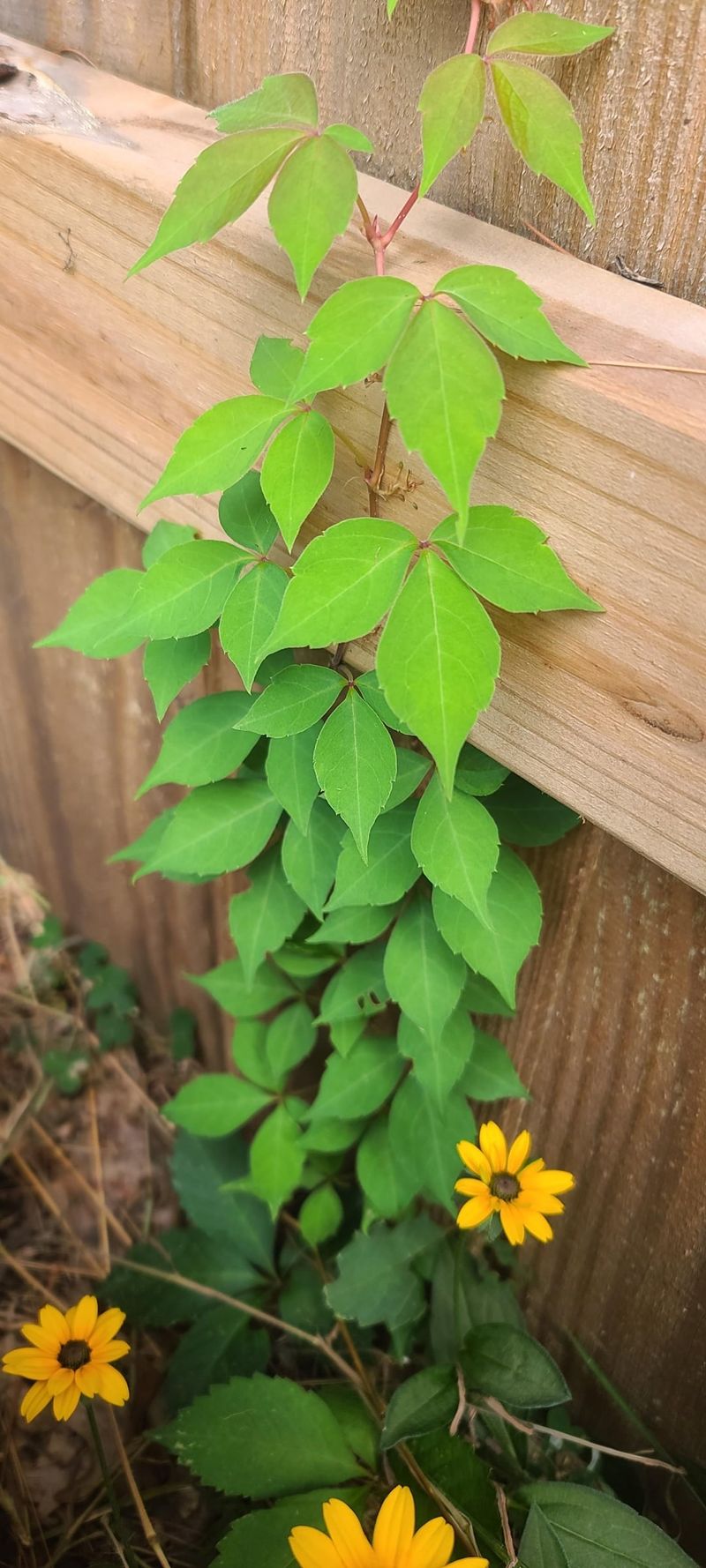
Every North Carolina gardener has done the double take. A vine on the fence has shiny leaves, and you wonder if it is poison ivy.
Here is a helpful clue. NC State’s plant profile points to five toothed leaflets on Virginia creeper, while poison ivy usually has three.
Counting leaflets can help you sort the two.
But treat it as a clue, not a verdict. Leaves can look different with age or damage, and an unfamiliar vine deserves a careful look before you touch it.
If you are unsure, take photos and ask your local Extension office to help identify it.
Safety matters at home too. The berries are not for eating.
Poison Control says chewing the berries or leaves can irritate the mouth and throat, and swallowing them may cause nausea, vomiting, or diarrhea.
Keep berries away from children and pets. If someone may have eaten some, call Poison Control at 1-800-222-1222 or use webPOISONCONTROL.
A little care up front lets you enjoy the vine without worry. Know what you have, and the rest gets easier.
Add Other Food Sources for Birds
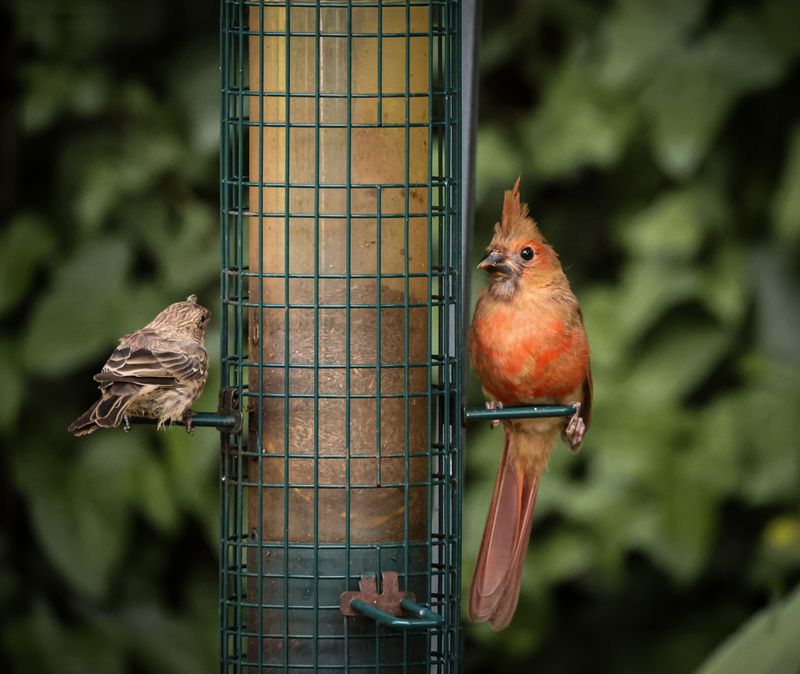
One vine cannot feed a whole winter. It is tempting to think a single berry plant solves the bird question, but birds do not live that way.
NC State’s guidance on managing backyards for birds says birds’ seasonal food needs vary and recommends a variety of food-producing plants. Different seasons call for different foods, from insects to seeds to fruit.
So think of Virginia creeper as one dish on a bigger table. Add shrubs, small trees, and flowers that produce seeds or fruit at other times of year.
A mix of plants gives birds more reasons to visit your yard through the seasons.
You can also pair the vine with a bit of cover, like a shrub corner, so birds feel safe stopping by. And keep the vine pruned and well placed, away from the house, so it stays a helper and not a headache.
Done well, one tidy vine on a once-bare fence can make a quiet difference. It hides a view you did not like and offers fruit to songbirds.
A fence stops being just a boundary the day a bird lands on it.
