
This Easygoing Native Shrub Is Taking Over Hydrangea Spots In Pennsylvania Yards
Follow us on Google
You walk out on a July morning in Pennsylvania, and the air smells like spice and honey before you even see the flowers. The shrub behind that scent is sweet pepperbush, a native plant that Penn State Sea Grant lists as an alternative to hydrangeas.
It blooms on new growth, so a rough winter does not automatically cancel its flowers. It does have limits, though, and this guide will help you decide if your yard fits them.
Meet Sweet Pepperbush
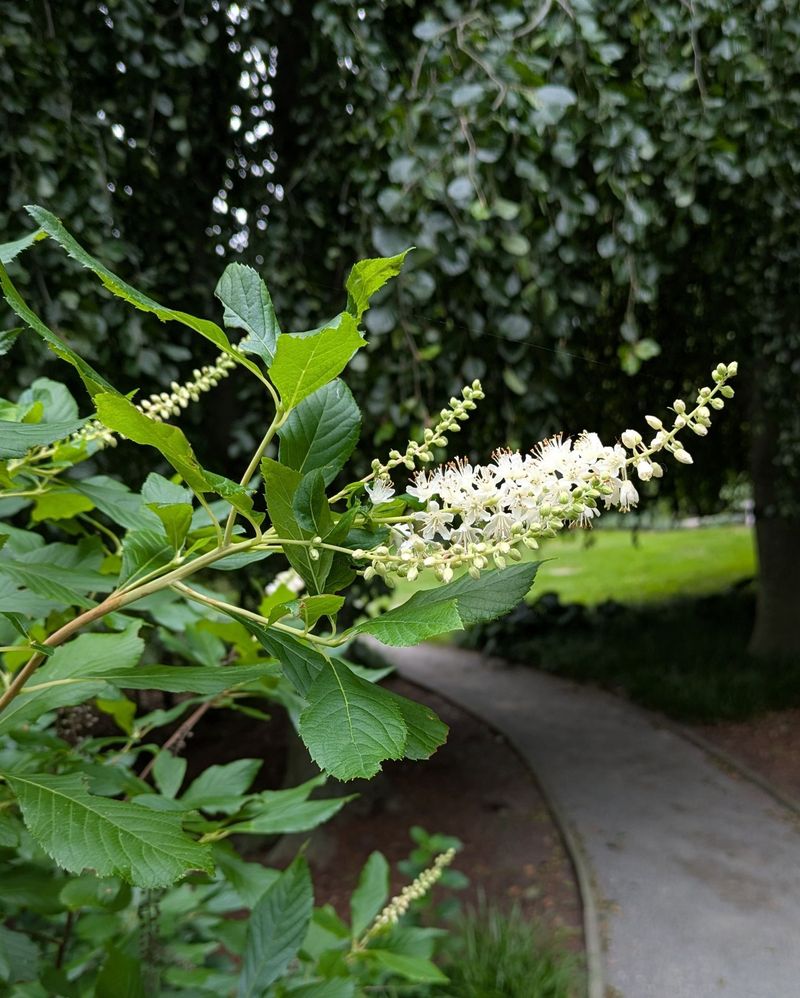
Picture a shrub that smells like clove and honey on a warm July evening. That is sweet pepperbush, also called summersweet, and its botanical name is Clethra alnifolia.
Penn State Sea Grant includes it in its list of native options for hydrangeas.
So is it truly a Pennsylvania plant? Yes, but with a small catch.
Pennsylvania’s USDA conservation planting guide describes its natural range in the state as the Coastal Plain, which is the far southeastern corner. It is not wild in every county, even though nurseries sell it far and wide.
The Flora of Pennsylvania also records it as a native of low, wet woods and swamps. That tells you what it likes.
Think damp ground, not a dry sunny slope.
You may hear that gardeners everywhere are ripping out hydrangeas for it. Nobody has measured that.
What the sources do show is that it is a documented, sensible option for the right spot.
Think of it as a neighbor who is easy to get along with, as long as you give it water. If your hydrangea spot stays damp, it deserves a look.
Why New Growth Matters
Many gardeners know the spring letdown. You cut back a hydrangea that looks fine, or a cold snap kills the old stems, and summer brings leaves but no flowers.
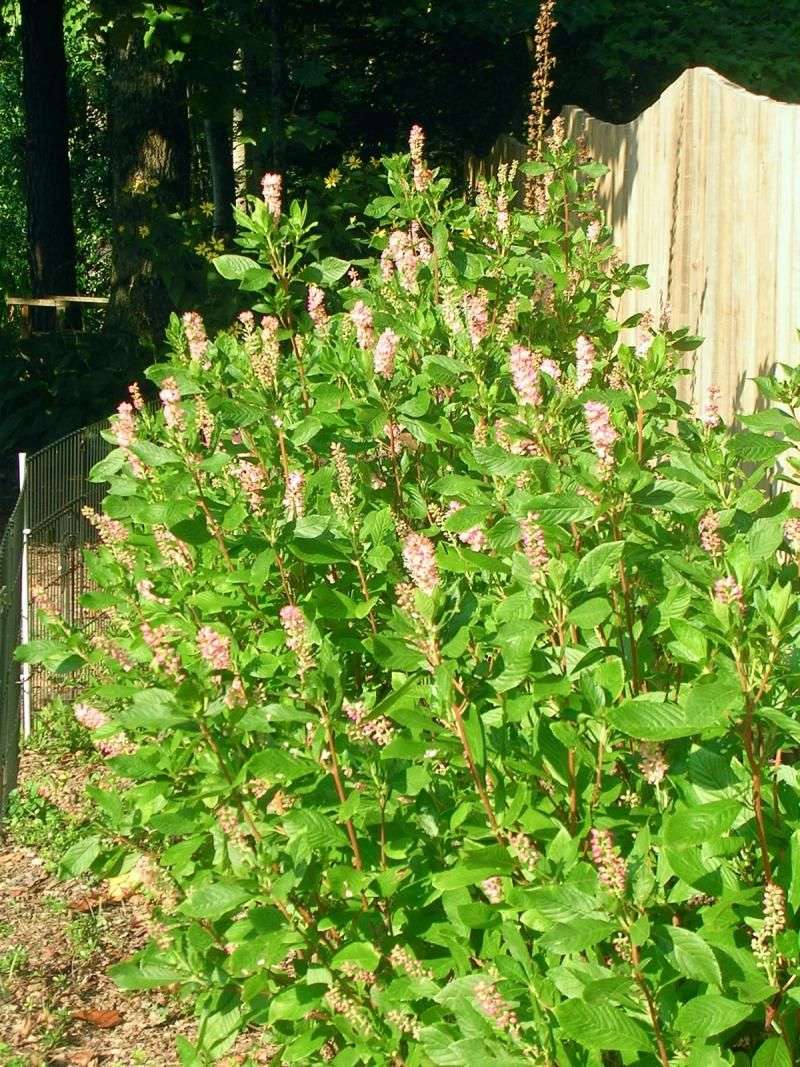
Sweet pepperbush plays by different rules. According to NC State Extension, it flowers on new growth.
That means the flower spikes form on shoots that grow this season, not on stems that had to survive winter first.
In practice, if the tips die back after a hard January, the shrub can still push up fresh stems and set blooms. Damage to older wood does not automatically mean a flowerless year.
Here is the honest limit. This lowers one risk, but it is not a force field.
Cold can still injure the plant, and NC State describes it as hardy to about -22 degrees Fahrenheit when dormant. That is not a promise for every cultivar, exposure, or chilly hollow in the Poconos or the northern tier.
A late spring frost can also nip new shoots after they emerge. Wait until growth starts in April or May before you judge what is truly dead.
So think of new-growth blooming as a second chance, not a guarantee. For gardeners tired of bud loss, that second chance is worth a lot.
Check the Soil and Light
Before you buy anything, go stand in your hydrangea spot on a hot August afternoon. Is the soil damp a few inches down, or dusty?
That one check tells you most of what you need.
Sweet pepperbush tolerates full sun to partial shade, according to NC State Extension. It prefers moist or wet soil.
It does not tolerate a hot, dry site, so a sunny, baked bed is a poor match.
Once established, it can handle brief drought or flooding. That does not mean you can ignore it.
A newly planted shrub needs steady moisture, so check the soil often through its first summer, especially between thunderstorms.
It also generally prefers acidic soil. Cornell’s woody plant database gives a pH range of 5.0 to 7.0 and notes it can handle consistently moist soil, occasional saturation, and occasional dry spells.
That range is wide, so heavy clay in the Delaware Valley or shale-based soil in western Pennsylvania may work if it holds moisture. A low spot or the foot of a downspout can be a happy home.
If your bed drains fast and bakes, skip it. A plant that likes wet feet will not forgive a desert.
Expect Fragrant Flower Spikes
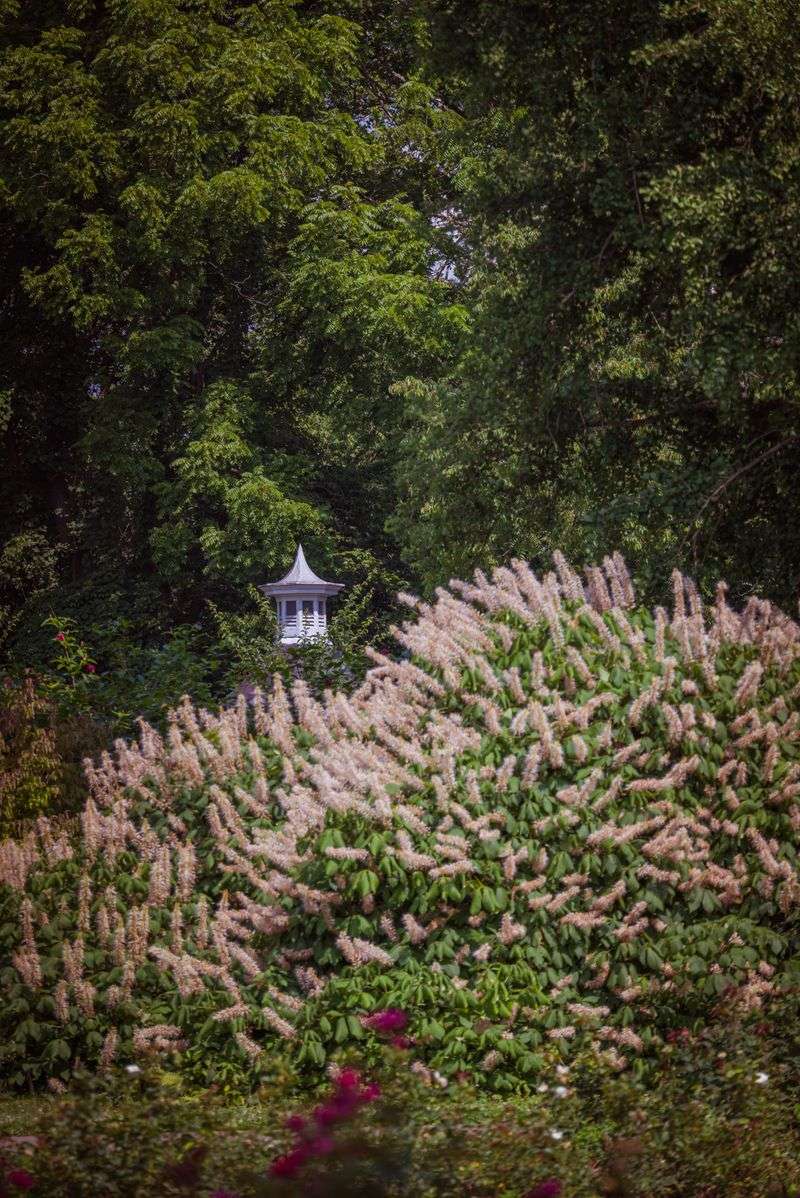
Do not expect a hydrangea lookalike. Hydrangeas carry big, rounded flower heads.
Sweet pepperbush carries narrow spikes, usually 3 to 6 inches long, according to NC State Extension, and they open in late summer.
What you get in trade is fragrance. Stand near it on a warm evening and the scent drifts across the porch.
Pennsylvania’s conservation planting guide describes the white spikes as showy and fragrant.
Wildlife notice too. The flowers provide nectar and pollen for bees, butterflies, and hummingbirds, and the fall seed capsules feed birds.
There are two limits worth knowing. First, it may sucker, which means sending up new stems from the roots, and in good conditions it can form a small thicket.
Give it room or pull unwanted shoots.
Second, deer may browse it. The Pennsylvania guide reports browsing, so do not count on it being deer-proof.
Fencing young plants is a smart layer of protection.
Think of the show as a soft candle, not a bright lantern. It rewards you at dusk.
Plan for Its Mature Size
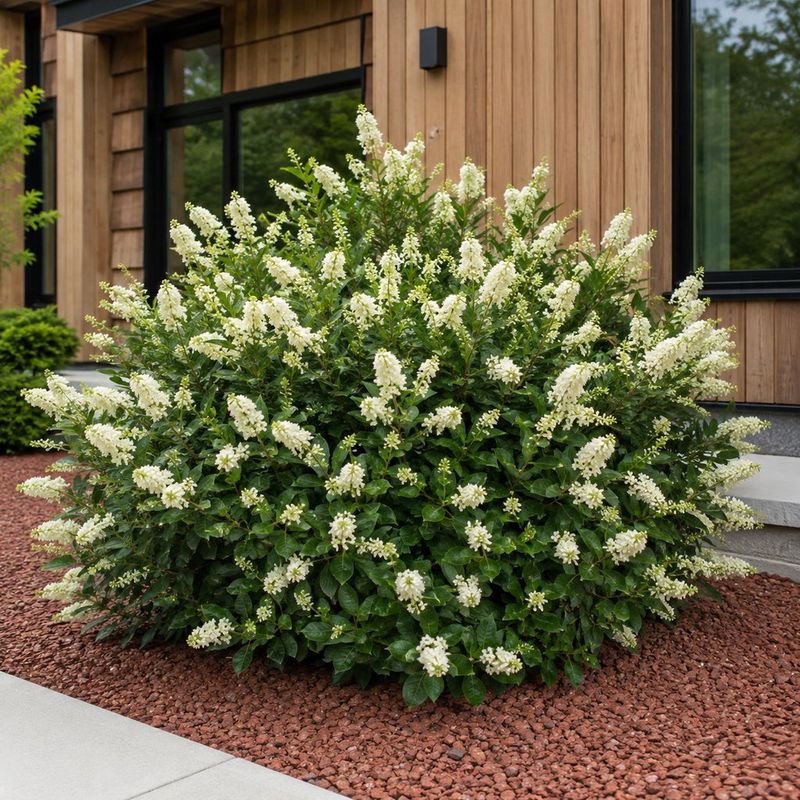
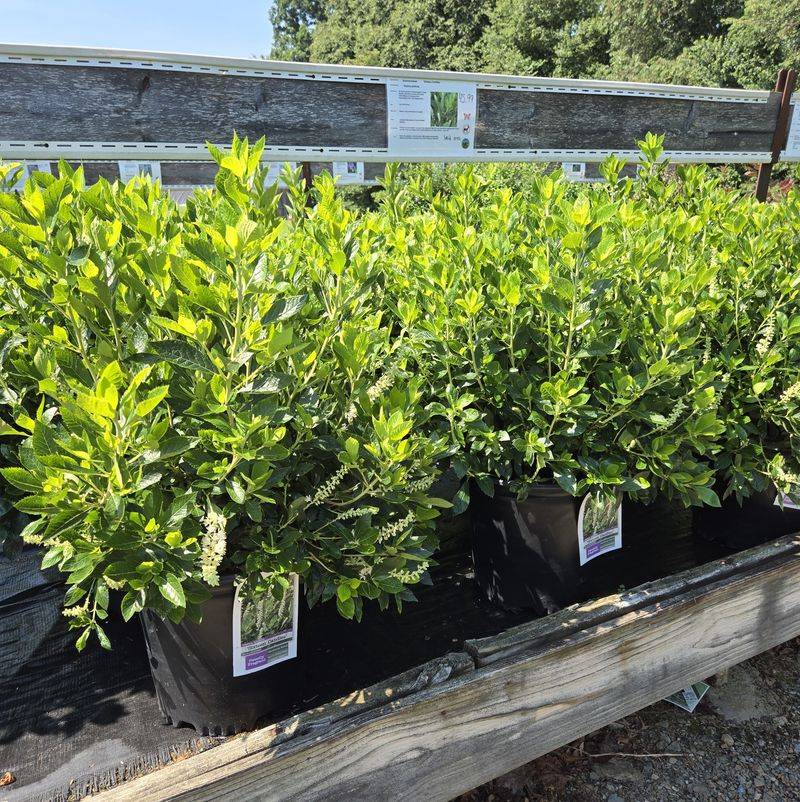
Nursery pots are small and honest only about today. Before you plant, measure how much room you actually have.
Published sizes vary by cultivar and growing conditions. University of Illinois Extension lists a mature height of 4 to 8 feet and a width of 4 to 10 feet.
Treat those as estimates, not promises.
For spacing, a University of Maryland Extension response estimates about 4 to 5 feet of width for the straight species. That is a handy starting point for spacing single plants, but check your cultivar’s tag.
Leave extra room if you want to avoid trimming, and remember suckering can widen the clump over time.
Pruning is optional and modest. NC State says spring or winter is the best time.
Because flowers form on new growth, a trim then is less likely to cut off next season’s blooms than it would be with old-wood bloomers.
Do not read that as no care at all. You will still water a young plant and tidy stray stems now and then.
Give it space now and it will repay you with less work later.
Match the Choice to Your Hydrangea
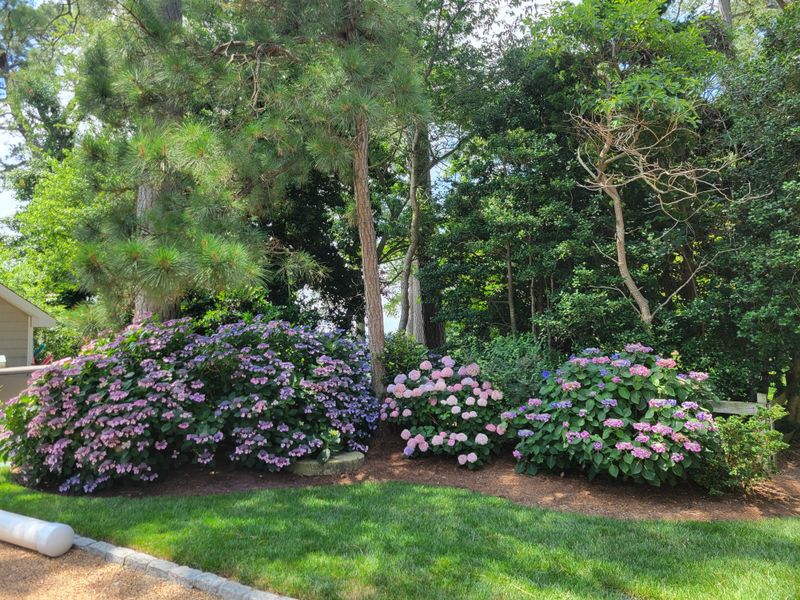
Not every hydrangea deserves the boot. The type you own decides how much risk you carry.
Bigleaf and mountain hydrangeas bloom on old wood, so winter damage or badly timed pruning can cost you buds. Smooth and panicle hydrangeas bloom on new wood and can be pruned in late winter or early spring, as explained by the Pennsylvania Horticultural Society and Penn State Extension.
So if you own a panicle or smooth hydrangea that blooms fine, keep it. If a bigleaf keeps losing its flowers, you have a real decision to make.
That is where sweet pepperbush earns a place. It suits a spot where the soil stays moist and you want fragrance and flower spikes.
It flowers on new growth, which, as NC State notes, is its main advantage.
It will not give you a hydrangea lookalike. And it is no fix for a dry, sunny bed, where it would struggle just like the hydrangea did.
Match the plant to the ground you actually have, and the yard does the rest.
