
What Actually Brings Fireflies Back To A Florida Yard After Years Of Dark Summer Nights
Follow us on Google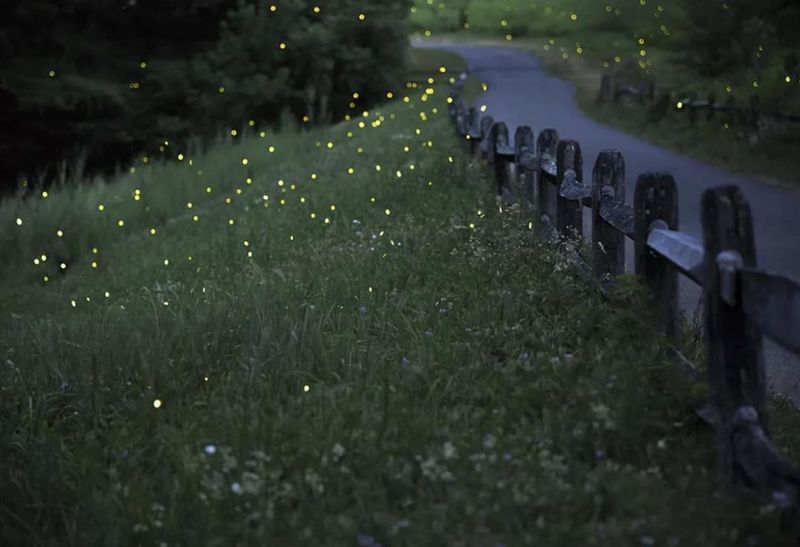
A small, dark, lightly managed patch of your Florida yard is what gives fireflies a chance to return. Think leaf litter, undisturbed soil, mixed vegetation, natural moisture, and no unnecessary pesticides.
You step onto the porch at dusk, the air thick and warm, and the lawn stays quiet where it once blinked. Here is how to make one corner of your yard friendlier to the fireflies living nearby, and what to expect.
Start With A Patch That Supports Fireflies
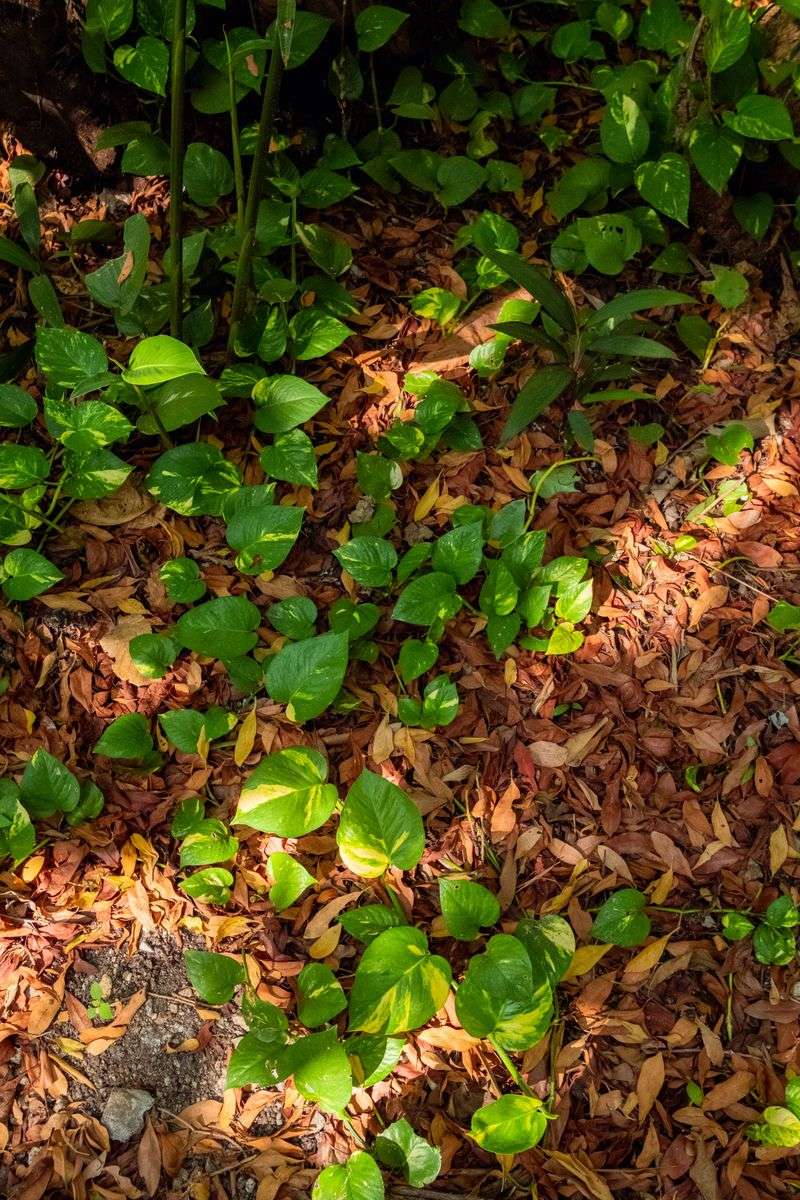
Here is the plain answer. Set aside one small, dark, lightly managed patch of your yard.
Leave the leaf litter and the soil underneath alone, let plants grow at different heights, keep the ground naturally moist, and skip unnecessary pesticides.
Those conditions can give fireflies shelter and hunting ground, especially while they are young. They cannot guarantee a glowing show, and no yard can promise one.
Think of the patch as setting a welcoming table, with no way to force anyone to dinner.
Your memory of darker summers is real to you, and it is worth acting on. But one person’s recollection cannot prove that your neighborhood or the whole state has lost fireflies.
A 2024 analysis of more than 24,000 Firefly Watch surveys from 2008 to 2016 looked at the big picture. It was broad-scale observational research, not a Florida yard-restoration trial and not a full count of fireflies.
It found that abundance was tied to a mix of soil, weather, climate, and land cover, and that solid population numbers are missing for most species.
UF/IFAS Extension notes that residents often feel they see fewer fireflies, which is a fair observation to start from. Florida also has about 56 documented species, and they use different habitats.
Some prefer woods or wet ground, others shrubs or open grass, and some adults do not even flash. So the goal is a better patch, not a perfect formula.
Leave Shelter And Food At Ground Level
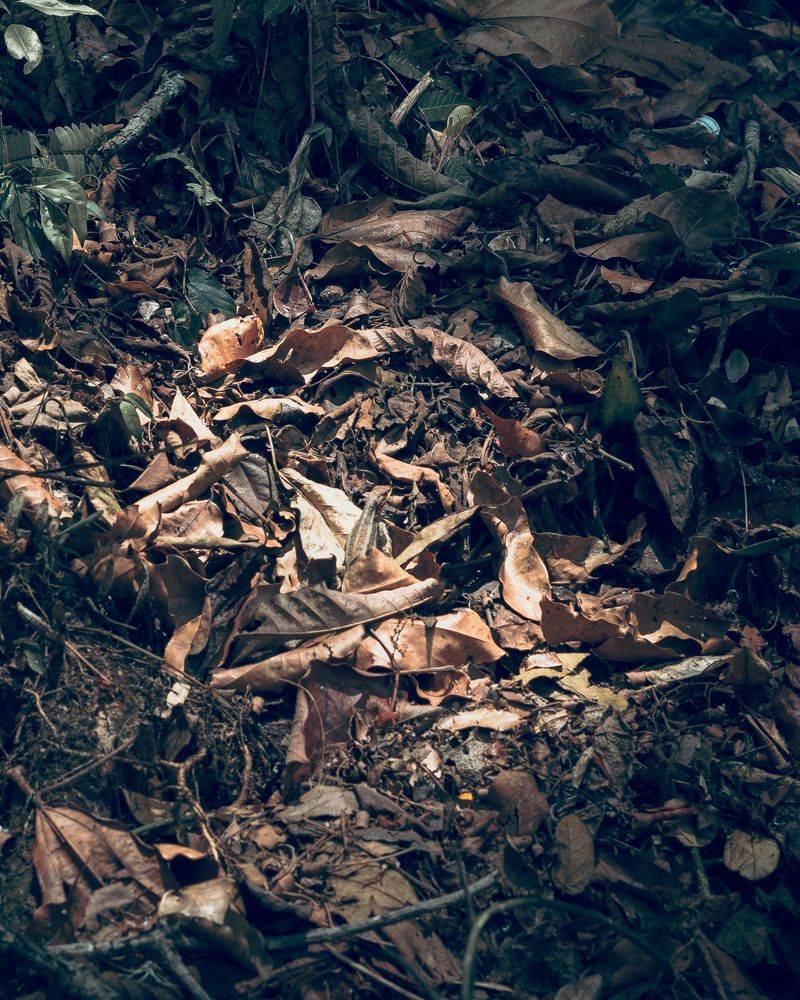
Before you think about flowers or garden decor, look down. The story of a firefly begins in the dirt.
Young fireflies, called larvae, live at ground level, tucked into soil and leaf litter where it stays damp and sheltered.
They are also hunters. Larvae eat snails, slugs, earthworms, and other soft-bodied prey, so a patch that feeds those creatures also feeds the next generation of fireflies.
UF/IFAS Extension describes these habits for Florida fireflies, though species vary and not every one lives the same way.
Here is the practical turn. Many adults and females also spend much of their lives close to the ground, and the Xerces Society explains that mowing and ground disturbance can remove shelter or cause direct harm.
A tidy lawn can quietly wipe out the very floor they live on.
So pick a modest patch and let the leaves lie where they fall. Do not till it, rake it bare, or level it.
Let the soil stay put.
This builds habitat, not a guaranteed display. Needs differ among species, and some may never move in.
Still, an undisturbed corner is the quiet foundation everything else rests on.
Keep One Yard Edge A Little Wild
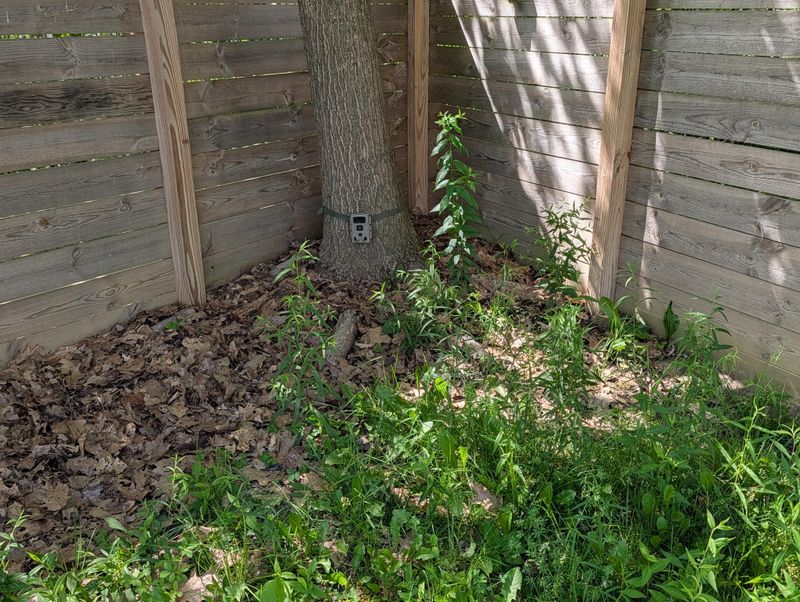
You do not have to give up your whole lawn. Choose one edge, a fence line, a back corner, or the spot under a live oak, and let it be a little untidy.
In that spot, hold off on raking, leaf-blowing, mowing, and digging. Let leaf litter build, leave the soil alone, and allow plants to grow at different heights, from low ground cover to taller shrubs and grasses.
The rest of the yard can stay just the way you keep it now. Your neighbors will still see a neat front lawn.
Why an edge? The Xerces Society says larvae and many females stay close to the ground, where disturbance does the most damage.
A quiet edge keeps that ground safe.
Do not hunt for one magic plant. Florida fireflies are diverse.
As UF/IFAS Extension in Polk County explains, different species turn up in different places, from wooded and wet areas to shrubs and open grass. No single plant or design works for the whole state.
So look at what already grows in that corner and build on it. Varied, layered cover is the idea.
A slightly wild edge is a gentle trade, and it may be the best seat in the house at dusk.
Keep The Soil Naturally Moist, Not Waterlogged
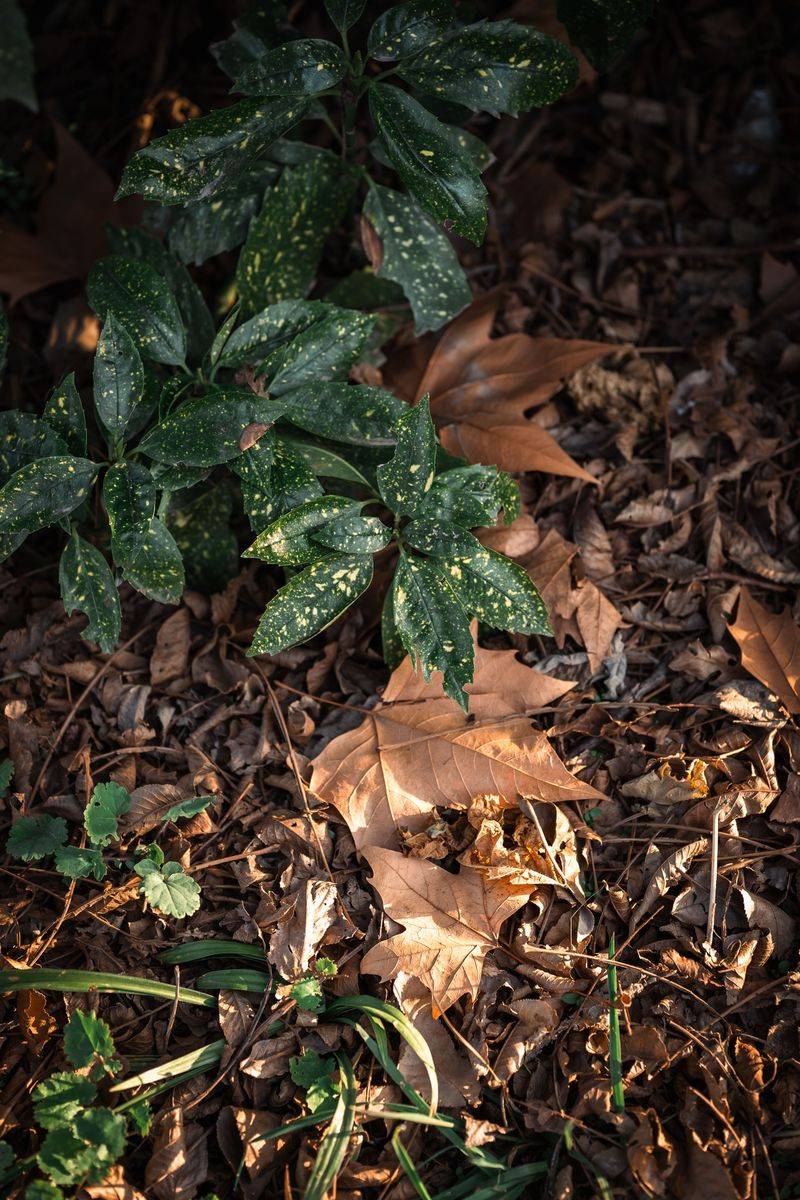
Moisture matters, but this is where good intentions go wrong. Fireflies and the snails and worms they eat do better where the ground stays reasonably damp.
That does not mean soaked, and it does not mean a pond.
Shade and plant cover help. The Xerces Society notes that moisture supports fireflies and their prey, and vegetation helps soil hold on to water.
A shaded patch with leaf litter on top tends to stay moist longer than bare, sunny ground.
Standing water is a different story. The Xerces Society also advises removing standing water that can breed mosquitoes.
So you do not need to add a water feature or keep puddles around, and you should not overwater to please fireflies.
Florida makes one watering rule impossible. A low, poorly drained pocket in North Florida, deep sandy soil in Central Florida, and thin limestone soil in the Keys all behave differently.
Rather than a fixed schedule, pick a spot that stays naturally damp after normal rain, then watch it.
If the ground there is damp a day or two after a storm, and not swampy, you are on the right track. Let nature do most of the watering.
Give Fireflies A Darker Night
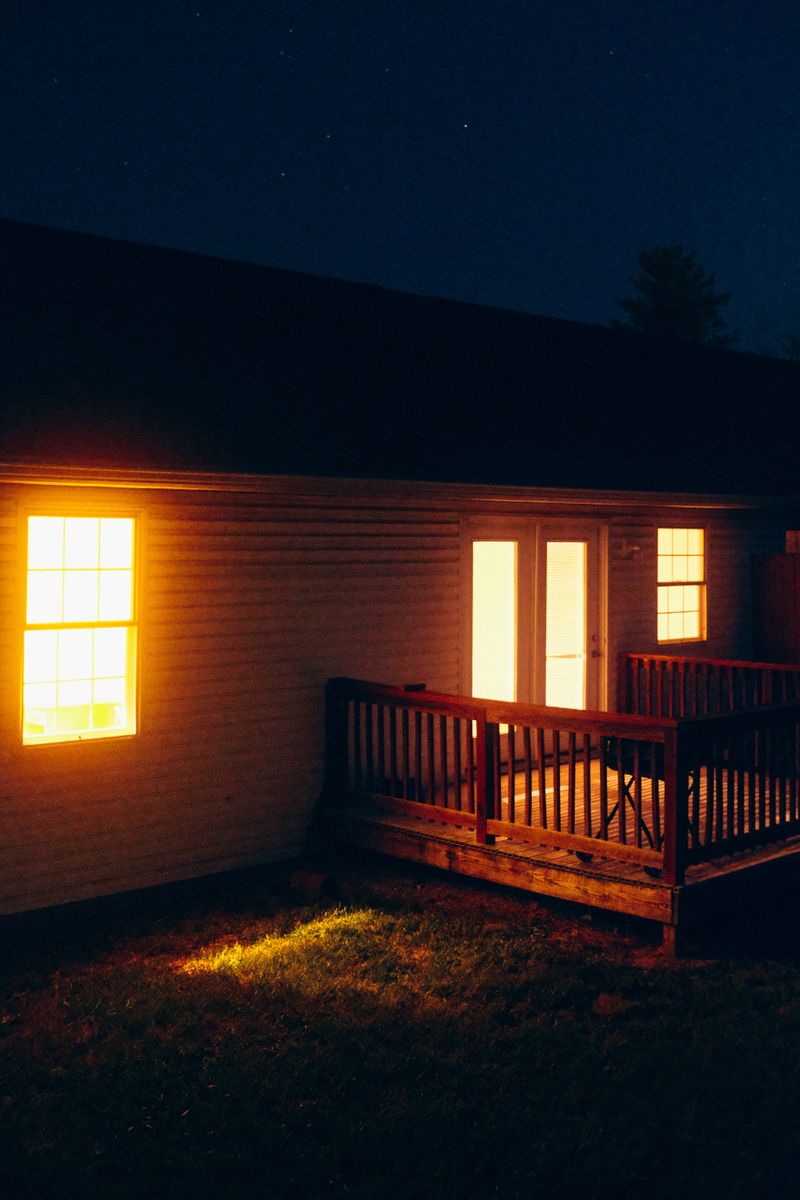
Fireflies talk in light. Males flash and females answer, so a bright porch light can drown out the conversation.
Field experiments back this up for certain species. In one study, Firebaugh and Haynes tested artificial light and found it reduced flashing in one species and cut courtship behavior and mating success in another.
That does not mean every firefly reacts the same way, but it is a good reason to take the lights seriously.
The fix is simple and costs little. Turn off outdoor lights you do not need, especially during evenings when fireflies are active.
For lights you need for safety, the Xerces Society suggests timers or motion sensors so they stay on only when needed.
Start with the lights nearest your habitat patch. A floodlight pointed at the back fence is a good place to begin.
Keep your path and doorway safe, but let the corner go dark.
Darkness may feel odd after years of leaving the light on. Give your eyes a few minutes to adjust, and you may enjoy the quiet.
Skip Routine Lawn Treatments In The Patch
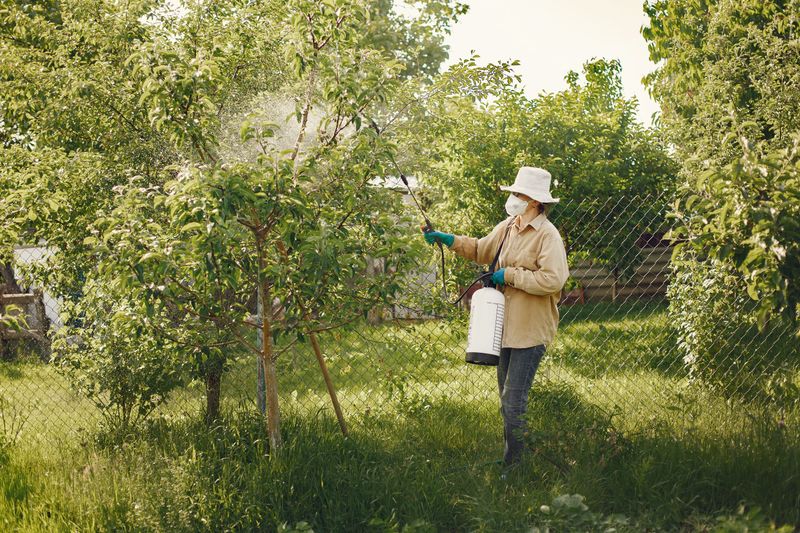
A weekly lawn treatment feels like good housekeeping. For fireflies, it can be a problem.
Insecticides, especially broad-spectrum ones that kill many kinds of insects, can harm fireflies directly or hurt the prey and habitat they rely on. The Xerces Society explains this in its guidance on lawn treatments, while also admitting that research on direct effects across firefly species is still limited.
So treat this as yard-level conservation, not a blame game. Nobody can say that spraying caused the missing fireflies in your particular yard.
UF/IFAS Extension lists it as a possible concern, nothing more. And public mosquito control is a public-health decision.
This advice does not ask you to ignore it.
What you can control is your own patch. Skip routine, cosmetic treatments there.
If a genuine pest problem shows up, such as chinch bugs in the lawn, use integrated pest management, which means identifying the problem first and choosing the most targeted fix.
The Xerces Society’s conservation guidelines point the same direction: use pesticides only when there is a real need. One calm, untreated corner is a small gift to the creatures underfoot.
Give Habitat Time To Work
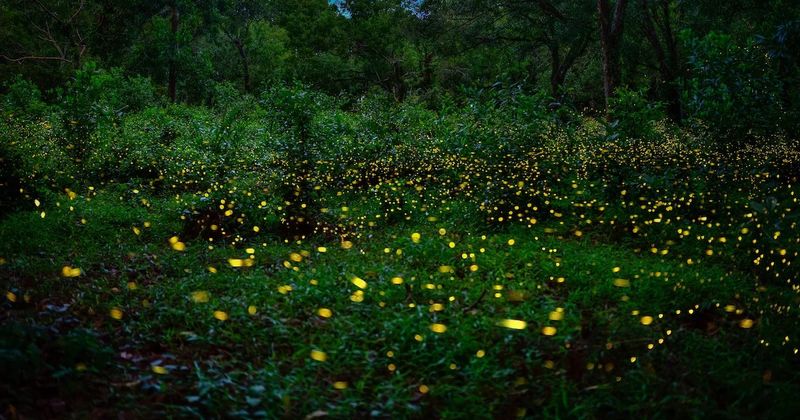
Patience is the hardest part. Firefly life moves slowly, and a new patch will not light up this weekend.
According to a UF/IFAS Extension transcript, Florida firefly eggs may last three to four weeks. Larvae then live a year or two or longer, depending on species.
So think in years, not days.
There is another catch. The Xerces Society cautions that fireflies do not disperse very far.
If few live nearby, even a well-made patch may not draw them in. It can improve conditions for the ones already around.
It cannot promise visitors.
Timing varies too. UF/IFAS describes the general season as early spring through late summer, but appearances depend on species, weather, and region.
Treat that as broad guidance, not a calendar.
Coastal Florida has a special case. The Florida intertidal firefly lives in salt marshes, mudflats, and mangroves and can be active year-round.
Its habits do not apply to an inland yard.
So aim for something achievable: one patch, a little more welcoming each season. Some evenings you may simply sit and watch the dark, and that is a fine way to spend a summer night.
