
The Florida Nurseries Selling Tough Native Edibles Big Box Garden Centers Never Carry
Follow us on Google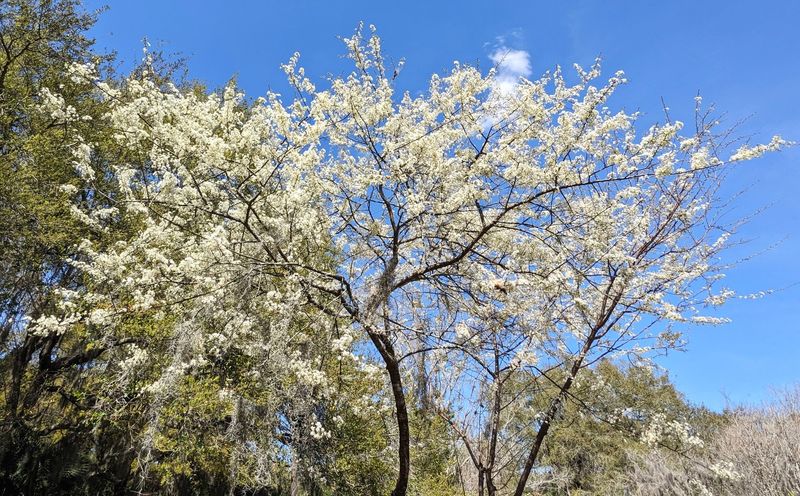
You step onto the patio after breakfast and the air already feels heavy, and your store-bought tomato plant is drooping again. The fix for a lot of Florida gardeners isn’t a better fertilizer.
It’s a different nursery, one that grows the tough native fruits and greens chain stores never stock. Small native plant growers across the state sell edibles that shrug off sandy soil, summer downpours, and salt spray.
Here are eight of those plants worth hunting down, plus the kind of places that actually carry them.
1. American Beautyberry For Jelly That Grows Itself
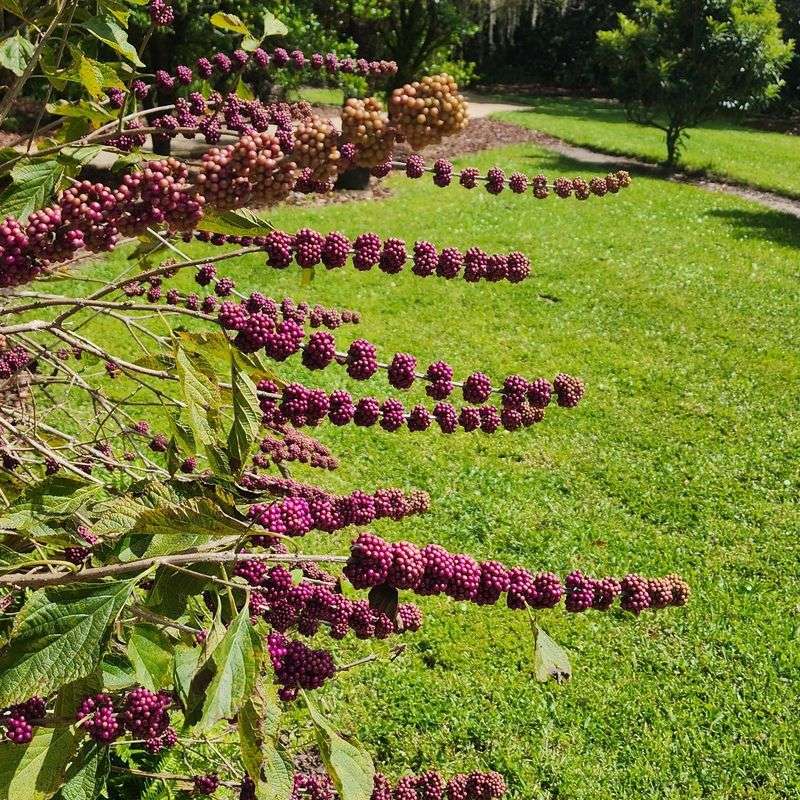
Late August arrives, and the shrub you forgot about by the fence suddenly glows with purple berries stacked along every stem. American beautyberry (Callicarpa americana) is the native most people walk past for years before learning it is edible.
Here is the catch. The berries taste mild and a little medicinal raw, so most gardeners cook them into jelly with sugar and pectin.
Native nurseries sell it in 1 and 3 gallon pots, while big box shelves almost never do, because a leggy green shrub does not sell on impulse in April.
Plant it in spring, about 5 to 6 feet apart, in full sun to part shade. It grows from the Panhandle through Central Florida and handles acidic sand without amendments.
Water twice a week for the first 8 weeks, then let rain take over.
Cut it back to about 12 inches in late winter for fuller berry clusters. Birds will share the harvest, and honestly, that is part of the charm.
2. Seagrape Laughs At Salt Spray On The Coast
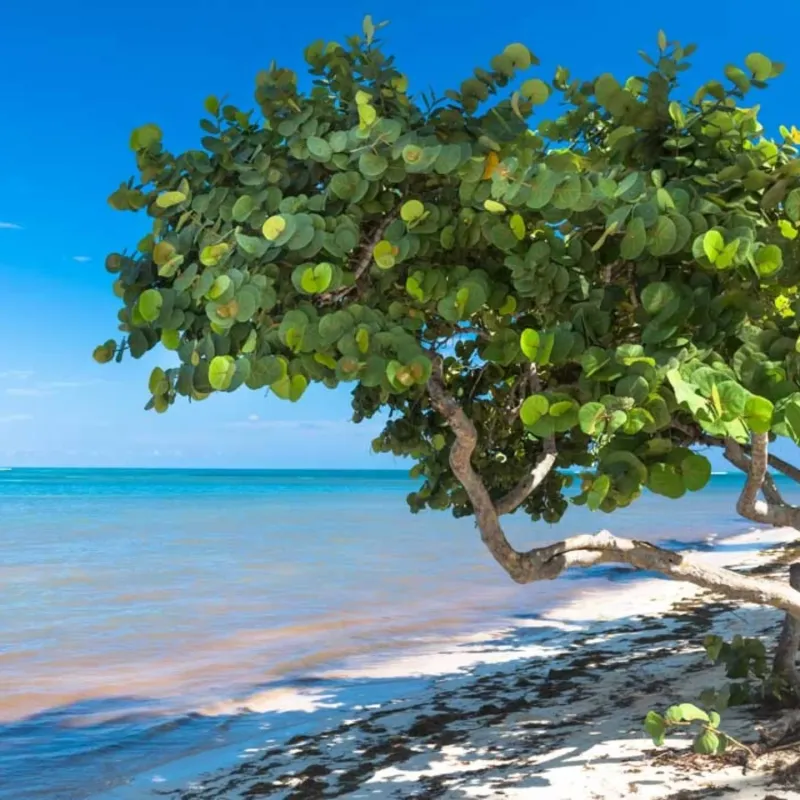
Salt spray has a habit of quietly scorching everything you plant within a few blocks of the beach. Seagrape (Coccoloba uvifera) is the plant that simply ignores it.
Along the Atlantic Coast, the Gulf Coast, and the Keys, those dinner plate leaves take wind and salt without browning. Female plants set dangling clusters of fruit that ripen purple in late summer.
The pulp is thin and tangy, so it shines in jelly, with roughly equal parts juice and sugar.
Seagrape is happiest in zones 10a through 11, and frost can hurt it farther north. Plant it in full sun with sharp drainage, spaced 8 to 10 feet apart for a hedge.
Buy only nursery-grown plants, because wild coastal seagrapes are protected in Florida.
Many South Florida homeowners report it is the one shrub that came back strongest after a storm season. That kind of loyalty is hard to find.
3. Red Mulberry Feeds You Before Summer Heat Hits
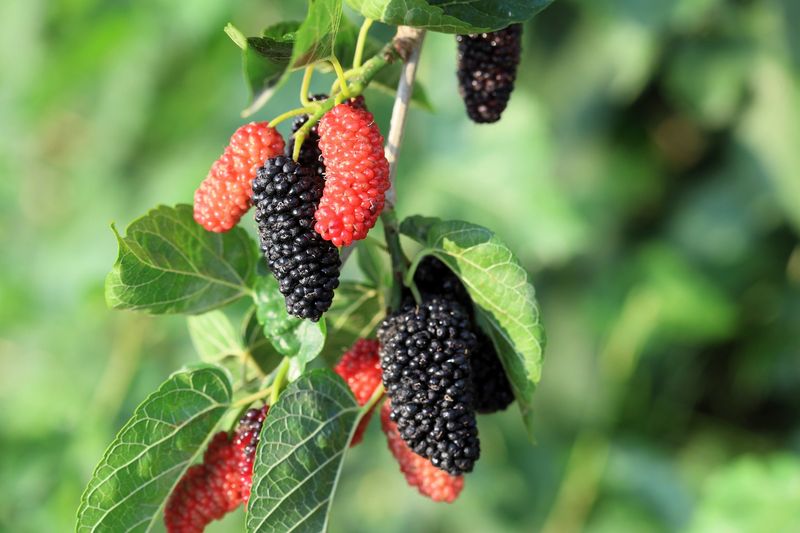
Most fruit trees make you wait until the worst heat of summer. Native red mulberry (Morus rubra) is done by May, before the stifling weather arrives.
The tree grows wild across the whole state, which is the quiet clue. It already knows Florida sand, winter dry spells, and North Florida freezes down to the low 20s.
The berries taste like a softer blackberry, sweet with a light tartness.
So why is it missing from chain stores? Mulberries ship poorly and look scraggly in a pot.
Native growers carry them anyway, sometimes as smaller selections suited to suburban lots.
Plant in full to part sun at least 15 feet from patios and driveways, since dropped fruit stains. Water deeply once a week through the first summer.
After year two, it rarely needs a hose.
Spread an old sheet under the branches and give a gentle shake. Breakfast handled.
4. Flatwoods Plum Blooms When Florida Still Feels Gray
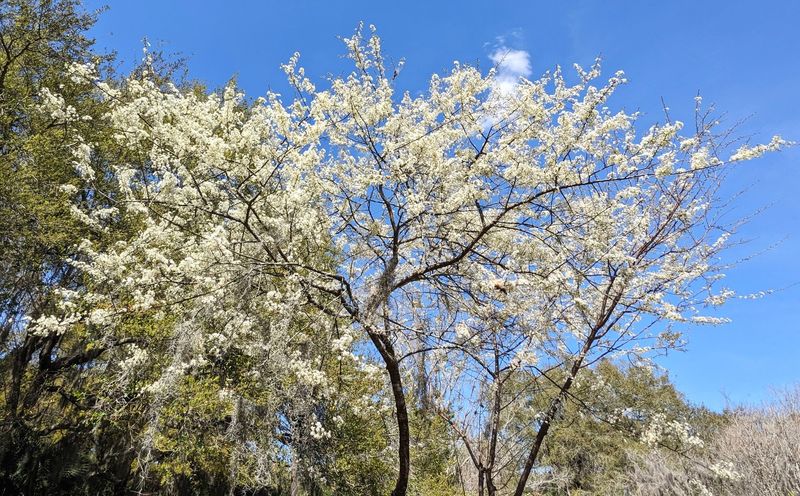
February in the Panhandle can look washed out and tired. Then the flatwoods plum (Prunus umbellata) bursts into white blossoms on bare branches, weeks before most trees wake up.
By midsummer those blooms turn into small plums, red to dark purple, ranging from puckery to sweet. Many gardeners eat the best ones fresh and turn the rest into jelly or a tart syrup.
Here is the surprise. This little tree tops out around 15 to 20 feet and actually tolerates the dappled shade under pines and oaks.
That makes it a fit for wooded North Florida and Central Florida lots in zones 8a through 9b.
Plant in winter while it is dormant, in well-drained acidic sand. Water every few days for the first month, then weekly through spring.
Skip heavy fertilizer, it pushes leaves instead of fruit.
Bees will find it first. You will be right behind them.
5. Maypop Gives You Fruit And Butterflies In One Vine
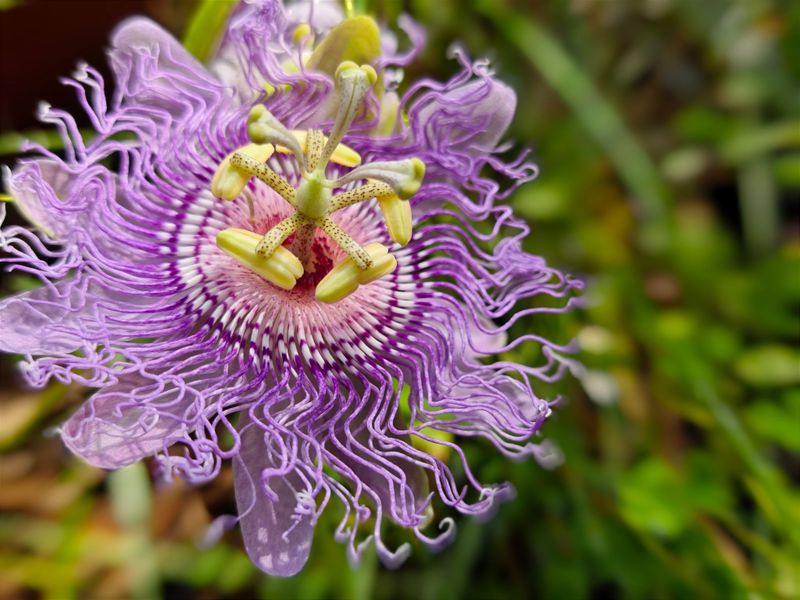
Gulf fritillaries have a trick. They lay eggs only where their caterpillars can eat passionvine, and maypop (Passiflora incarnata) is the native one they love most.
That fringed purple flower looks almost too wild to be real. Later it turns into an egg-shaped green fruit that softens and wrinkles when ripe.
Inside is a sweet, tropical pulp that tastes like a gentler passion fruit.
Fair warning, the caterpillars will chew the leaves. That is the deal, and it is a good one.
Maypop regrows fast, and the zebra longwings and fritillaries floating around your porch are worth a few ragged stems.
Give it a fence or trellis in full sun, anywhere in Florida. It spreads by underground runners, so pull extra shoots each spring.
Pick fruits once they drop or feel light and give slightly.
One vine, two harvests. Food for you, and wings for the yard.
6. Bird Pepper Delivers Heat Without Any Babysitting
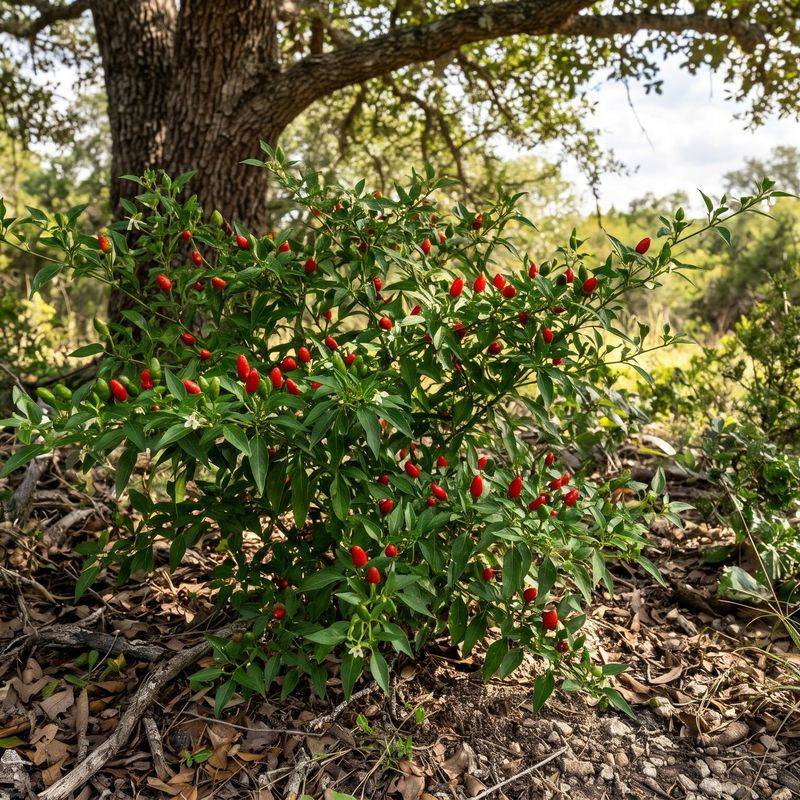
Grocery store pepper transplants often collapse by July, battered by heat stress and whiteflies. The native bird pepper (Capsicum annuum var. glabriusculum) barely notices.
The pods are tiny, about the size of a pea, and fiercely hot. Birds spread the seeds because they do not feel the burn, which is how this pepper wandered across South Florida and the Keys long before anyone planted it on purpose.
Plants stay compact, roughly 12 to 24 inches tall, and keep fruiting for years in frost-free areas. In Central Florida a cold snap may knock them back, but they often resprout or reseed.
Set one in full sun to light shade, 18 inches from neighbors, in well-drained soil. Water weekly until established.
Pick pods red and dry them on a sunny windowsill for about 2 weeks.
A pinch in your winter chili tastes like your own backyard.
7. Cocoplum Turns A Hedge Into A Snack Bar
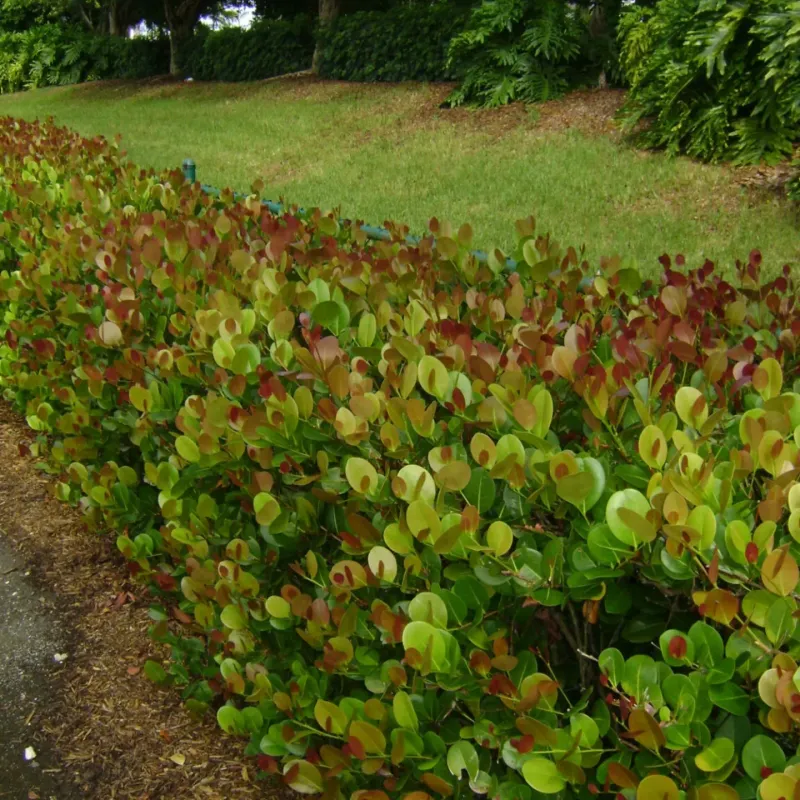
A privacy hedge is usually just a green wall. Cocoplum (Chrysobalanus icaco) is a green wall that also hands you fruit.
The small round plums ripen white, pink, or purple depending on the type. Their flavor is mild and faintly sweet, closer to a cotton ball dipped in apple juice than a store plum.
People eat them fresh or cook them down, and the seed inside is often roasted.
Coastal South Florida homeowners love it for hedges because it handles salt and wind well. It suits zones 10 and 11, with cold damage likely below about 30 degrees.
Space plants 3 feet apart for a tight screen.
Here is where it gets tricky. Heavy shearing removes flowers, so you lose fruit.
Trim lightly in spring, and leave the sunny side looser.
A hedge that feeds you and the mockingbirds earns its spot.
8. Small Native Nurseries Are Where These Plants Actually Live
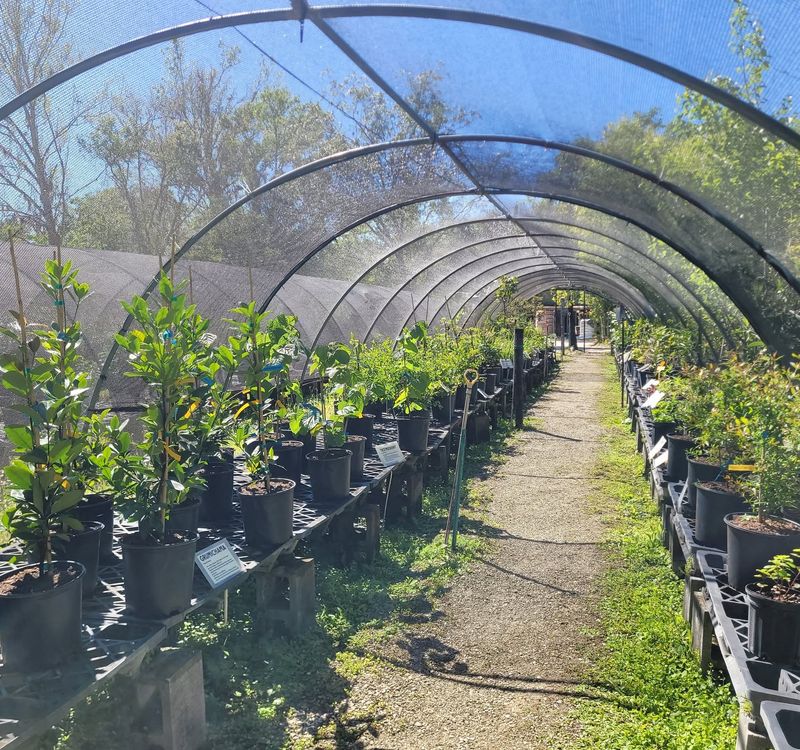
You will not find most of these plants beside the patio pavers off the highway. They live in small growers’ rows under shade cloth, often down a gravel road.
Big box buyers choose plants that ship well and bloom on the bench. Native growers choose plants that survive your actual yard.
Florida Native Plants Nursery in Myakka City near Sarasota, GreenDreams Nursery in Spring Hill, and Green Isle Gardens near Groveland are known examples. Florida Edible Landscapes also focuses on food plants suited to the state.
Hours vary, and some sell by appointment, so call before driving. The Florida Native Plant Society and UF/IFAS Extension county offices also list sales and can tell you which edibles suit your zone.
Bring a photo of your planting spot and the hours of sun it gets. Staff can genuinely match a plant to a yard in five minutes.
Then you head home with something that belongs here, and so does your garden.
