
Why Texas Gardeners Grow Passionflower On The Fence And Never Regret It
Follow us on Google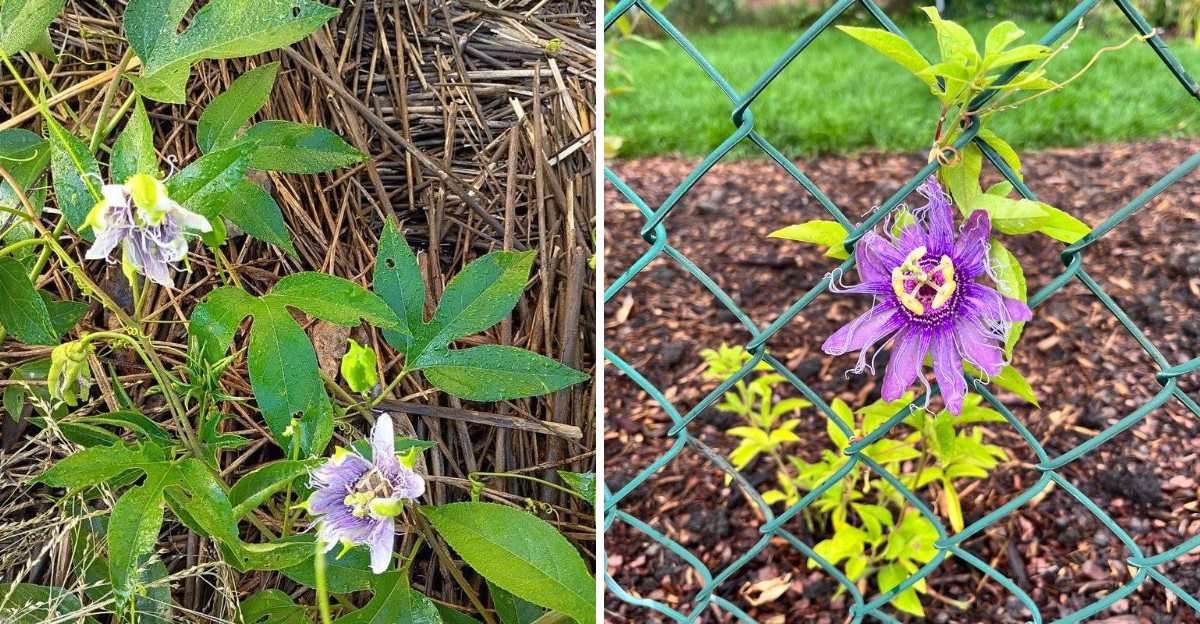
Maypop earns its spot on a Texas fence by covering wire with showy purple flowers, feeding butterfly caterpillars, and sometimes handing you a ripe, edible fruit. Passiflora incarnata, also called purple passionflower, is a native vine that does all three in one season.
It also dies back in winter and sends up sprouts where you did not plant it. Here is what to expect so you can decide if it belongs on your fence.
Meet the Maypop Vine
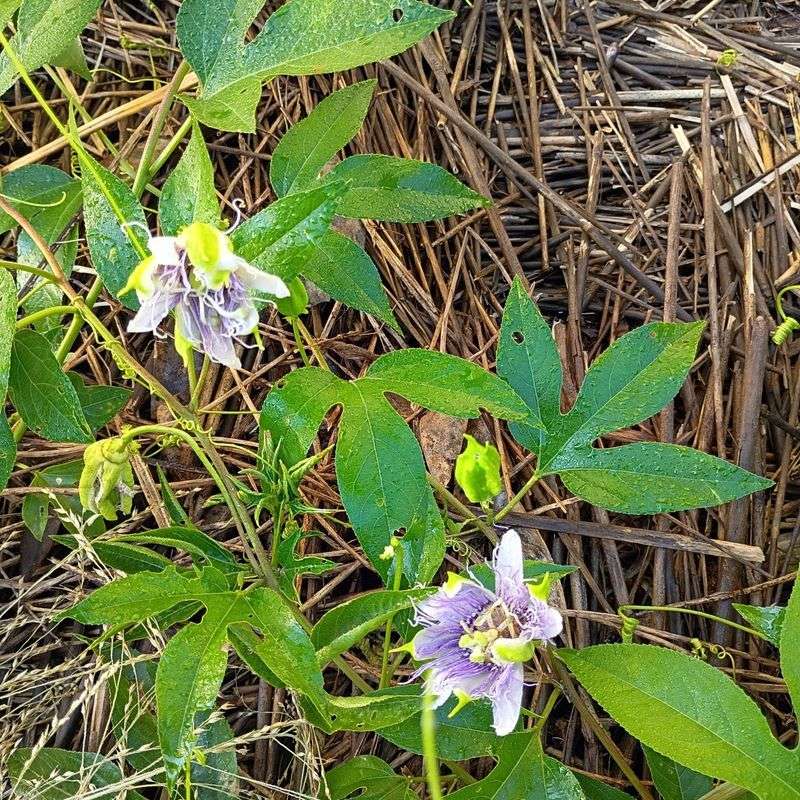
Out by the back fence, a vine you did not expect is waving green tendrils at the wire. If it has three-lobed leaves and wild purple flowers with a fringe like a crown, you may be looking at Passiflora incarnata, also called maypop or purple passionflower.
The name matters. Passionflower is a big group of plants, and not every one is native to Texas or has fruit worth eating.
Maypop is one particular species, and it is the one this article covers.
The sources place it in parts of the state, not everywhere. The Native Plant Society of Texas describes it in eastern and central ecoregions, and a Texas Parks and Wildlife guide lists it for post oak areas.
The Lady Bird Johnson Wildflower Center says its native range reaches eastern Texas. So do not assume it suits every yard from the Panhandle to the Valley.
It is a perennial vine that climbs by tendrils, which are the curly little grippers it shoots out, or it sprawls along the ground. It can stretch roughly 25 feet.
The flowers are the showpiece.
Now the honest part. It is deciduous, meaning it drops its leaves, so it will not give you year-round screening.
It can also spread beyond where you planted it. Think of it as a generous but wandering neighbor.
Give Its Tendrils Something to Climb
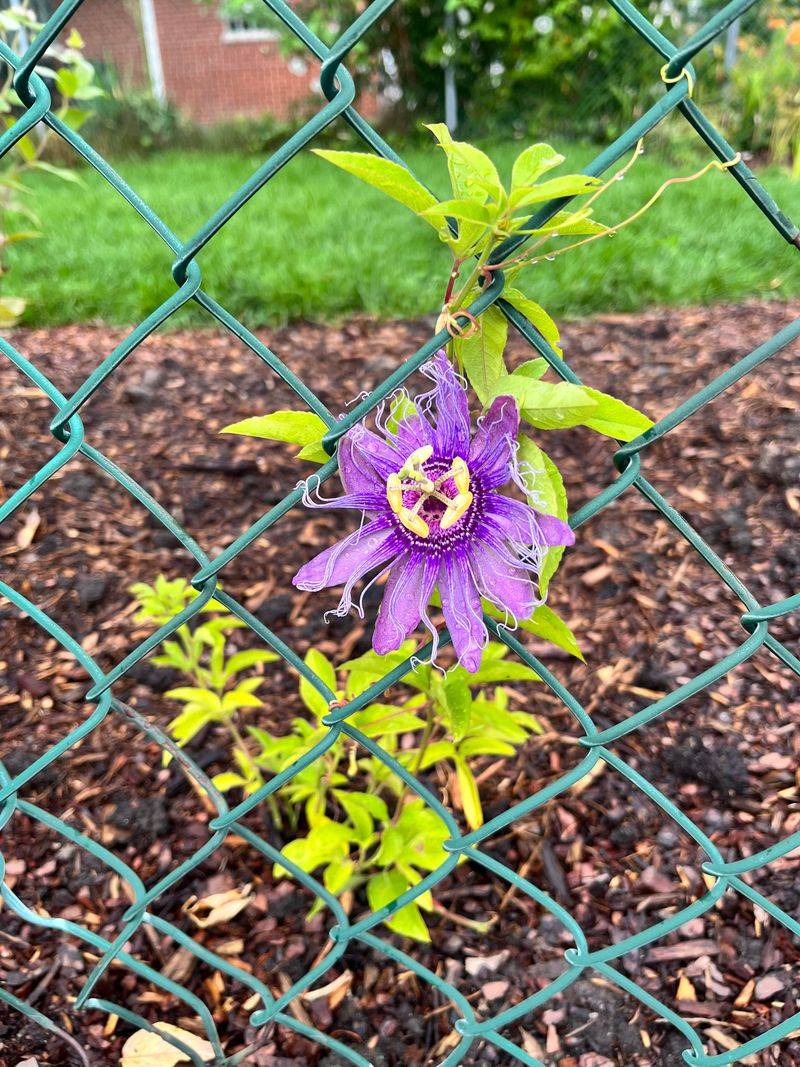
Plant a maypop beside a bare fence and the vine goes looking for a handhold. Its tendrils wrap around thin things, so wire, lattice, or a trellis gives it exactly what it wants.
Texas references list it for fences and trellises. A chain-link fence works well because the tendrils can grab the wire right away.
A smooth wall or a thick board gives them nothing to hold, so the vine sprawls instead.
Light and soil are simple. The Native Plant Society of Texas describes it growing in sun or partial shade and in several soil types.
Well-drained soil is the safer choice, since soggy ground is rarely kind to roots.
The Texas Parks and Wildlife wildscape plant list also includes it as a vine for wildlife-friendly yards, which fits its job as a butterfly plant.
Set your expectations at a flowering cover, not a solid wall. In winter it drops its foliage, and in a good summer caterpillars may thin it out.
If you want a screen that is thick and always green, this is not that vine. If you want flowers climbing a plain fence, it can deliver.
One small trick is to guide the first few stems toward the wire by hand. After that, the vine takes over and does the climbing itself.
Butterflies Feed on the Leaves, Too
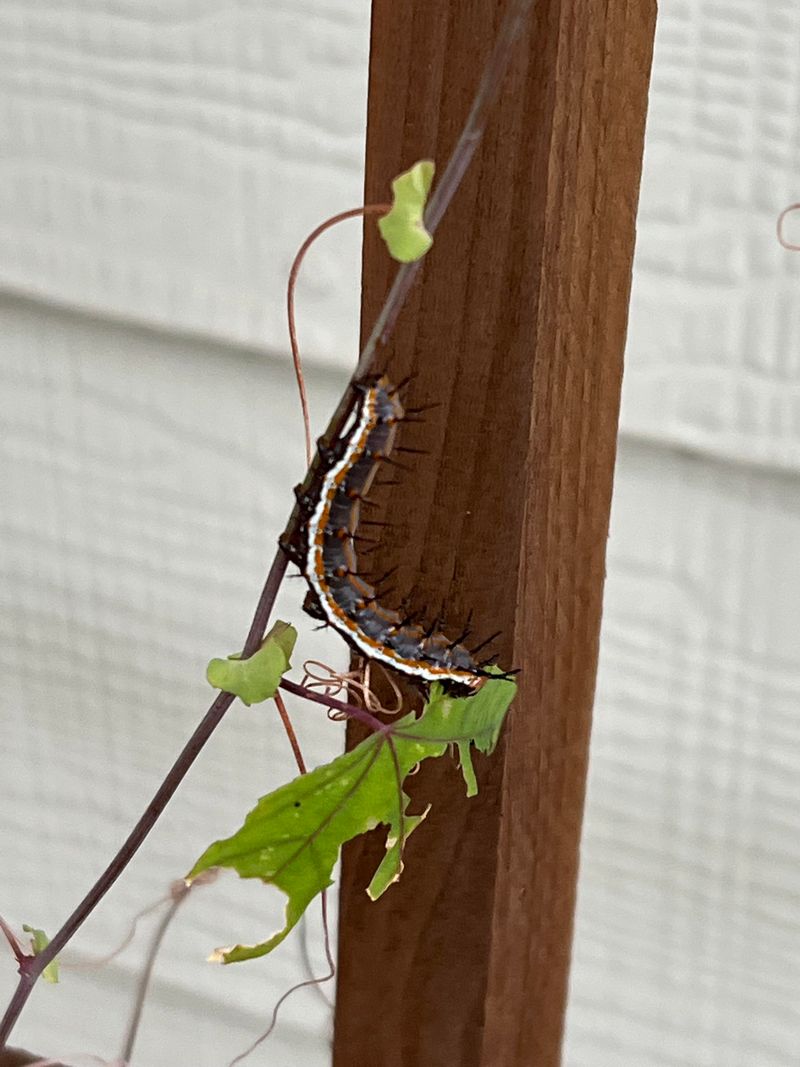
Here is the surprise that makes some gardeners panic. One morning the leaves have holes, and by the next week whole stretches look chewed bare.
That is the vine doing its job. Maypop is a host plant, which means butterfly mothers lay eggs on it so the caterpillars can eat the leaves.
The Lady Bird Johnson Wildflower Center and the Native Plant Society of Texas both name Gulf fritillary as a butterfly that uses it, along with other fritillaries and related butterflies.
Adult butterflies visit the flowers for nectar too, so you get two kinds of wildlife value from one plant. Do not expect monarchs, though.
Monarchs need milkweed, not passionflower.
In a good season, caterpillars may strip much of the foliage. The Native Plant Society of Texas reports that the vine can regrow.
So skip the spray and leave the caterpillars alone. Chewed leaves are the cost of the butterflies, not a sign you failed.
Texas Parks and Wildlife also lists maypop among plants for wildlife yards, which fits this picture.
Picture a Gulf fritillary drifting over your fence in orange wings. That is what the ragged leaves buy you.
Treat the Fruit as a Seasonal Bonus
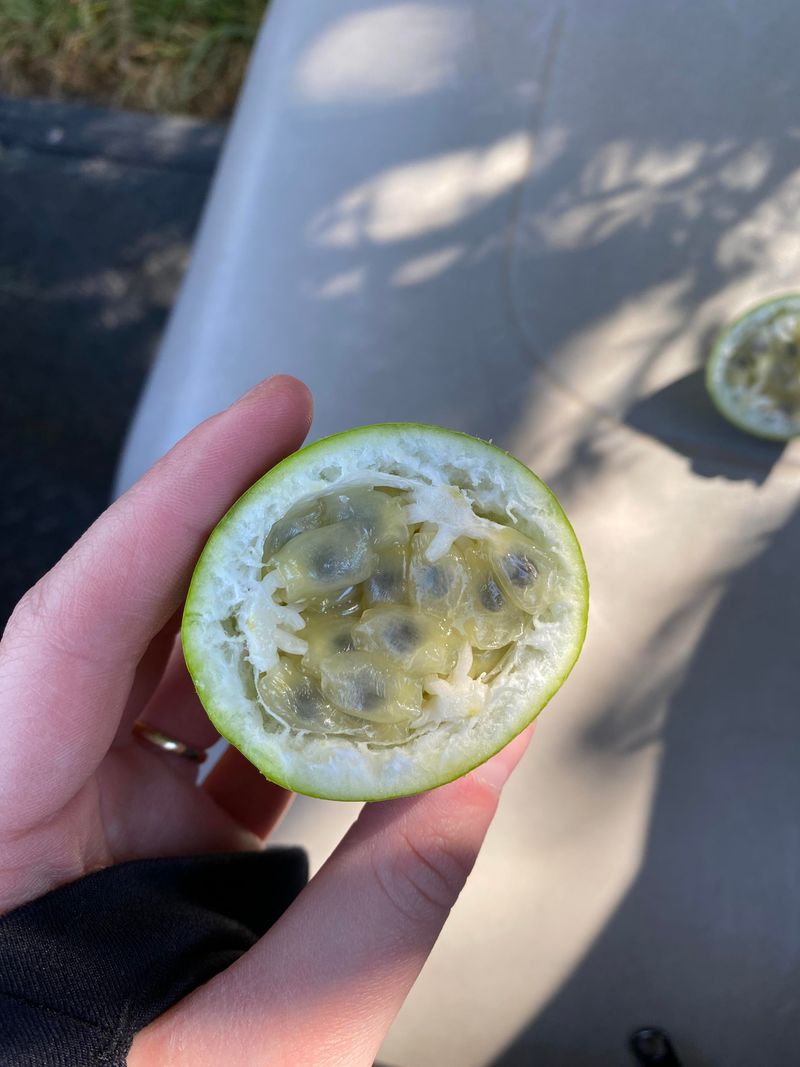
Sometimes, after the flowers fade, an egg-shaped fruit appears and slowly turns yellowish to orange-yellow. That is a maypop, and it is the reason some gardeners keep the vine around.
Extension sources call the ripe fruit edible. UF/IFAS adds a dose of honesty, saying it is not especially tasty.
Do not expect the flavor of store-bought passion fruit, and do not count on a harvest every year. Wildlife also use the fruit, so some may disappear before you get there.
Safety comes down to two things, identity and ripeness. First, be sure you have Passiflora incarnata, since other passionflowers can differ.
Second, eat only ripe fruit. NC State Extension flags the leaves and stems as poisonous to humans and advises against using them as herbal medicine.
So the food rule is narrow. Ripe fruit from a positively identified maypop only.
No leaves, no stems, no unripe fruit, and no fruit from a vine you cannot name.
Treat any fruit as a little bonus on top of the flowers and butterflies. If one ripens, you can taste it with curiosity, not high hopes.
If none does, the vine already earned its place.
Water Well When You Plant
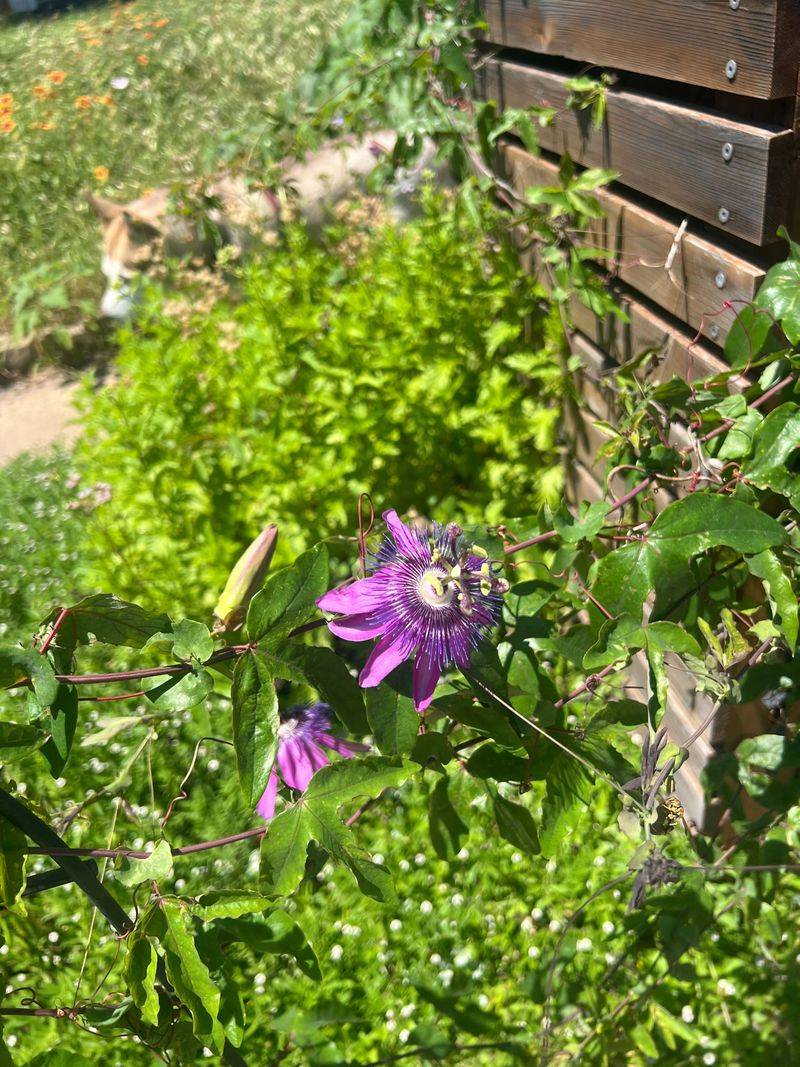
The first weeks decide how settled a new vine feels. So when you set a maypop in the ground, water it well and make sure the soil drains instead of pooling.
No source gives a Texas-wide watering schedule or amount, so any exact number would be a guess. Watch the plant and the soil instead.
Once established, the Native Plant Society of Texas describes maypop as drought-tolerant except during severe dry spells. That means a long Texas stretch without rain may call for a little extra water, even for a tough native.
Soil matters too. Well-drained ground is the safer pick, but that is a general lean, not a rule for every region.
The same society reports regional differences. Maypop spreads more on Blackland Prairie soils and grows more compactly on Edwards Plateau soils.
That is a reported observation, not a promise for your yard. Your own soil and sun may tell a different story.
Think of the planting season as an investment. A good start, then a helping hand in a brutal drought, and the vine mostly looks after itself.
Root Suckers Can Grow Beyond the Fence
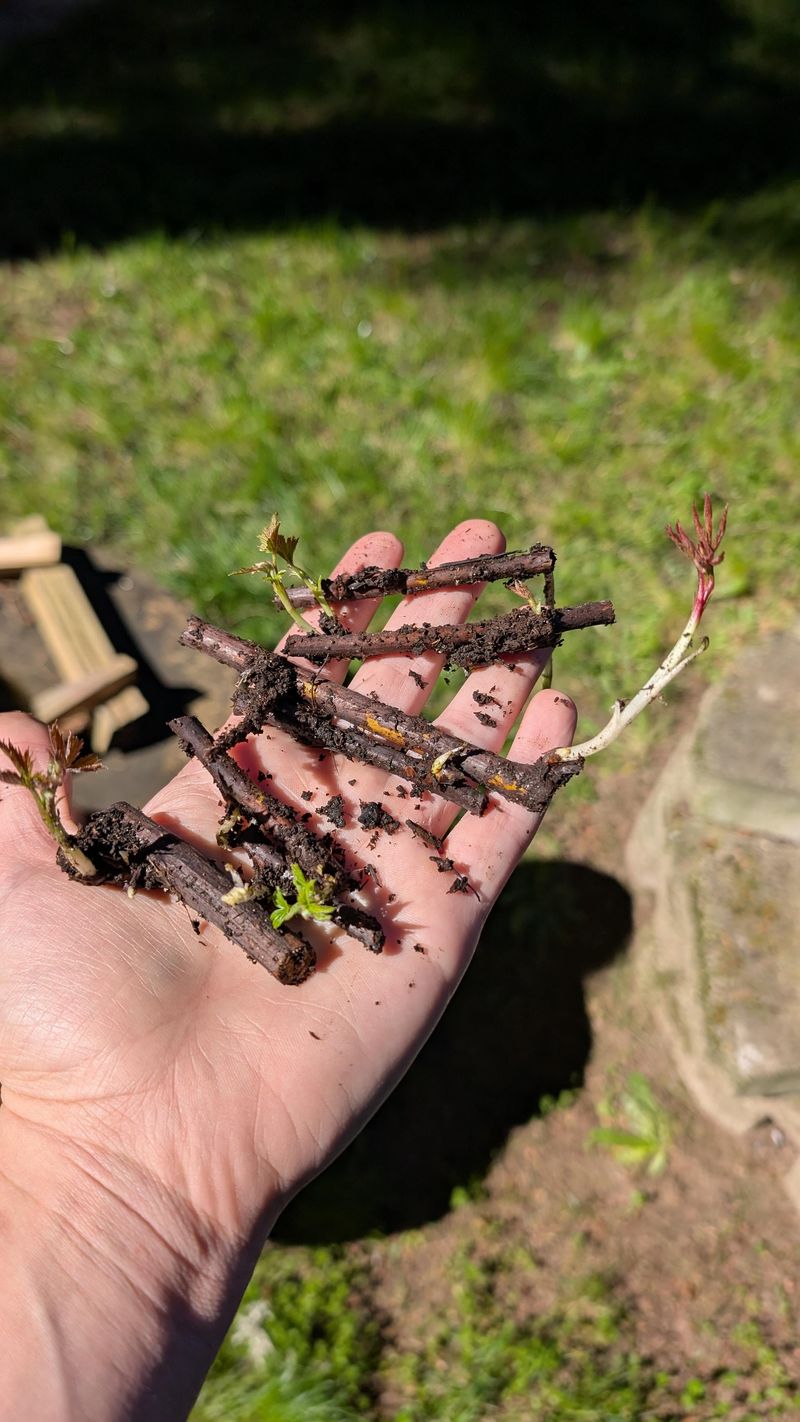
A fence line feels like a boundary. Underground, maypop does not agree.
The vine spreads through roots, and root suckers, which are new shoots sprouting from the roots, can pop up away from the original plant. A trellis or fence does not contain that.
You might find a sprout in the lawn or the flower bed.
The Native Plant Society of Texas says unwanted sprouts can be pulled or mowed. Pull them when they are young and the job stays small.
One rule comes first. Check for nesting birds before you mow or cut.
Birds can tuck nests into thick growth, and a quick look first protects them.
Ask whether your yard has room for a plant that wanders. A big lot, a country fence line, or a wild corner can absorb it.
A tiny bed beside a prized border may become a weekly chore.
Spread is not a flaw if you plan for it. It is simply the vine’s way of making itself at home, and you decide how much home it gets.
Plan for Seasonal Growth
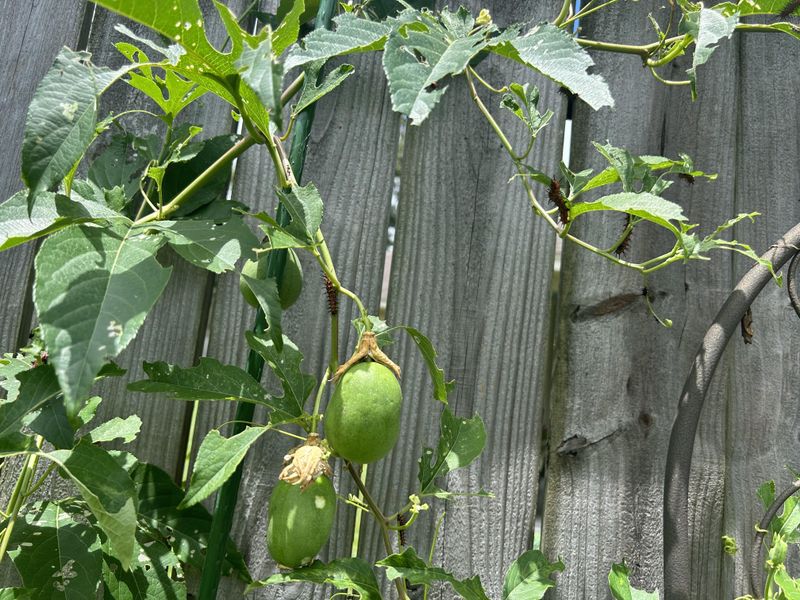
Maypop suits a certain kind of gardener. You welcome butterflies, enjoy seasonal flowers, might taste a ripe fruit, and can live with some spreading.
It does not suit someone who wants a contained evergreen screen. In North Texas, the Native Plant Society of Texas says the vine dies back to the ground in winter and resprouts in spring.
Expect a bare fence for a while.
Timing varies by place. A Texas Parks and Wildlife wildscape guide lists flowers from April through September and fruit from June through October, but that applies to the guide’s coverage area, not the whole state.
Fruit is never guaranteed.
The Lady Bird Johnson Wildflower Center places its native range in eastern Texas, so your location matters.
So here is the choice. If you can accept winter dieback, chewed leaves, and wandering sprouts, give it a fence.
If not, pick something tidier. Either way, the decision is yours.
