
Bindweed Keeps Coming Back Because The Roots You Pull Snap And Every Broken Piece Sprouts
Follow us on Google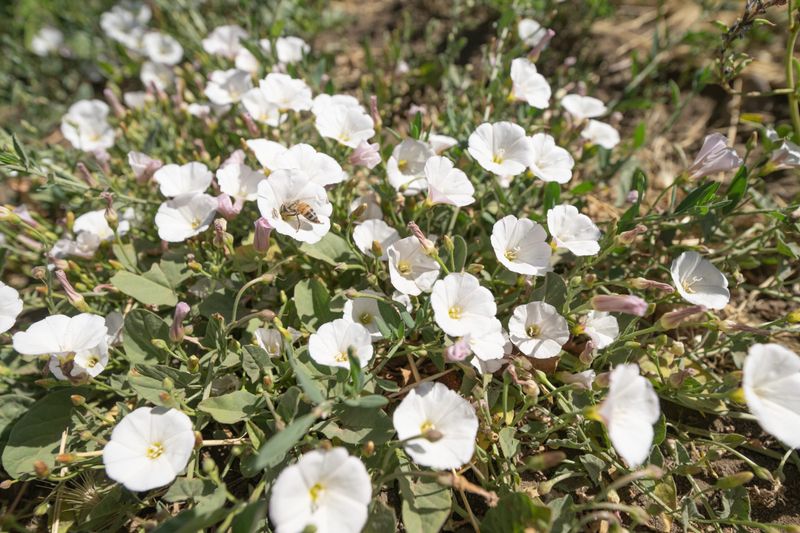
You pulled the vine out on Saturday, and by the next weekend it’s twining up your tomato cage again. Here’s the plain truth: bindweed’s roots snap when you pull, and some of those broken pieces can grow into new plants.
Field bindweed also keeps energy stored deep underground, so even a clean-looking bed can send up fresh shoots. Once you know where the plant hides, you can build a plan that actually works over time.
Field Bindweed Keeps Its Reserves Underground
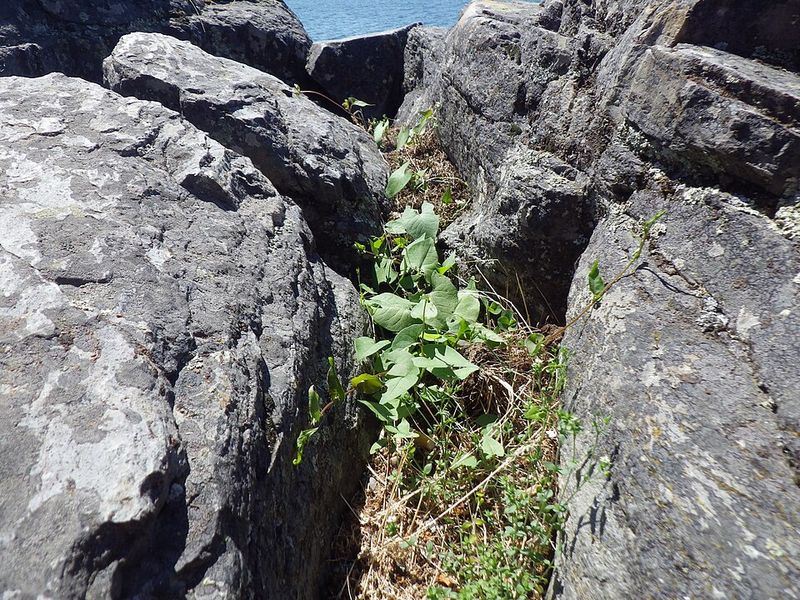
Late on a warm June evening, you tug a green vine off the fence and feel it snap somewhere below the soil. The part you can see is the smallest piece of field bindweed (Convolvulus arvensis).
Most of the plant lives out of sight.
It is a perennial, which means it lives for years instead of one season. Underneath, it has deep vertical roots, shallower roots that spread sideways, and underground stems called rhizomes.
The US Forest Service review describes these structures as bud-bearing storage organs that can send up new shoots. Think of them as a pantry buried under your garden.
Depth varies with soil and climate. The Forest Service reports taproots commonly reaching 2 to 10 feet or more, and UC IPM says some vertical roots can go 20 feet or deeper.
Your yard may not reach those extremes. UC also reports that most of the root mass sits in the top 2 feet, which is where your shovel works.
Here is the practical point. Established roots can send up shoots even when you have not moved a single fragment.
So a vine that returns does not always mean you spread it.
One caution before you act. Not every plant called bindweed is the same.
Hedge bindweed, perennial morning glories, and annual wild buckwheat all look similar, and Cornell’s identification guide notes field bindweed has smaller, arrow-shaped leaves. Wild buckwheat is an annual, so the underground story does not apply to it.
How Broken Roots Can Grow Again
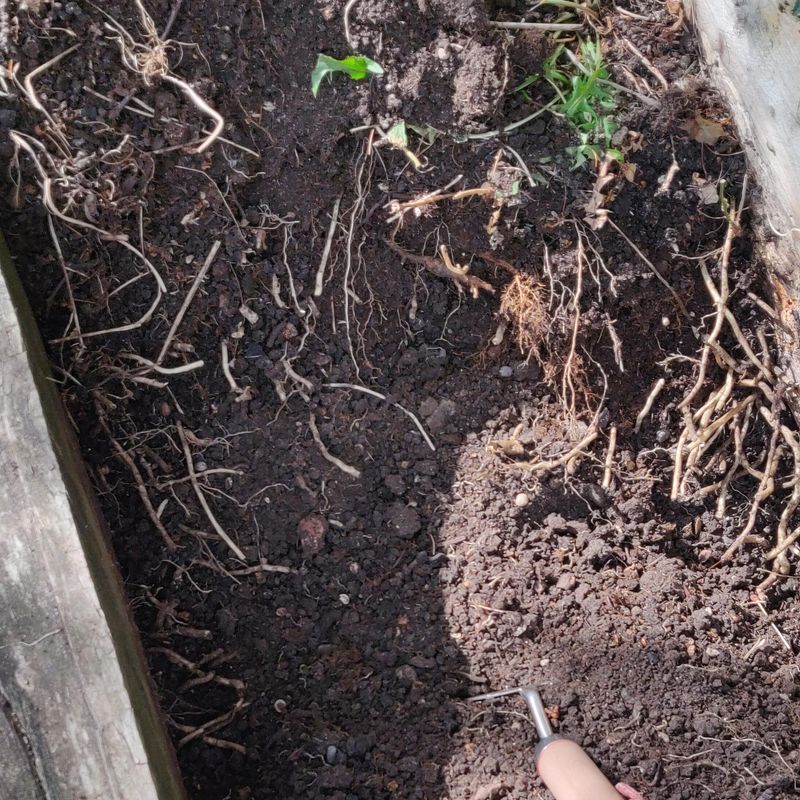
Many gardeners notice the same thing after a big dig. The bed looks clean, then thin green shoots appear in a few weeks.
Broken roots may be part of the reason.
Severed roots and rhizomes can regenerate, and a shovel or fork can leave viable pieces behind or move them around. But some pieces never make it.
Regrowth varies, and no source shows that every fragment sprouts.
Several things shape the outcome. The Forest Service review says fragment size, depth, plant condition, and season all matter.
In one cited study, fragments shorter than 3 inches were weak or failed. Other research found that 2-inch pieces could form plants.
Those results do not agree on one number, so treat them as a range, not a rule.
A field study hosted by WSU found that establishment differed a lot by fragment type and planting date. In other words, a root piece is a gamble.
A healthy, well-fed plant with a larger piece tucked at a good depth has better odds than a small, weak one.
So what should you do with this? Pick out as much root as you can see, and do not count on a single dig to finish the job.
Think of each piece as a small seed packet with unknown odds.
One Deep Dig Rarely Clears a Patch
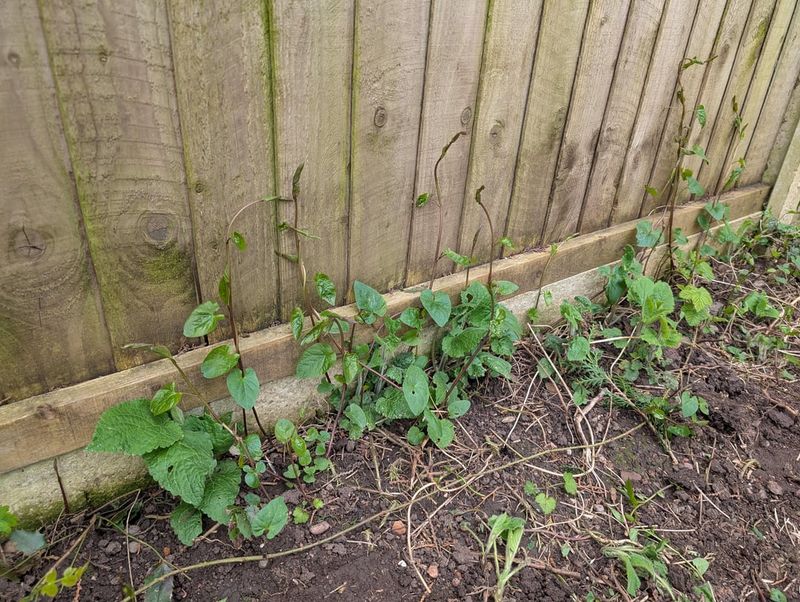
Blunt claim: you will not dig your way out in one afternoon. Even a careful excavation leaves roots deeper than a spade reaches.
A small garden patch calls for a return-trip plan instead.
Oregon State University Extension recommends removing growth every two to three weeks during the growing season, and taking out as much root as is practical. Regrowth may show up in about two weeks.
That is not failure. It is the plant drawing on stored reserves, like a battery running down one shoot at a time.
Here is a simple rhythm. Walk the patch with a trowel, follow each shoot down, and lift the root you can reach without tearing up your other plants.
Put pulled pieces in the trash, not the compost pile. Mark your phone calendar so the next visit does not slip.
Digging can leave or move viable fragments, so some gardeners worry it makes things worse. It can, but repeated removal can gradually weaken the plant.
Each time the leaves get cut off, the roots have to spend stored energy to rebuild them.
UC IPM also describes persistent removal of top growth as a way to deplete root reserves. Expect this to take multiple years.
If it eases the frustration, the patch should look thinner each season, even if it never vanishes overnight.
Seeds Offer Another Route Into the Yard
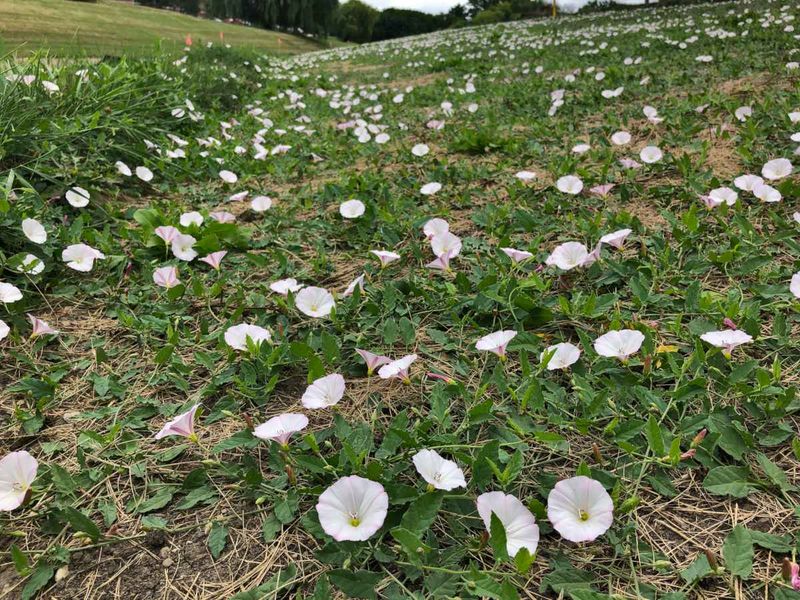
Here is a surprising fact. Field bindweed does not only creep through the dirt.
It also makes seeds, and those seeds can stay viable for decades, according to UC IPM.
That means a bed can seem finished and still hold a hidden bank of future plants. A new seedling in a spot with no old roots probably came from that bank.
Roots, rhizomes, and seeds each give the weed a separate way back.
So watch for flowers. Those small white to pink trumpets are the signal that seed is coming.
Pull or cut flowering growth before seed forms, and do not leave cut vines lying on bare soil where seed pods might finish ripening. Utah State University Extension also lists seed as one of the ways the plant spreads.
Stopping seed limits one source of new plants. It does not stop shoots from established roots, which keep coming back from underground.
Think of it as closing a side door while the front door is still open.
The best habit is to do both jobs at once. During your regular patch visits, scan for buds and blooms, remove them first, and then work on the shoots.
It adds only a minute or two, and over several seasons it keeps the problem from growing.
A Dark Cover Takes Time to Work
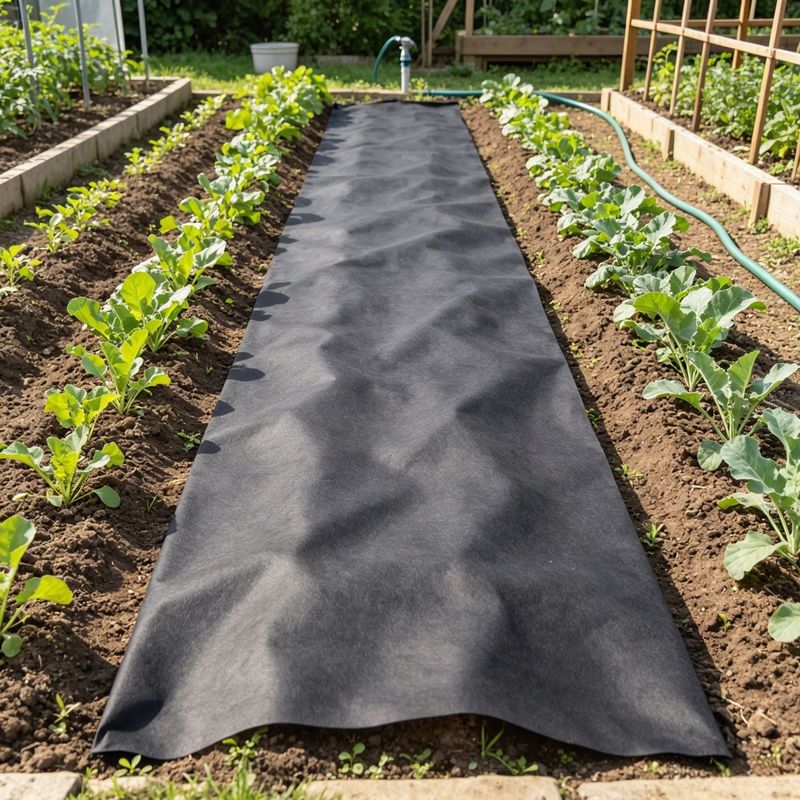
Picture a bed you can afford to leave alone for a few years. Maybe it is a future patio edge or an empty corner behind the shed.
That kind of space is a good candidate for a dark cover.
The idea is simple. If shoots cannot reach light, they cannot feed the roots, and the stored reserves slowly run down.
Fabric or thick mulch can do this, but only with complete coverage. Overlap seams generously, pin the edges, and check for any gap where a vine can slip out.
One missed corner is enough. A single shoot that finds sunlight can recharge the roots, like a straw into a drink you thought was sealed.
Walk the edges now and then and pull anything poking through.
Patience matters here. UC IPM reports that plants beneath a cover can take three to five years to die.
That is not a one-season fix.
The same source warns that seedlings may emerge from the soil seed bank once the cover comes off. So plan to replant quickly, mulch the surface, and watch for small seedlings the first year.
Treat the cover as long-term suppression, not a permanent guarantee.
Match the Plan to the Lawn or Garden Bed
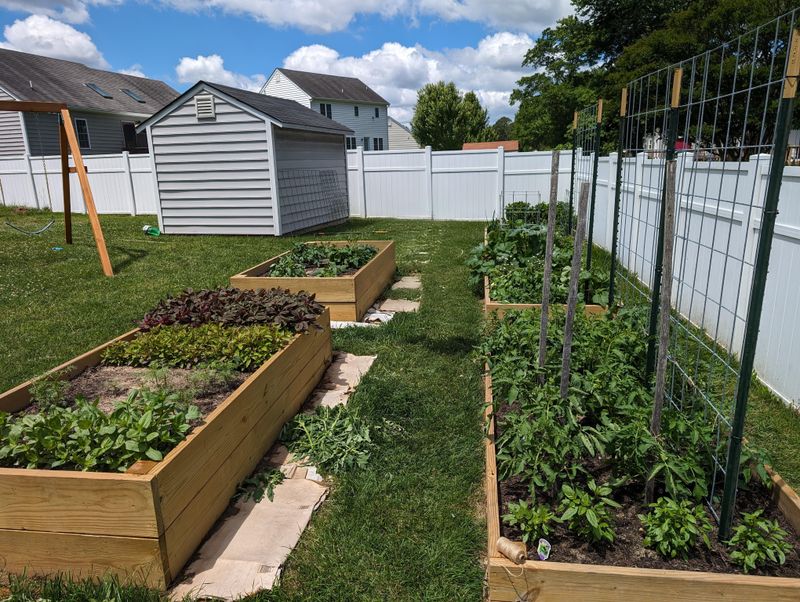
Most yards have two battlegrounds, and they need different tactics. A lawn and a planting bed give bindweed different places to hide.
In turf, frequent mowing may reduce the plant’s vigor, as UC IPM notes. But mowing will not remove established roots.
Keep the grass thick and healthy so it competes for space, and treat the mower as one helper, not the answer.
In garden beds, you can work close to the plants. That is where repeated removal and attention to seed production matter most.
Oregon State’s guidance frames this as a patient, multiyear job, not a single weekend project.
If you ever consider an herbicide, read the product label first. It lists the permitted sites, directions, and precautions, and a label that says not for lawns or not for food gardens means exactly that.
Treat it as one possible layer, never a universal fix.
Pick the plan that fits the spot, then stick with it. A weed with a head start of years will not give up in a month, but it will thin out for a gardener who keeps showing up.
